In 2022, 23, and 24, we traveled to Northern Minnesota’s Sax Zim Bog in the middle of winter to photograph owls. We always had a magical time and were fortunate to see everything from great grays hunting in the snow to a playful mink who seemed to enjoy posing for us as much as we enjoyed photographing her.
great gray owlminkclick on photos to enlarge
With Uganda already on our 2025 travel schedule, we were unable to make a trip north that winter. Unfortunate timing for us, as it was an “irruption year,” a rare event that occurs when there is a sudden increase in the population of certain owl species, including great grays.
SZB Bird & Wildlife Report, February 17, 2025
We hoped for the best in 2026, but by mid-January, it was clear that this winter was nothing like the last. Sightings of any owls were scarce, and great grays were non-existent.
It didn’t make sense for us to travel all that way only to be disappointed. We felt that by going further north, we might have better luck with our wildlife sightings, so TG found an affordable Airbnb in the small town of Ninga, Manitoba.
Oscar & Maddie: such good travel buddies!
1800 miles in the car
Welcome to Manitoba!
Bethany’s Country Corner Stay was a charming duplex and perfectly suited our needs.
The forecast called for warmer temps in the coming weeks, so on our first full day, we made a quick grocery run to Brandon and then stayed close to home. Still, on that first drive we saw a red fox running across a snowy field, several white-tailed deer, flocks of snow buntings, a magpie, and, to our delight, a snowy owl. The area seemed promising! We also took a few walks around the tiny village of Ninga: population 45.
sunrise reflection to the westNinga Presbyterian Churchour view to the southNinga sunriseclick on photos to enlarge
We quickly settled into a routine. Every morning, we woke early and planned our photo safaris. Since we were in snowy owl country, we were confident we’d have good luck no matter which road we took. Over the four weeks, we saw 28 snowy owls.
male snowy on a power pole
female snowy at the top of a tree
male snowy on a snow drift
female snowy in a field
As a local said, “This is wheat country, and where there is wheat, there are rodents. And where there are rodents, there are owls!”
“This is wheat country, and where there is wheat there are rodents…”
“And where there are rodents, there are owls!”
BaldurDeloraineWaskadaMelitaCrystal CityTilstonEach town has its own way of showcasing its agricultural heritage (click on photos to enlarge)
While searching for owls, we also hoped to photograph other prairie birds such as gray partridges, snow buntings, and grouse.
gray partridge
We wanted to get close-up photos of the red foxes we saw running through the fields,
red fox at dusk
And maybe even spot a moose or two.
moose cow & calf at sunrise (with a tip of the hat to Bullwinkle J. Moose)
The cold weather meant we stuck to driving safaris. Even though we planned our routes each day,
We often ended up turning onto side roads. That was part of the fun and led to some unexpected adventures!
A slight detour took us to the Swinging Bridge in Souris
snowshoe hare
The Burning Bale in the tiny town of Elgin had amazing food!
bald eagle
Based on eBird sightings, we had reliable intel of a great horned owl on a nest in Winnipeg, about a three-hour drive from Ninga. I wanted to check out the Via Rail train station anyway, so we made a day trip out of it.
sunrise on the way to Winnipeg
Hwy 2
Union Station, Winnipeg
We didn’t have any luck finding the GHO that day, even with help from a friendly local named Ray—“as in Ray of Sunshine.” But we did hike over 10,000 steps, which felt great after long days of sitting in the car. Our other sightings made up for it: lots of beautiful birds in the park, and on our drive, a cooperative red fox, five coyotes, big herds of white-tailed deer, and four snowy owls!
red fox
coyote
downy woodpecker
white-breasted nuthatch
Eastern cottontail
female snowy on a power pole (Hwy 2)
Two weeks later, we learned that the GHO owlets had hatched. With clear directions this time, we drove back to Winnipeg and were delighted to find mama and her two babies in the nest, while papa kept watch from a nearby tree.
papa watching from a nearby tree
mama watching over her babies in the nest
And, on our drive, we spotted two more snowys. Altogether, it was a six owl day!
female snowy owl on a power pole
We were almost home when it began to snow. Even though we needed to keep moving, a beautiful rough-legged hawk landed on a pole right in front of us, so we stopped to take a few photos.
rough-legged hawk in snow flurries
Almost daily, a barred owl was listed on E-bird at a park about two hours away. After two failed attempts to locate her, we had given up, unsure if another search was worth it. One night TG received a message from a fellow bird-lover with a map, GPS coordinates, and a recent photo. Armed with that intel, we found her, and she certainly was worth the effort!
She was in a cavity in a tree across a creek, about 100 yards away.
If we didn’t know which haystack, we never would have found the needle!
barred owl
Everywhere we went, we were asked if we had seen any elk. “Not yet,” we’d reply. On our drive home that afternoon, we finally saw a large herd standing in a snowy field.
elk herd
We had heard about a screech owl at a park in Winnipeg but weren’t sure we’d be able to make a third trip before heading home. However, a beautiful Monday changed our minds.
another beautiful sunrise drive to Winnipeg
Since we were already in the area, we also decided to check in on the great horned family and say goodbye to the barred owl. On our drives to and from Winnipeg, we spotted four more snowys—three males and a female.
male snowy on a pile of railroad ties
papa great horned
mama great horned and her two babies
female snowy
barred
male snowy
The screech owl was not at home in her tree, but it was still a three-species, nine-owl day!
nobody home!
The International Peace Garden was established in 1932 to promote peace, cooperation, and friendship between the United States and Canada. This 3.65-square-mile botanical garden sits on the border between Canada and North Dakota and features 150,000 flowers, fountains, various structures, and an 18-foot floral clock.
The garden sits on the border between Canada and North DakotaThe Conservatoryclick on photos to enlarge
In the winter, there isn’t much to see outside, but the Conservatory was a perfect way to stay warm on a cold day.
The Conservatory
“This can be a prickly place”
Conservatory selfie
At their peak in the 1940’s, there were more than 5,500 wooden grain elevators or “prairie sentinels” across Manitoba.
selfie at Cameron – Manitoba’s oldest grain elevator still on its original site (built in 1902)
But as farms switched to steel silos, the wooden elevators became outdated and costly to maintain. Now, with more lost each year to demolition, fires, or natural disasters, these landmarks are quickly disappearing.
OberonTilstonThese two won’t be around for long (click on photos to enlarge)
Across the province, only 80 classic wood elevators are still standing. Hoping to preserve some of this history before it is gone forever, we planned our wildlife safaris along routes where TG could capture a few of the old elevators that are still left.
TG at Cameron
Cameron
Tilston
Coulter
Oberon & Maddie
Elgin
Holmfield
Lena
McCreary with vintage train station
We also stopped to photograph interesting landscapes and other structures while out exploring.
Dodd’s Homestead 1889
TG getting the shotHolmfield Hilton Hotellots of interesting signs, barns, and other structures to photograph (click on photo to enlarge)
March 13 turned out to be an extraordinary day. We didn’t have any specific plans – the snowstorm the prior evening had left many roads too edgy for our low-clearance VW Jetta.
It was blowing like a nor-easter the evening of March 12!
By mid-afternoon, the sun was shining, and TG suggested we pick up dinner from The Burning Bale. While driving, we saw a coyote by the side of the road and then two snowy owls in beautiful afternoon light. On the way back, we spotted two more snowys, bringing the total to four for the day!
male snowy owl
But the true magic happened later that night. A G2 storm bumped the KP index up to 6, and around 10 pm, we went outside to check the sky. The stars were bright, and the Northern Lights shimmered above us. Through our cameras, it glowed a brilliant emerald green. It was too cold to stay out for long, but we were grateful for this unexpected gift from Lady Aurora.
Country Corner Stay Airbnb
Aurora and Big Dipper over the Ninga grain elevator
Ninga horses under the Aurora
Ninga is about 14 miles from Boissevain (pronounced “boyz-eh-vane”) and was our closest option for gas and groceries.
Tommy the Turtle, Boissevain
The Boissevain-Morton Arts Council (BMAC) was founded in 1990 to develop outdoor murals and promote tourism. More than 20 professional murals now tell the town’s story, several of which were visible each time we drove through.
Welcome to Boissevain – Don’t Miss Our Murals!
So, one day we walked around town to photograph them.
These Roots Run Deep
Romance of the Railroad
Royal Canadian Legion Branch #10
Travel Manitoba Visitors Center
General Store
Green Meadows Farm
Travel Manitoba
Millinery Shop
Main Street Saturday Night
Ethnic Mosaic
Water Towers
MTS Boissevain 1935
We met so many wonderful people during our visit—our gracious Airbnb hosts, Bethany, her mom Alma, and brother Justin were just the first. Richard recommended quiet roads for spotting moose and other wildlife. At The Burning Bale, Chef Germaine welcomed us with warmth and amazing food.
Chef Germaine, The Burning Bale Restaurant
Gord suggested Rt 245 for a scenic drive home.
30 seconds on scenic Rt 245 (sped up 2x)
And when we mentioned our passion for owls, many locals offered helpful information.
TG with a helpful fellow-birder
Manitoba’s license plate reads “Friendly Manitoba”—and we couldn’t agree more!
“Friendly Manitoba”
Sawmill Tea & Coffee Co
“Dear person behind me, the world is a better place with you in it”
With everything going on in the world right now, it’s important to take a break from the chaos once in a while. Manitoba’s wide-open spaces, abundant wildlife, and welcoming community helped us stay grounded and reminded us to look for peace, no matter what life brings.
Aurora over Ninga, March 13, 2026
To view all our photos from our month in Manitoba, click on the Flickr links below:
TG:
arrow through set or click on any photo to open a new tab in Flickr
JET:
arrow through set or click on any photo to open a new tab in Flickr
Puffins have always seemed nearly impossible creatures that look more like children’s toys than real birds. Their colorful beaks and triangular eyes stand out against sturdy black-and-white bodies, and their name perfectly captures their roly-poly look. As if that weren’t enough, their chicks are called “pufflings.”
Elliston puffin site, July 2025
These pelagic birds are masters of the air, sea, and land,
Elliston puffin site, July 2025
Flying thousands of miles over the ocean,
Elliston puffin site, July 2025
Diving to catch fish (click on photos to enlarge),
Elliston puffin site, July 2025puffin with capelin
And burrowing to nest.
Spillars Cove, July 2025
Despite the remote locations where puffins are typically found, I was determined to capture their beauty through my lens. The viewing site in Elliston, Newfoundland, is one of North America’s best places to observe puffins, especially from May to September when they breed on a rocky outcrop, allowing for close encounters.
Elliston puffin site, July 2025
Since the best times to photograph the puffins are early morning or late afternoon, I looked for other interesting ways to occupy my days. The surrounding area offers beautiful hikes and plenty of photo opportunities, so we booked a week at an Airbnb in Bonavista, just five miles from the Elliston site.
Johanna’s big red house BnB
Johanna’s spacious BnB featured a private bedroom and bath, as well as a shared kitchen, and was conveniently located near restaurants and the harbor. Her mi-casa-es-tu-casa hospitality instantly made me feel like family. And the location was a perfect base for exploring all that the Bonavista Peninsula had to offer.
I flew WestJet’s direct morning flight from Orlando to St. John’s, picked up my rental car, and drove the 3 1/2 hours to Bonavista. The route was scenic and colorful — azure lakes nestled between lush green hills with bright yellow, pink, and purple flowers growing wild alongside the road.
lupines growing alongside the road
A red fox darted into the bushes as I drove by, and a bit further along, a second fox stayed long enough for me to snap a quick proof-of-life photo through the windshield as I zipped past.
a quick proof-of-life shot through the windshield!
The coastline is filled with charming towns featuring brightly painted buildings that line blue harbors, where equally colorful boats bob in the waves.
Bonavista Harbor
My first day was overcast, and after visiting the puffins in the morning, I spent the afternoon exploring. The Puffin Craft Shop in Maberly offers a selection of handmade items and photographs. I had a wonderful conversation with the owner, Bernice, while choosing a knit cap – embellished with a puffin, of course. I immediately put it on and wore it for the rest of my trip. (Arrow through gallery set)
Puffin Craft Shop, Maberly
Pte. Puffin Pete
my new knit cap
At one of my stops, I happened upon the Sealers Memorial, a powerful seaside statue and monument honoring those who died in the 1914 Newfoundland sealing disaster. (click on photos to enlarge)
Sealers MemorialSealers Memorial statue
Every town has at least one cemetery with tombstones dating back to the 1800s. Many were overgrown, with ancient stone crosses tilted on their sides, and on the oldest, the writing had eroded from decades of wind and sea. (Arrow through gallery set)
Bonavista
On a whim, I turned down Dungeon Road and came upon a herd of beautiful horses in the community pasture. I couldn’t help but snap a few photos as they grazed on the green hillsides against the blue ocean backdrop.
horses in Bonavista’s community pasture
Later, I drove to Cape Bonavista and the lighthouse. From high up on the hill, I watched two humpback whales slowly meander in the bay below me as a bright orange tour boat followed behind. (click on photos to enlarge)
Bonavista Lighthousewhale with tour boat
I returned to the lighthouse for the sunset. While I waited, whales entertained me, tails slapping as huge flocks of birds circled above.
setting up for the sunsetsunset over Cape Bonavista
One morning, I stopped to photograph the inuksuks on Sandy Cove Beach. These traditional stone markers, which I first learned about during my visit to Churchill in November 2024, are a significant part of Indigenous culture. I was delighted to find them on a beach in Elliston, pointing the way to the puffin site!
inuksuk on Sandy Cove Beach with puffin site in the distance
I returned to Dungeon Road and visited The Dungeon, a massive, heart-shaped crater with two separate openings to the sea. I enjoyed watching as the waves crashed in, the same waves that had carved out this breathtaking sea cave millions of years ago.
The Dungeon
Besides being famous for its puffins, Elliston is also known as the Root Cellar Capitol of the World. So, of course, I had to snap a few obligatory root cellar pics! (Arrow through gallery set)
“That’s all fine and good, but what about the puffins?” you ask. The puffin viewing site is located at the end of a short hike along a rocky, uneven path. Until I was up and over the last hill, I had no idea what to expect. (click on photos to enlarge)
Elliston puffin siteElliston puffin site
What I was given on my first foggy morning were more puffins than I could have hoped for! The rookery itself is located on an island offshore, at a reach of only the longest lens.
the offshore rookery, July 2025
However, there were hundreds of puffins on the mainland, so close that I had to back up to capture them with my 100-400mm!
hundreds of puffins on the mainland! (July 2025)
Although there were several photographers already milling around, there were more than enough puffins for everyone. I was in puffin heaven, enjoying their roly-poly, comical beauty.
puffin heaven! Elliston, July 2025
Wednesday morning dawned sunny and bright. I was back at the site by 6:45 and was greeted once again by hundreds of puffins on the mainland side. I had switched to my fixed 500mm lens this morning and needed to stay back even further to get my subjects in the frame! (click on photos to enlarge)
Elliston puffins, July 2025Elliston puffins, July 2025Elliston puffin, July 2025Elliston puffin, July 2025
Elliston puffins, July 2025
There were dozens of puffins floating in the bay, looking like miniature rubber duckies.
enjoy the beauty of the bay
I watched them for the longest time, even attempting a few shots of birds in flight – but photographing puffins in flight is like trying to capture a speeding bullet! So, I sat back and enjoyed the beauty surrounding me.
my little rock perch
As I watched from my little rock perch, two beautiful black guillemots landed no more than ten feet away.
black guillemot
Finally, the sun was high enough that I could move back to the east side of the mainland to shoot a few more close-ups, as close-up as my lens would allow.
Elliston puffin site, July 2025
A circus (yes, “circus” and “improbability” are both collective names for a group of puffins) had gathered on the cliffside several yards from me, and I was at a good vantage point with the sun at my back. It was indeed a circus as I tried to video a bit of their antics.
Elliston puffin site, July 2025
Suddenly, one brave puffin hopped up on the rocky ledge and waddled so close I had to put my camera down – I could not get her in my frame!
this puffin came too close for me to capture with my lens! Elliston, July 2025
After two morning sessions with the puffins, I had filled two 32GB memory cards. Although I was, for now, puff-full, I was smitten with these birds and could hardly wait to visit them again.
I was totally smitten with these birds!
The Klondike Trail is an easy 3km out-and-back hike that runs from Spillars Cove to Elliston. The Spillars Cove trailhead begins at a famous rock formation called “The Chimney” and offers sweeping views of the cove, coastline, and a shorebird rookery. (click on photos to enlarge)
The ChimneySpillars Cove & Chimney
I chose to hike the trail to Elliston while the morning was still cool, as it promised to be a warm, sunny day. The trail led me inland, away from the rugged coastline, and I enjoyed the fresh, sweet air, as well as the many chirping birds, (click on photos to enlarge)
the route took me inlandyellow-bellied flycatcheryellow-browed warblerblackpoll warblerSavannah sparrow
And a snowshoe hare modeling her summer coat.
snowshoe hare
Upon my return, I followed a well-worn path of flattened grass down to the edge of the cliffs directly across from the rookery.
Spillars Cove, July 2025
There were hundreds of puffins flitting around the island and swimming in the cove.
Spillars Cove, July 2025
In 2017, we journeyed to Antarctica for our 35th wedding anniversary. I “penguined” for much of the time – I put down my camera and simply enjoyed the penguins and the beautiful scenery. This morning, I “puffined.” Unlike the sometimes-frenetic photographer activity at the Elliston site, I had Spillars Cove to myself.
this morning, I “puffined”
As I quietly watched, the puffins flew back and forth to burrows on the mainland, some even landing on a ledge directly beneath me.
as I quietly puffined, she landed on a ledge directly beneath me
The world’s largest population of humpback whales returns to Newfoundland each year between May and September, and tour boats run daily trips to watch them frolic and feed near shore. I did not want to book a whale tour until I was certain I had all my puffin “money shots.” But after that spectacular first session on Tuesday morning, I booked a Friday tour with Discovery Sea Adventures.
Discovery Sea Adventure Tours, Bonavista
After everyone was dressed in a brightly colored survival suit, we boarded our zodiac and headed out to sea.
gearing up in our survival suits
Within minutes, Captain Bob spotted a minke whale. These whales are very shy, and it was just a quick glimpse before she disappeared beneath the waves. Next up, a pod of Atlantic white-sided dolphins, but at the same time, a mother and baby humpback breached in the distance.
minke whale
Leaving the dolphins behind, we raced to the whales, as there is never a guarantee of how long they might continue this behavior.
Mama jumped a few times, but the calf jumped over and over again. I missed a few breaches as I was distracted by more whales off in the distance, but in the end, everyone got their money shots. (click on photos to enlarge)
Finally, after more than an hour of continuous breaches, we left the whales. We headed to the seabird colony below the lighthouse, a bustling community of puffins, razorbills, and murres, among others.
the seabird colony below the lighthouse
Captain Bob wanted to find us more dolphins,
Captain Bob looking for dolphins
But we were diverted by three fin whales, the second-largest whale on the planet. These mighty whales rarely show their tails or breach, but they did show us their distinctive dorsal fins.
fin whale
Suddenly, Patti, a fellow passenger, cried, “What is that fin?!?” It turned out to be a porbeagle shark playing with a piece of kelp, adding even more excitement to an already fantastic day.
porbeagle shark playing with kelp
As we turned back towards Bonavista Harbor, we found our dolphins. They raced around the boat – almost too fast to photograph, but a thrill, nonetheless.
dolphins!
At the end of our adventure, Captain Bob instructed us to look up. A friend was flying a drone overhead and snapped a quick photo of our group – a special keepsake from our special day. (arrow through gallery set)
drone shot of our group
Dean & Patti & me seriously focused (photo by Dean)
what a day! (photo courtesy of fellow traveler)
Later that afternoon, I returned to Cape Bonavista to search for a fox family that lives in the grassy meadow below the lighthouse. After 90 minutes of fox-less waiting, I walked up to the rookery. I was delighted to find a large group of puffins on the mainland, happily going about their evening business while cameras clicked away. (Arrow through gallery set)
With the weekend upon me, I decided to explore more of the area. Johanna had given me a list of “must-sees,” and I planned routes that would cover most of them. As I drove along, I realized I was following part of the “Discovery Trail,” a 425km route that circles the Bonavista Peninsula.
I realized I was following part of the “Discovery Trail”
My first stop on Saturday was the charming town of Kings Cove and the Lighthouse Trail.
the charming town of Kings Cove
I chose the longer, 3.5km loop and was rewarded with a beautiful view from the lighthouse,
Kings Cove lighthouse
Another snowshoe hare,
the poor thing was trying to rub ticks off her nose
And a moose!
a moose
I had planned to stop at Maudie’s Tea Room in Keels for breakfast, but I was too early for their noon opening. I missed their sign on my way in and stumbled upon another interesting site: Devil’s Footprints.
Devil’s Footprints in Keels
While geological studies attribute these cloven, hoof-shaped indentations to natural causes, locals claim that the tracks were made by the Devil dancing over Keels. I found the local version a much better story!
My journey then took me to Tickle Cove and the awe-inspiring Sea Arch, a magnificent rock formation.
Tickle Cove Sea Arch
I scrambled to the top of the hill above the arch and, lying on my stomach, gazed straight down at the sheer drop! (click on photos to enlarge)
I scrambled to the topa sheer drop straight down!
Below the Sea Arch was a small rocky beach filled with wishing stones – rocks with continuous lines of quartz running around them. Folklore says if you’re lucky enough to find one with unbroken lines and make a wish while throwing it into the ocean, your wish will come true.
the legend of the wishing stones
I spent an hour on the beach searching for a few stones that were just the right size to carry home. While I was there, I also threw one into the sea with a wish to return to Newfoundland someday. (click on photos to enlarge)
searching for my wishing stonesmy haullisten to Tickle Cove Pond by The Likes of Jeff Pittman
After a quick lunch in picturesque Trinity, I climbed the Gun Hill Trail for a panoramic view of the town.
the picturesque town of Trinity
And then, because I could not help myself, I returned to the Elliston puffin site. It was crowded this Saturday afternoon, and after snapping a few more photos of these captivating birds, I returned home to Bonavista. (Arrow through gallery set)
Sunday had me out the door before dawn, and I watched the sunrise over the ocean as I drove to Port Union and the Murphy’s Cove Trail.
sunrise over the ocean
This 7.7km hike features multiple ocean views and an interesting fossil story.
Murphys Cove trail
In 2008, scientists discovered the fossil of one of the world’s oldest living animals: a 560-million-year-old sea creature called a Haootia quadriformis. This ancient cousin to jellyfish is significant in understanding the origins of life. The fossil is on display in a museum in St. John’s, but it was fascinating to learn about it on this remote trail! (click on photos to enlarge)
the Haootia fossil site on the Murphy’s Cove Trailartist rendition of a Haootia
However, the most exciting part of my hike was the sudden appearance of a red fox darting across the path in front of me! I had given up on seeing another one on my trip, and this unexpected moment made my day.
Port Union is North America’s first and, to this day, only union-built town. I checked out the historical Factory and Coaker Manor, and scrambled about on the rocks behind the Factory building, searching for (and failing to find) more fossils.
The Factory and Port Union fossil site
My next stop was the Skerwink Trail in Port Rexton. The Skerwink Trail is continually ranked in the top 35 trails in North America and Europe, and rightly so. As the founder of the trail, John Vivian, said, “This trail offers more scenery per linear foot than any other trail in Newfoundland.”
beautiful Skerwink Trail
I followed the 5.3km route up and down steep hills that hugged the rugged coastline, offering breathtaking views of the ocean that on this day was an impossible shade of blue.
the steep up & down trail followed the rugged coastline
After two somewhat strenuous back-to-back hikes, I was ready for lunch! I stopped at the famous “Oh My Cheeses” food truck in Port Rexton and splurged on “The Gull” – grilled brie with Newfoundland partridge berry jam on toasted bread. Yum!!
grilled brie & partridge berry jam from Oh My Cheeses in Port Rexton
On my way back to Bonavista, I swung by the Elliston puffin site one last time. The puffins were not putting on a show like they had earlier in the week. But Newfoundland had one final surprise in store: an iceberg!
an iceberg! (July 13, 2025)
I traveled to Newfoundland for the puffins and went home with so much more: whales, dolphins, foxes, a moose, countless stunning landscapes, rewarding hikes, delicious seafood, picturesque towns, spectacular sunrises and sunsets, and an iceberg – the final icing(berg) on the cake!
Bonavista Peninsula landscapes (with “Up She Rises” sung by Jason Ryan during my dinner at Skipper’s Restaurant)
And although I didn’t have the opportunity to get properly “screeched in” on this trip, in my heart, I am an honorary “Newfie.”
To view all my puffin photos arrow through the set or click to open a new tab in Flickr:
To view my whale and other Newfoundland photos arrow through the set or click to open a new tab in Flickr:
My fascination with polar bears began decades ago at Lincoln Park Zoo in Chicago. I was watching at the underwater viewing window when a bear swam by. I placed my hand on the thick glass, and he put his massive paw against mine. Mere inches separated me from this mighty creature, and I knew then that someday I would see these magnificent animals in the wild.
mural at the Iceberg Inn, Churchill, Manitoba
The years passed and other adventures took priority over polar bears. But as I grew older, I felt an increasing sense of urgency that if I did not make the trip soon, I would lose whatever opportunity I might have. After thorough research, I settled on the Lords of the Arctic learning vacation at the Churchill Northern Studies Centre in Churchill, Manitoba.
7am Calm Air flight from Winnipeg to Churchill 10-31-24
Day One: Arrival & Orientation
Faith is at the airport to meet us, and we are efficiently loaded onto the CNSC bus. We stop in town to pick up a few more folks and are on our way to the Centre, located about fourteen miles from Churchill. The landscape is covered with a light dusting of snow, and the road winds its way along Hudson Bay, looking very cold and gray this morning. I scan both sides of the tundra, looking for signs of wildlife, but at 50 mph it is challenging to spy anything.
boarding the CNSC bus
We gather in one of the many meeting rooms for our Welcome orientation and room assignments. This week we are a small group: just eighteen of us have traveled from across Canada, the US, and the UK. I am delighted to find that we are only two in a room built to accommodate four.
my home for the week
After a quick lunch, Ashley gives us a tour of the building. The CNSC is an independent non-profit that conducts multiple in-house and outside research projects. One of their projects is Rocket Greens, where they grow leafy green vegetables and herbs for much of the town of Churchill, including some of the hotels.
Ashley at the Rocket Greens demo case
Once the building tour has concluded, we board the bus for a supply run in town. I do not need anything, but I do not want to pass up the chance to see wildlife on the tundra. After we board, Faith has a surprise: there will be a stop at the post office to stamp our passports!
a stop at the post office for a passport stamp!
As we drive around the small town of Churchill, I see multiple murals – the result of the “Sea Walls” art project in 2017. After we return to the Centre, we watch an hour-long documentary about how this beautiful project came to be: “Know I’m Here.” You can watch the full video on Vimeo at the link below:
With no time to catch our breath, we move from the A/V room to supper and the evening lectures. The first is by a visiting scientist, Sjoerd Vos. He explains his “Whiskers Project”- a way to ID individual polar bears by the pattern of their whiskers, enabling scientists to track changes in the bears over time. We can participate in his research by providing photos – and he gives us the specs of exactly what he needs.
Sjoerd Vos explains his Whiskers Project
Next, head scientist and our group leader, Doug Clark, presents “Polar Bears 101” – a comprehensive overview of the state of polar bears in the Hudson Bay area. Diminishing sea ice (due to climate change) has lowered the reproductive rate: little ones have a much harder time surviving due to the shortened hunting season for the moms. But if they can reach adulthood, they will survive. This is good news, as I once feared that polar bears might go extinct in my lifetime.
Doug Clark presenting Polar Bears 101
Doug wraps up his lecture a little after 8pm. We retire to our rooms, and my roommate, Michele, and I talk until almost 10pm. She is from outside of Calgary and is traveling this week with her two grown sons.
Michele and me
Day Two: A Very Beary Day
Today, we board a tundra buggy at 8am for an all-day drive through the Churchill Wildlife Management Area. The first buggy (Buggy One) was a modified garbage truck built by a local hunter who simply wanted a place to sleep while out on the tundra. A PBS crew asked to tag along to get closer to polar bears, and so an industry was born.
Buggy One
Currently there are around 15 buggies – not all in working order, nor all for tours. They are modified school buses that sit perched on giant tires with windows over ten feet from the ground. Each buggy is equipped with an RV-style toilet and a back viewing deck.
Our driver is Max Burke, a second-generation buggy driver who drove his first buggy at the age of five. We love his passion for the bears and other wildlife. He is a wealth of information about the land, the history of this area, and the culture of the community.
Max at the wheel
The terrain is rough – “pothole” does not even begin to describe the huge bumps and deep crevasses the buggy traverses as we lumber along. But we are all bright-eyed with anticipation for what this day will bring.
“pothole” doesn’t even come close to describing this!
We spot our first polar bear within minutes: a single male slowly walking across the ice. At the same location, we spy a mother and two cubs, far in the distance. It is more than I ever dreamed of – four bears within the first hour! I am filled with emotion, and I fight back tears of joy.
a lone male walking across the ice
And then things get crazy: Max barely restarts the buggy at each stop before we spy another bear. We scurry from one side to the other, from the big front windows to the back viewing deck, taking shot after shot. It is impossible to convey the size of these animals: massive, huge, enormous, colossal all seem inadequate. They move their powerful bodies without a sound, gracefully walking along the tundra and ice.
mother and year-old cub
A mother and year-old cub stroll towards the buggy stopped ahead of us. We watch as they sit below the back viewing deck, giving those folks the photo opp of a lifetime.
the photo opp of a lifetime!
And then, much to our surprise and delight, she turns towards us! She brings her son to our buggy for the same opportunity – even going as far as to walk underneath the back viewing deck to look up at us through the grated metal floor. We are beyond thrilled.
much to our surprise and delight, they turn towards us!
At one of our stops, a flock of two dozen ptarmigans fly across the road and land in the willows directly beside us. A polar bear to the right of us, ptarmigans to the left: where do we point our cameras?!?
ptarmigan – check out those furry feet!
Later, we spy a white-rumped sandpiper, looking like an out-of-place Florida shorebird. Snow buntings fly back and forth across the road. And when it is too dark to photograph, a cross fox runs ahead of us. By the time Max turns towards home, our count for the day is twenty-five unique bears. He says it is the most bears in one day he has ever seen in his life – using words like “sick” and “insane.” Later, Doug tells me that it is the most bears he has seen in a single day in over three years of Lords of the Arctic learning vacations. It was indeed epic!
what an epic day!
We return to the Centre in time for dinner and Doug’s evening lecture. He briefly overviews tomorrow’s activities and then talks about his remote-camera project. His team has set up remote cameras in four locations throughout the area, monitoring polar bear activity without human interference. Their findings closely parallel what scientists have found using more traditional tag and collar methods. This means legitimate scientific data can be gathered with non-invasive techniques, which is better for the bears and safer for the communities that live in the sub-Arctic.
It has been a wonderful day. Our adrenaline ran nonstop for the nine hours we were on the buggy, and everyone is exhausted. Lights out comes early, and I sleep soundly.
lights out!
Day Three: Churchill Captures A Piece of My Heart
Another busy day begins with a lecture by Lara Grevstad, the CNSC Research Coordinator. She explains that this area is comprised of three unique bio-habitats, which draw scientists and researchers from all over the world. Part of the Centre’s mission is to supply accommodations, lab space, and supplies such as microscopes and other equipment for visiting scientists. However, the CNSC also conducts its own research projects and assists with outside contract work.
Lara Grevstad, CNSC Research Coordinator
After Lara’s talk we are assigned our helicopter time and given a safety briefing. I wait about an hour for my turn, but the time passes quickly, and soon I am up in the air, in the front seat next to our pilot, Jennifer.
pilot Jennifer & me (Nancy in the back)
I tell her we saw 25 bears on our buggy tour yesterday and she replies she just saw 22 on her last flight. I scan the ground below me, looking for puffy yellow dots against the white ice and snow. Before long, we begin to count. There is one, there is another, and there are nine lying along that ridge! We lose count around 20.
polar bear from the helicopter
We see a big red splotch in the snow and a bear walking towards it. Jennifer tells us it is a seal kill. Minutes later, we see another big splotch with two bears actively feeding. And then a third, this time with one bear. It is a National Geographic moment, and I am relieved we are too high up to see much gore.
I’m glad we are too high up to see much gore
As we head back to the Centre Jennifer asks if we would like to see the Ithaca. Yes! We reply. The Ithaca is an abandoned cargo ship that sits in Hudson Bay, rusted and forlorn. On a fateful day in 1959, loaded with electrical generators and plywood, its rudder broke in an 80-mile-an-hour gale, and it ran aground. The company paid local townspeople to help offload the cargo, then permitted them to salvage whatever they could from the wreck.
the Ithaca
To view all the photos from my helicopter ride click here:
hover on photo to arrow through the set or click on any photo to open a new tab in Flickr
After a quick lunch, we are out the door again. First, we take a driving tour of the rocket launch site that sits abandoned on CNSC property. The site was built in 1957 to study the effects of the aurora on long-distance communications. It was used sporadically after that but was largely deserted by 1985.
the abandoned rocket launch site on CNSC property
Next, we are on our way to Wapusk Adventures for an afternoon of dog sledding. On our drive, we spy three foxes – too far away for my little RX100 camera, but still a thrill. Once at Wapusk, we gather in the warm building for an introduction by “Big Dog” Dave Daley and his team of 43 dogs.
“Big Dog” Dave Daley
He passionately talks about his family of dogs and Indigenous-based tourism. In 2004, he founded the Hudson Bay Quest, a qualifier for the Iditarod. He explains that today we will be running the “Idita-mile,” and we are given fur hats and mittens to wear while on the sleds. I choose a pair of beaver mittens Dave has worn on over 1500 miles of dog races.
Dave & me with his beaver mittens
Liz sits in the front of the sled while I am in the back, standing position. I am also responsible for stepping on the brake pad, a thick plastic sheet with studs pointing down into the snow. Emma, our driver, tells me to jump off the runners and onto the pad when instructed to do so. And then we are off!
photo by Daniel Raiti Photography
What fun it is, and the mile flies by all too quickly.
Wapusk Adventures dog sledding
Back at the Centre, it is time for a quick supper, and then a few of us board the bus for another trip into town.
There is a local artist’s market at the Complex, and we are eager to go shopping. I stop at a booth selling Hudson Bay sea glass. Sandra Cook is at a nearby table. She is the mother of Max, our tundra buggy driver from Friday, and I am happy to chat with her about our extraordinary day. I purchase three greeting cards.
the Complex community bulletin board
As soon as we return to the Center, we join Doug in the classroom for this evening’s lecture. Tonight, he tells us the story of The Three Bears. In addition to polar bears, the Hudson Bay area is home to black bears and an increasing population of grizzlies. All three species have been captured on his remote cameras. It is a fascinating talk, and we sit spellbound, hanging on to every word.
grizzly bear caught on Doug’s remote camera (photo courtesy of CNSC FB page)
Somewhere between the helicopter ride and the dog sledding, my paradigm shifted today. I have fallen in love with this unique corner of the planet, and I share my enthusiasm with the vendors at the market. Their eyes glow with pride for their hometown.
Day Four: Back on the Buggy
We are up early for another full day on the tundra buggy. This morning Captain Sean is our guide. He is a good driver, and we see four bears within short order. But unlike all our close encounters on Friday, most of these sightings are quite far away, and it is difficult to capture good photos.
Captain Sean navigating a huge pothole
We come upon a group of three bears sleeping on the rocks along the shoreline. What was predicted to be an overcast day with freezing rain has turned into blue sky and sunshine. The lighting is beautiful, and we linger, hoping for some movement. Just as Sean starts the engine, one of the bears wakes up and gives us a few “centerfold-worthy” poses.
centerfold!
Sean suggests we head towards the Tundra Buggy Lodge – a string of buggies that host guests out on the tundra for multiple nights. We have barely started in that direction when he makes a sharp turn and races the opposite way. He has spotted two sparing males!
sparring males!
We stay for over an hour, watching as the two bears tumble around, then stand to box, then nap. We lose count of the number of times they repeat this behavior. The only sound is the clicking of cameras.
we lose count of the number of times they repeat this behavior
After most of the action is over, a buggy full of students pulls up. The bears lift their heads, and as if to agree to one more performance, they stagger to their feet and spar once again.
While watching the boxers, we are also keeping an eye on a bear coming towards us from far off in the distance. A tiny moving dot eventually takes the shape of one of the largest and most beautiful bears we have seen yet.
Big Boy!
But wait! Another bear is hiding behind the giant tires of Buggy #12. Four bears!
a fourth bear is watching the action from behind the giant tires of Buggy #12
Big Boy lies on the ice, eyeing the two boxers now resting on a ridge across the road. He moves towards them. In slow motion, we watch as the two smaller bears get up to flank him. What is going to happen?? Will we witness a three-way fight?!? After some sniffing and circling, Big Boy ambles away and the two lie back down. The drama is over. I do not know whether to be relieved or disappointed.
What is going to happen?!?
In addition to the buggies used for tours, there is a maintenance vehicle and “Honey Buggy,” the sanitation truck for the lodges that stay out on the tundra. “Honey” is racing across the ice near where Big Boy has chosen to lie. He is startled and runs fast across the ice and into the willows. Doug estimates Big Boy at 20 years old and around 1000 pounds. This is unusual behavior for a bear of this age and size. By now, he should be accustomed to vehicles. A possible explanation is that he has recently arrived in this area from further south and is not yet used to humans.
Captain Sean turns towards the buggy dock and home. After a slow start, we were given 19 unique bear sightings, some quite close, in the most beautiful light we could have hoped for. But the tundra has one more surprise for us. With the dock in sight, we see a sub-adult lurking around the edges of the property. Jim, the bear guard, is on high alert as the bear approaches. He fires off a few warning crackers, and the bear runs off. We are instructed to board the bus without delay.
To see all my photos from our two days on the tundra buggy click here:
hover on photo to arrow through the set or click on any photo to open a new tab in Flickr
After dinner, Doug talks about the politics of bear management. A 1973 international agreement between the five sub-Arctic countries home to polar bears established strict guidelines—a remarkable collaboration that has lasted for decades. However, as global warming increases and governments change, combined with more Indigenous awareness and input, polar bear management has become increasingly complicated.
Putin with polar bear (internet photo from Doug’s slide show)
Each night, we check the forecast and the sky overhead. It has been overcast all week, and tonight is no different. It is not likely we will see Lady Aurora dance this week. I try not to be disappointed as I came for polar bears and have been given more sightings than I could have imagined. But I continue to hope …
the view from my dorm room – overcast skies every night!
Day Five: Pink & Green Icing on the Cake
Today is our last full day and the “On-the-Town” tour. We load the bus early to photograph the many murals we have seen around Churchill. Bear safety is taken very seriously, and all week, we have been instructed to move quickly from bus to building and never venture outside except on the Centre’s second-story observation deck. Whenever we return after dark, Faith does a slow loop around the parking lot, scanning for bears before letting us off the bus and straight into the building.
Our first stop is the Churchill WMA sign, followed by the “Golf Balls,” an abandoned radar station once part of the rocket program. Doug feels uneasy, and rightly so. A bear is moving towards us from the tree line. Our photo opportunity is cut short, and we see firsthand why bear safety is so important.
our Golf Balls photo opp cut short!
Next is the polar bear jail. The town of Churchill has created a program to protect its citizens, visitors, and the bears. Armed guards regularly patrol the roads and try to haze any bear that wanders into town. If that doesn’t work, the bear is captured and taken to a holding facility, where it is kept until the ice freezes enough to release it far from the community.
polar bear jail
We have fun taking photos of each other inside the bear trap.
me inside a bear trap (photo by fellow traveler, Amber)
Our next stop is Miss Piggy, an old plane wreck. We are not fully unloaded when another bear is spotted approaching us. Although he appears far away, we have learned that polar bears can run up to 30mph. We quickly pile back into the bus and make our way to town.
Miss Piggy
After a brief stop at the Complex, we drive to Cape Merry, the fur-trading post for the Hudson Bay Company and a national historic site. Our guide, Fia, gives us a fascinating tour,
Fia, our National Parks guide at Cape Merry
While armed guards stand vigilant.
armed guards keep watch for polar bears
We continue with our mural tour and stop for lunch at the Tundra Inn. After lunch, we visit the Itsanitaq Museum, home to a beautiful collection of Indigenous art.
Itsanitaq Museum
One of the most fascinating pieces is a set of miniatures carved from human teeth!
tiny figures carved from human teeth!
We head to the Churchill Visitors Center for a presentation on York Factory, a Hudson Bay Company fur trading post on the southwestern shore of Hudson Bay. Our guide, Eric, is entertaining, and the time passes quickly.
me modeling a late 1700’s felt coat & hat – worthless in Churchill winters (photo by fellow traveler, Nancy)
To see all my photos from our Around the Town tour, dog sledding, and the rocket launch site, click here:
hover on photo to arrow through the set or click on any photo to open a new tab in Flickr
We have about 45 minutes to shop on our own before heading back to the Centre for dinner. Our evening presentation is by Georgina Berg – a Cree survivor of the trek from York Factory. It is a fascinating but heartbreaking story. She talks about taking only what they could fit in a small canoe, leaving behind their dogs, their sleds, and most of their belongings. Because her father was Scottish, they were not given Treaty land and were forced to move to Churchill with almost nothing. The Indigenous children were sent to boarding schools and were not permitted to travel home during the school year. She talks about the darkness in her cousins and the challenges they still face today.
Georgina Berg
She concludes by saying it is not good to end an evening on such a sad note and invites us to participate in a smudging ceremony. One at a time, she stands in front of us as we lift the smoke up over our heads, our eyes, ears, mouth, hearts, and bodies to remove negativity and replace it with good thoughts. It is a sacred moment.
Back in the classroom, Ashley and Doug present each of us with a Certificate of Completion and we toast our wonderful week.
Cheers to all for a fantastic learning experience!
Around midnight, the skies clear, and Lady Aurora comes out to dance. We crowd onto the viewing deck, oohing and aahing as the sky turns brilliant shades of green, pink, and red. Everyone is awake, including the high school students we have shared the building and meals with this week. What a joy it is to feel the enthusiasm of these kids experiencing the magic along with us. I could not have asked for a better end to our week.
November 5, 2024 (around 2am)
To see all my photos from that magical night:
hover on photo to arrow through the set or click on any photo to open a new tab in Flickr
Day Six: Homeward Bound
We awake to snow. Our time in Churchill is over and it’s almost easy to say goodbye with the weather so blustery. We head to the airport and, from there, go our separate ways. This trip has exceeded all my expectations; I came for the polar bears and am going home with 67 unique sightings. I had hoped for northern lights, and the Lady obliged.
A Few Final Thoughts
I cannot say enough good about the CNSC. The individual cost of the activities packed into our five days was worth far more than the tuition they charged. Add to that the educational lectures, the Lords of the Arctic learning vacation is the best value of any Churchill polar bear package you can find. The dorm rooms, although basic, are clean and comfortable and the meals kept us fueled for our activity-filled days. The staff is professional and friendly. They did their best to accommodate every special request we threw at them: the post office for a passport stamp, the visit to the local artist’s market, and (my request) fresh bear tracks where I could safely take a “bare hand/bear paw” photo.
bare hand/bear paw
On my final leg home, the short flight from Atlanta to Pensacola, I sat next to a gentleman who was fascinated with my week in Churchill. I found myself confidently discussing diminishing sea ice, declining reproductive rates, and the global politics of polar bear management. Along with the fun and beautiful photo opportunities, I learned a lot!
Churchill Visitors Center
It was truly the trip of a lifetime, made even more special by the great group of people with whom I shared the week.
our group 10/31-11/5/24 (photo by Faith Carnegie)
a final close encounter with a polar bear!
“If you think adventure is dangerous, try routine, it’s lethal” ~ Paul Coelho
To view all of my photos from Churchill, see the Flickr link below:
I was born in Tokyo, Japan, and flew to the US for the first time when I was six months old. By the time I reached 21, I had seen more of the world than many people do in a lifetime.
my first very own passport, issued in 1973 (back in those days, young children were listed with their mother)
After TG and I tied the knot, we continued to travel and have experienced a lifetime of adventures together.
Tikal, Guatemala 1989
Before COVID-19 shut the world down in 2020, we had planned several bucket list destinations. After countries opened again, we took one international trip, an experience we were not eager to repeat any time soon. In the meantime, we discovered the joys of road trips with our two pups, and as of this writing, we have traveled with Oscar and Maddie to 29 states and four Canadian provinces.
Hyder, Alaska, June 2024
But one dream remained close to my heart: to see polar bears in the wild. The thought of being in the presence of these majestic creatures filled me with an overwhelming sense of awe. The journey to reach them is not easy, as they are not accessible by car, and the cost of airfare and the remote location make it a significant investment. Since TG did not share my passion, we decided I would take this trip solo while he stayed home with the pups.
The most practical place to see polar bears is in Churchill, Manitoba. Peak bear season is from mid-October to early November when the bears tend to be most active, gathering on the shores of Hudson Bay and waiting for the ice to freeze before setting out to hunt seals. So, it’s a short season with limited options for accommodations and tour companies.
the most practical place to see polar bears is in Churchill, Manitoba
After thorough research, we settled on the Churchill Northern Studies Centre. Their six-day/five-night “learning vacations” cover everything: accommodations, meals, and the opportunity to see polar bears up close. In addition to bear sightings and other wildlife encounters, they include a helicopter tour of Hudson Bay and an afternoon of dog sledding.
Churchill Northern Studies Centre Welcome Package
The prospect of learning from experts each evening, which appealed to the “science geek” in me, was a bonus. And the group setting—sleeping dormitory-style with shared meals—was perfect for a solo traveler like me.
Expert instructors, 2024!
You can find more information about this trip, as well as their other learning vacations here:
The facility is located inside the Churchill Wildlife Management Area, 14 miles from town. Curious polar bears and other wildlife will sometimes approach the building,
photo courtesy of CNSC Instagram
And there was a chance I might even see the Northern Lights during my stay.
the Centre has a webcam where you can watch the aurora live! (screen grab from 10-10-24)
We booked the Oct 31-Nov 5, 2024 “Lords of the Arctic” dates and roundtrip airfare from Atlanta to Churchill, with an overnight in Winnipeg at the front and back of the trip. All I had left to do was pack my suitcase!
All set to fly to Churchill
So, zip up your warmest jacket, grab your sense of adventure, and join me on a thrilling journey into the Arctic wilderness, where polar bears reign as lords!
Coming Next: MyLords of the Arctic learning vacation
The drive from Stewart, B.C., to Excel, Alabama, takes at least eight days and seven nights. This is too far to attempt straight through – too many back-to-back nights in hotels would not suit us or the pups. So, after our first three nights, including a quick drive through Jasper and Banff, we stopped in Ochre River, Manitoba, for four nights.
our route over 2+ months!
Ochre River, a quaint town with a population of about 1000, is strategically located just 20 minutes from the north entrance to Riding Mountain National Park, one of two national parks in Manitoba. We chose to stay at Lois’s Airbnb, a charming old farmhouse on the outskirts of town that offered a peaceful retreat and a convenient base for our adventures.
Riding Mountain National Park consistently makes the Top Ten list of things to do in Manitoba, and it’s easy to see why – the sheer beauty of the over 1,100 square miles makes it a perfect destination for nature lovers. Plus, it’s three overnights from Casa-Bama, making it a convenient place to stop for R&R while on road trips. This brief “layover” was a chance to check it out for future visits, either as a stand-alone destination or as a place to catch our breath on longer trips.
Hwy 10 looking north
Most of Riding Mountain’s visitors are there to hike, bike, or horseback ride on the 250 miles of trails. But since our visit was so short, and at the end of a two-month road trip, we chose to drive along the scenic roads.
we chose to drive the scenic roads
The Visitor’s Center, all the shops, and most campsites (hence most people) are in the park’s southern end, in Wasagaming. Once we were north of the hustle and bustle, the park was quieter, with more wildlife activity.
Riding Mountain National Park Visitor’s Center
On our first morning, we drove into Dauphin, about 20 minutes away, to stock up on the few groceries we would need for our stay. That afternoon, we checked out Riding Mountain. A considerable amount of rain had fallen in the past few weeks, and the unpaved roads were muddy. We drove the Lake Audy Road to the bison enclosure, splashing through puddles and potholes the 15 miles each way. We did not see much on the drive, and by the time we were back on 10 – the main road that runs through the center of the park – our poor car was covered in mud!
Opting for paved roads for the rest of our stay, we headed to Wasagaming and saw several deer.
white-tailed deer near Wasagaming townsite
We stopped at the Visitors Center, and as we started our journey back north, we were graced by the sight of a beautiful cinnamon morph black bear. After experiencing the chaos of Yellowstone bear jams, it was refreshing to witness such a calm encounter. She was happily grazing along the side of the road, unfazed by the few cars that had stopped to watch her. No one blocked traffic, and no one got out of their vehicle. It was a serene moment, a stark contrast to the frenetic energy of Yellowstone.
cinnamon morph black bear
Thrilled with such a magnificent sighting on our first visit to the park, we headed home, our hearts racing with excitement, to plan the remainder of our stay.
We were at the park by 6:50 the following day, and within two hours, we saw four black bears—one a cinnamon morph—and several deer.
black bear
white-tailed deer
Multiple cars drove by as we watched alongside the road, but no one stopped. We once again marveled at how “chill” Riding Mountain wildlife sightings were compared to the frenzy of Yellowstone.
cinnamon morph black bear
However, the recent rains had made the mosquitoes relentless. The moment we lowered the windows, they swarmed the car. Merely an annoyance to me, TG was instantly covered in painful bites, making photography almost insufferable. Pack your insect repellent if you plan a trip to Riding Mountain in July!
We went back for a late afternoon drive through the park. During this visit, we spied three more bears, all in the park’s northern half. In our limited experience, we had already concluded that there were two types of bear sightings: if the bear was on the move, running across the road, there was no point in stopping. That bear wanted nothing to do with us.
this bear wanted nothing to do with us!
But if she were going about the business of grazing, paying us no attention, we could stop for photos and sooner or later get the “full face” shot we hoped for.
full face black bear
We stopped at a quiet spot for a picnic supper and watched a pine marten run across the road. Our bear count was up to eight for our three visits, and although we did not see another on this trip, we were thrilled with the sightings we had and the photos we took.
If I’ve piqued your interest in Riding Mountain and you would like to plan a trip, here is an excellent article by Road Trip Manitoba. It covers everything from the park’s history to places to stay to the best hiking trails.
The last stop on our “Westward Ho II” road trip was Stewart, B.C., about a four-and-a-half-hour drive north of Prince Rupert. This tiny community is located just across the border from Hyder, Alaska and offered several opportunities: a chance to visit our northernmost state, a chance to drive the Salmon Glacier Road, and a chance to check out the Fish Creek Wildlife Observation Site.
the junction at Highway 16 and 37
We were a little early in the season for bears at Fish Creek, so this would be a short recon mission—only three full days. But since we were already within a few hours’ drive, it would allow us to decide if we wanted to plan an extended visit in the future.
a little early for the bears at Fish Creek
Despite the overcast sky and on/off rain, the drive from Prince Rupert to Stewart was one of the prettiest we had ever seen. For the first part of the journey, the road follows the Skeena River— the scale of which is massive! The towering snow-capped mountains form a dramatic backdrop to the lush green hills and broad, fast-running river.
the Skeena River along Highway 16
Heading towards Stewart on Highway 37A, we passed Bear Glacier—a destination for many travelers. Ice once filled the pass, but in the 1940s, the glacier began to retreat, and Strohn Lake was formed in the exposed basin. In the last two decades, the glacier’s annual retreat rate has nearly doubled compared to the previous half-century, making it an important area to study and protect.
Bear Glacier and Strohn Lake
Stewart is a quaint little town with a few shops, restaurants, and hotels and a population of around 500.
“Stewart B.C. welcomes you!”
We chose to stay at “The Cabin,” an Airbnb with quirky African-inspired décor and a funky layout that took a bit of getting used to. However, once you’re settled, it is more than adequate. The stand-alone building, with kitchenette, sitting area, comfy king bed, and very hot shower, provided a cozy and comfortable stay.
On Tuesday, we were out the door by 6 am. We stopped at the Alaskan border (such as it is) for a few photos before continuing to Fish Creek.
no border crossing to enter Alaska – just a sign
The Fish Creek Wildlife Observation Site offers the unique opportunity to witness grizzlies and black bears in action. From July to September, these majestic creatures can be seen fishing for the coho, chum, and pink salmon that spawn in the creek.
Fish Creek Wildlife Observation Site
The salmon run also attracts bald eagles, wolves, and other wildlife. On our visit, we were greeted by a mama merganser duck and her adorable fluffy babies,
mama merganser and ducklings
And a family of beavers busy building a lodge.
busy beaver!
It was a clear day, so we continued from Fish Creek to the Salmon Glacier. This is the world’s largest road-accessible glacier, and the road winds through rugged and spectacular scenery as it passes along its eastern edge.
the view from Salmon Glacier Road
Numerous mining companies operate in the surrounding mountains, making the Stewart/Hyder area a significant gold district in this part of North America.
one of many mining operations
About halfway up the mountain, we came to a sign warning of avalanches. There was a lot of information to decipher, and as I stood there assessing the risks—and our tolerance—a young couple from Vancouver also stopped. The young man said, “We’re going up! You gotta risk it to get the biscuit!”
“You gotta risk it to get the biscuit!”
So, we threw caution to the wind and carefully followed behind them.
“Stay to the left … just not too far to the left”
We could not drive to the summit as snow still blocked the road.
June 25, 2024 – one mile from the summit the road was still blocked with snow
But we did get within a mile of the top, and the view was incredible!
Salmon Glacier
glacier close-up
The Salmon Glacier is the fifth largest in Canada and a remnant of the last great age of glaciers.
listen to the sound of waterfalls and chirping birds as you marvel at the glacier
The road crosses the Canada-U.S. boundary, so upon returning to Stewart, we stopped at Checkpoint Charlie-I-mean-Canada Border Services. The story goes that Stewart once had a Russian mayor who was not the easiest to get along with, hence the “Eastern Sektor” signage (installed by the residents of Hyder).
Checkpoint Charlie
But with passports in hand, it was an easy process, and we spent most of the time chatting with the agent about the beauty of the surrounding mountains.
beautiful Fish Creek
We were up early again on Wednesday and drove 37A to the Meziadin Junction to look for bears. It was a beautiful drive, and the reflection of the Bear Glacier in Strohn Lake was too irresistible to pass without stopping to take a few photos.
we had to stop and take some photos!
Bear Glacier
We then continued to Fish Creek. There were no beavers this morning, so we dallied around Hyder, Alaska. Hyder has the look and vibe of what Key West must have been like in the early days: a small community full of aging hippies and non-conformists.
“a town of about 100 happy people and a few s—heads”
Many of the people we spoke with had lived there for decades but every winter escape the cold and snow for warmer temperatures.
Jim has lived here for decades
We also had the pleasure of meeting a young couple from Switzerland, Sara and Gian, who were on an adventure of a lifetime. They had quit their jobs, sold all their belongings, and were on their way to Alaska to drive south on the Pan-American Highway to Ushuaia, Argentina—about 30,000 miles! We wished them safe travels, and they gave us a sticker for our car, a memento that will always remind us of their adventurous spirit.
“May all your trails be crooked, winding, lonesome, dangerous, leading to the most amazing view, where something strange and more beautiful and more full of wonder than your deepest dreams waits for you.” – Edward Abbey
On Thursday, we slept in, caught up on photos, and then drove to Hyder for Fish & Chips 2 Go. Jim catches all the fish, and Dianna cooks it that day—you can’t ask for anything fresher and tastier!
Dianna and TG at Fish & Chips 2 Go
It was delicious, and we enjoyed conversing with Jim while sitting at the picnic table and soaking in the view.
Alaska Premier Seafood and Fish & Chips 2 Go
After lunch we went to Fish Creek and chatted with Flint, a forest service employee, who shared a wealth of information about bears and other wildlife.
Audubon’s warbler pair at Fish Creek Wildlife Observation site
On our way back to Stewart, we stopped in at Hyder Hides, another quirky little shop. While Jerry and Katie mainly sell taxidermy, they also offer a variety of souvenirs. They shared that bears often visit their backyard and Jerry took us to see the skunk grass growing at the back of their property. As we made our way through the tall grass, I gave TG a look that said, “this may not end well.”
Although we did not spot any bears on that sunny afternoon, the possibility was real as Jerry snapped our photo in front of an authentic bear trap!
“Trapped in Hyder, Alaska”
We traveled to Stewart with three goals:
(1) Visit Alaska, including bring Oscar and Maddie to their 29th state
Welcome to your 29th state, Oscar and Maddie!
(2) Drive the Salmon Glacier Road
selfie at Salmon Glacier
(3) Check out the Fish Creek Wildlife Observation site for a possible future visit
when the salmon are running the creek is full of bears!
We accomplished all that and more! We saw gorgeous scenery around every curve of the road,
Salmon Glacier
Watched a family of busy beavers building a lodge, photographed beautiful birds, and saw bears.
beaver at Fish Creek
Yes, we did see bears, although they were half-hidden on the side of the road or crossing too fast for photos. However, we managed to shoot a short video of one brief encounter.
bear running across the road (slow-motion at half real time)
We loved our time in Stewart and look forward to planning for bear season at Fish Creek next year. So, stay tuned for more On the Road with Tall Guy & JET!
grizzly bear outside of Banff, Alberta
To see all the photos from our time in Stewart and Beyond, click below:
TG:
hover on photo to arrow through the set or click on any photo to open a new tab in Flickr
JET:
hover on photo to arrow through the set or click on any photo to open a new tab in Flickr
When TG and I planned our “Westward Ho II” road trip, we had two goals: desert snakes, lizards, & toads – and bears. We successfully achieved the first during our month in New Mexico.
western diamondback rattlesnake, New Mexico, May 2024
And the bear encounters during our eleven days in Yellowstone were extraordinary!
grizzly mama and cub, Yellowstone National Park, June 2024
While in New Mexico, TG cashed in frequent flyer miles and flew up to Prince Rupert, British Columbia for a grizzly bear day tour in the Khutzeymateen. You can read about his solo adventure here:
We also mapped out a drive into Canada for later in our trip to experience the beauty of B. C. together.
We left our cozy apartment in Mica, Washington early Monday morning with two planned stops along the way. We crossed the border into Canada without issue and spent the first night in Kelowna, B.C.
Welcome to Canada!
We were up early the following day and on our way to Prince George for night #2. The slogan on B.C.’s license plates is “Beautiful British Columbia,” and it is indeed a place that inspires awe. The majestic mountains, the lush greenery, and the crystal-clear lakes all contribute to its breathtaking beauty.
“Beautiful British Columbia”
I found myself snapping photos at almost every curve in the road, and TG stopped to shoot a few panos, too.
TG got out to shoot a few panos, too!
There are yellow wildlife corridor signs all along the drive.
Caution! Wildlife Corridor!
As we made our way up and over the mountains, we spied a moose, multiple deer, and bald eagles.
white-tailed deer
One of the biggest industries in B.C. is forestry. We passed pulp mills, sawmills, plywood mills, and dozens of huge trucks carrying heavy loads of timber. However, British Columbia is a world leader in sustainable forest management, as 94% of B.C. is designated Crown land. This allows the province to manage forest resources sustainably despite the almost overwhelming number of logging trucks you see on the roads.
so many huge logging trucks!
The first five nights of our B.C. leg were in Prince Rupert, and TG picked out a perfect home for our stay. Coastal Bliss was a charming cottage in a quiet neighborhood in Port Edward, a 15-minute drive to Prince Rupert, with plenty of room to spread out and a private area for Oscar and Maddie.
We booked a tour with Prince Rupert Adventure Tours on our first full day. This was the same company TG went out with on his solo trip, so we knew what to expect.
ready for our adventure!
As we parked the car, I noticed a mural across the street and snapped a quick photo. “I hope we see orcas!” I exclaimed.
“I hope we see orcas!”
We were underway before our 7:00 am departure and, soon into the voyage, spotted a pod of orcas! It was exciting for both of us as it was our first time seeing these animals in the wild. We were off to a great start!
orcas!
Not long after that, we spied the spouts of two humpback whales, but they never gave us anything more than a quick glimpse of their humped backs.
humpback whales
By now we were in the Steamer Passage, nearing the mouth of the Khutzeymateen Inlet. Everyone quieted down and began scanning the shoreline for bears. The anticipation was palpable.
everyone scanned the shoreline looking for bears
We traveled almost to the end of the inlet before we saw our first bear, a sweet female named “Summer.” But by the end of our trip through the inlet, we had spotted six different bears in eight sightings, including a male named “Big Papa” and another female they call “Marshmallow.”
the Khutzeymateen Inlet
Most of the bears were at the far reach of our lenses, but Marshmallow gave us some nice close-ups.
Marshmallow
We spied two more humpbacks and some Dall’s porpoises on our return to Prince Rupert.
humpback whale
And then, the pièce de résistance: 20 bald eagles flew towards the boat, diving and dipping for the chunks of pork fat the crew threw overboard. It was a 10-minute bald eagle frenzy!
a bald eagle frenzy!
We were back at the dock by 3:00 pm, tired and happy from our day in the “Khutz.”
tired and happy from our day in the “Khutz”!
We hung around the house all day on Friday, processing photos, doing laundry, and unwinding. We had a 5:30 reservation at a Japanese seafood restaurant in Prince Rupert: Fukasaku. I don’t usually delve too much into food in my blogs, but this dining experience was too exceptional not to share.
too exceptional not to share!
The mastermind behind Fukasaku is Dai Fukasaku, a Japanese native who initially came to Prince Rupert as a sushi chef for another establishment. In 2013, he decided to open his own place. What sets Fukasaku apart is their commitment to serving only sustainable seafood, sourced from Northwest B.C. by local fishermen.
Dai Fukasaku
We started with an appetizer of Hot N’ Crazy sushi—cucumber, avocado, carrot, walnuts, and a spicy sauce. Then, we had the signature miso-glazed black cod—broiled black cod marinated in a miso marinade for seven days. It was served in traditional Japanese style with a bowl of rice, miso soup, green trio, and edamame.
a splendid dinner!
The spruce-tip crème brulee we had for dessert was the perfect ending to a wonderful meal. We enjoyed our delicious food while taking in the beautiful view of the harbor from our window-side table.
view from our window-side table
When we stopped into the office at Prince Rupert Adventure Tours after our fun day on Thursday, we had casually mentioned that we might like to go out again on Saturday, depending on how our photos turned out. The office manager said that because we were such loyal customers, she would give us a 20% discount if we booked another tour. The savings were too good to turn down—it almost paid for our dinner at Fukasaku!
So, on Saturday we were on the boat again for the 7:00 am departure. On our way to the Khutzeymateen, we saw humpback whales and harbor seals, but the captain wanted to get to the Inlet as quickly as possible, so we didn’t stop.
a quick glimpse of harbor seals as we sped by
Today’s low tide was a bit later than Thursday’s, which meant we might have more – or better – bear activity. And we were not disappointed. We had five separate sightings of four different bears, one of them digging for clams right along the shoreline. It was a thrilling sight, as the magnificent animal went about her morning activities, oblivious to our presence.
digging for clams
But on our way back, we were treated to something that surpassed even the bear sightings. Whales were spotted off the starboard side, in the middle of the channel. The captain said it appeared they might be group hunting.
“Watch the birds!” the captain said
We were in for a truly rare and awe-inspiring sight as a group of 4-5 humpbacks proceeded to feed in front of us. They engaged in a behavior called “bubble-net feeding.” This is something that even seasoned wildlife enthusiasts rarely get to witness. A group of whales will circle a school of small fish such as salmon or krill and, using a team effort, corral the fish into a “net” of bubbles. The size of the net can range from three to 30 meters, depending on the number of whales participating. At some point in the bubble-blowing process, one whale will sound the feeding call, and all the whales will simultaneously swim up to the surface, mouths wide open, to feed on the trapped fish.
8-image gif of humpback whales bubble-net feeding
It was raining steadily at this point, but we didn’t care. In a dozen years of photographing humpback whales in Ecuador, we had never observed this behavior. It was a thrilling sight, something that will forever stand out in our travel memories.
But the day wasn’t over. Twenty or more bald eagles once again bombarded us as we neared Prince Rupert harbor, giving us more photo opportunities than we knew what to do with.
bald eagles surrounded the boat!
We met two brothers on this trip – fellow world travelers Mitch and Jeremy. They taught us a new term: “chimping,” which means you’re grinning at the photos in your camera so much you look like a chimpanzee. By the time we returned to our seats after the eagles, everyone was chimping!
what a great day!
On our last day we visited the Sunken Gardens in Prince Rupert. This garden, located downtown next to the harbor, is a stunning tapestry of lush, vibrant flowers, shrubs, and trees.
a visit to the Sunken Gardens
As its name suggests, it’s nestled in a cavity behind the courthouse, a secret oasis that might go unnoticed if you’re not aware of its existence.
the Sunken Gardens
You can view our photos from the Sunken Gardens here:
hover on photo to arrow through the set or click on any photo to open a new tab in Flickr
After a halibut burger at Smiles Seafood Cafe, we got ready for another moving day. Beginning on Monday, we had reserved four nights at an Airbnb in Stewart, about a 4 1/2-hour drive north.
Smiles Seafood Cafe, opened in 1934!
Our five days in Prince Rupert were beyond expectations! We came for the grizzly bears and were rewarded with so much more – beautiful landscapes, orcas, bald eagles, and humpback whales bubble-net feeding! We are already dreaming of a return trip next year.
Khutzeymateen Inlet
Click below to see the photos from our five nights in Prince Rupert.
TG’s grizzlies and bald eagles:
hover on photo to arrow through the set or click on any photo to open a new tab in Flickr
TG’s landscapes and Prince Rupert murals (including photos from his embedded trip in May, 2024):
hover on photo to arrow through the set or click on any photo to open a new tab in Flickr
JET:
hover on photo to arrow through the set or click on any photo to open a new tab in Flickr
Coming next … Yes We Canada! Part II: To Stewart and Beyond
When we were planning our Westward Ho II road trip, we allocated the month of May to New Mexico. With that in mind, I made plans to take a short embedded solo trip to Prince Rupert, B.C. to join a grizzly bear day tour offered by Prince Rupert Adventure Tours. This trip was a prelude to our upcoming drive to British Columbia, a journey that promised both adventure and discovery.
Prince Rupert Adventure Tours
JET dropped me off at ABQ Sunport on Monday afternoon. I flew to Vancouver through Denver, arriving late that night and checked into a nearby hotel. The next day, I boarded an Air Canada turboprop plane for the 90-minute flight to Prince Rupert, B.C. The mountains were in full view when we left Vancouver but were blanketed by thick, cottonlike clouds as we approached Prince Rupert, a surprisingly bustling city of around 20,000 on British Columbia’s coast, with a robust cargo port, grain, propane, and wood pellet terminals, a cruise ship port and a vast fleet of all sizes of fishing vessels.
Prince Rupert harbor
YPR Airport, essentially a large one-room building with a runway, is located on Digby Island, which requires a 10-minute (school) bus ride, a 20-minute ferry ride to the dock at Prince Rupert, and another 10-minute bus ride to the city center.
selfie from the school bus ferry ride
Once downtown, Prince Rupert is quite walkable, if a little hilly. I arrived at Eagle Bluff B&B, my home for the next two nights, after a brisk 15-minute walk. Blue, the proprietor, had upgraded me to the Harbor Suite, with a private deck and view of the harbor.
Eagle Bluff B&B
I had dinner that evening at the Breakers Pub, followed by a short walk around town before hitting the hay. Note: if you like fish & chips, Prince Rupert is THE place to be. Some of the best fish (halibut) and chips you are likely to find.
Breakers Pub
The following day, Blue provided a sublime breakfast of homemade yogurt, fresh fruit, pancakes, and coffee/juice. Afterwards I headed to Prince Rupert Adventure Tours to check in for my 10AM departure.
Prince Rupert Adventure Tours
Guests board the Inside Passage, a banana-yellow pontoon boat that can comfortably hold 100 passengers and the crew. The vessel is in pristine condition, comfortable, and quite fast, with a top speed of 21 knots. There are multiple inside and outside decks for viewing wildlife and scenery. There is also a well-stocked snack bar.
the Inside Passage pontoon boat
There were only 24 guests on my chosen date, which allowed for plenty of room for photography. However, the spaciousness of the ship would make photography manageable even at capacity. Once everyone was checked in, we embarked on our journey.
on our way to see grizzly bears!
The eventual destination is the Khutzeymateen Inlet, a two-hour trip from Prince Rupert. The scenery is quite breathtaking and quickly becomes wilderness, with little evidence of human life.
Khutzeymateen Inlet
Along the way, we saw sea birds and an occasional humpback whale. We also saw some stellar sea lions on a rock outcropping that quickly slipped into the water as we approached. At the mouth of the inlet, the crew gave operating instructions for our time there: No talking while outside on deck if possible, and then only in a low whisper, walk quietly, no food or drink of any kind outside on deck.
no talking on deck once inside the Inlet
It was not long before we spied our first grizzly bear, a lone male digging for clams on the beach. He was far away, perhaps 150 yards or more, but wonderful to see, nonetheless. The bear looked somewhat thin, evidence that he had only recently emerged from his months-long hibernation. By the fall, he will have fattened up considerably.
our first grizzly bear!
A little farther along, we spied a mother and two-year-old cub named Hot Chocolate and Marshmallow, respectively. They were also quite far away, farther than the first bear. They were aware of our presence but continued to munch on vegetation.
Hot Chocolate with her cub Marshmallow
We eventually passed the Khutzeymateen Lodge, the only evidence of human activity in the inlet. The lodge offers three and four-day stays for up to 10 guests, with multiple opportunities for up-close viewing of the bears. I can only image how quiet – and dark – it must be there at night!
Khutzeymateen Lodge against a backdrop of wilderness
Eventually, the ship reached the end of the inlet, and it was time to start slowly heading back to Prince Rupert. We had not seen any more grizzlies after the mother and cub, so everyone was scanning the banks closely. We saw one last lone male before we reached the mouth of the inlet, along with a couple of humpback whales.
scanning for grizzly bears
The sail back took a slightly different route through what is called the “Work Channel,” a very productive fishing area that humpback whales also frequent in season. The whales work together to force their favorite food source, krill, up to the surface where they open their huge mouths and take in the krill-filled water, then siphon the water through their baleens, a behavior known as bubble-feeding. We lingered in the area to see if the whales would give us a show, but it was not to be.
mural on the side of the boat
As we approached Prince Rupert, a bald eagle came into view trailing the ship. Then another, followed by two more. The captain slowed the boat, and soon there were over twenty beautiful raptors circling the ship. As bald eagles are my favorite subject for bird photography, I was thrilled – I shot several hundred photos in 15 minutes. The eagles eventually disbursed, we continued to Prince Rupert, and good-byes and well-wishes were shared among guests from all over the world.
bald eagles
You can view all the photos from my day with Prince Rupert Adventure Tours here:
hover on photo and then arrow through the set or double-click to open a new tab in Flickr
Still in awe over the eagles, I headed to Dolly’s Fish Market for fish and chips. Several of my fellow tour companions were also there for dinner, and we passed the time revisiting our journey to the Khutzeymateen. It was a nice ending to a great day.
The next morning, I finished packing, stowed my bags, and spent a few hours walking around Prince Rupert. There are many photo-worthy murals around town depicting marine and wildlife in the area.
many beautiful murals around Prince Rupert
You can view my photos from Prince Rupert here:
hover on photo and then arrow through the set or double-click to open a new tab in Flickr
Finally, it was time to walk to the bus station for the ferry. Less than 48 hours after arriving, my adventure was over, and I was on my way back to New Mexico. Having never visited Prince Rupert before, my expectations were uncertain. With it now in my memories, I can’t wait to return next month, this time with JET and the pups.
In January 2023 we returned home from a 4 ½ month, 23,000-mile road trip, covering 27 states and two Canadian provinces. We had such a great time that before we even pulled into our driveway we were saying “let’s do this again!”
While on the road, we decided to sell our house in Florida and move to an area with a lower cost of living. So, upon our return, we immediately set to work getting the house ready for the market. Much to our surprise, it sold in just 8 days, and we were officially “house-less” by early May.
“Casa Mini” sold in just 8 days!
We booked an Airbnb in Pensacola for three months and began house-hunting in the Panhandle and southern Alabama. By mid-June, we had found something that checked all the boxes: a tiny house sitting on just under an acre of land; a place we could easily button up while on the long road trips we planned to take, but comfy and cozy enough to retire in place once that time came.
Casa-Bama pano
We spent the last six months of 2023 making “Casa-Bama” our own, including planting 37 trees, creating a butterfly garden, and building a 10×10 gazebo on our deck.
building the gazebo!
Dec 23, 2023
By Christmas, our project list was complete, and we were ready to start planning 2024. My friend Jessie gave me a “junk journal” for Christmas and I decided to fill the pages with all the things we’ll do and places we’ll go this year. Included in upcoming “On the Road” blogs you can expect to see pages of the “junk” we’ll collect along the way.
Junk Journal – 2024 preview page
Over the two decades we lived in Florida, we traveled to Crystal River every year to swim with the manatees. We timed this annual pilgrimage around my birthday as nose-bumping with these gentle giants is (for me) a heart-warming treat. My 65th birthday is in January, so it’s only appropriate that our first trip of 2024 is a week-long stay in Crystal River, where we’ll be joined by some dear friends from Florida.
bumping noses with a manatee in Crystal River, FL
Since moving to Southern Alabama, we’ve learned that Mobile, not New Orleans, is the birthplace of Mardi Gras. There are krewes dating back to the 1800’s! We’ve booked an Airbnb close to the festivities in hopes of capturing a little of the excitement of the season. As an added bonus, the Airbnb is called “The Owl’s Nest” because there is an active barred owl’s nest on the property!
a barred owl in our backyard in Okeechobee
April puts us back in Pensacola for a short stay: a chance to catch the Blue Angels practice plus an oil change and new tires for the Jetta before embarking on Westward Ho II.
Blue Angels, Pensacola, FL
We’ve always wanted to visit Yellowstone in the spring when the park is full of babies, including bear cubs. So, we’re spending a month at Domenick’s condo in Big Sky, Montana, located approximately 50 minutes from the park’s west entrance.
September 2022
But the timing is perfect for a brief detour through Houston to catch the opening night of the Rolling Stones Hackney Diamonds Tour. Which, if you didn’t already know, is sponsored by AARP!
we’ll be there!
Once we leave Domenick’s we’re toying with a few nights outside of Grand Teton National Park on our way to Lemitar, New Mexico. We’ve been to Pam’s casita twice before but always in the cold, winter months. Summer is the time to see the beautiful snakes, lizards, and toads that inhabit the desert and our buddy, Bob, at the Rattlesnake Museum in Albuquerque has promised to take us out for a day.
“the most dangerous museum in the world”
We’ll return home in enough time to spend most of the summer at Casa-Bama and give us a chance to enjoy the warm, emerald waters of the Gulf of Mexico.
Navarre Fishing Pier, Navarre, FL
But come October we are on the road again. All reports indicate that 2024 will be a banner year for the aurora borealis. Solar activity has picked up and it appears will peak in the next 12-15 months. Although seeing the northern lights in Canora over Christmas last year was a thrill, we both long to see and photograph more of the beautiful Lady dancing. We’ve booked two months at an Airbnb in Ninga, Manitoba.
Canora, Saskatchewan, Dec 2022
During that time, we’ve also embedded two flights up to Churchill. Polar bears in the wild are high on our “Before I Die” bucket lists but traveling with two pups complicates the logistics. So, we’ve booked two consecutive five-night/six-day “Lords of the Arctic” learning vacations at the Churchill Northern Studies Center. A chance to see polar bears right outside our window, tundra buggy rides through the WMA, lectures every evening, dogsledding, and a 45-minute helicopter ride!
Churchill Northern Studies Center Welcome package
Finally, we’re heading back to Hibbing, Minnesota for one more visit to the Sax-Zim Bog and the great gray owls. Quite honestly, we’re getting too old for these wintry weather destinations and want to get them in while we still have the fortitude to do so!
one more chance to see the Great Gray Owls!
Before we left on Westward Ho I back in September 2022, I wrote “Buckle your seatbelts, you’re in for quite the ride.”
we’ve lost count of the number of hotels!
We’ll still fine-tuning some of the details, but as we turn our calendars to 2024, I’ll say it again “Buckle your seatbelts, you’re in for quite the ride!”
Happy New Year and be sure to follow along with us in 2024!
On September 18, 2022, we left Florida for a 5 1/2 -month road trip, visiting Yellowstone and Grand Teton National Parks, New Mexico, Saskatchewan, North Dakota, and Minnesota. It was an ambitious itinerary and we were excited about checking many “must-sees” off our bucket list.
And … we’re off! (September 18, 2022)
Sometime in December, we decided that spending two more months in the cold, northern winter would be too much. So, we cut our month in the Sax-Zim Bog down to just a week and pointed ourselves towards home at the end of January.
by mid-December we were done with the cold and snow!
By the time we pulled into our driveway in Okeechobee, we had traveled 22,614.6 miles for 130 days, visited 19 states and two Canadian provinces.
22,614.6 miles later we were back home (trip odometer rolled over three times) January 25, 2023
In all those miles, we sat in traffic due to an accident just once: ironically, it was outside of Orlando on our way home, less than 100 miles from Okeechobee.
Oscar and Maddie were amazingly good road trip pups!
We stayed at seven different Airbnbs and spent 15 nights in hotels while moving from one place to the next. TG fully packed and unpacked the car sixteen times, and partially unpacked/repacked it 30 times.
TG had the packing & unpacking puzzle down to a science!
After we returned home, someone asked, “what was your favorite sighting?” In 4 1/2 months of favorites, that’s an impossible question.
Instead, we’ve compiled a list of the “Best/Worst” along with a few photos. We’ve also put together a highlights video you will find at the end of this blog.
Best Drive: The roads from Canora, Saskatchewan to Fargo, North Dakota for the beautiful landscapes and all the wildlife we saw along the way.
What is left of Arena, ND, a ghost town between Minot and Fargo, January 6, 2023
Worst Drive: Teton Pass had TG white-knuckling it while I breathed into a paper bag. (Seriously!)
Teton Pass
Best AirBnB: Our cozy home in Canora, Saskatchewan. It had everything we needed and was laid out perfectly, with a fenced-in yard for Oscar and Maddie.
our cozy home in Canora, Saskatchewan
Worst AirBnB: None! They were all great!
Best Hotel: Hyatt House, Minot, North Dakota. Full size kitchens and complimentary washers & dryers!
Worst Hotel: Days Inn, Topeka, KS. Don’t even ask.
Best Meal: Huevos rancheros at the El Corral Café in Corona, New Mexico
Huevos Rancheros at the El Corral Cafe in Corona, New Mexico
Worst Meal: Thanksgiving, 2022. We wanted fancy cheeses but all we could find in Socorro were Kaukauna cheese balls.
Thanksgiving dinner, 2022
Funniest Moment: See Worst Meal. I asked the salesperson if they had any brie and she replied, “is that a type of alcohol?”
Scariest Moment: Driving the Norris-Canyon Road in Yellowstone National Park on a sheet of solid ice.
the icy, snowy roads through Yellowstone National Park
Favorite Sighting: Huck, the huge grizzly bear we spotted crossing the Snake River while driving the Rockefeller Parkway between Yellowstone and Grand Teton National Park. “It’s a bear!!!! In the water!!!”
Huck, named by the locals for the nearby Huckleberry Mountain
Favorite Landscape: Mormon Row, Grand Teton National Park
Mormon Row, Grand Teton National Park
Favorite Night Sky: The Northern Lights in the wee hours of January 4, 2023
Around 2:00 am, January 4, 2023
Most Memorable: Our week at the McReynolds Blacktail Cabins in Grand Teton
a view of the Grand Tetons from our shower!
Our Bucket List:
Grizzly and black bears √
black bear, Grand Teton National Park
Moose √
moose bull and cow, Yellowstone National Park
Yellowstone’s hydrothermal features √
Old Faithful timelapse, Yellowstone National Park
Bear and bison jams in Yellowstone √
bison jam, Yellowstone National Park
You can read all about our visit to Yellowstone in Episode 1: Walk on the Wild Side
We also had some delightfully unexpected surprises. The first was when I had taken a turn driving and said, “I’ll just go to the next rest area.” Little did we know that rest area was home to the beautiful sculpture, “Dignity.”
the 50ft high Dignity (a.k.a. Dignity of Earth & Sky) sculptureon a bluff overlooking the Missouri River near Chamberlain, South Dakota
Both TG and I had the opportunity to meet up with several schoolmates along the way.
Welcome sign for TG at his grade school friend’s pub in Lawrence, KA
And many surprises in New Mexico where we spent a lot of time driving around the state during our month-long stay:
Gallup and the El Rancho Hotel
El Rancho Hotel, Gallup, New Mexico
Valley of Fires
Valley of Fires, Carrizozo, New Mexico
Gila National Forest
Gila National Forest, New Mexico
Rio Grande Gorge
Rio Grande Gorge, Taos, New Mexico
The Rattlesnake Museum in Albuquerque
Rattlesnake Museum, Albuquerque, New Mexico
You can read all about our trip to New Mexico in Episode 3: Back to the Bosque
We were also smitten with the rolling hills in both South and North Dakota and the beauty of Saskatchewan including the hoarfrost, all of the wildlife we saw while driving around, the “prairie sentinels” that dot the landscape, and the delicious Ukrainian food!
Ukrainian skuffles (a type of tiny cinnamon roll) O.M.G.
And a few final stats:
Windshields replaced: 1
nice chip in the windshield driving through Albuquerque, New Mexico
Times stuck in snow: 0
waiting for the roads to open after someone else went off the road, Yellowstone National Park
When we left Okeechobee back in September, we said to each other “at the end of thistrip, we’re either going to arrive back home saying NEVER again or let’s GO again!”
Stayed tuned … we’re already planning our next trip!
22,000-mile punchiness: “Take a little trip, take a little trip with me-ee”

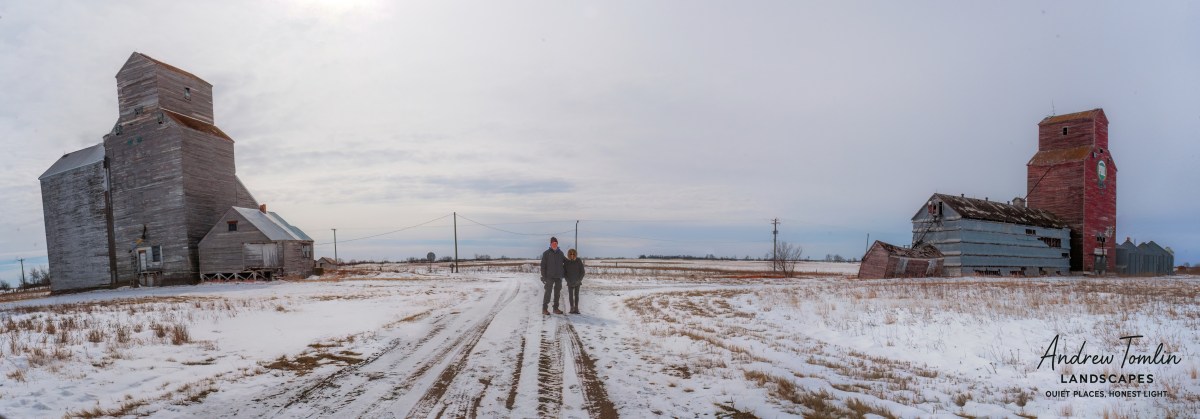
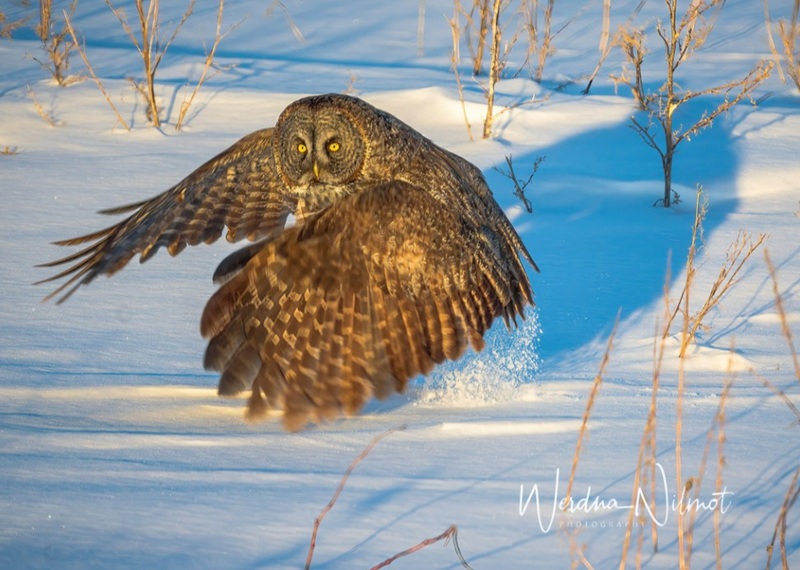
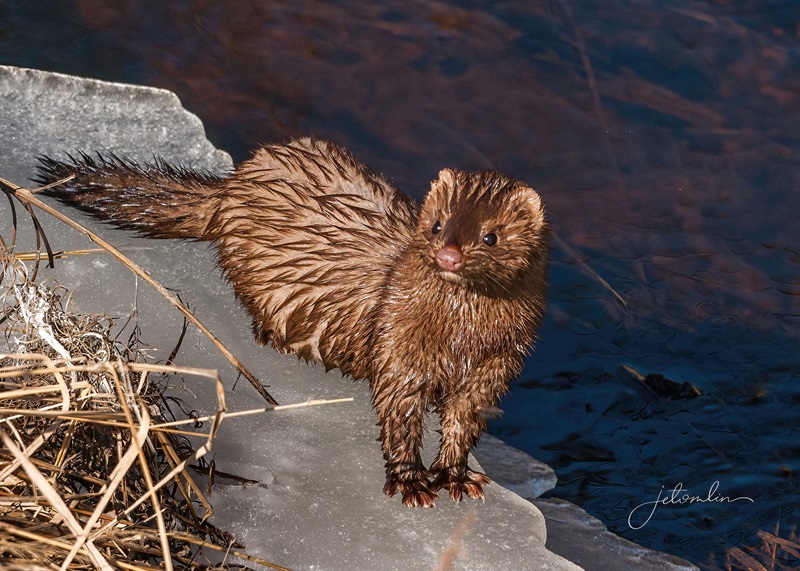
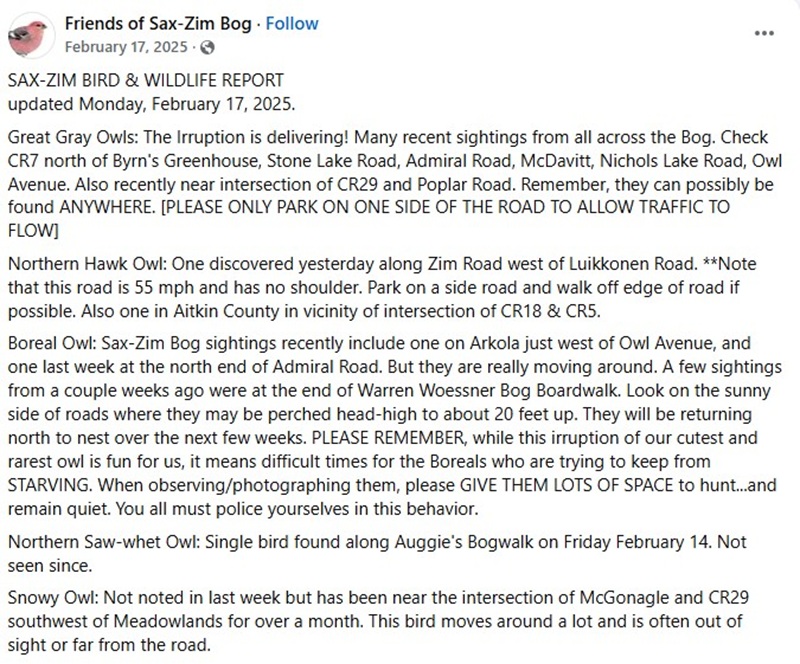
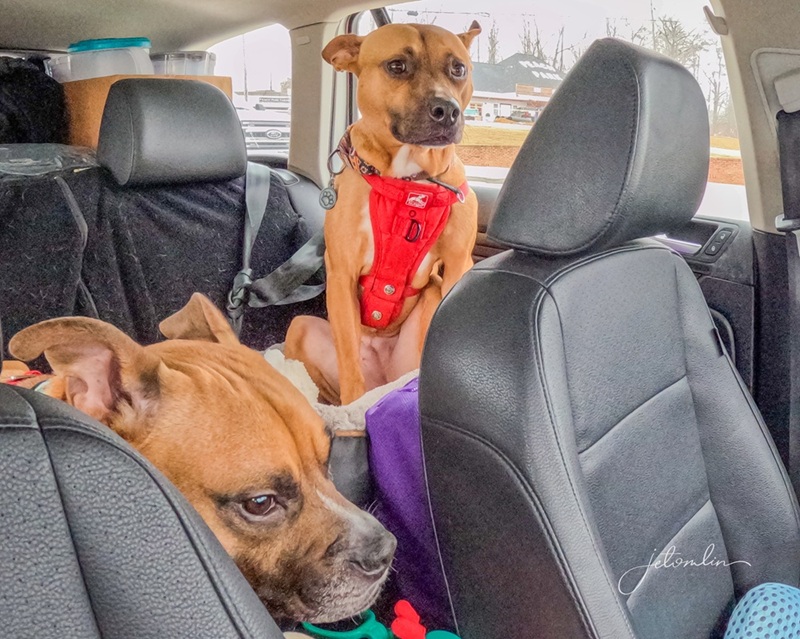
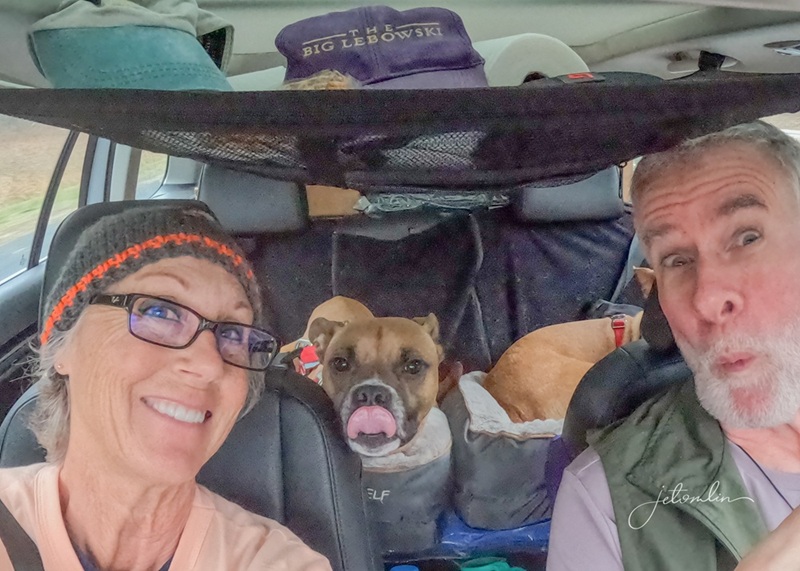
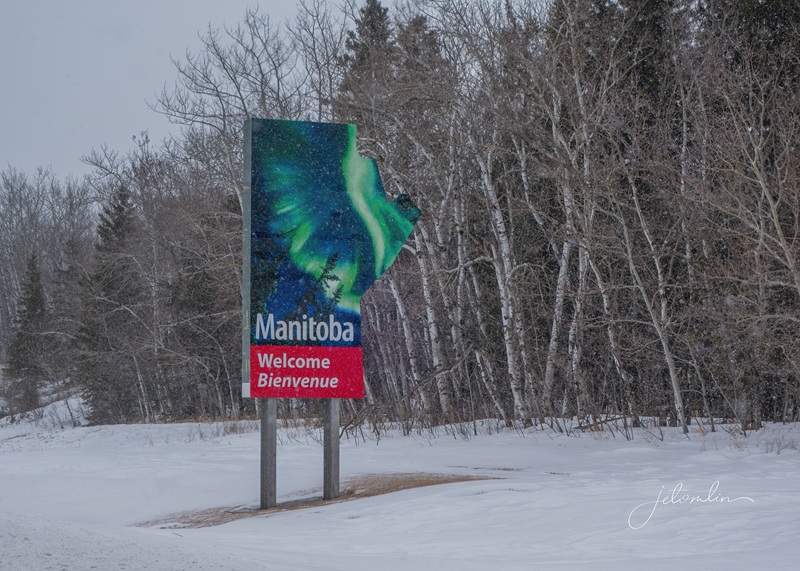
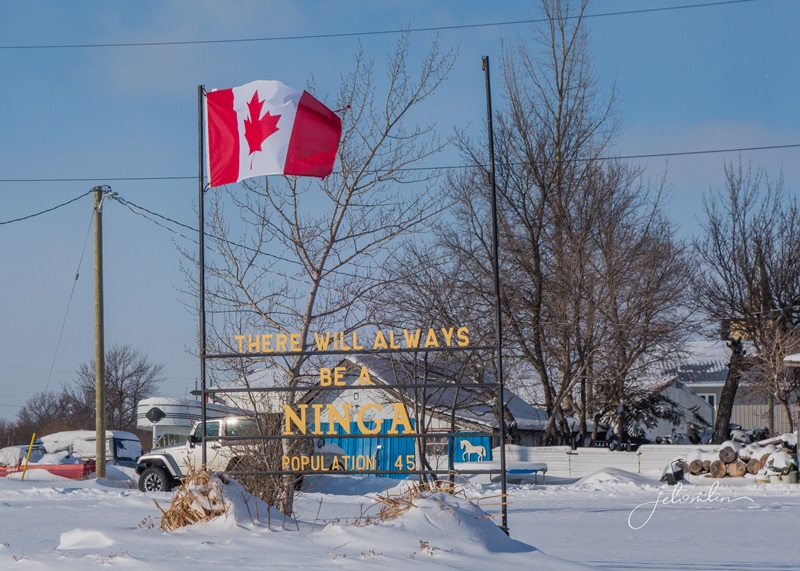
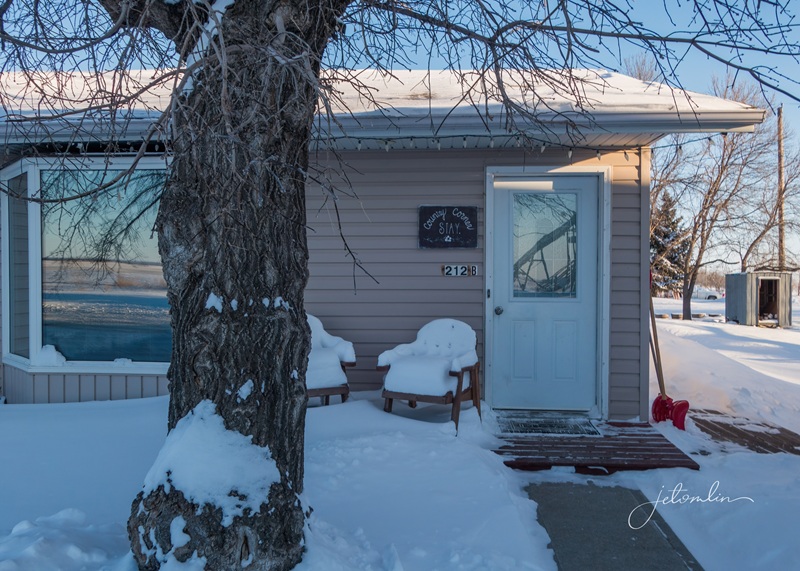
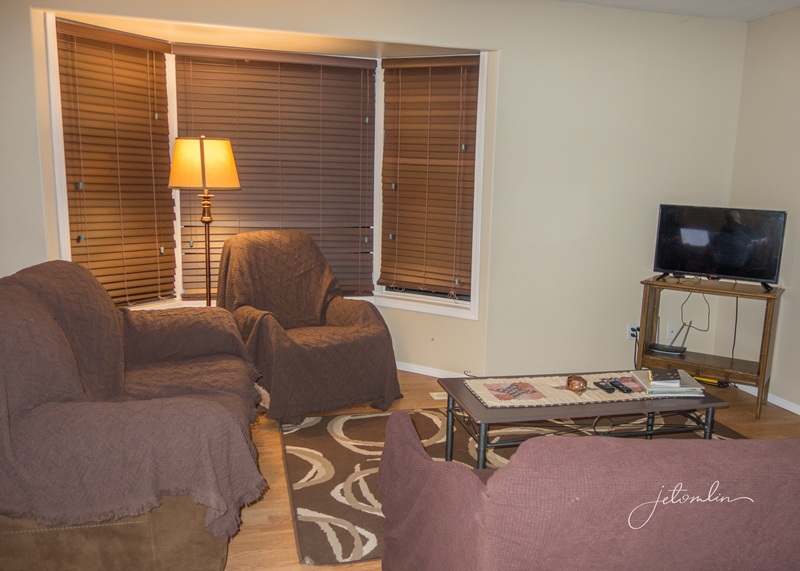
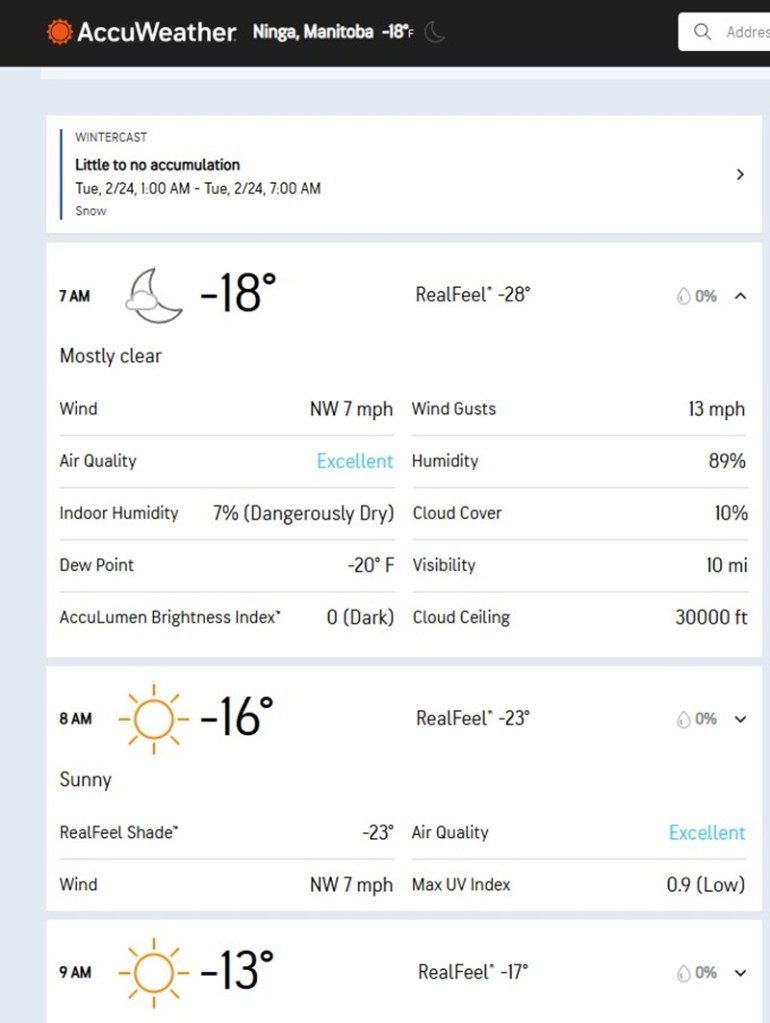
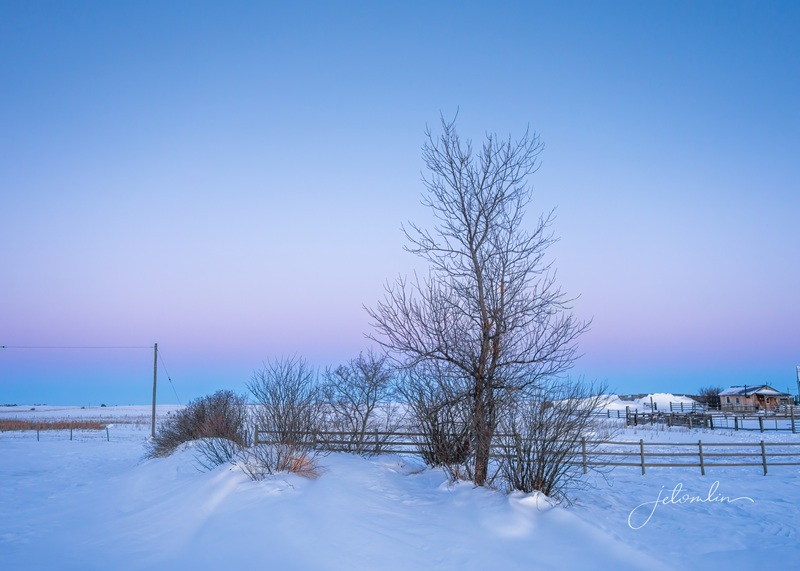
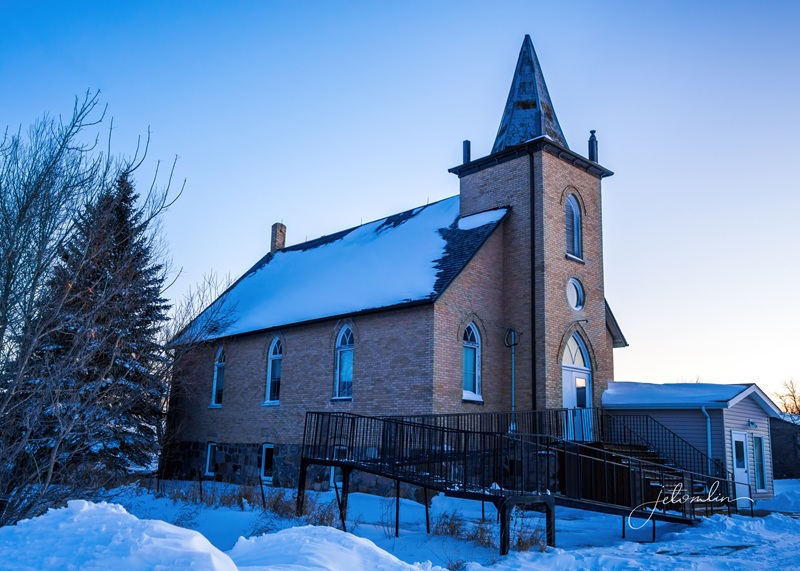
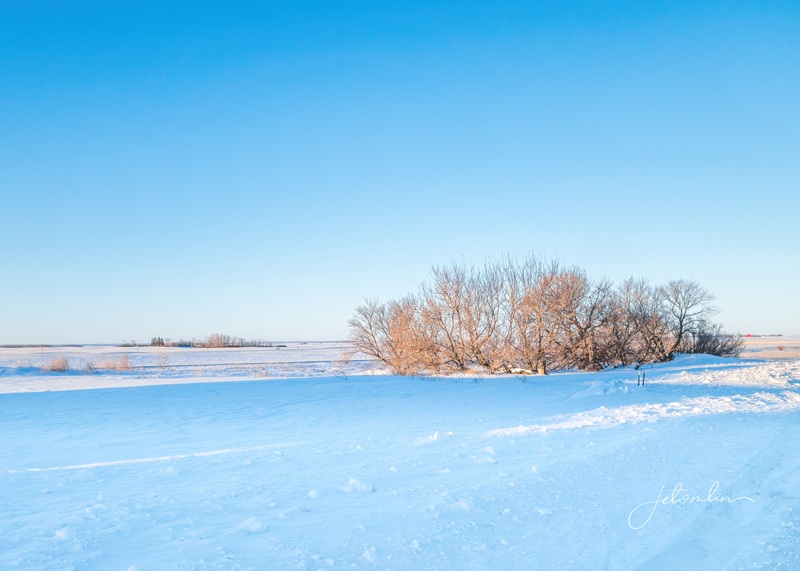
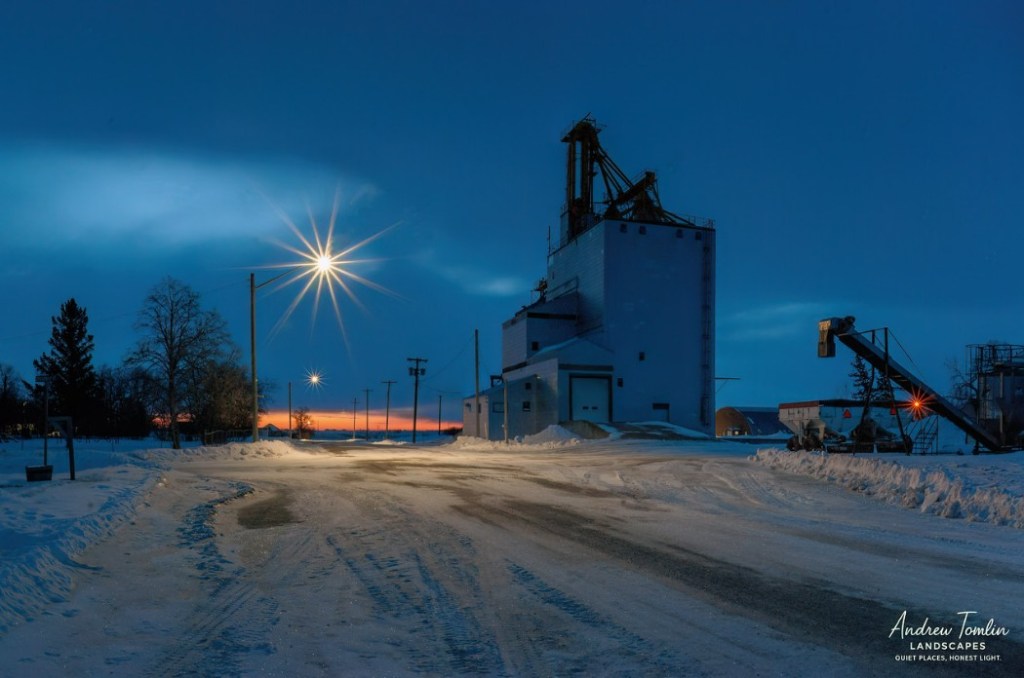
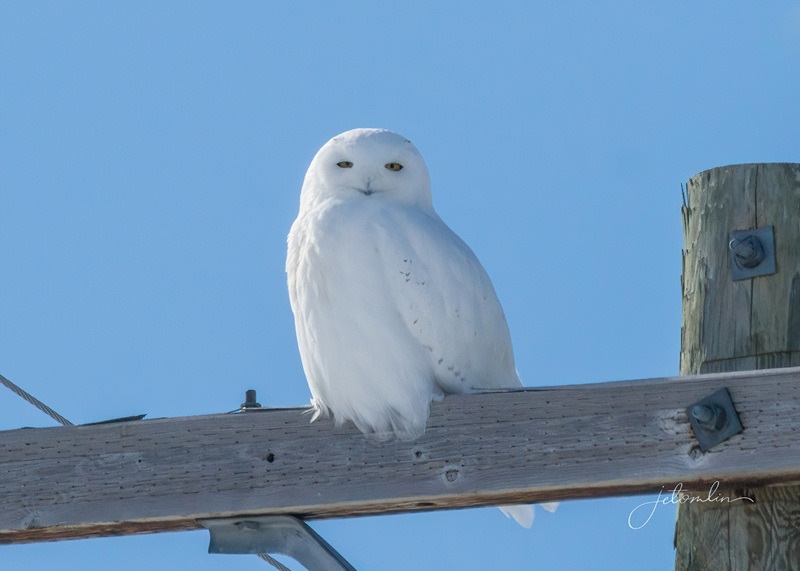
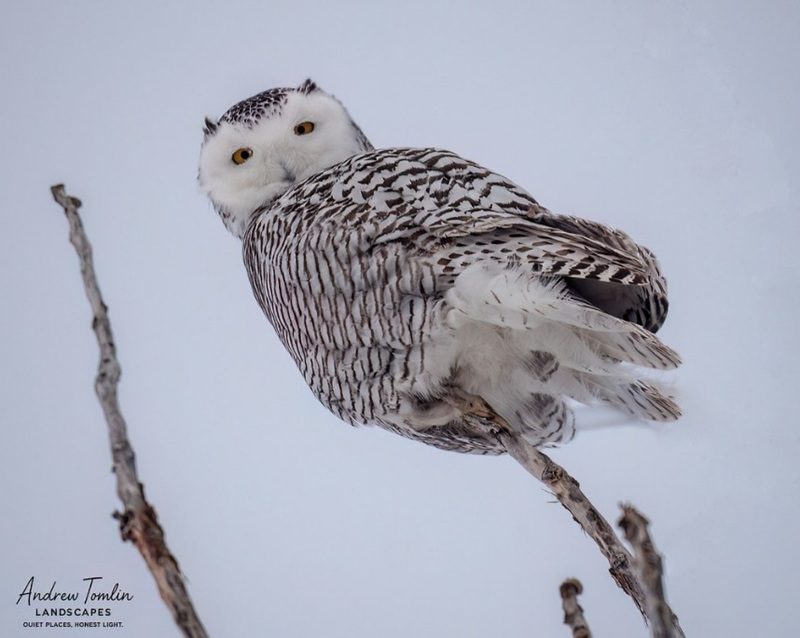
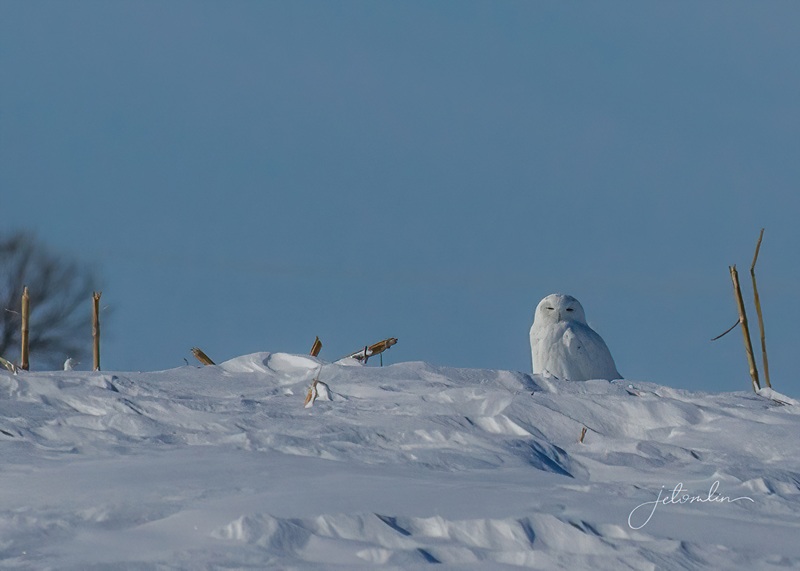
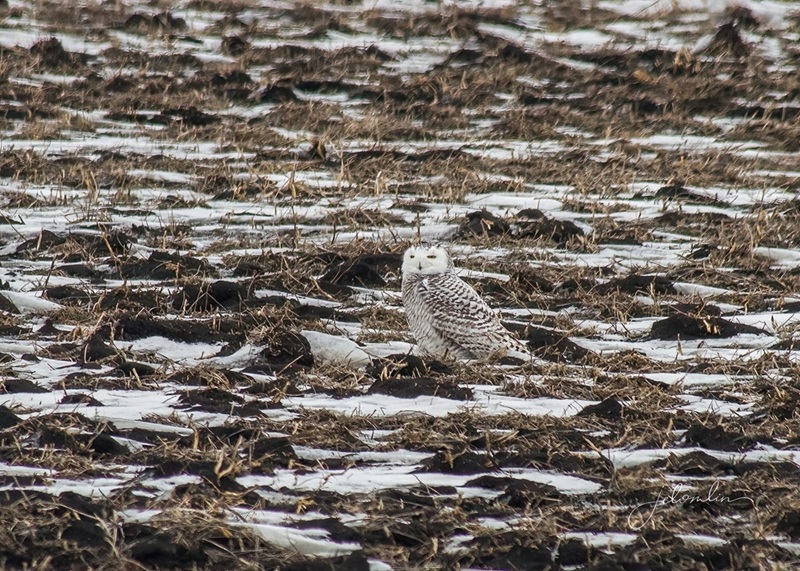
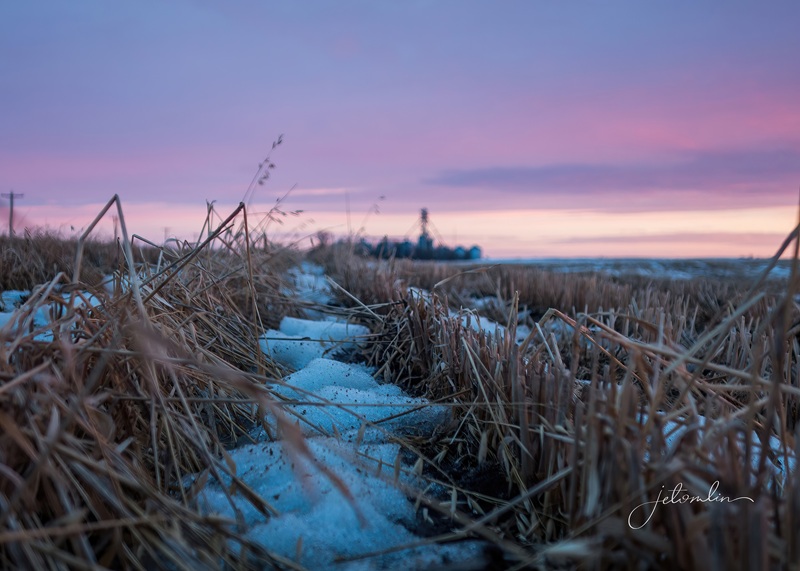
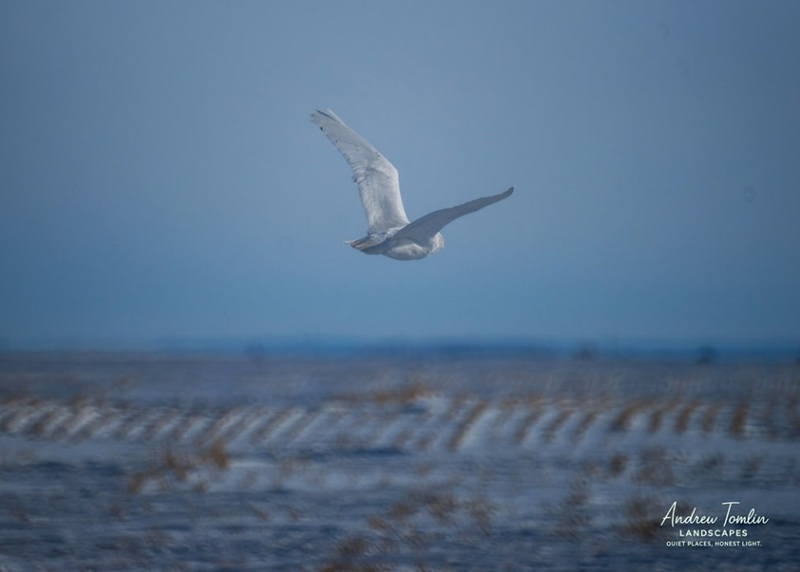
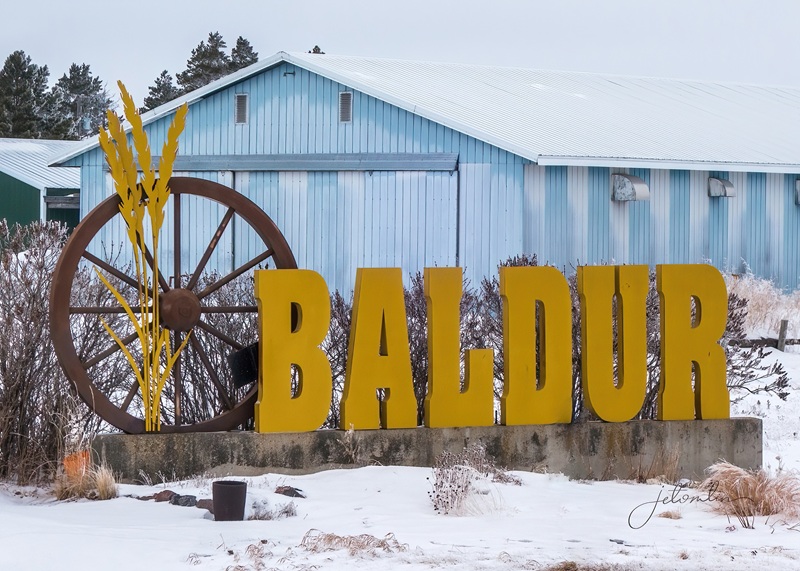
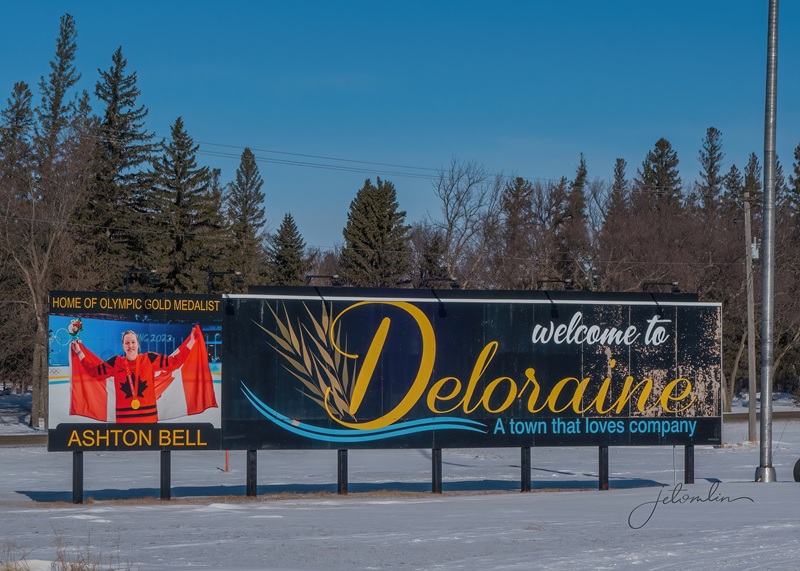
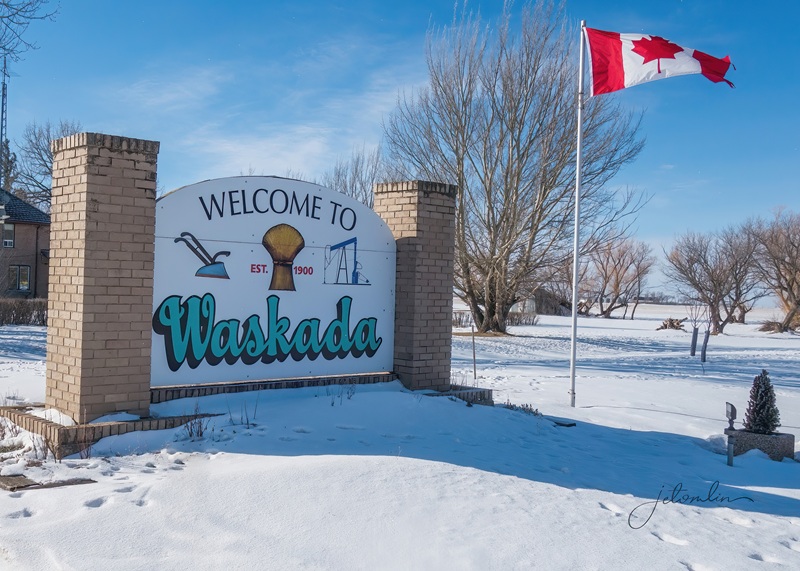
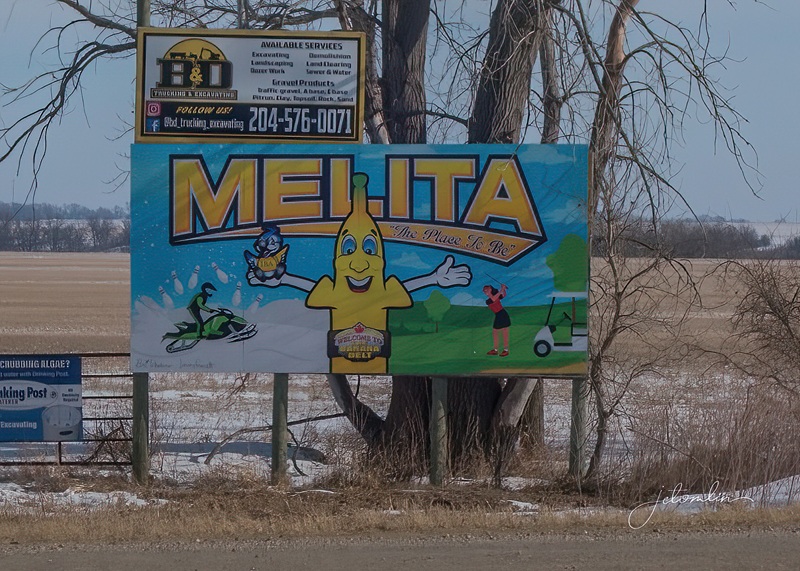
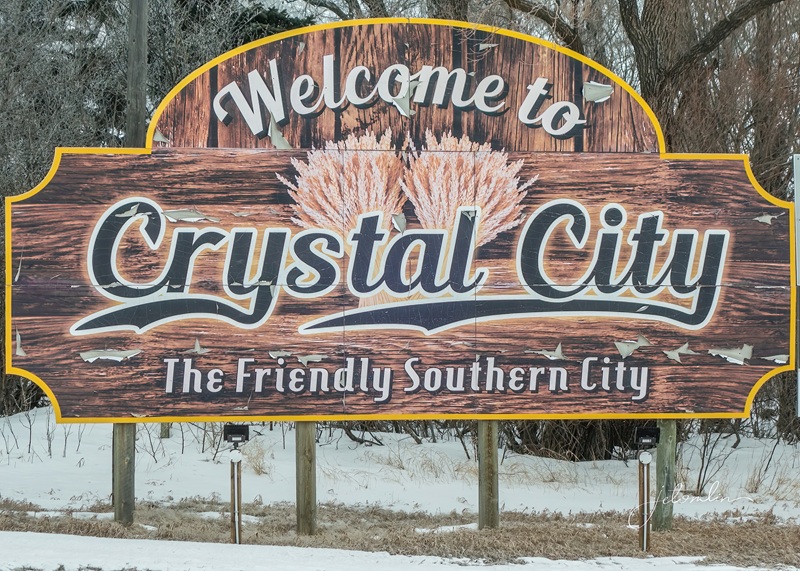
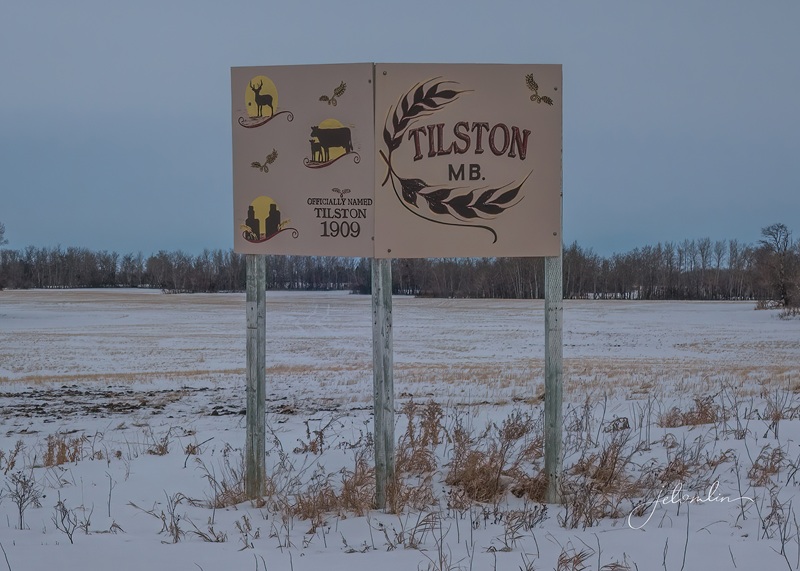
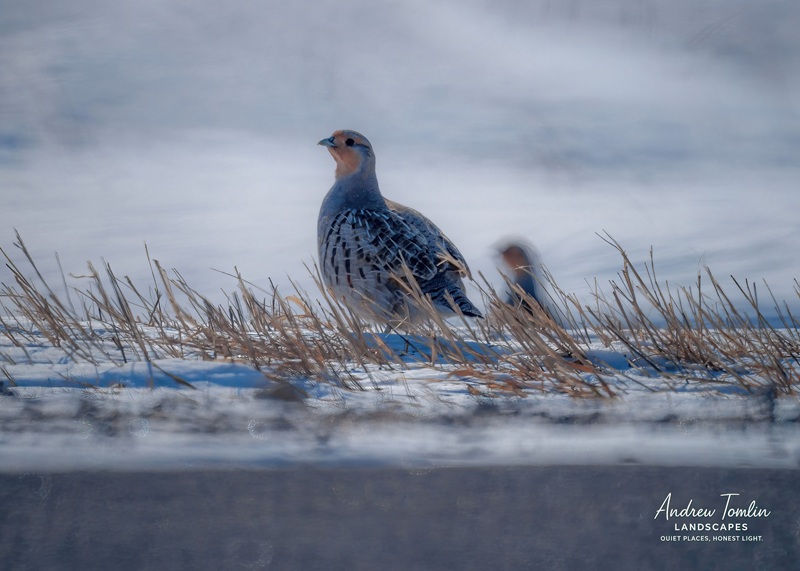
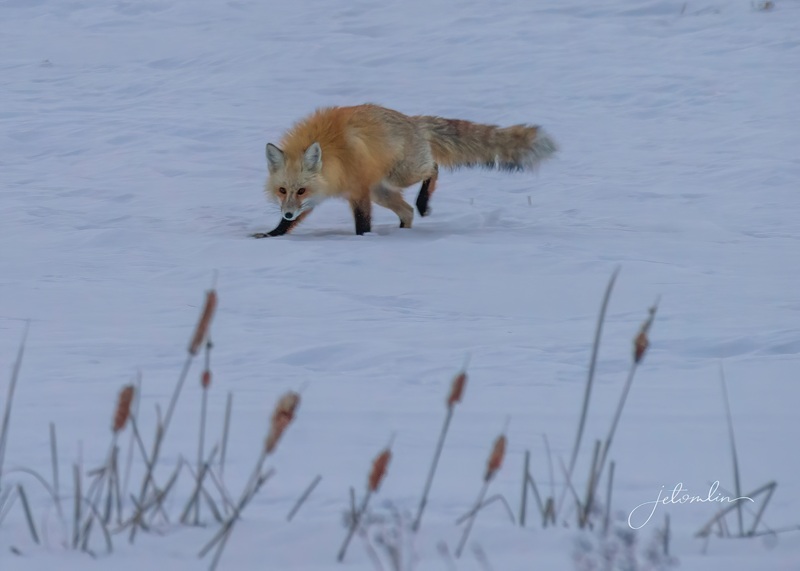
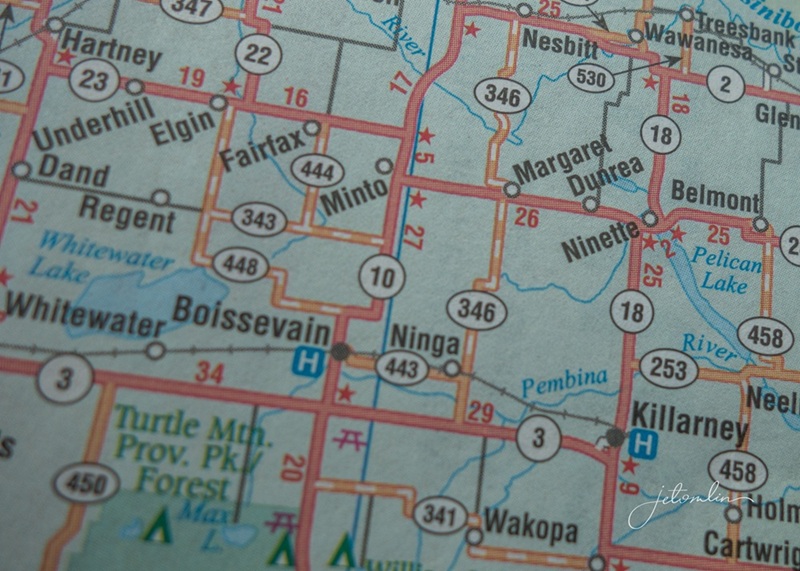
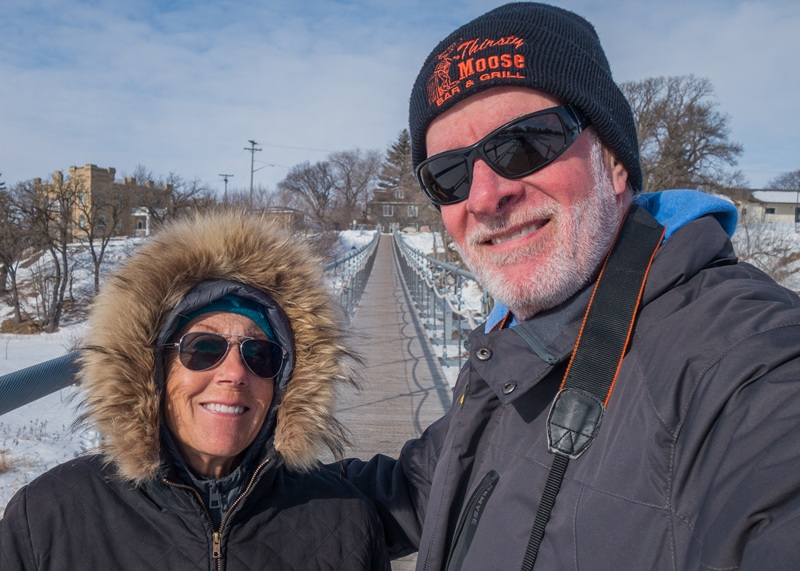
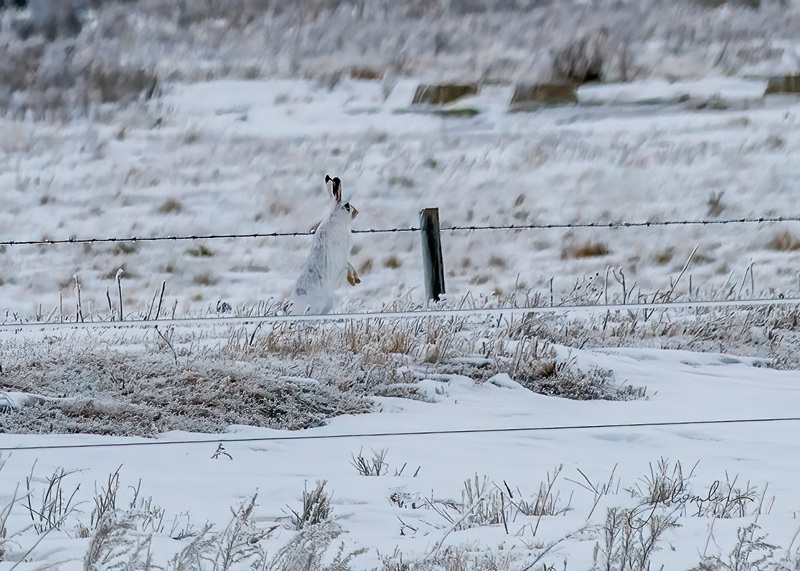
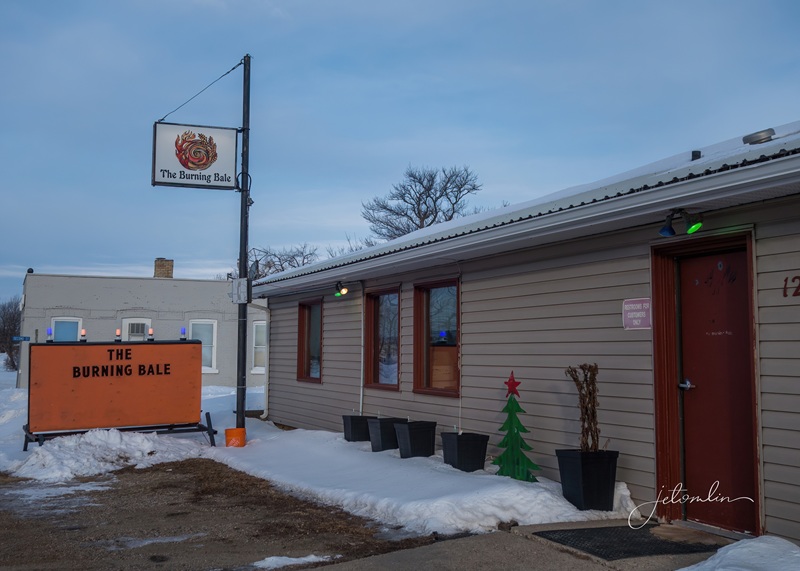
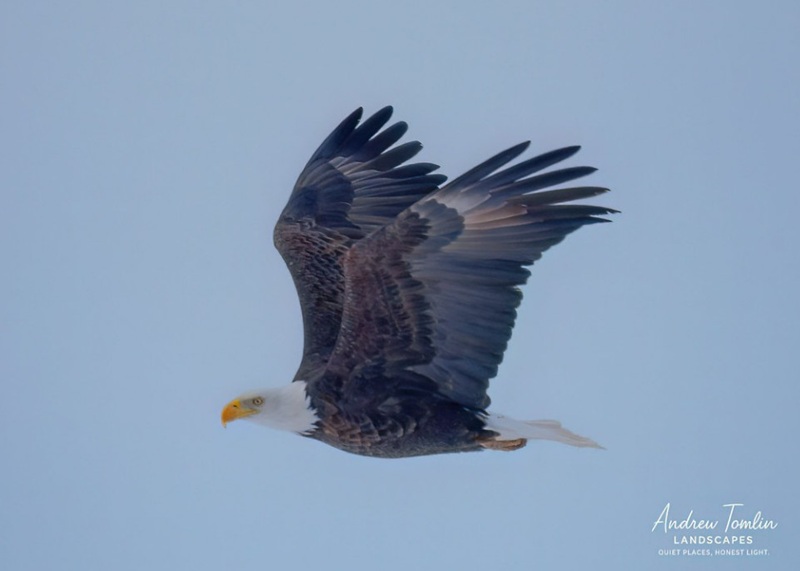
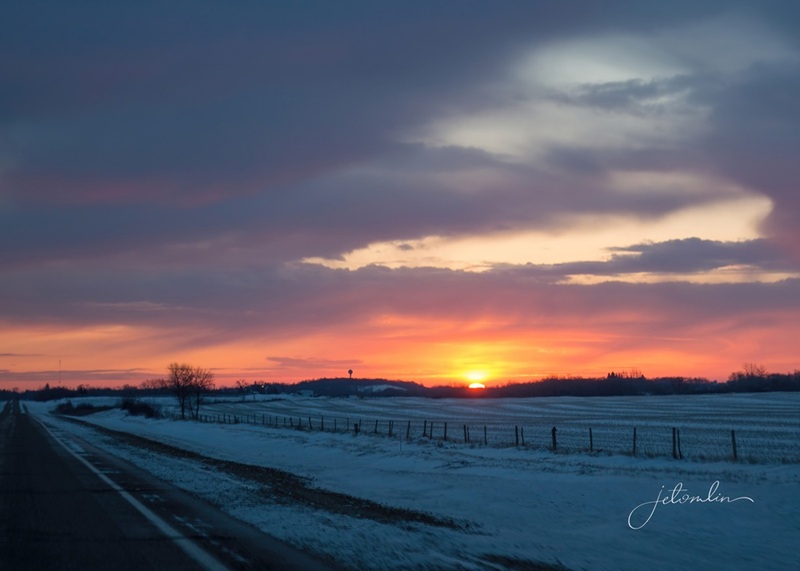
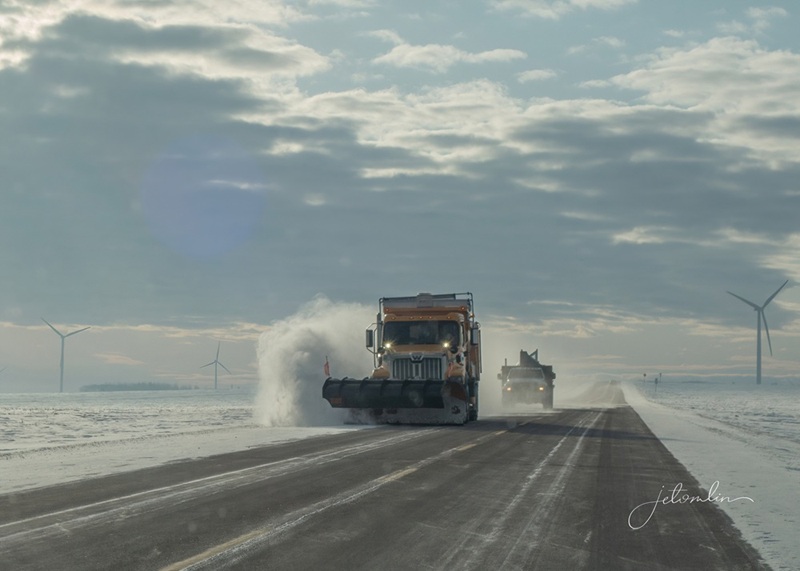
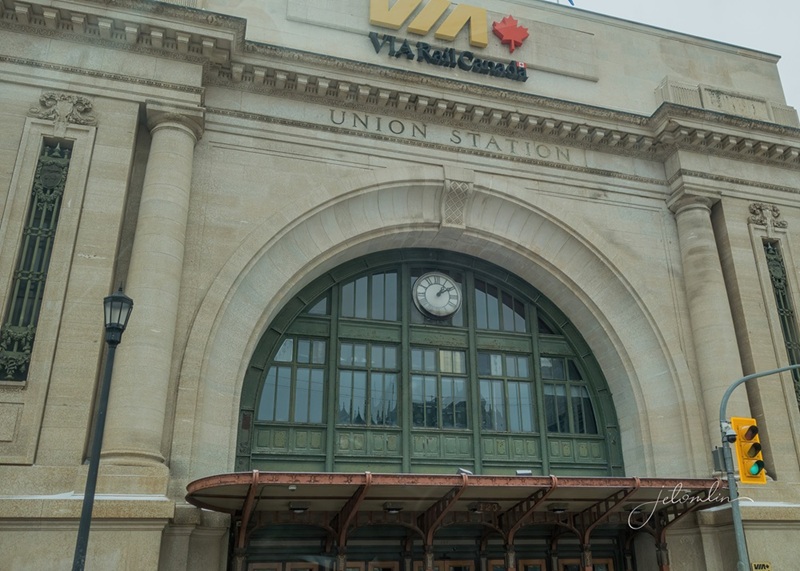
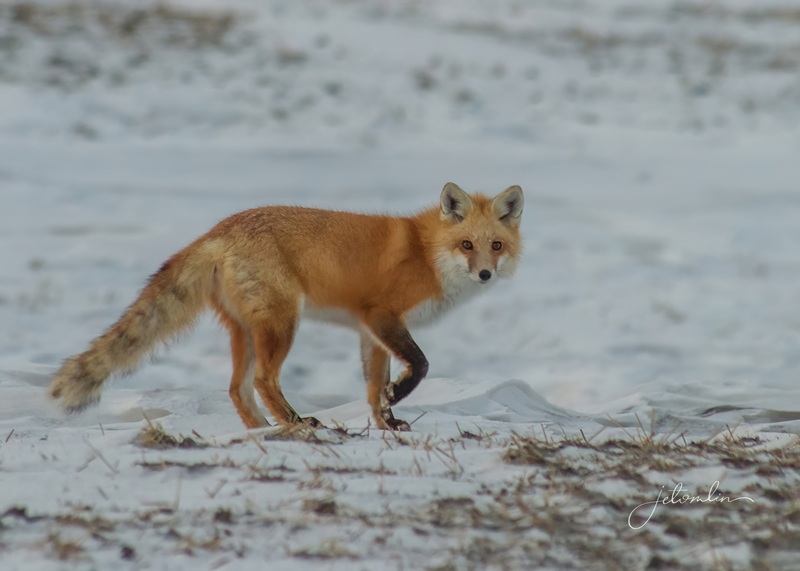
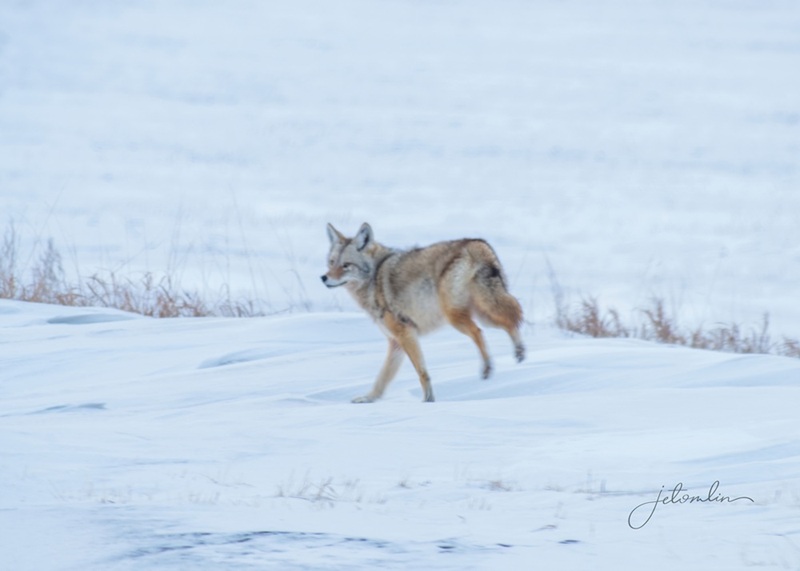
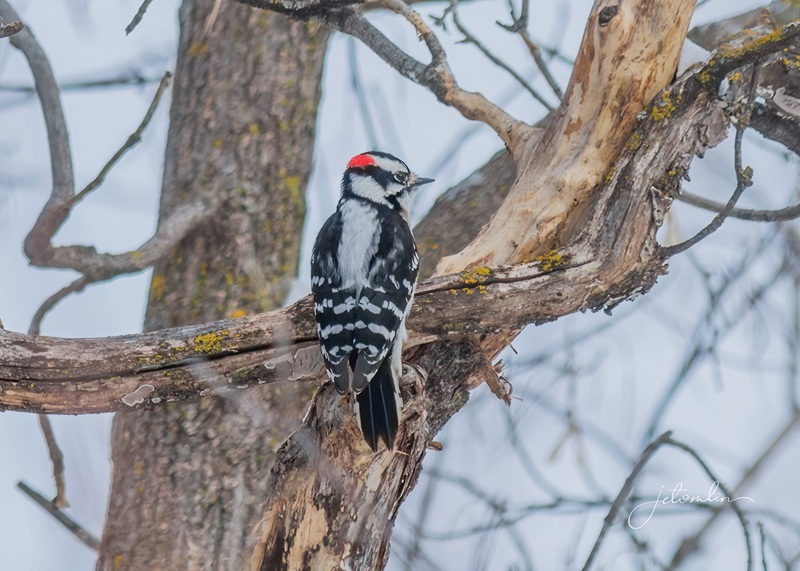
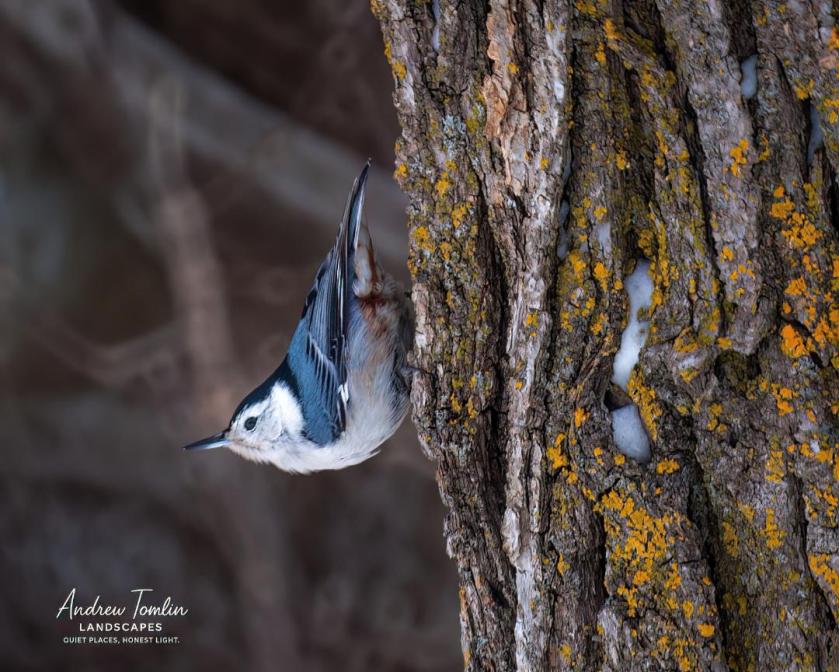
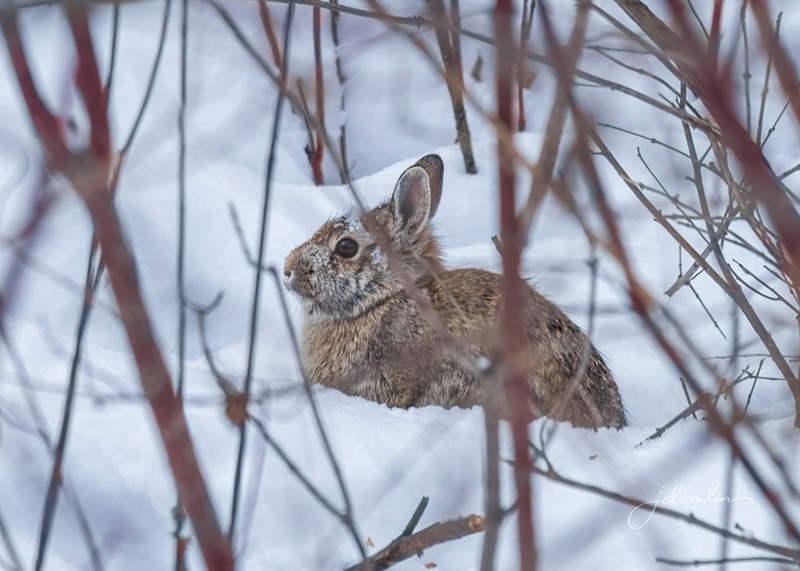
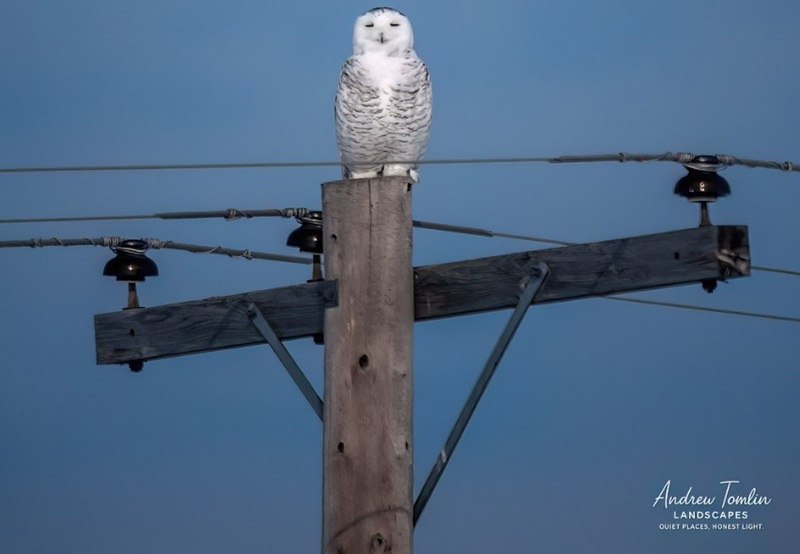
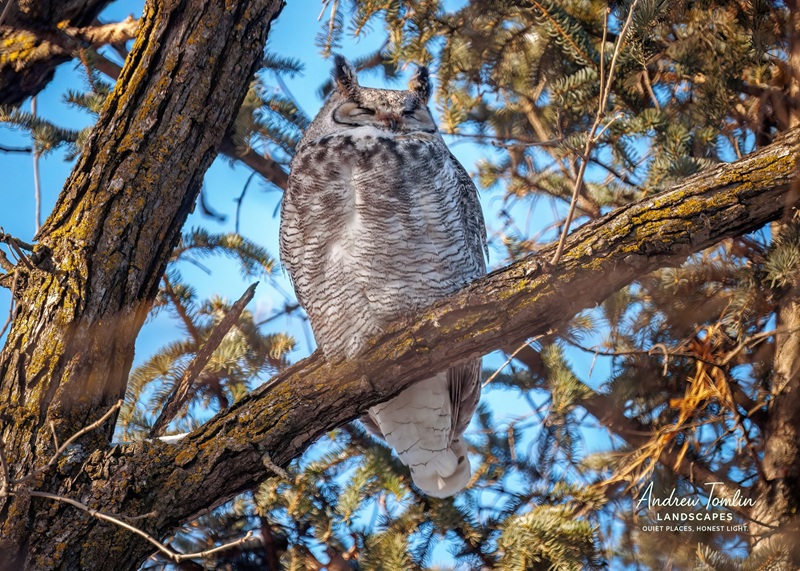
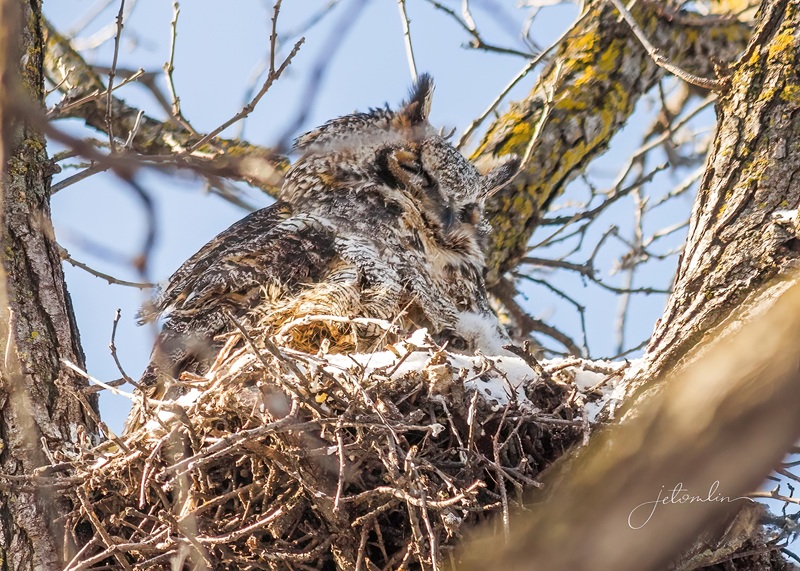
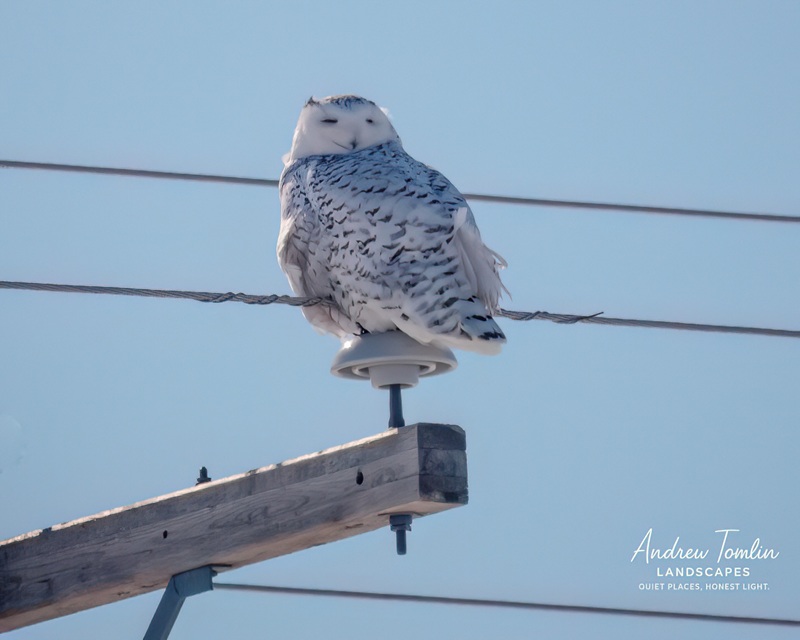
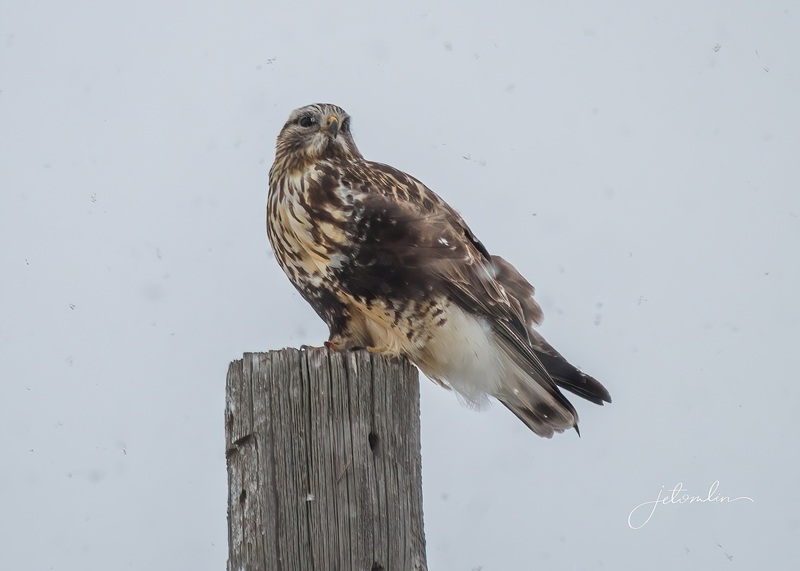
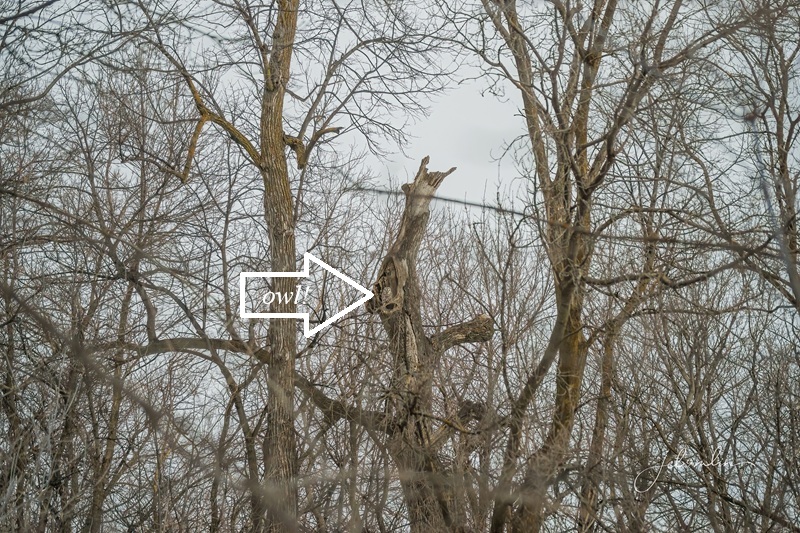
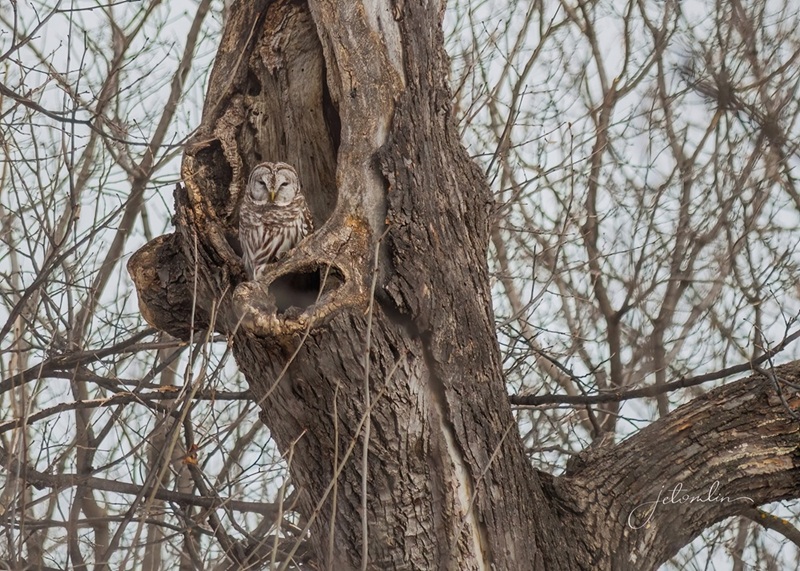
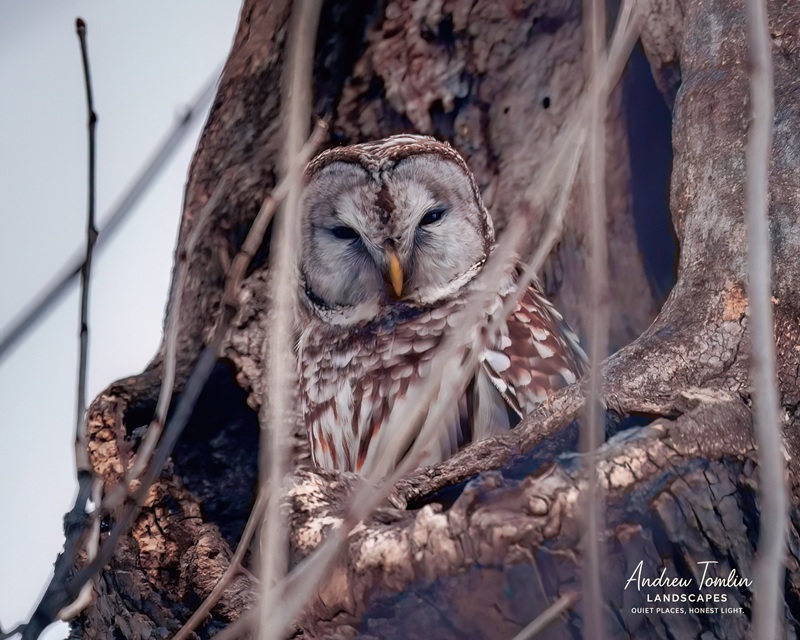
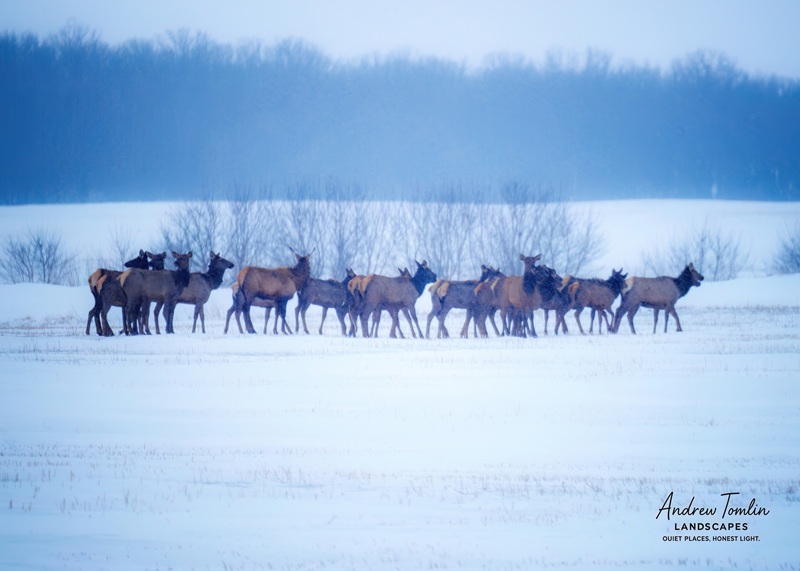
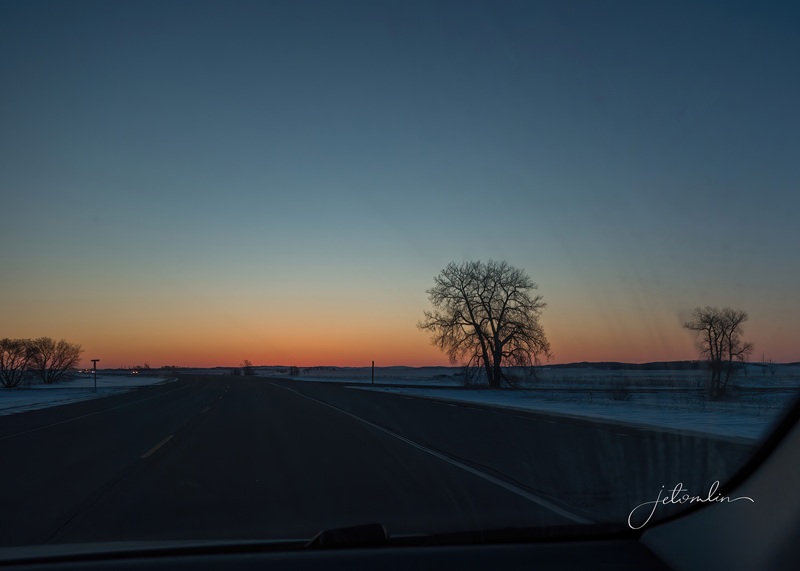
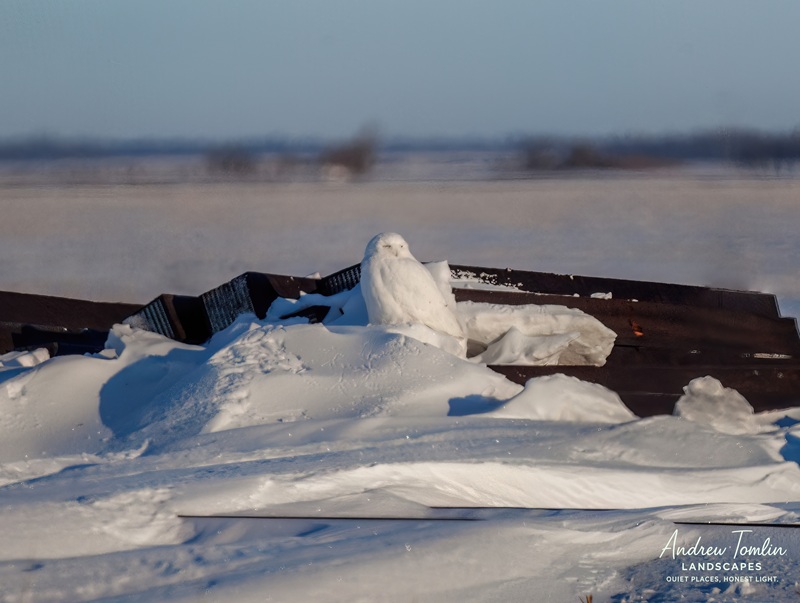
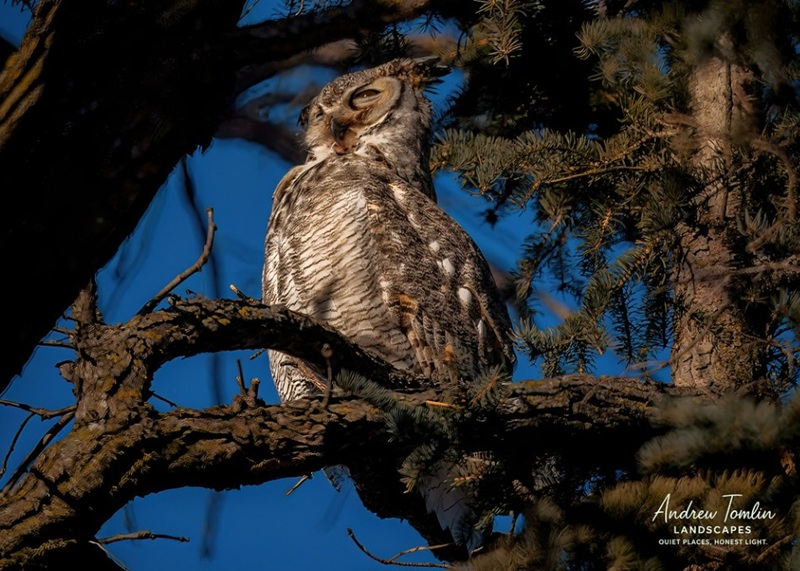
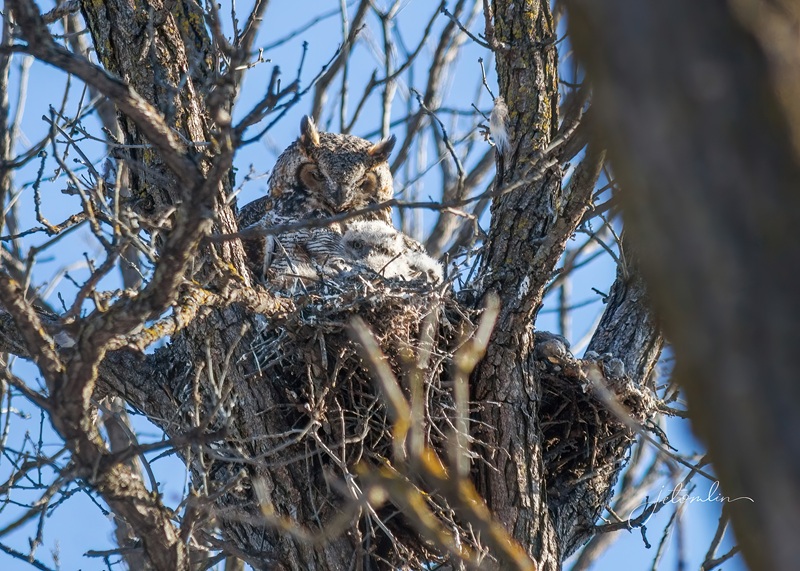
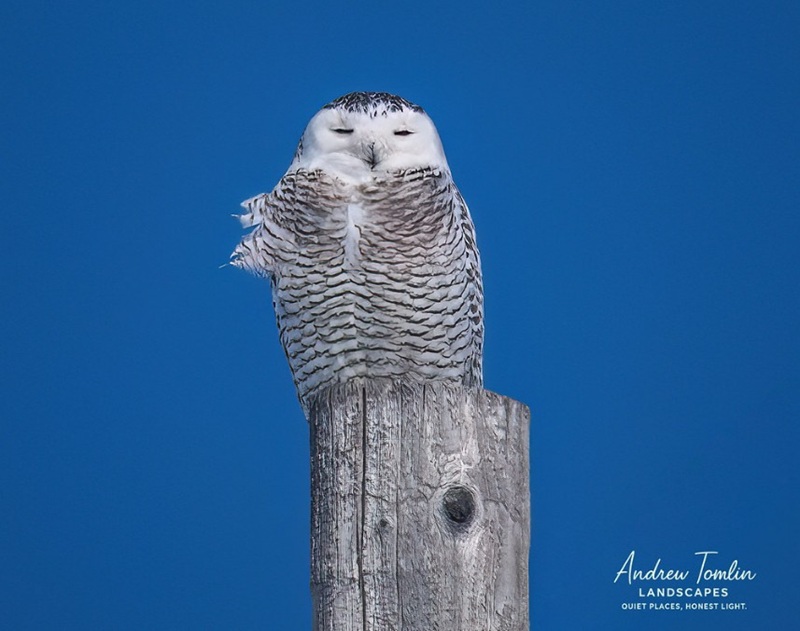
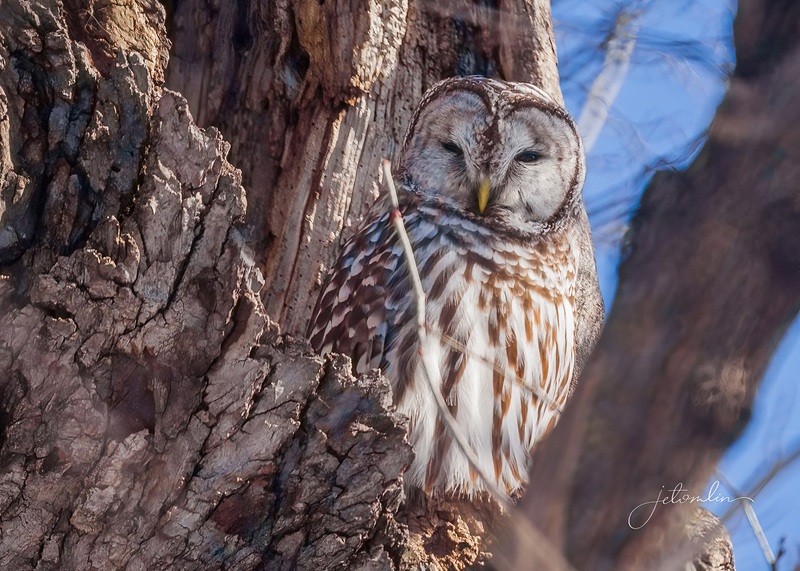
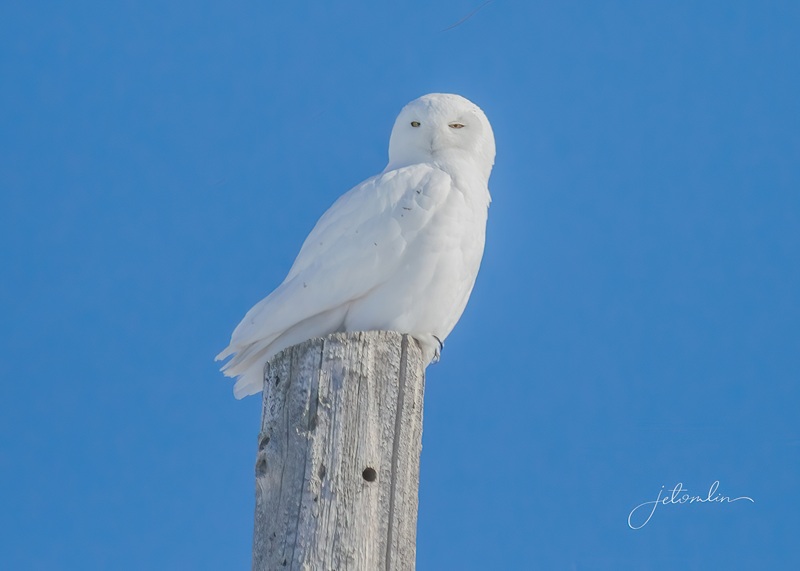
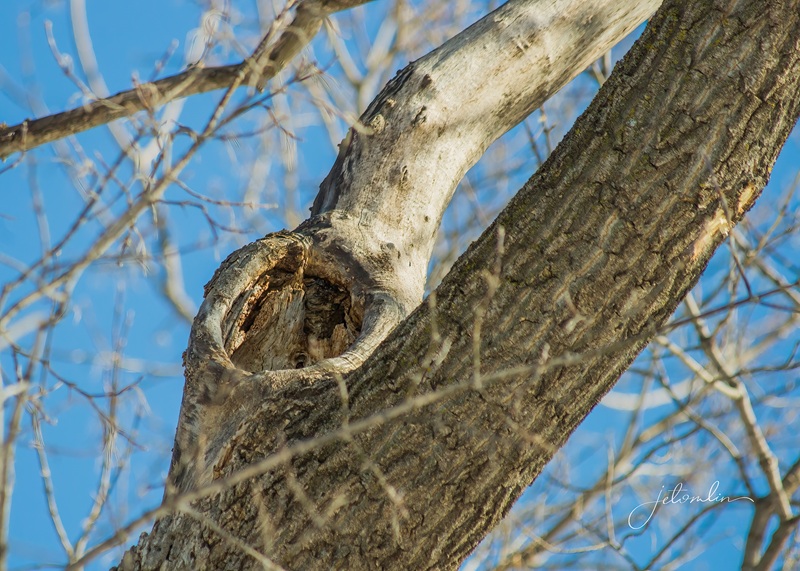
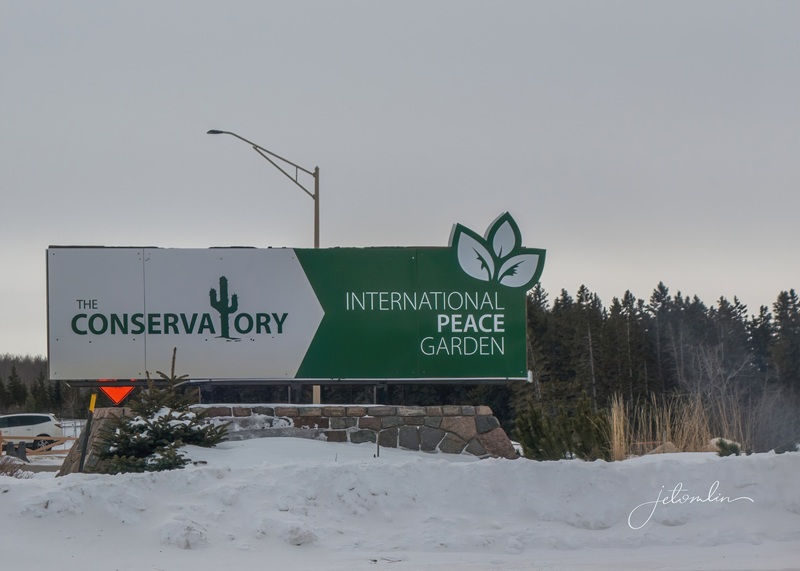
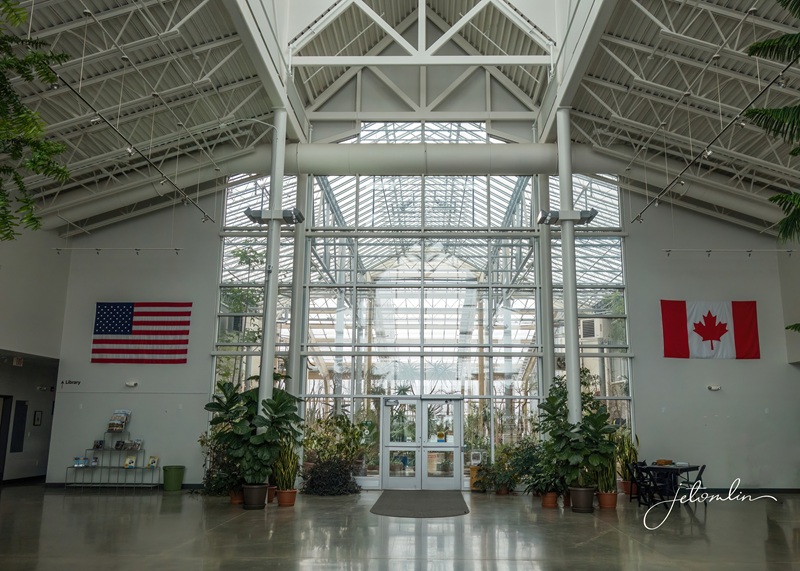
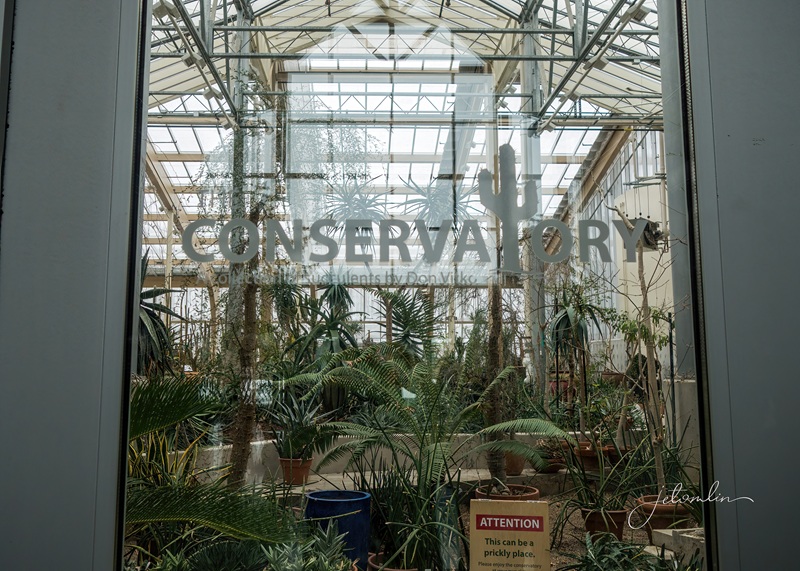
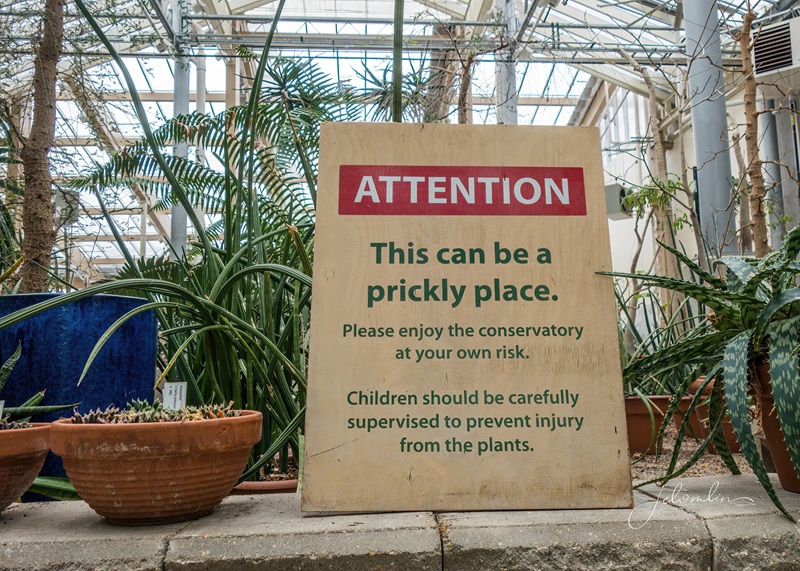
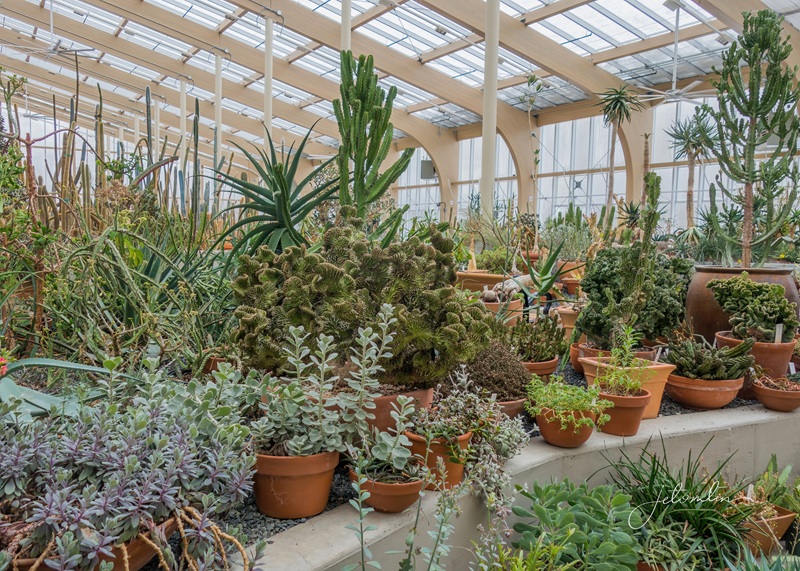
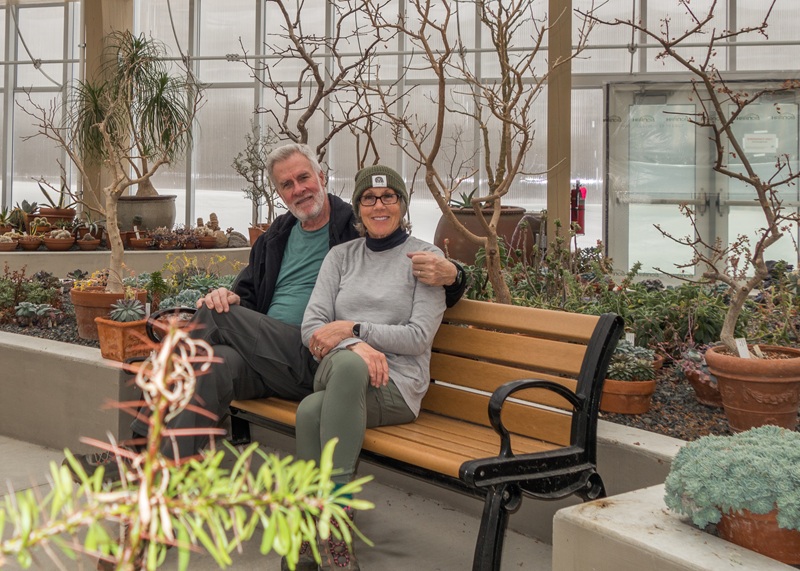
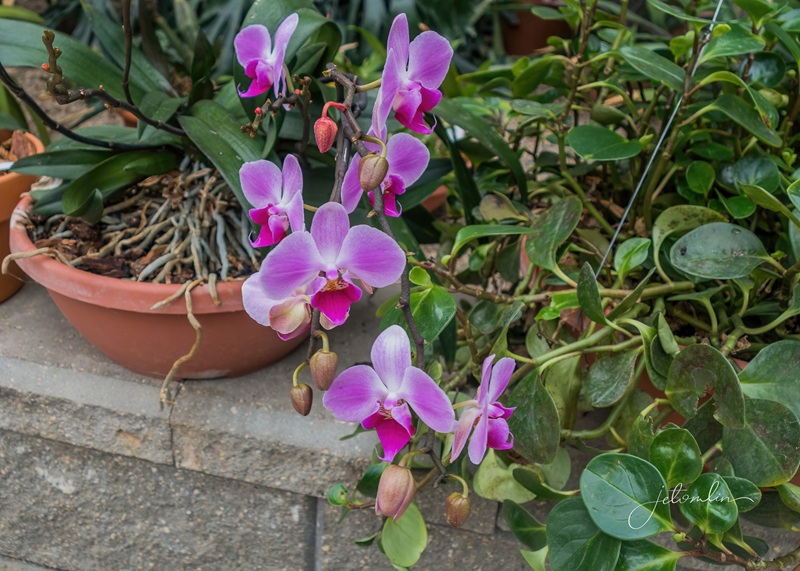
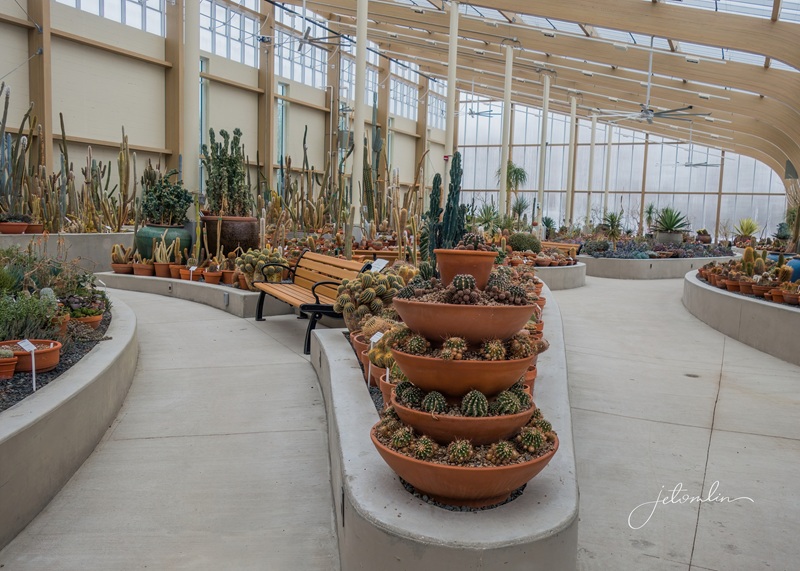
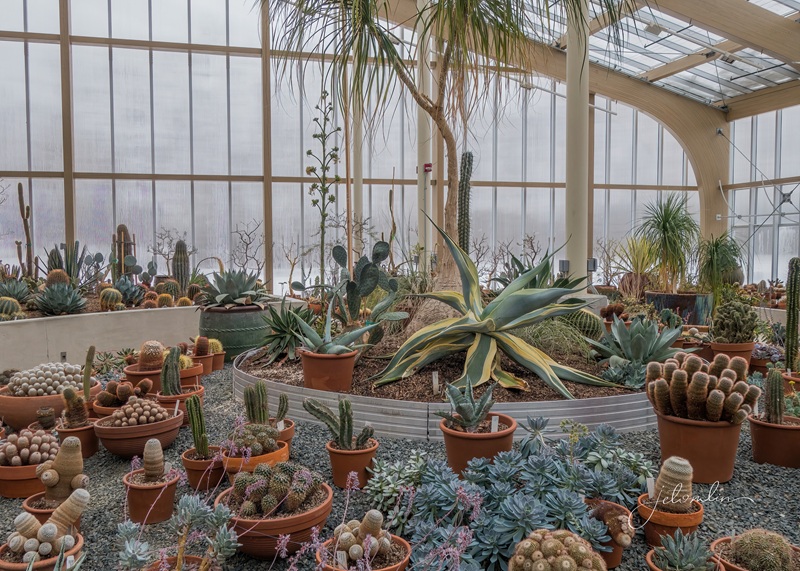
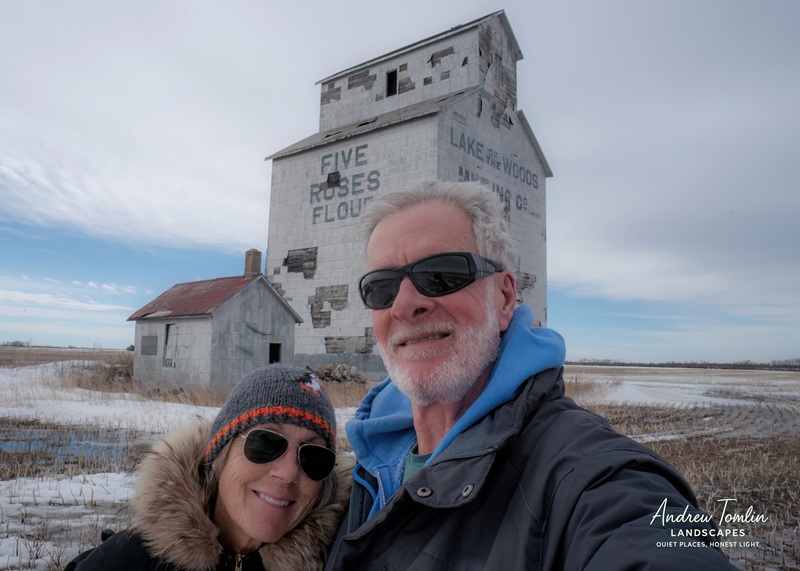
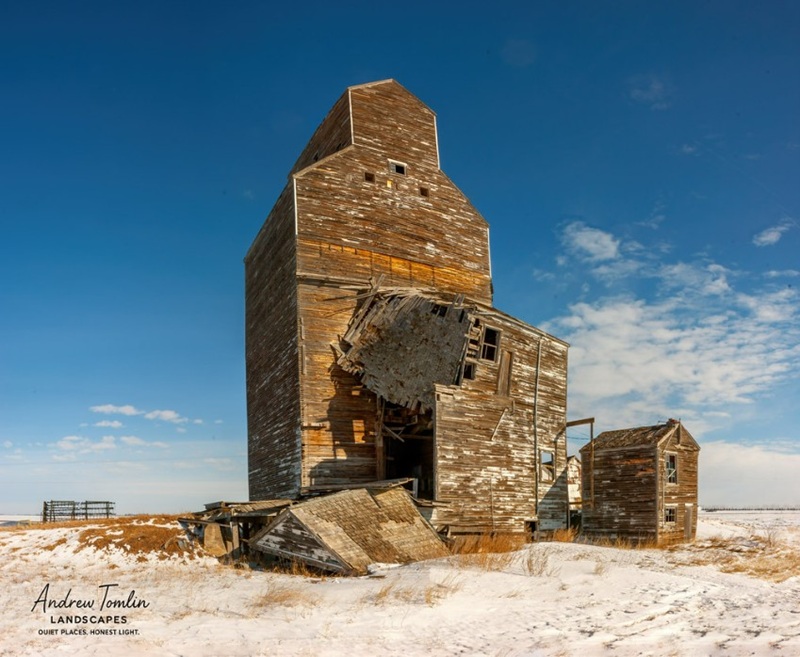
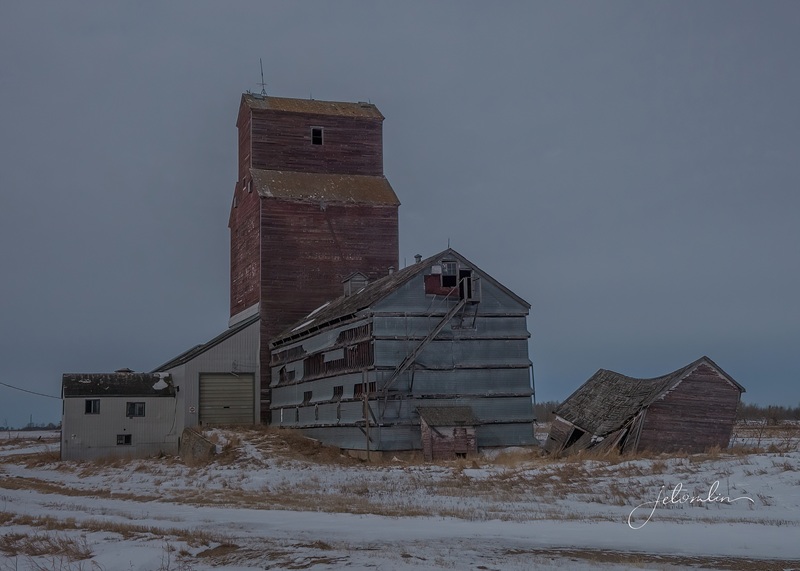
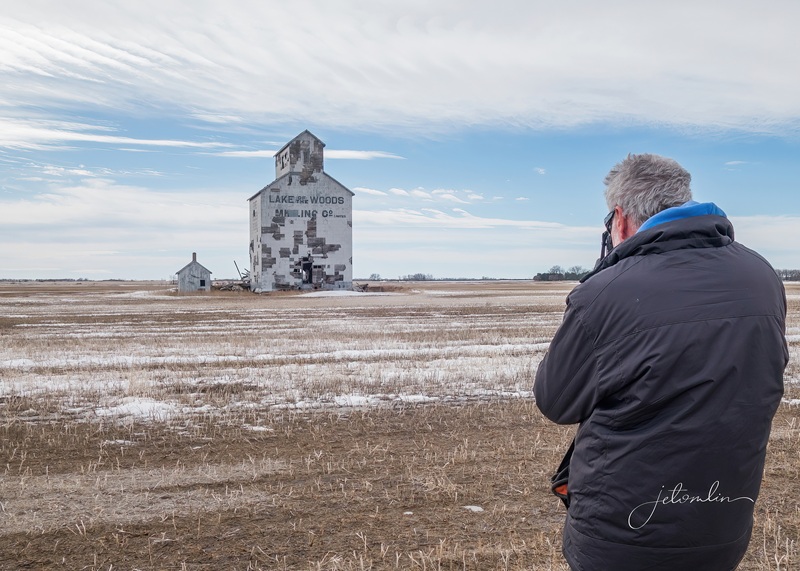
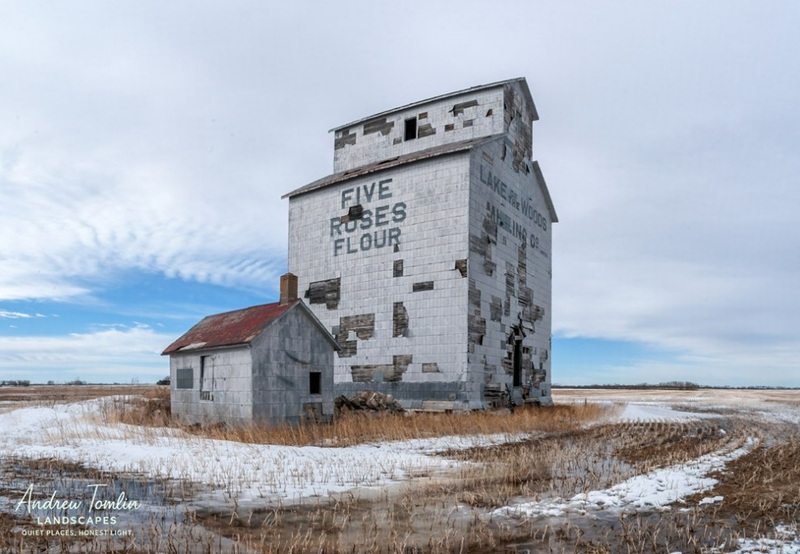
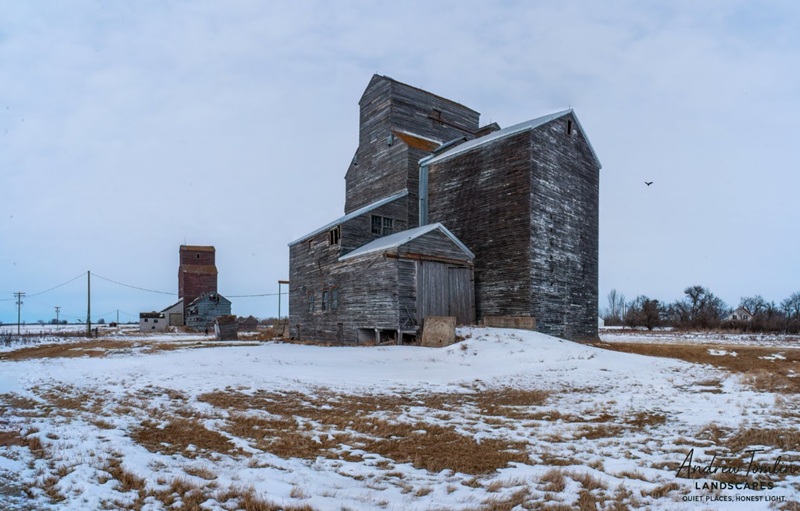
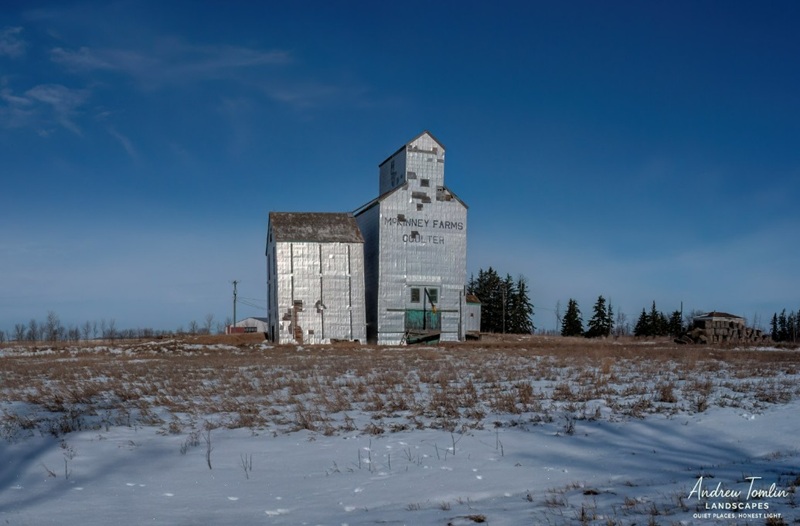
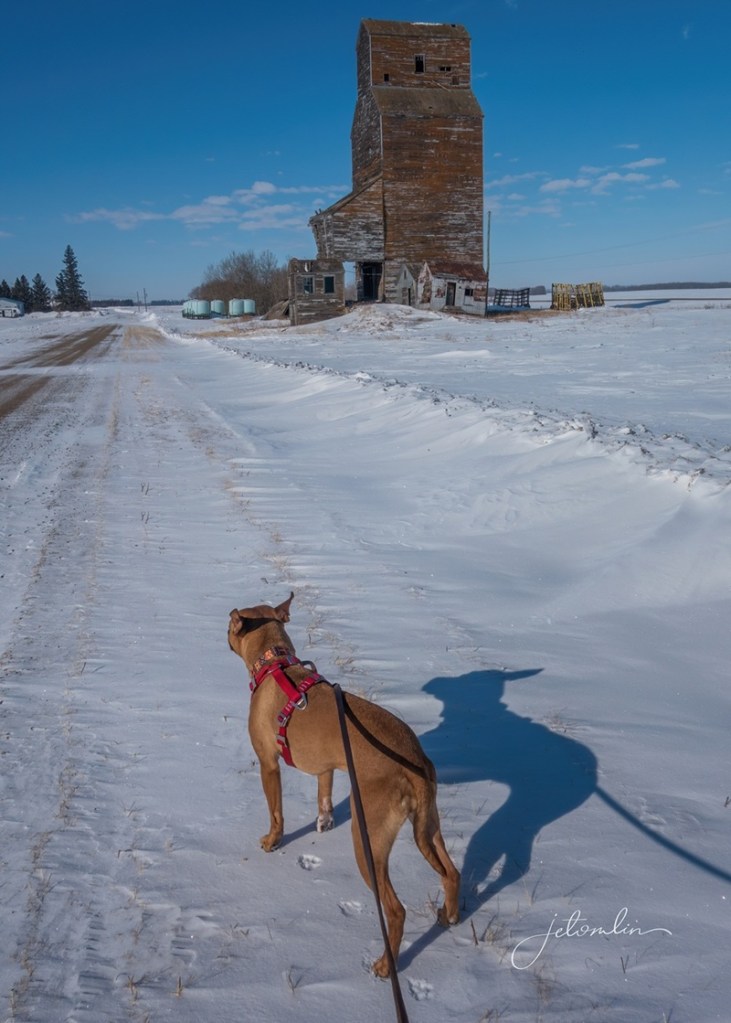
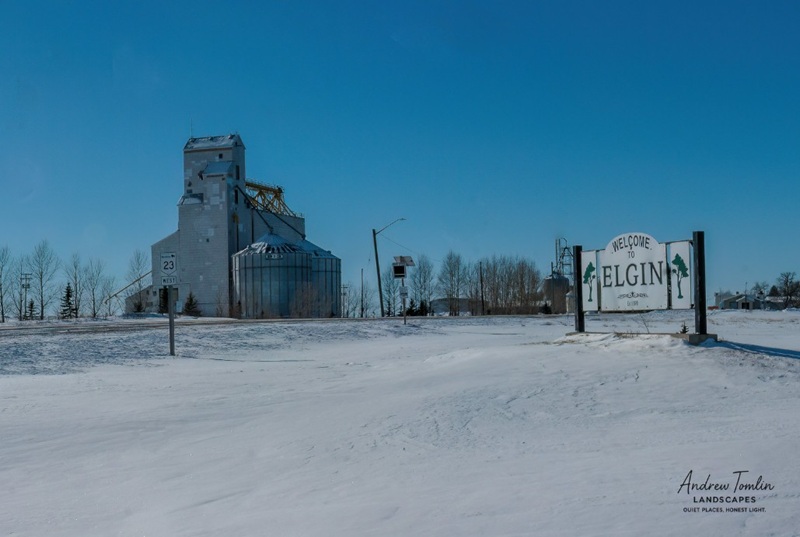
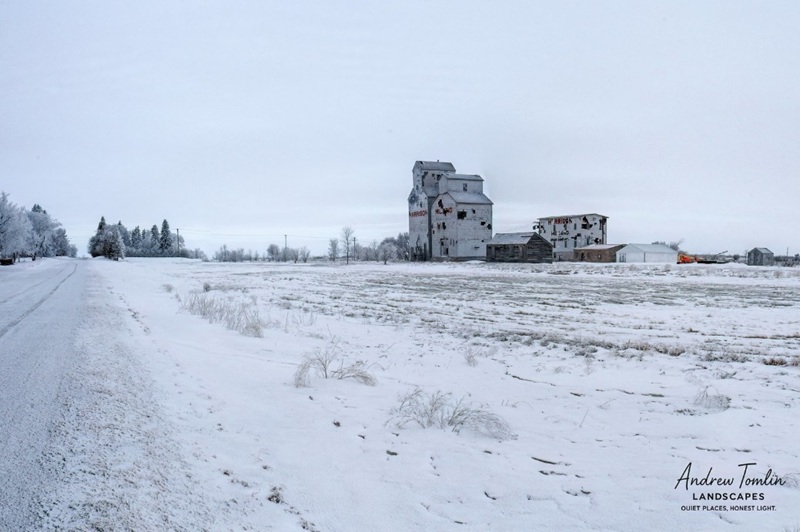
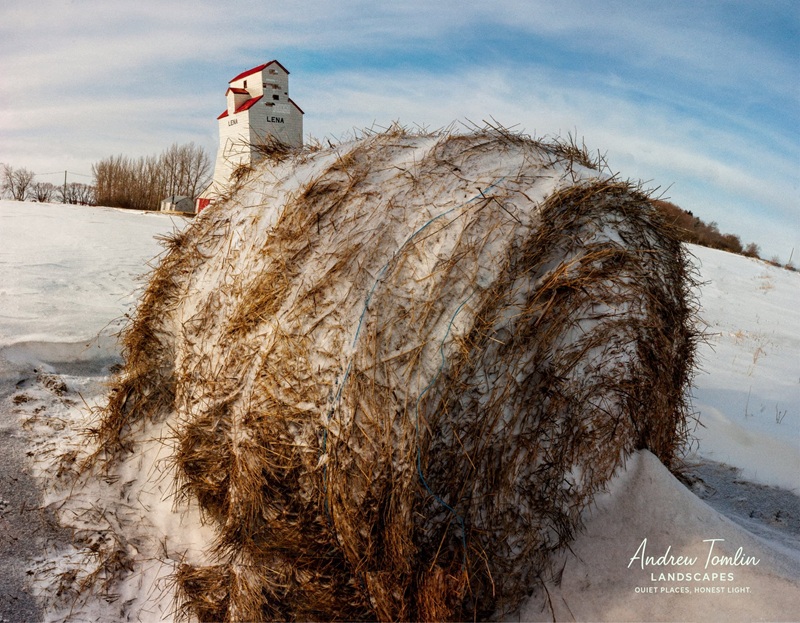
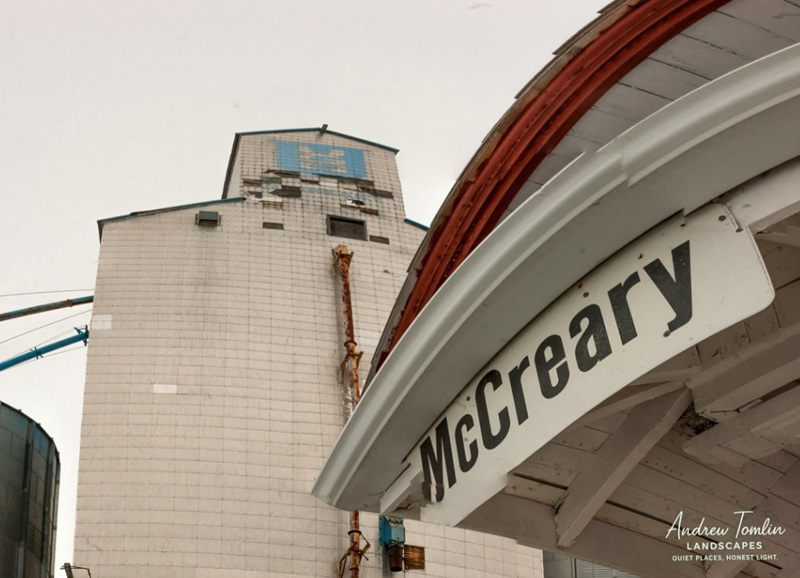
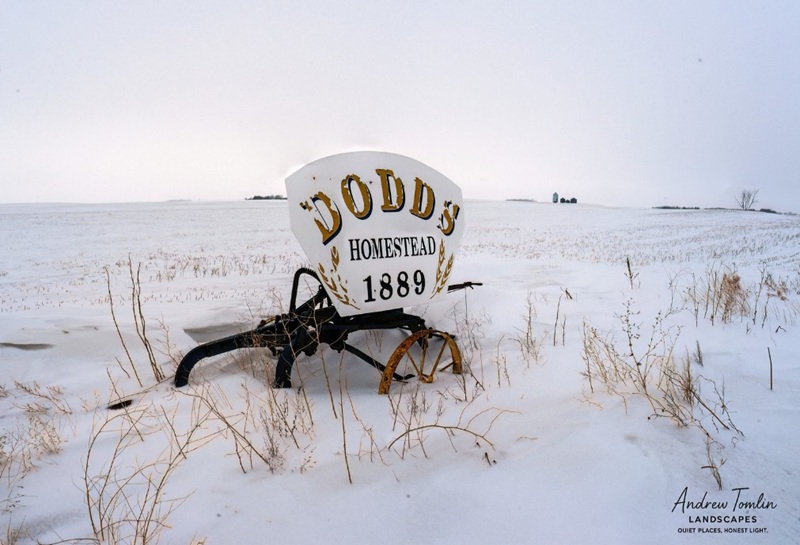
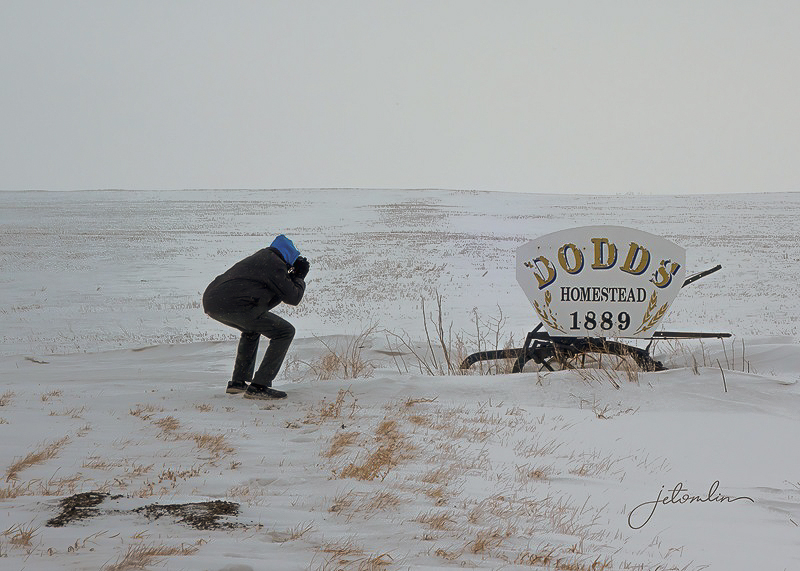
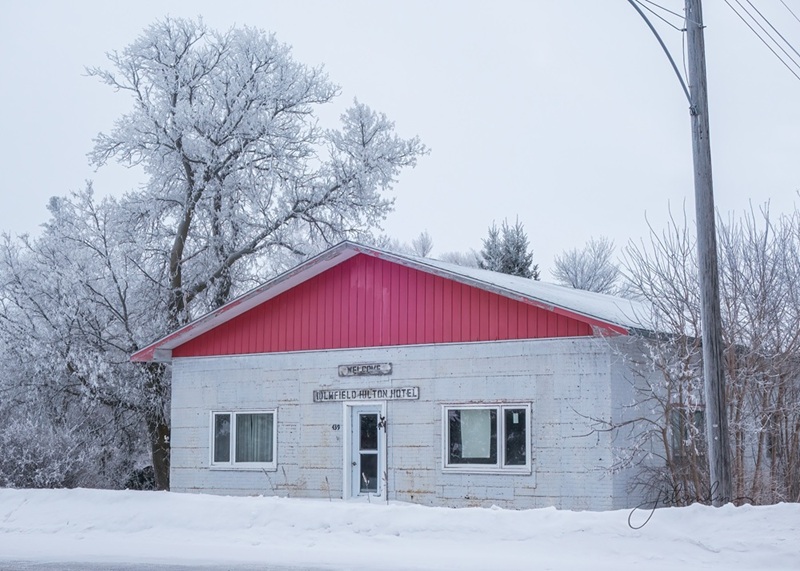
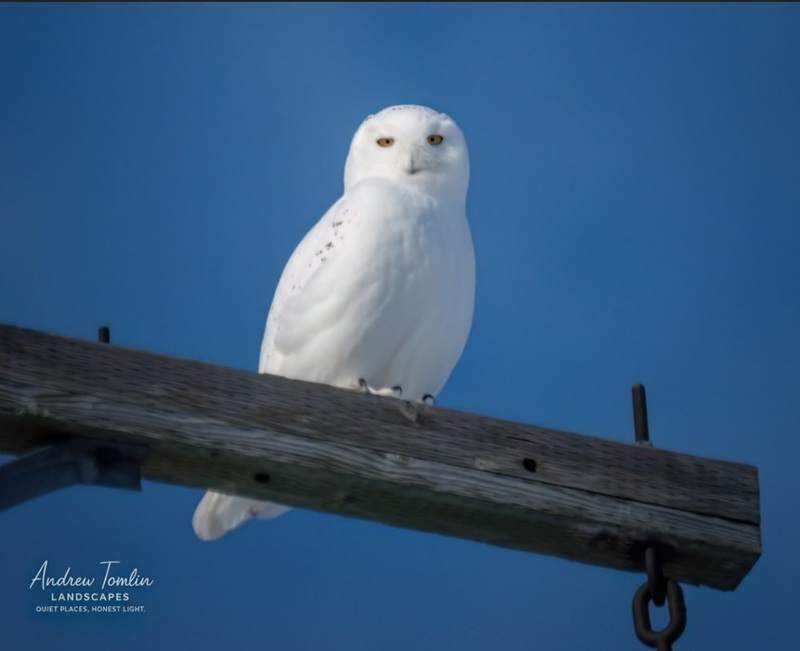
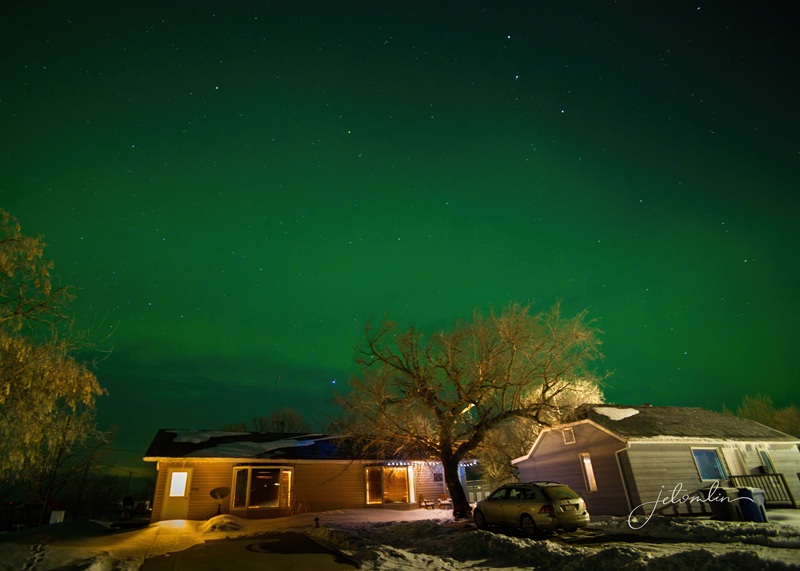
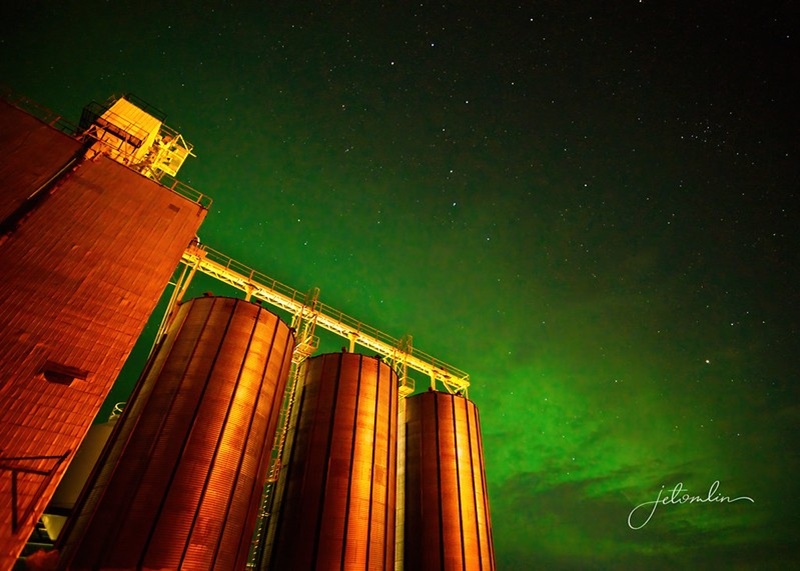
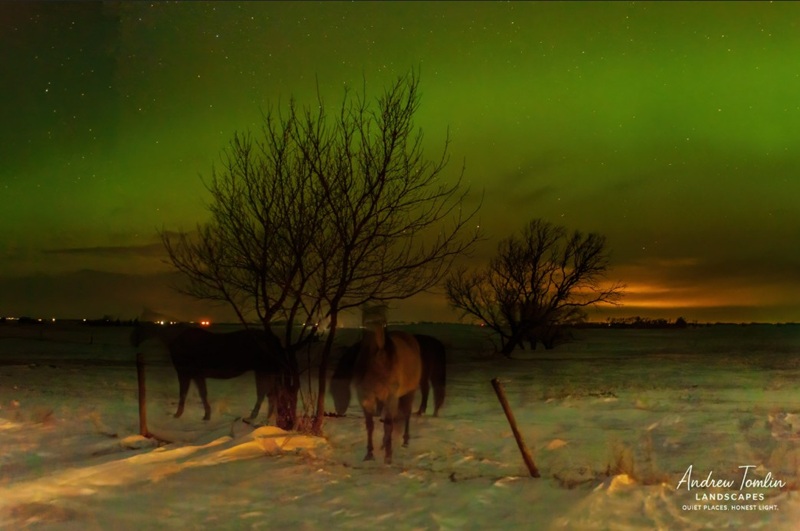
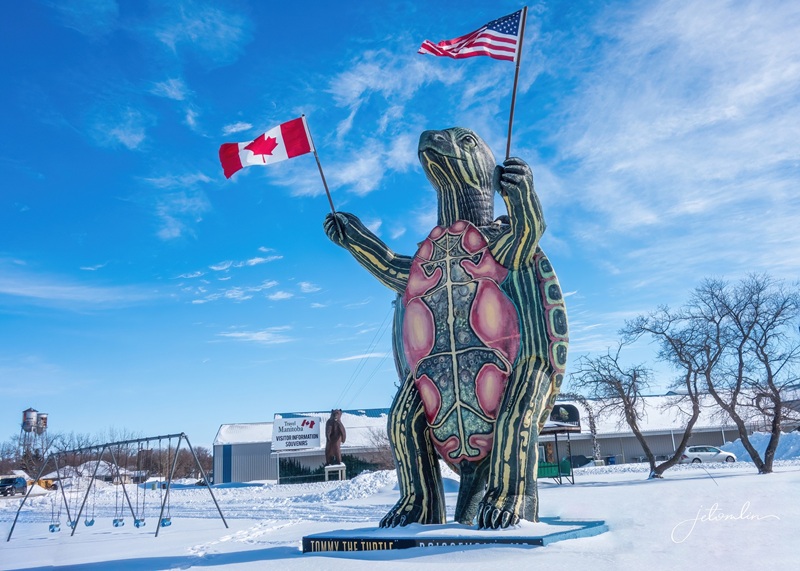
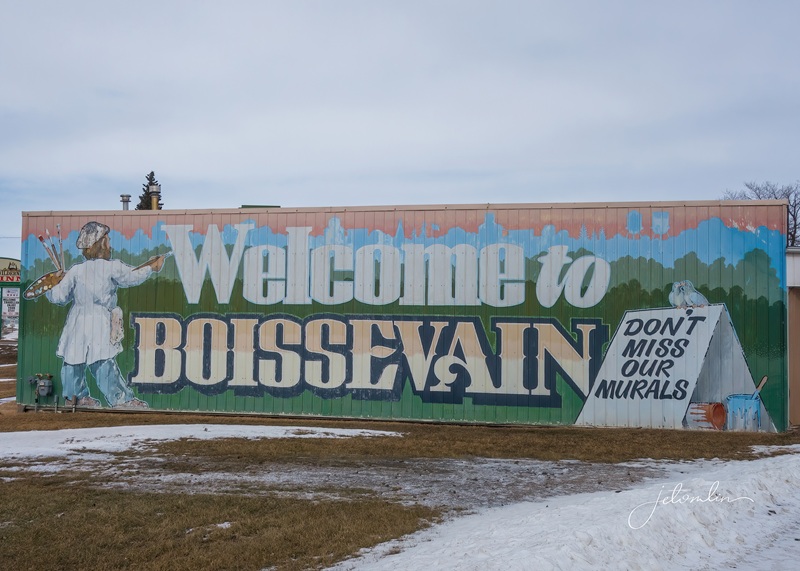
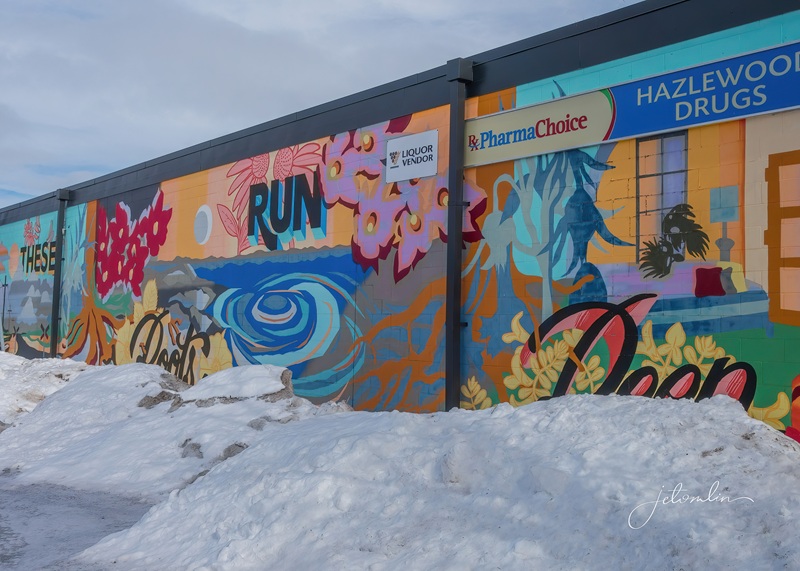
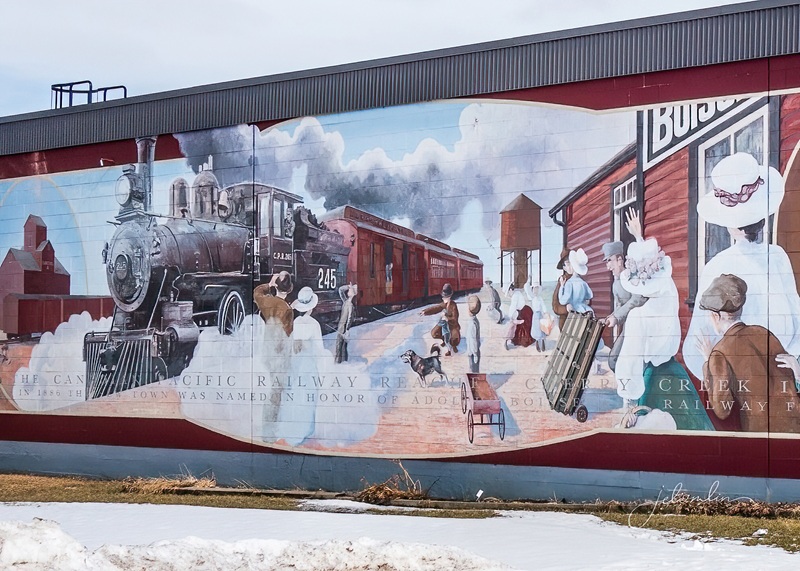
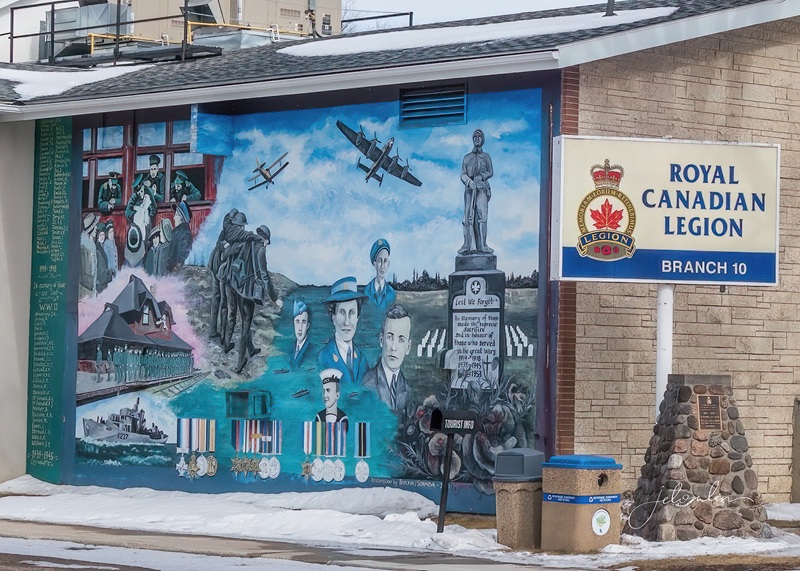
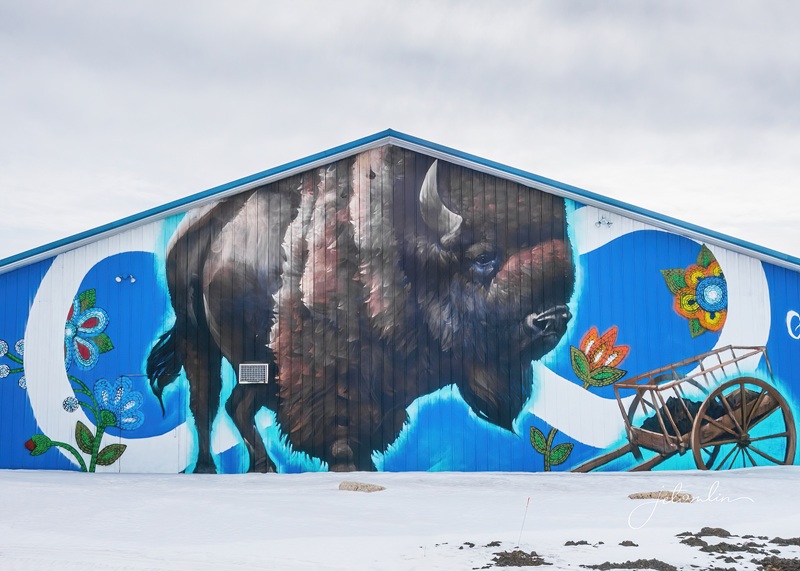
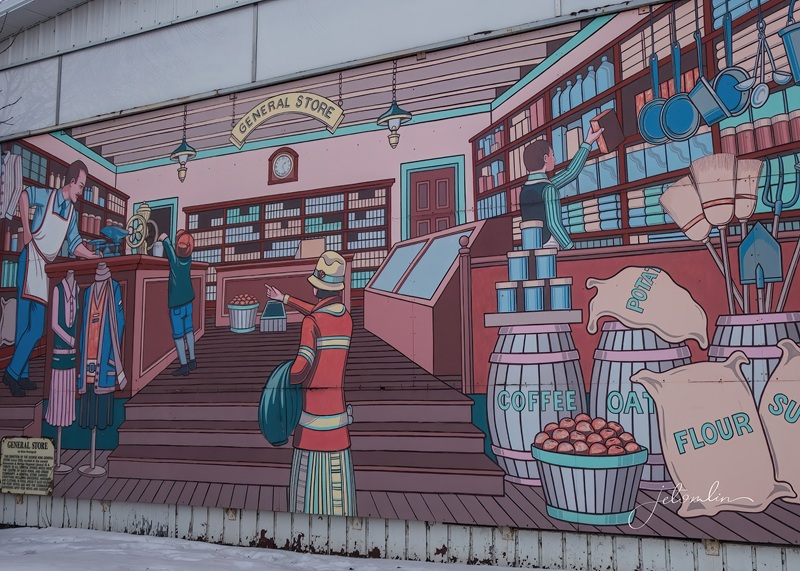
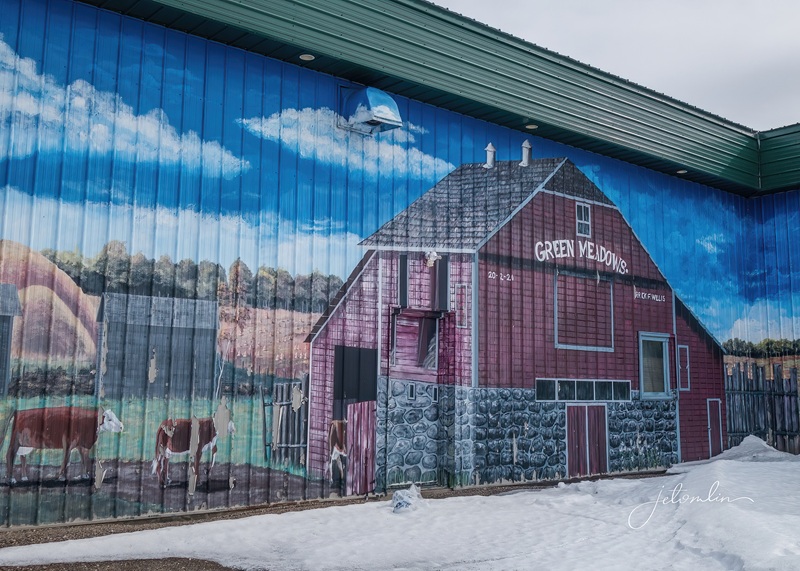
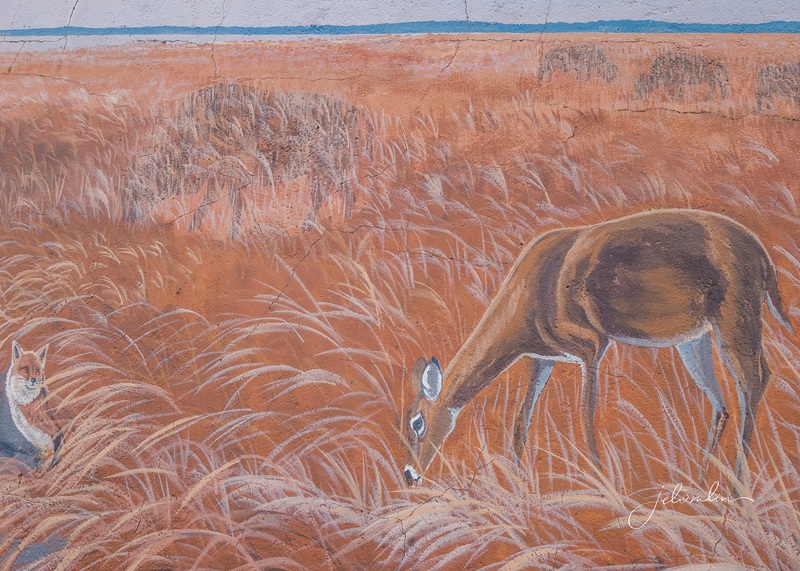
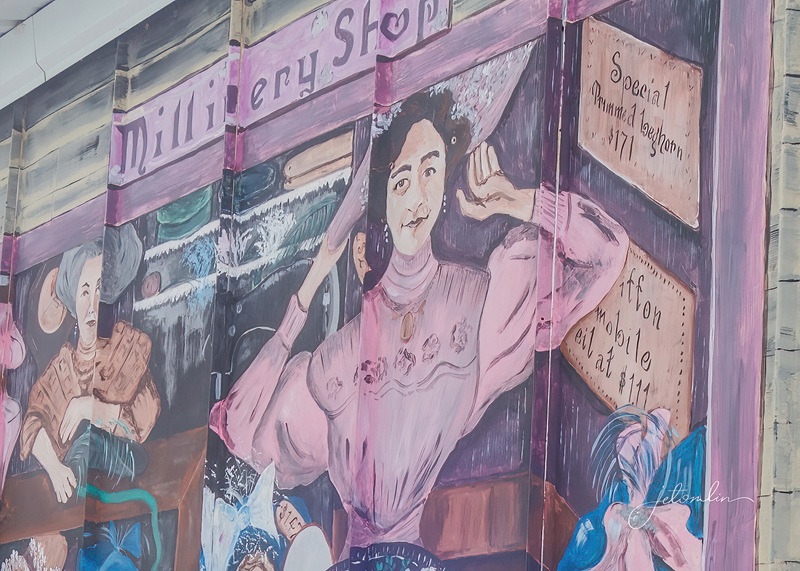
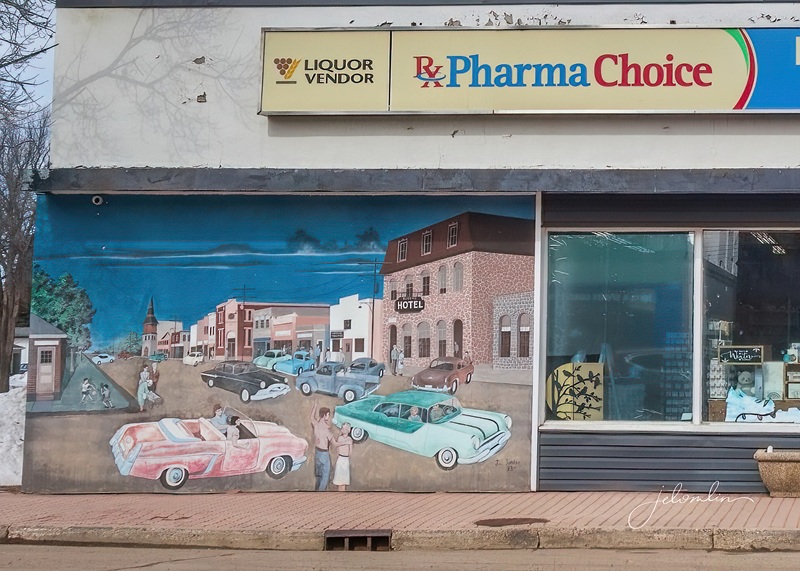
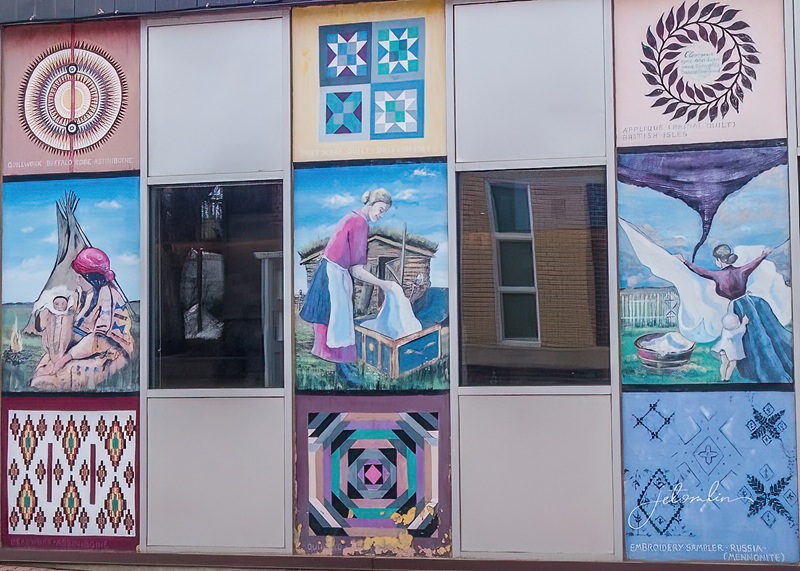
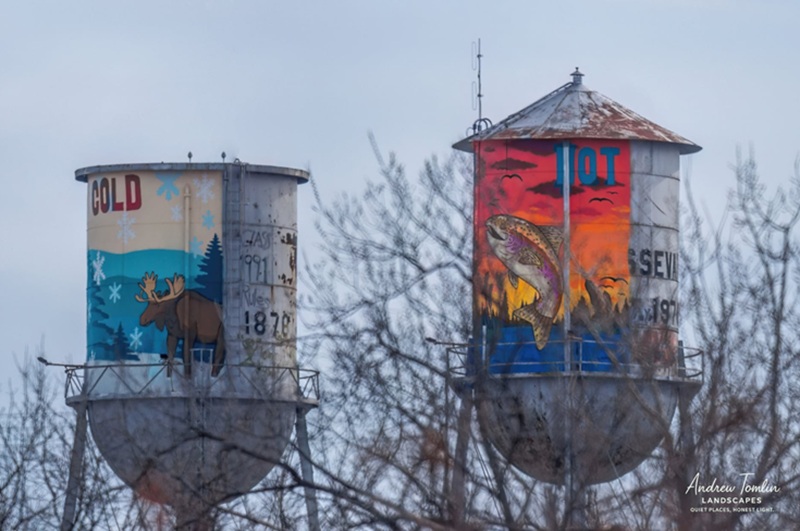
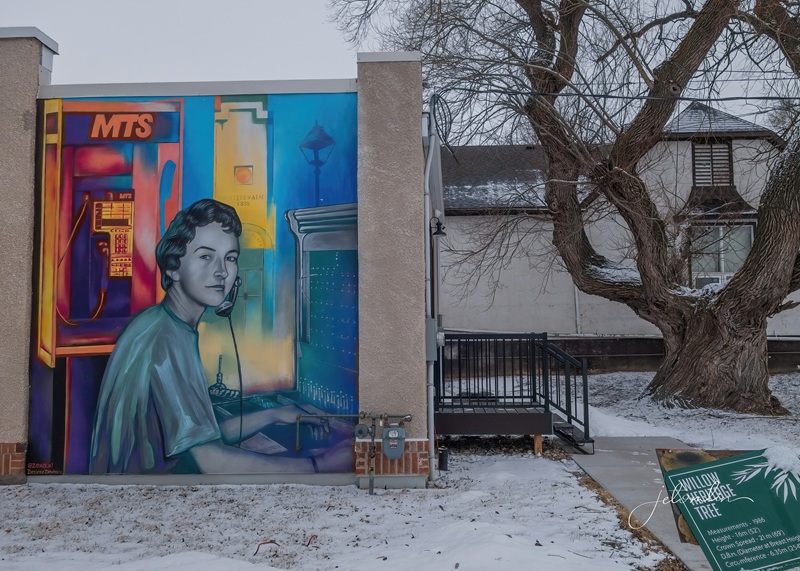
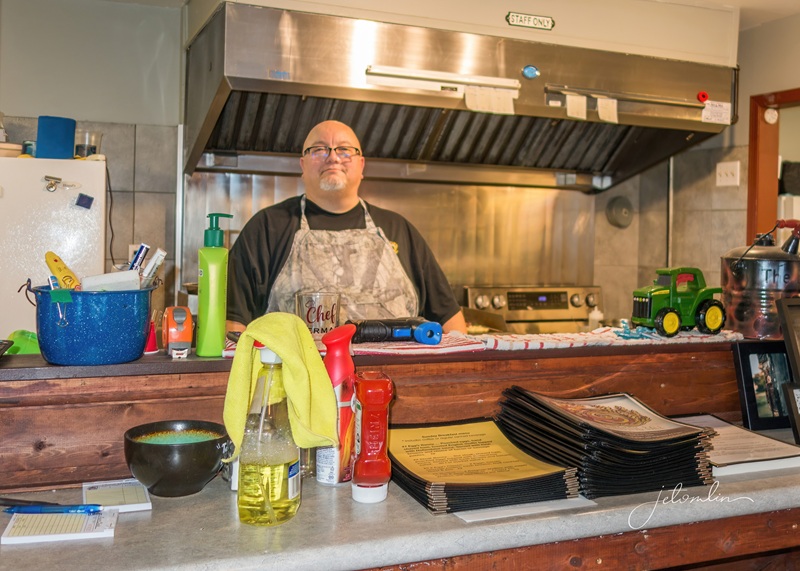
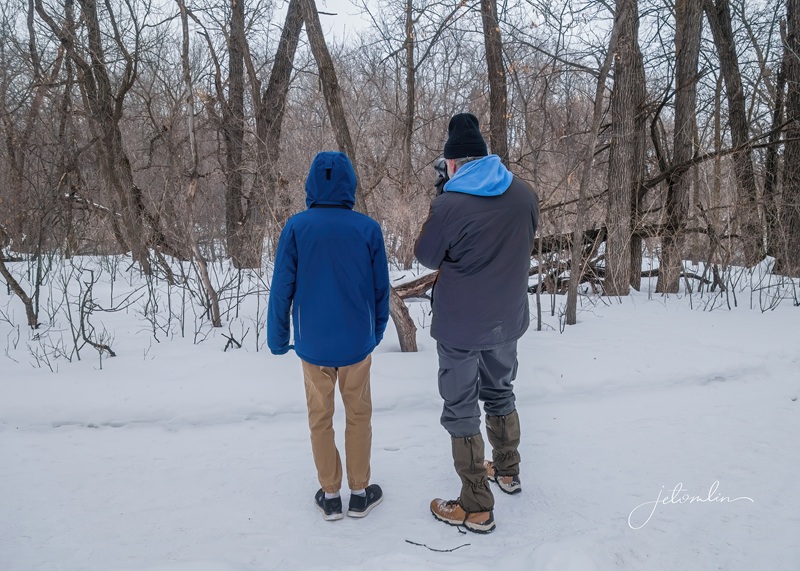
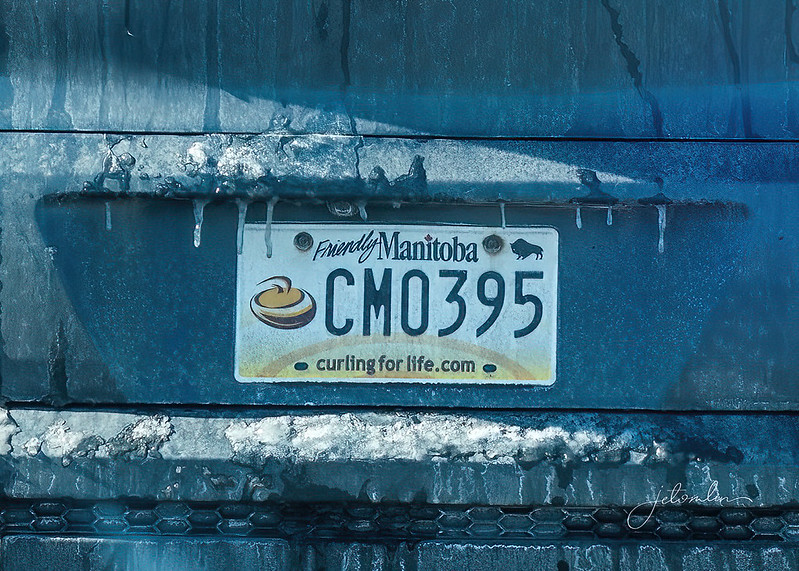
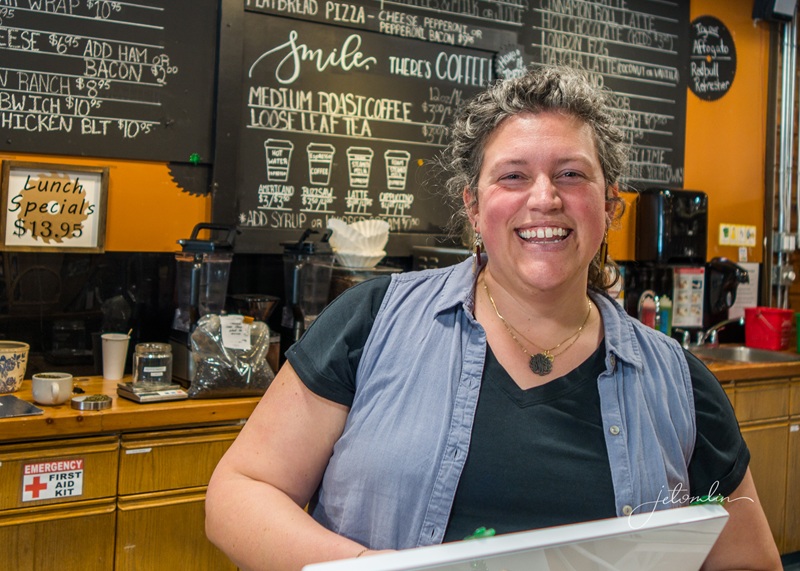
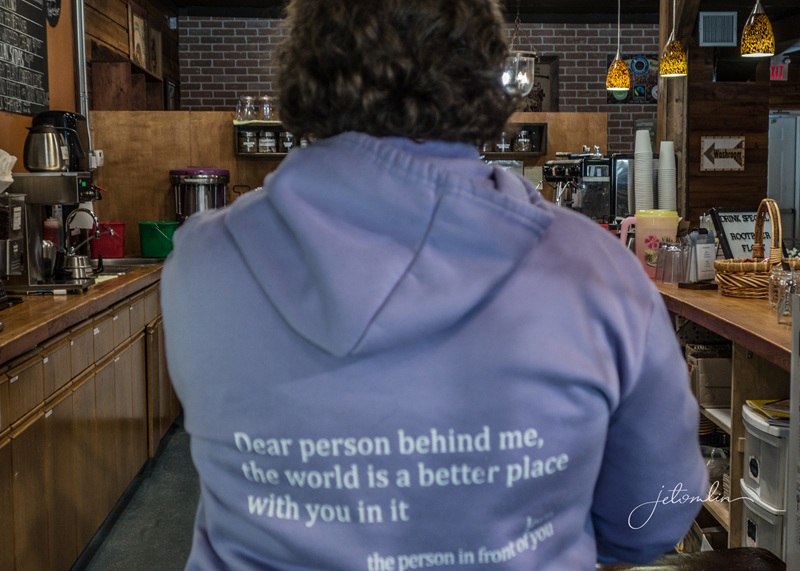
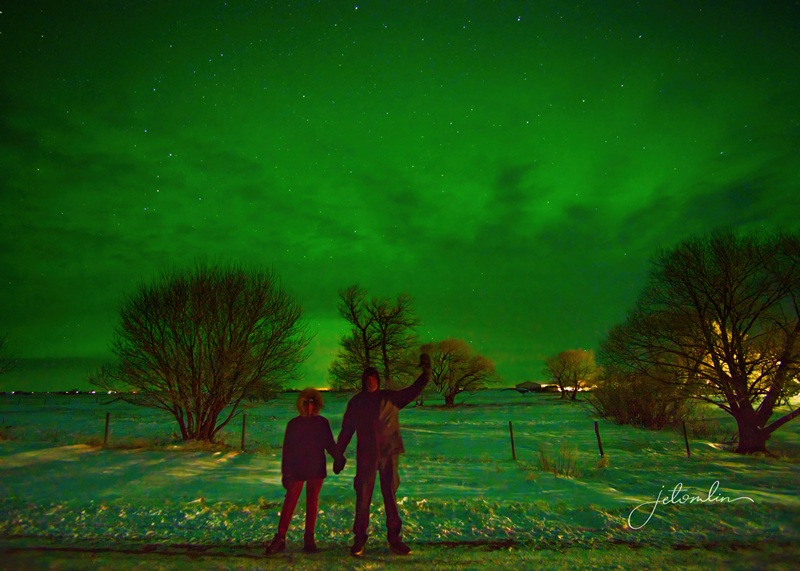


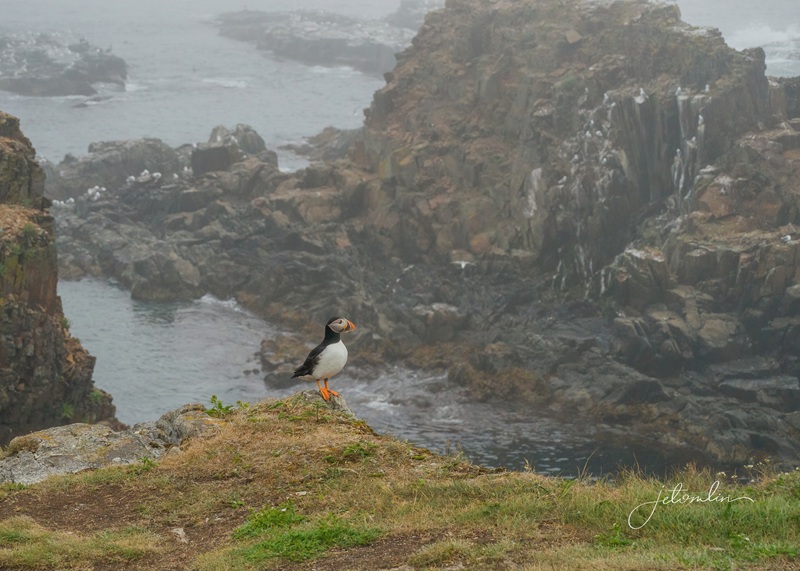
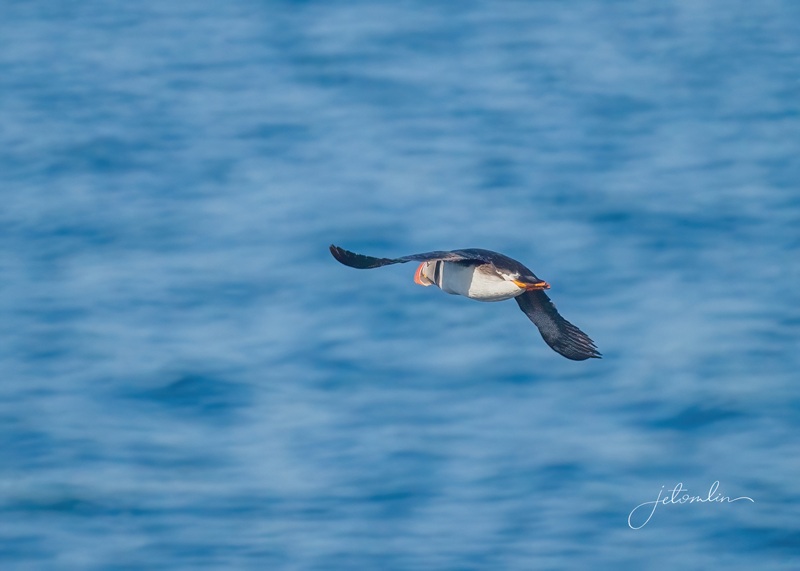

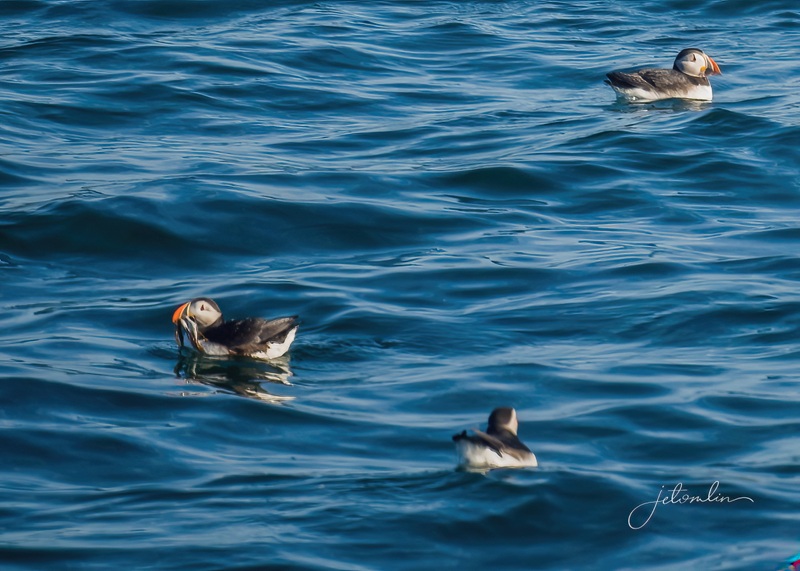

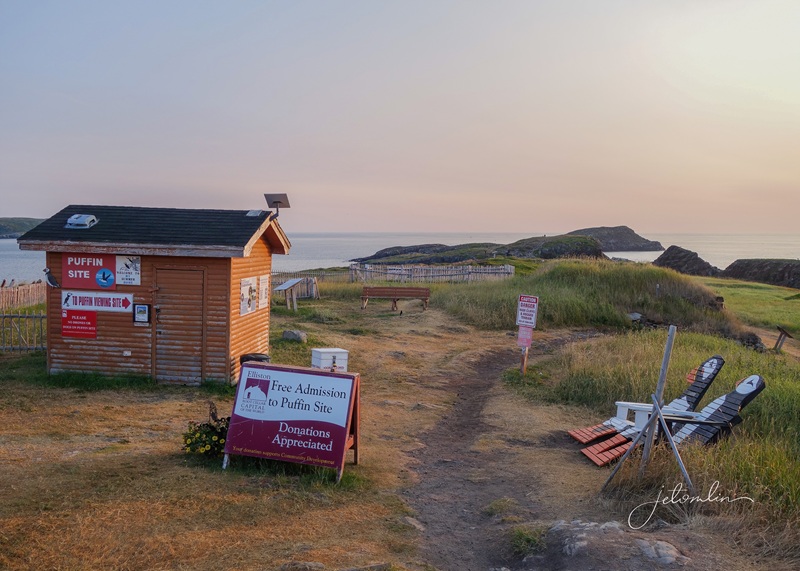
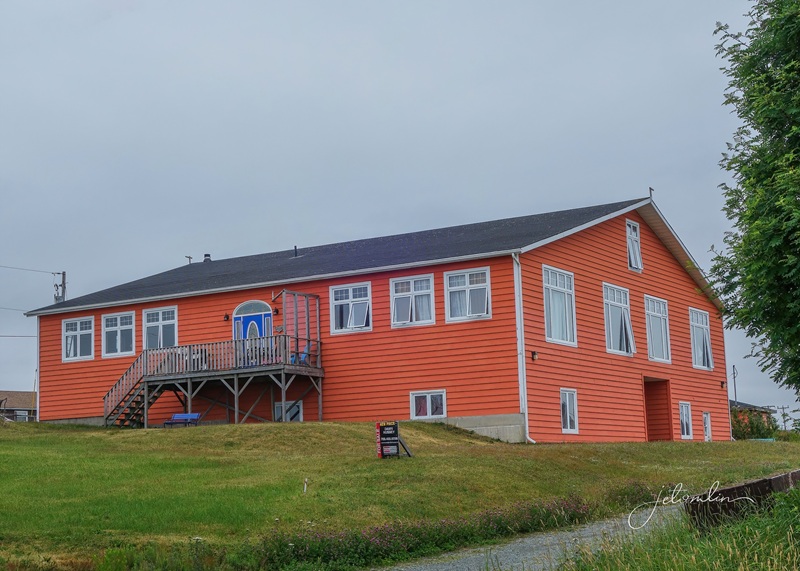
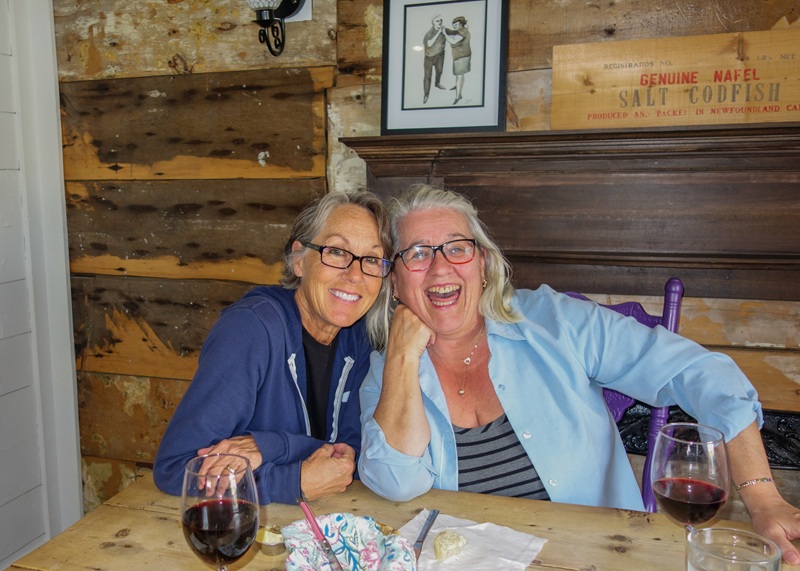
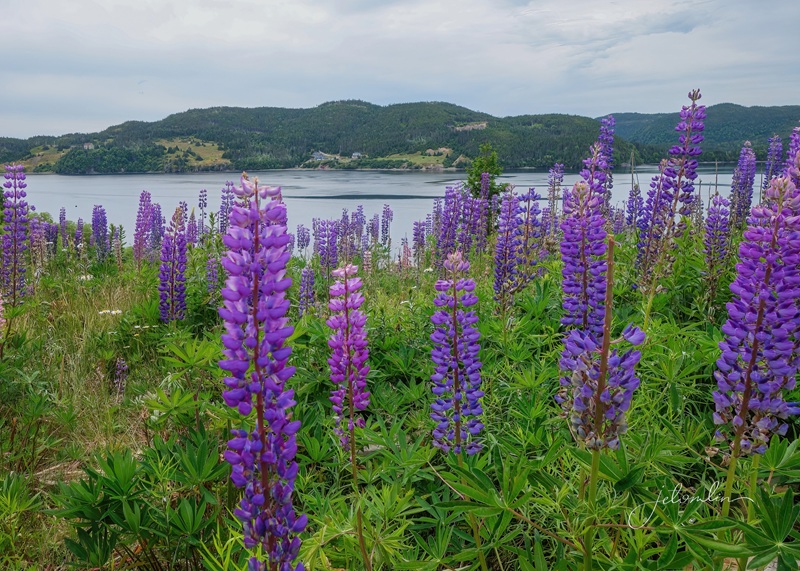
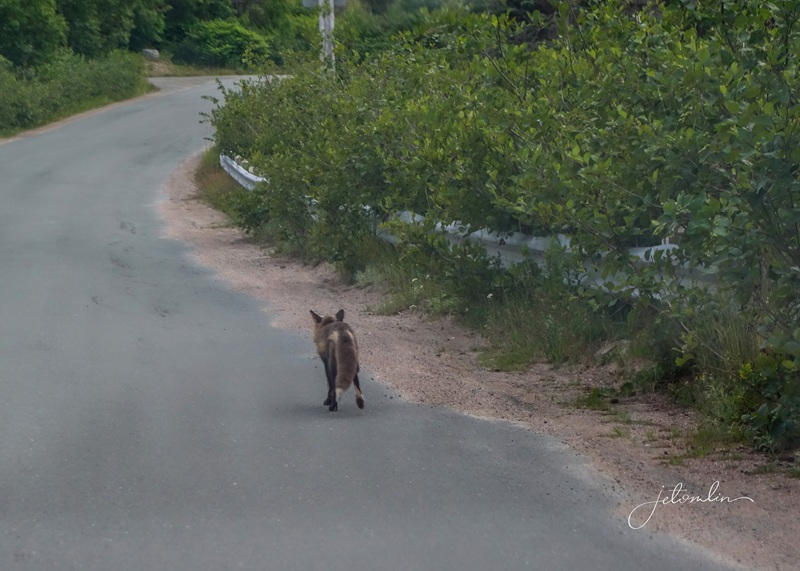
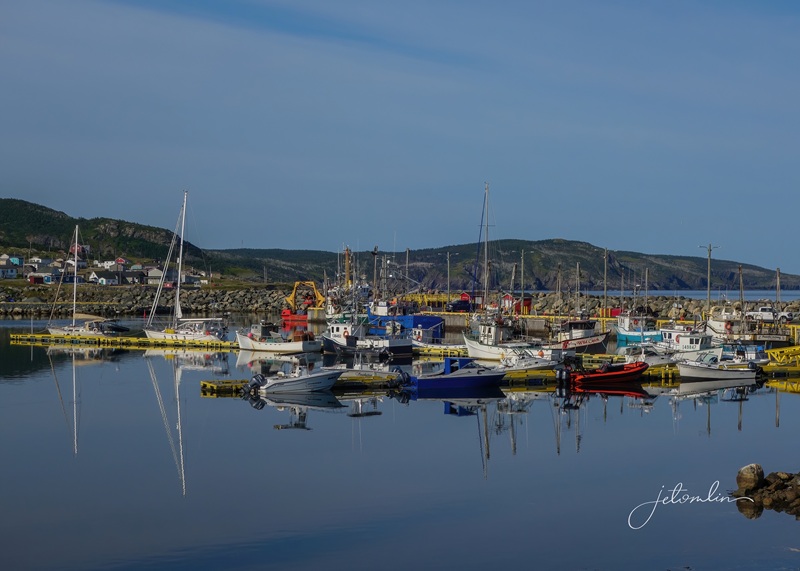


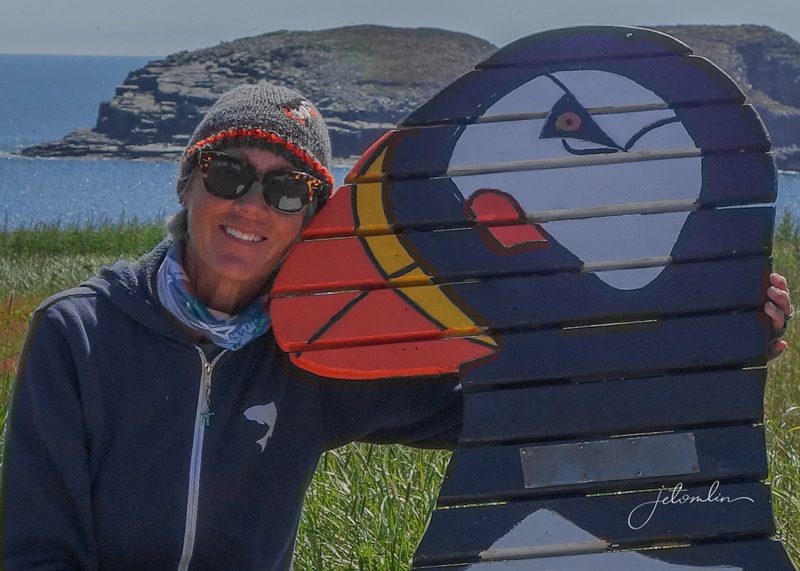
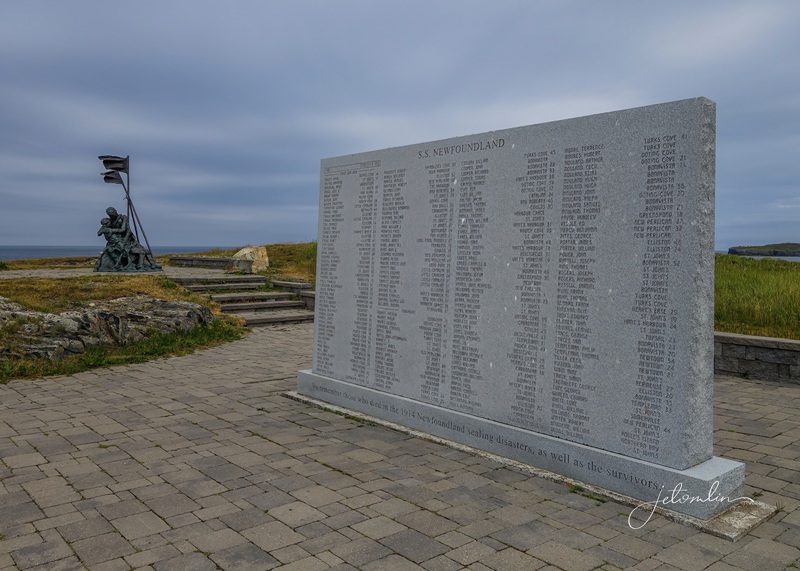
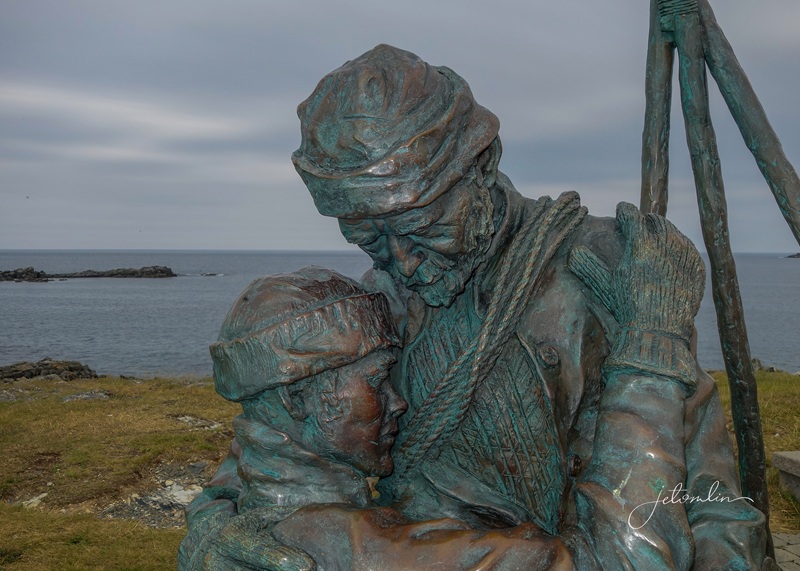
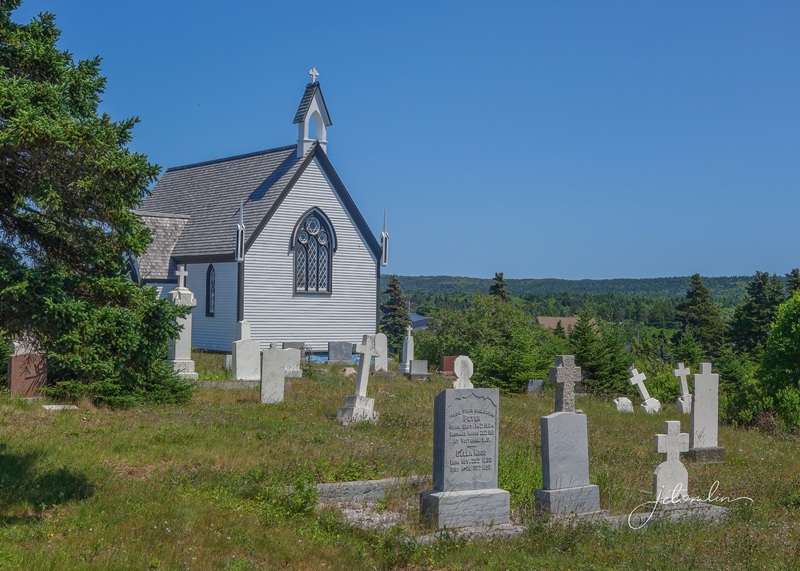
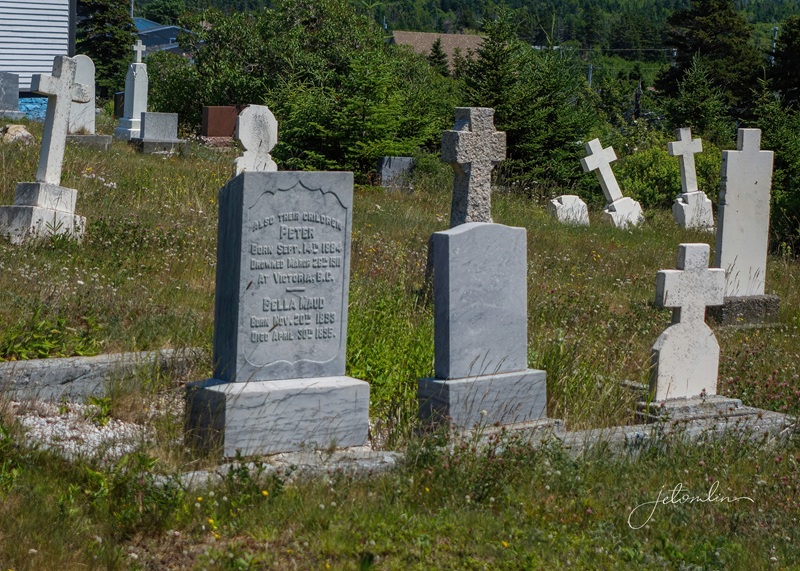
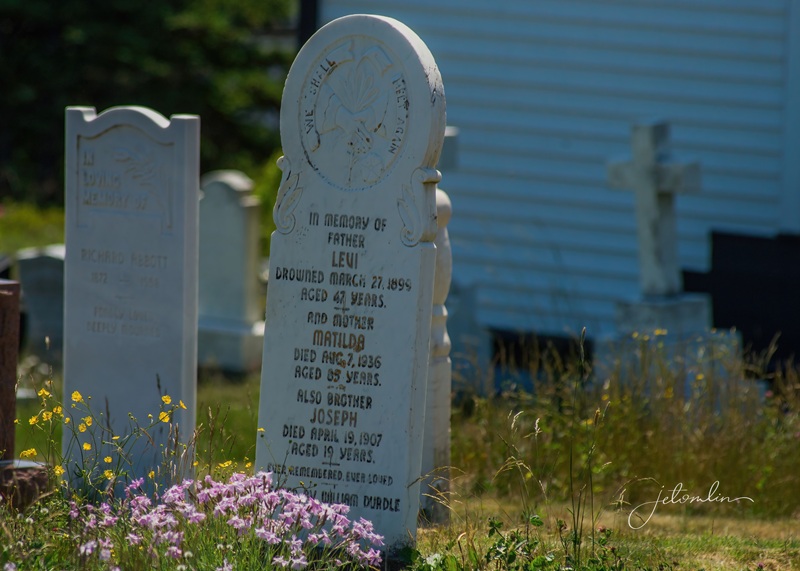
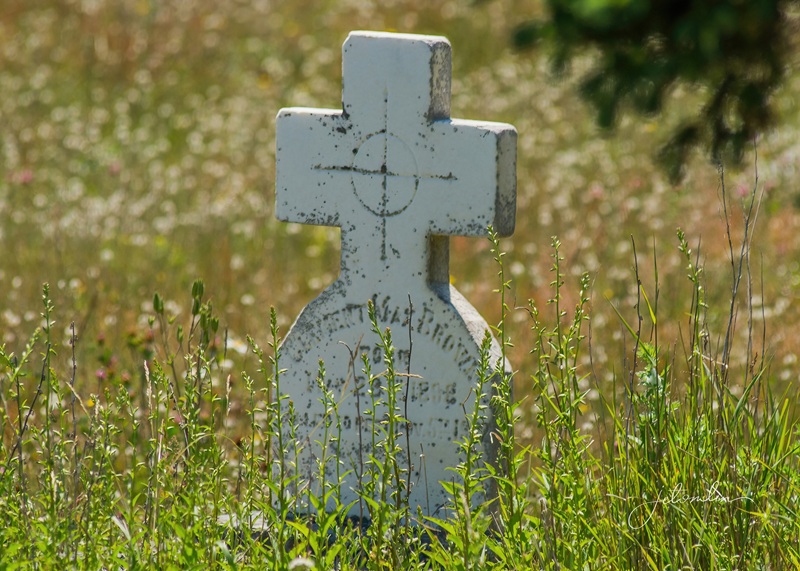
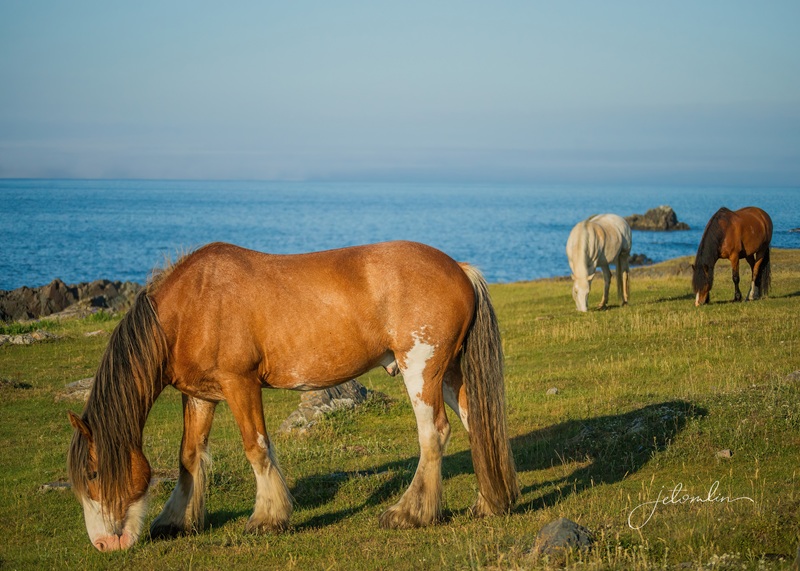
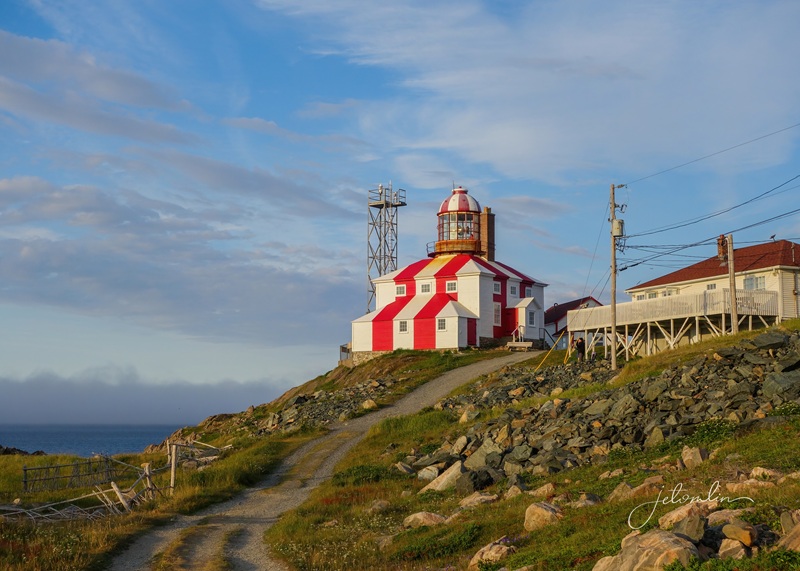
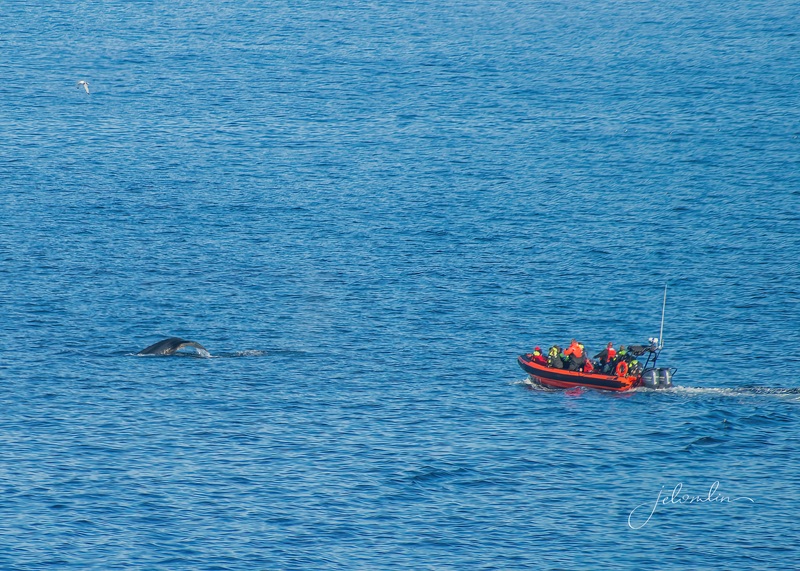
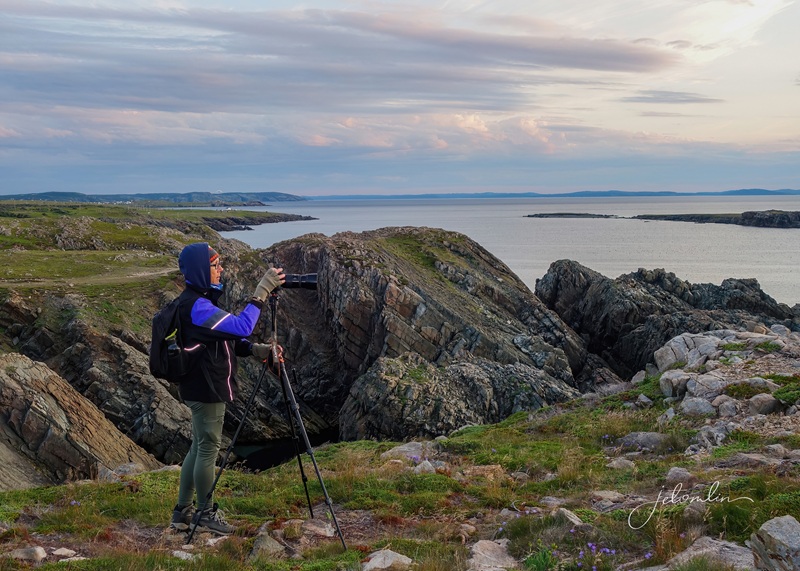
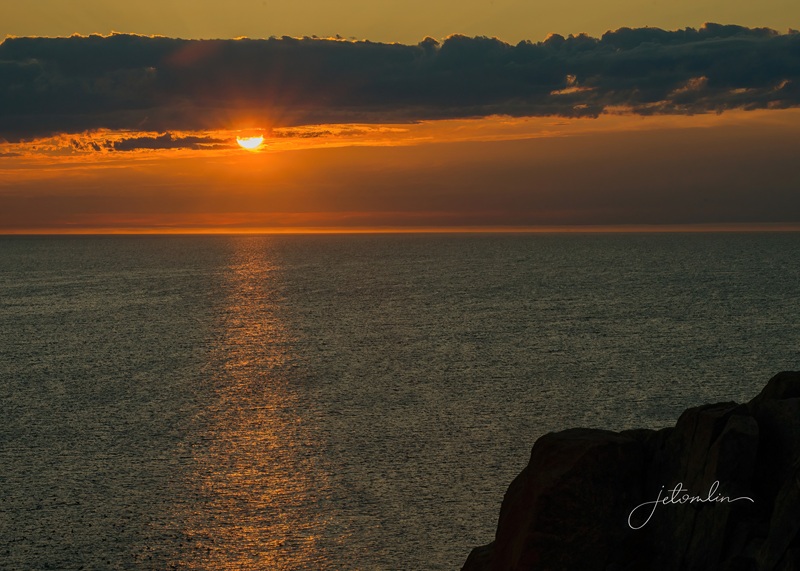
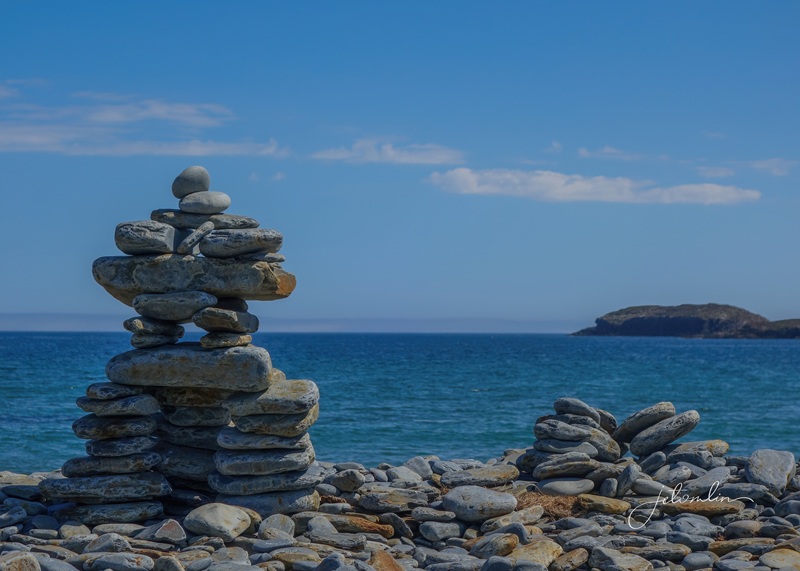
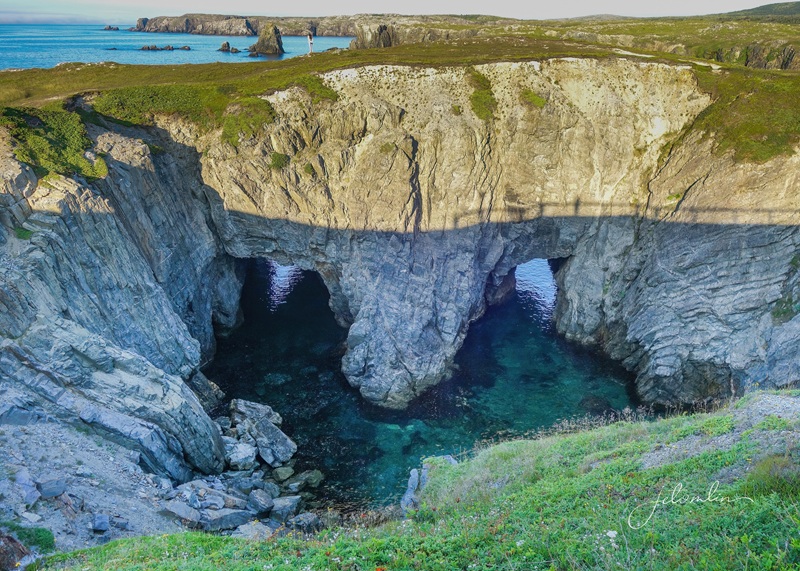
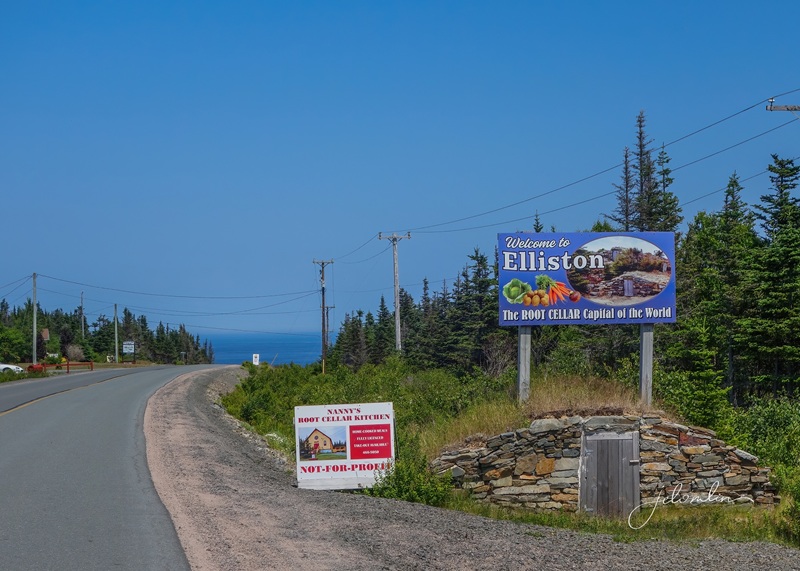
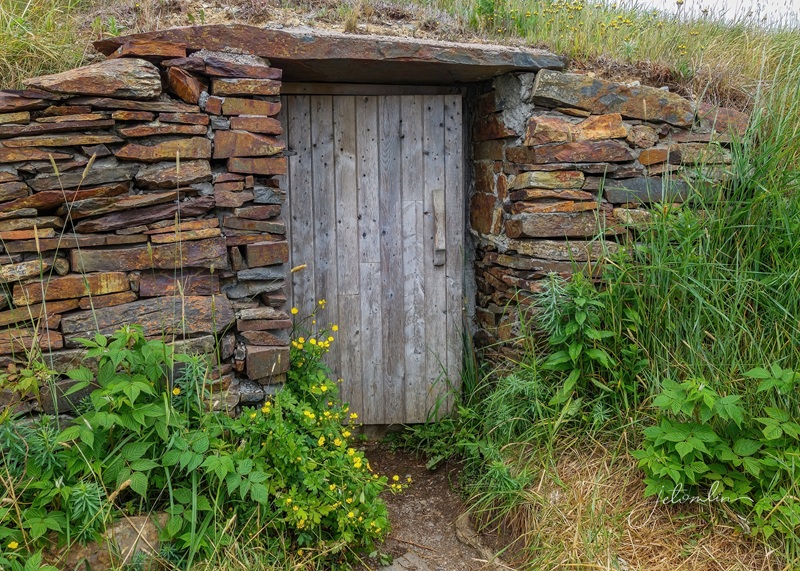
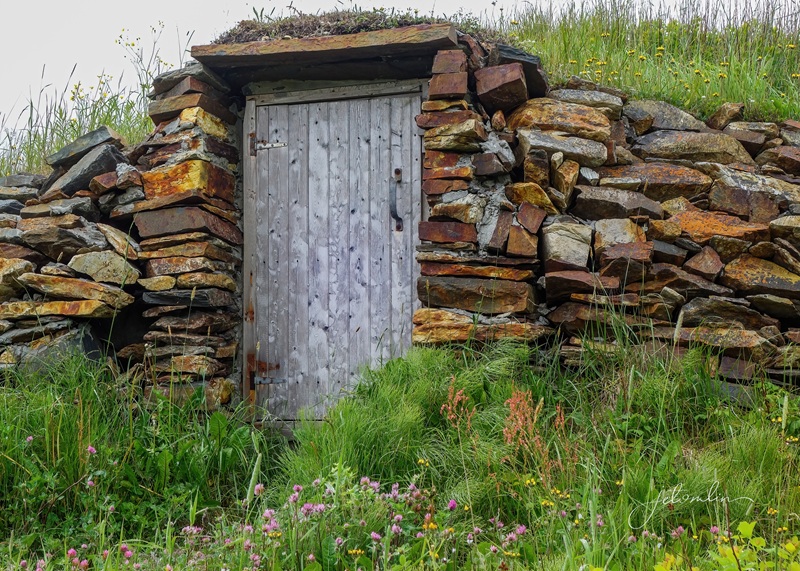
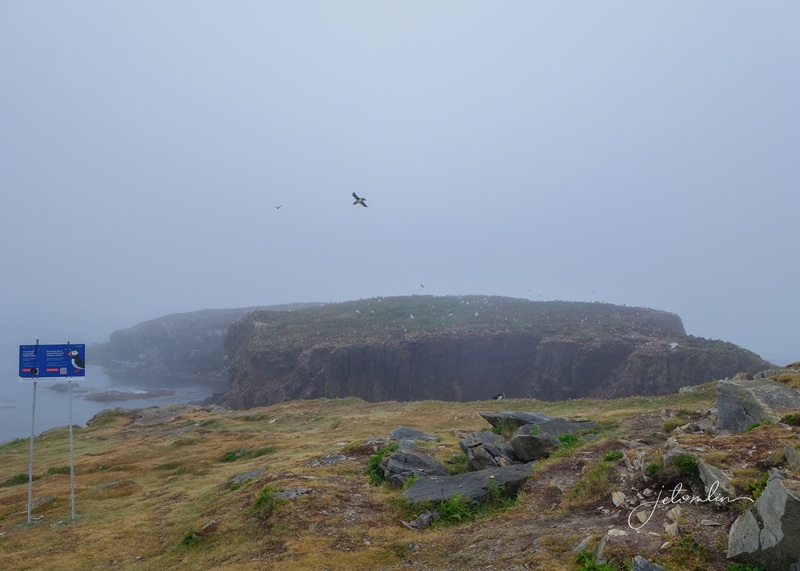

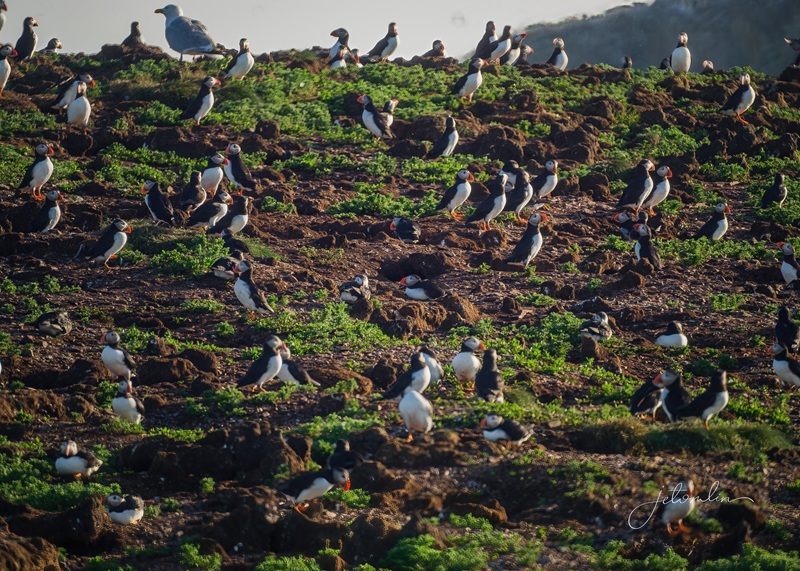

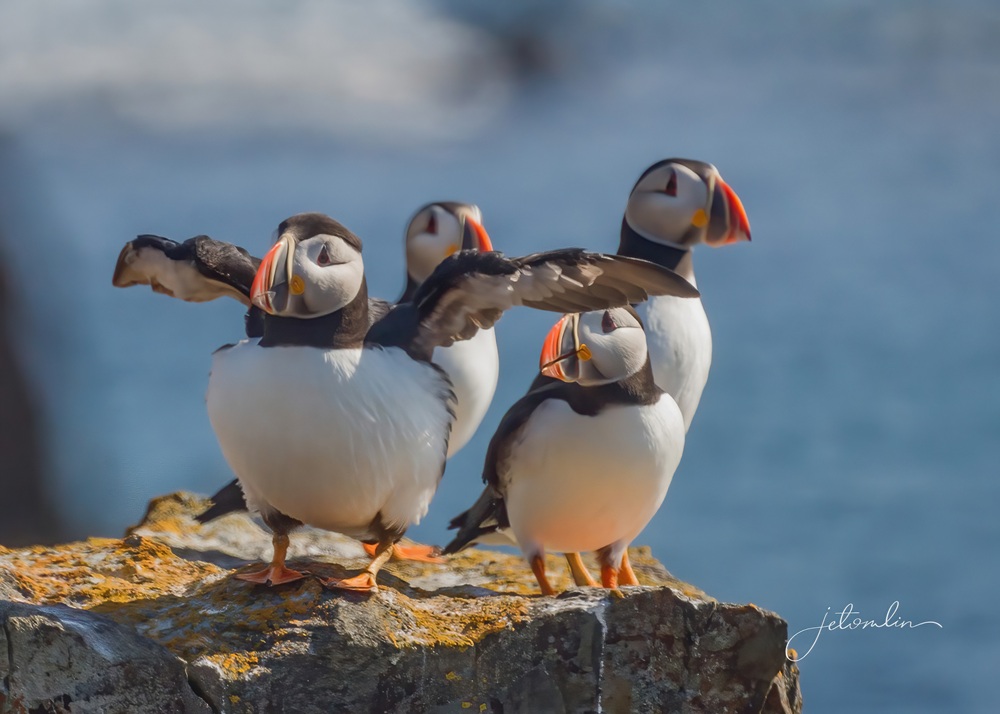
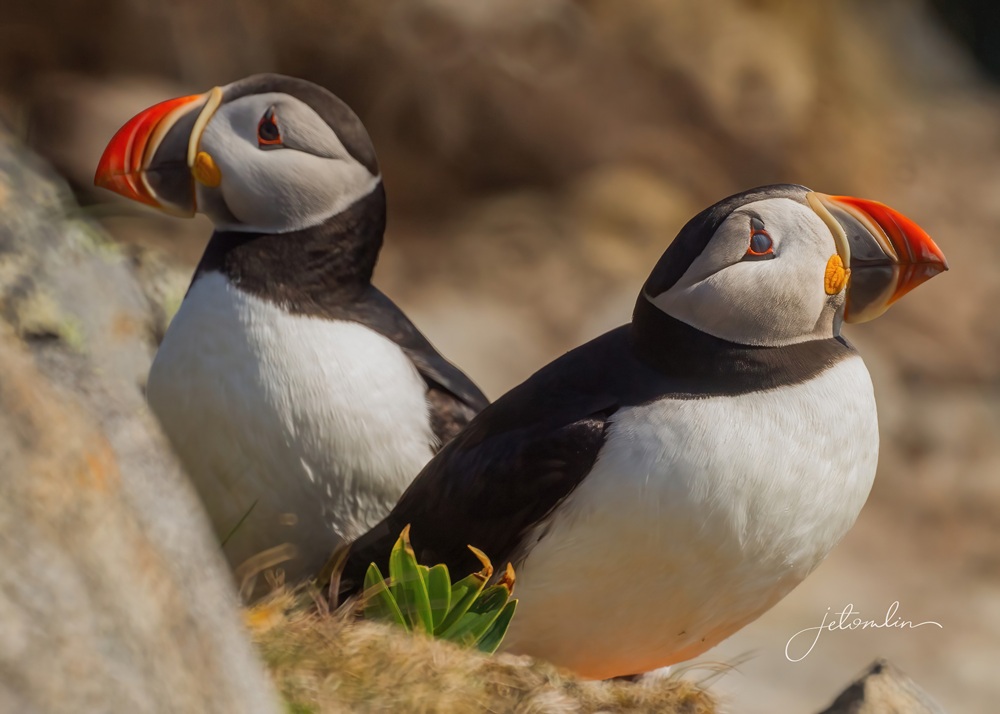
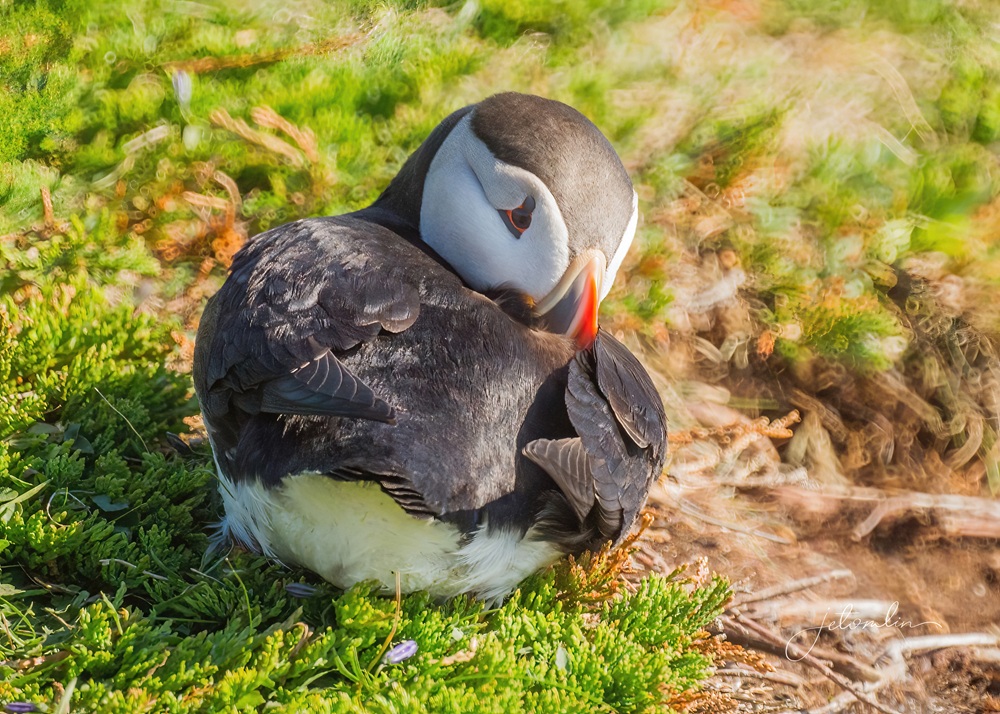
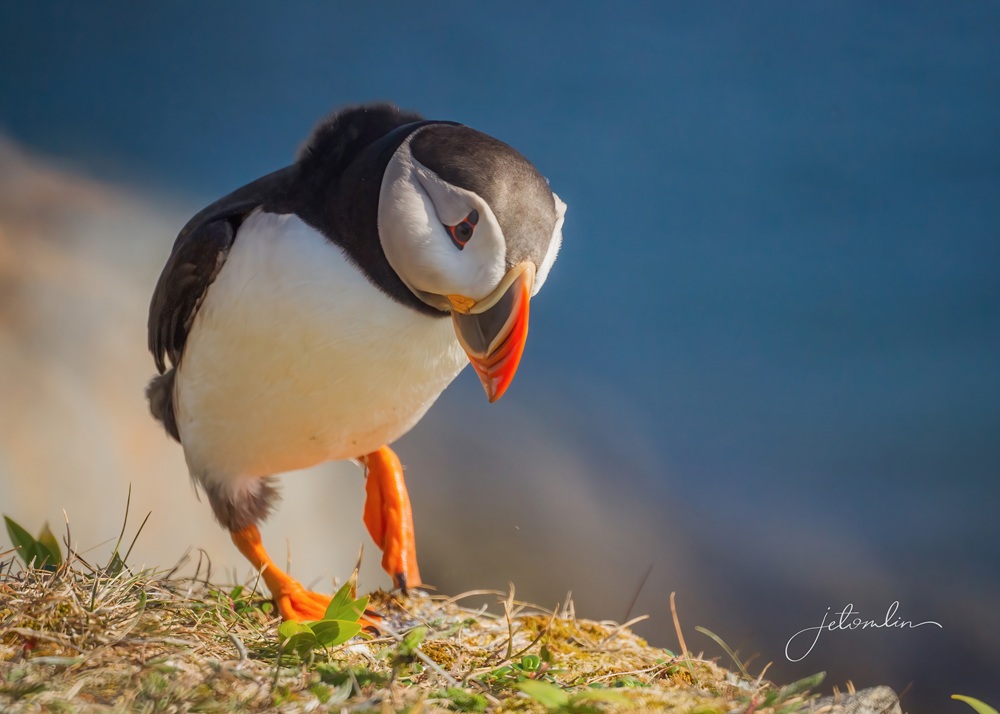
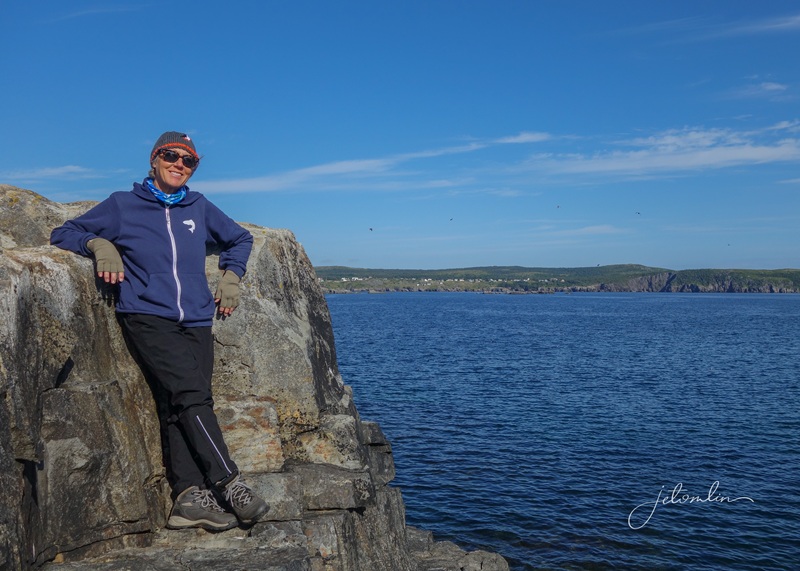
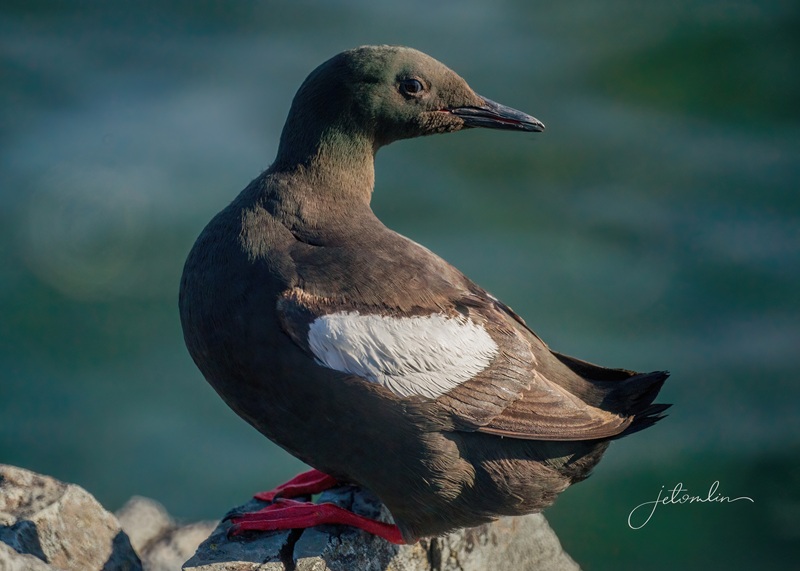

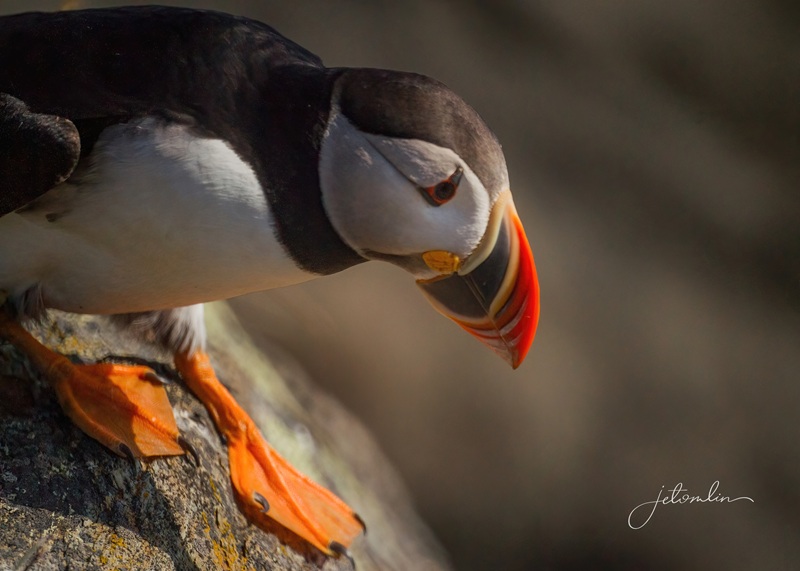

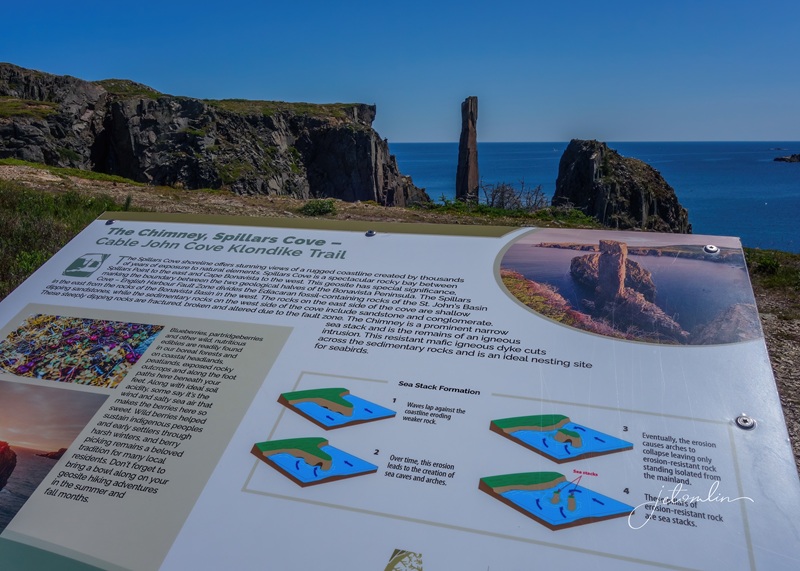
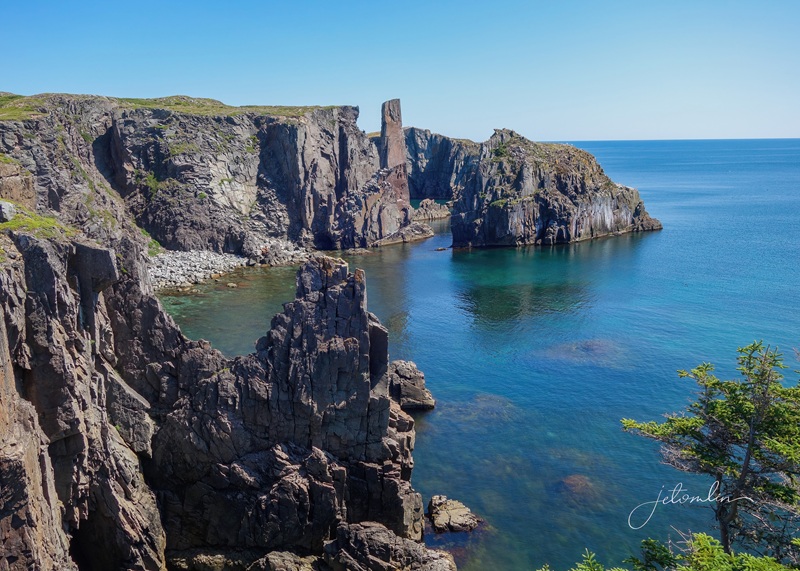
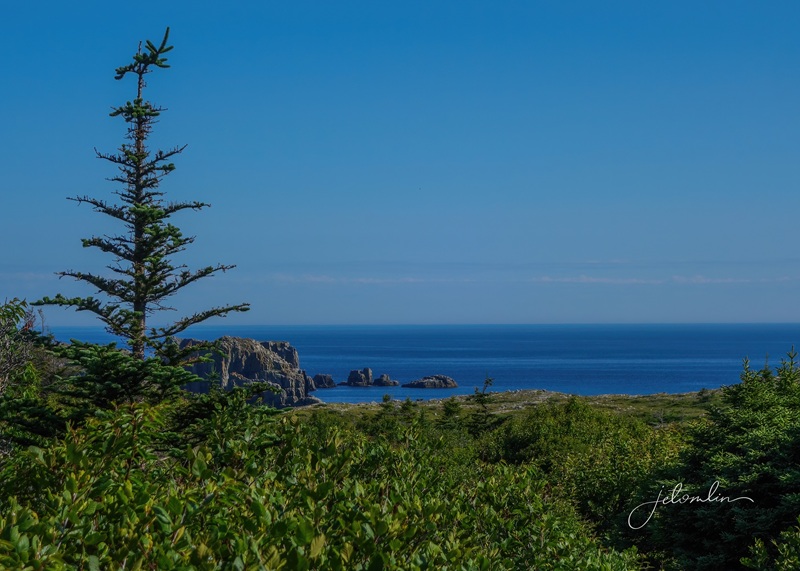
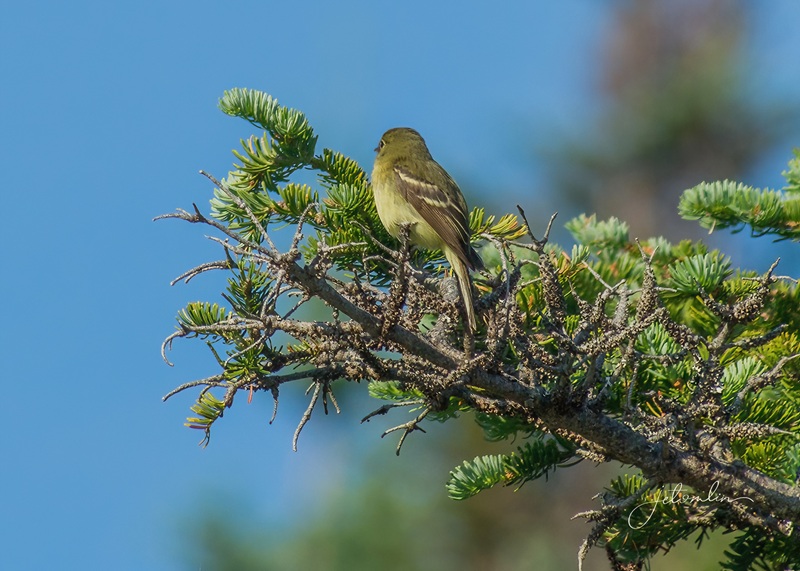
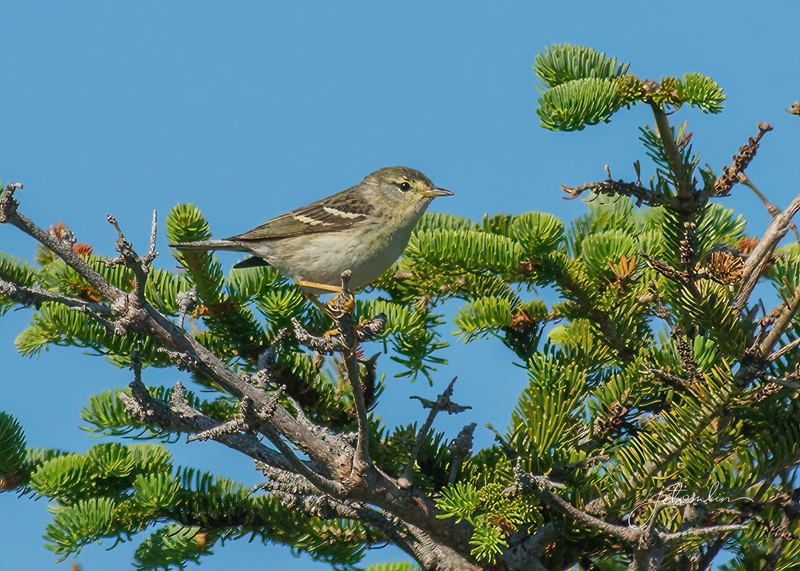
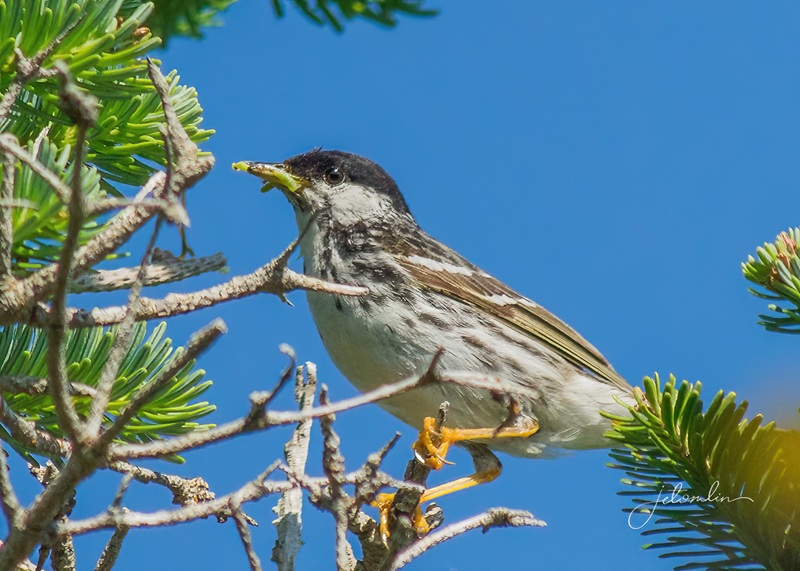
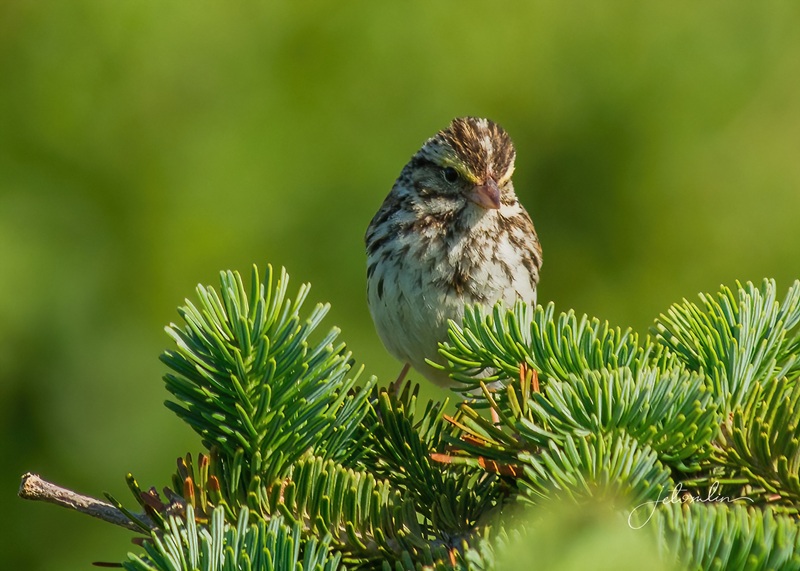
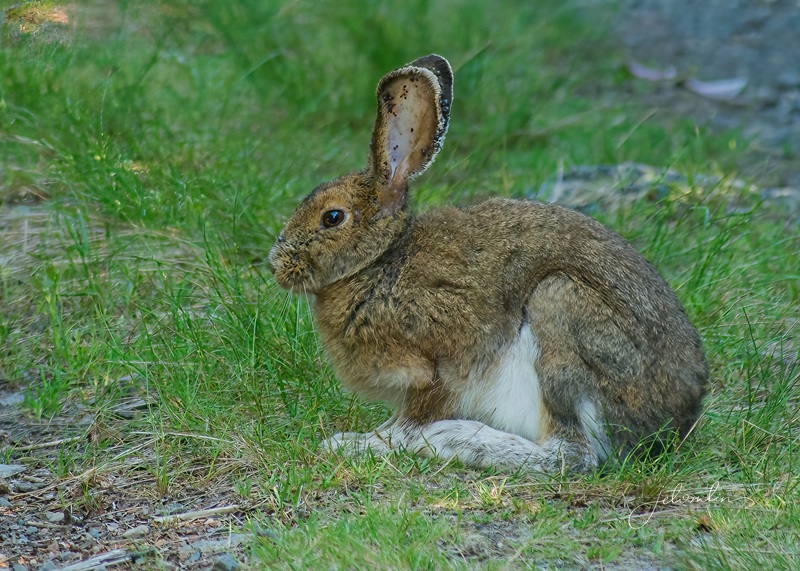
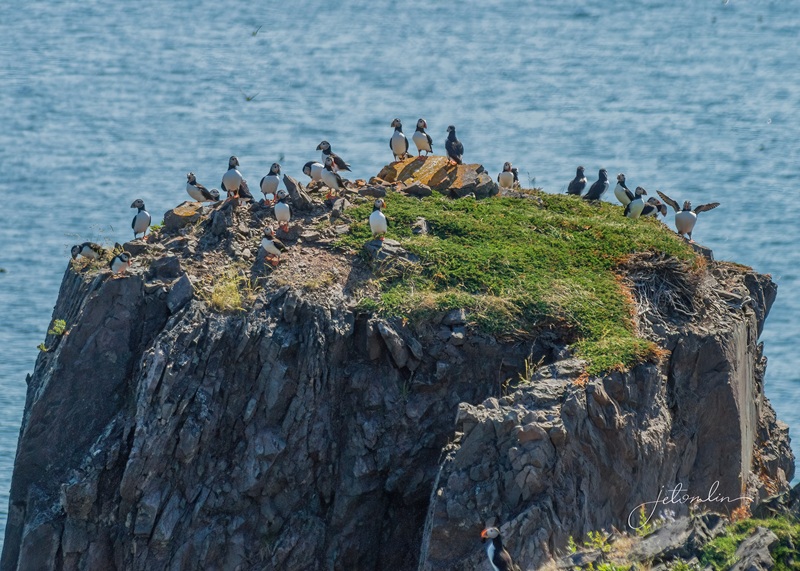
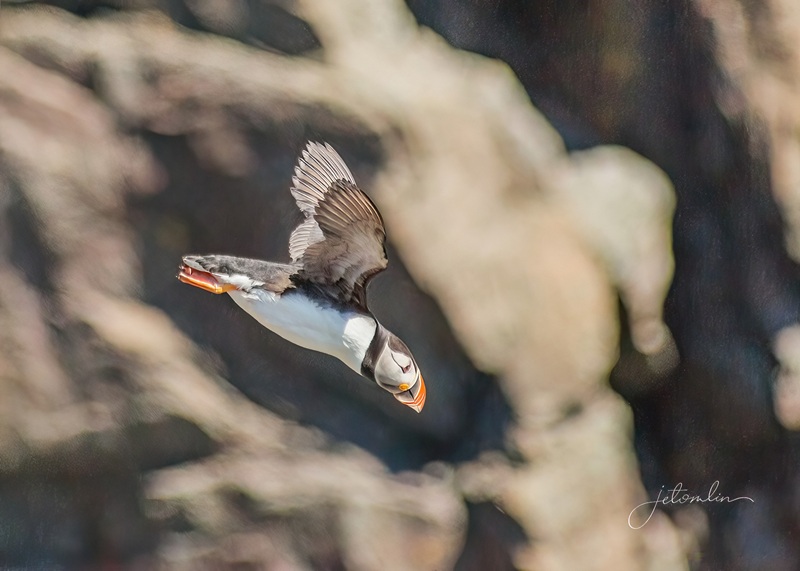
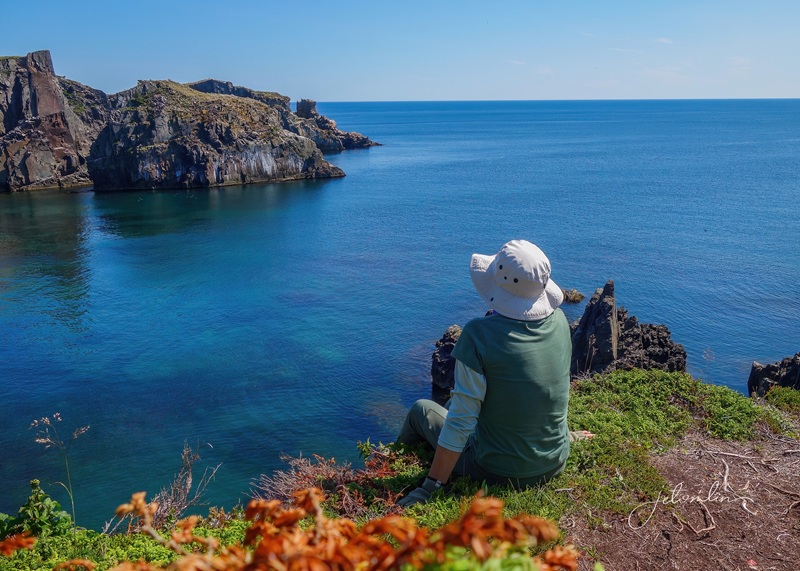
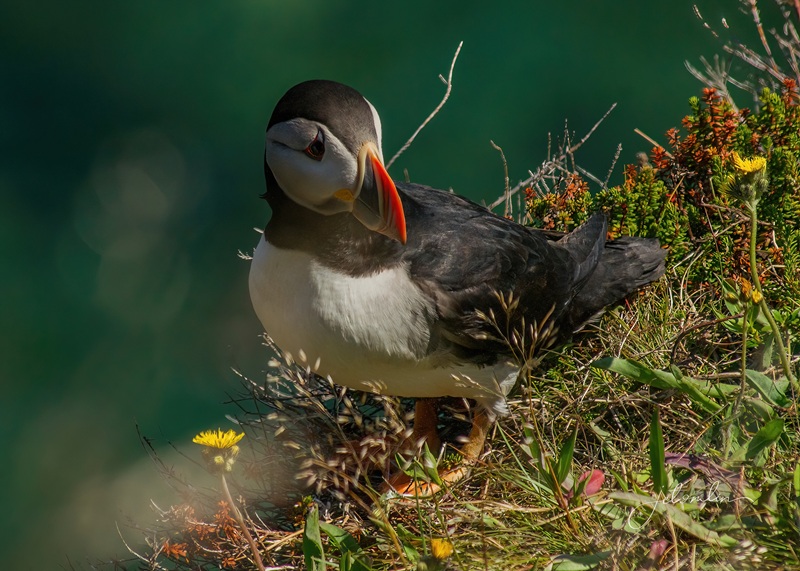
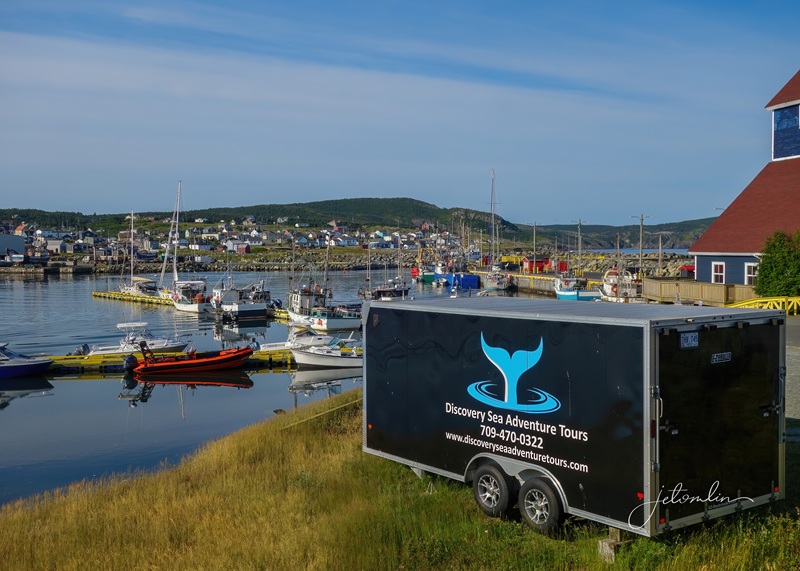
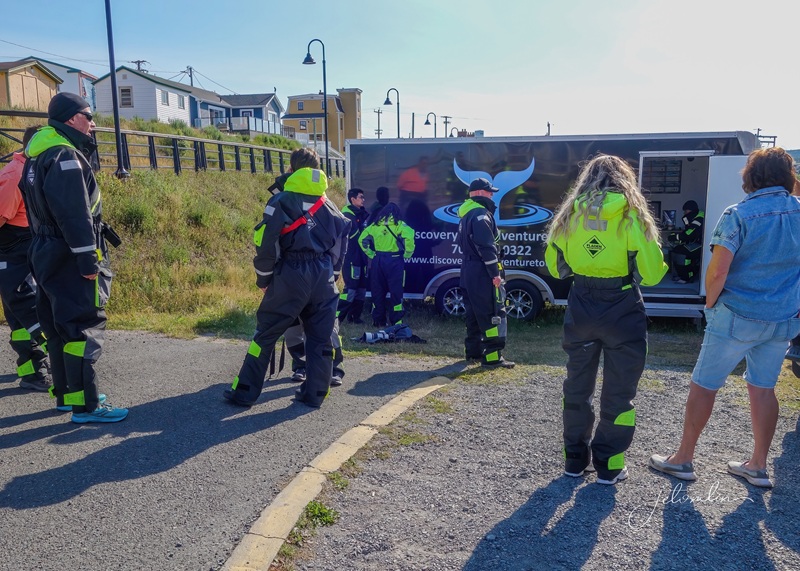
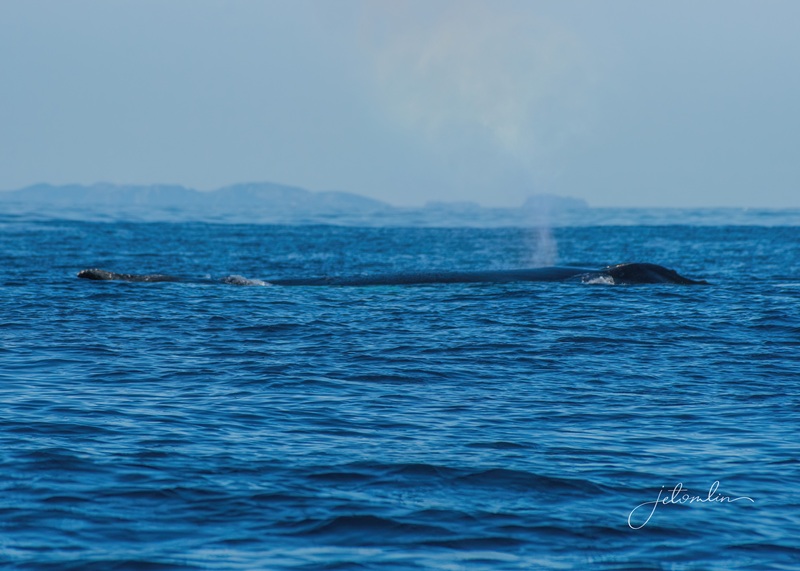
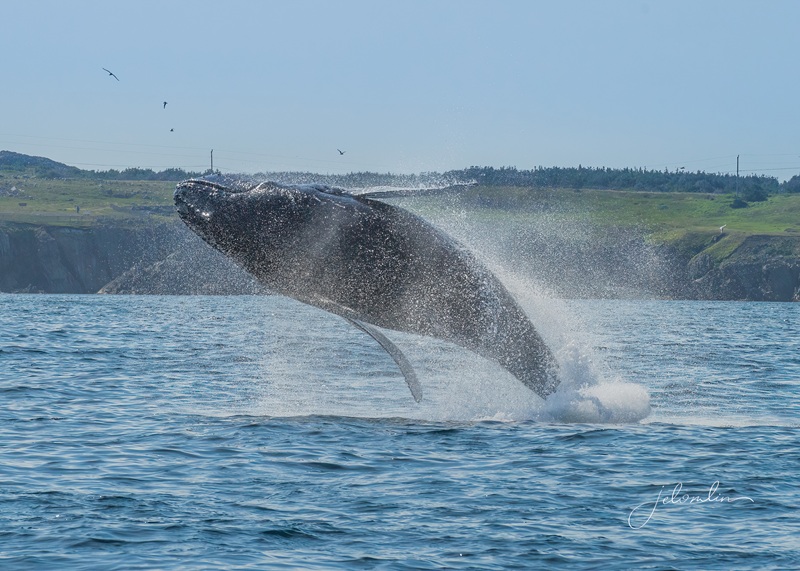

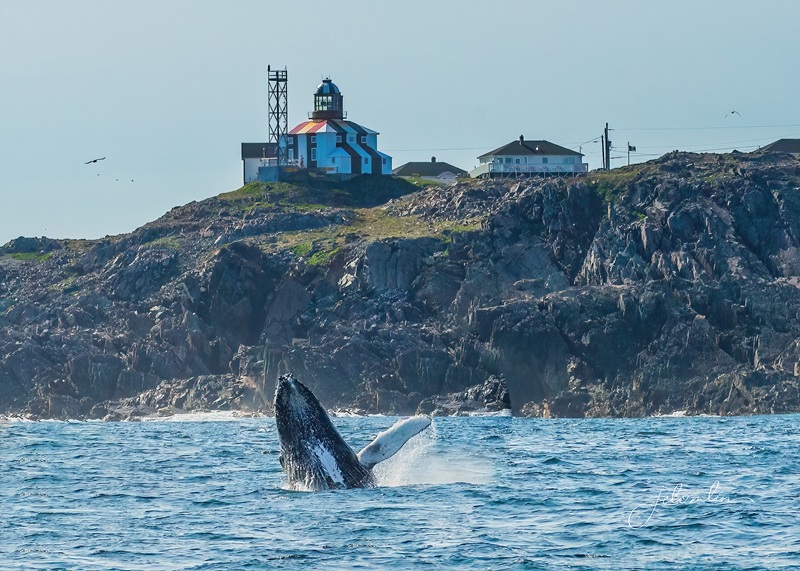
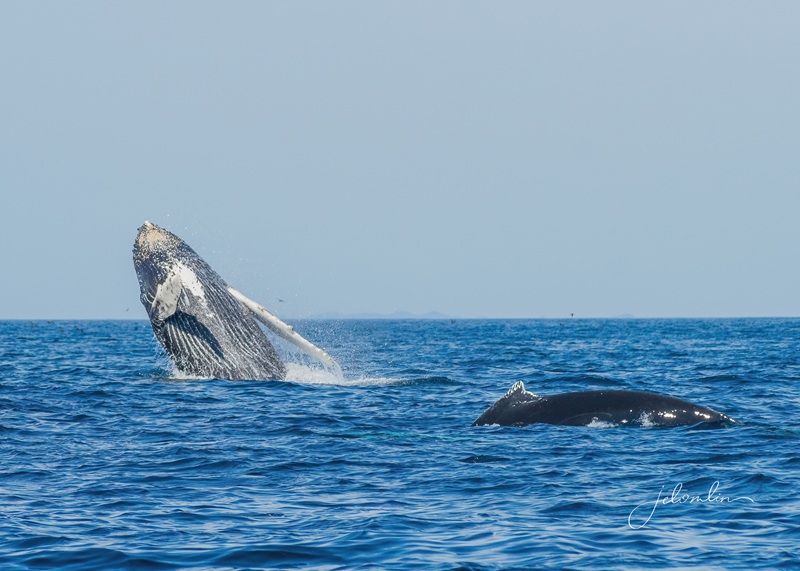
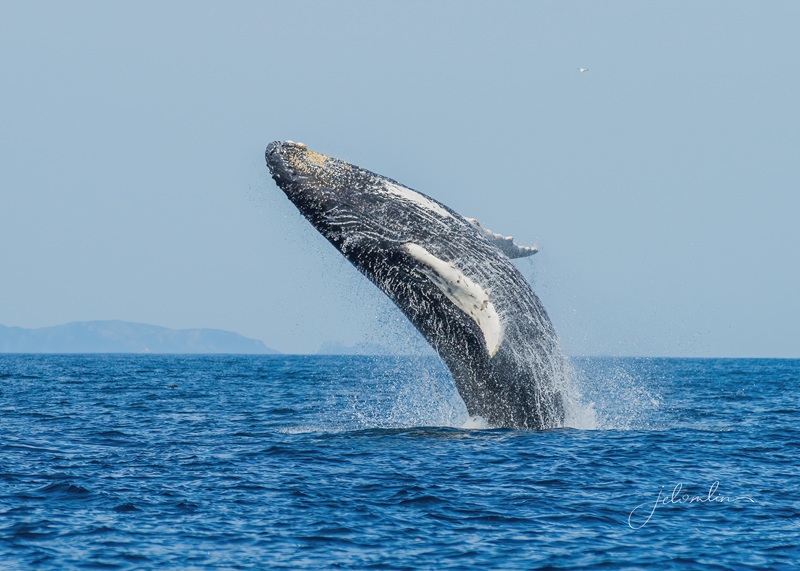
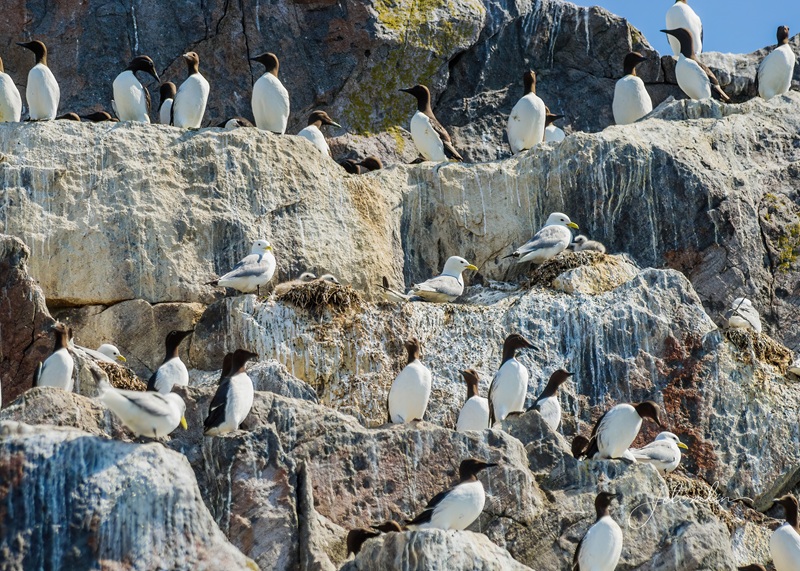


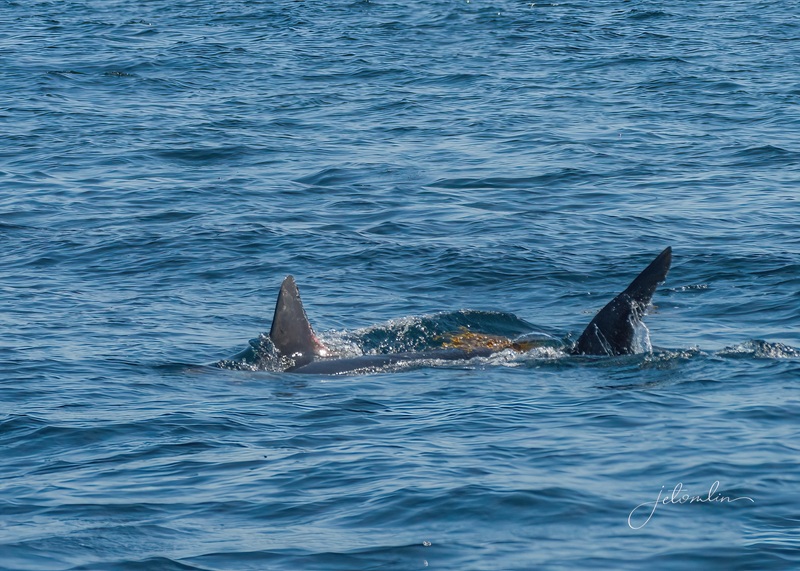
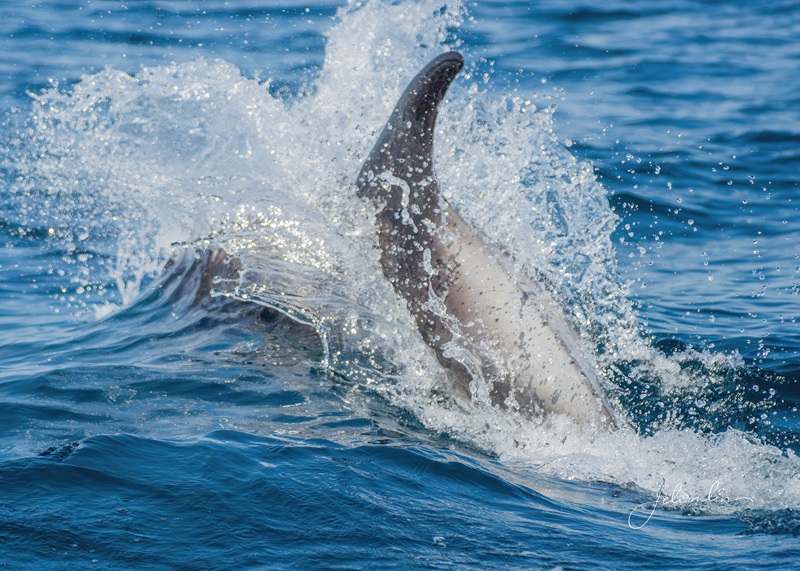

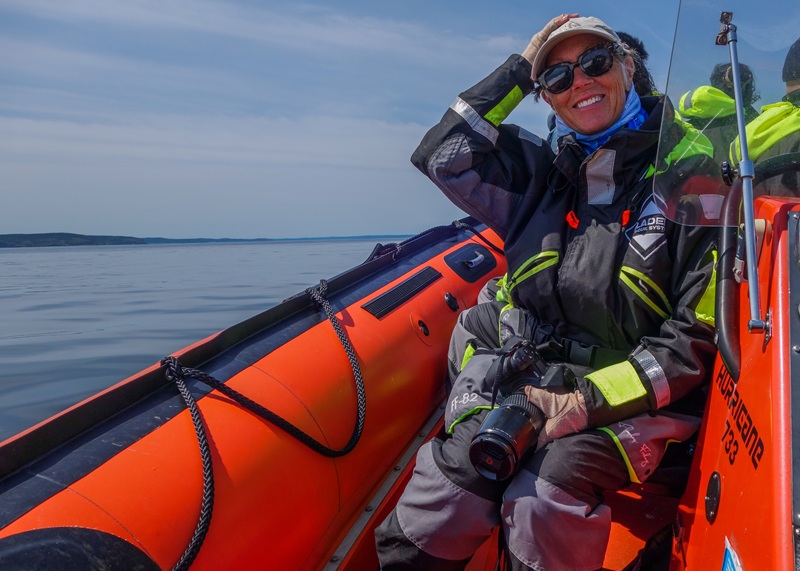

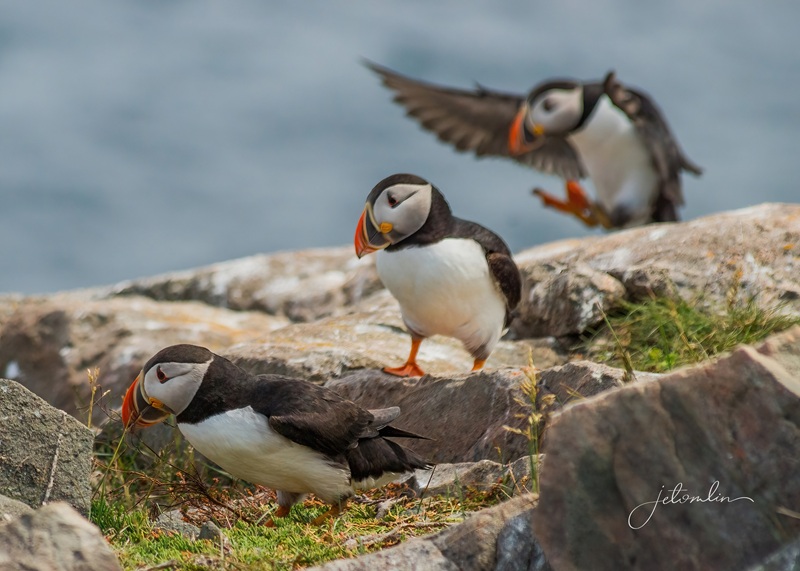
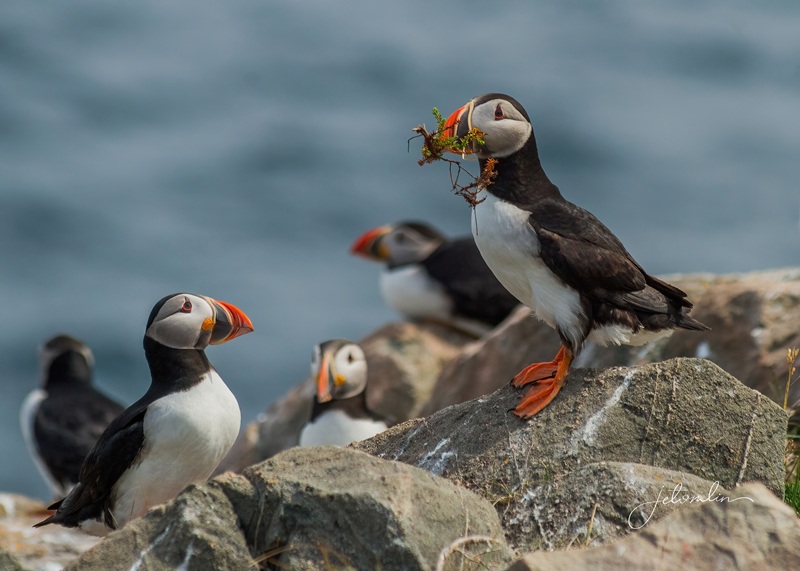
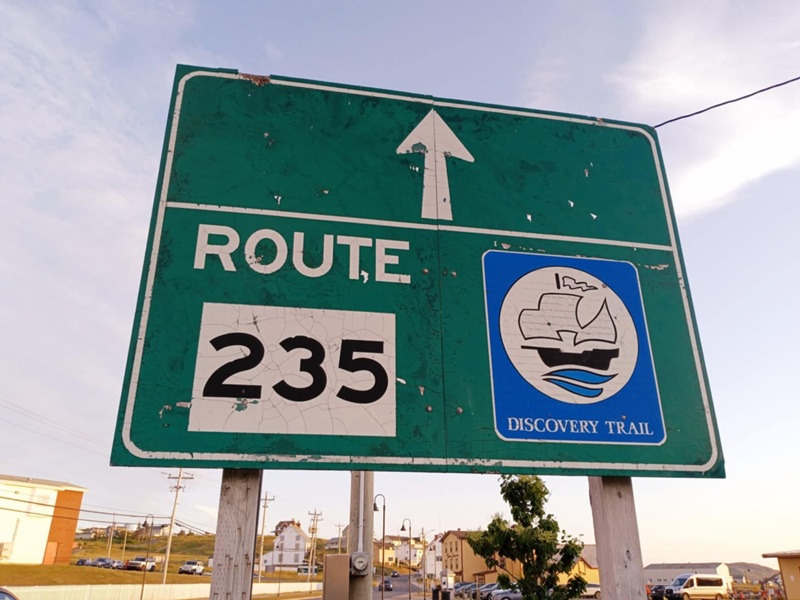
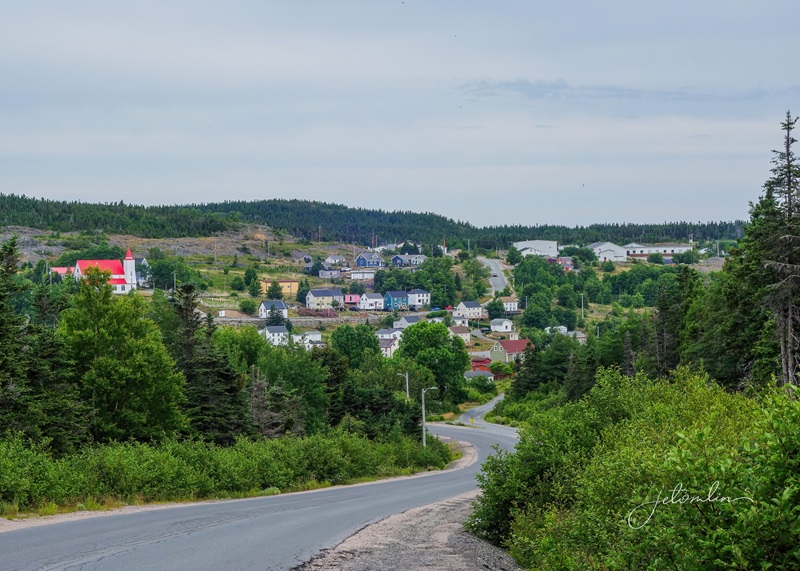
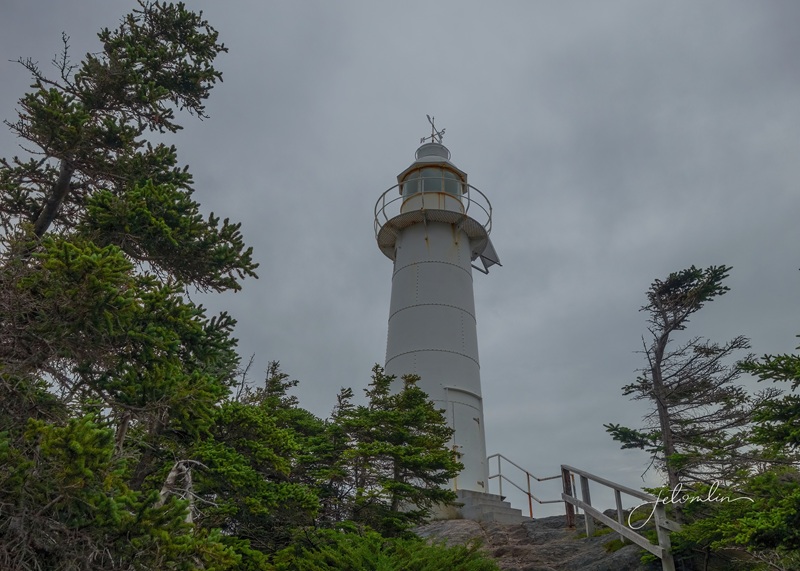
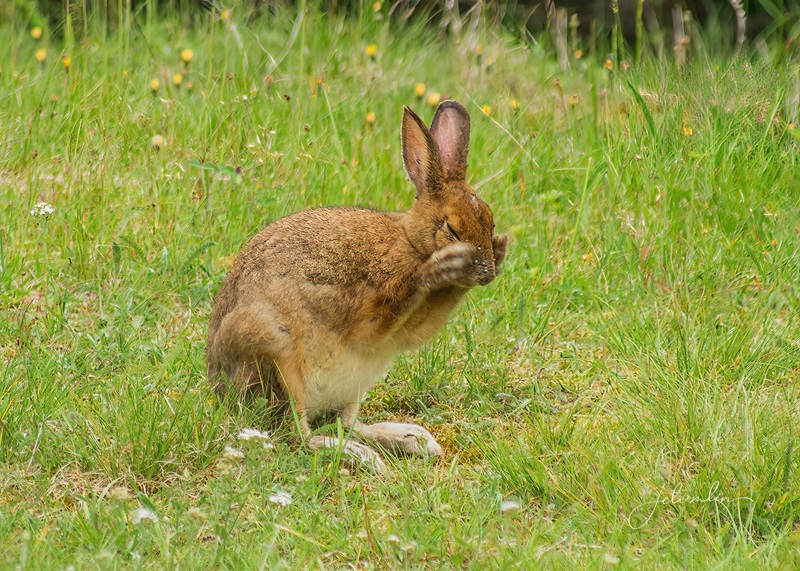
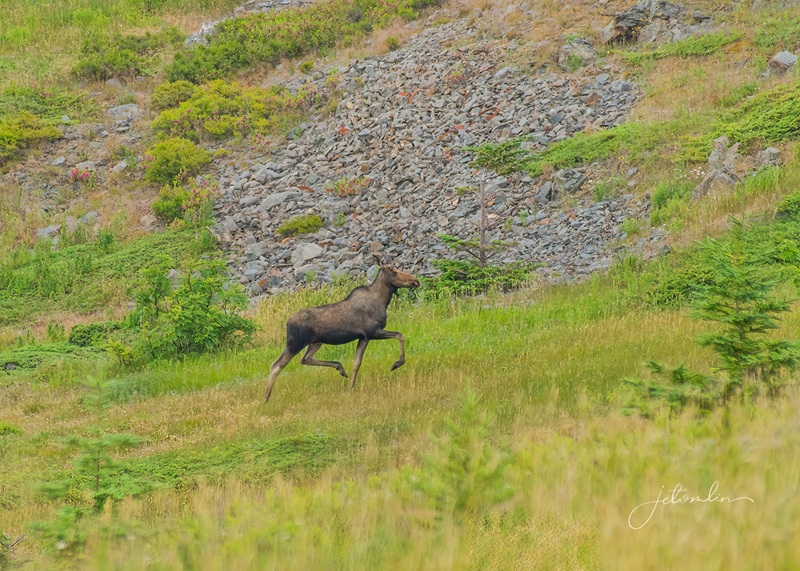
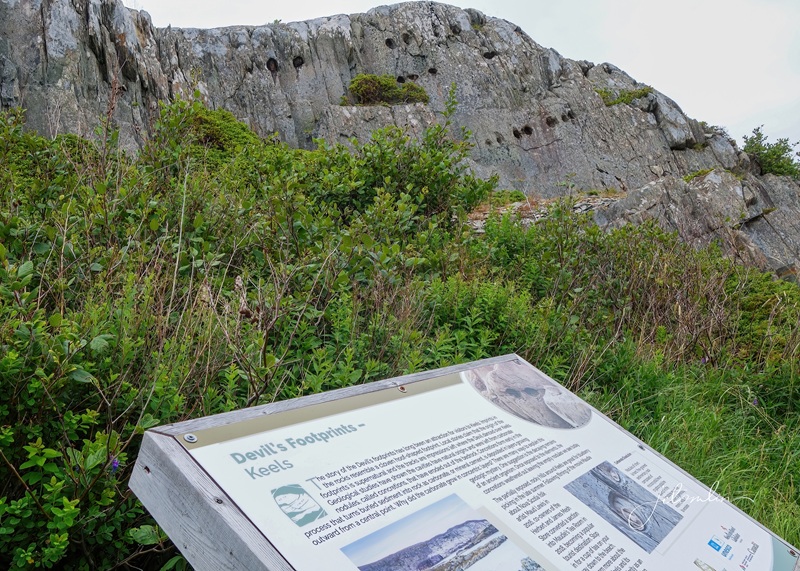
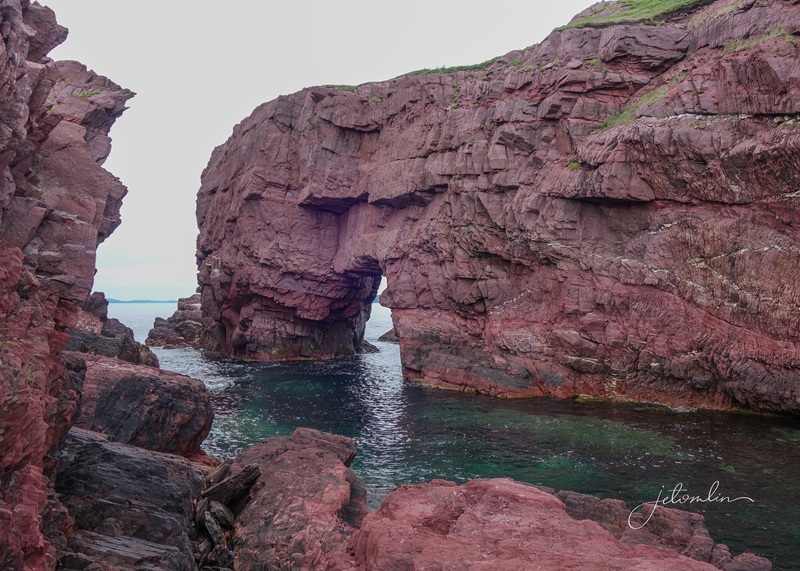
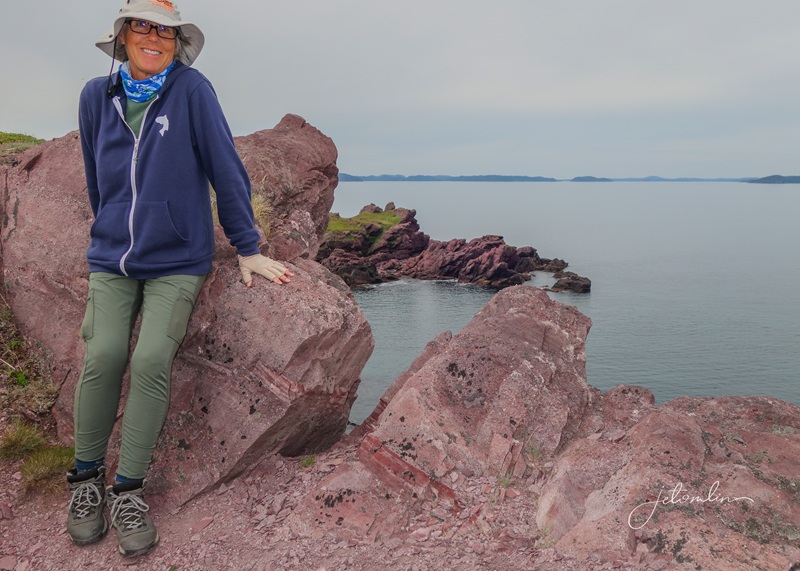
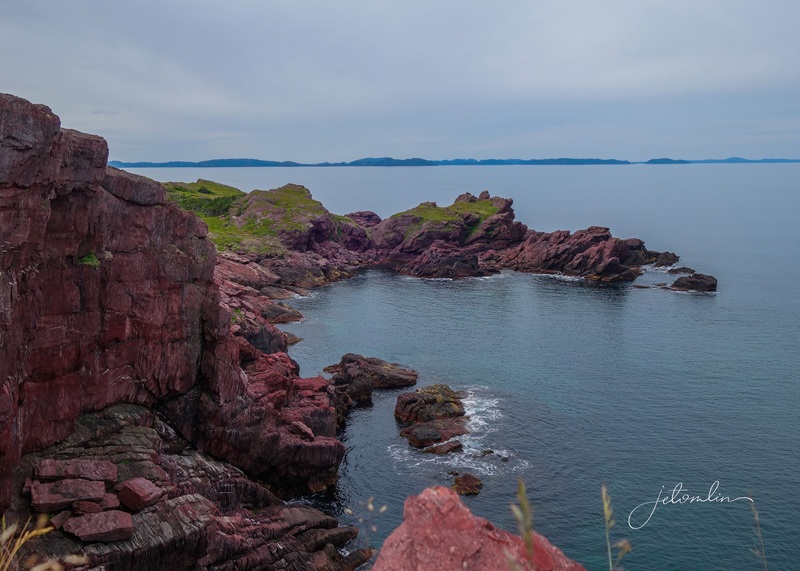
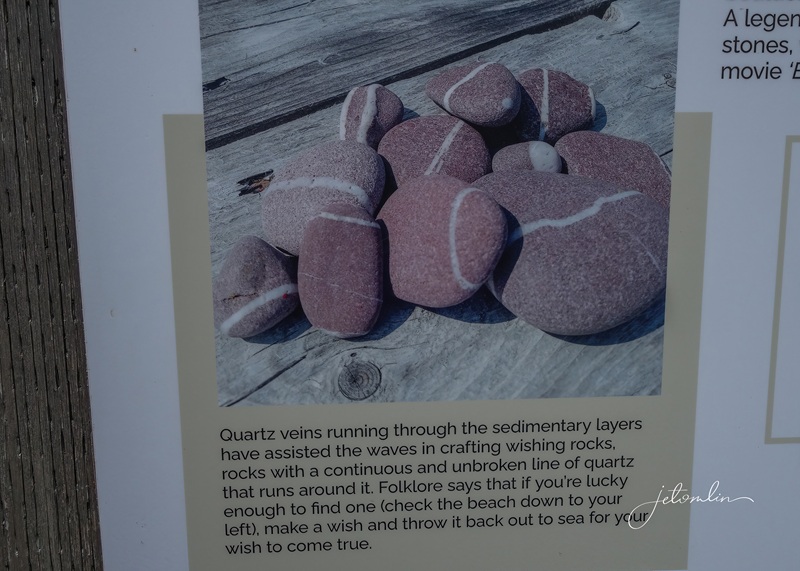
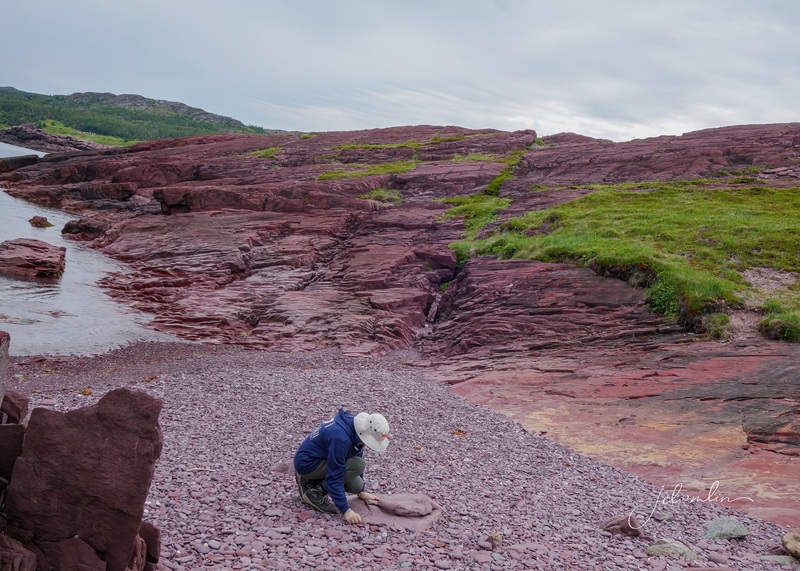
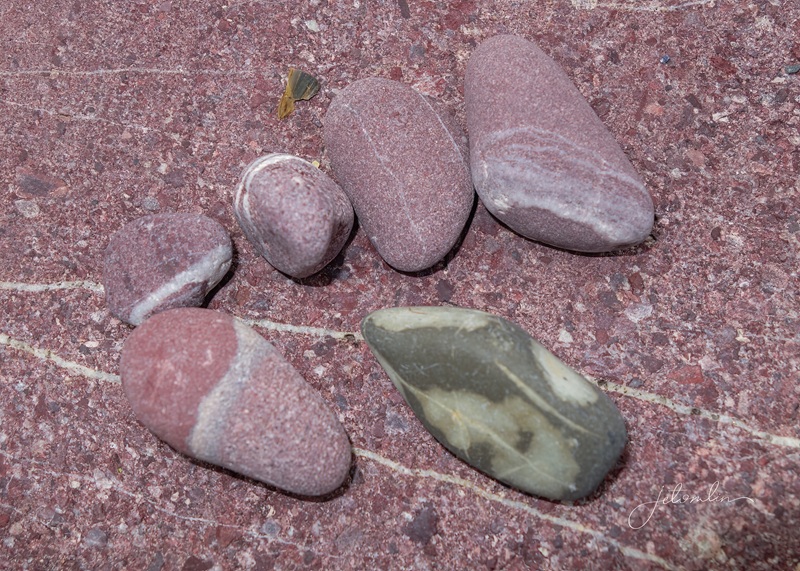
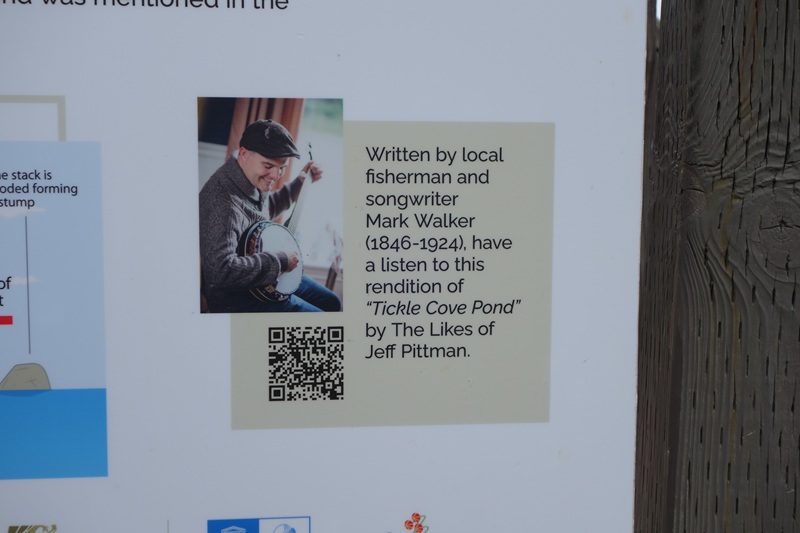
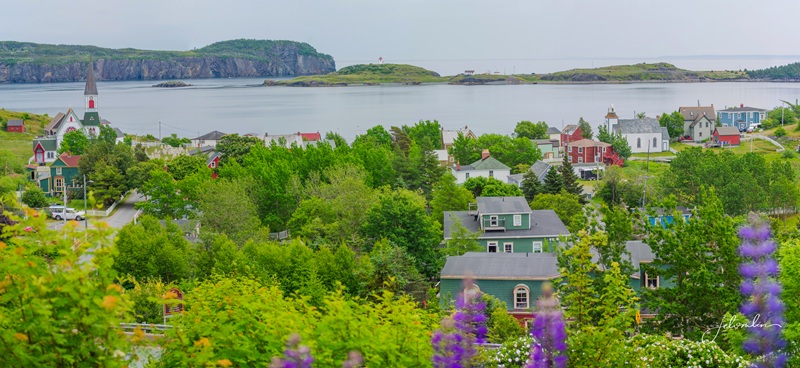

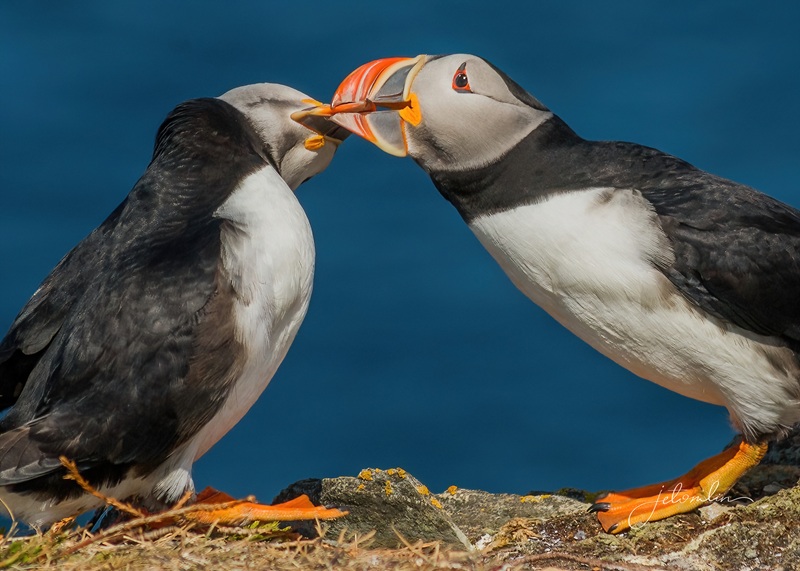
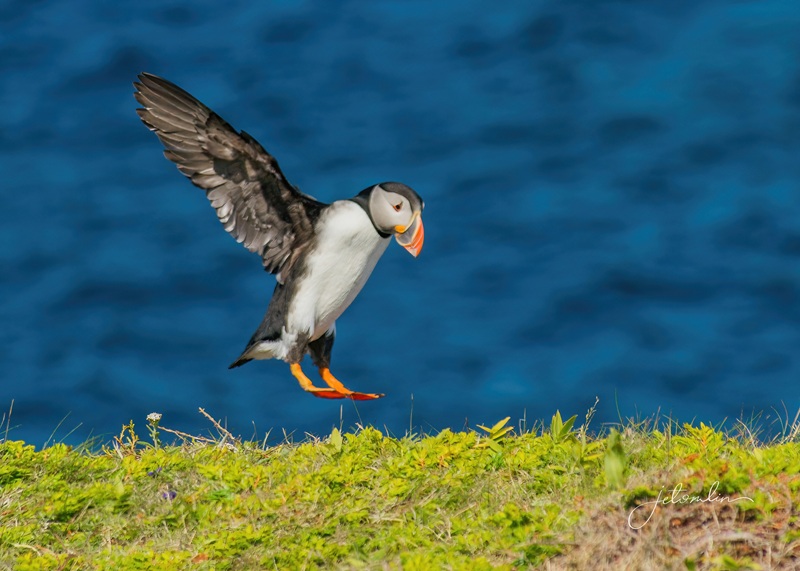
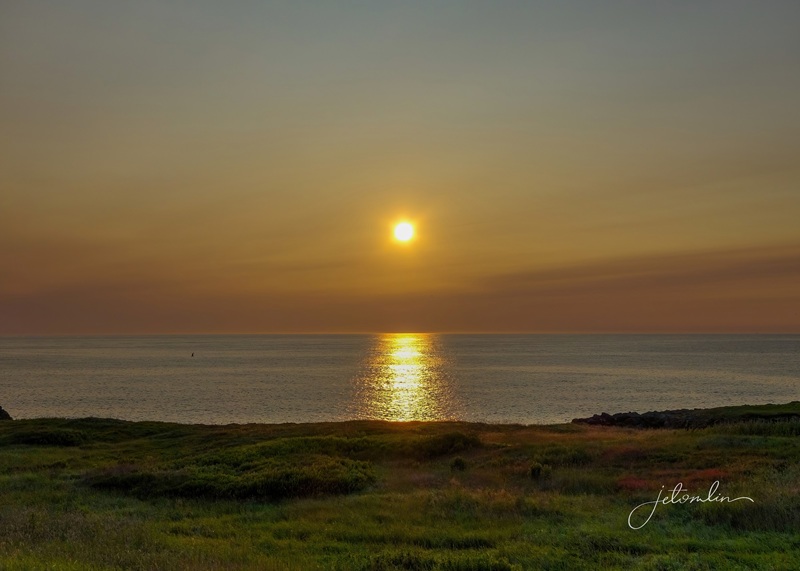
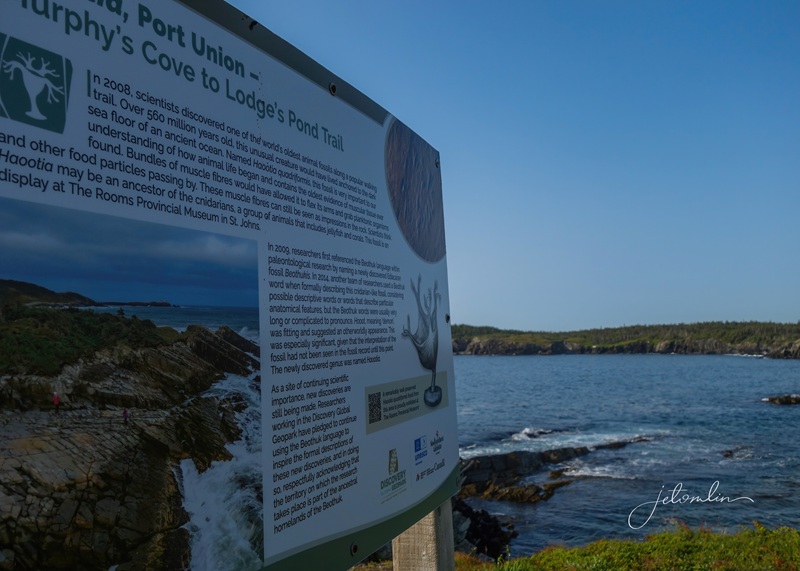
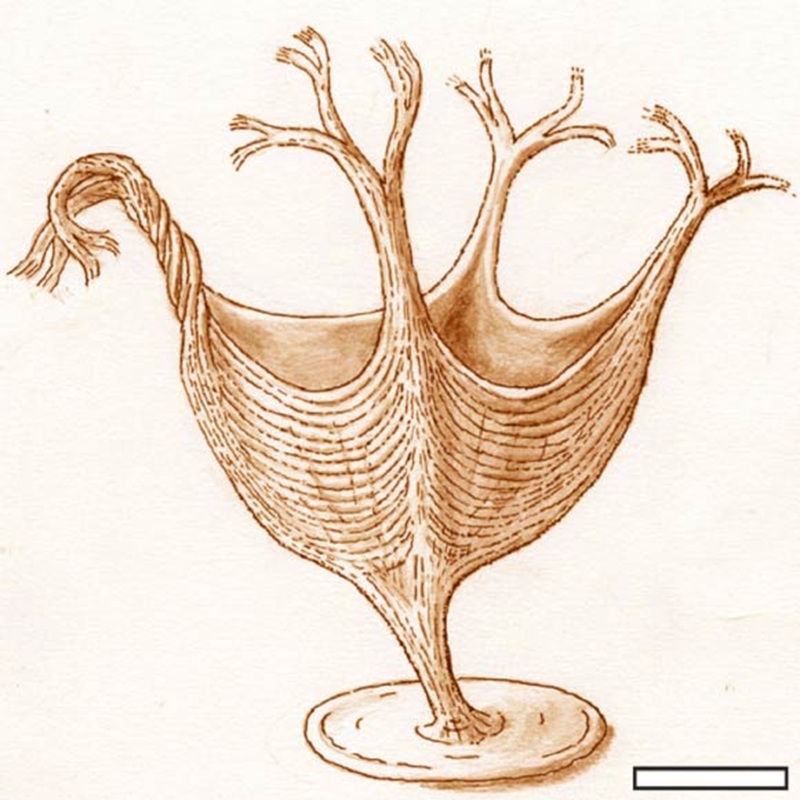
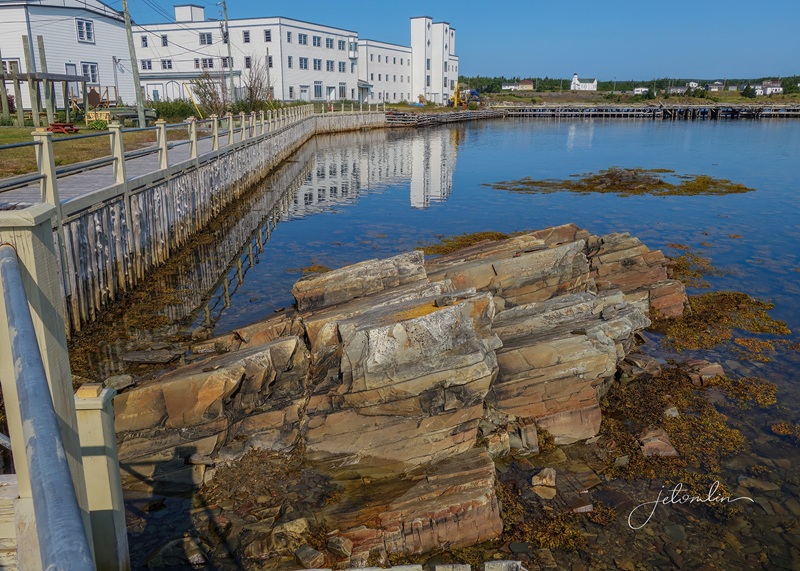
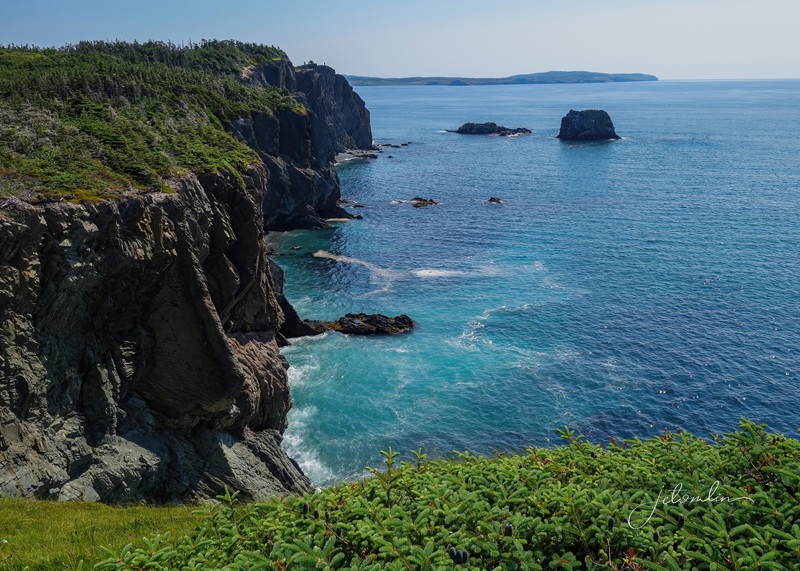
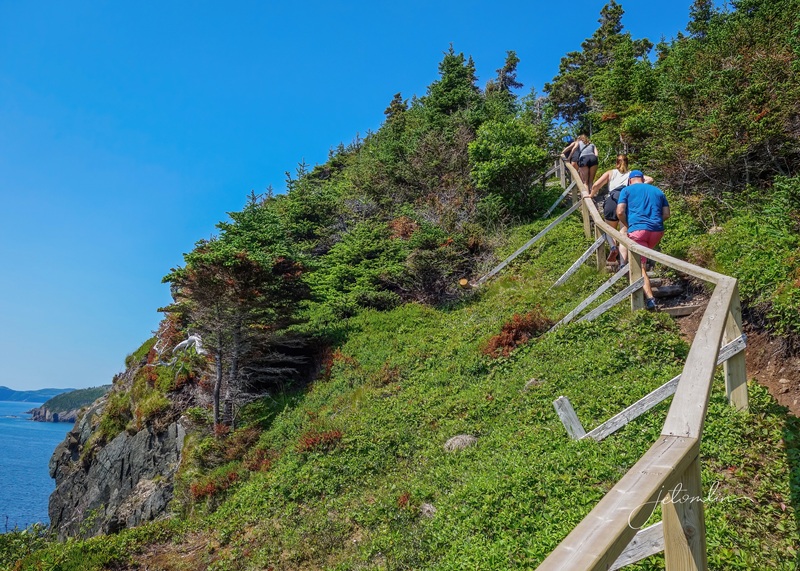
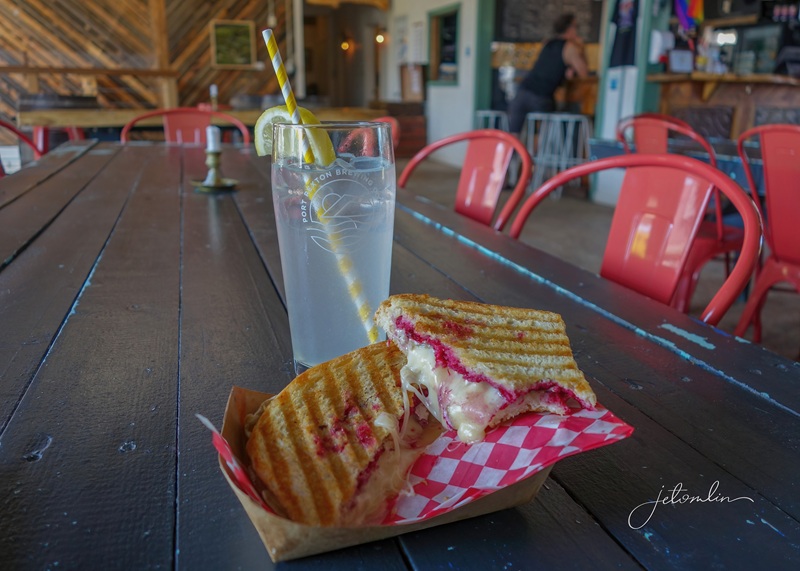


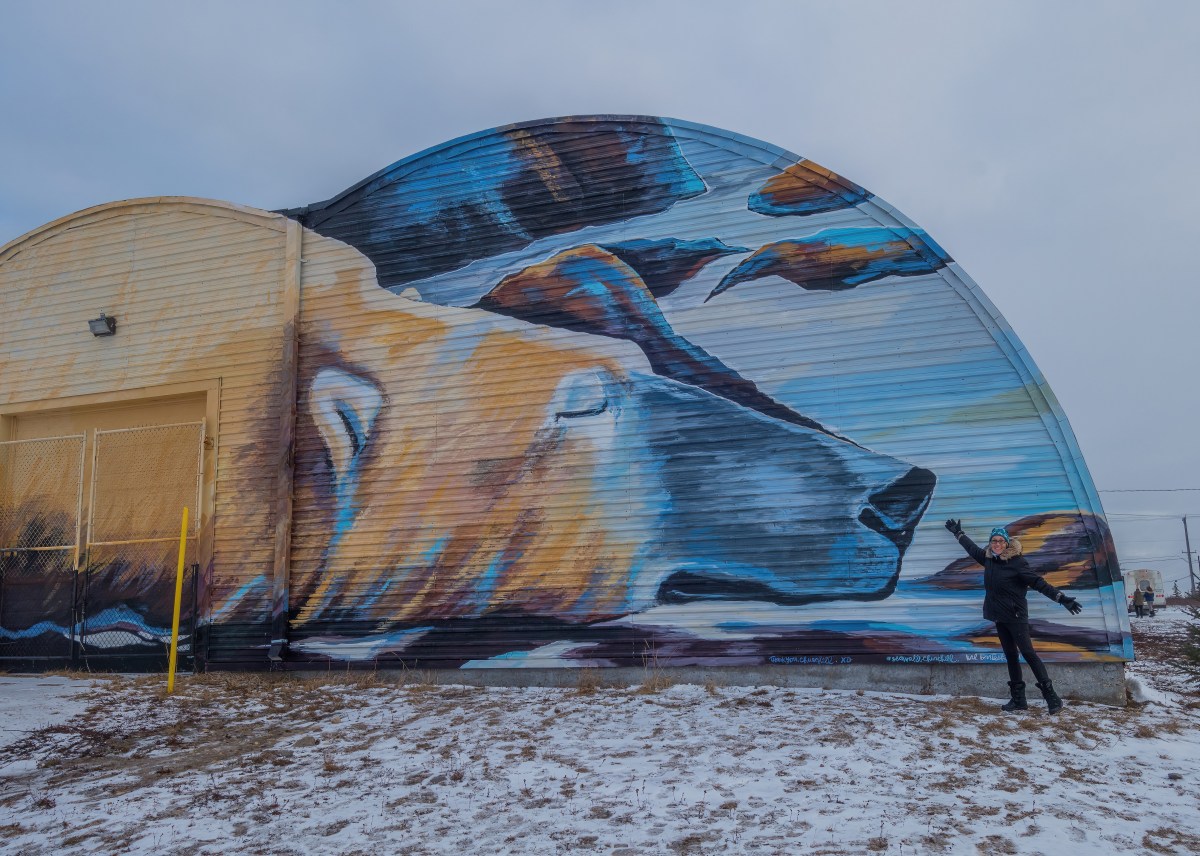
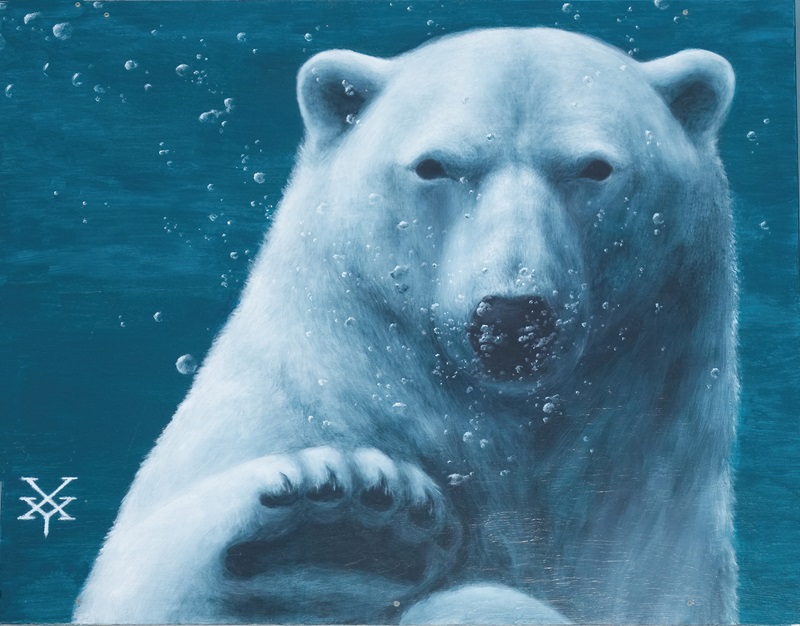
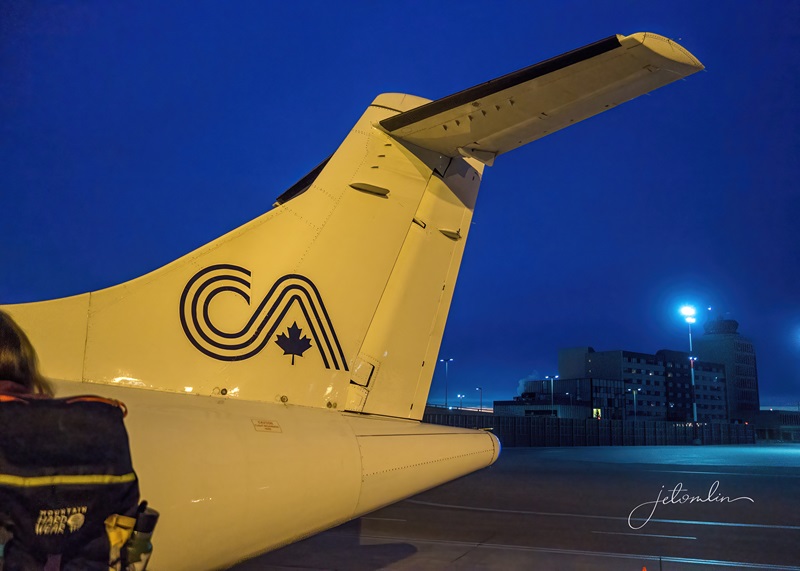
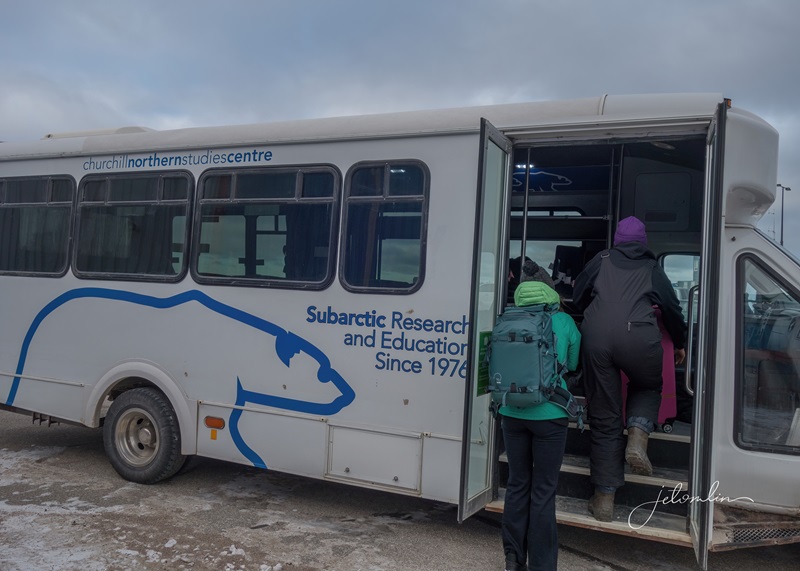
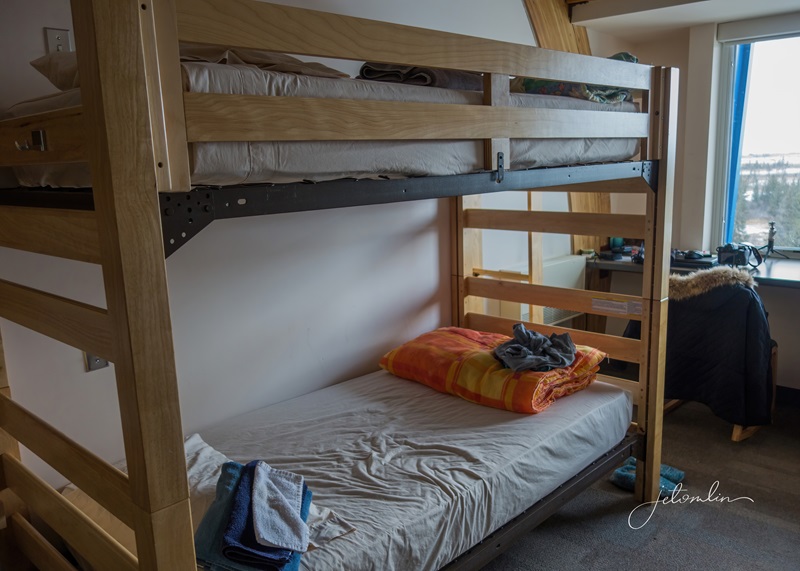
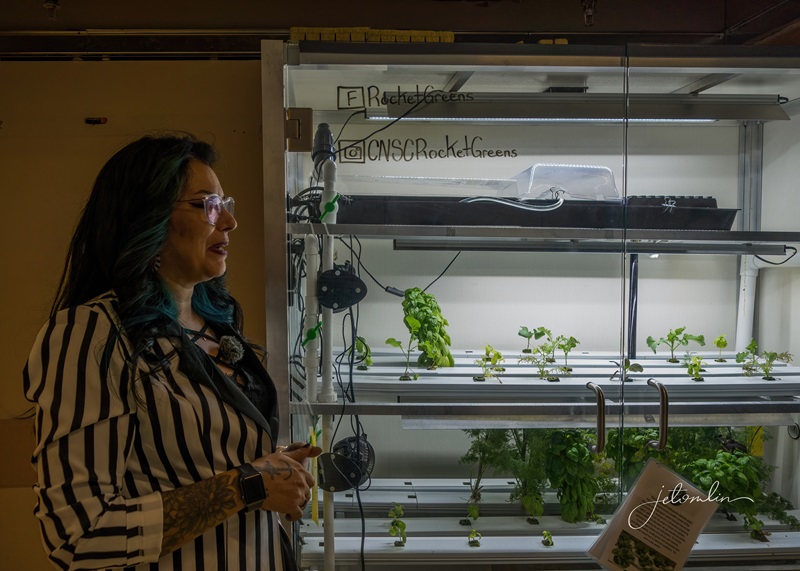
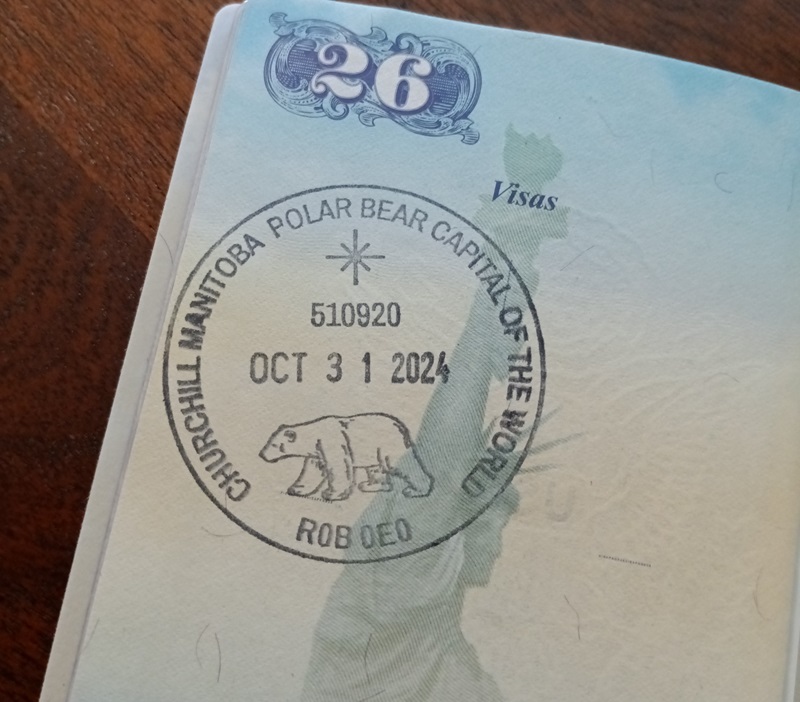
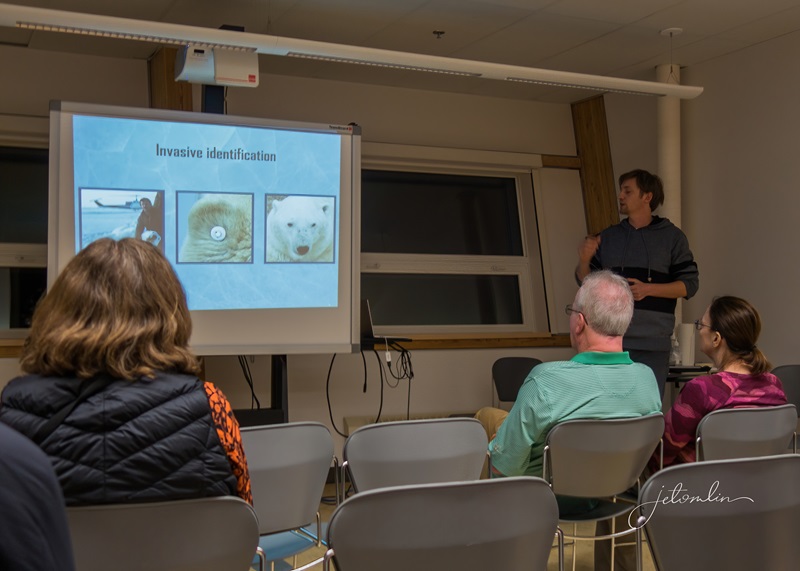

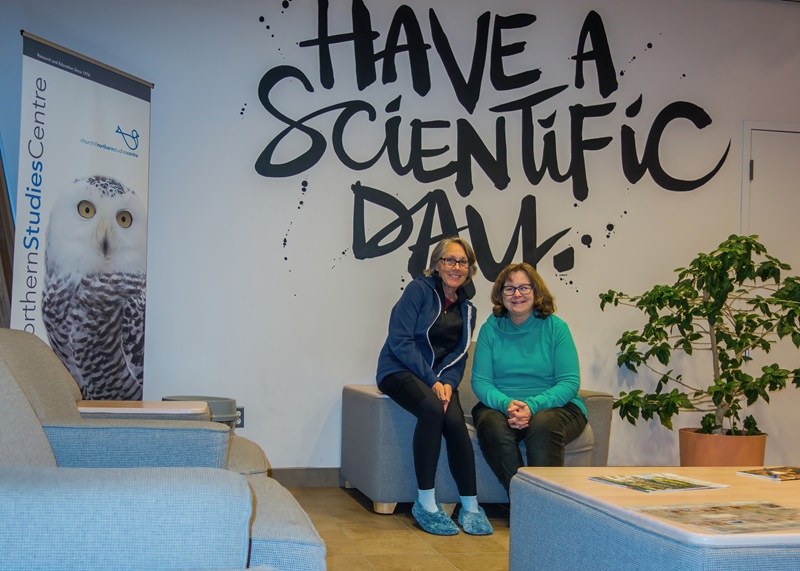
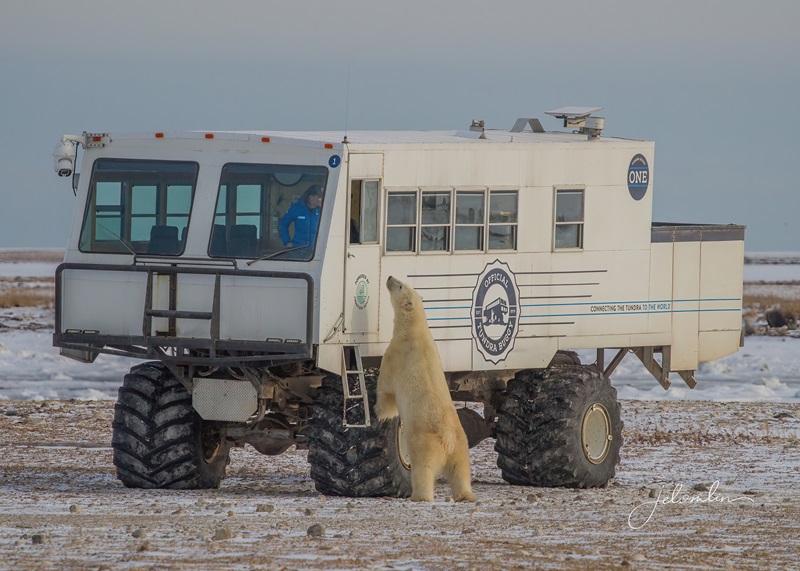


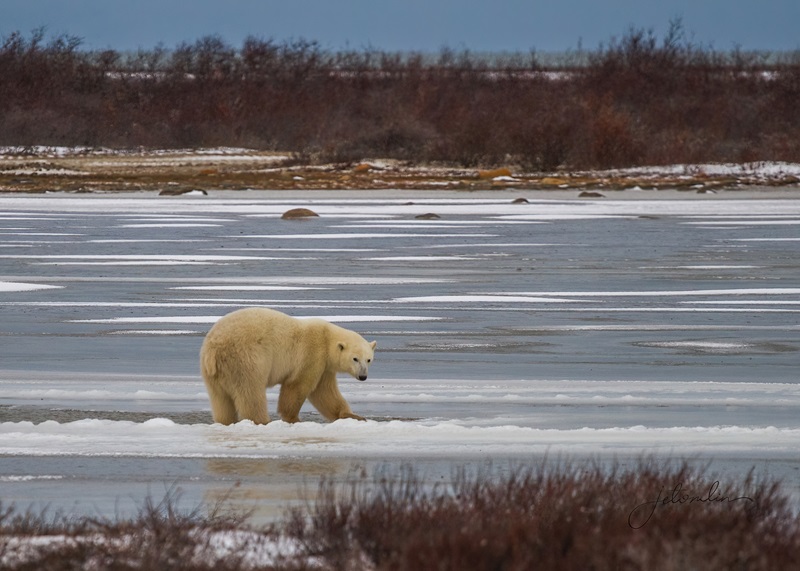
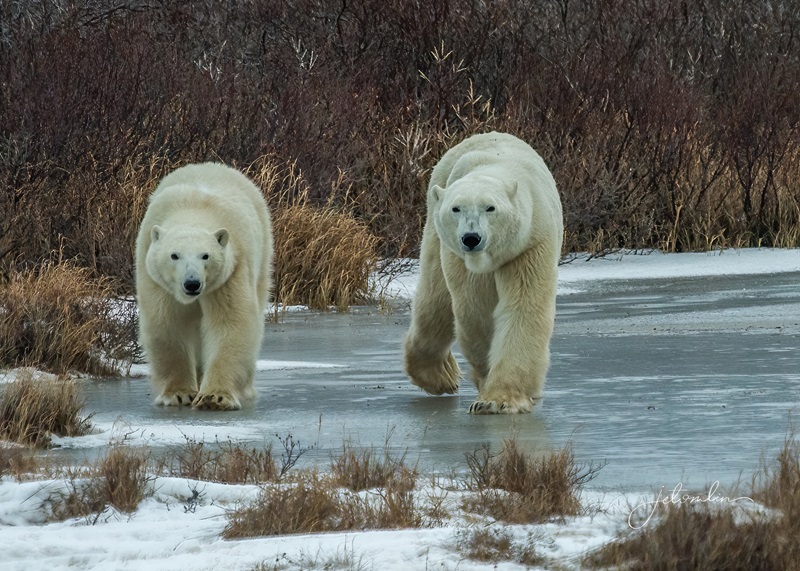
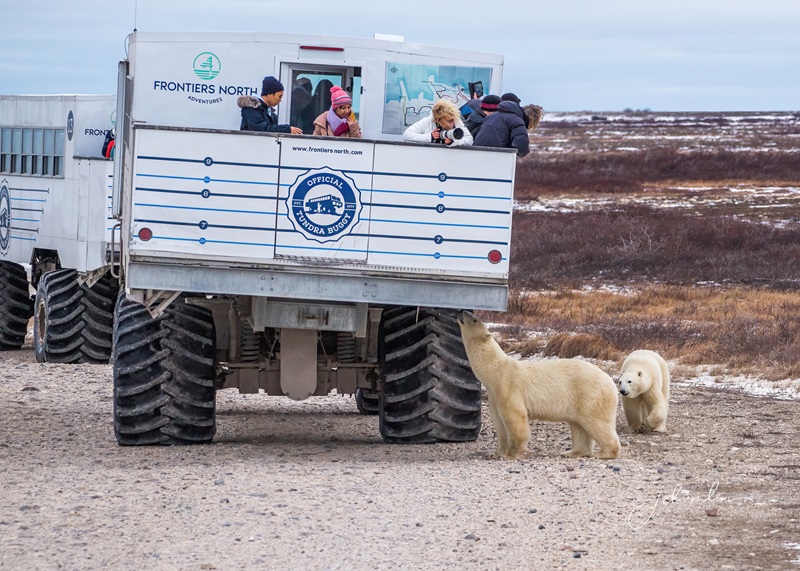
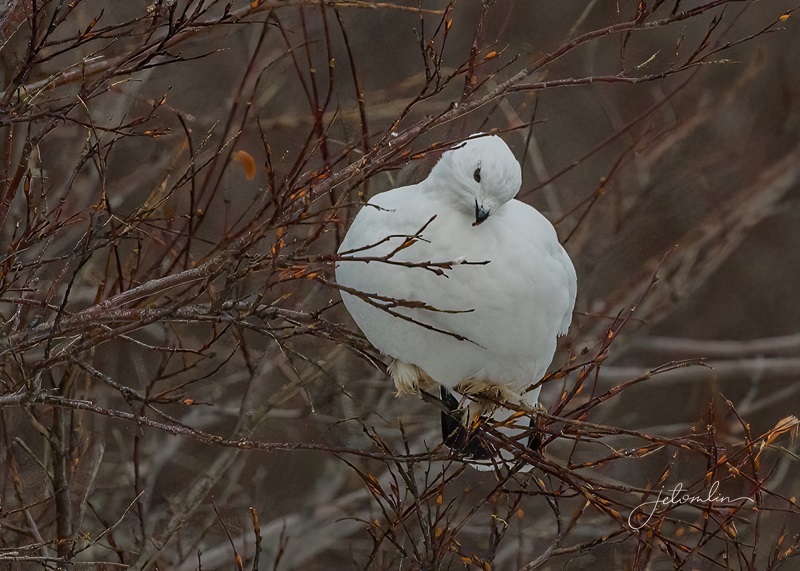
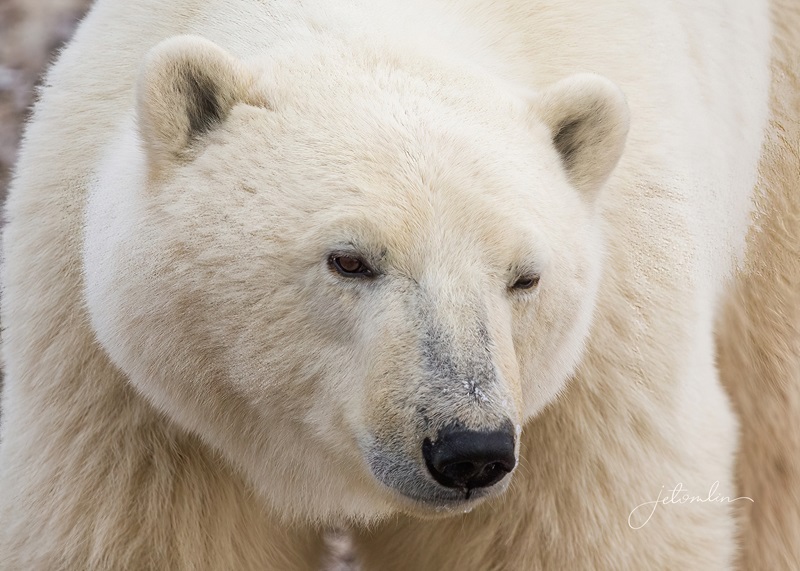
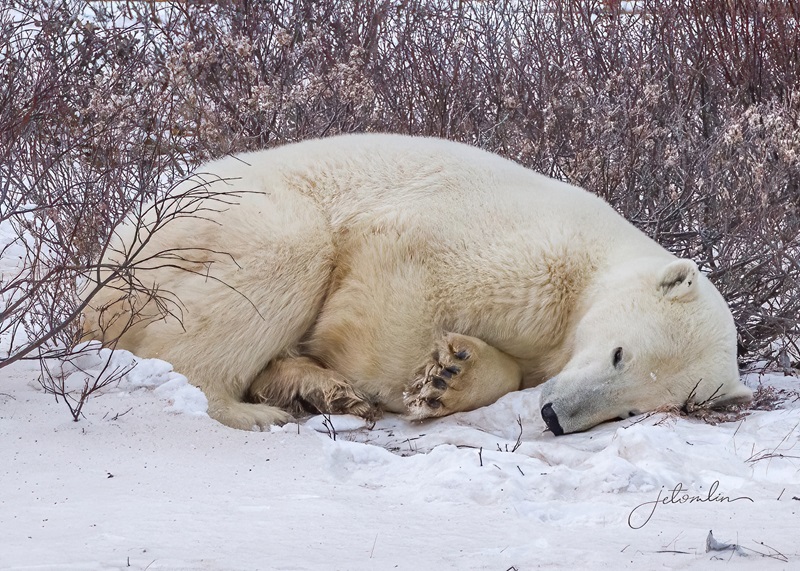
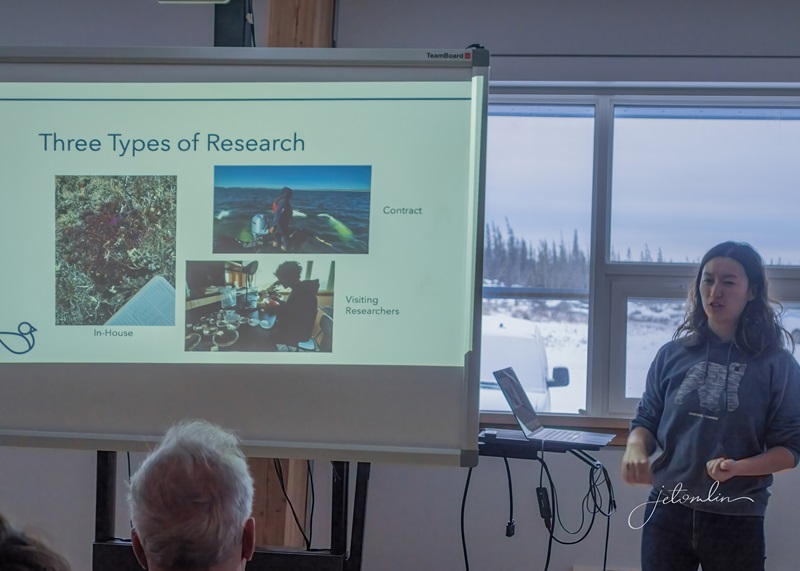

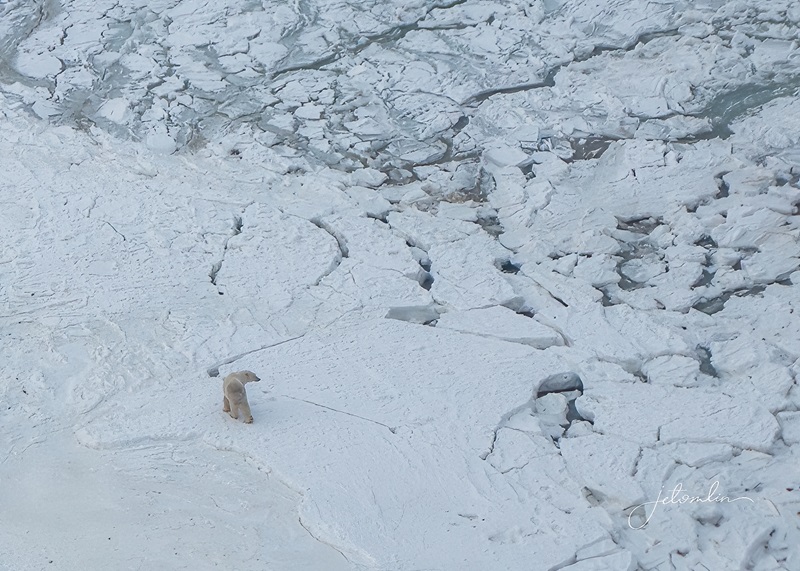
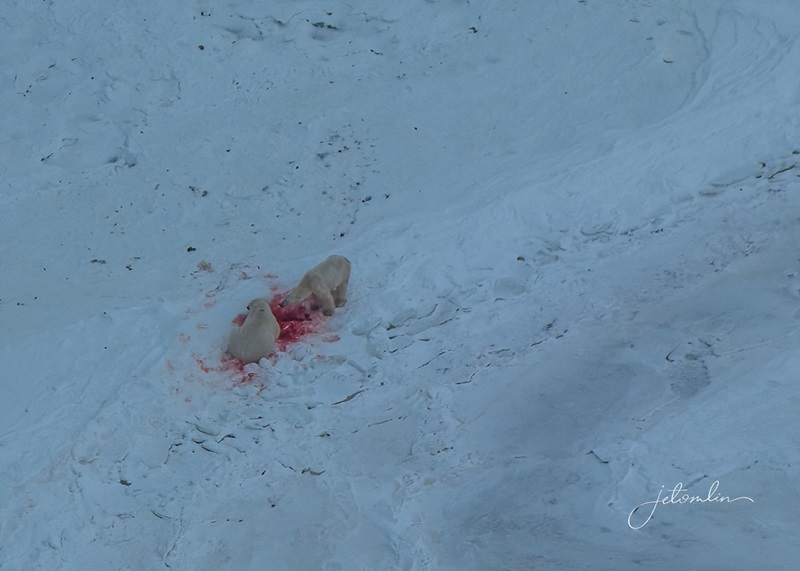
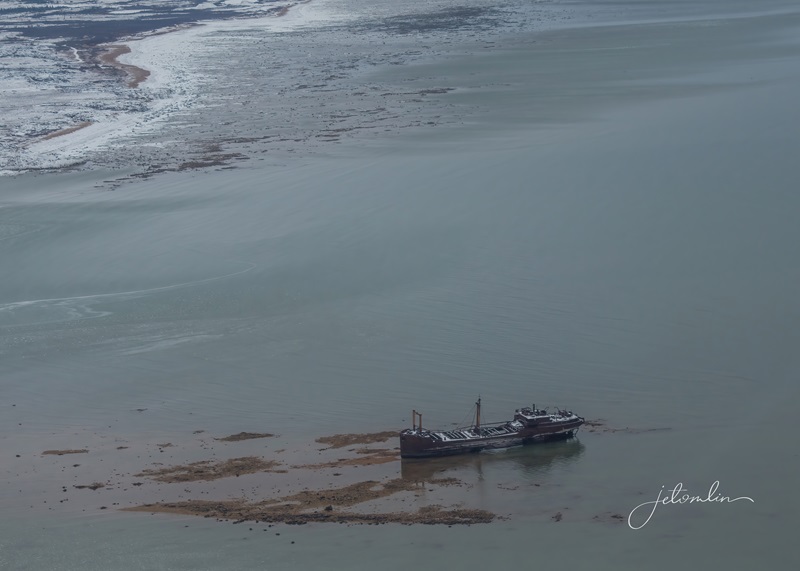


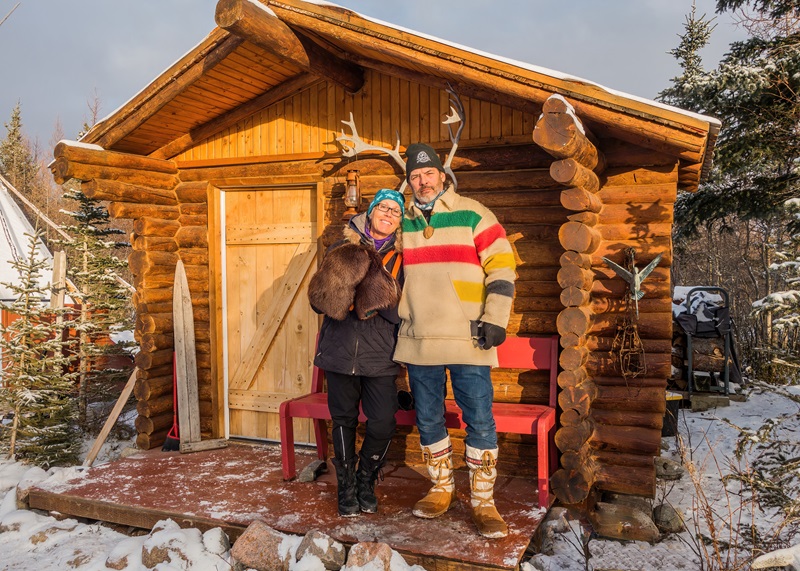

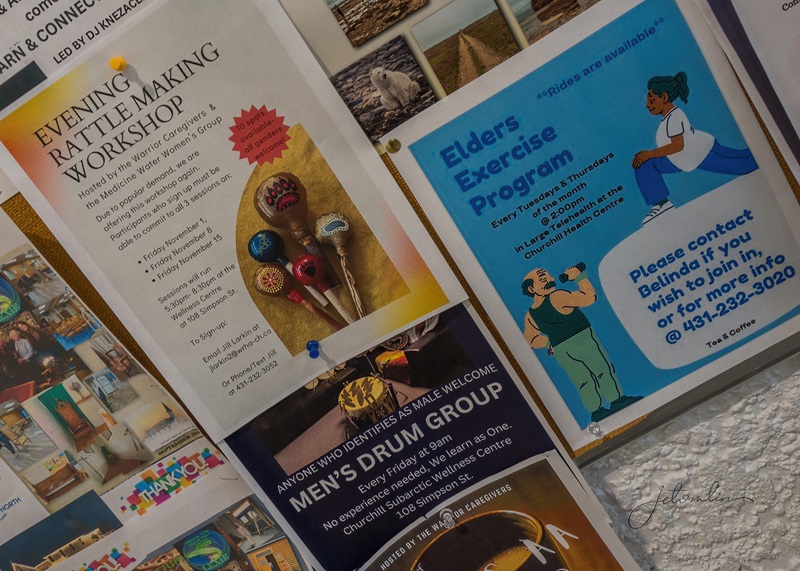

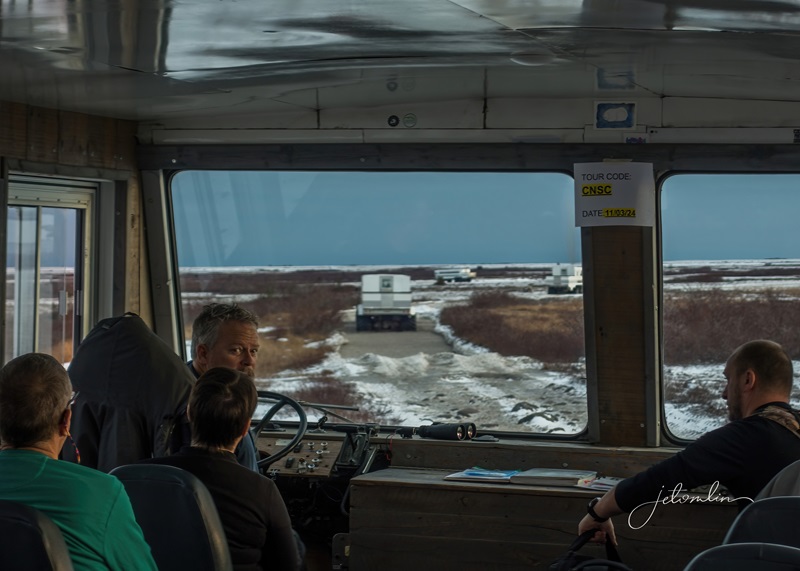


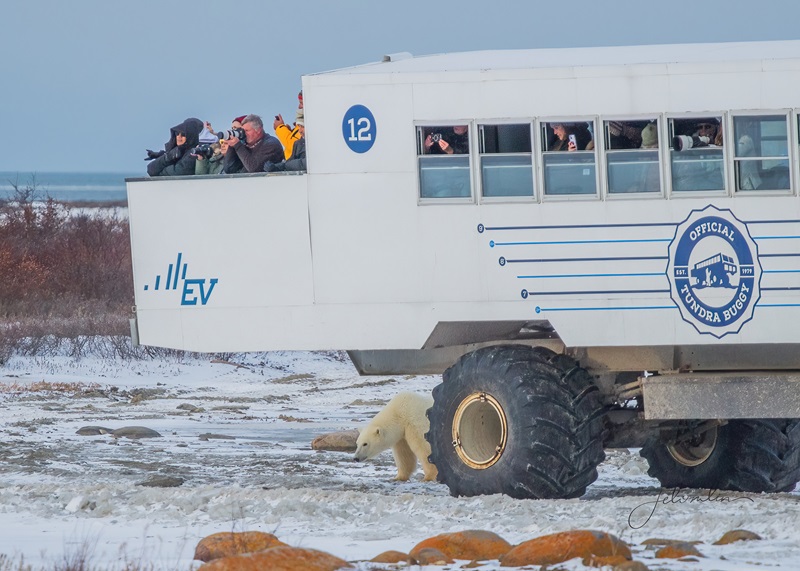
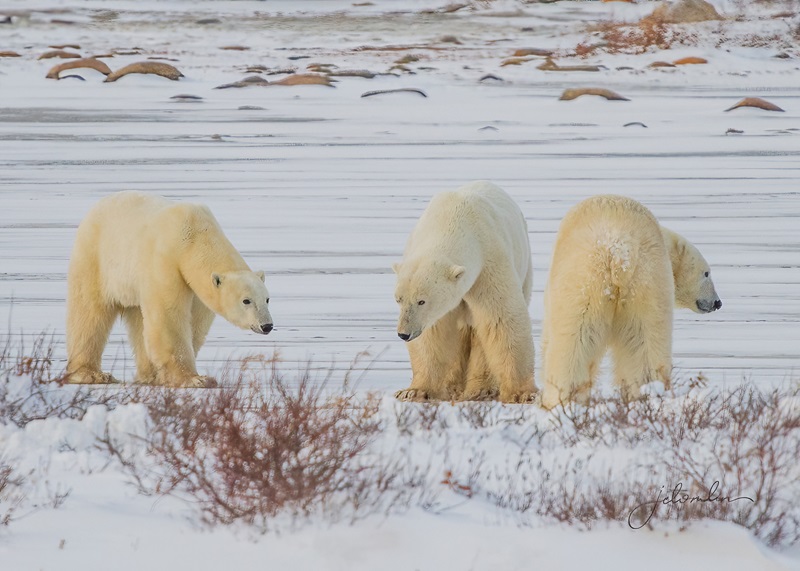


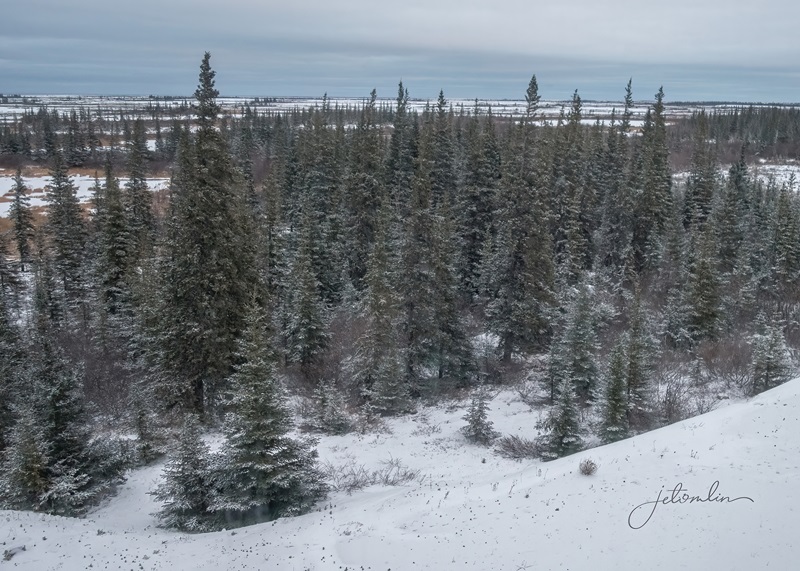
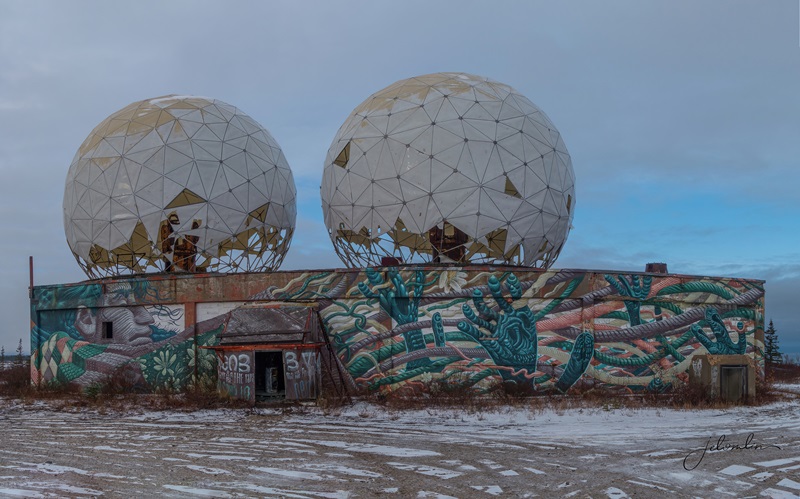
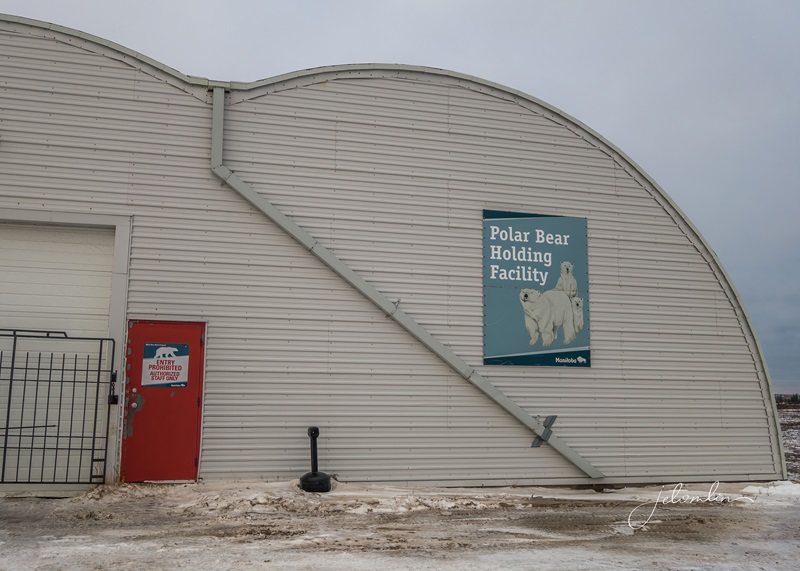
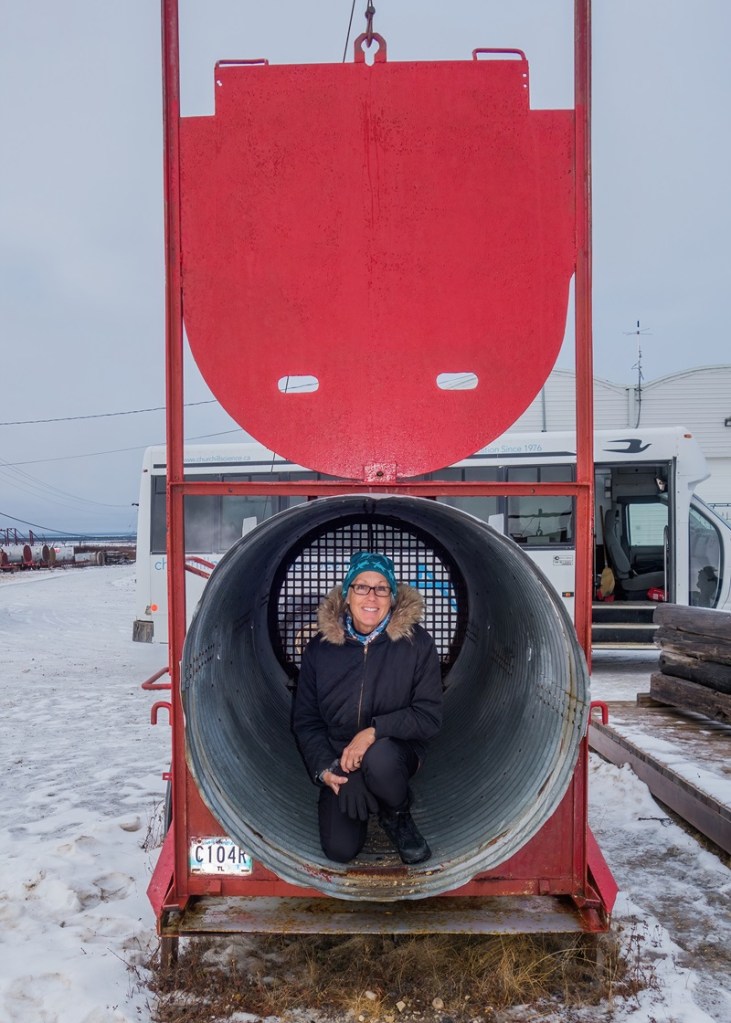
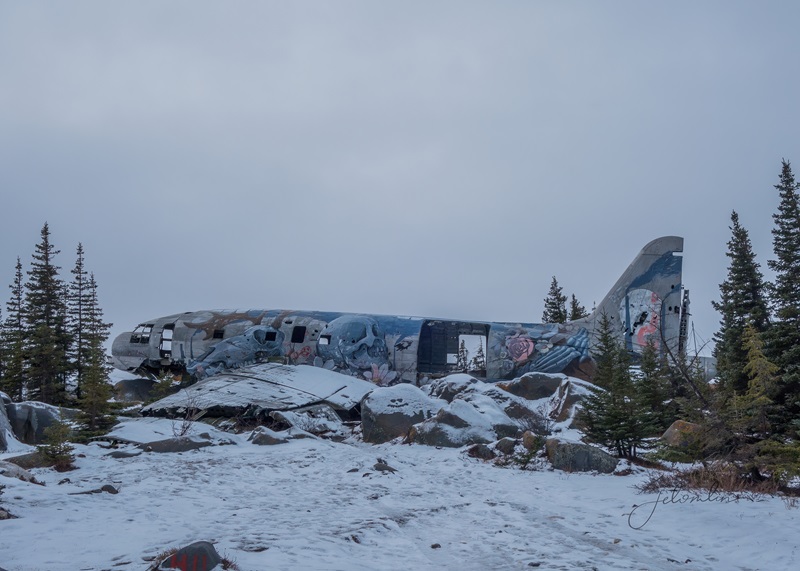
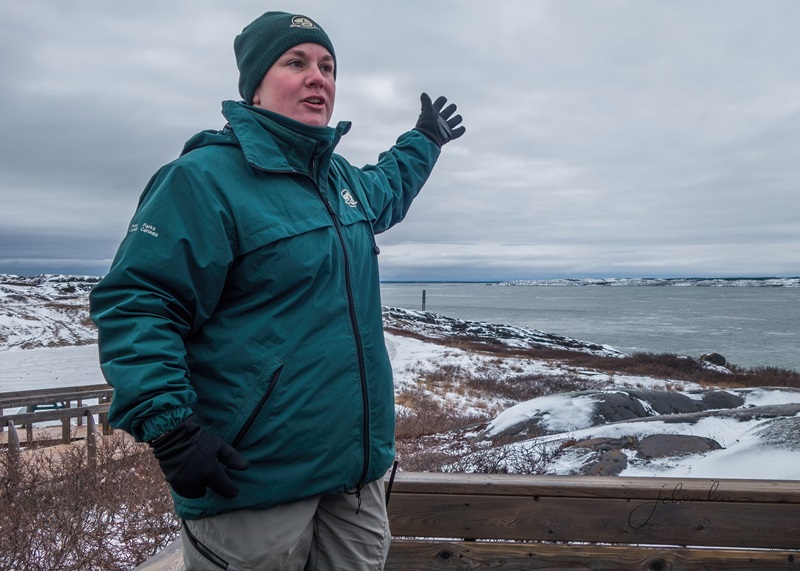
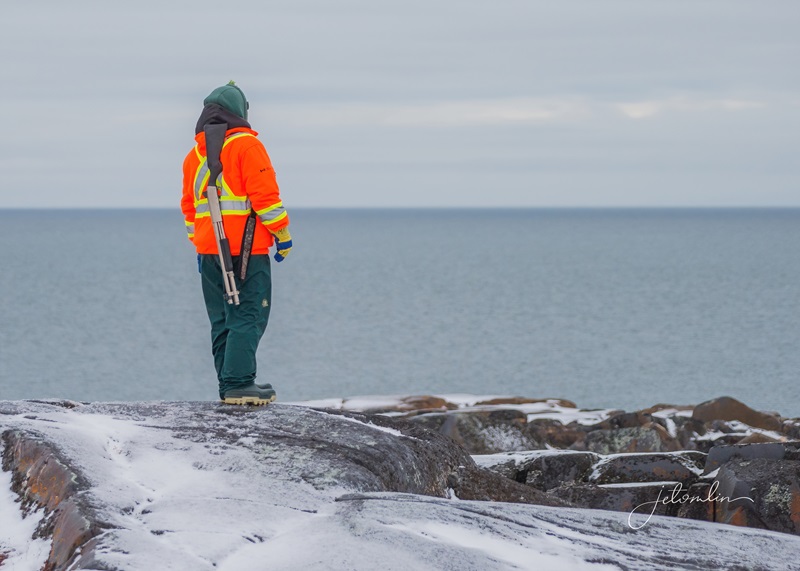
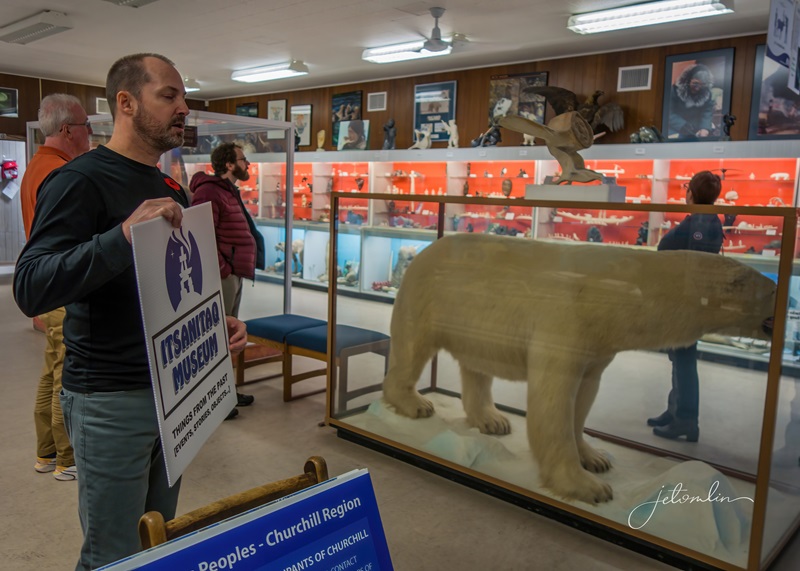
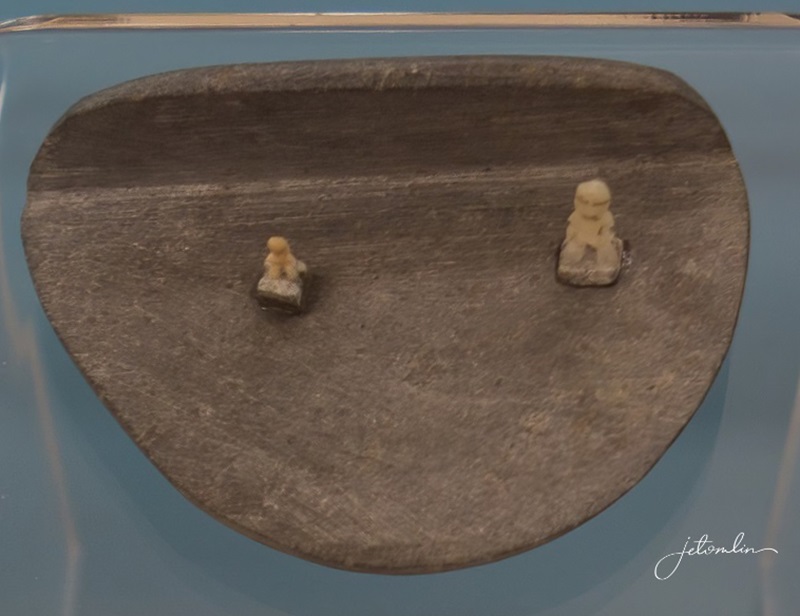
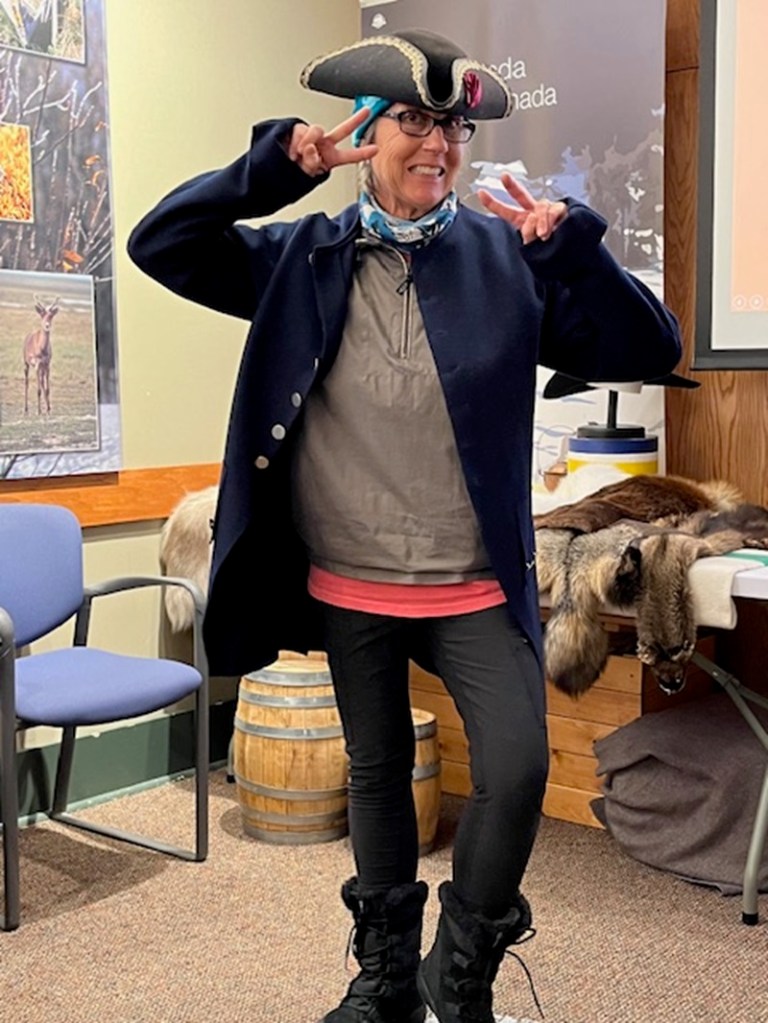


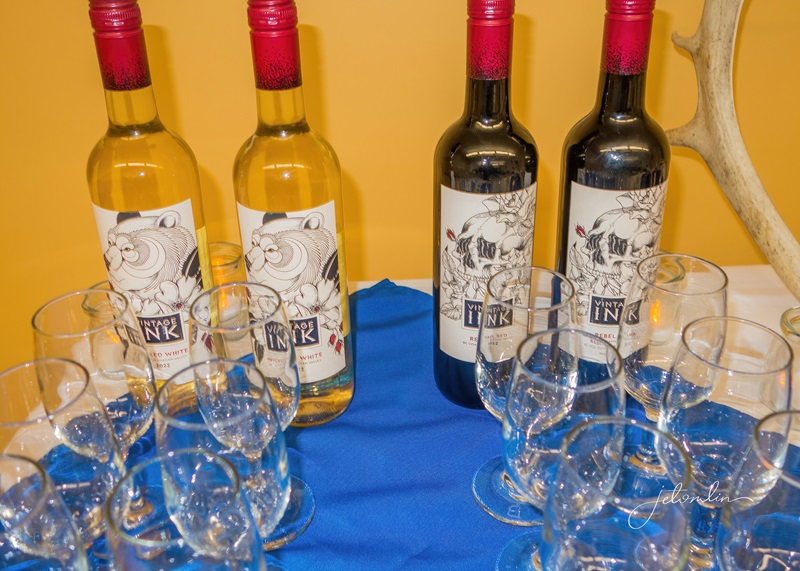
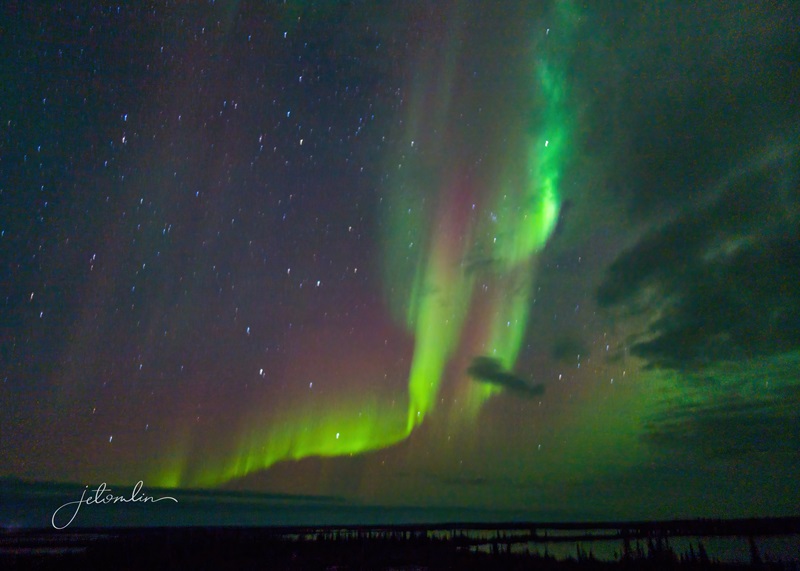

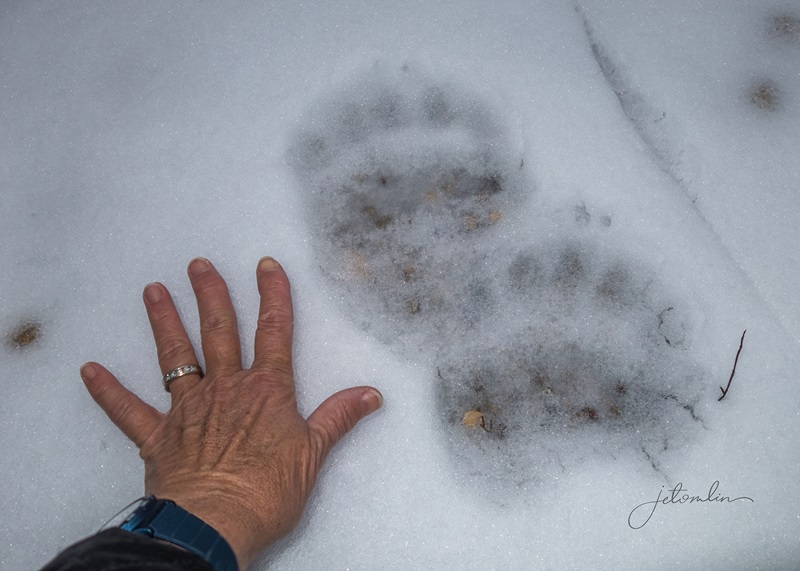
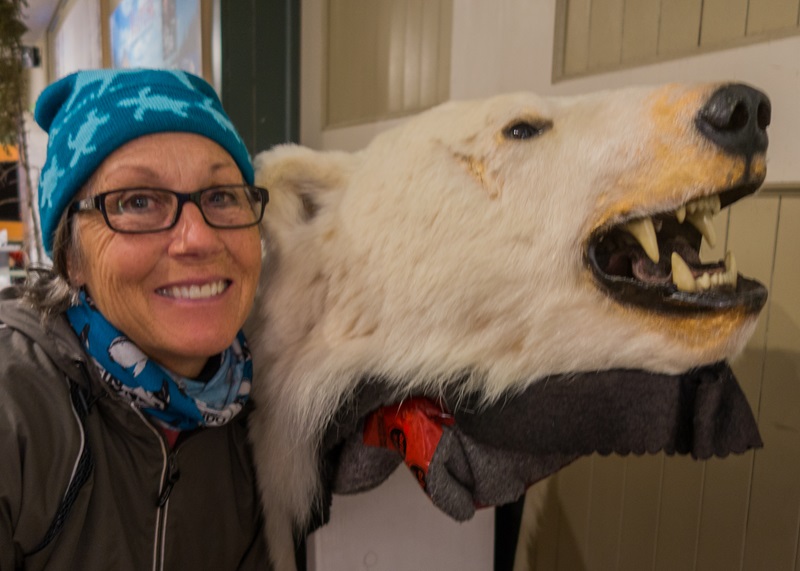
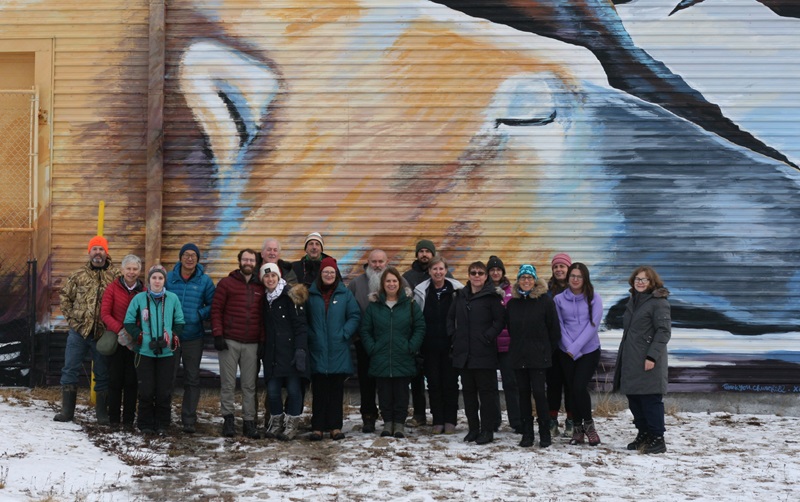


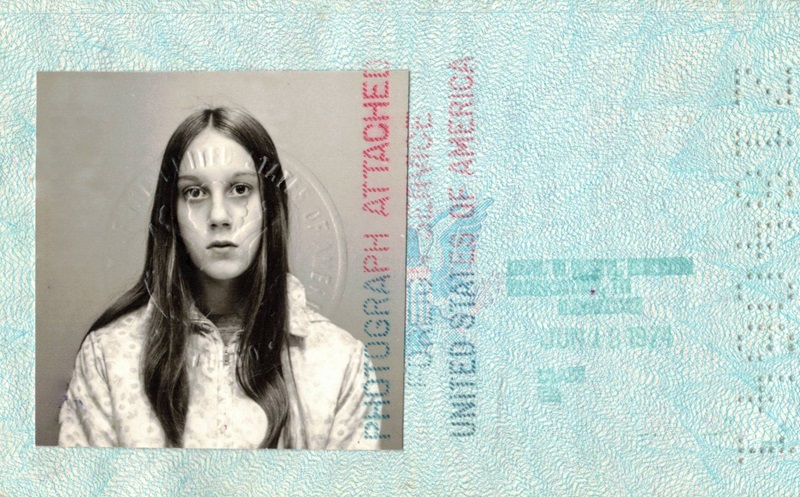
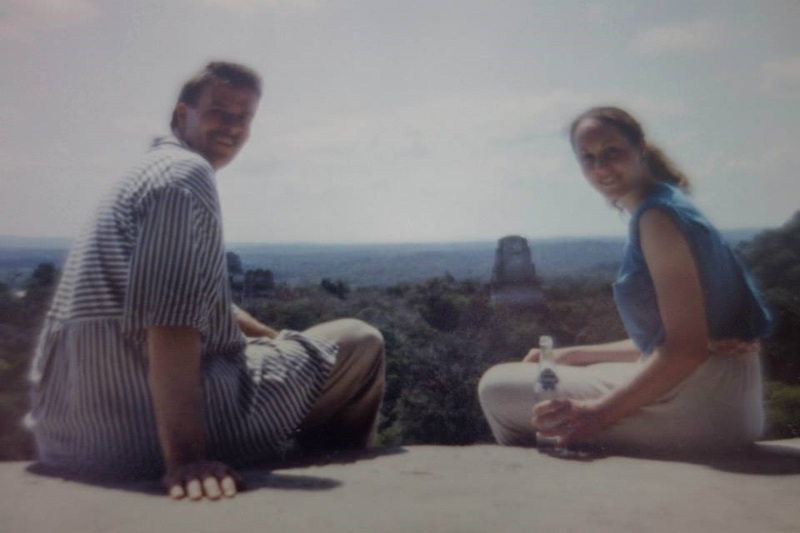
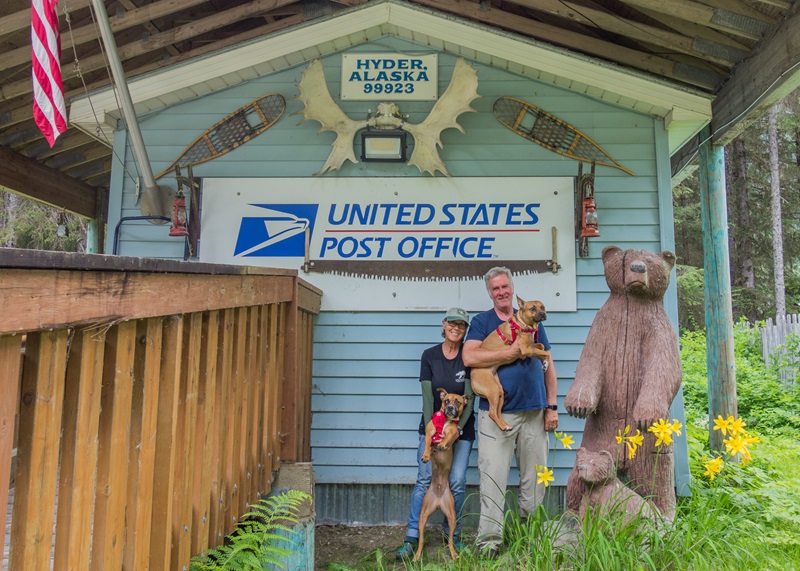
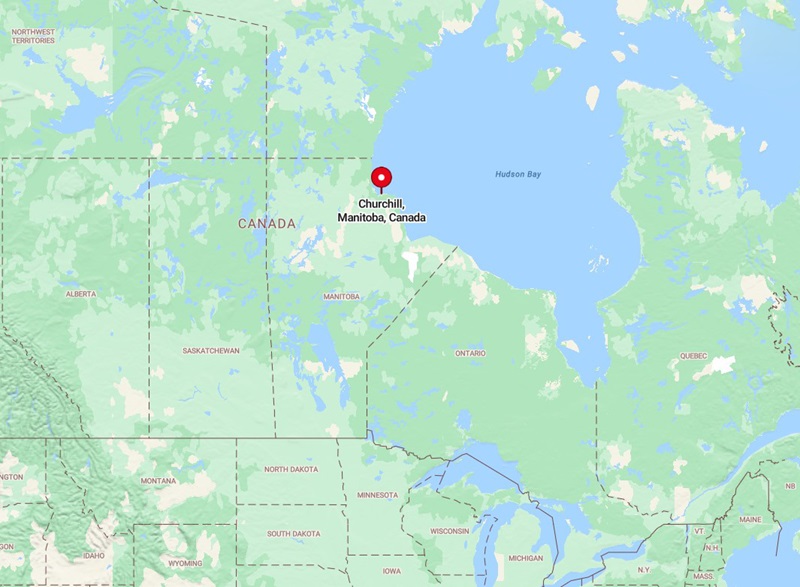
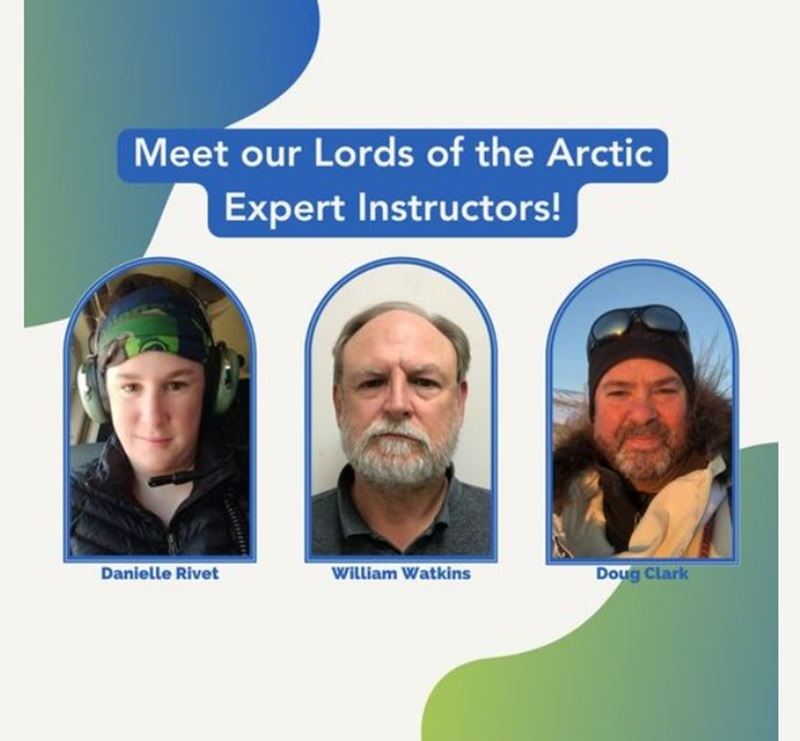
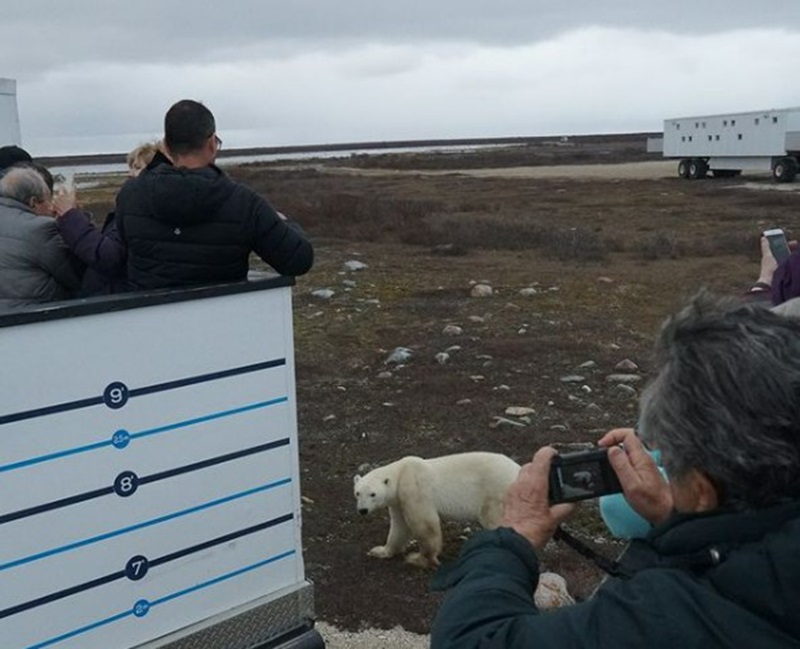
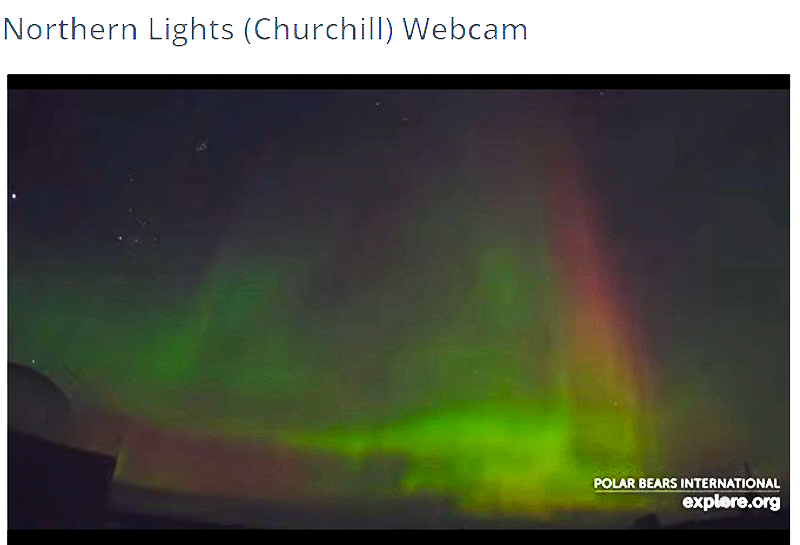
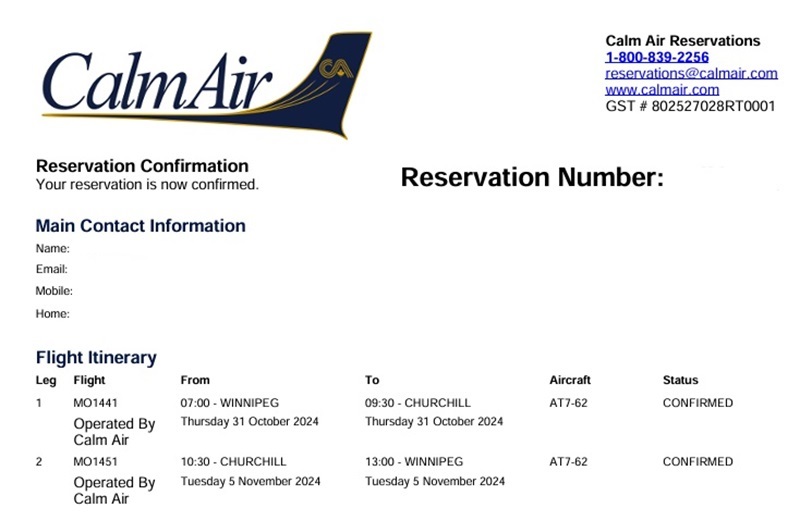
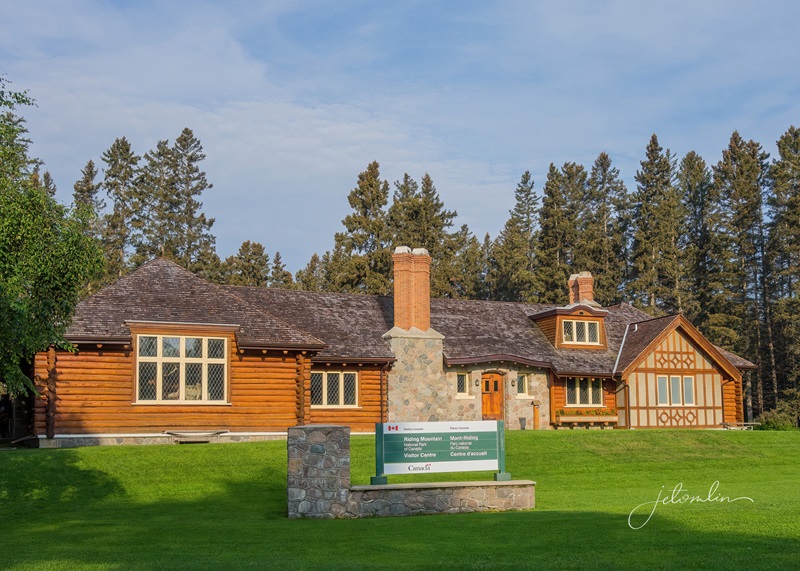
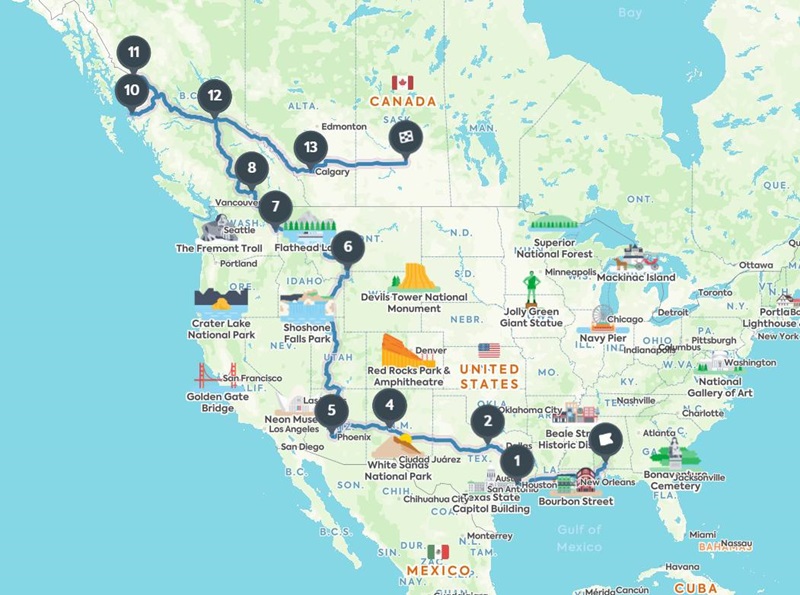
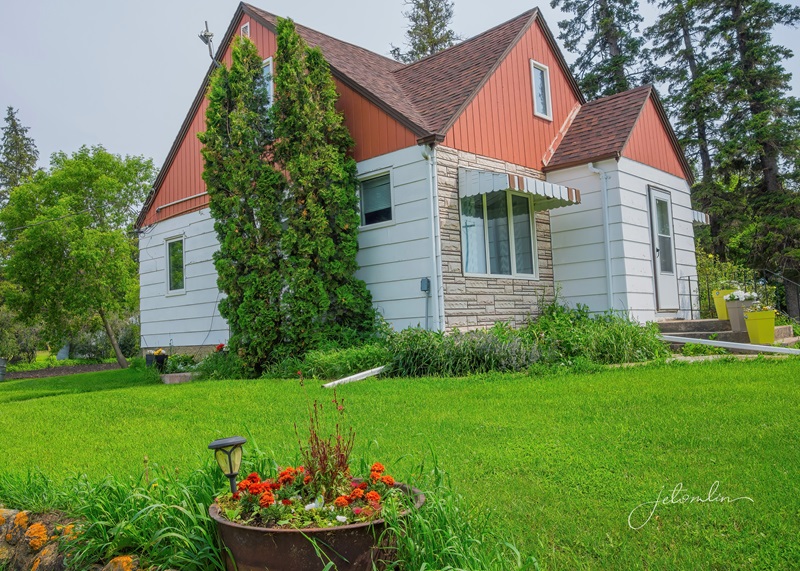

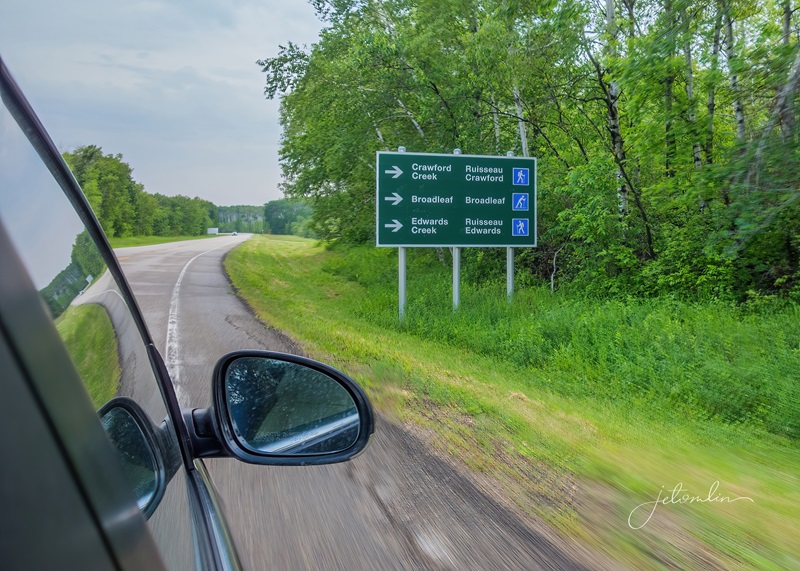
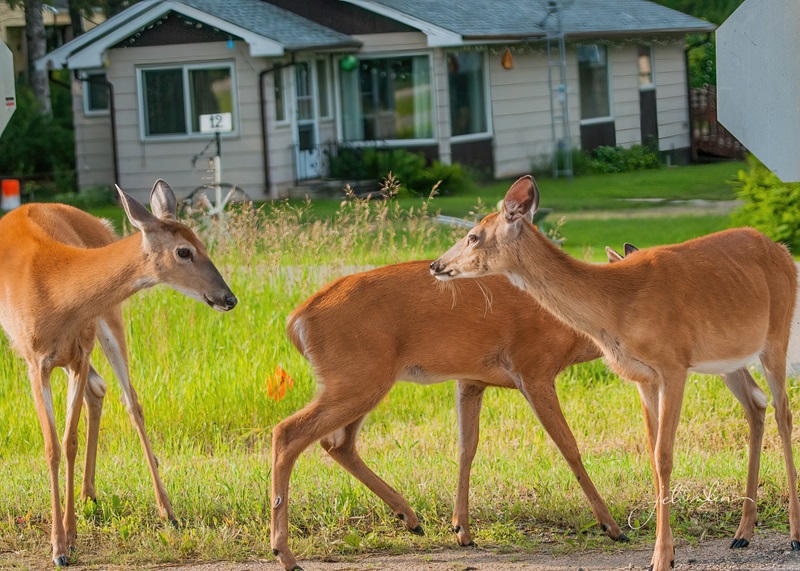
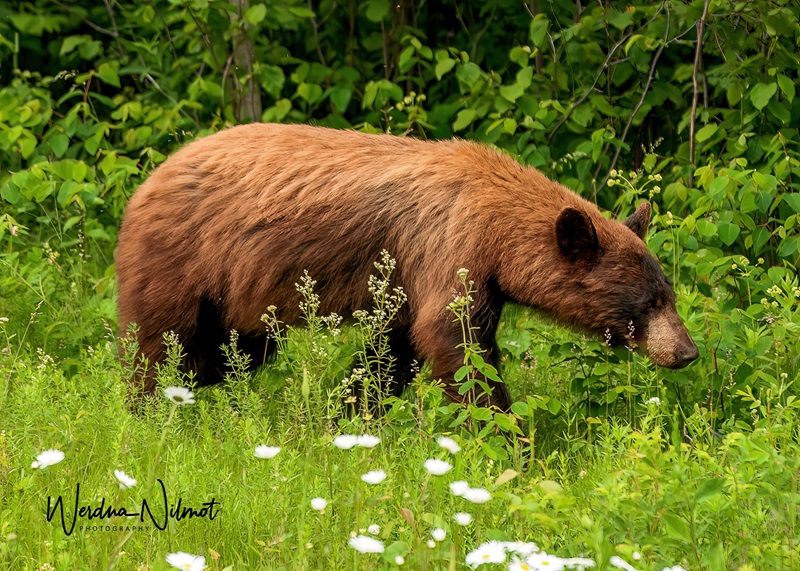
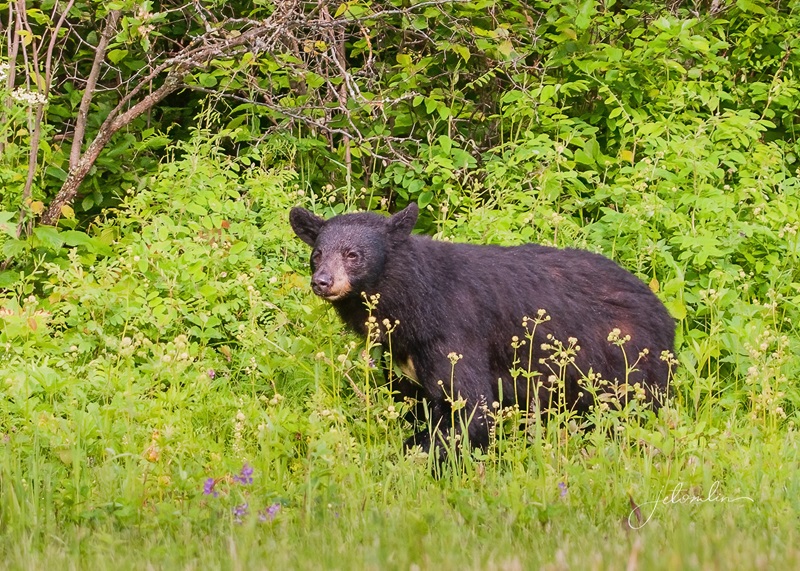
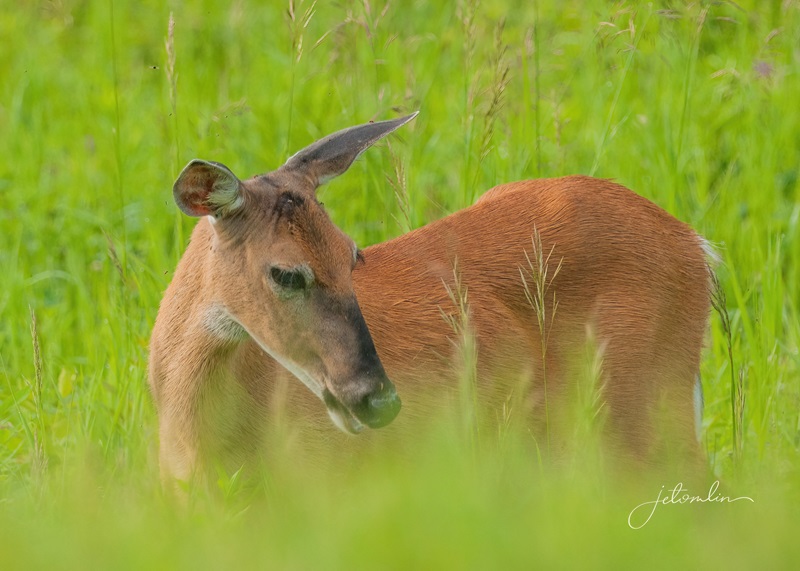
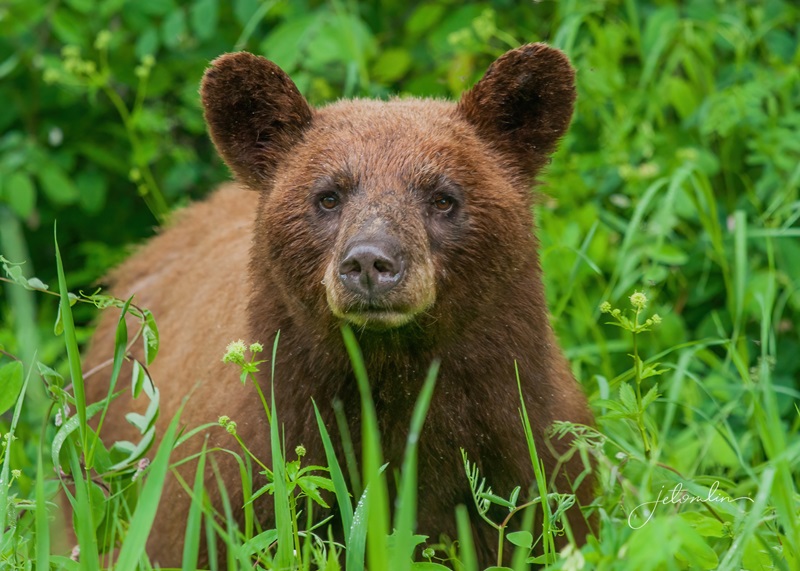
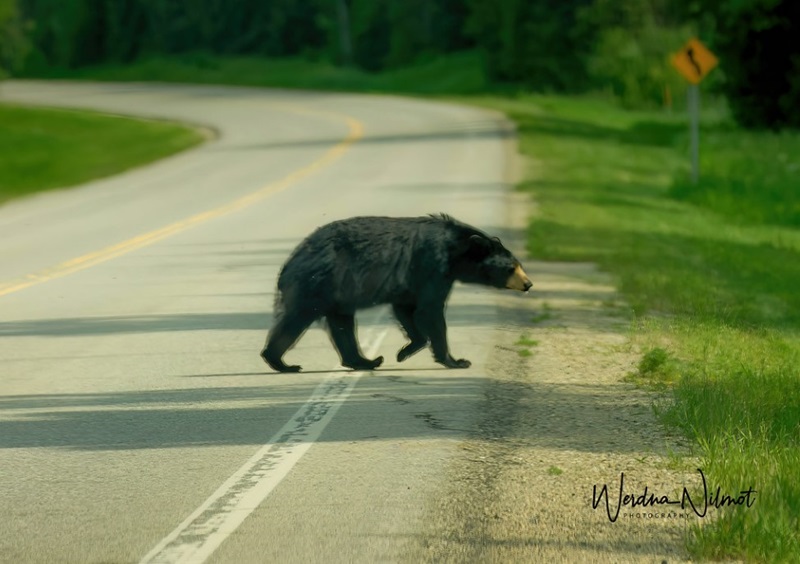
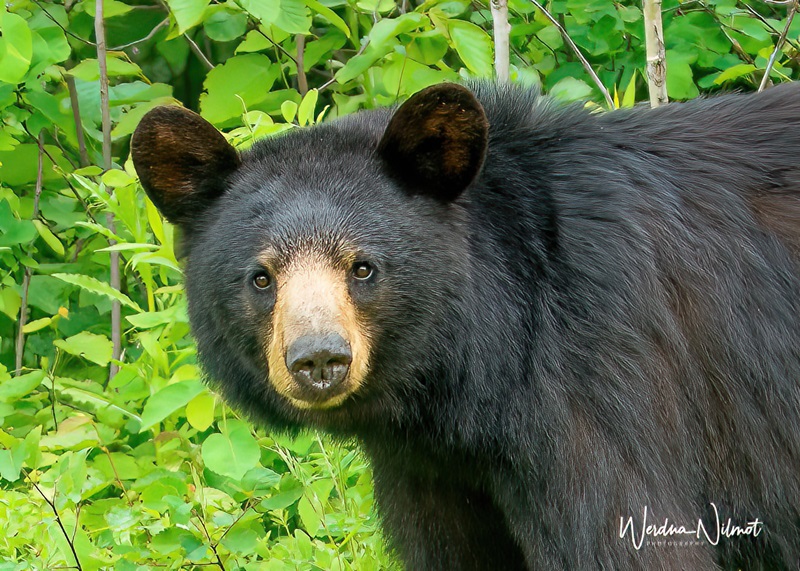


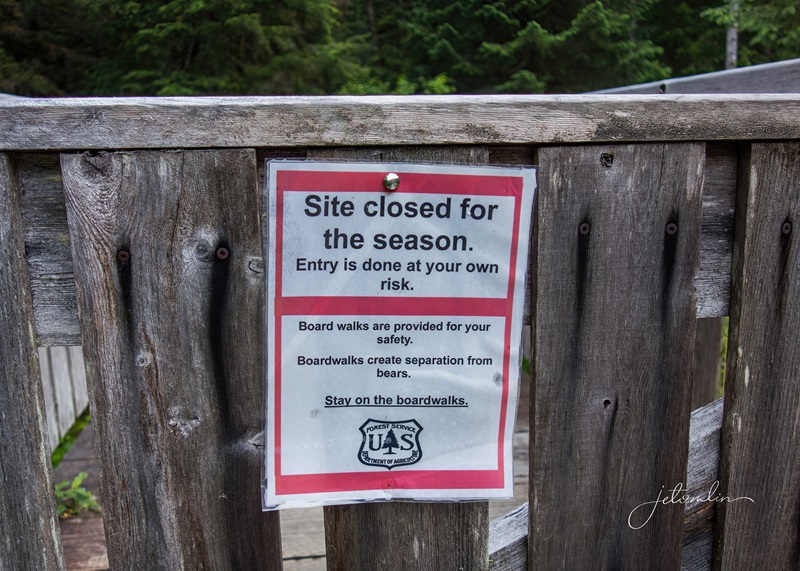
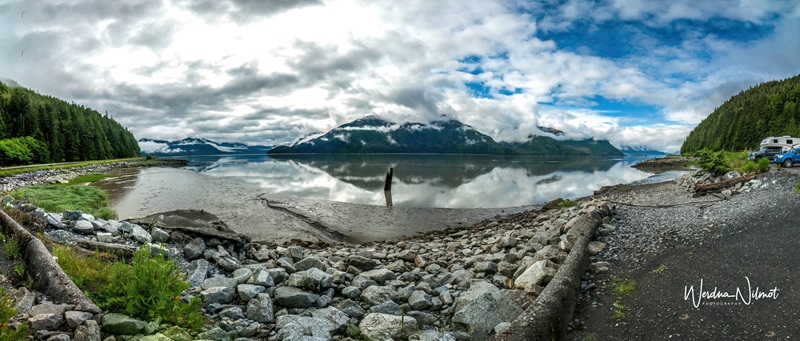
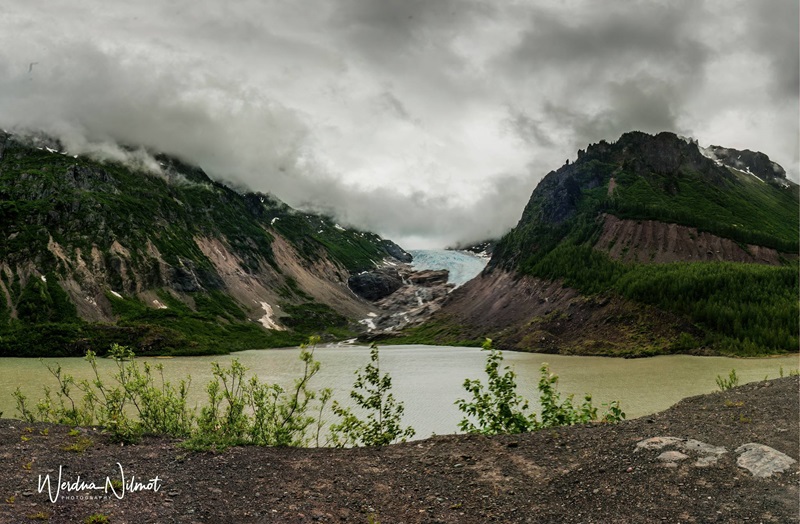
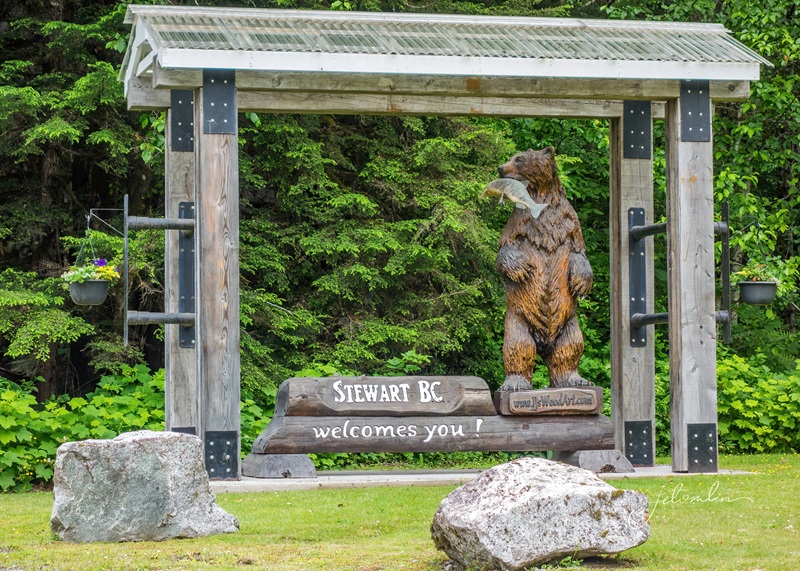
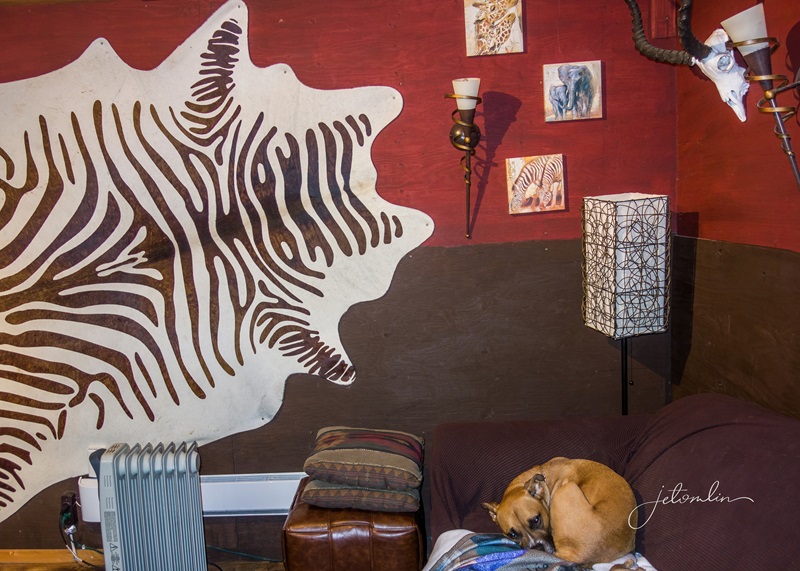

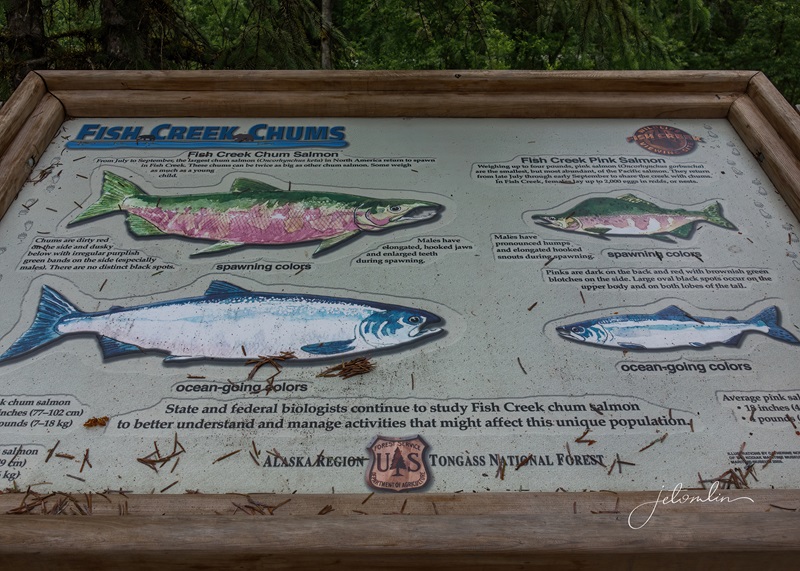
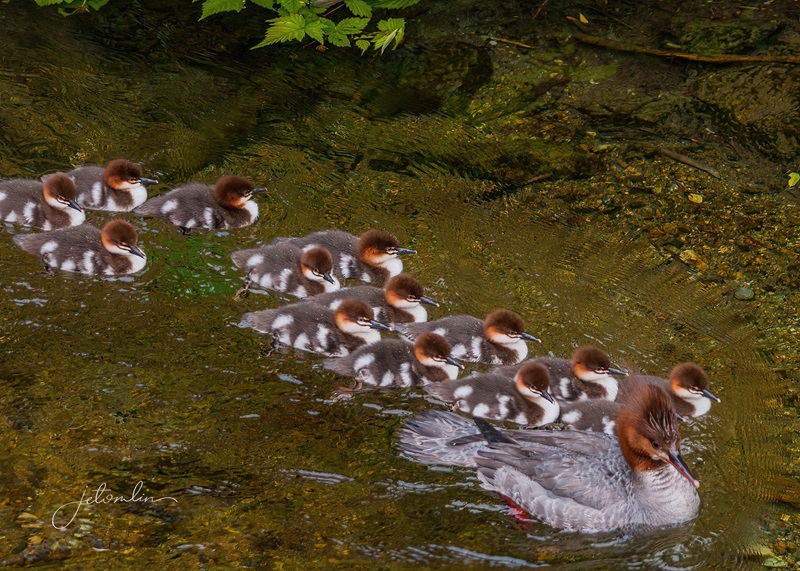
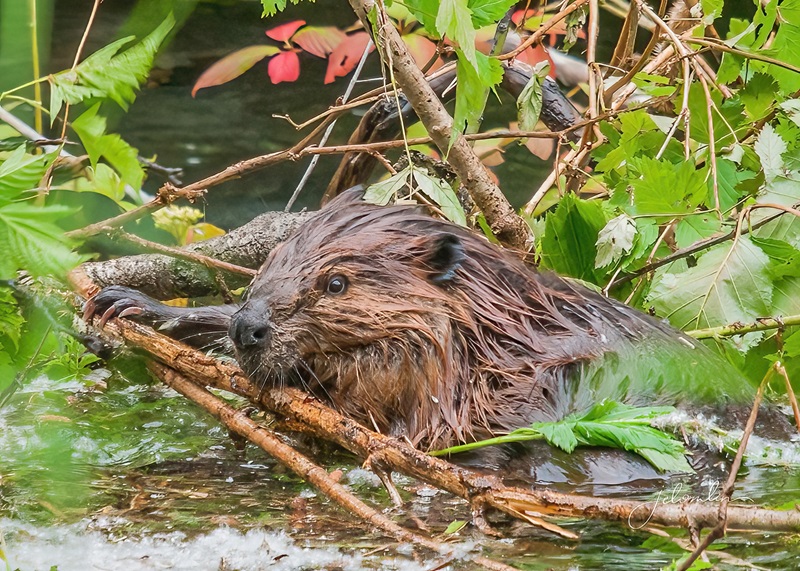
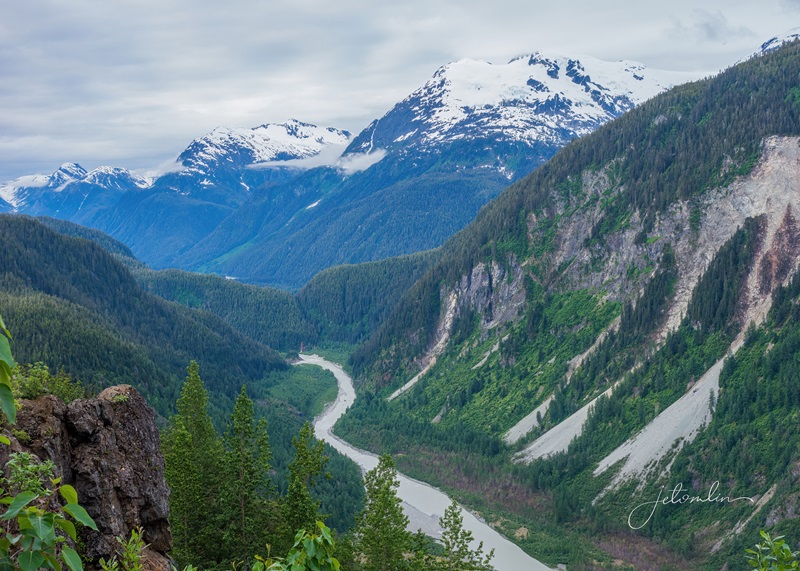
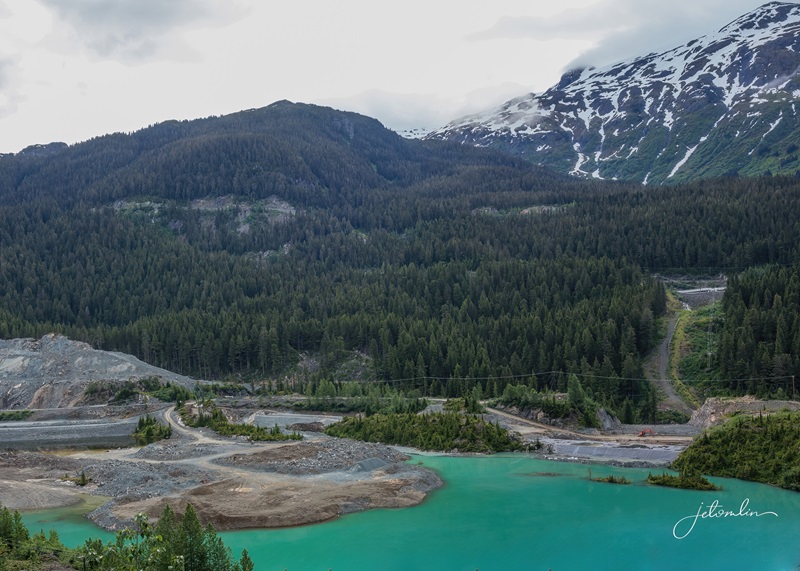
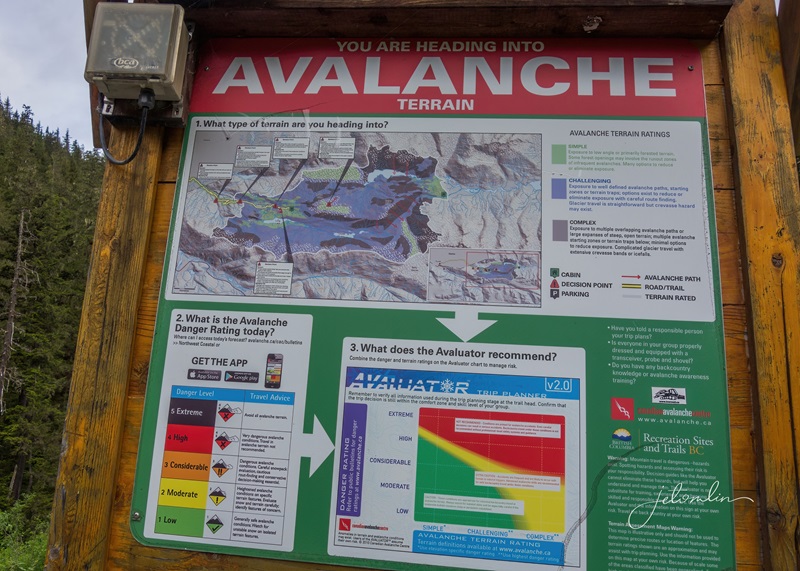
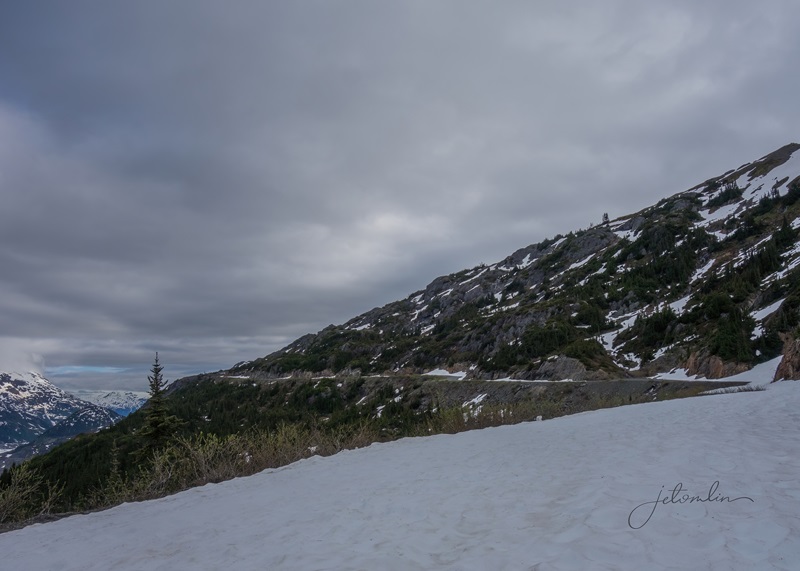
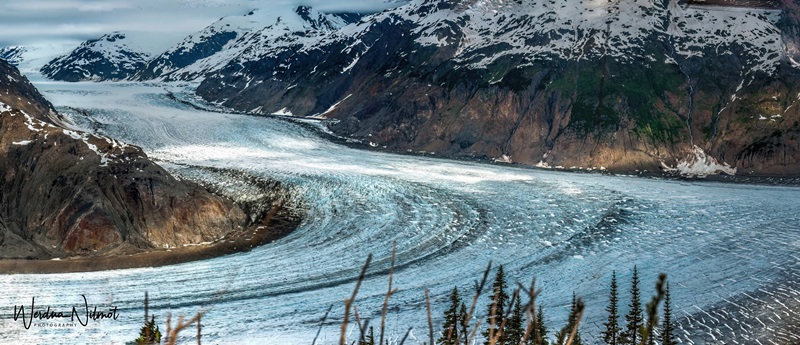
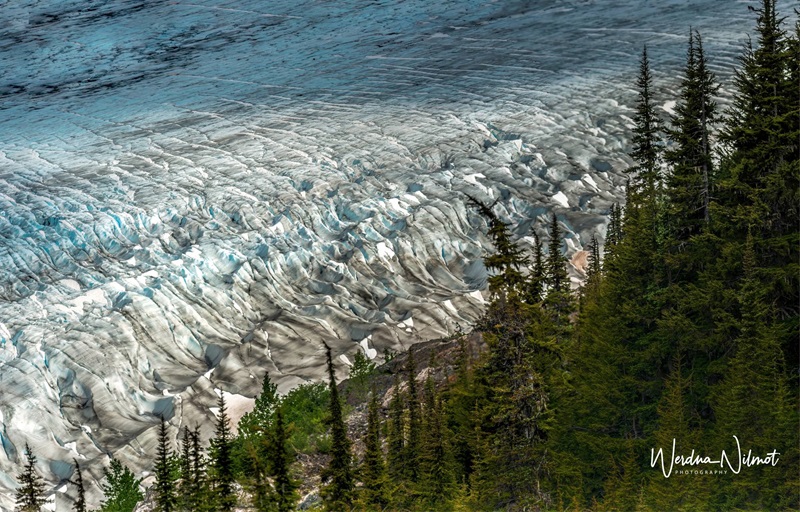
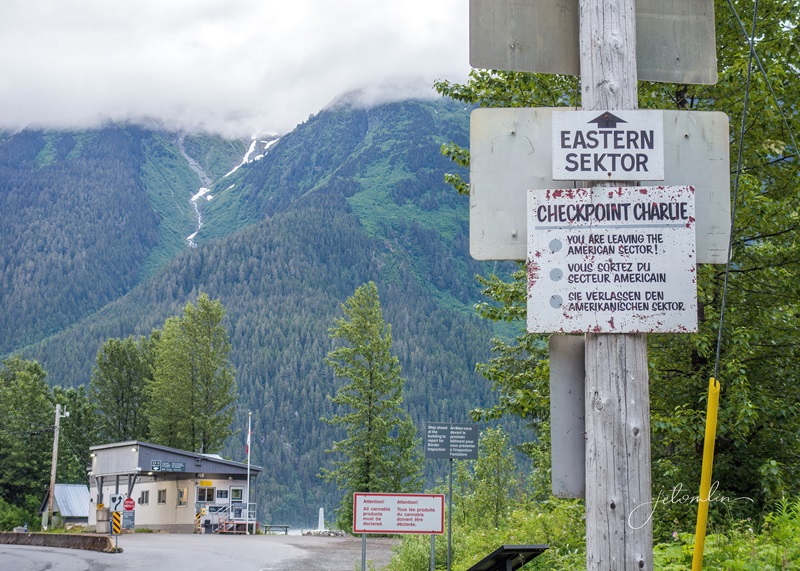
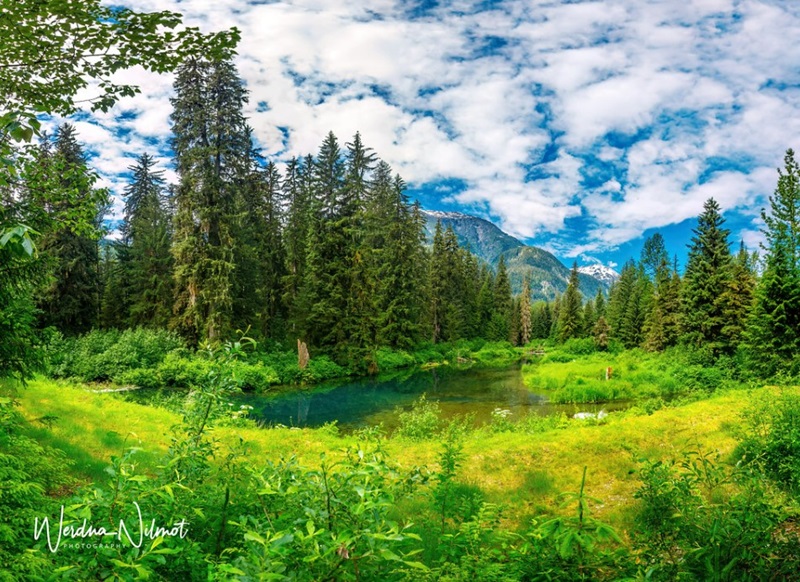
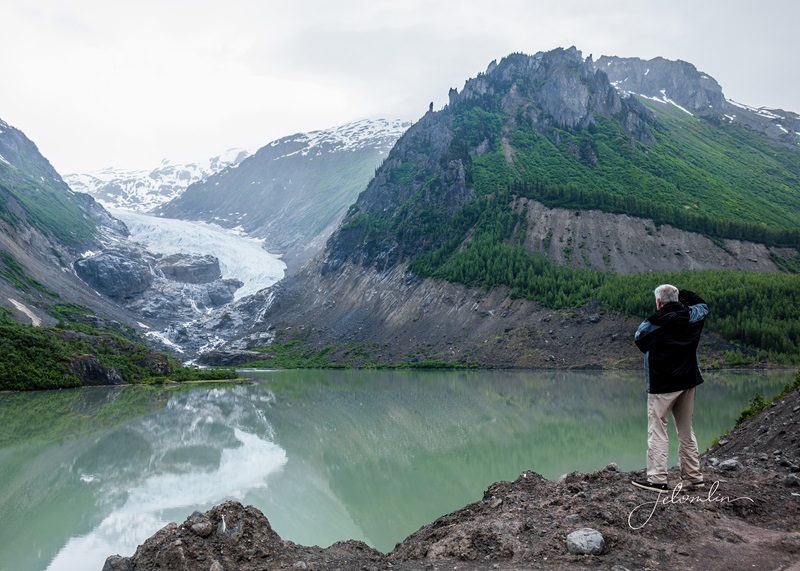
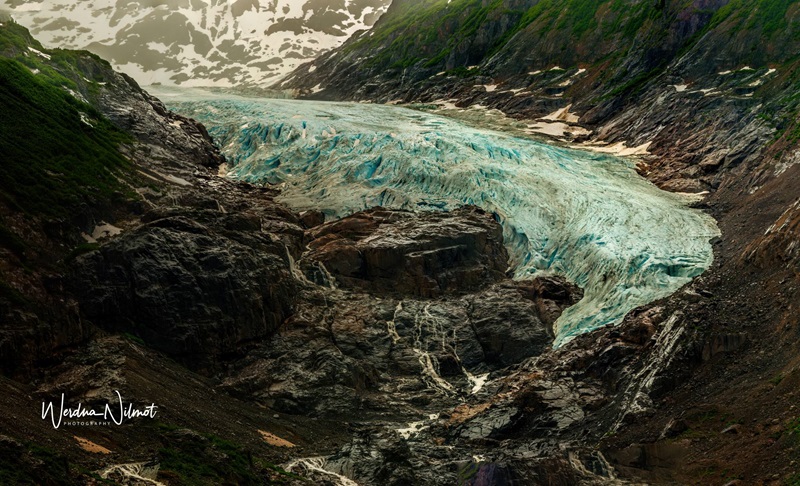
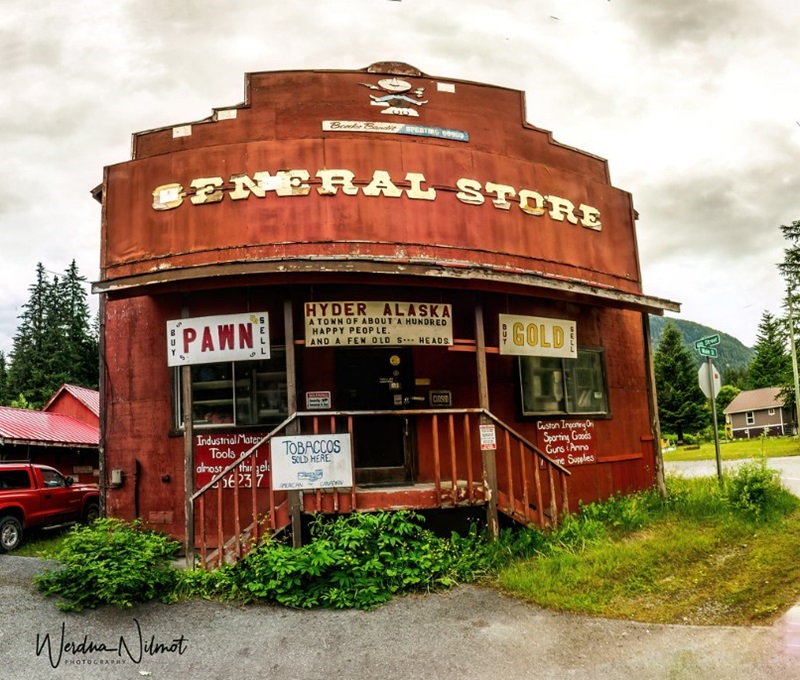
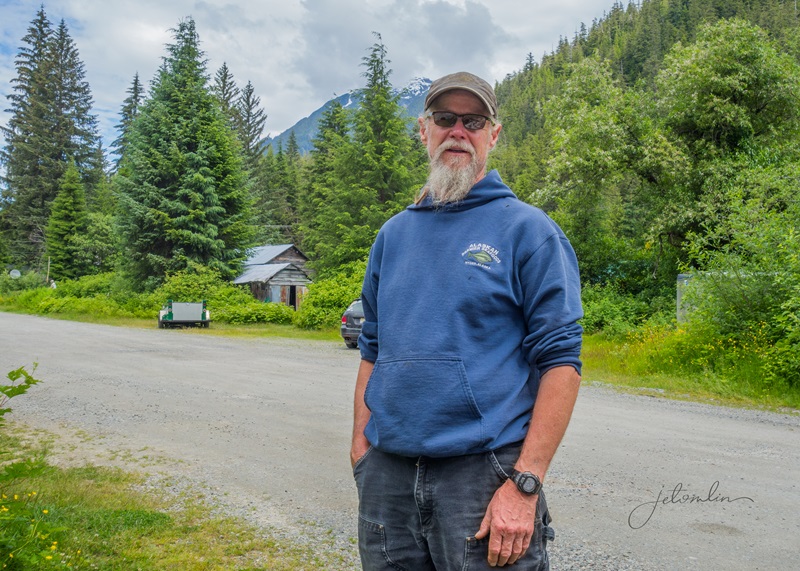
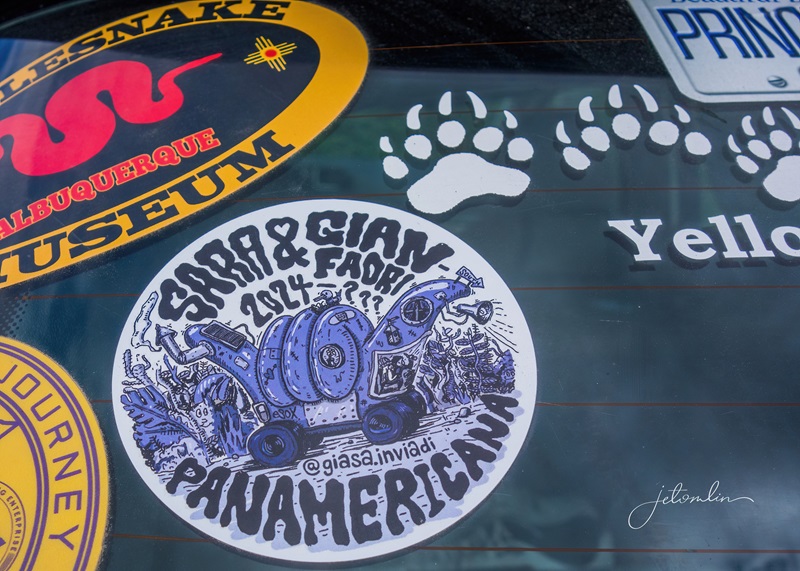


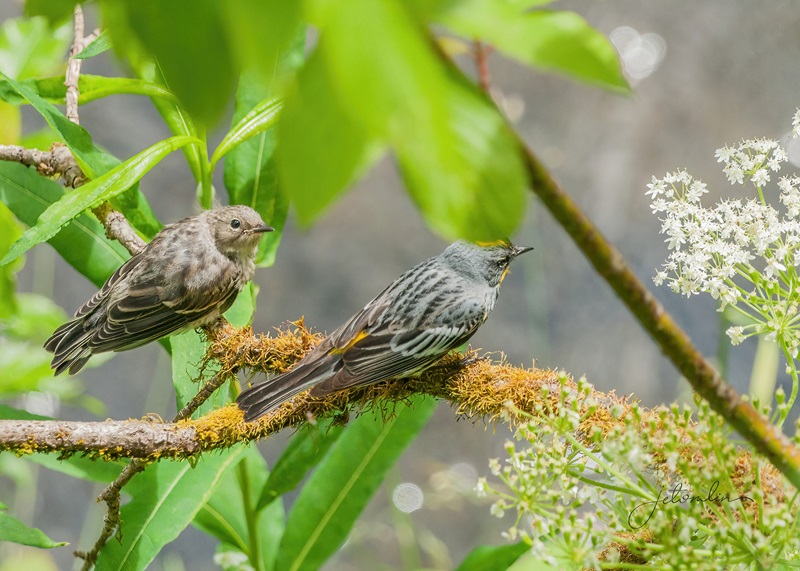
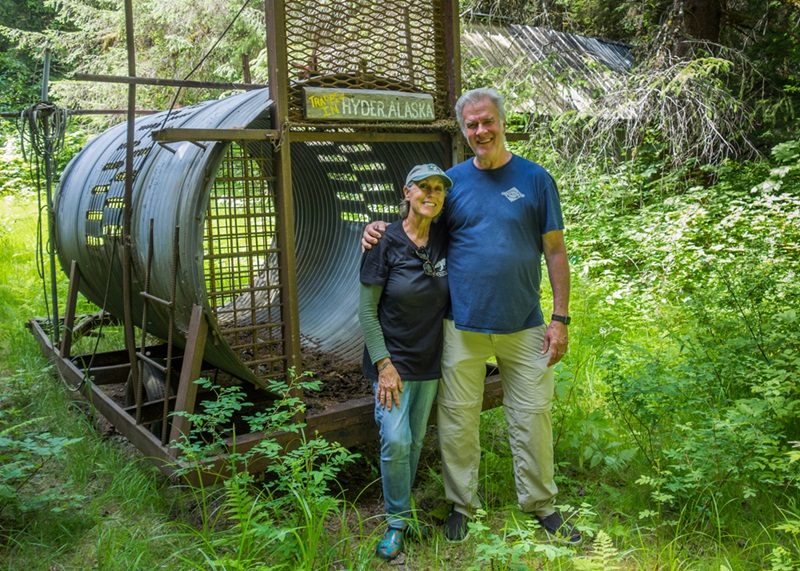
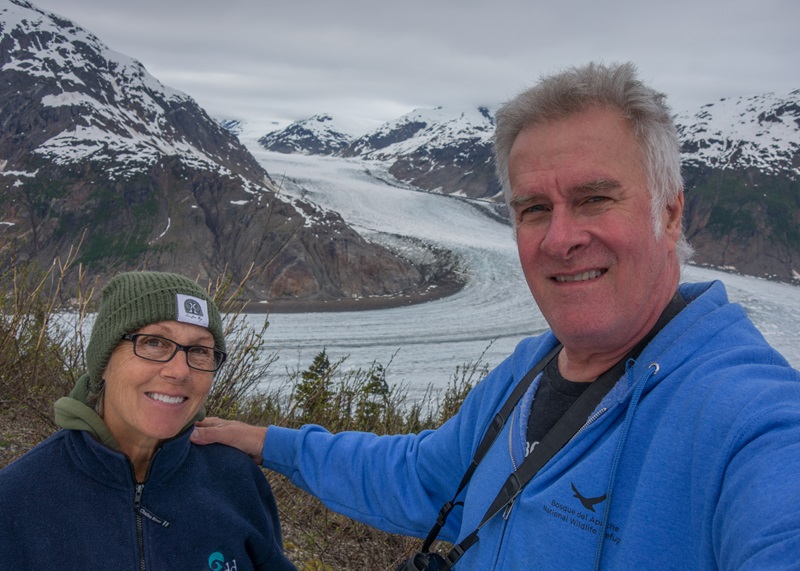
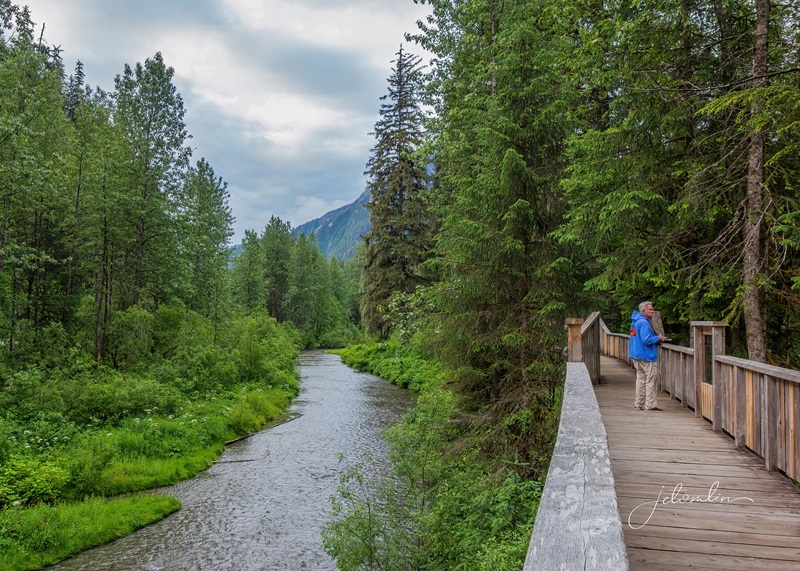

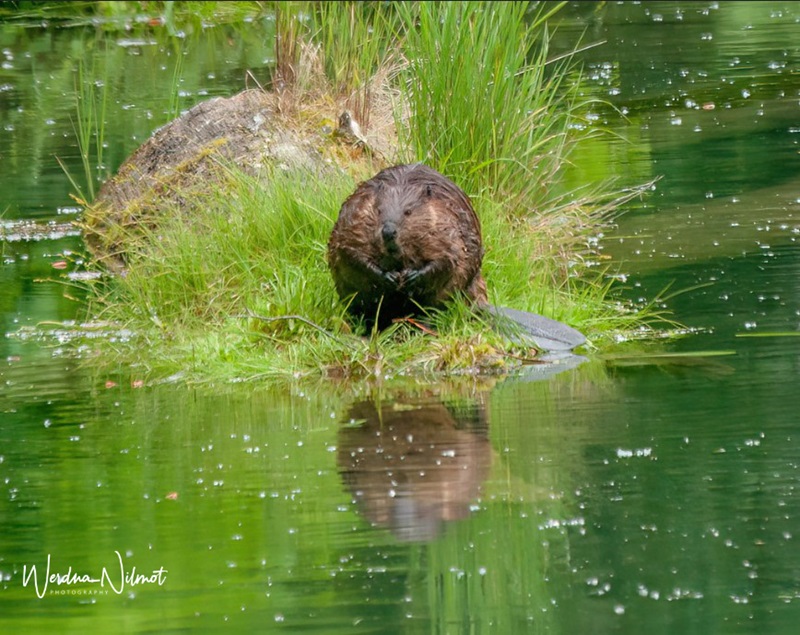
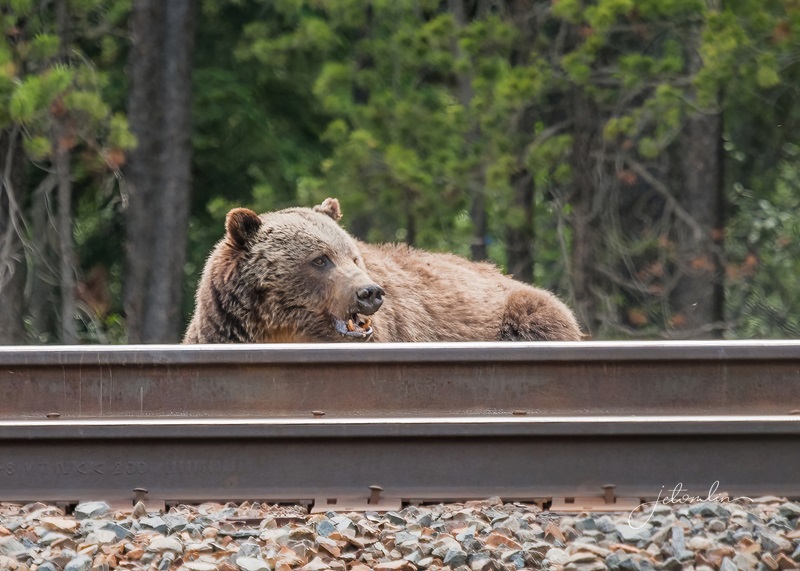


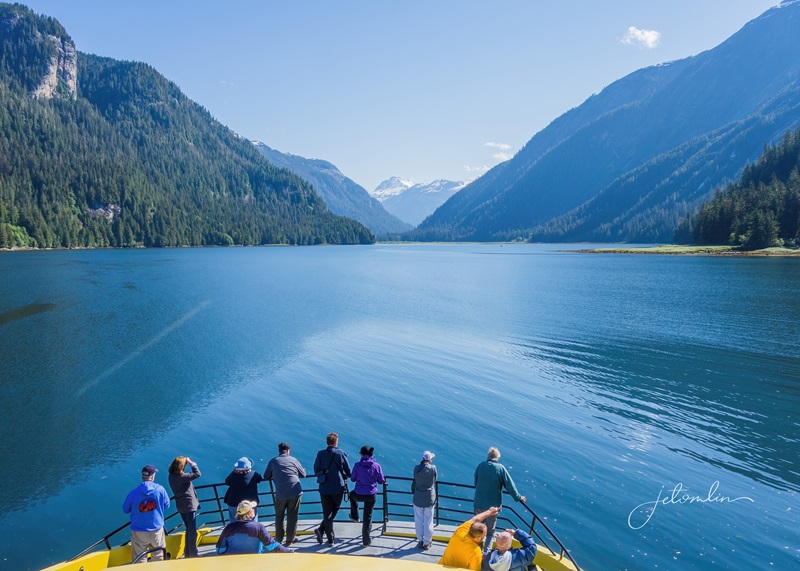
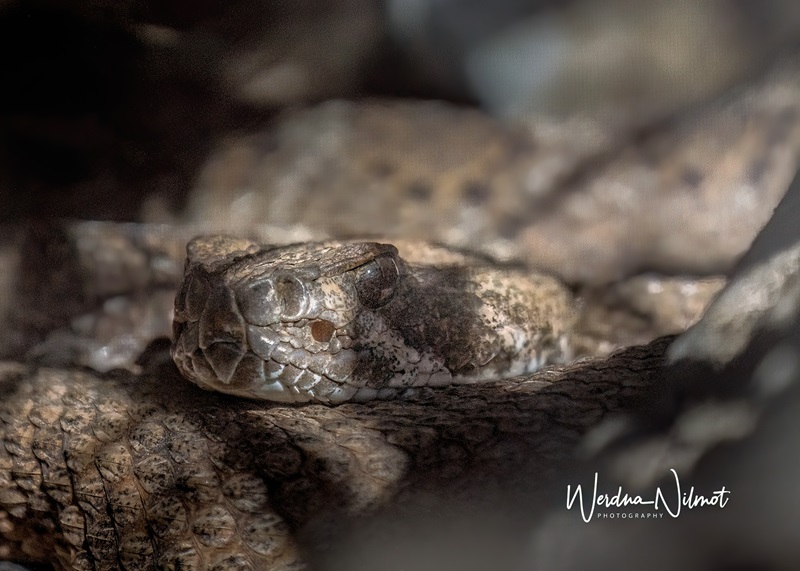
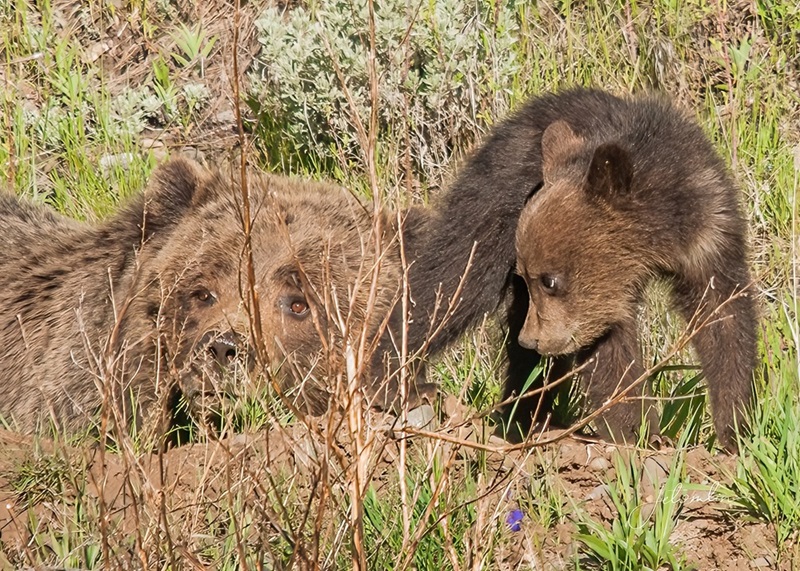
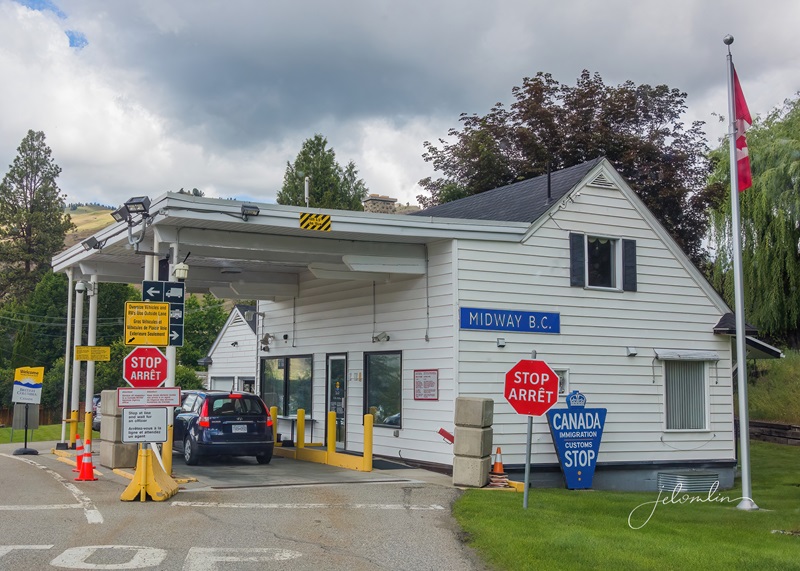
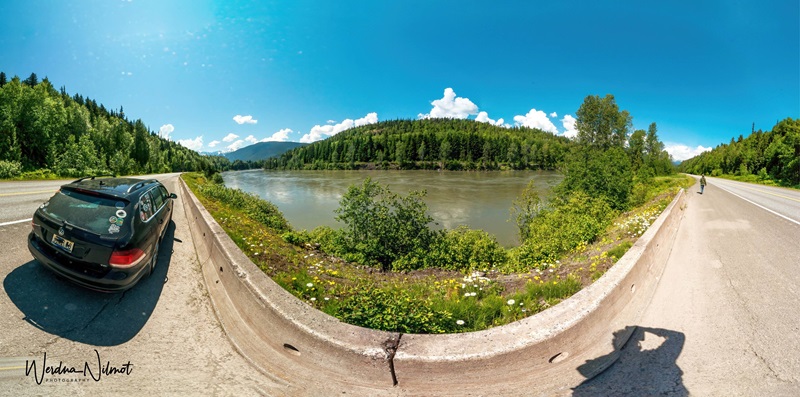
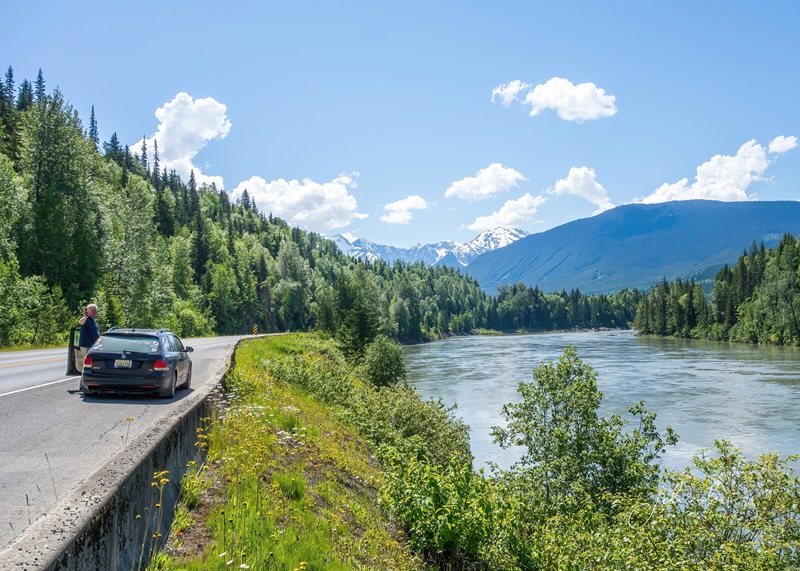

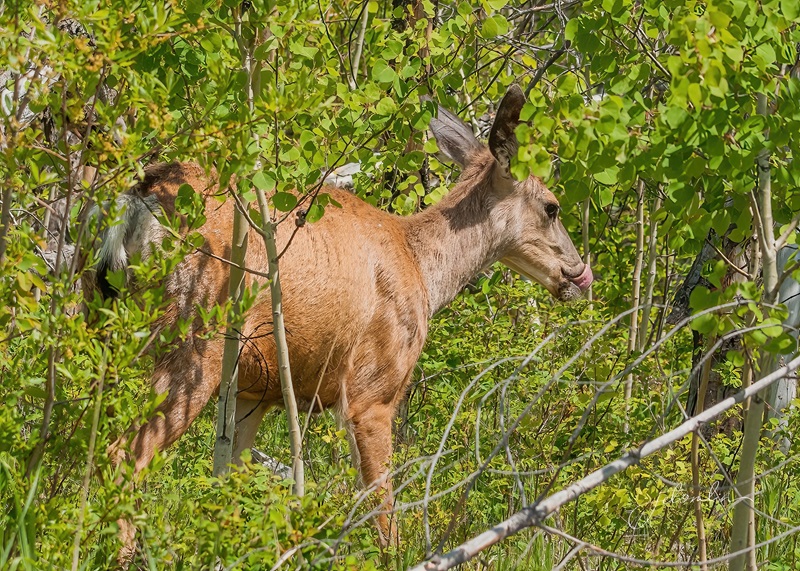
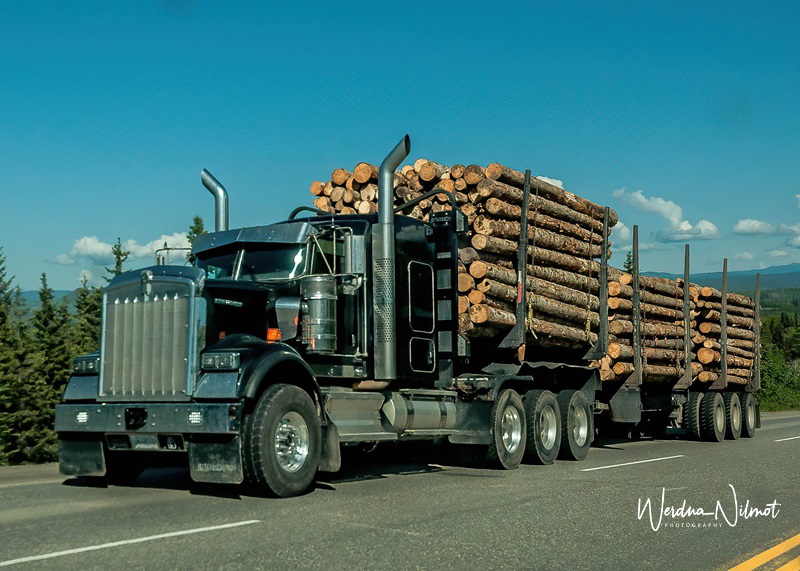

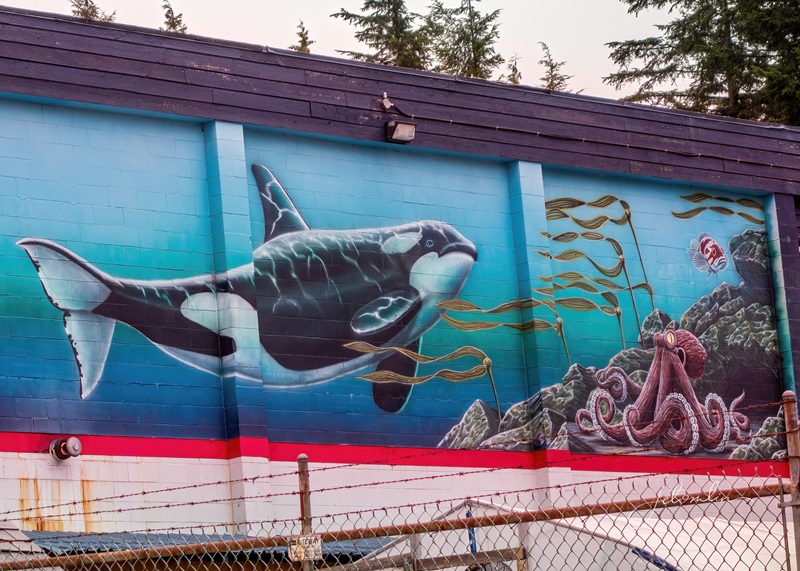
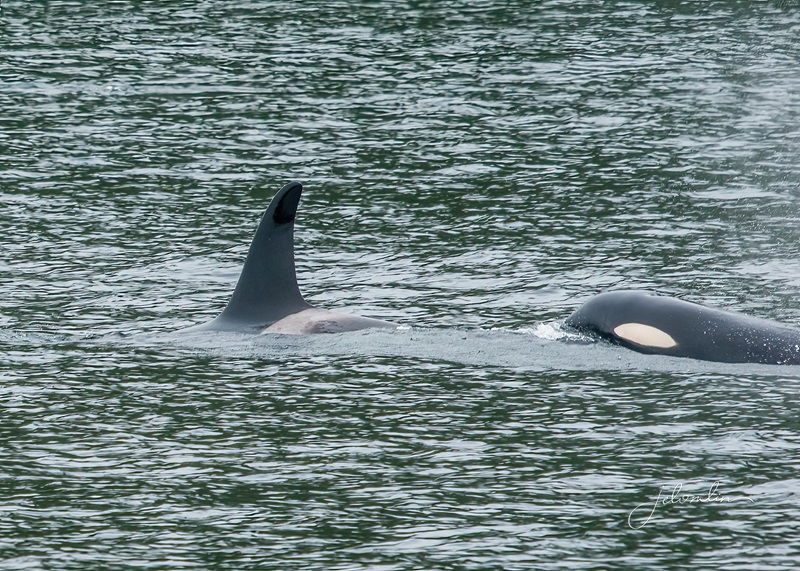
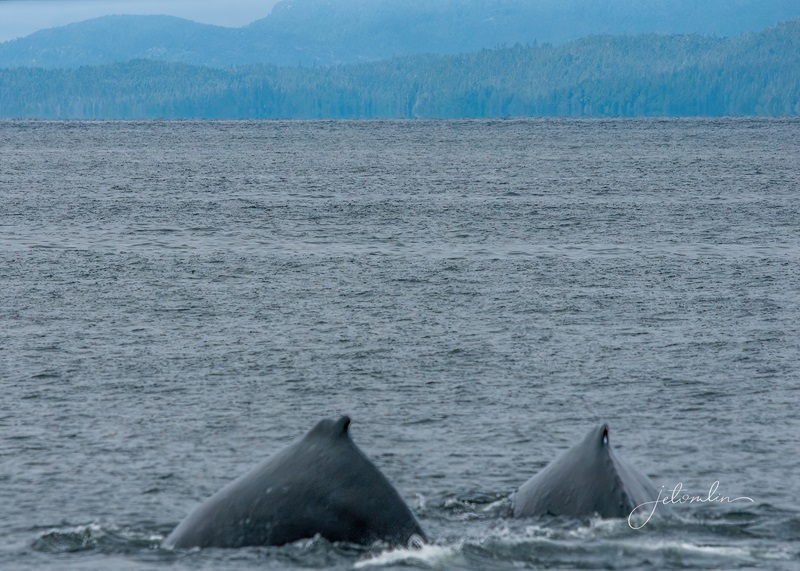
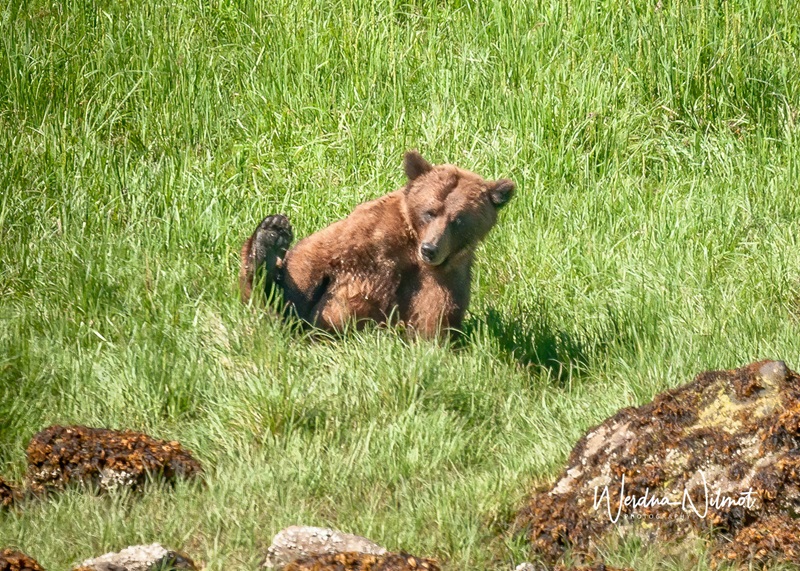


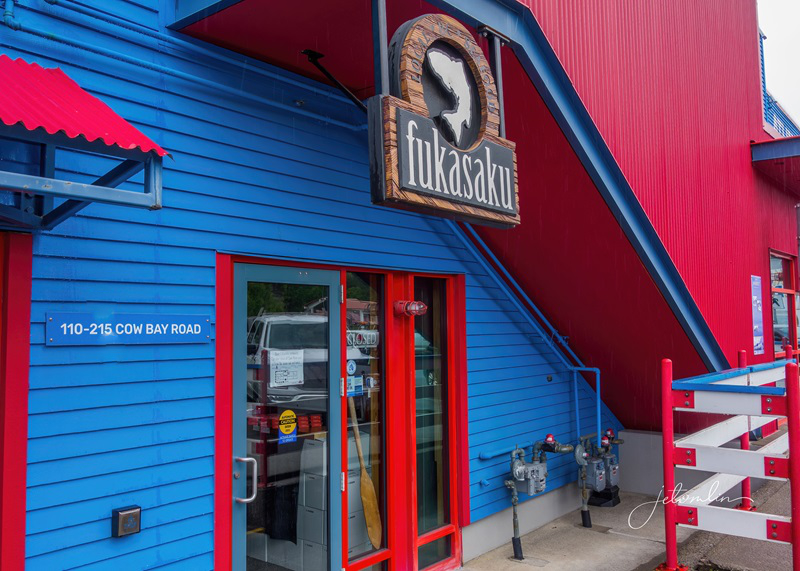

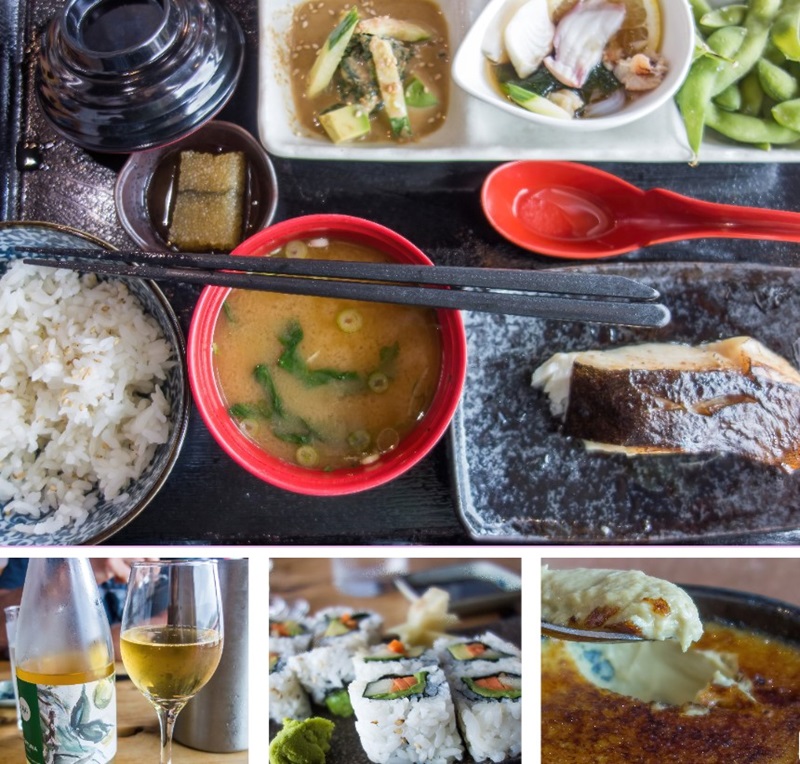
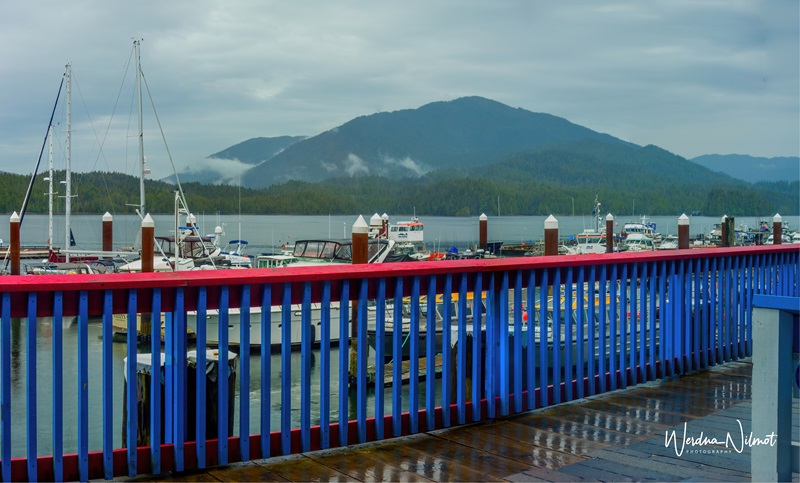
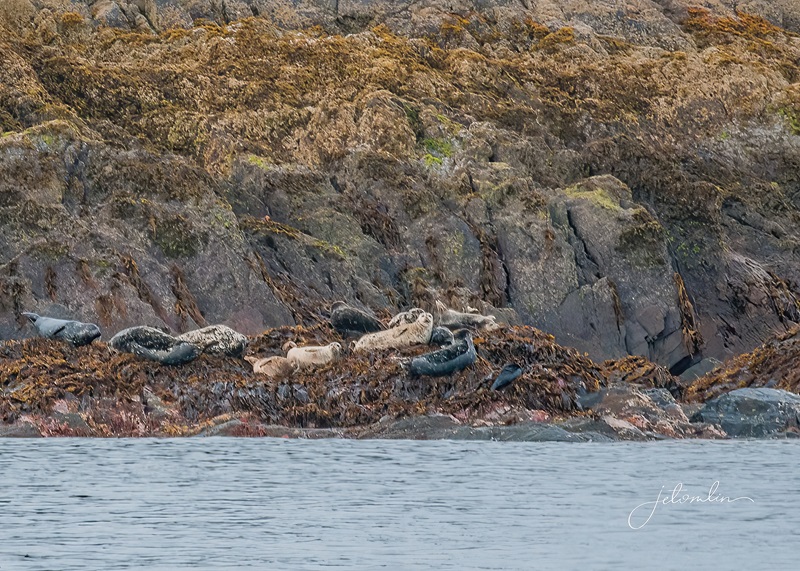
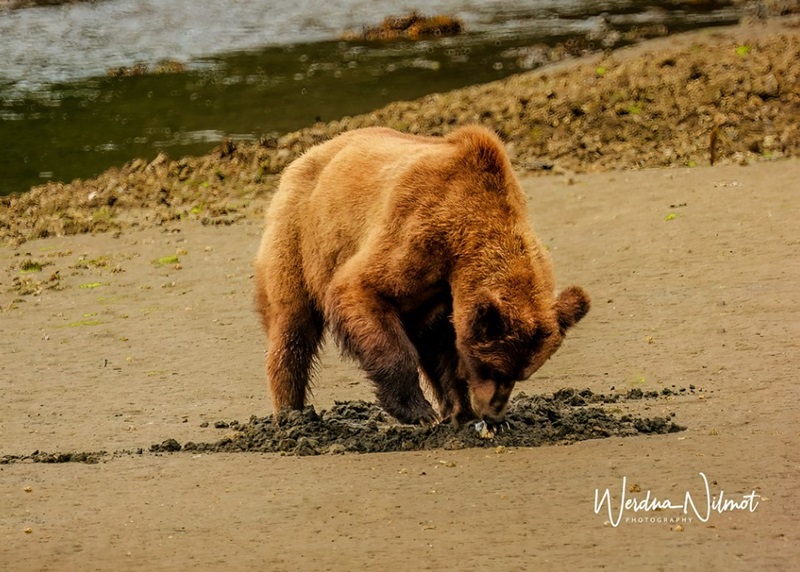

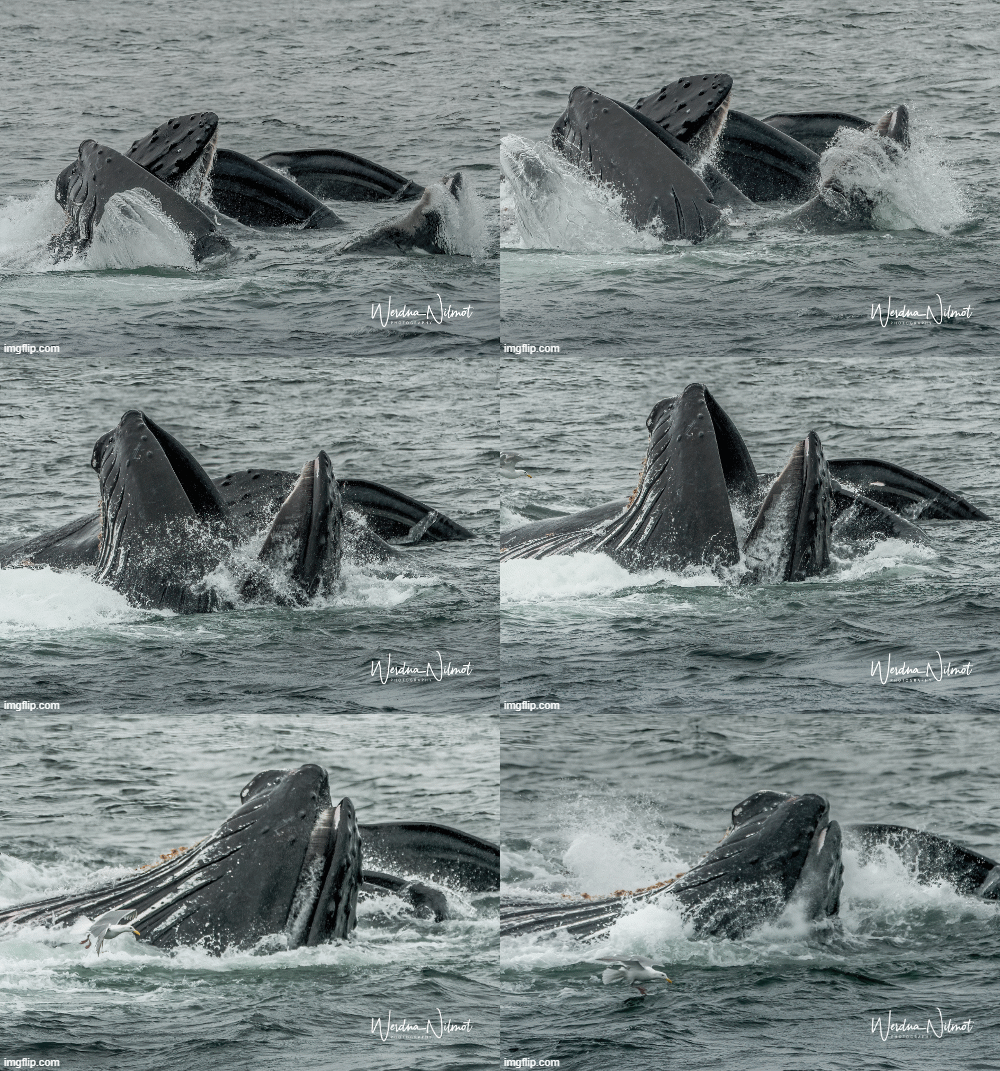

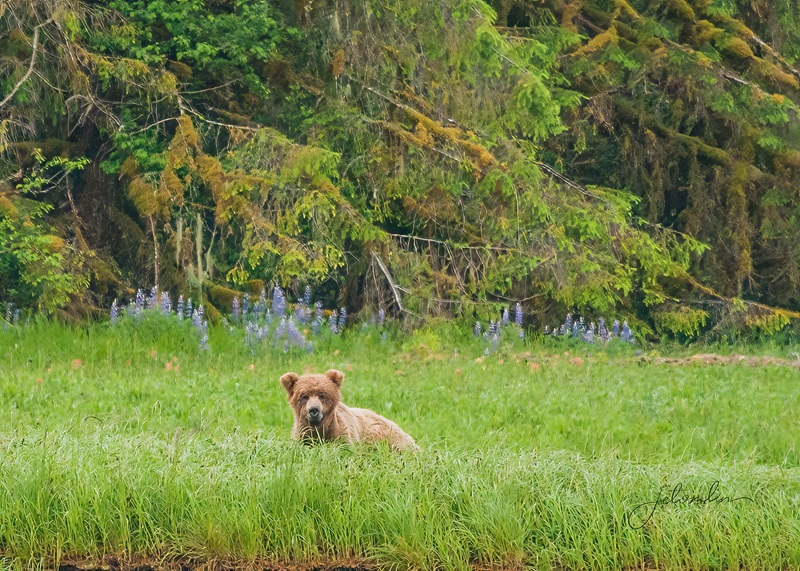
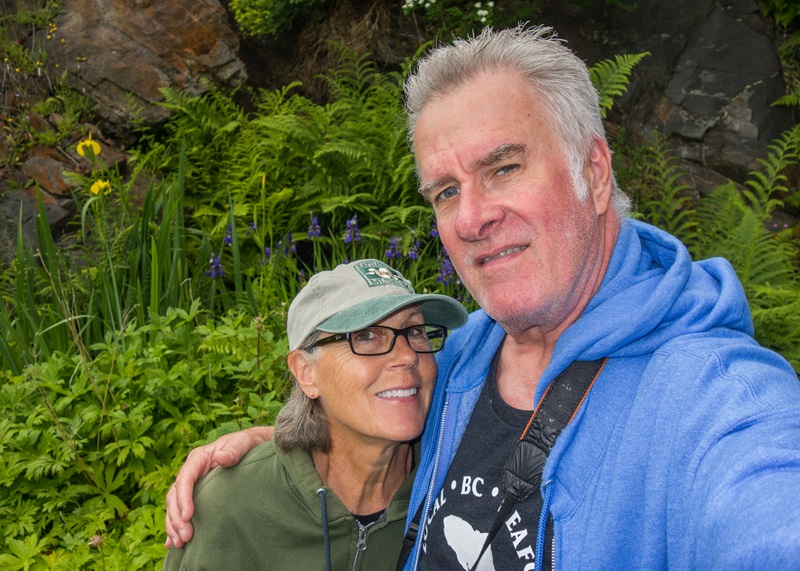
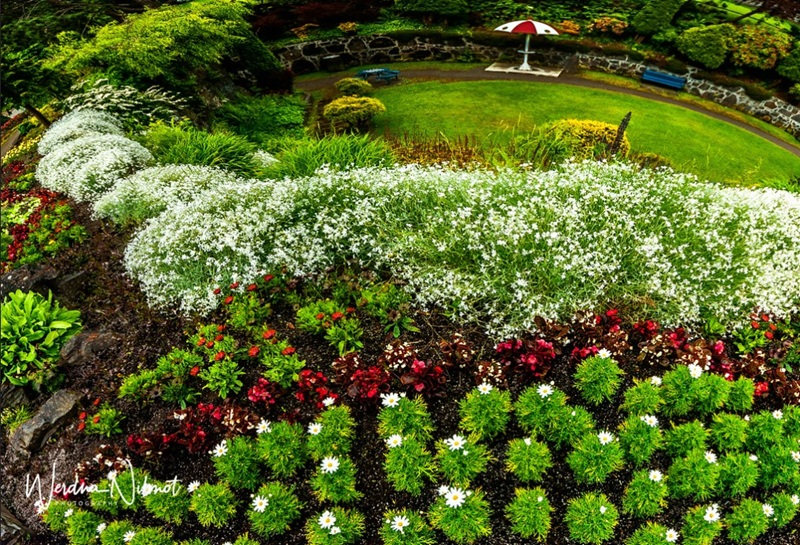

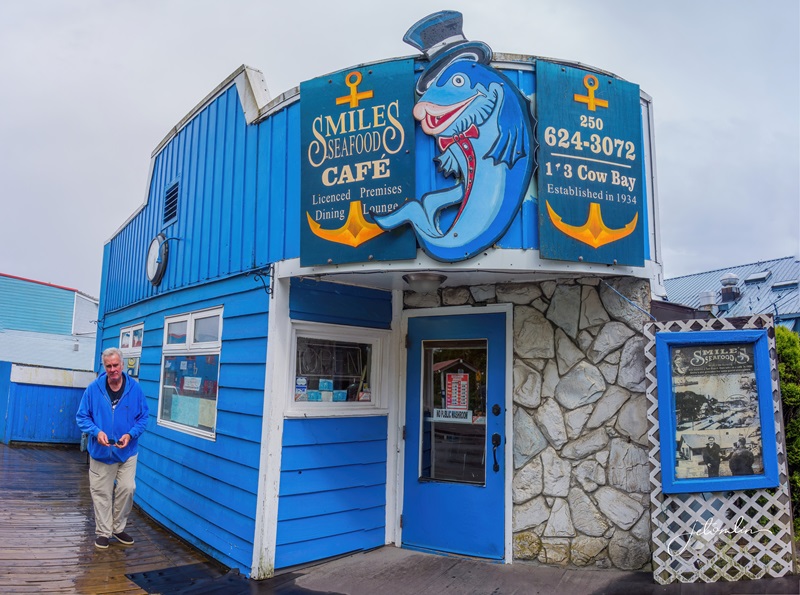
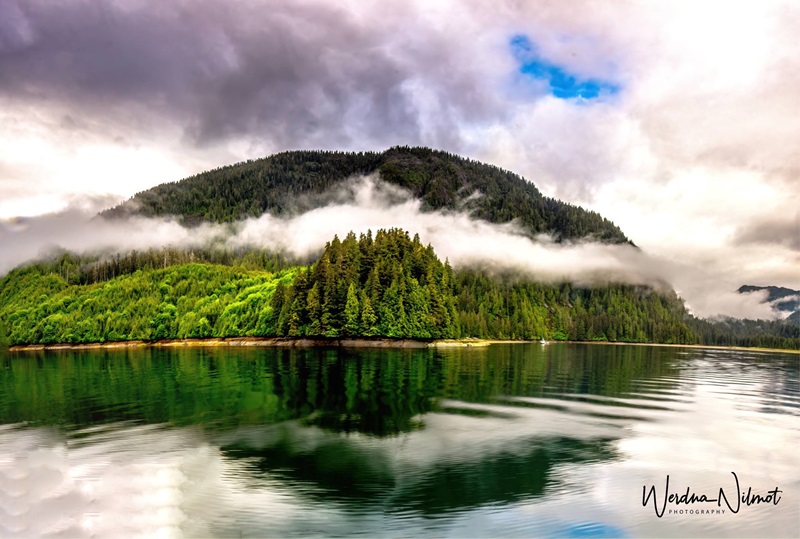


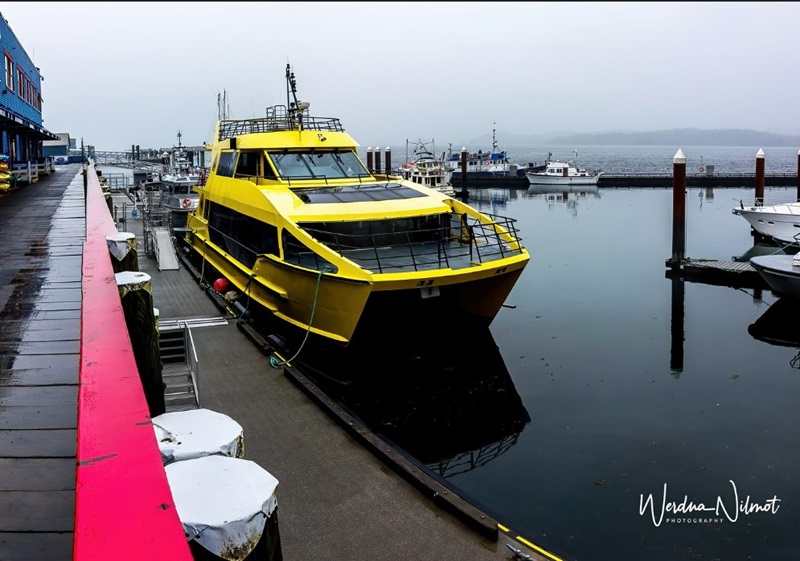
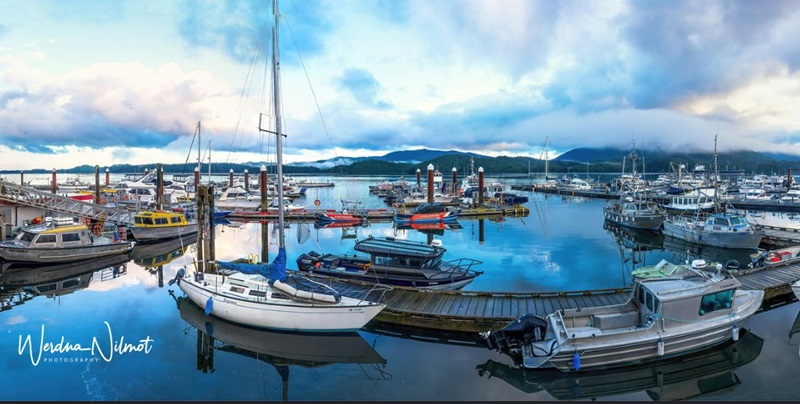
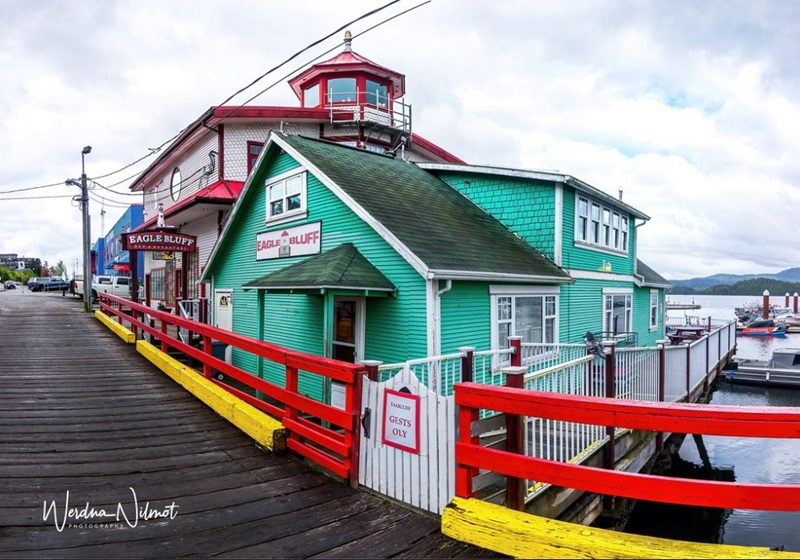

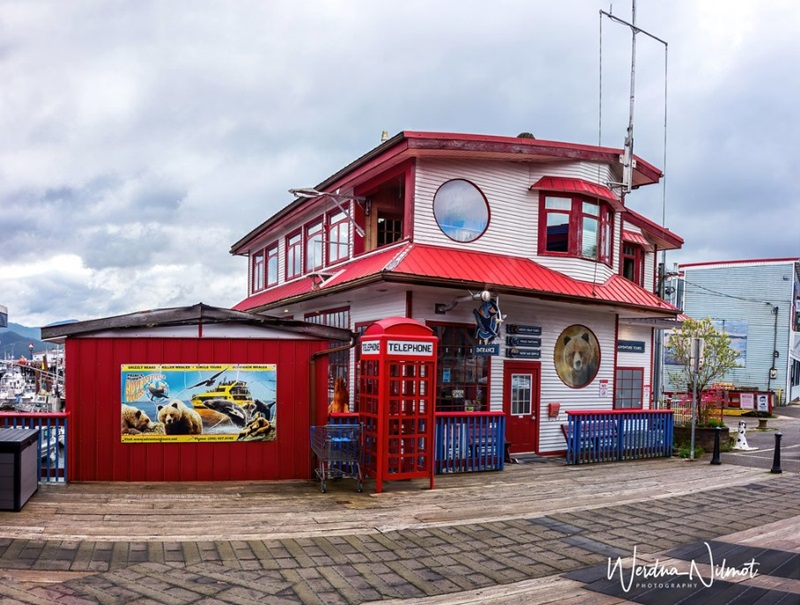
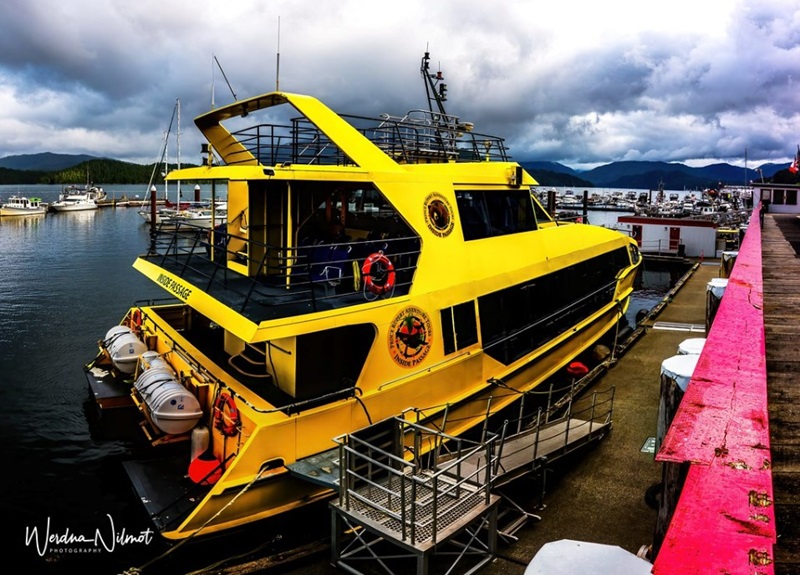

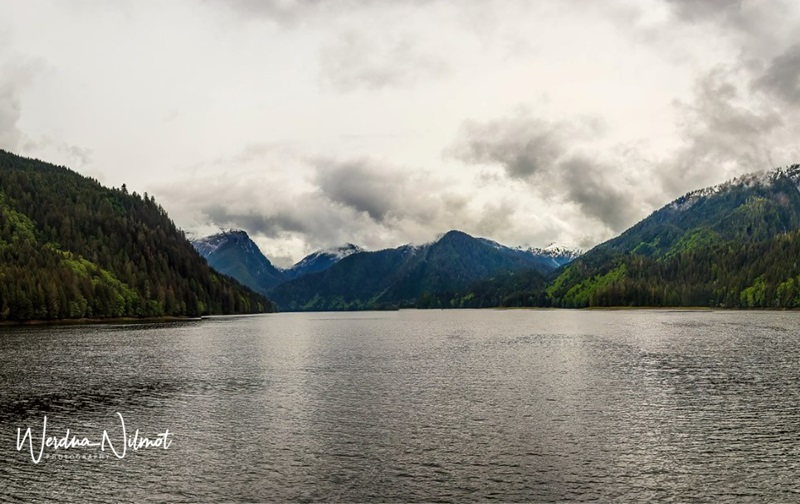
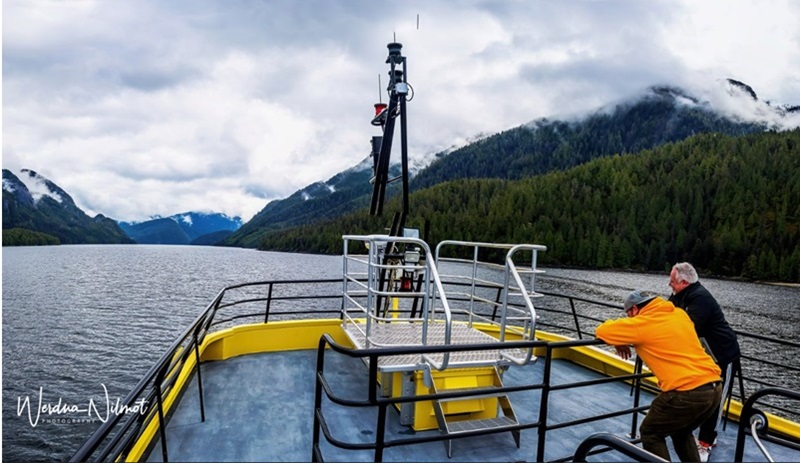
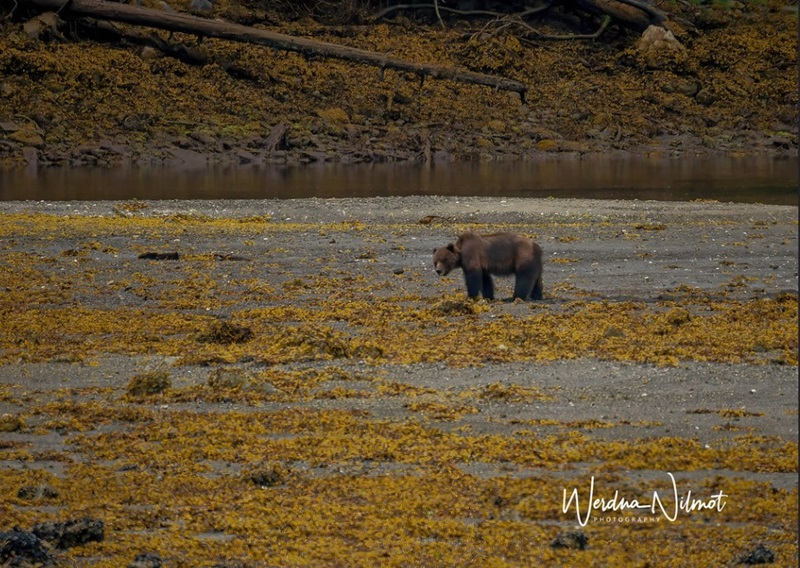
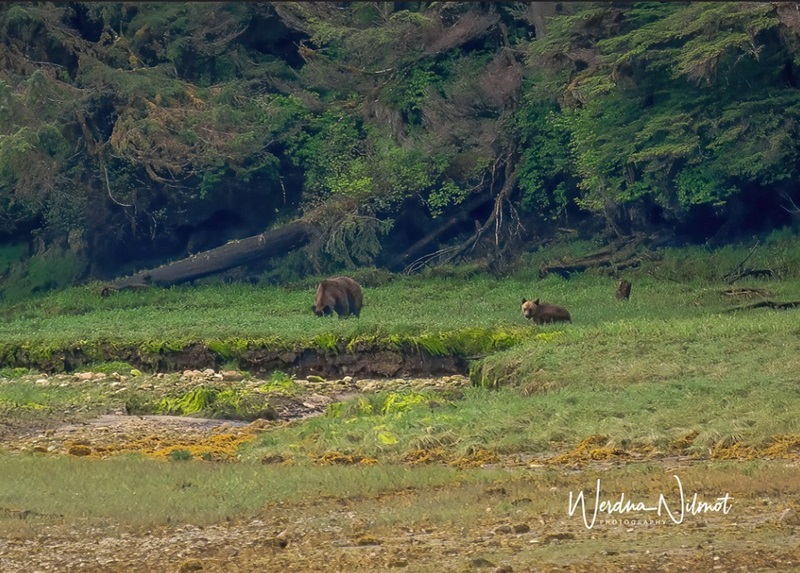
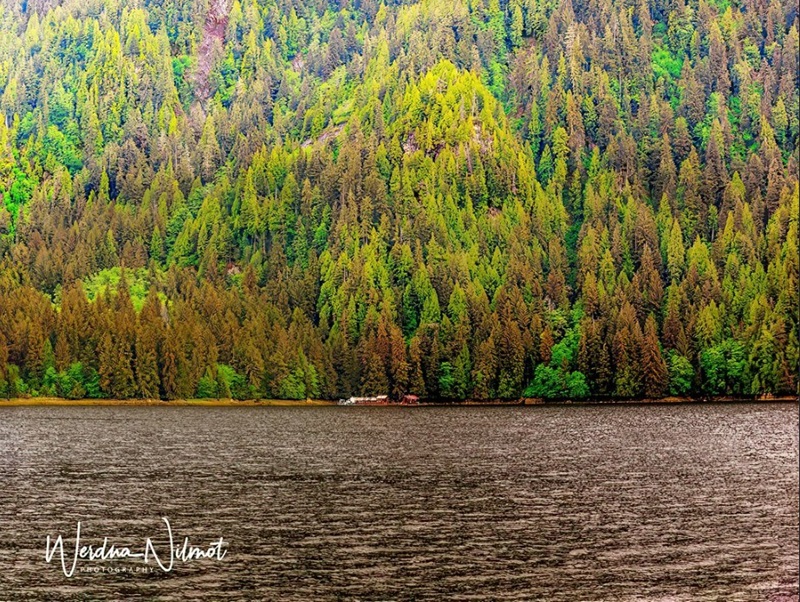
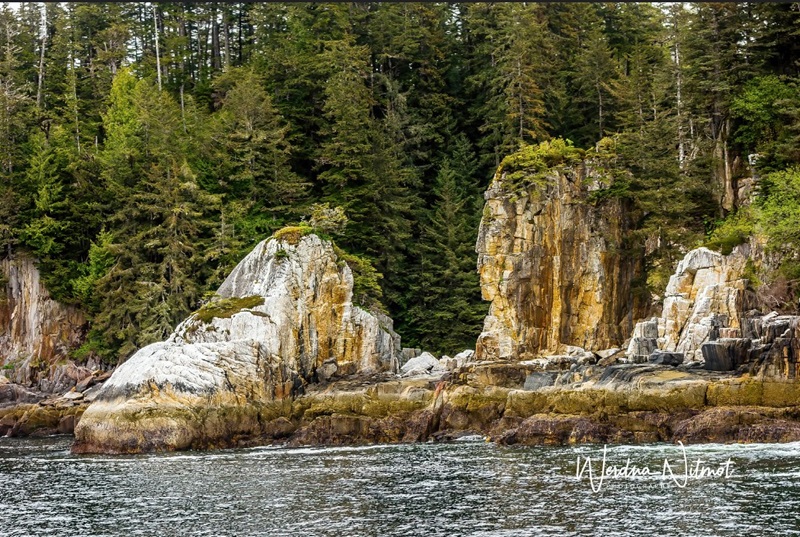
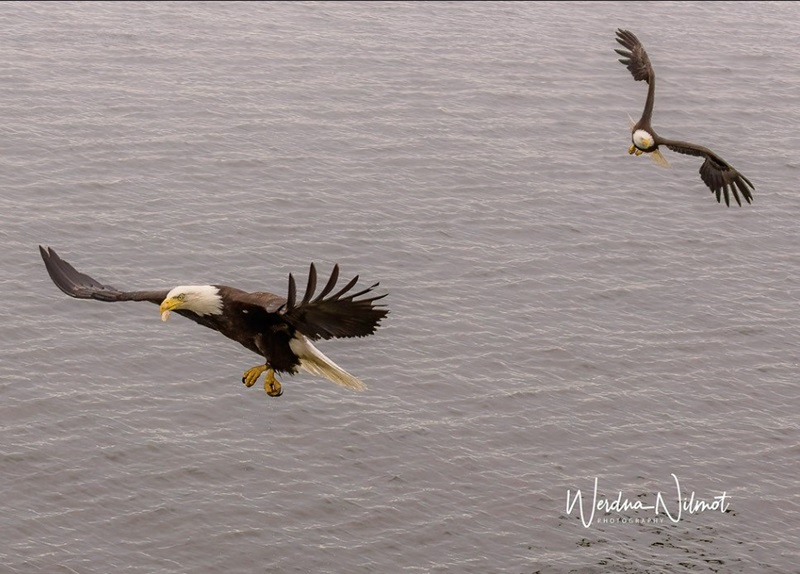
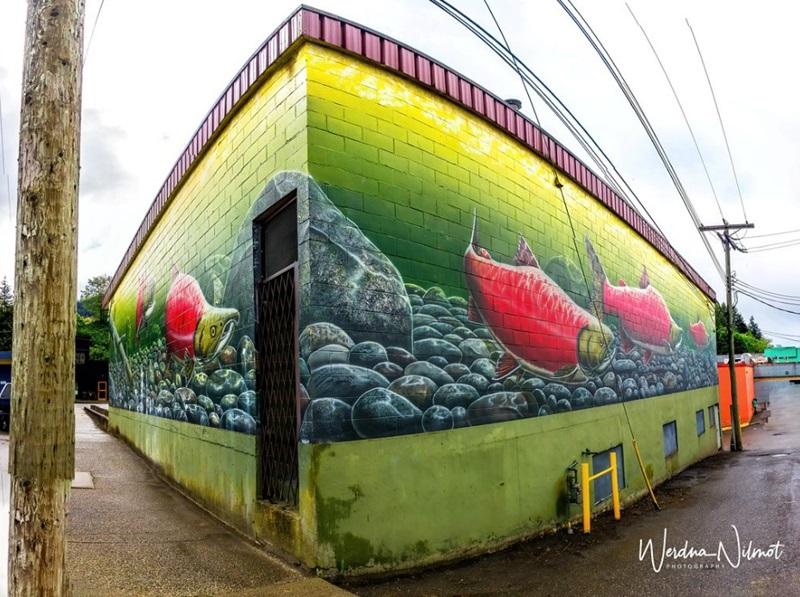
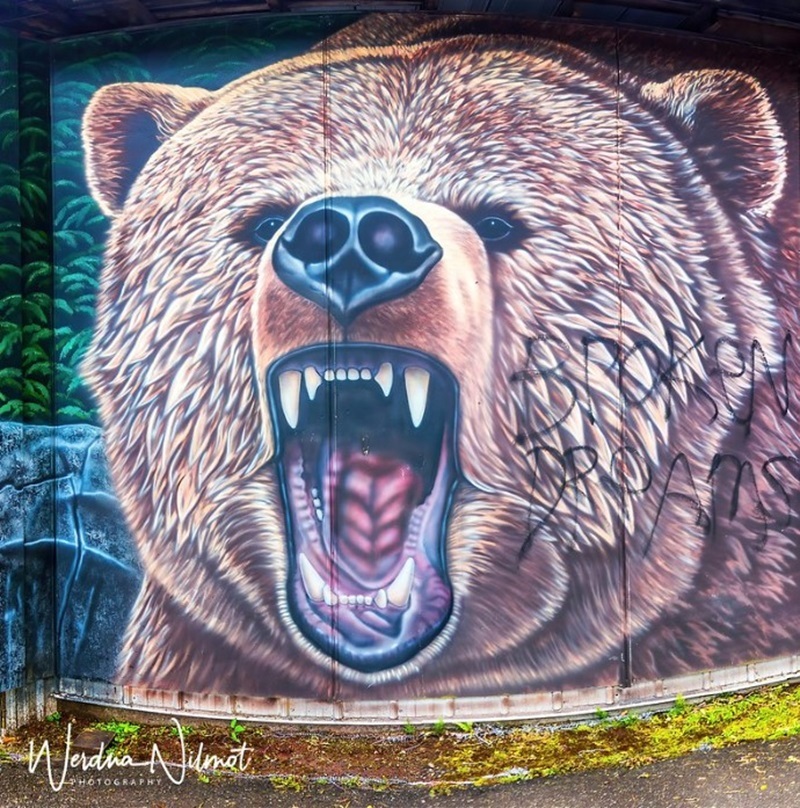
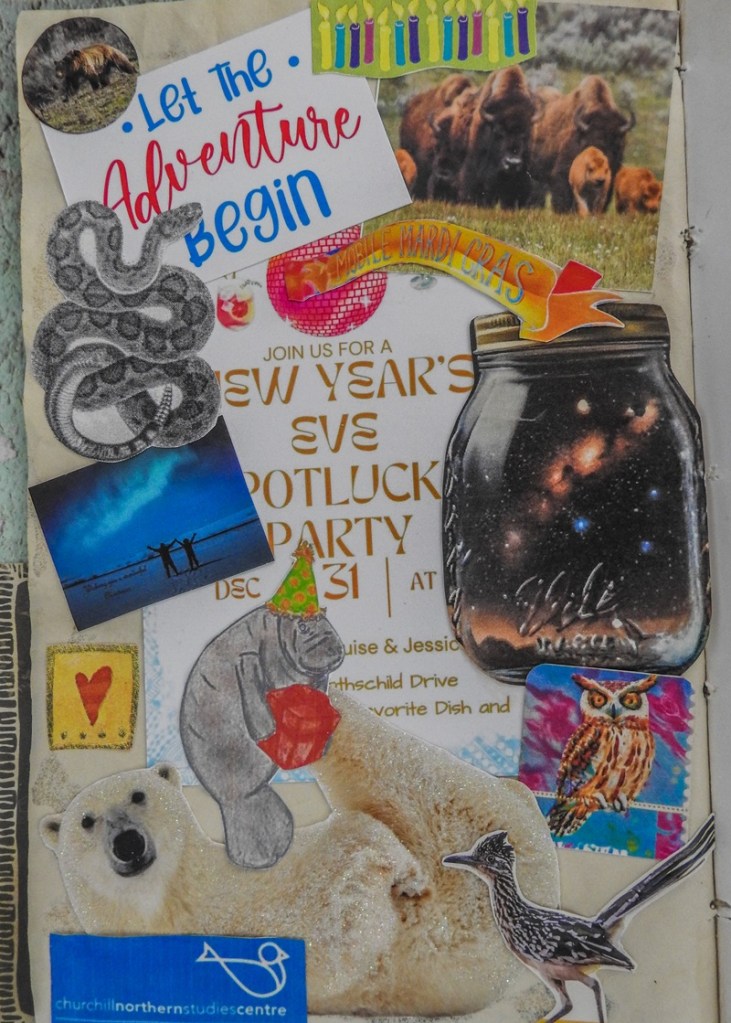

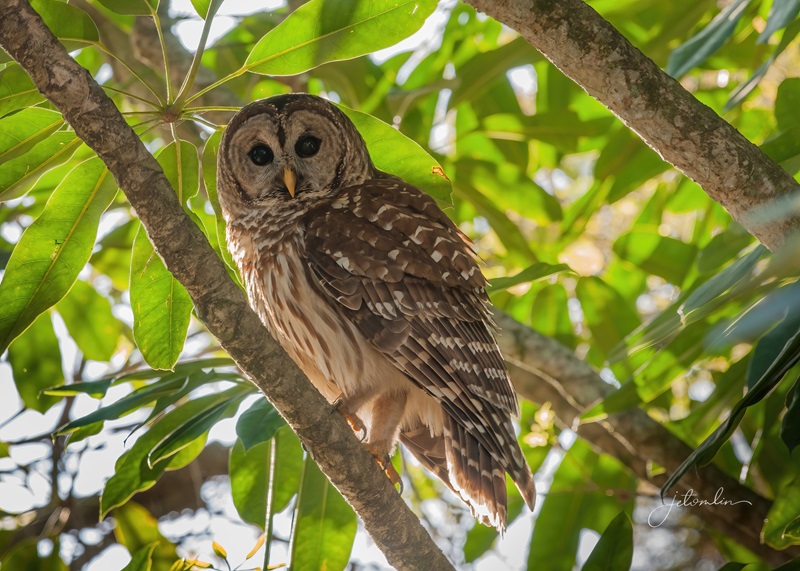
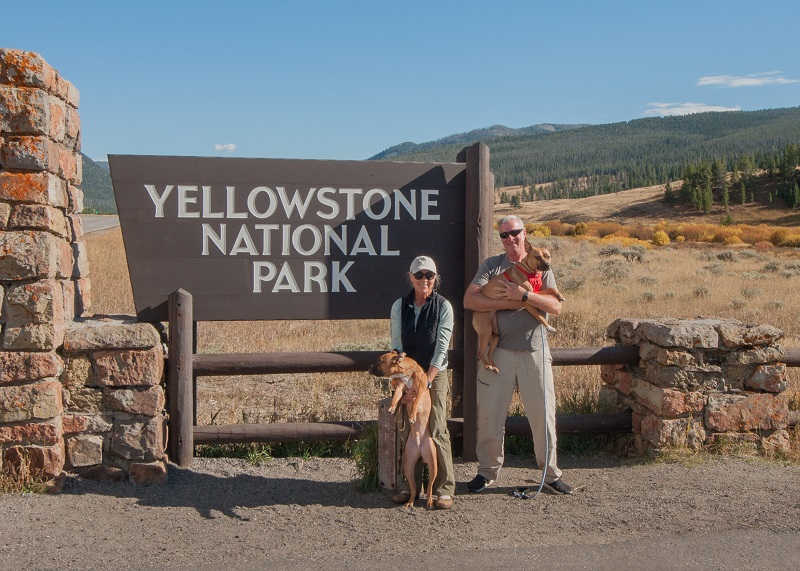

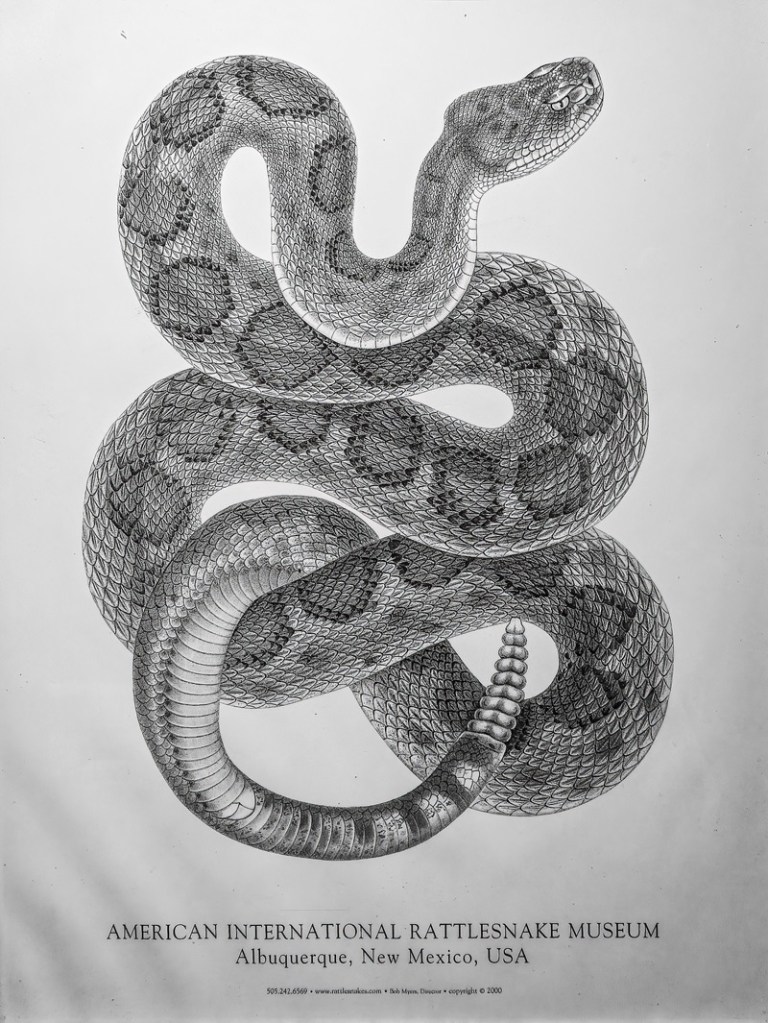

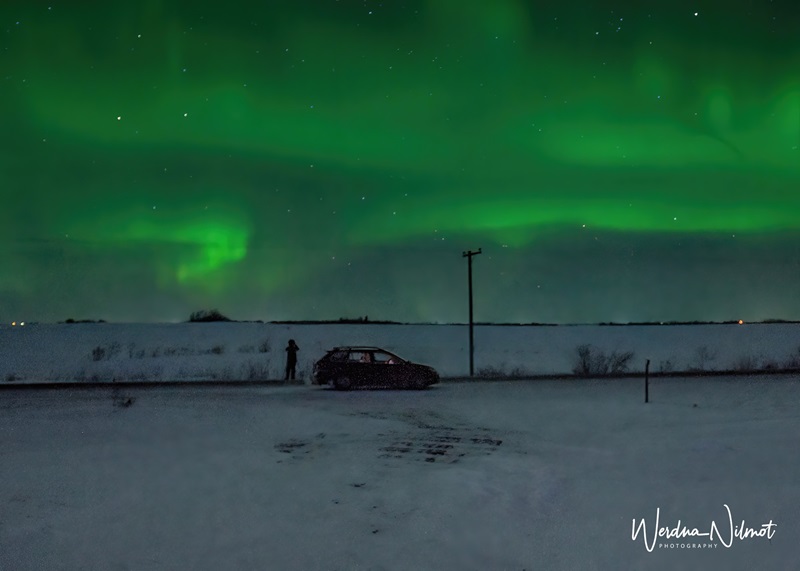


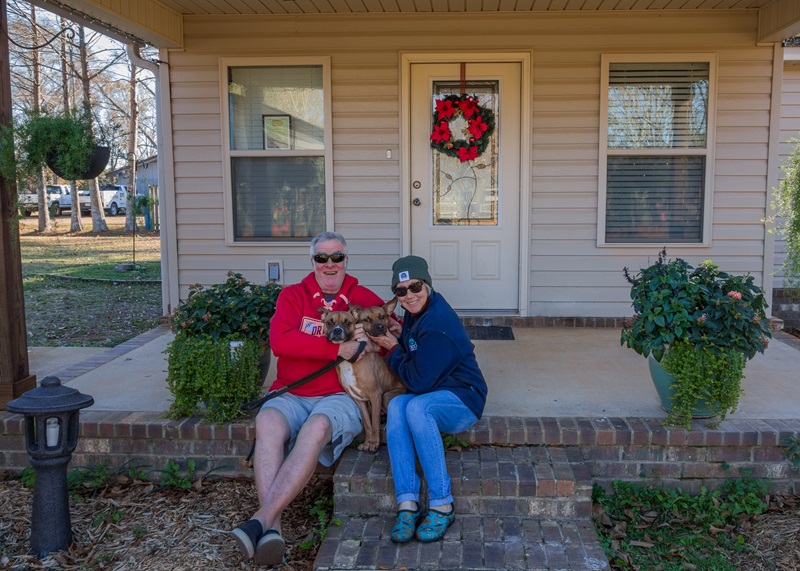

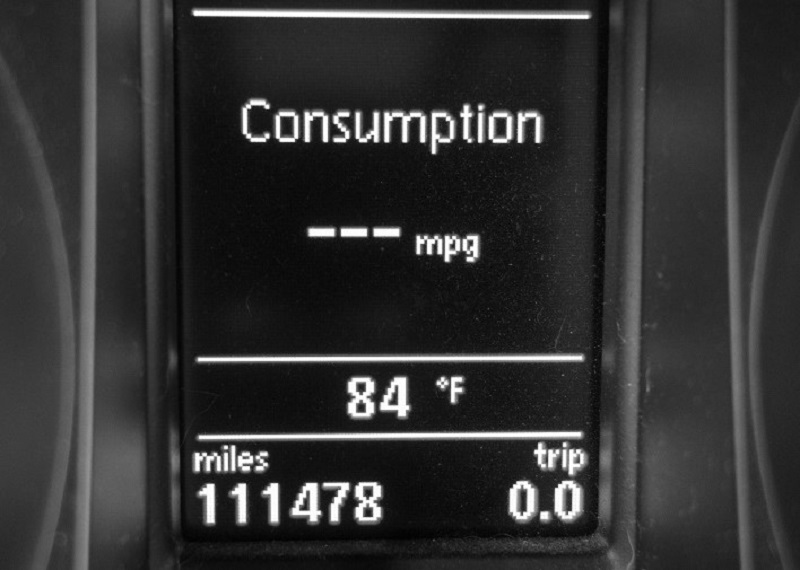
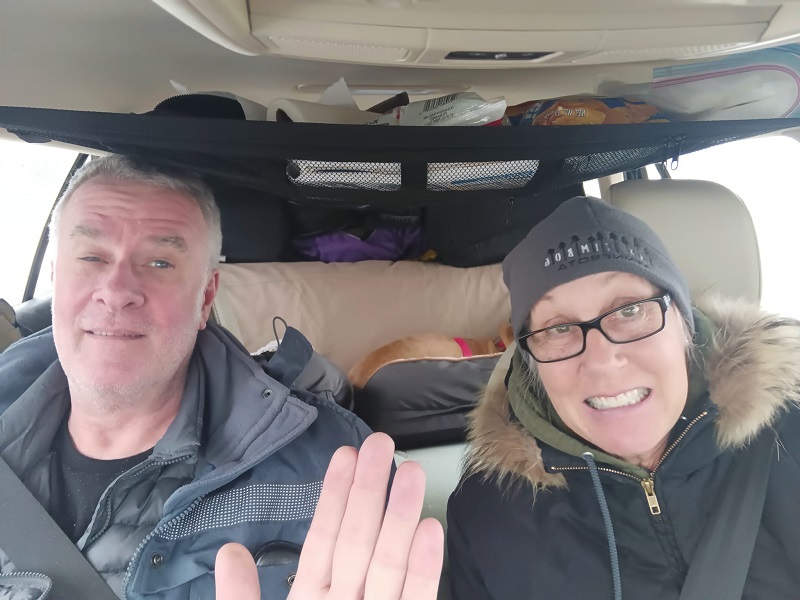


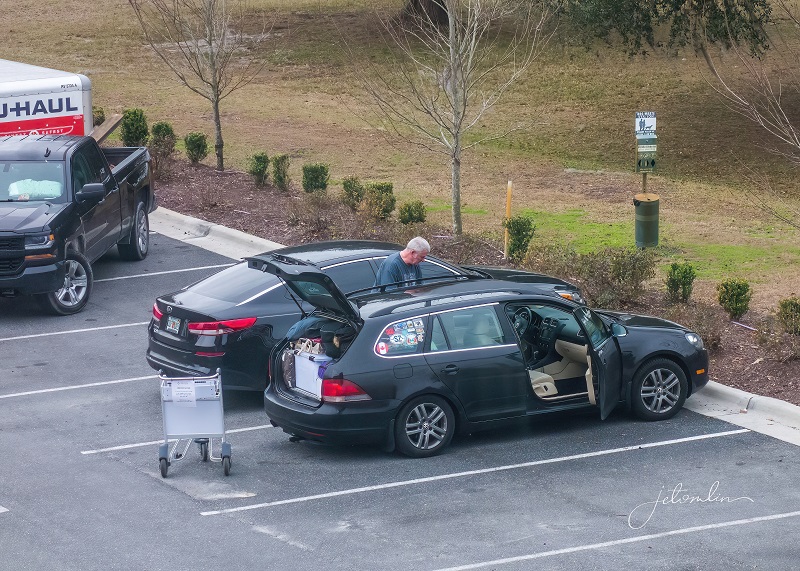

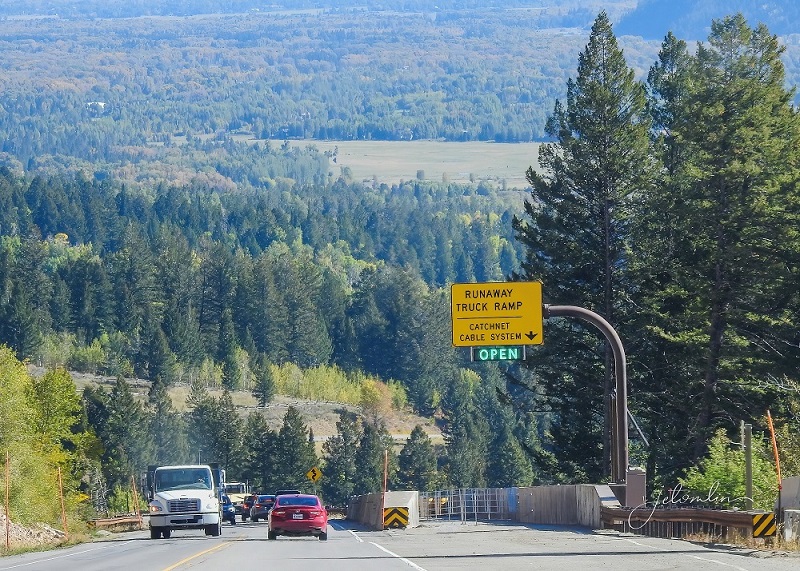
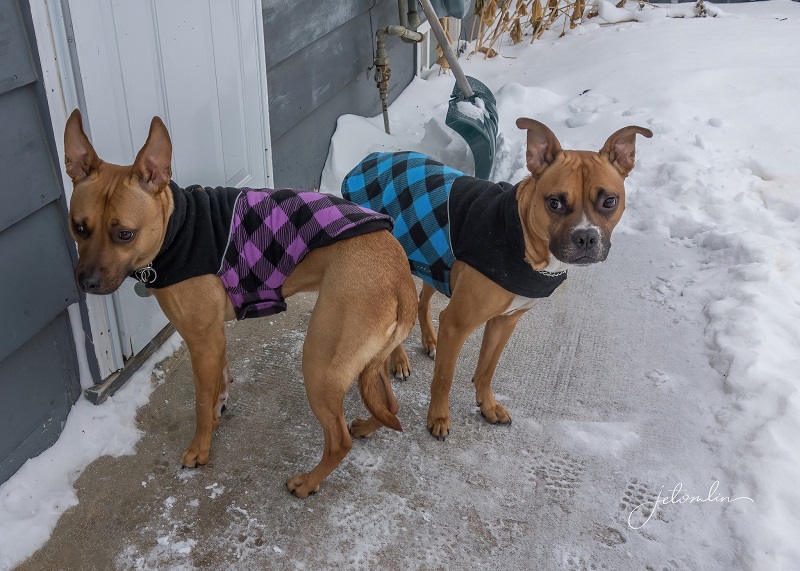
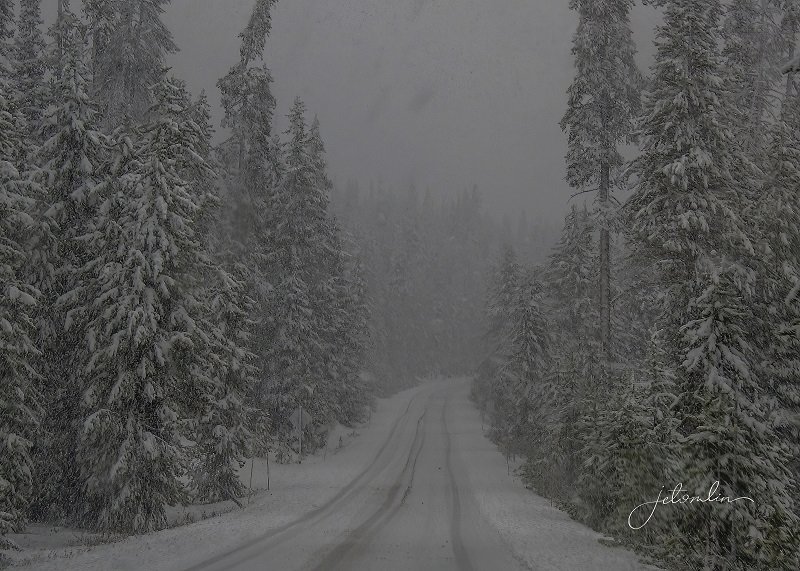
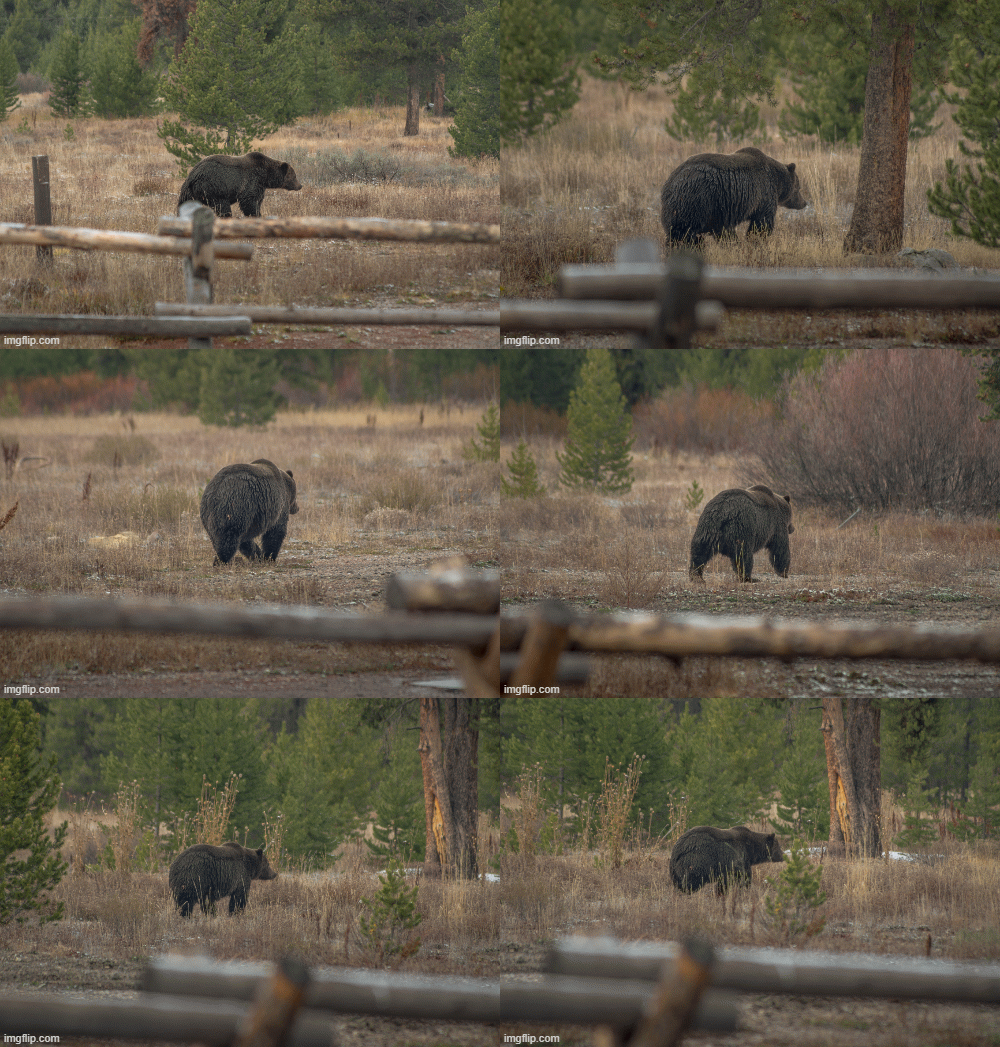
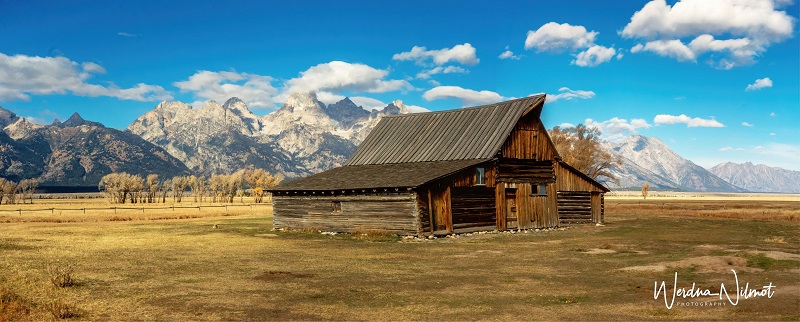
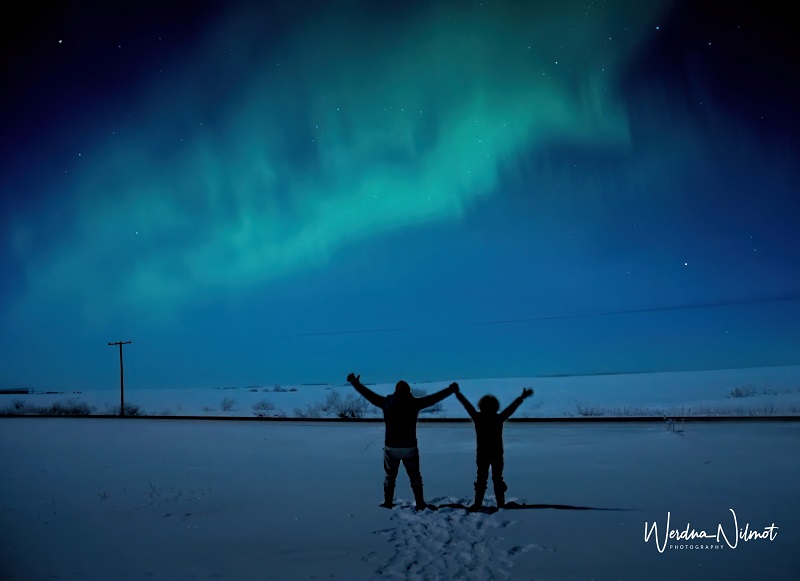


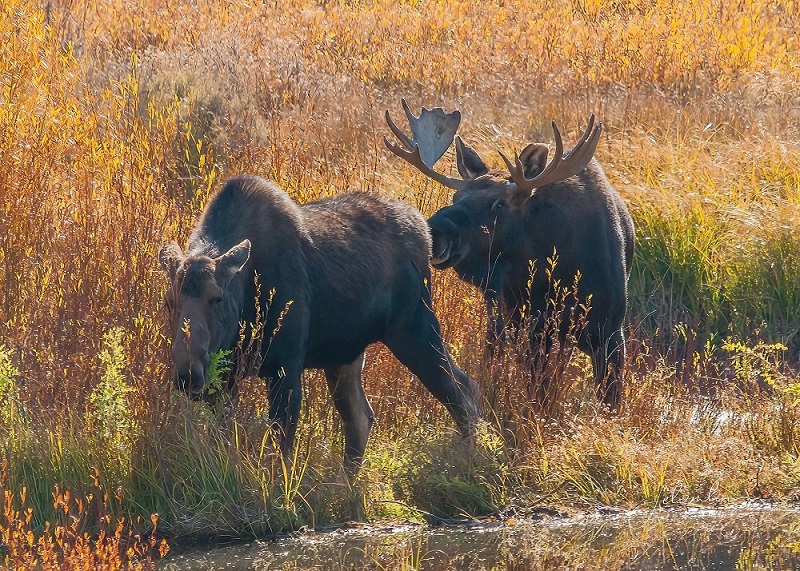
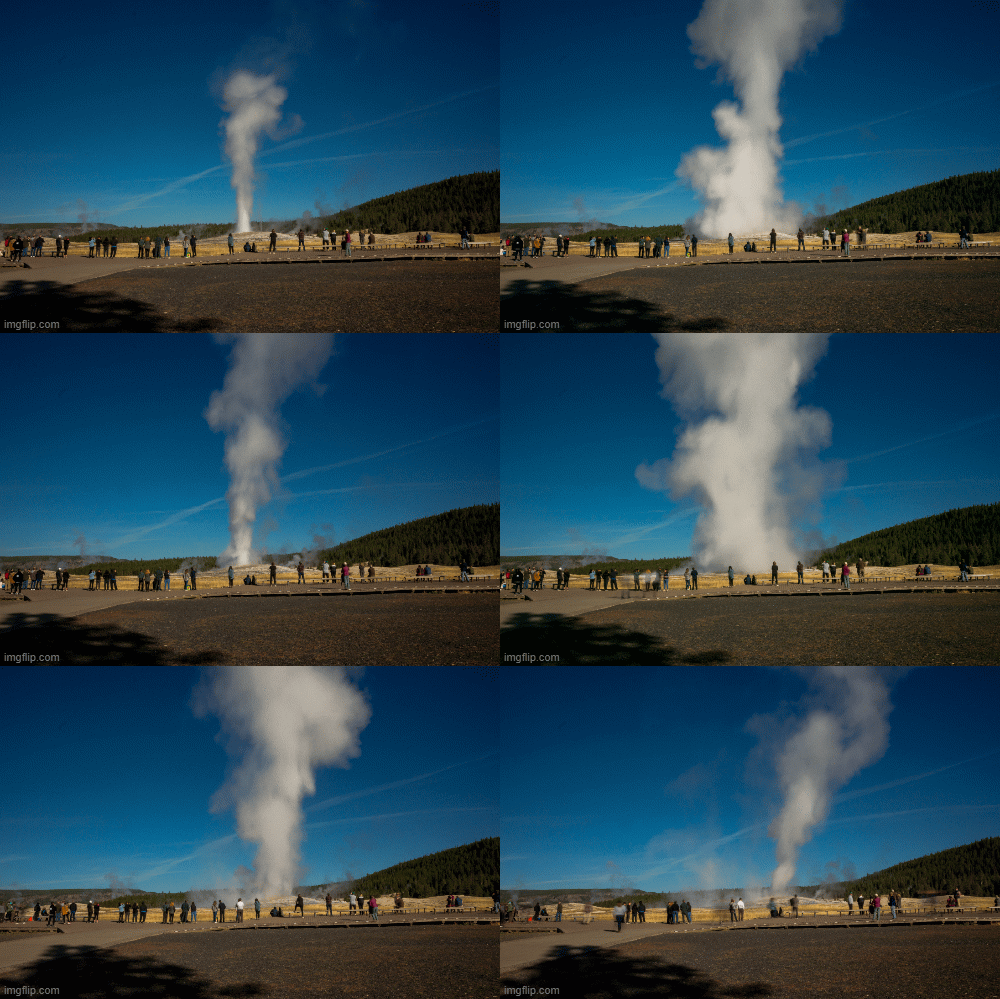
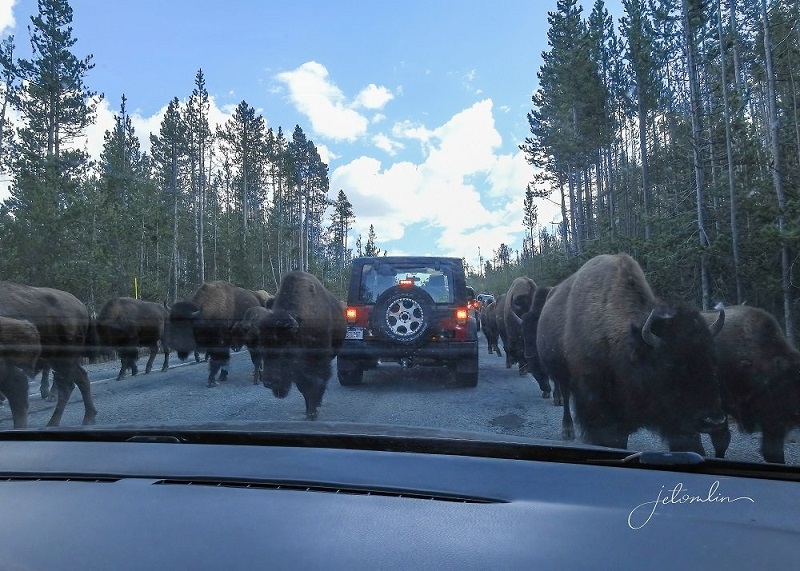
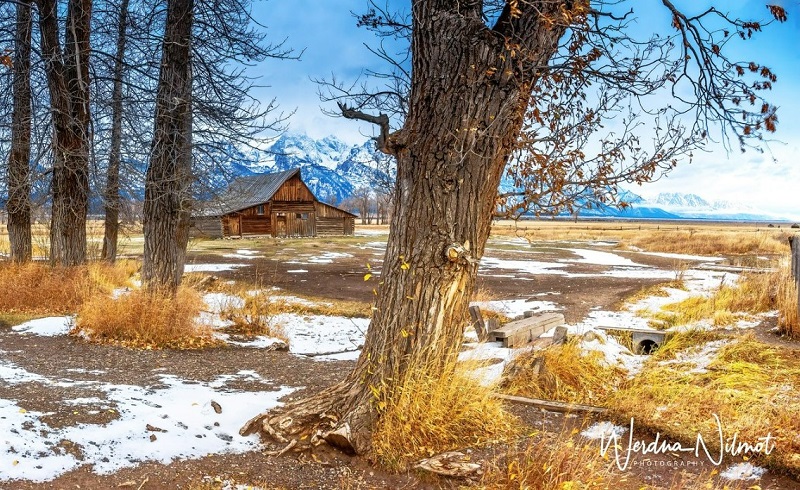
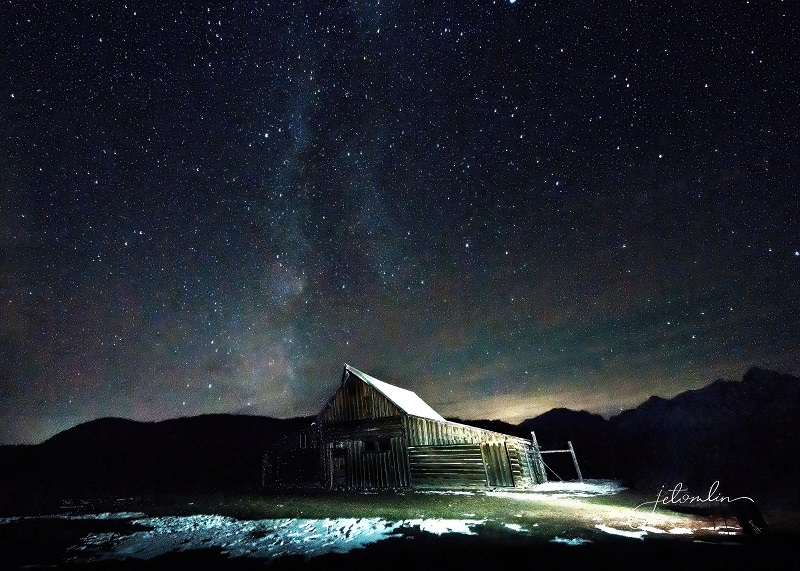
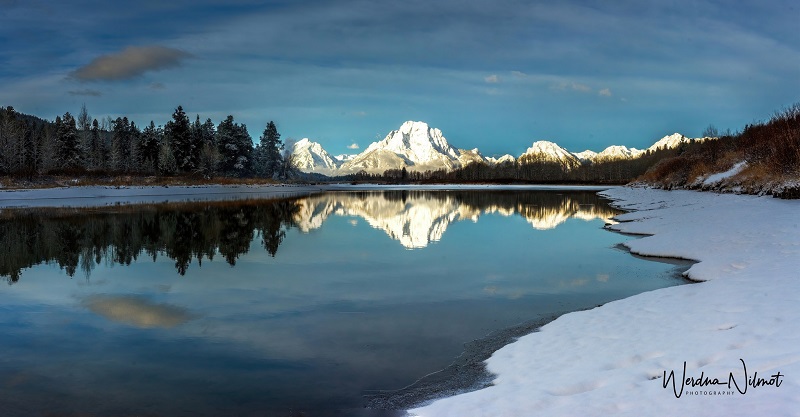
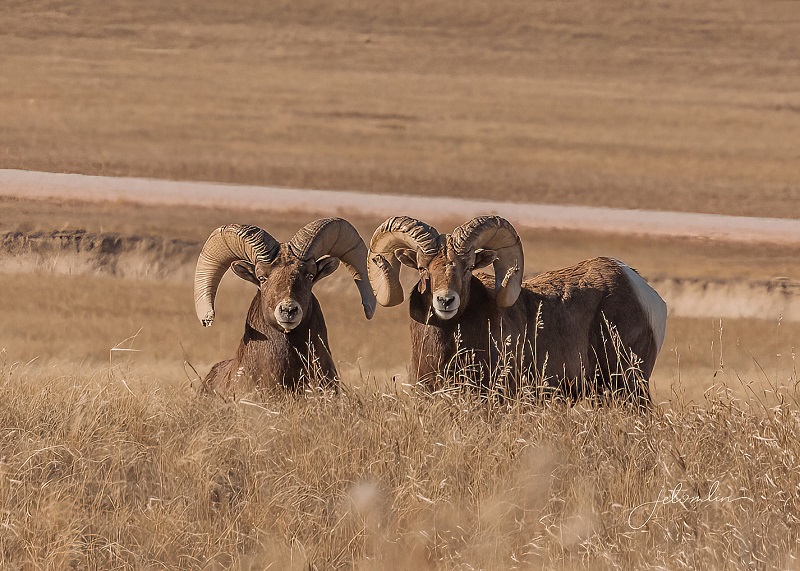
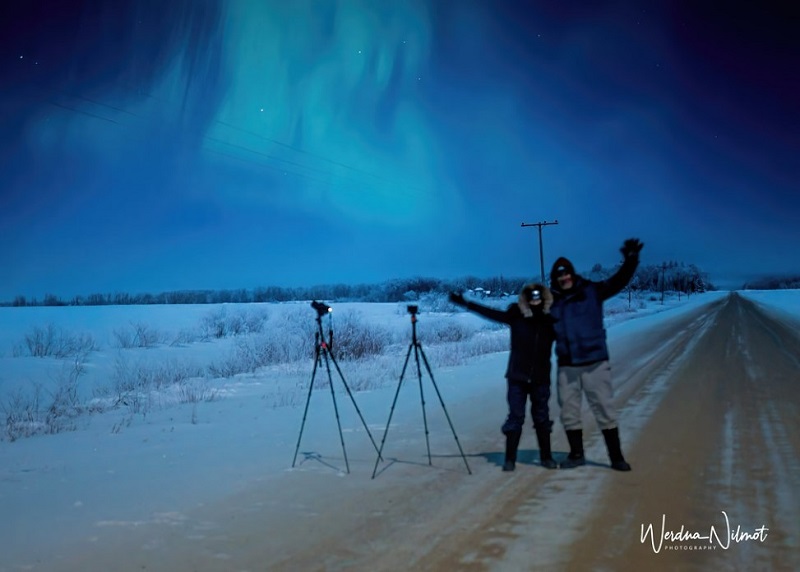
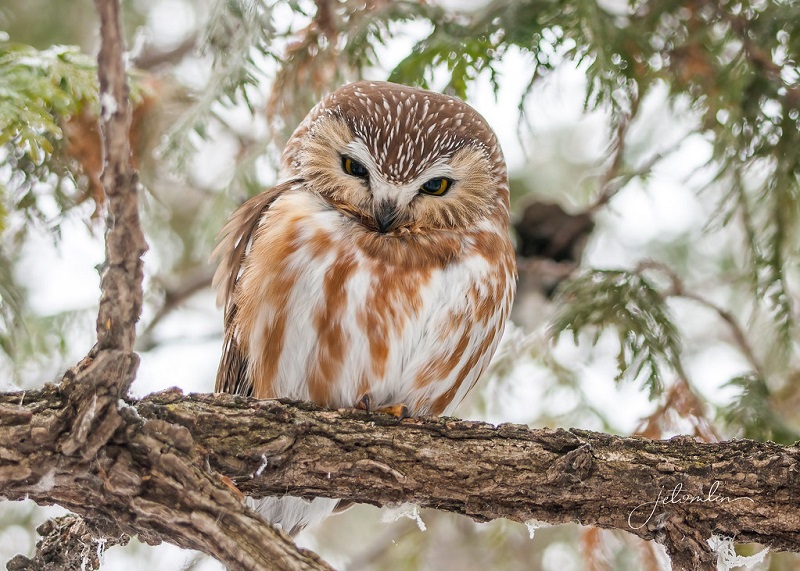
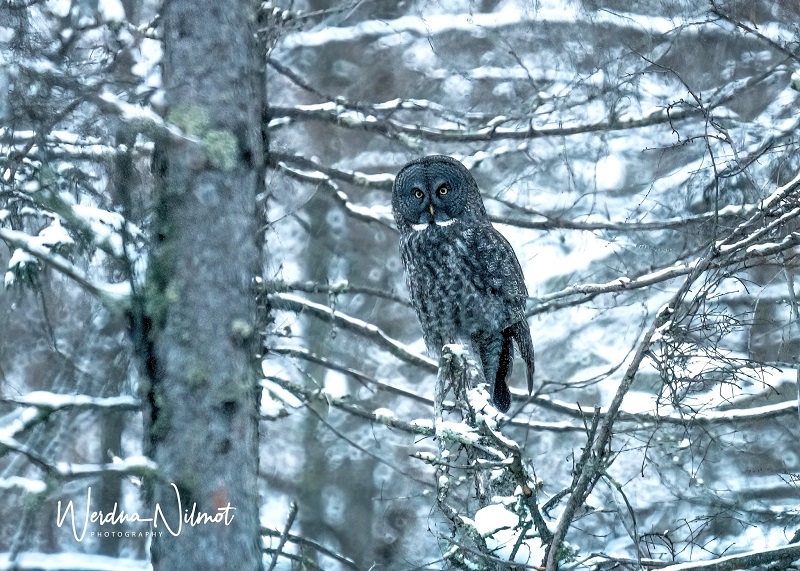
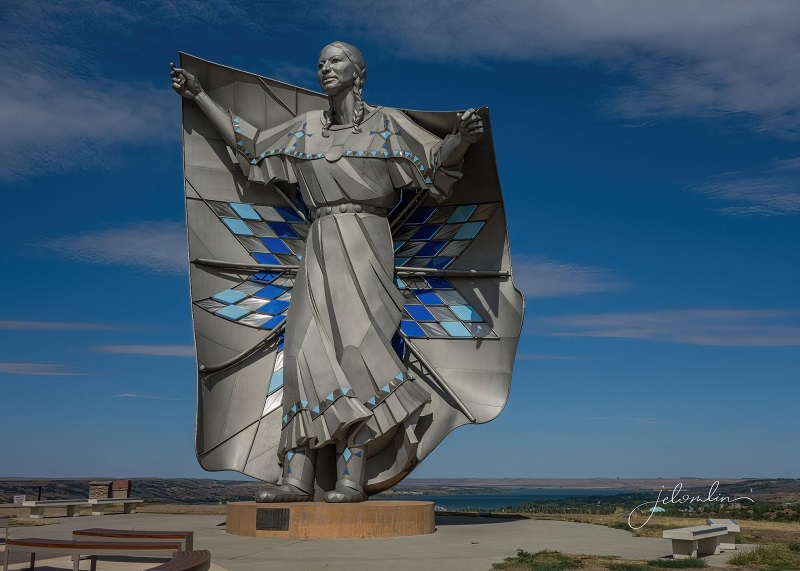
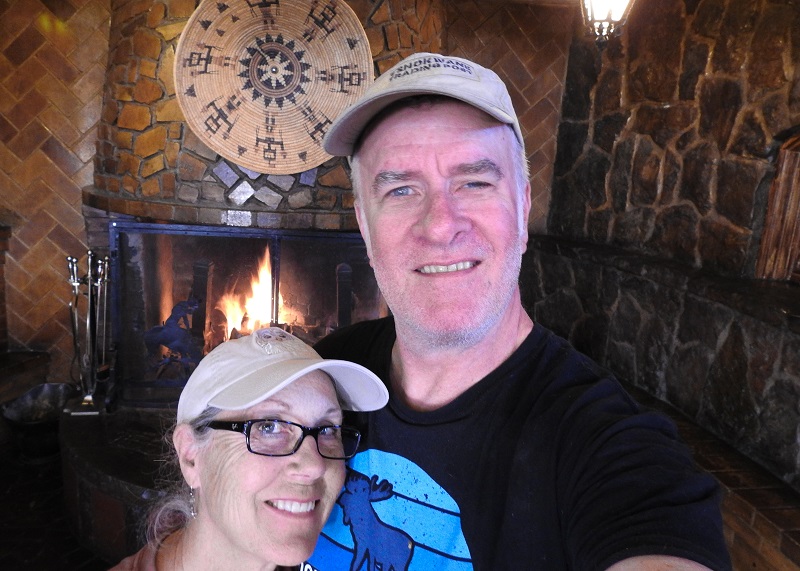
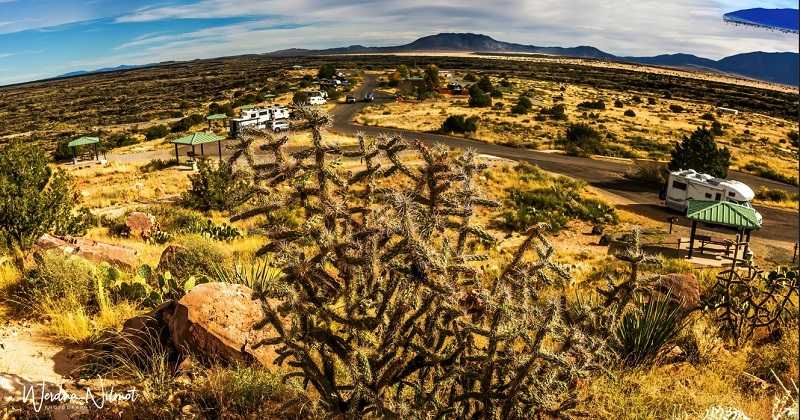
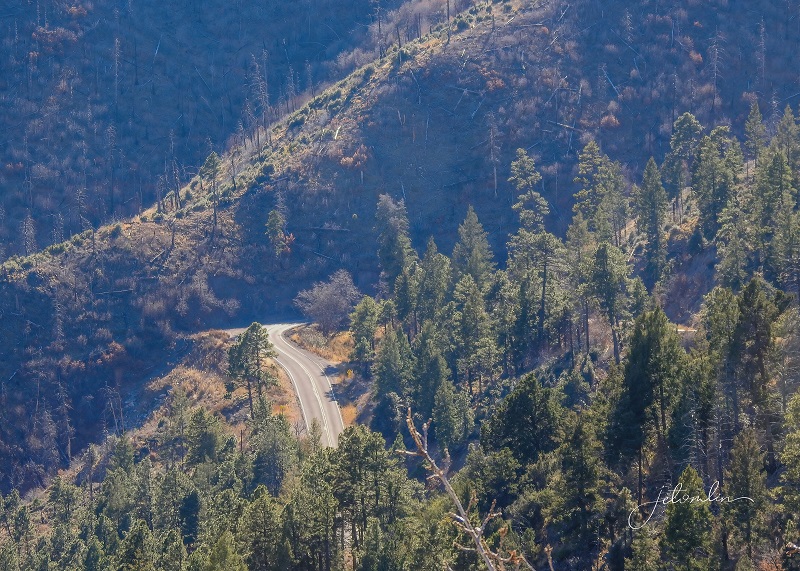
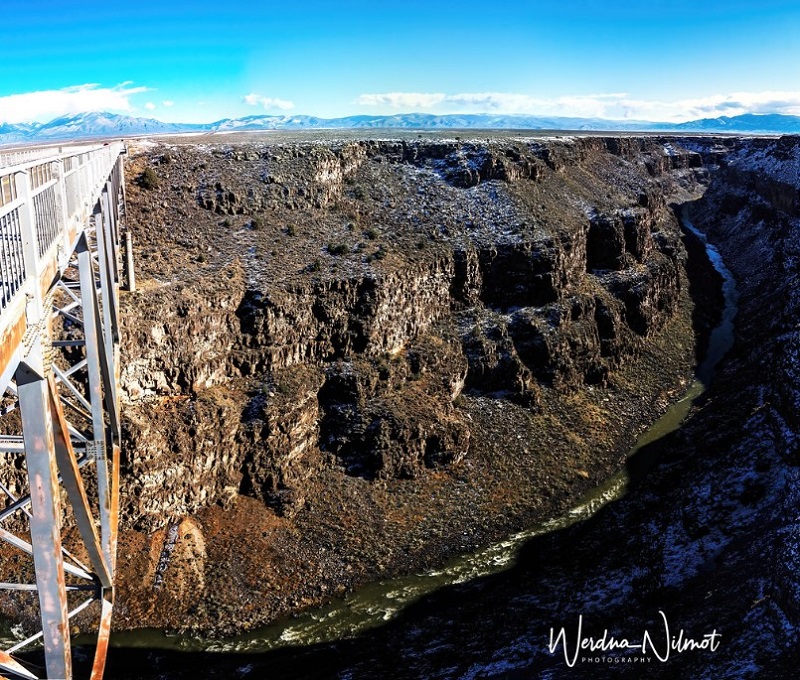
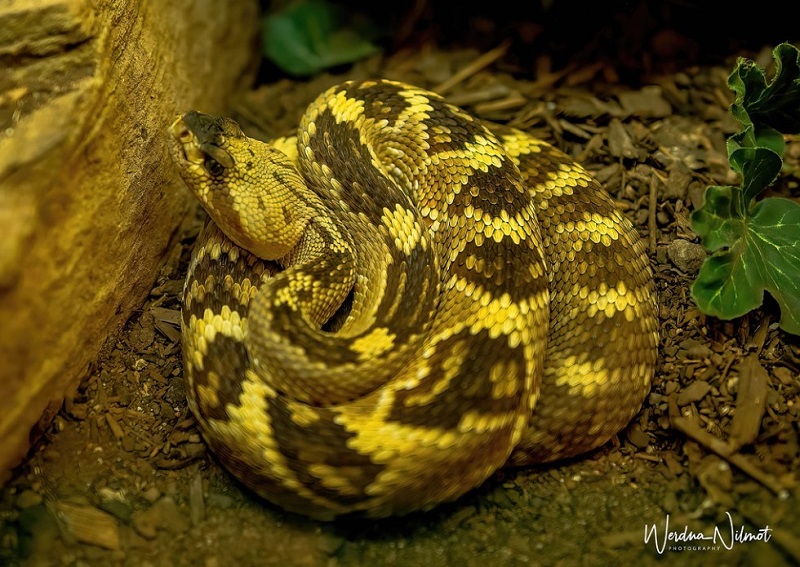

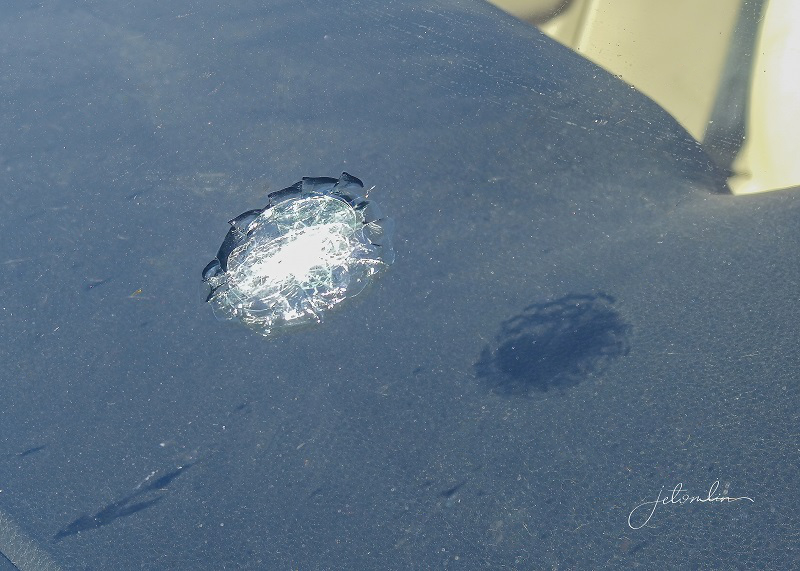
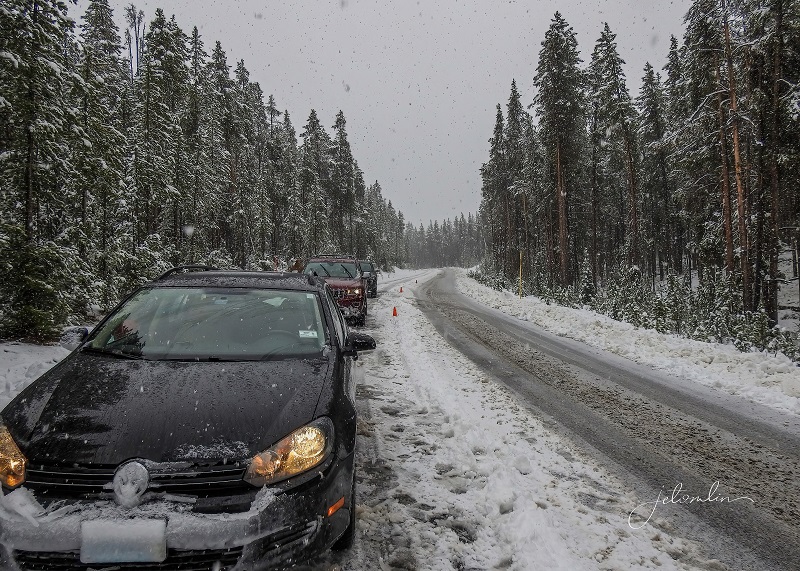
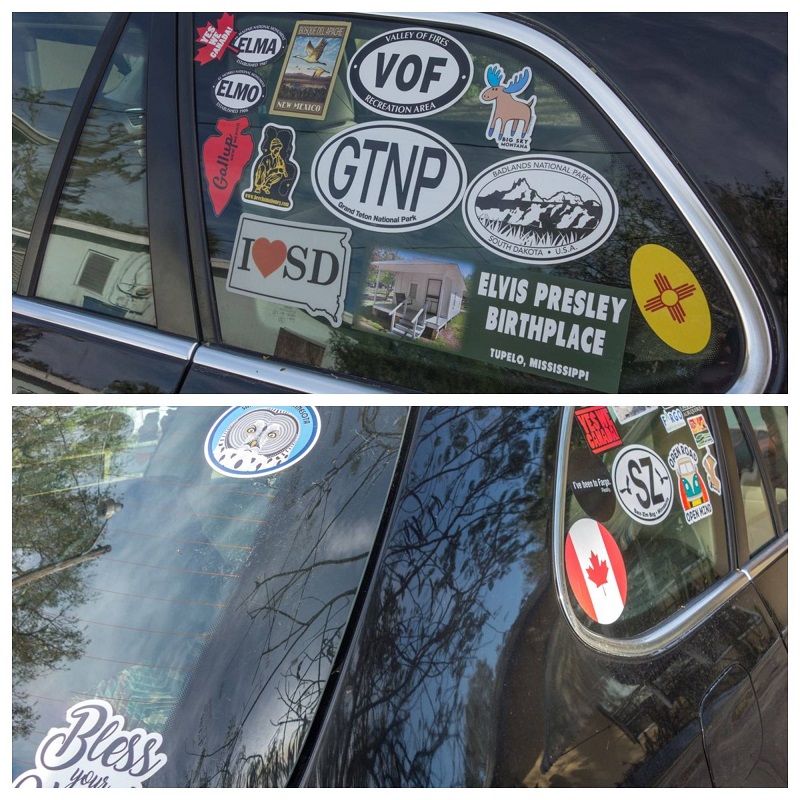
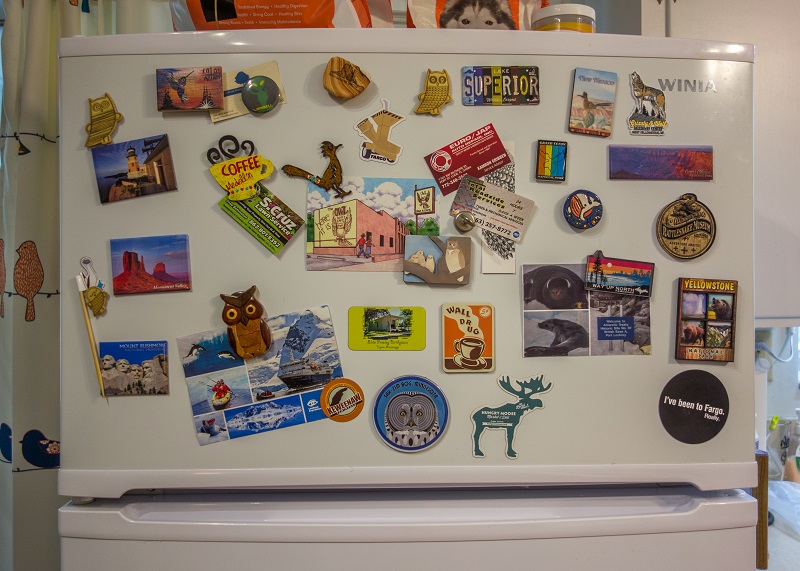
 On The Road with Tall Guy & JET