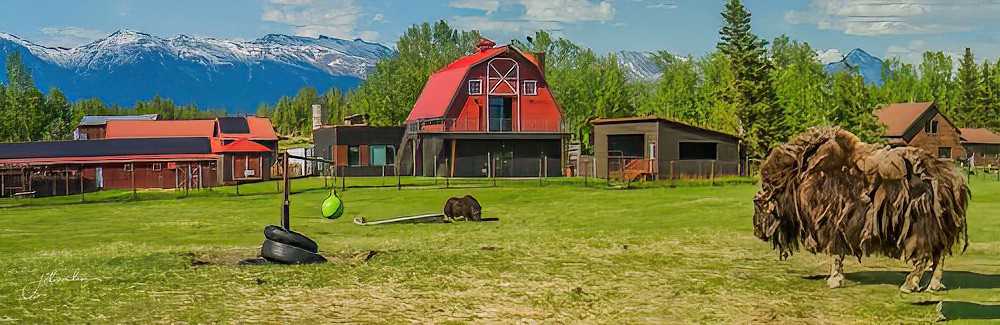
♪♪ Matty told Hatty / About a thing she saw / Had two big horns / And a wooly jaw / Wooly Bully / wooly bully ♪♪ (Sam the Sham and the Pharaohs, c1965)
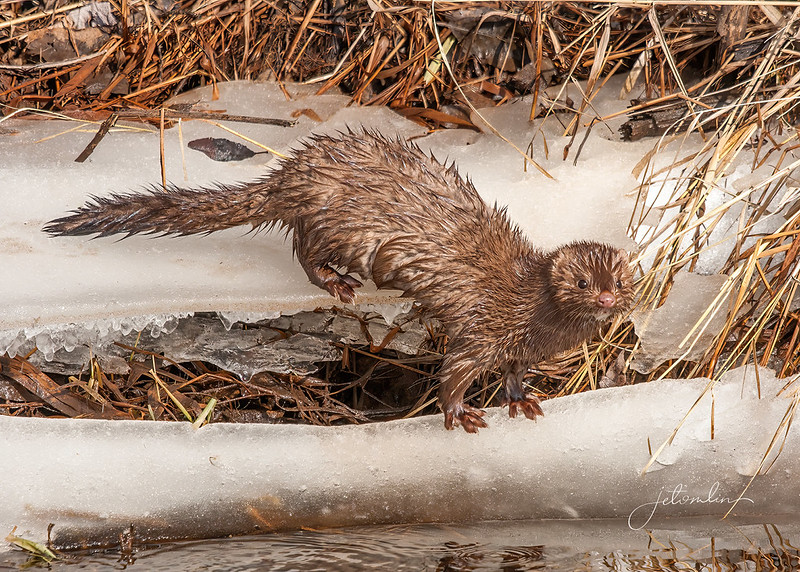
Every so often, I find myself smitten by an animal I least expected. The mink was one of those surprises. During a 2024 trip to Northern Minnesota, I caught a quick glimpse of a little cinnamon-colored tail slipping under the ice, and suddenly I was obsessed with photographing a mink. I spent hours waiting at the same spot and was finally rewarded with 45 minutes of her scampering along a frozen stream.
In November 2025, we traveled to Greenland to see the Northern Lights. Greenland is home to some unique animals, including musk oxen. They look like a cross between a woolly mammoth and a bison, and once again, I became obsessed with an animal I knew little about. Musk oxen are important in Greenland’s culture, symbolizing strength in the harsh Arctic climate.
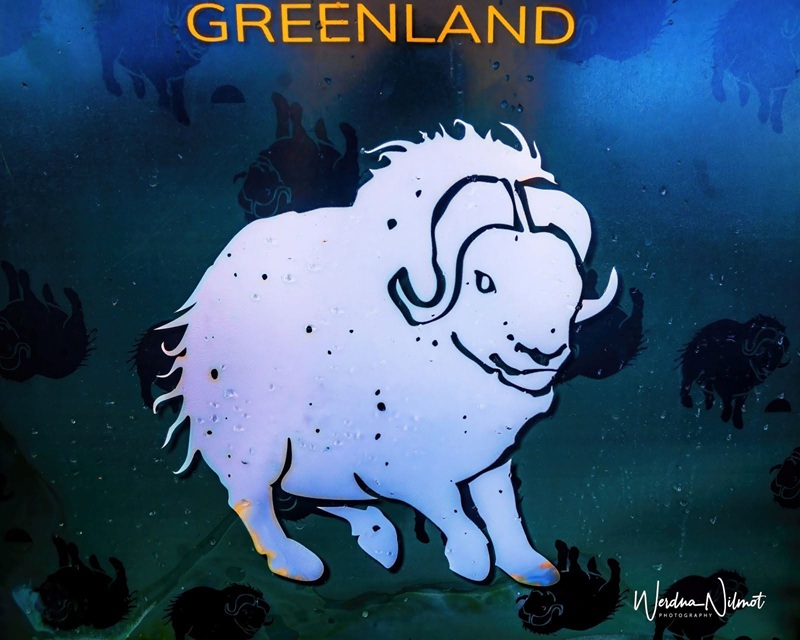
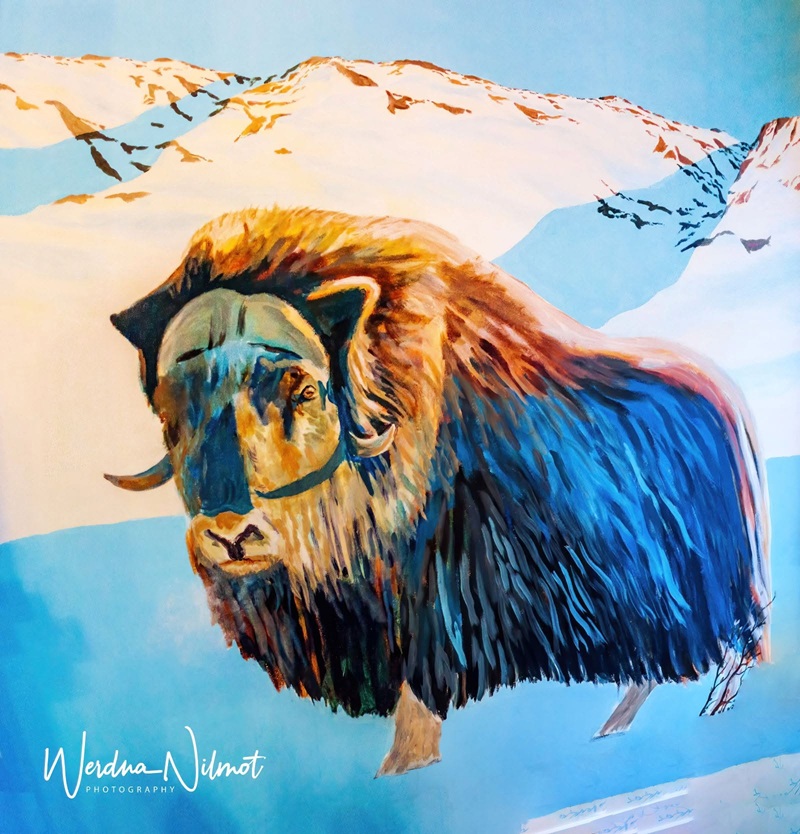
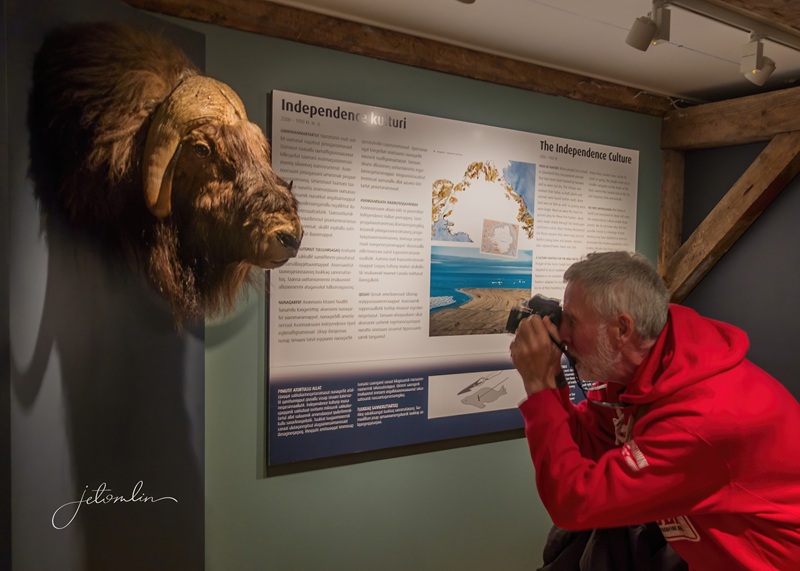
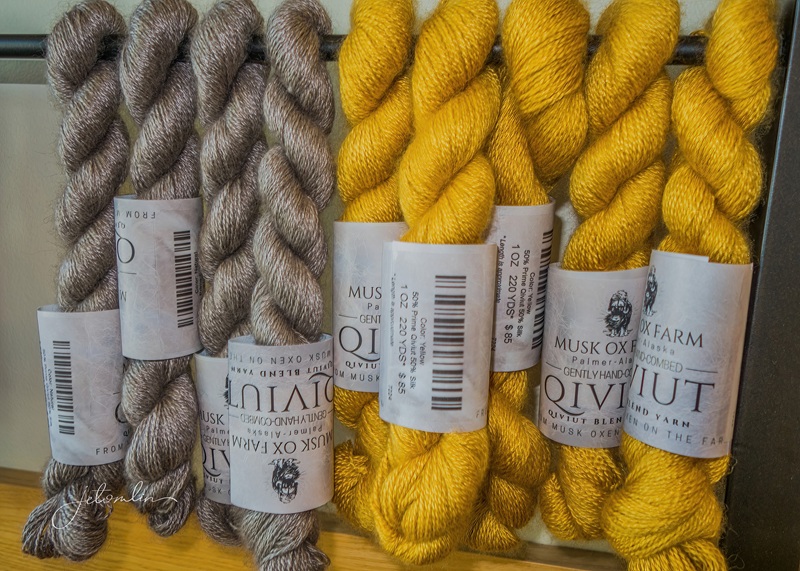
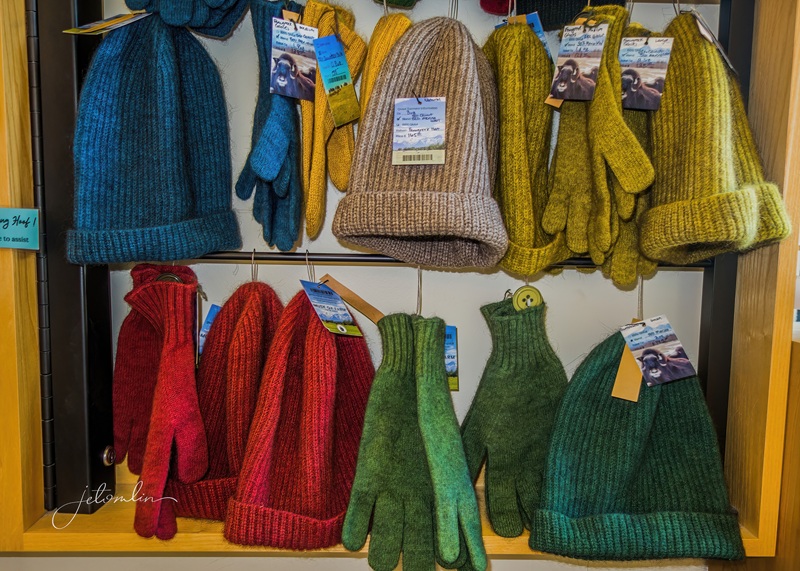
Their soft undercoat, called qiviut (kiv’-ee-yoot), is used to make clothing that is eight times warmer than lambswool.
After returning home, we considered going back to Greenland to see the musk ox near Kangerlussuaq. But getting there is complicated and expensive, more than we wanted to spend on such a targeted subject.
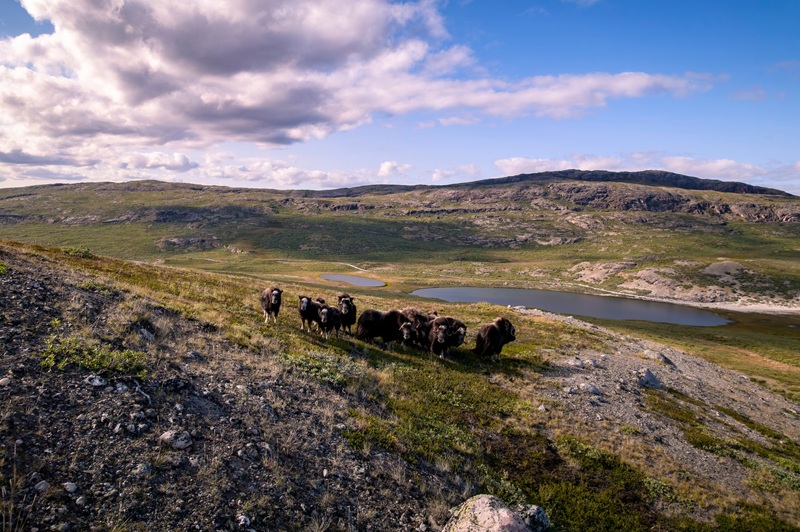
Looking for alternatives, we discovered that musk ox also live in Alaska. The Alaska Department of Fish & Game advises, “Look for dark spots on a hillside. Carry binoculars and scan ridgetops and high meadows in summer.” That didn’t sound like quite the photo opp I was hoping for!
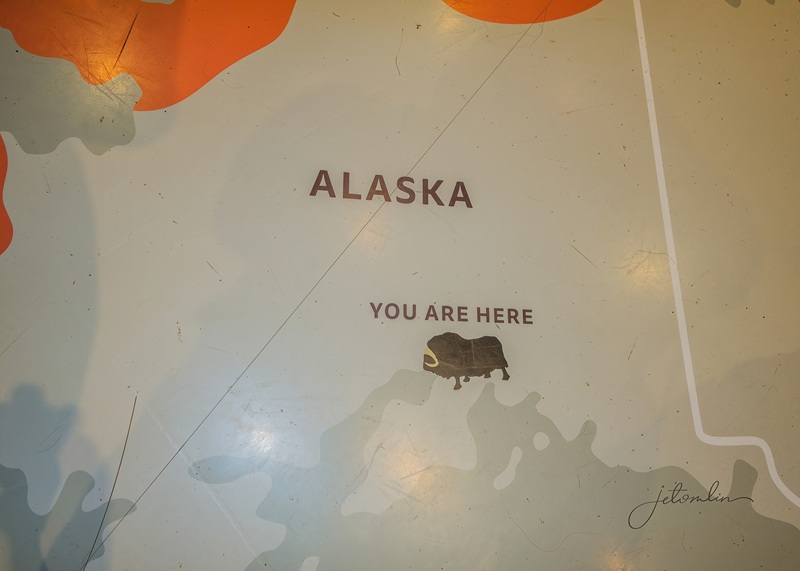
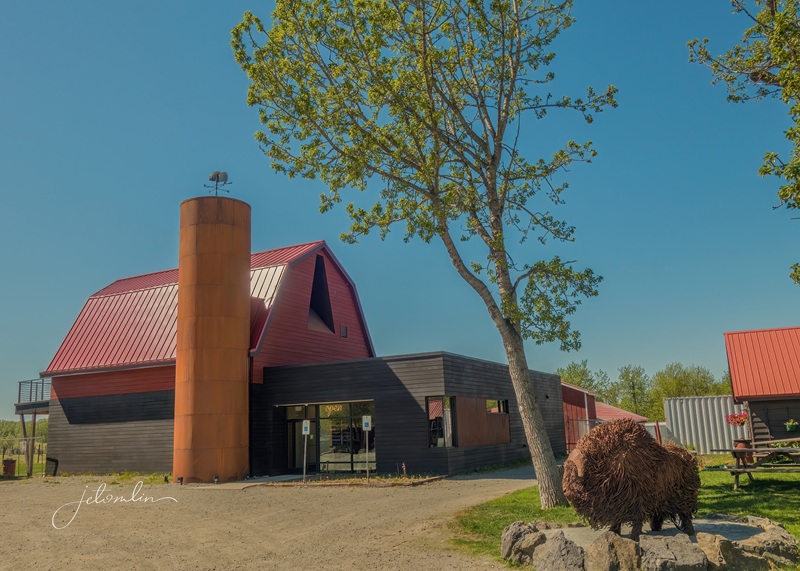
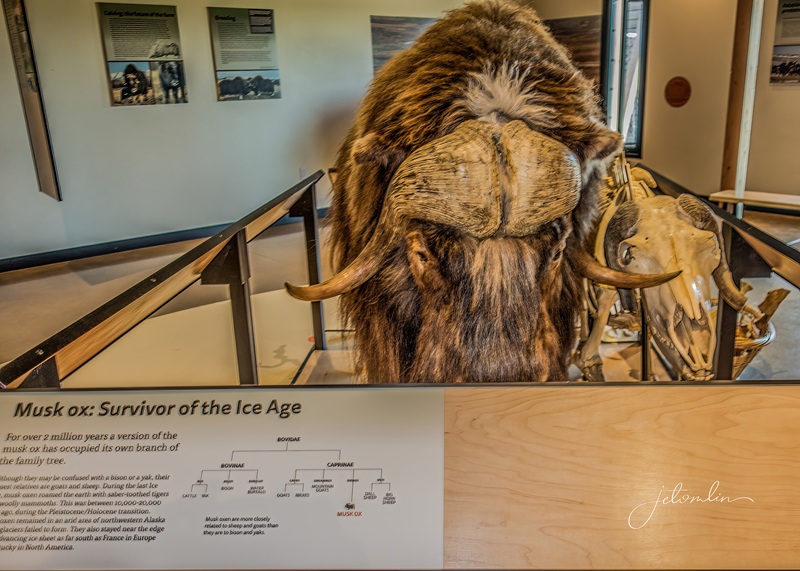
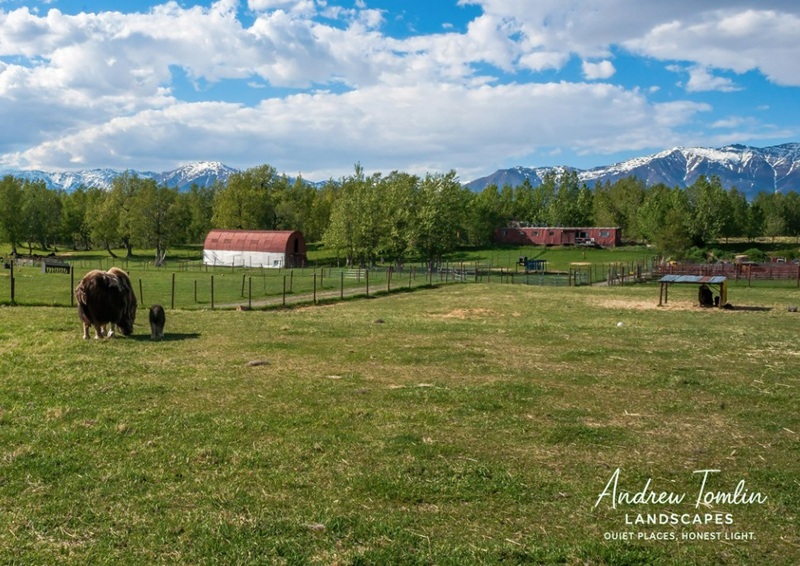
Our research led us to the non-profit Musk Ox Farm in Palmer. The farm focuses on caring for musk ox, responsibly harvesting their qiviut, and educating the public about these Ice Age animals. Visitors are welcome to come for close-up views and informative exhibits.
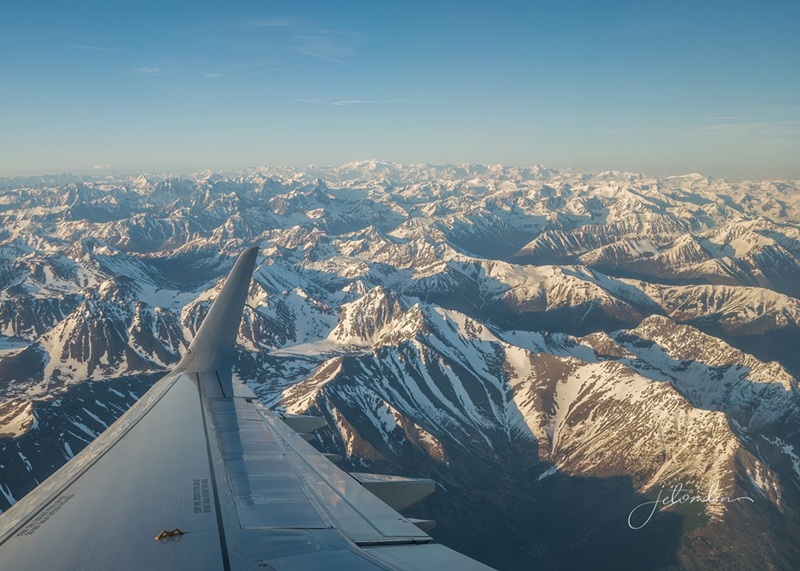
With our plans taking shape, we booked round-trip tickets from Pensacola to Anchorage and an Airbnb in Butte, just outside of Palmer.
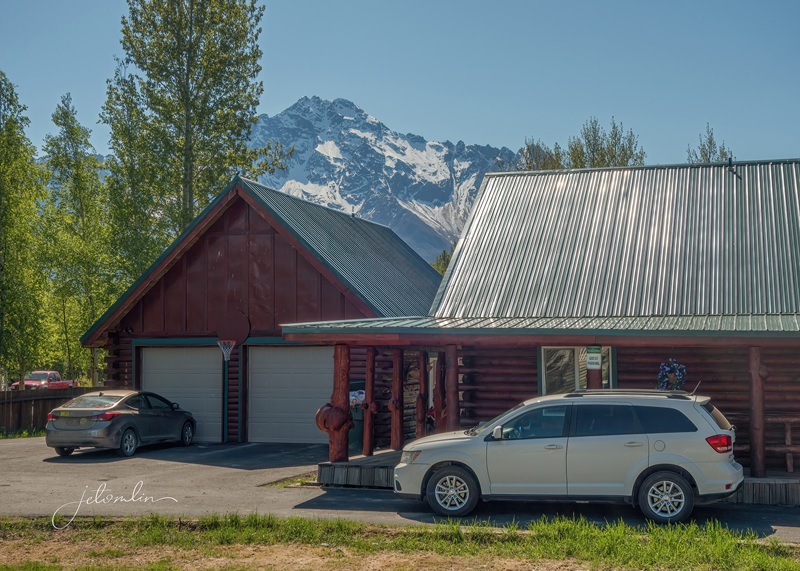
To make the most of our visit, we reserved several oxperiences at the Musk Ox Farm. The farm has a Facebook page, so I started following their “Book Club” updates, the theme for calves born this spring. Novel, Story, Saga, Fable, and Sonnet were all born between April 29 and May 24. I was oxcited to have the chance to photograph these babies along with the adults!
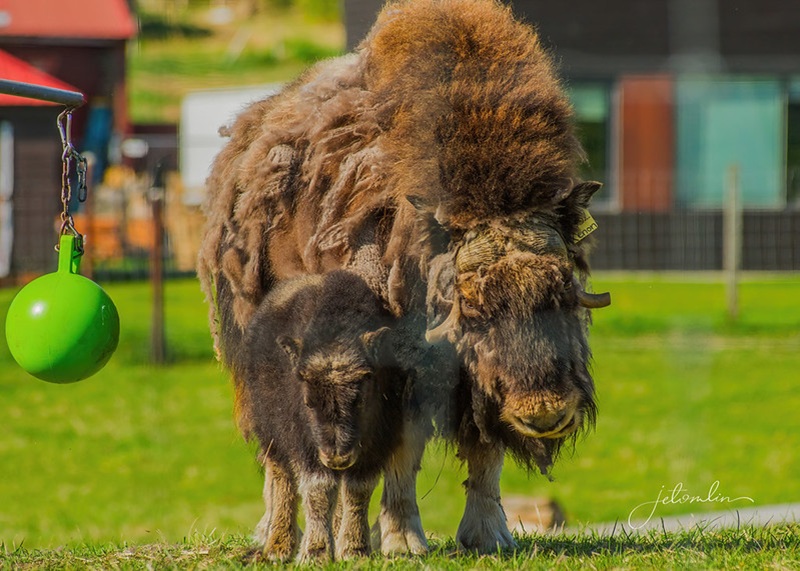
Our visits to the farm met my every oxpectation. The weather was perfect with blue skies and bright sunshine.
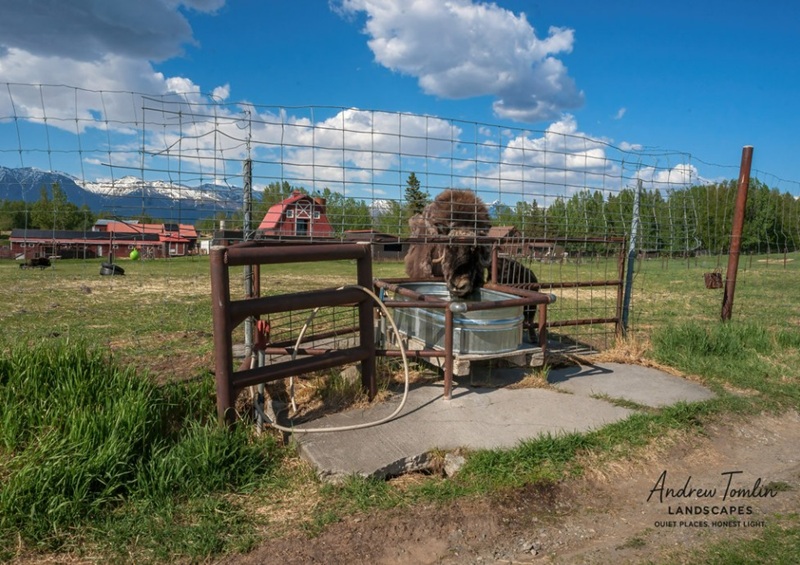
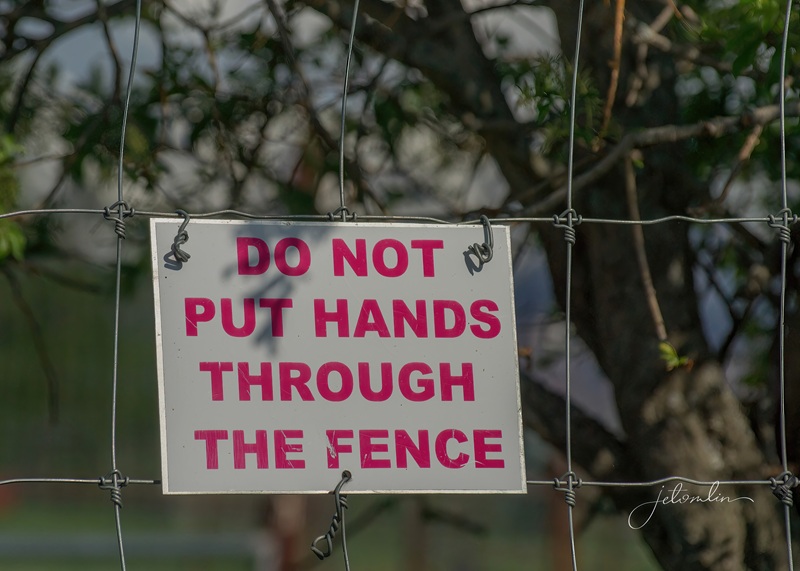
Before each tour, we were given a set of protocols, starting with stepping through a disinfectant footbath. Not much is known about diseases in musk ox, but since they are part of the Bovidae family, they are susceptible to the same ailments as cattle, sheep, and goats. We were instructed to keep our hands away from the fence and stay with the group. These animals are accustomed to humans, but they are wild and can be dangerous!
Our oxcellent guides provided interesting information about the farm and musk ox in general.
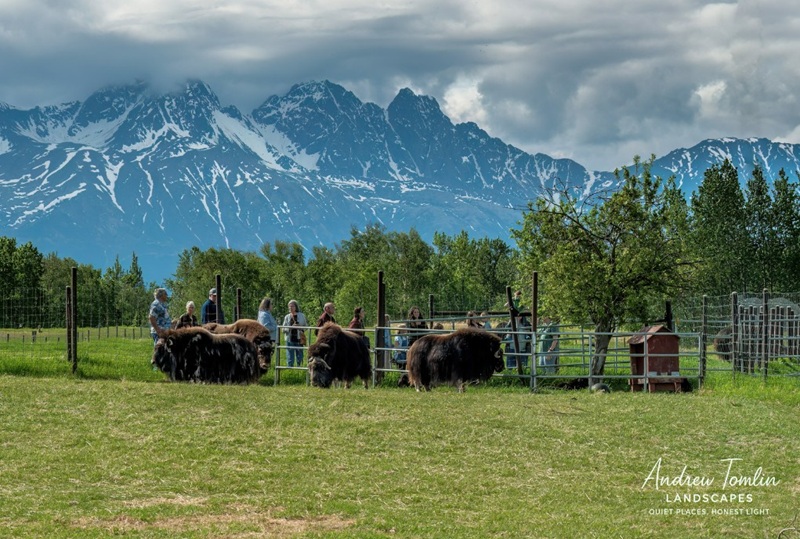
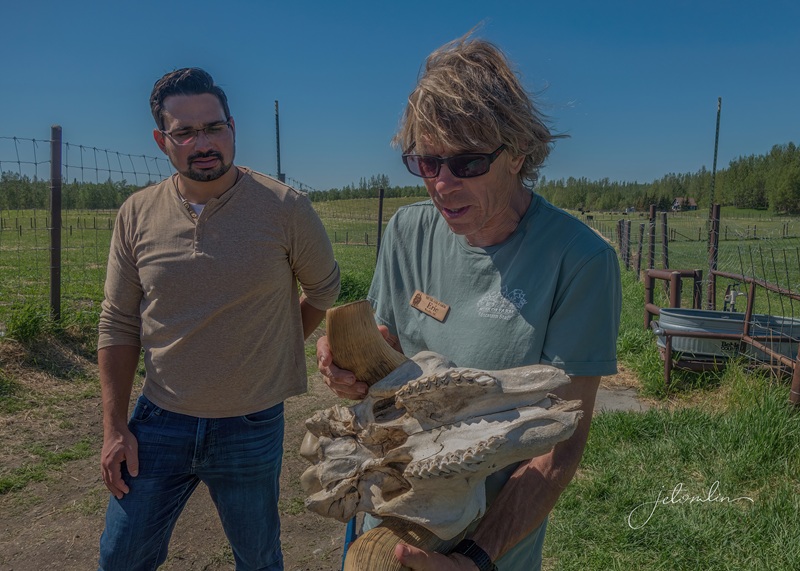
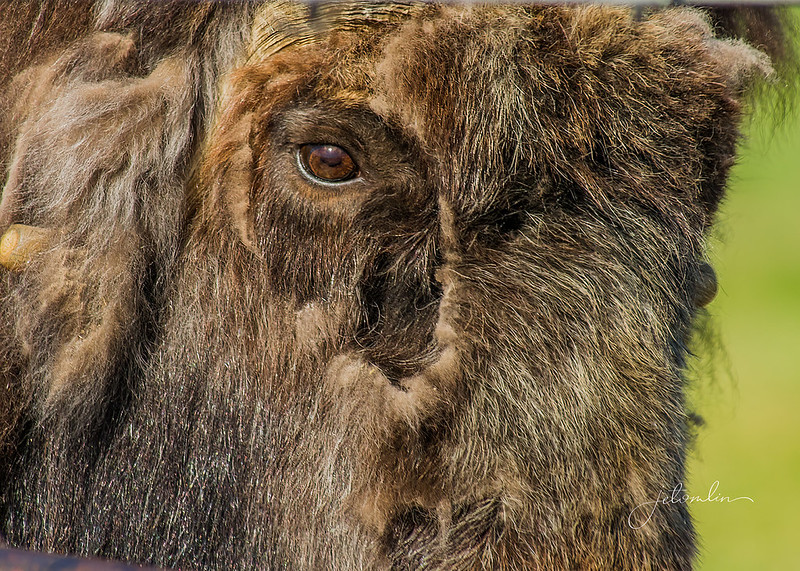
Over millions of years, these animals have adapted to thrive in freezing arctic winters. Their shaggy outer layer of “guard hair” sheds water away from their skin, while the incredibly soft, dense qiviut traps air and provides oxcellent insulation against oxtreme cold.
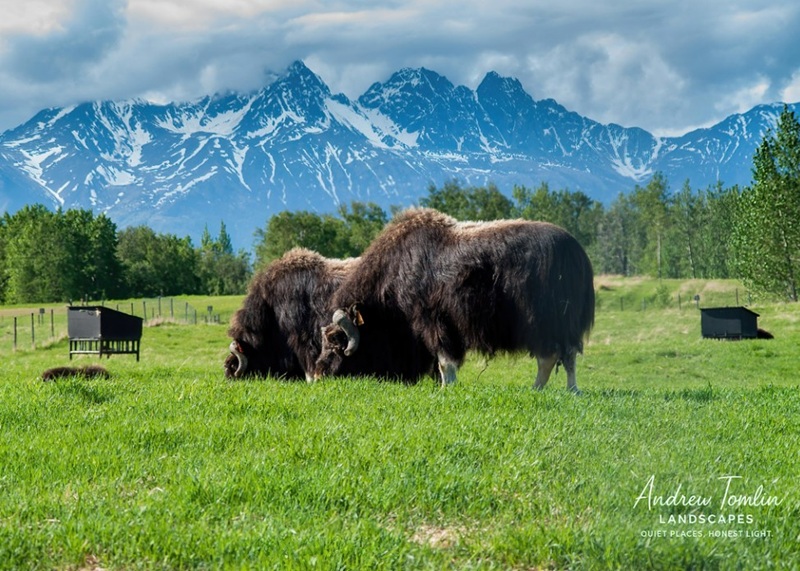
The blond “saddle” across their backs helps to camouflage them in the tundra and might also reflect sunlight, keeping them cooler in warm weather. And their horizontal pupils are adapted to protect their eyes from intense Arctic glare.
Beginning in the spring, the farm combs the qiviut of each musk ox by guiding them into stanchions in the barn. These combing sessions vary depending on the individual’s tolerance level. Some treat it like a day-long spa visit, while others might last five minutes — if the comber is lucky!
In the end, all but the nursing moms and calves get combed, and the qiviut collected from each can weigh anywhere from two to nine pounds.
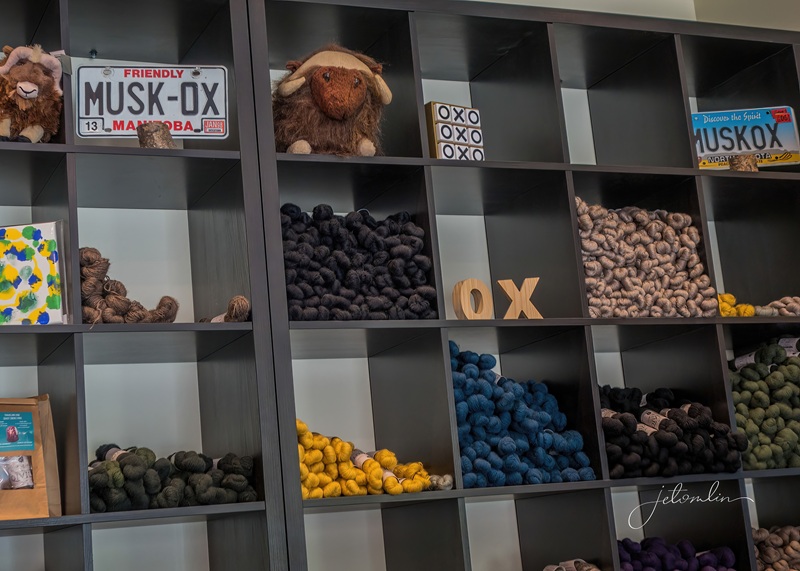
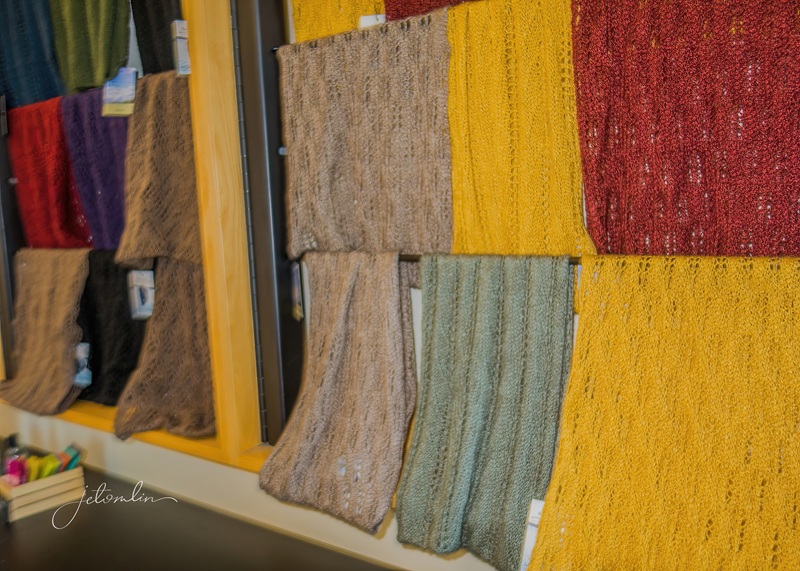
The collected qiviut is shipped to a mill in Peru, where it is spun into yarn, turned into scarves, gloves, and hats, and then returned to Palmer to sell at the farm’s gift shop.
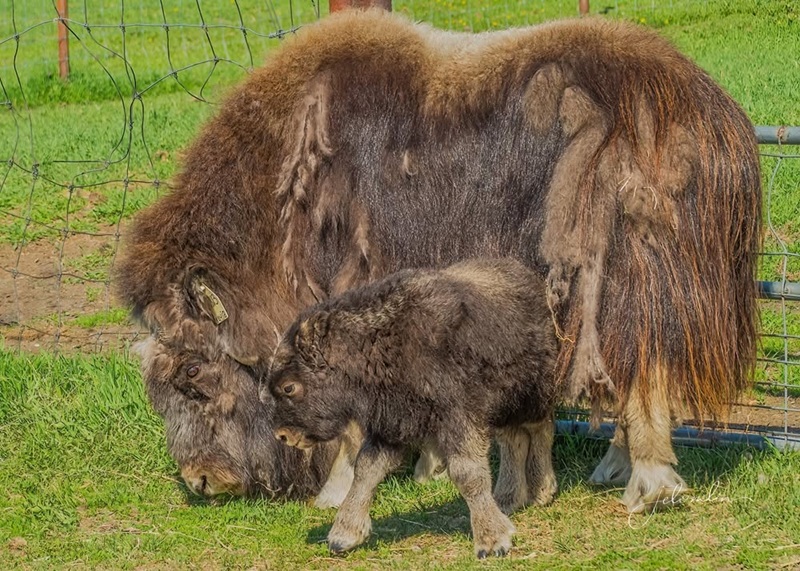
Pregnancies last 8 months, and females give birth to a single calf in the spring. This gives the calves a chance to grow strong and ready for the harsh winter ahead. Twins are possible, but oxtremely rare. Jessica told us she had heard of only one set of twins, born over 20 years ago at the Large Animal Research Station in Fairbanks.
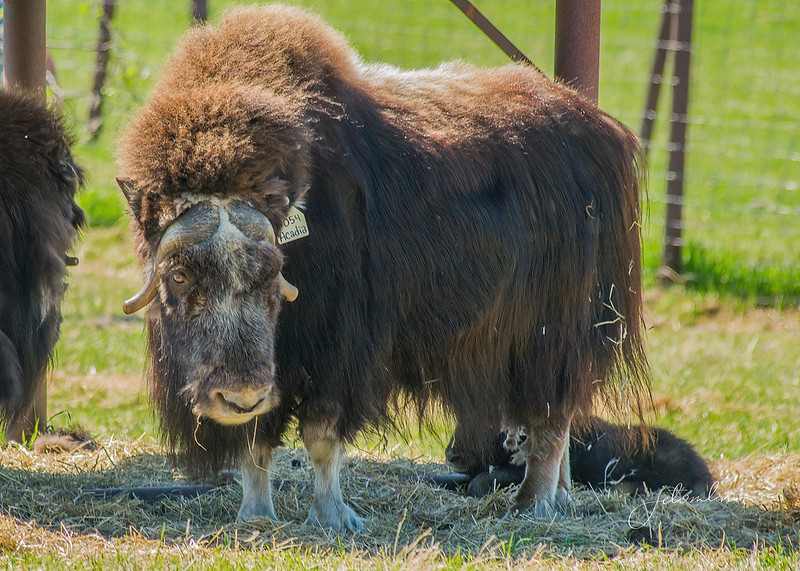
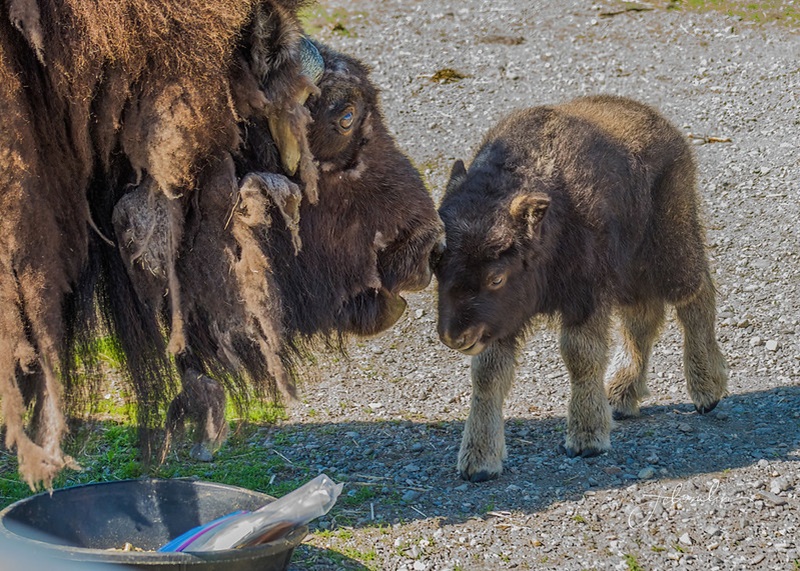
The moms were attentive to their babies, but we saw a lot of tough love. These little ones need to quickly learn how to survive, and that means no coddling!
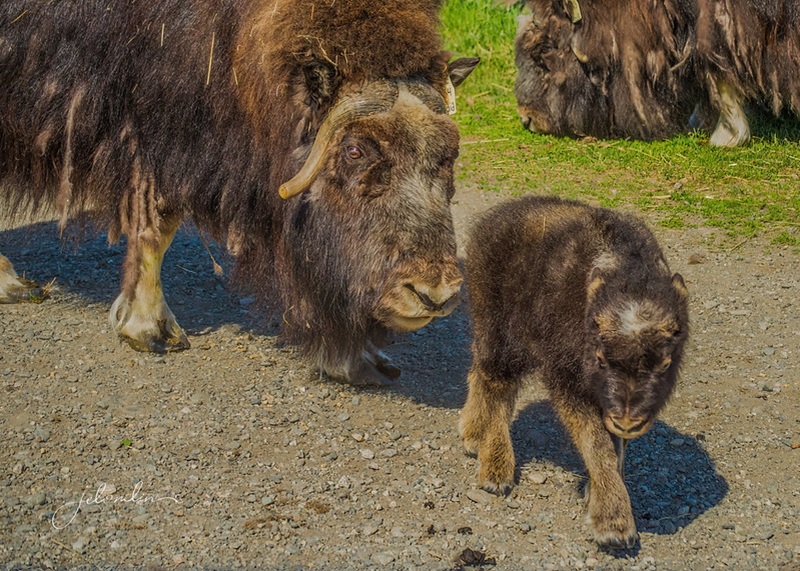
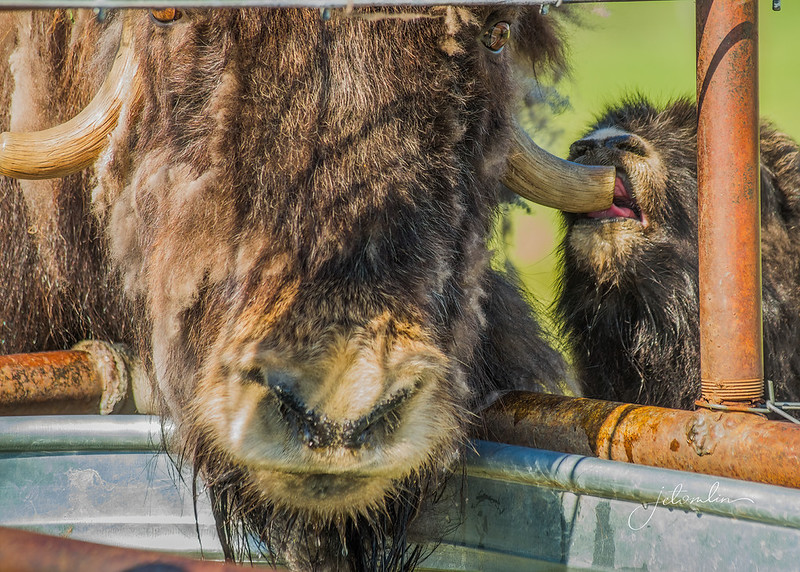
We also met many of the adults. Each one was unique: some were friendly and even posed for photos,
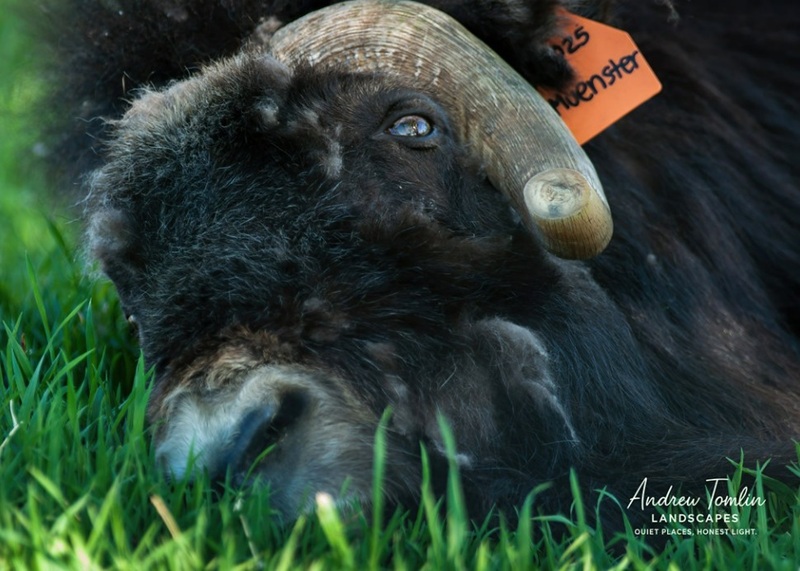
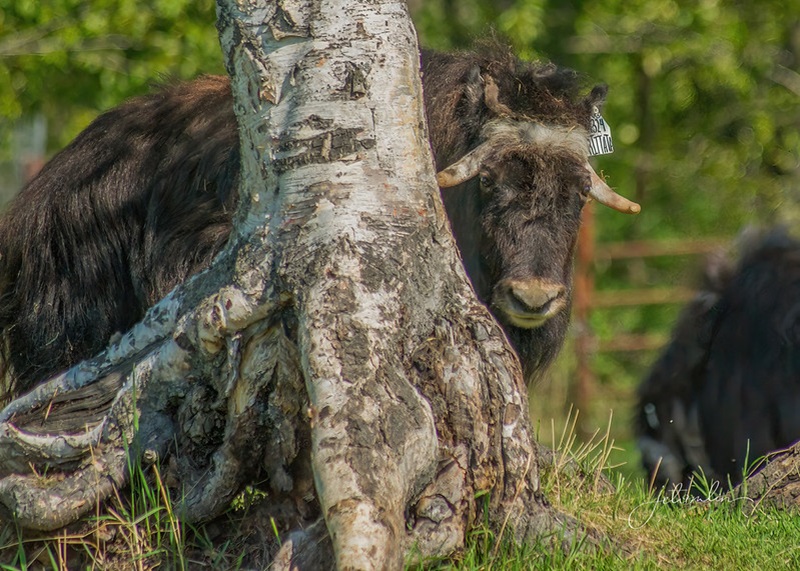
While others huffed and fake-charged the fence where we were standing.
Even though the weather was warm and summery, which is not ideal for these Ice Age animals, they were active in the pastures and even got into a few territorial disputes!
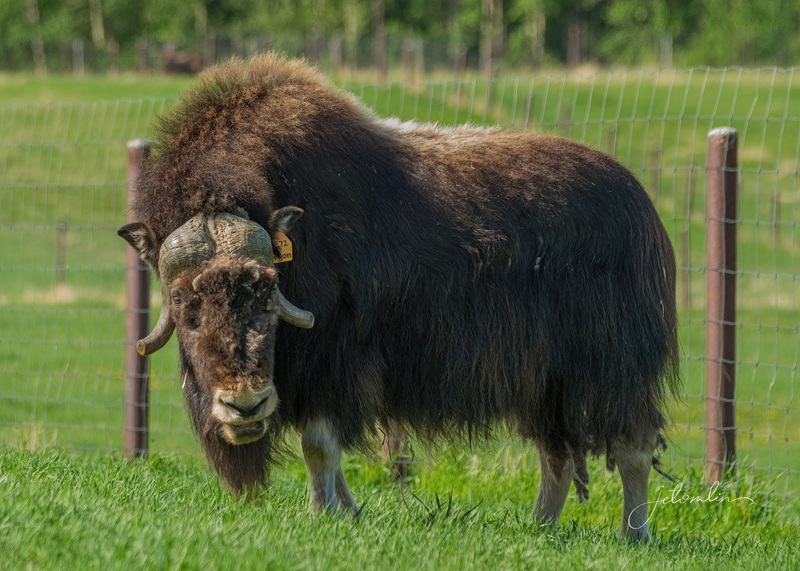
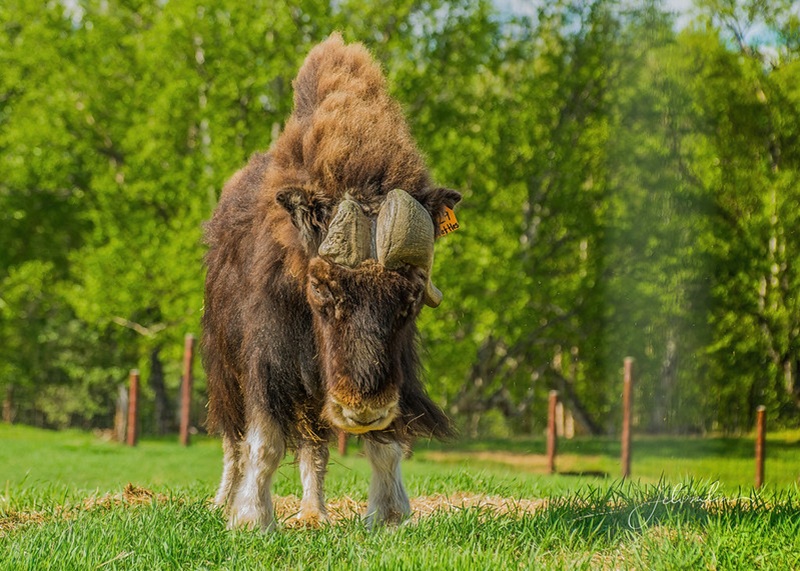
Musk ox have short, curling horns on each side of their head. The males’ horns form a brow band that crosses the forehead, called a “boss.”
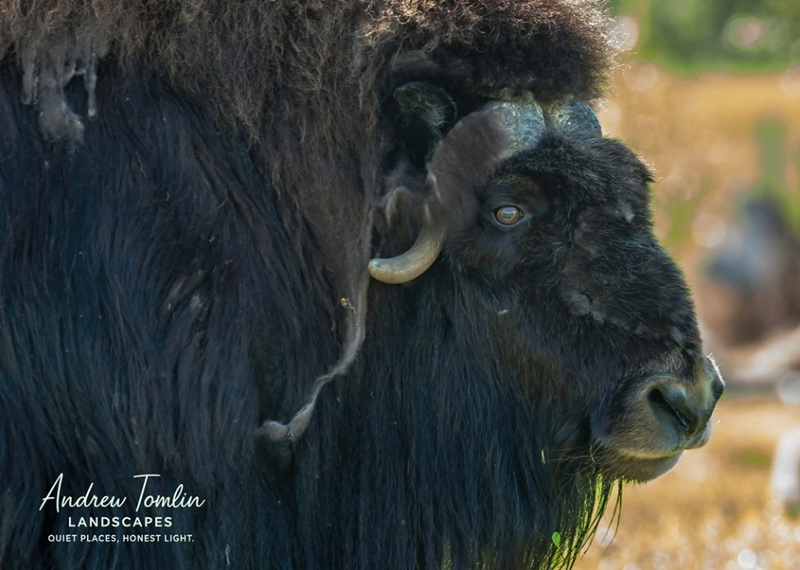
Males compete for the right to breed with the females by charging into each other head-on. These confrontations are referred to as “ruts”. On impact, the boss of each male collides with the other, and their horns can even break off, causing a great deal of pain.
Nettles lost half of his boss and horn on the left side because of such a rut. He is a 20-year-old retiree now and quietly lives with a group of ladies. But in his heyday, he was quite the stud and fathered many of the musk ox on the farm.
Friday morning was oxceptional. I signed up for a “Painting with the Musk Ox” session while TG went on a farm tour. In this enrichment program, you pick the paint colors and watch as your oxclusive piece comes to life.
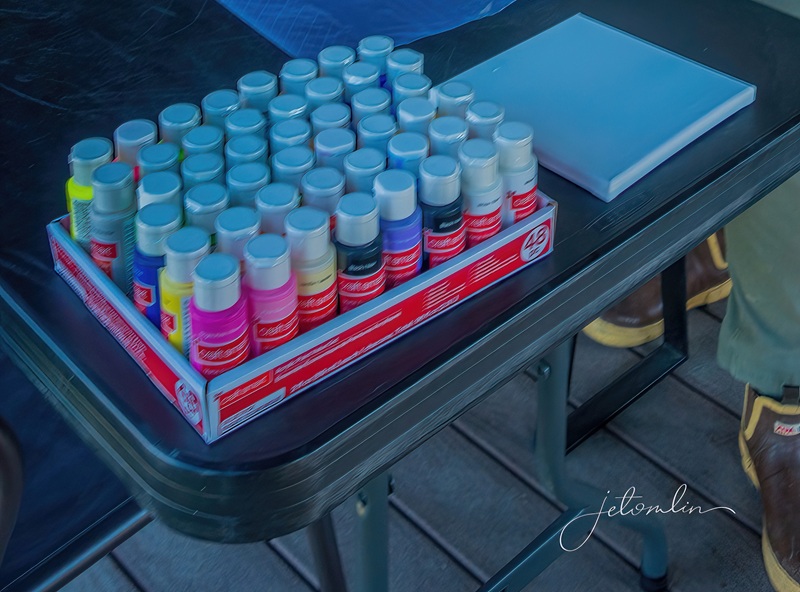
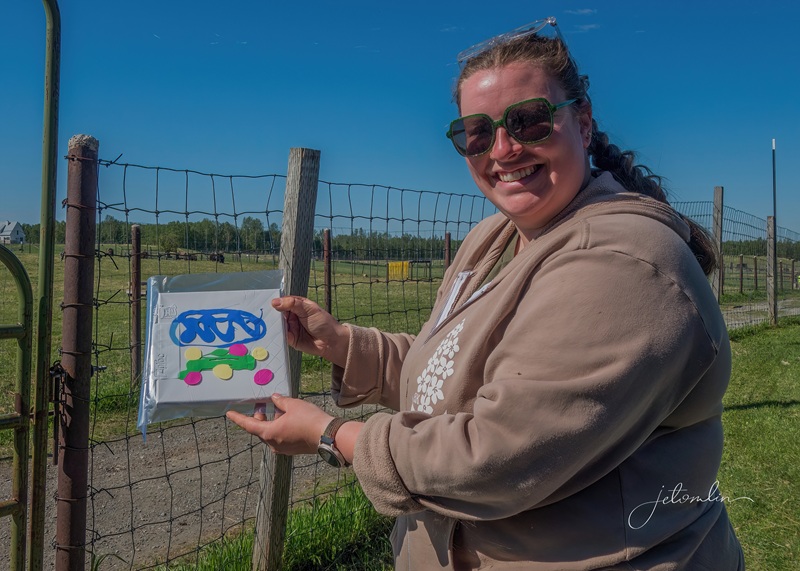
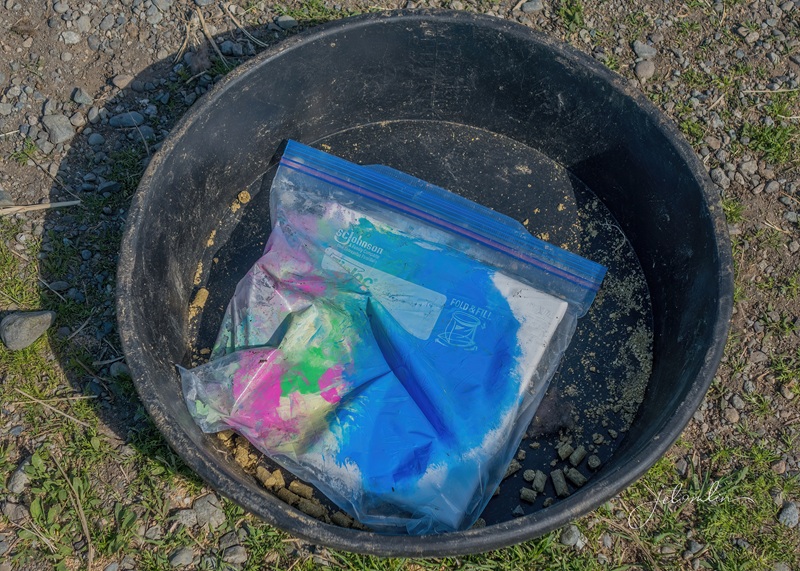
Alyssa, the herd manager, decided to let the new calves and their moms participate, unsure if any would want to take part. Mom Osprey jumped in right away, and her calf Story quickly joined her.
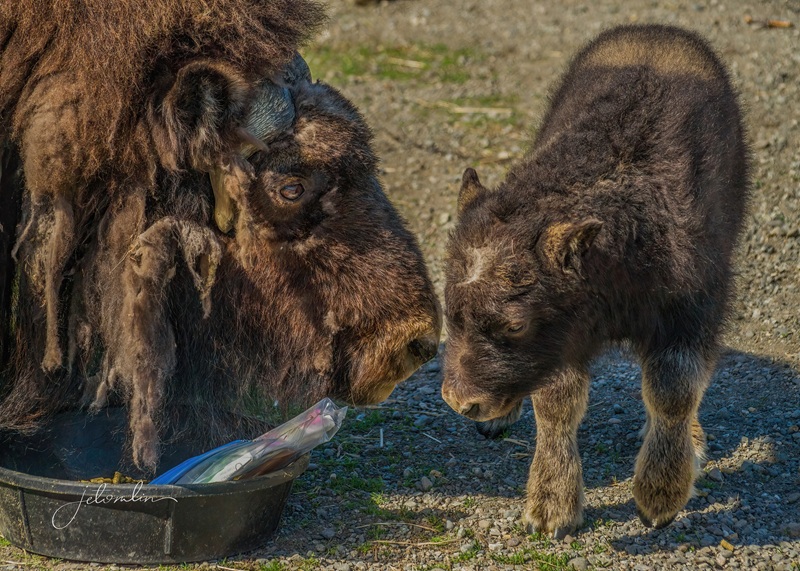
Soon, all five calves and their moms were in the corral, curious about what was happening. Being the only guest to sign up on that day, I had an oxclusive, front-row seat for all the action!
I had envisioned a blue sky with green grass and spots of yellow and pink flowers. But the final painting was even better than I imagined: a big, blue musk ox standing in the green grass with yellow and pink flowers!
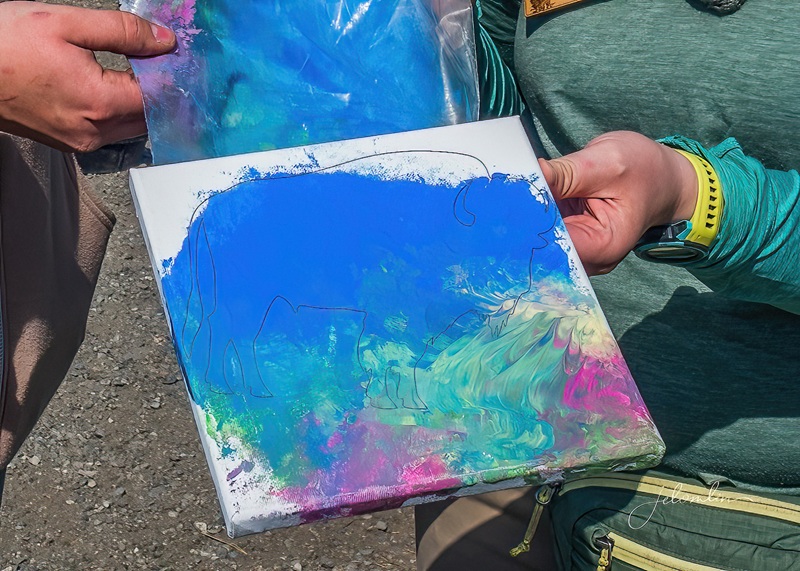
What a masterpiece from these talented Picoxxos!
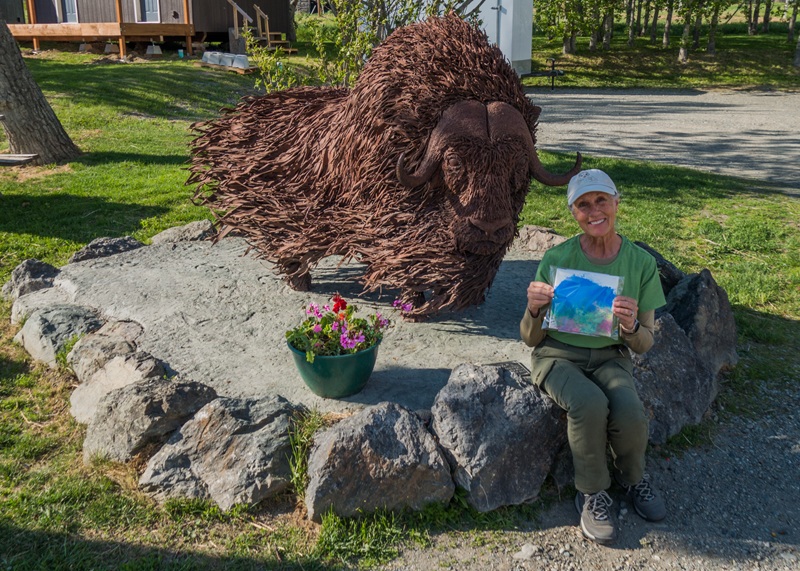
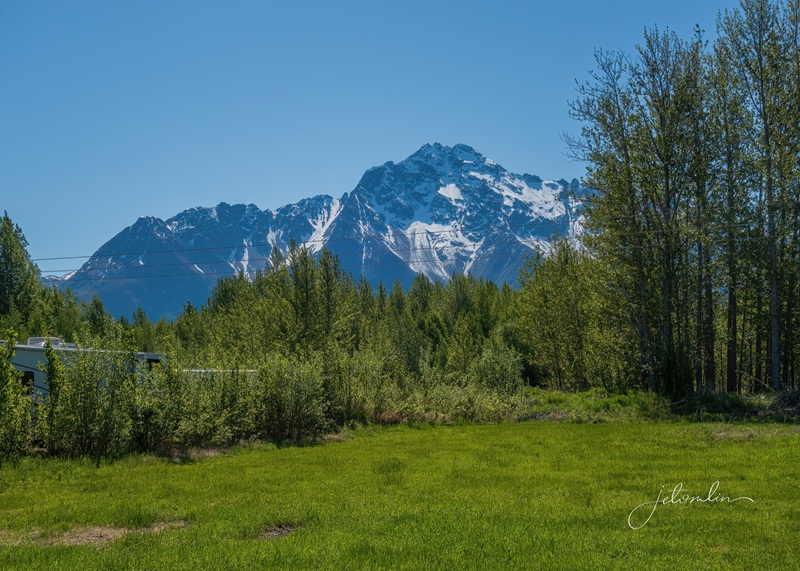
After four visits to the Musk Ox Farm, we had captured enough photos that we felt it was time to oxplore the surrounding area. Palmer is 42 miles northeast of Anchorage in the Matanuska Valley, surrounded by Pioneer and Twin Peaks and the Talkeetna mountains, which makes for breathtaking landscapes.
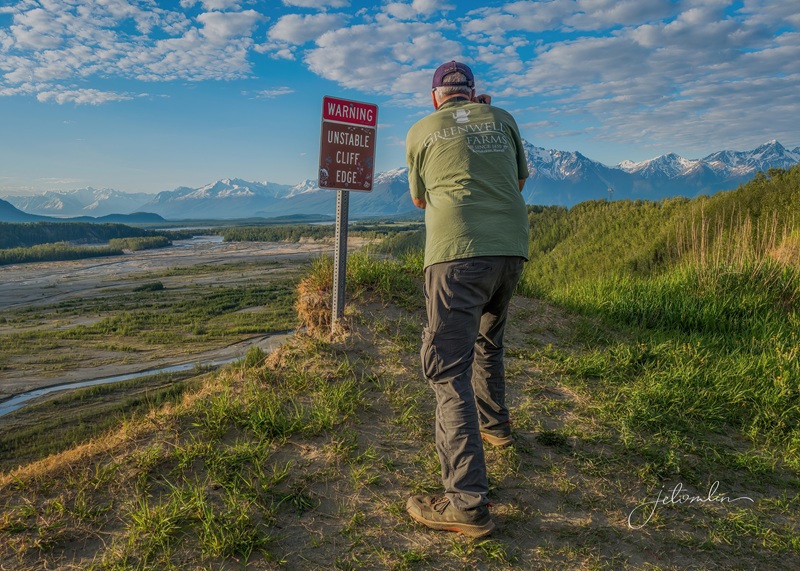
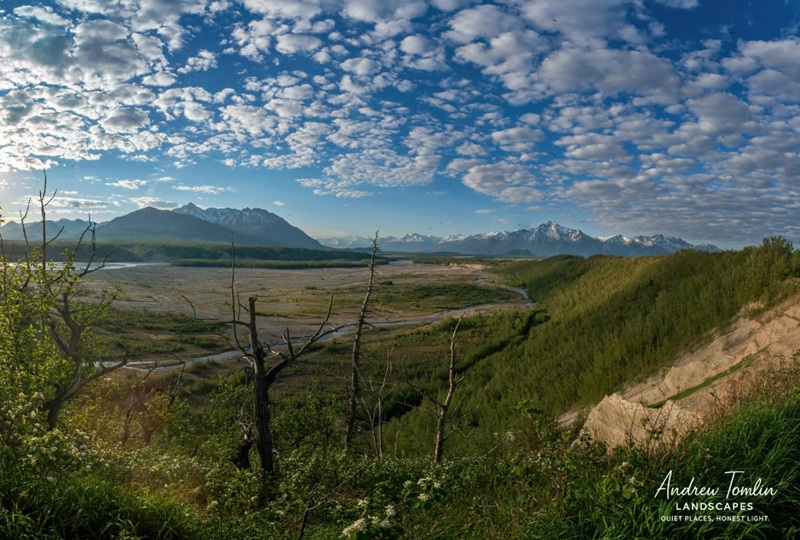
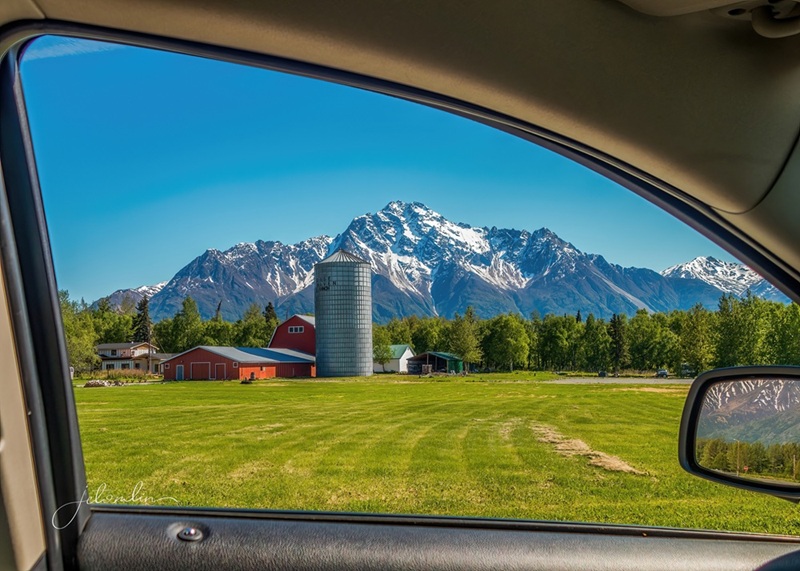
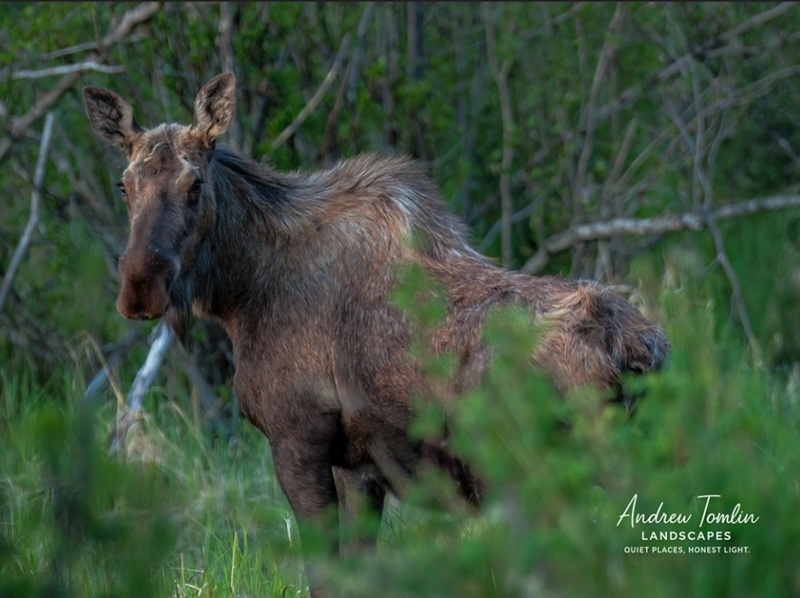
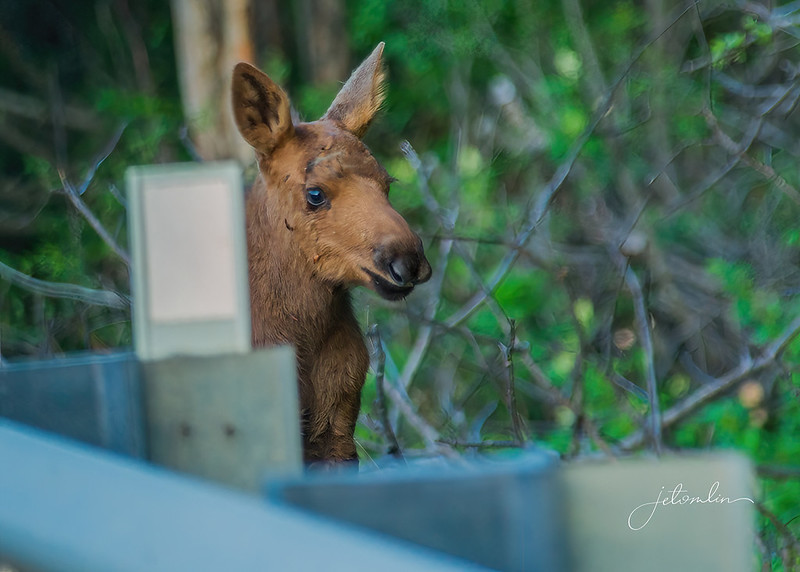
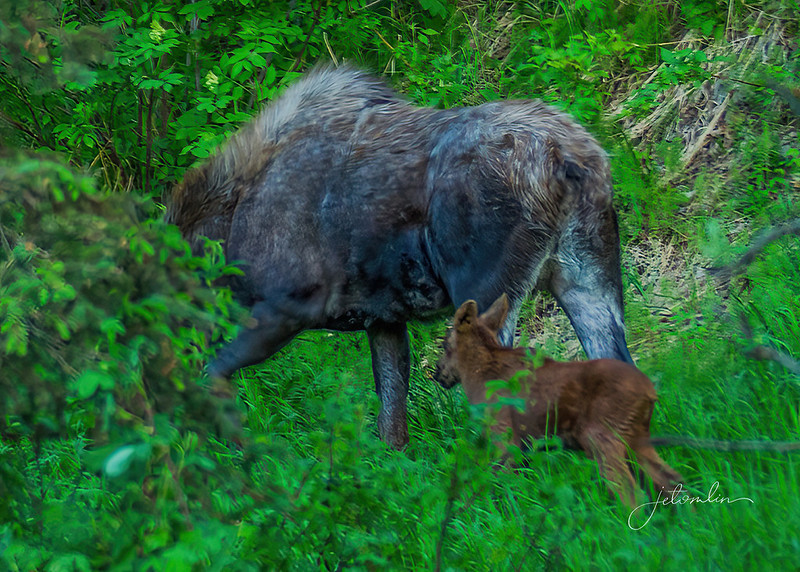
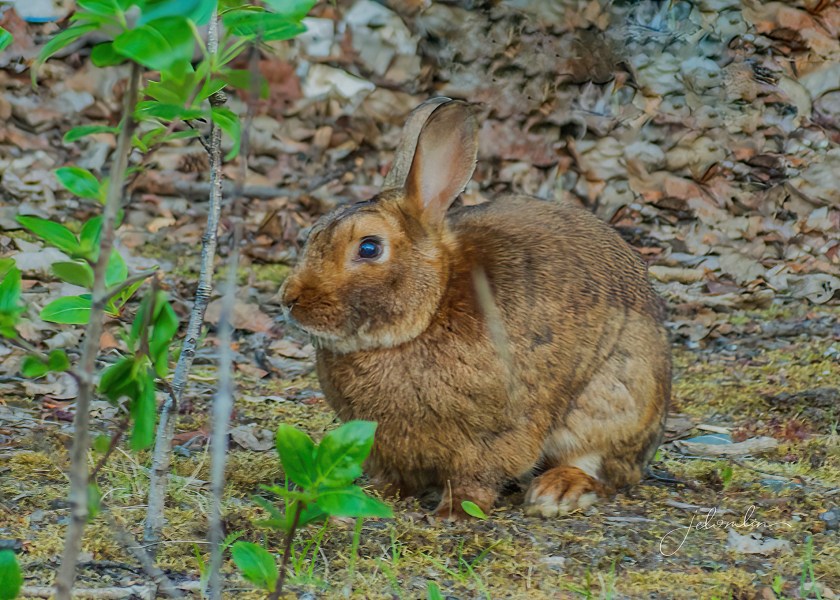
It never got completely dark while we were there and Eric, one of the farm guides, recommended we drive along the Knik River Road at 10:30pm to look for wildlife. This ended up being oxcellent advice! We spotted a dozen different moose, including a tiny young calf, porcupines, bald eagles, and cottontails.
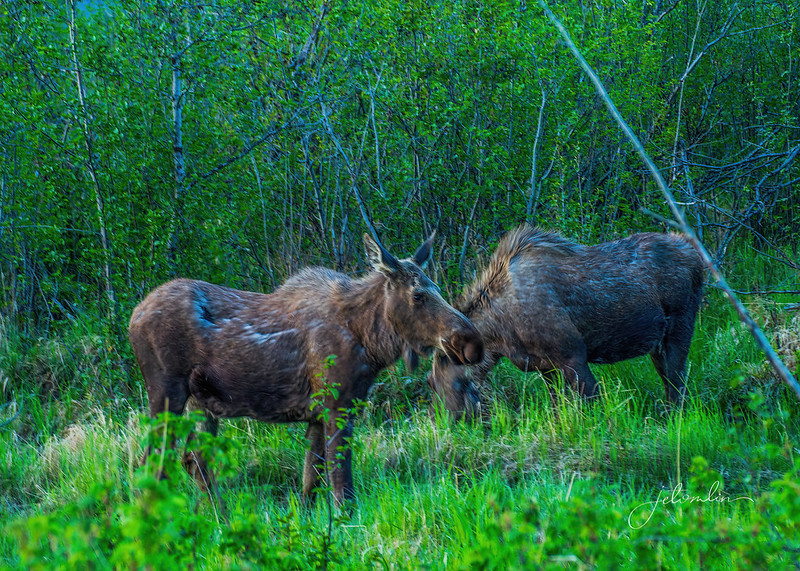
The road follows the river with stunning views of the mountains and Knik Glacier.
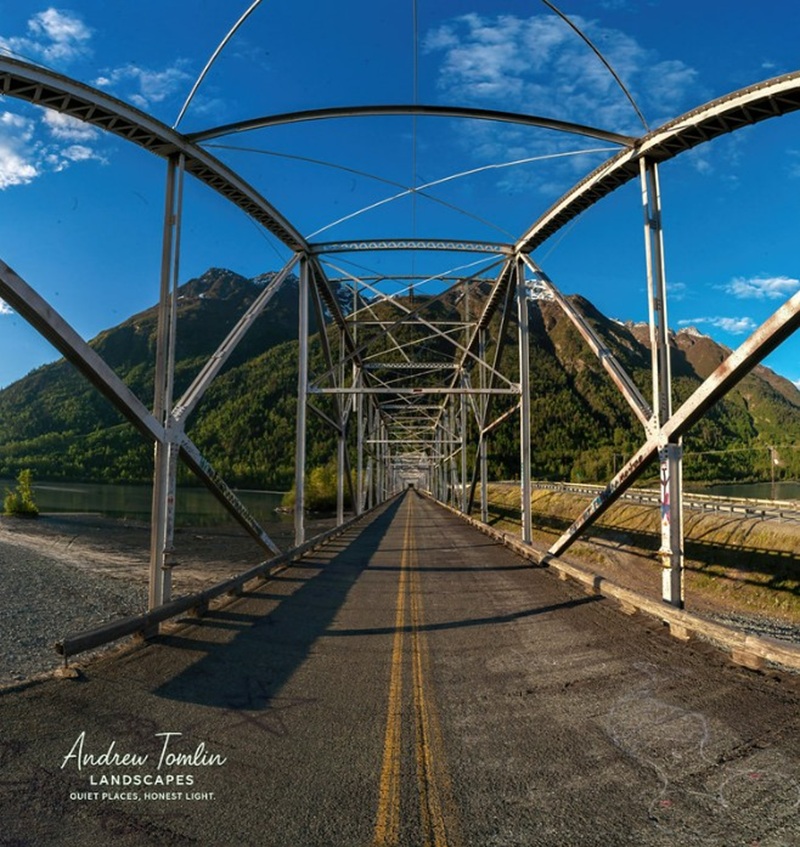
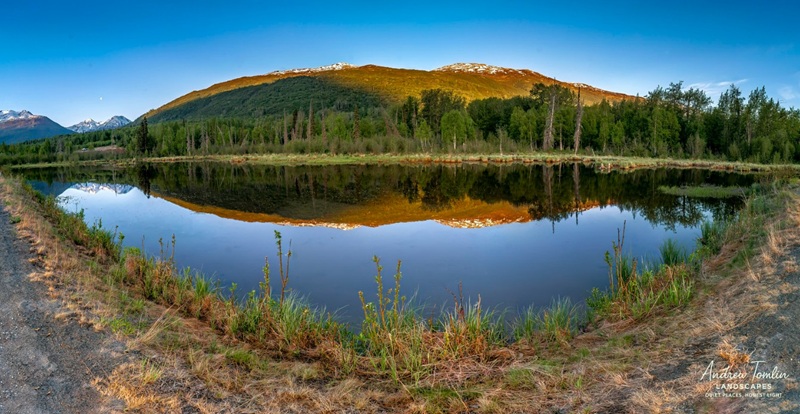
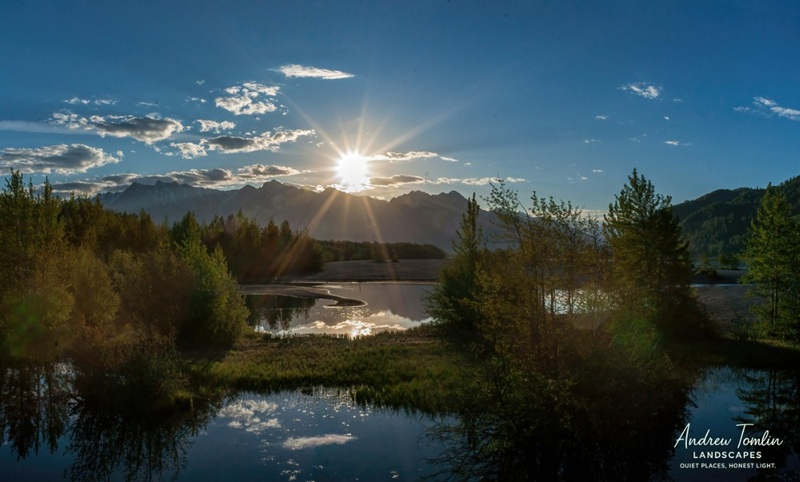
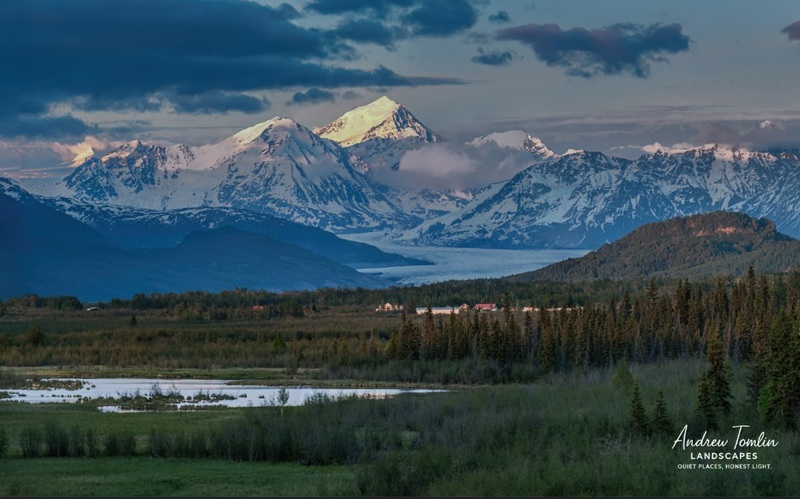
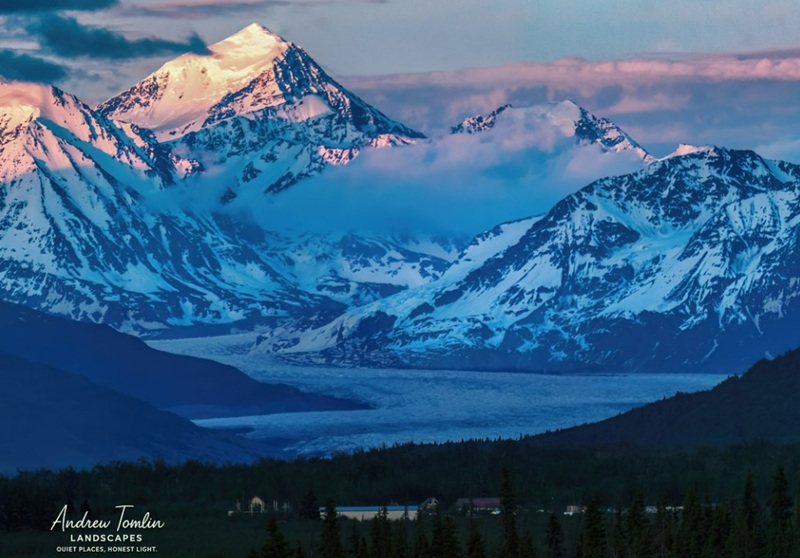
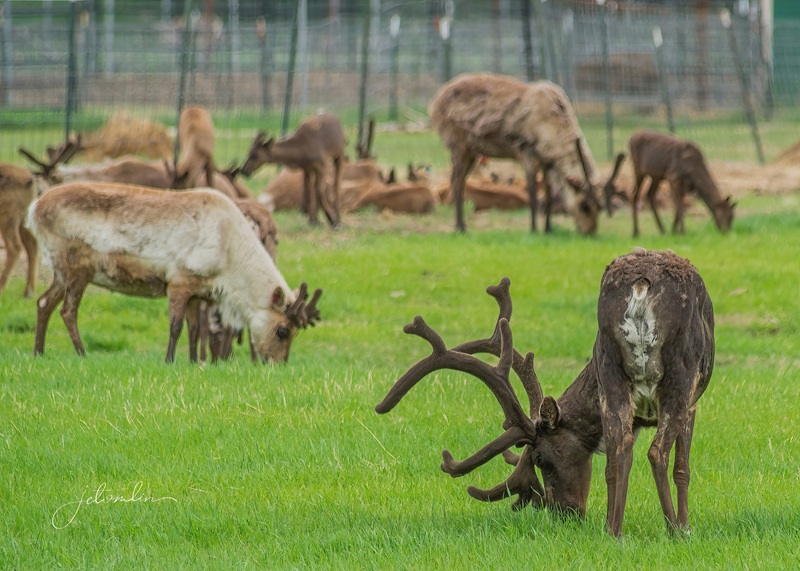
On our way, we drove past the Reindeer Farm. They offer guided tours if you want to pet or feed the reindeer. We chose not to pay the $17 entry fee, but we did snap a few photos from the road.
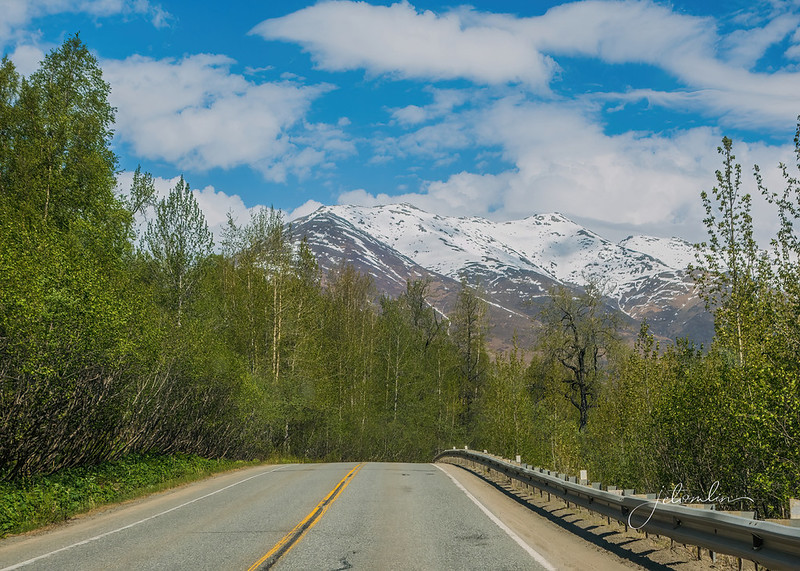
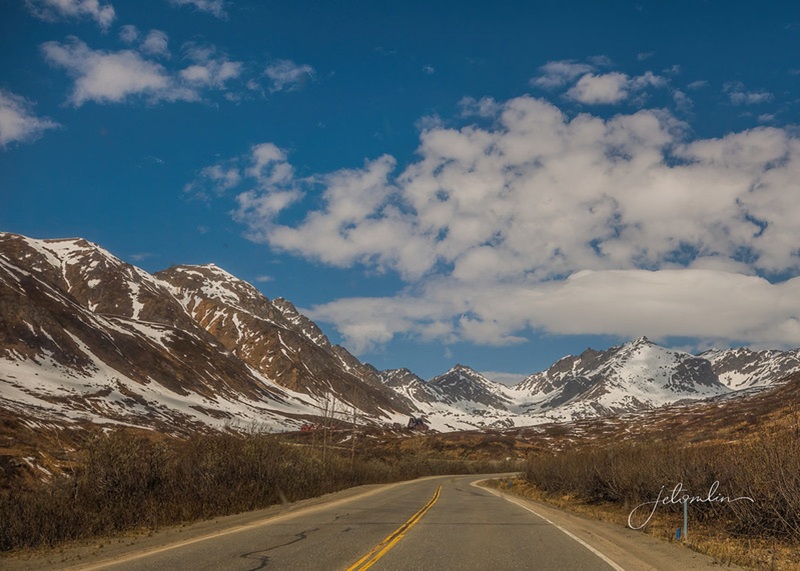
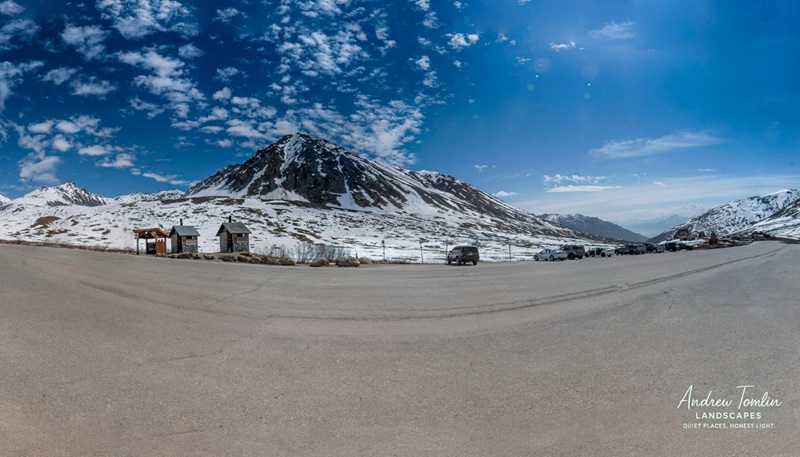
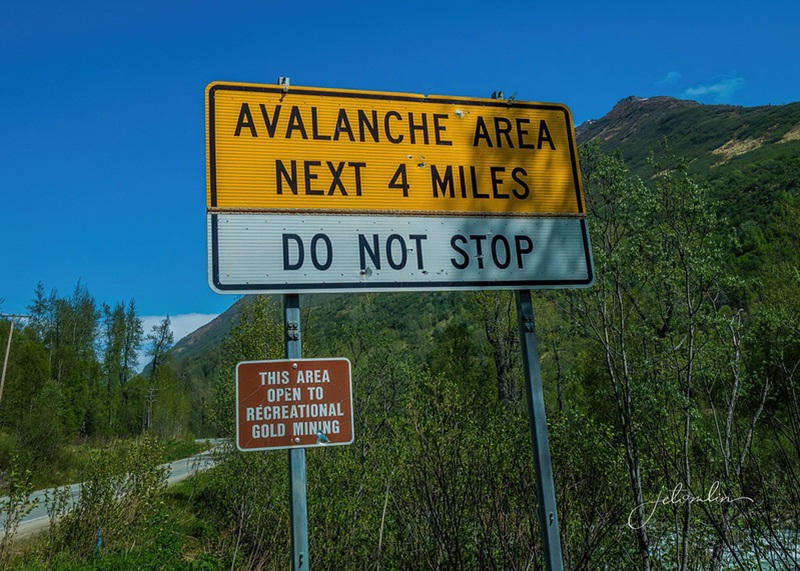
Alaska’s gold mining history goes back to the late 1800s, and the mining at Independence Mine started in 1934. Now a state park, the mine sits at the top of Hatcher Pass, a scenic drive with amazing views of snowy peaks around every curve of the road.
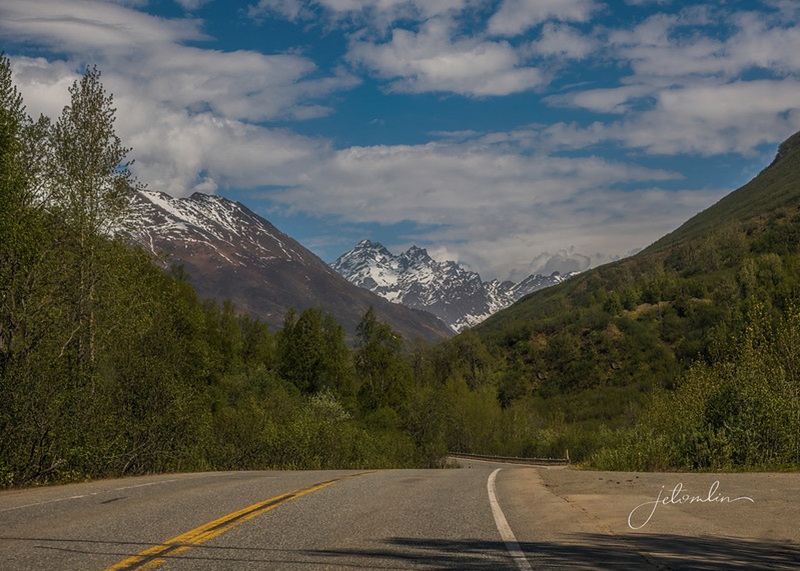
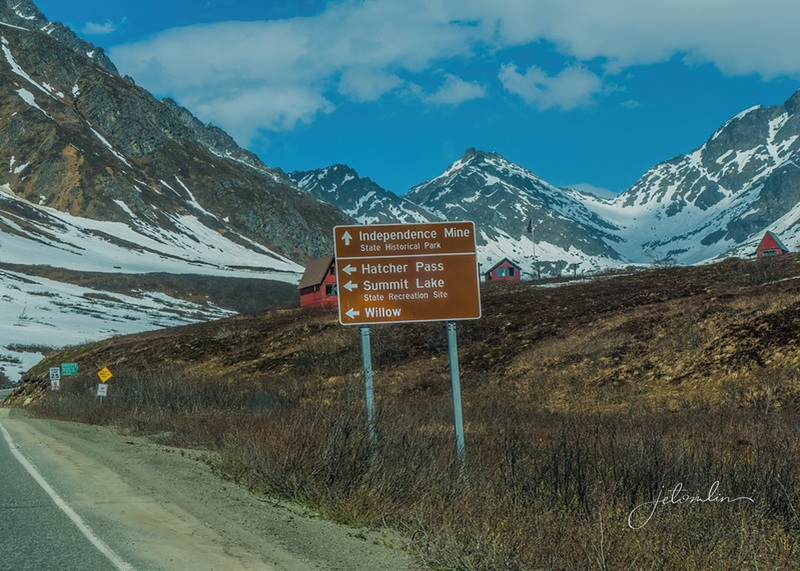
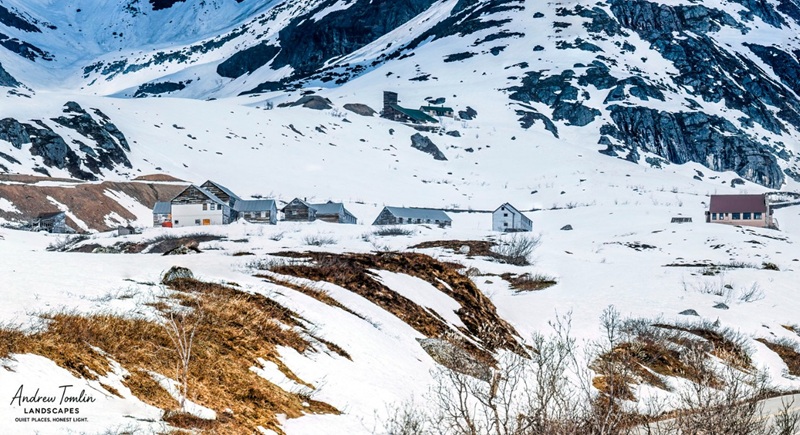
Although the mine closed in 1951, there is still some gold to be found. Visitors can even try panning for it in the park.
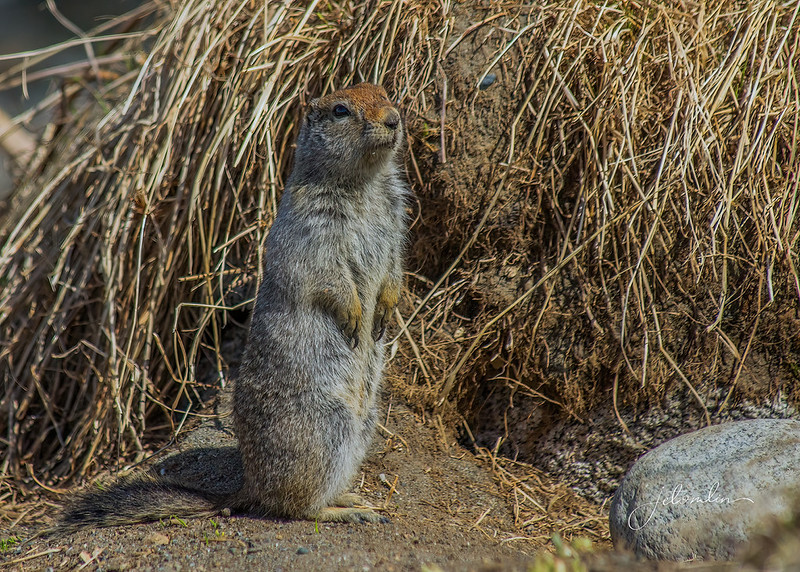
We didn’t want to hike through the snow all the way to the abandoned ruins. Instead, we were entertained by the friendly Alpine ground squirrels in the parking area.
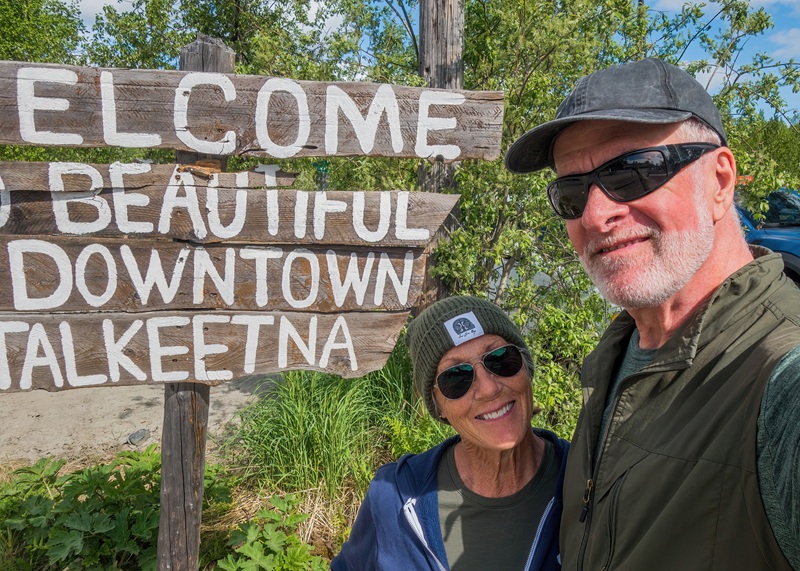
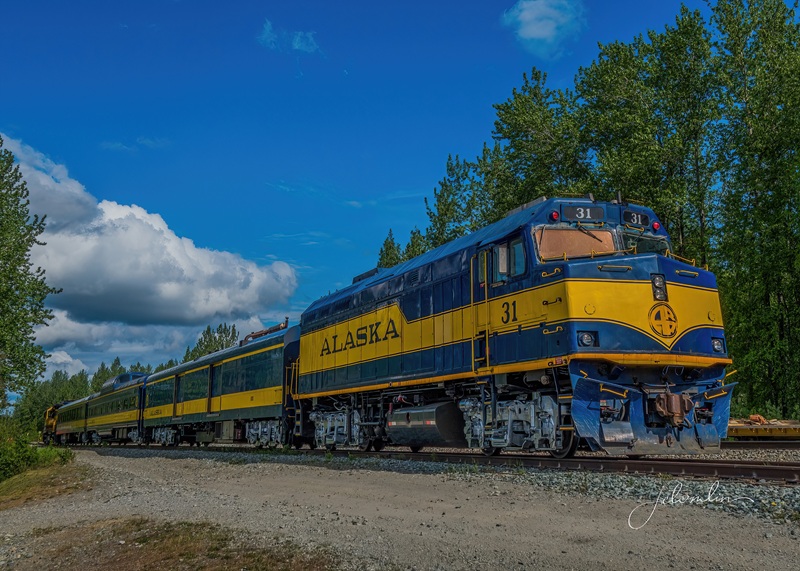
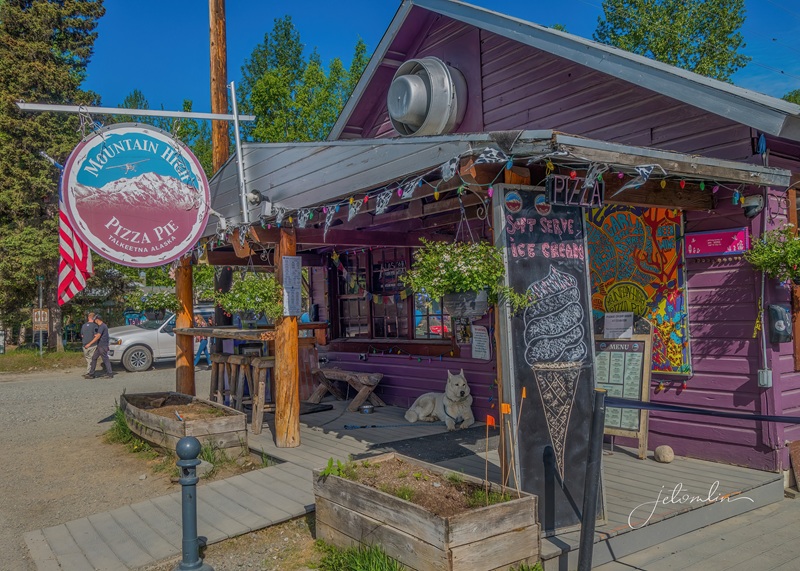
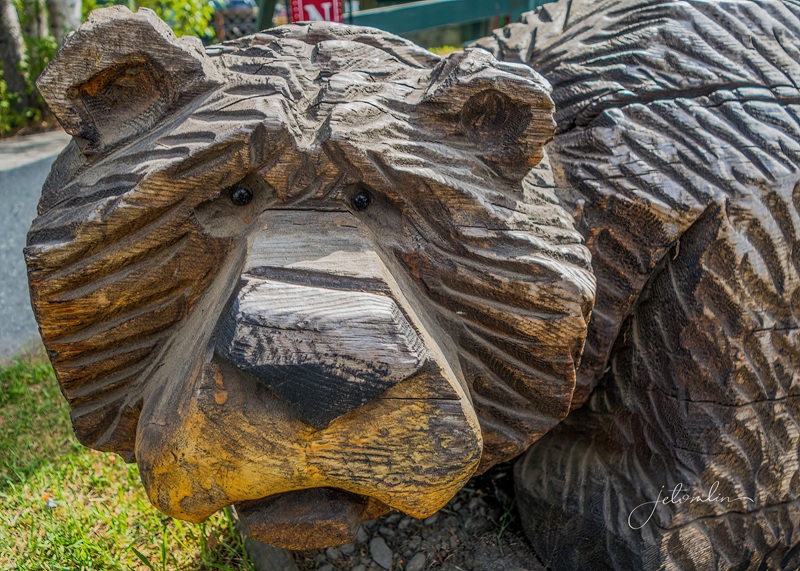
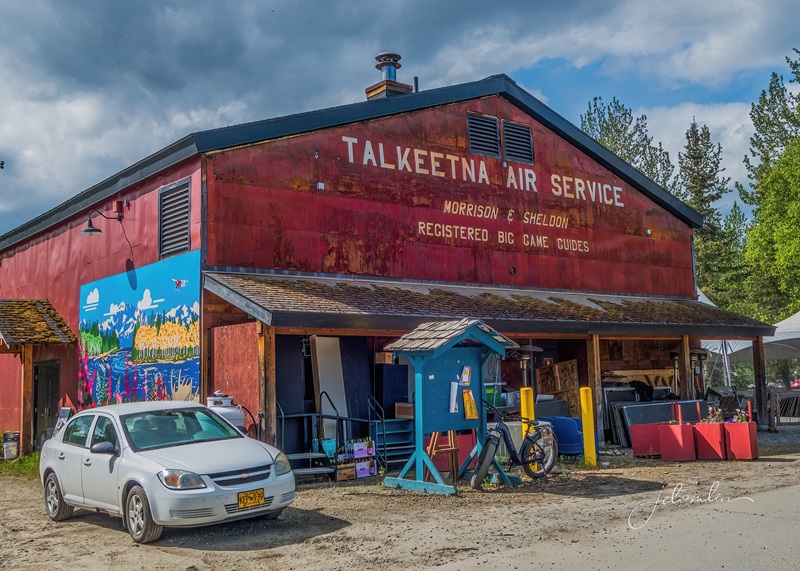
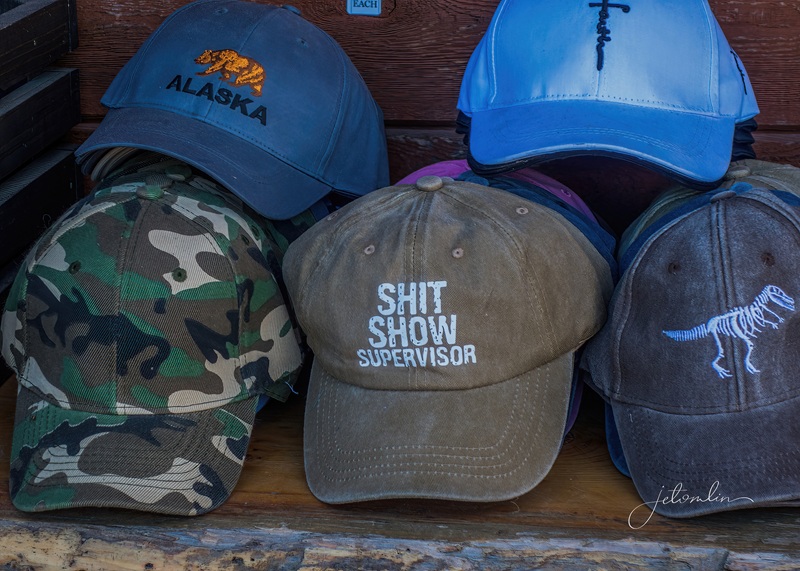
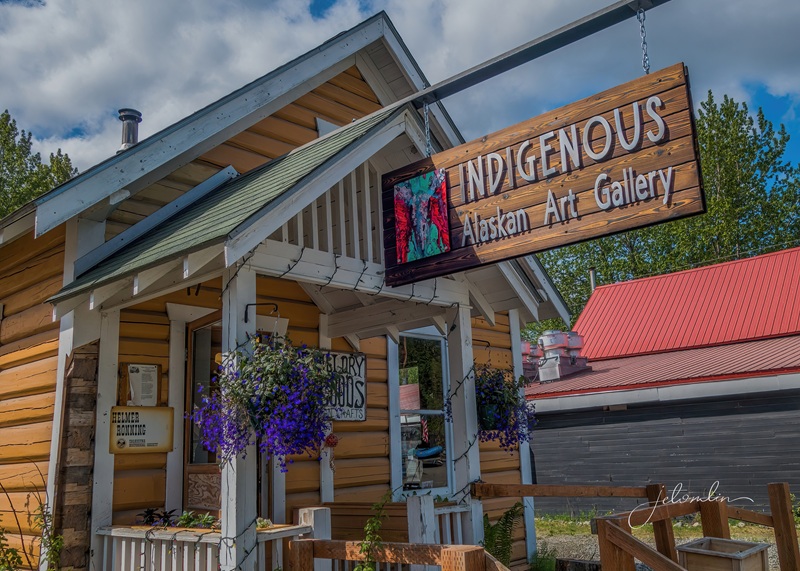
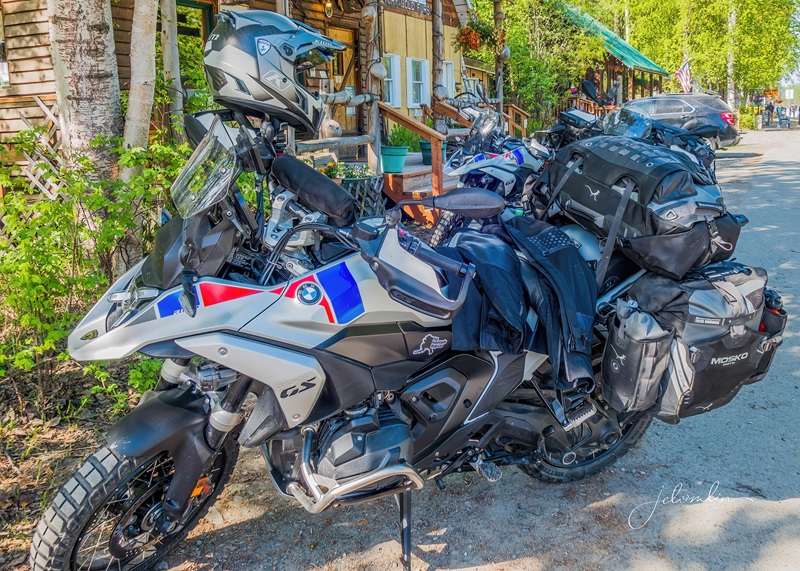
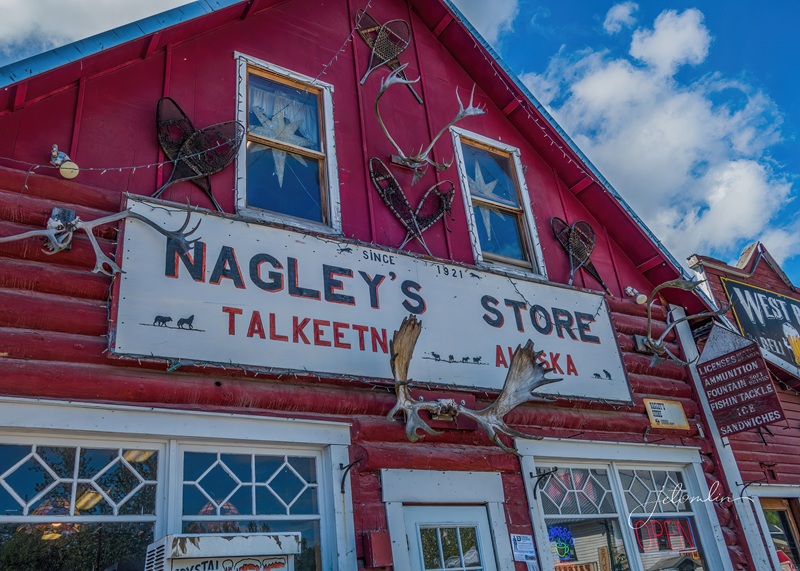
The TV show Northern Exposure based its fictional town of Cicely on the real town of Talkeetna. Once there, we found Talkeetna’s vibe more touristy than quirky. But it was a beautiful day, and we enjoyed wandering past the old wooden buildings converted into restaurants and shops,
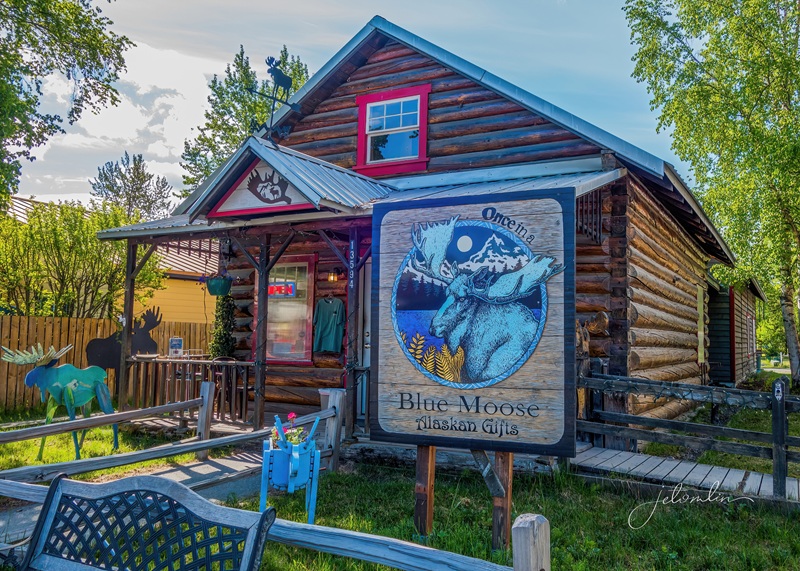
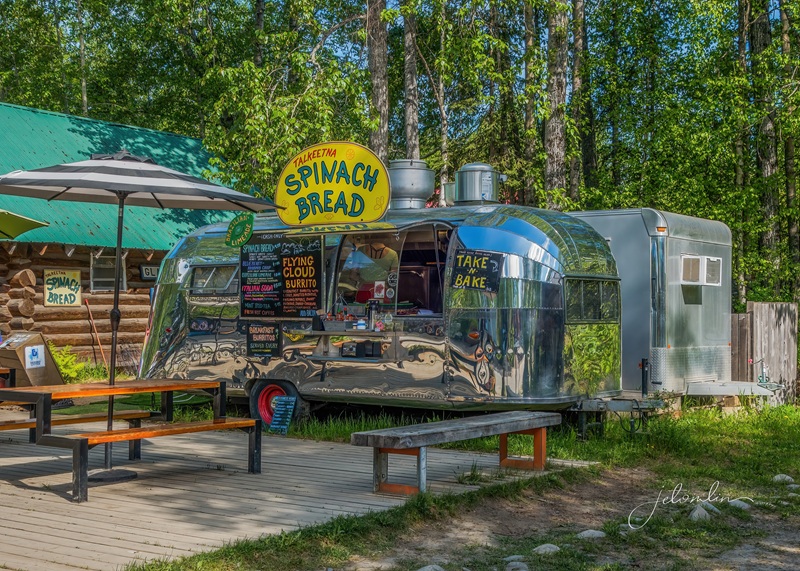
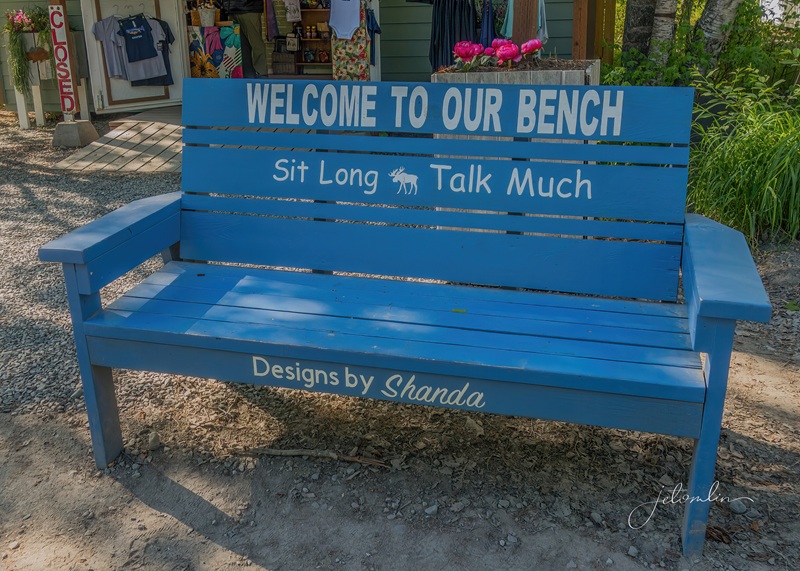
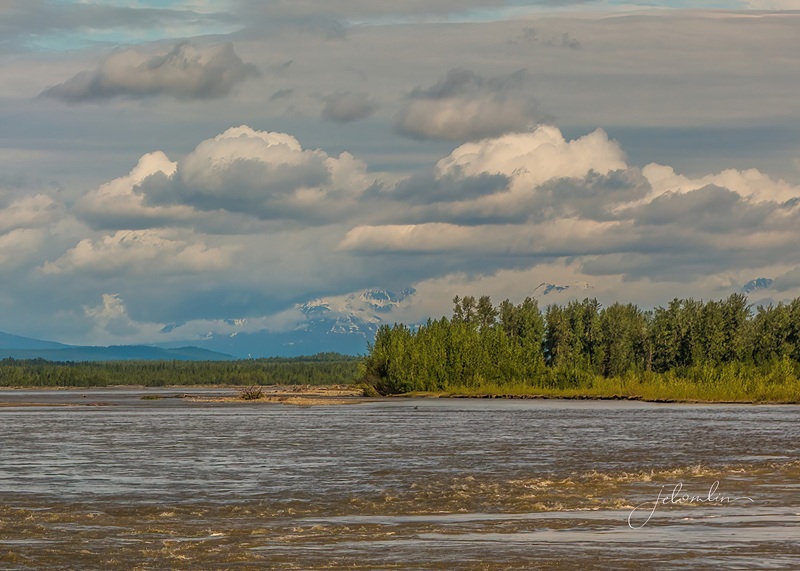
And walking down to the river for a view of Mt. Denali, mostly hidden by clouds.
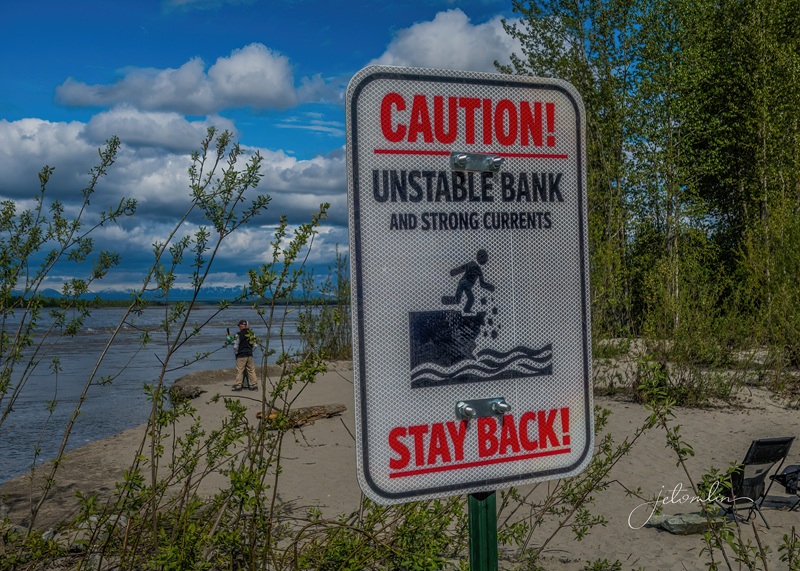
On our way back to Palmer, we stopped in Wasilla, home of the Iditarod Headquarters & Museum. The late Lance Mackey, 2007-2010 champion, was married to my friend’s cousin, and I promised her we would look him up if we happened to visit the museum.
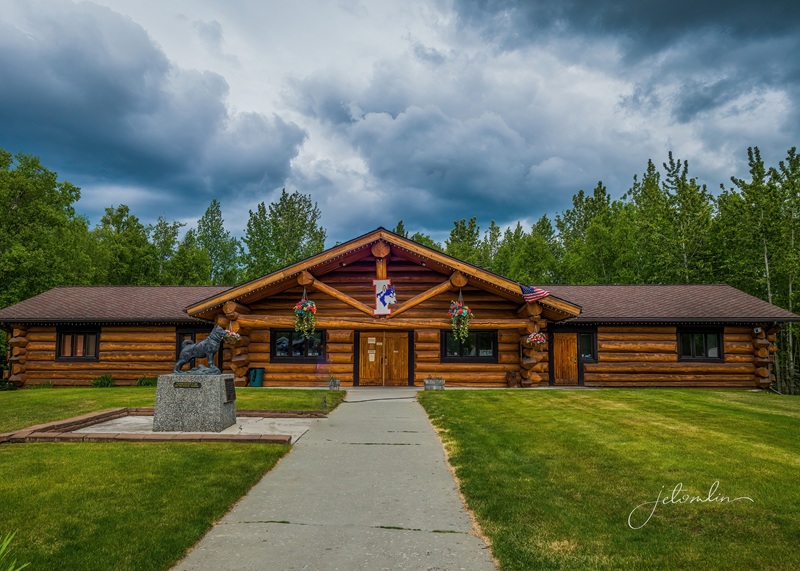
We enjoyed poking around the exhibits and purchased a few souvenirs to bring home.
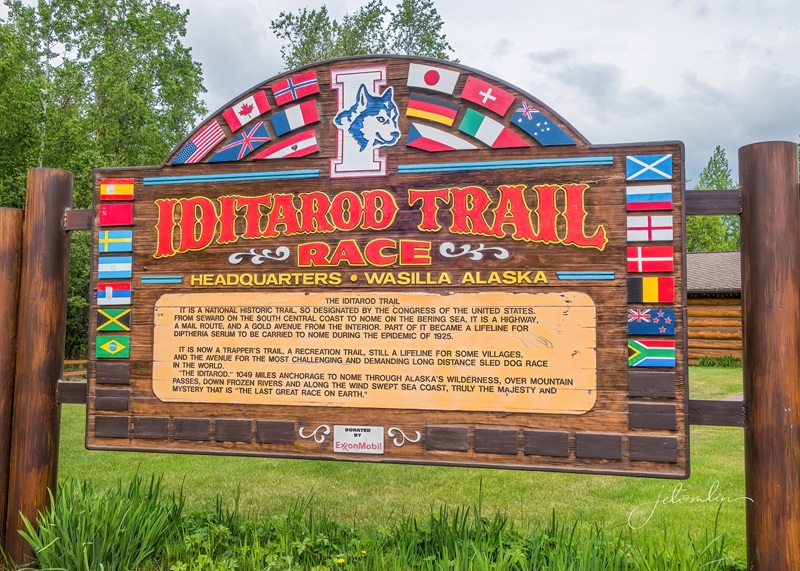
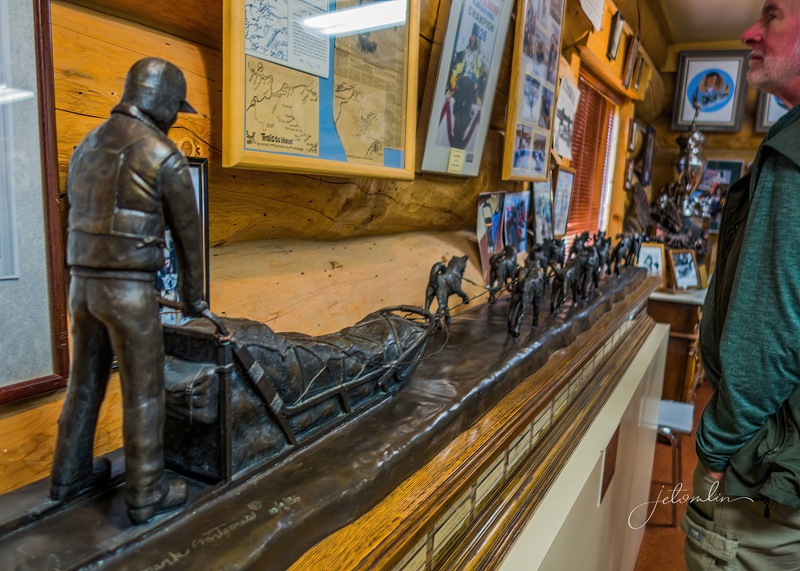
A team of champion dogs lives on the property, offering sled rides to visitors. We happened to catch them as they came racing back around the track.
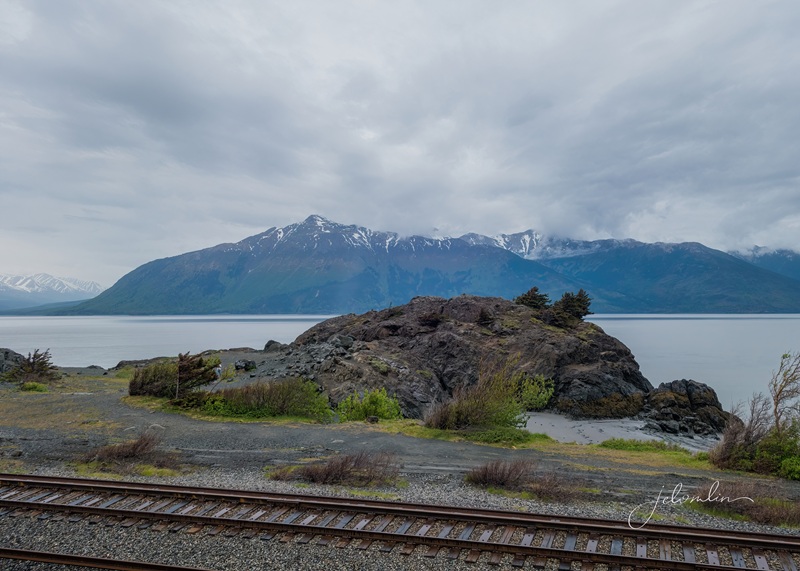
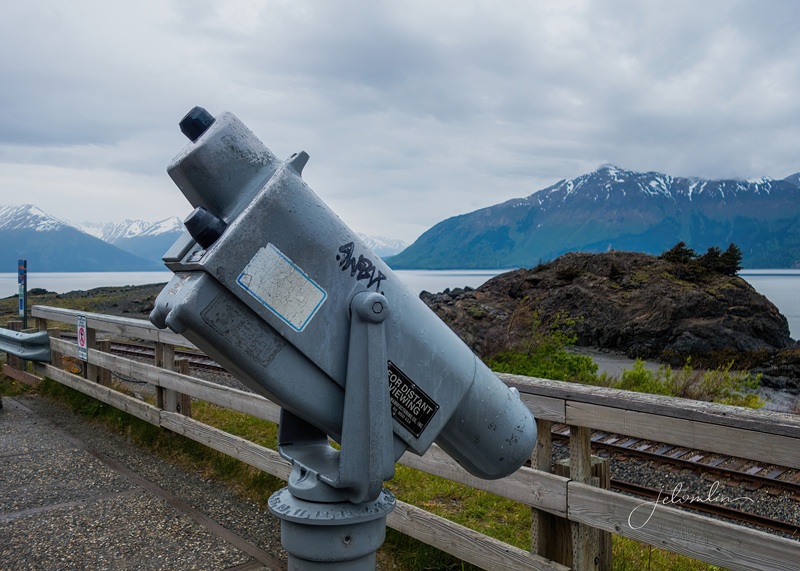
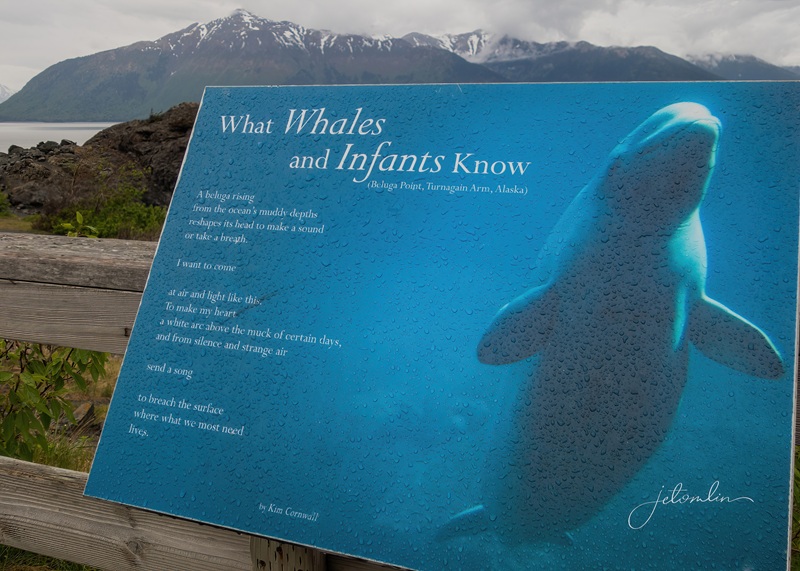
Our flight home did not take off until 8:30pm, so on our last day we drove south on the Seward Highway to the Kenai Peninsula. We stopped for a few photos at Beluga Point, but it was too early in the season to see any whales – you’ll have to check back in late August to find out why I wasn’t too terribly disappointed about that.
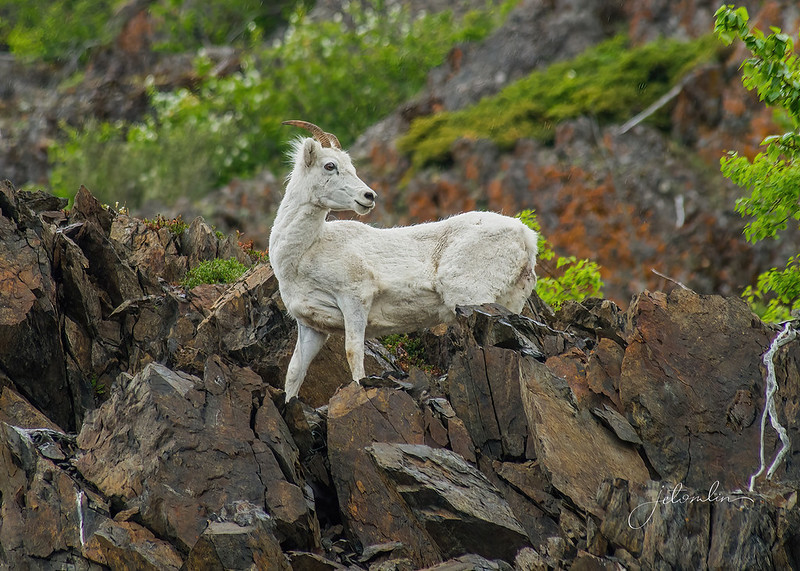
But we were very oxcited to find Dall sheep just a few miles further down the road.
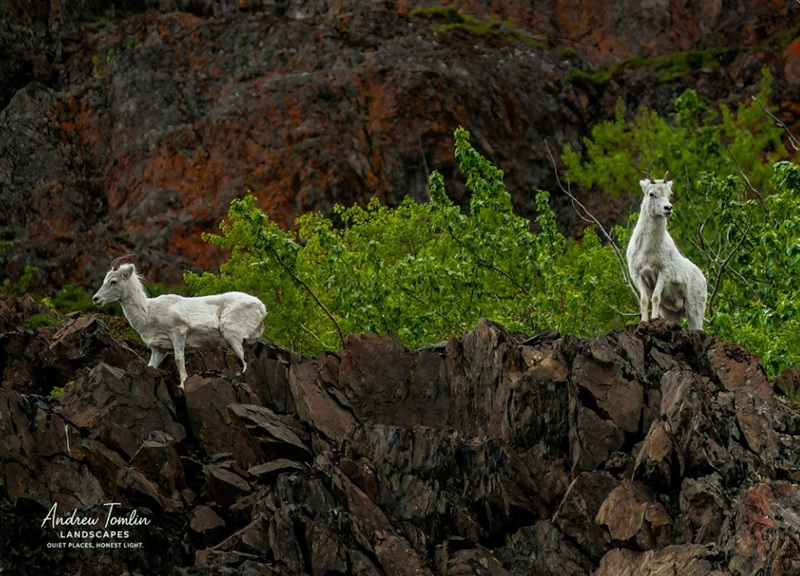
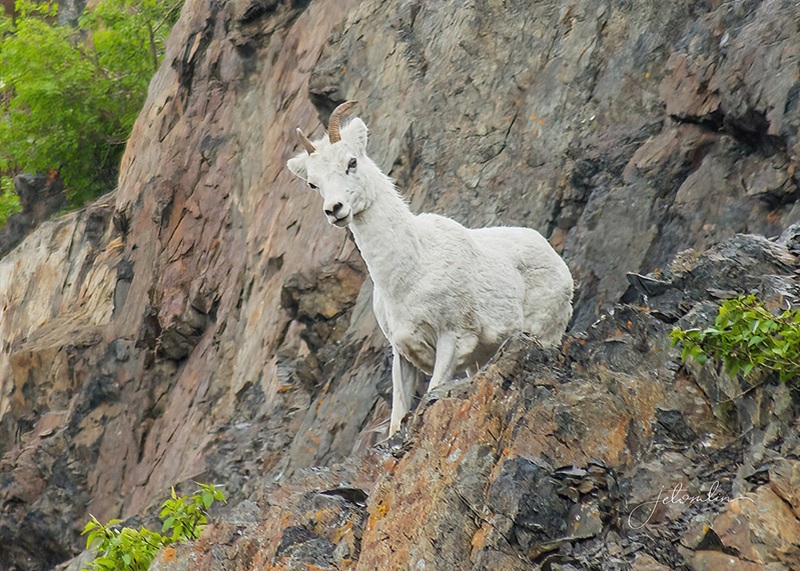
The highway follows Turnagain Arm, a narrow branch of the Cook Inlet, stretching 45 miles along the northern boundary of the Kenai Peninsula. The arm oxperiences some of the largest tides in North America, reaching up to 40 feet.
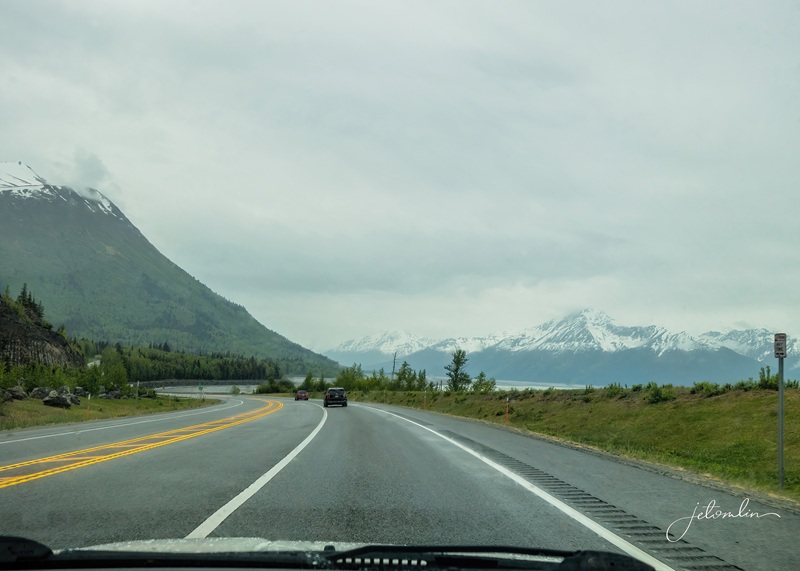
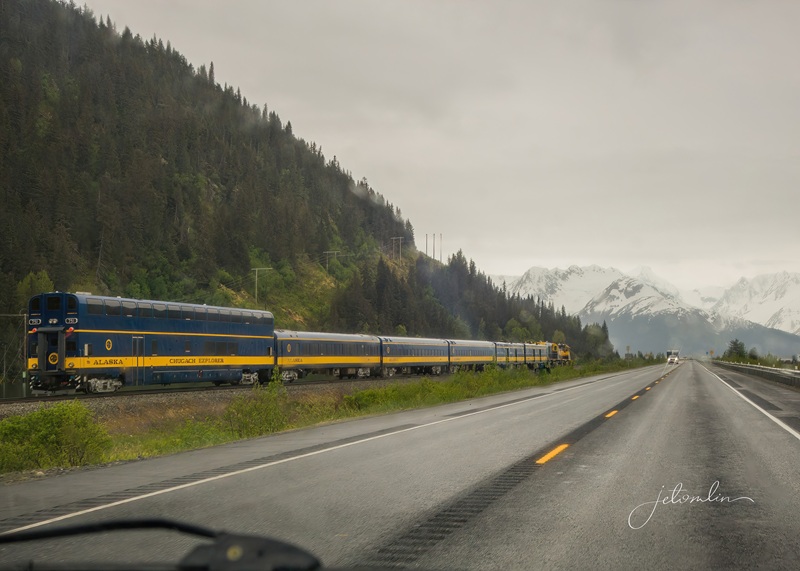
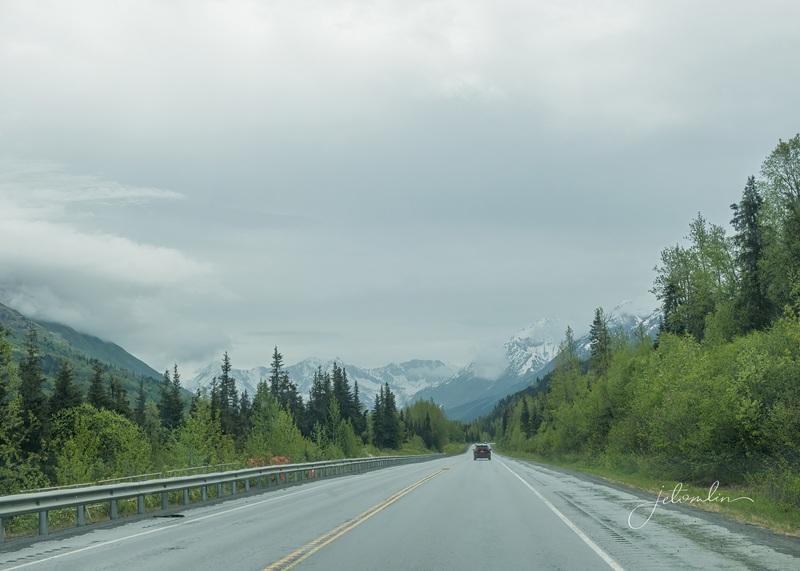
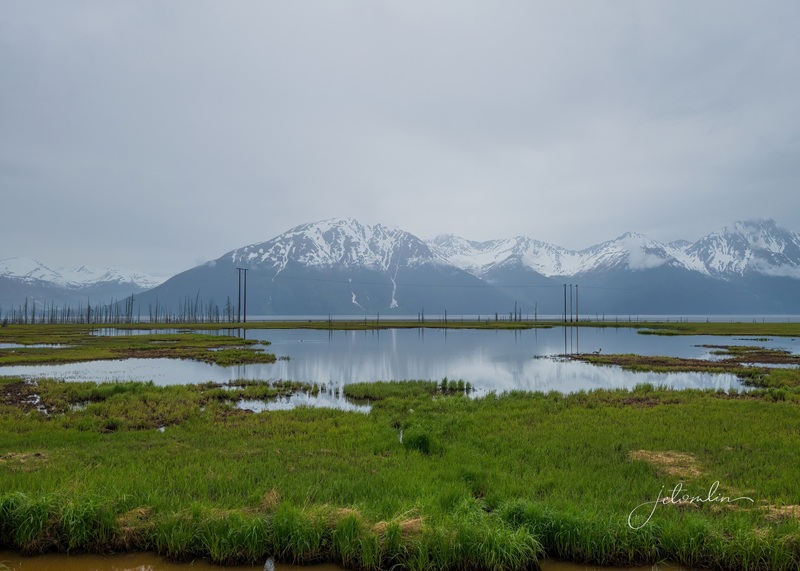
Our drive was at low tide, and dozens of bald eagles fished in the water and along the silty banks.
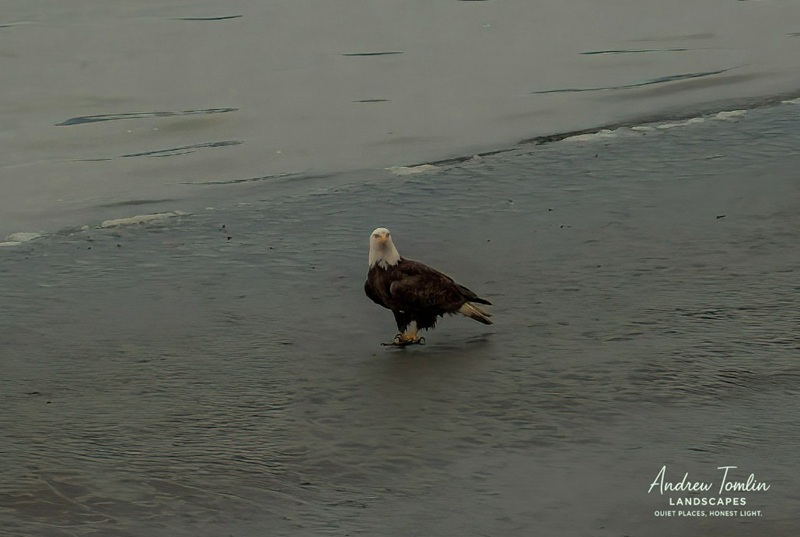
We practiced counting them in Spanish as we drove along: … dieciocho, diecinueve, veinte!
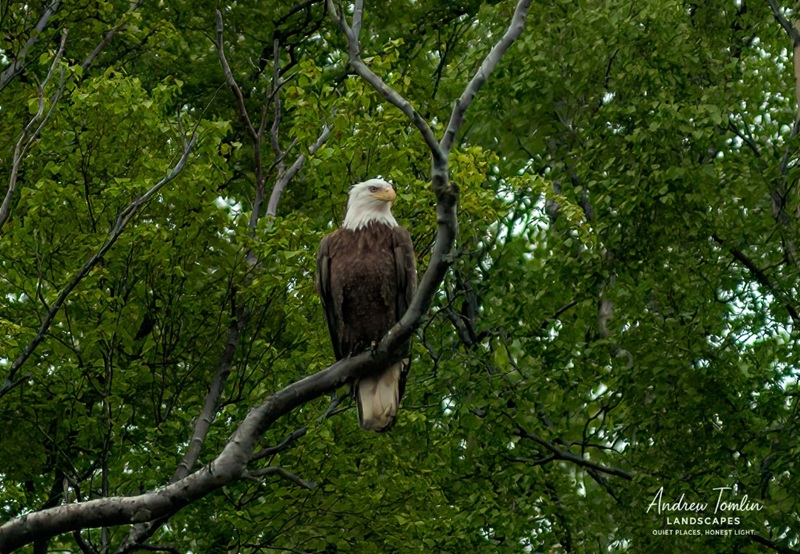
With time to kill before our flight, we stopped at Potter’s Marsh, part of the Anchorage Coastal Wildlife Refuge and home to some 130 bird species.
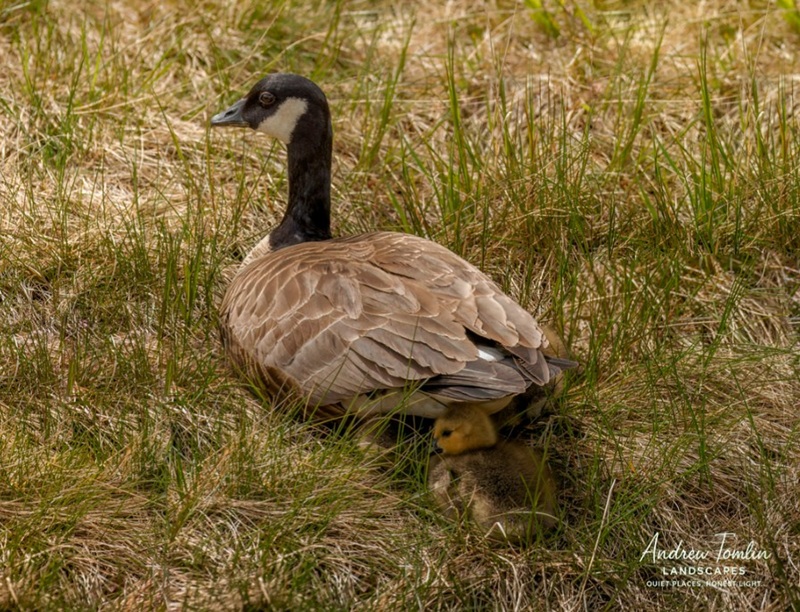
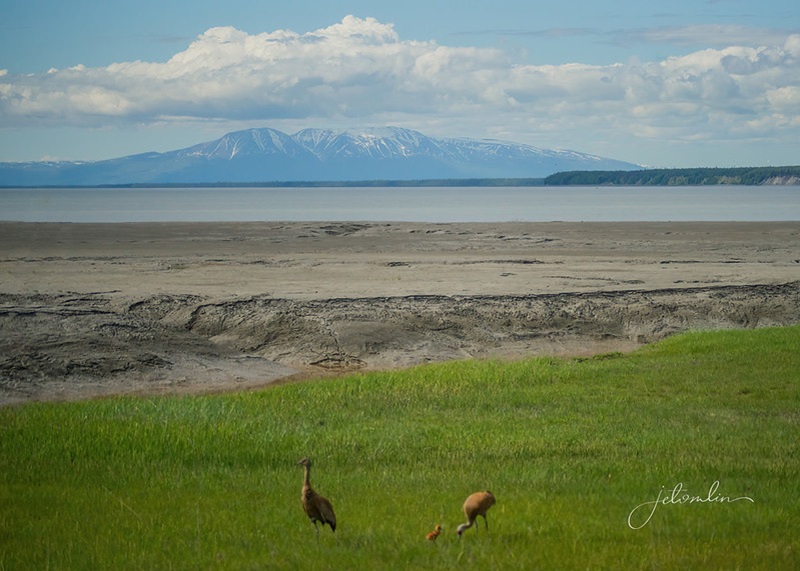
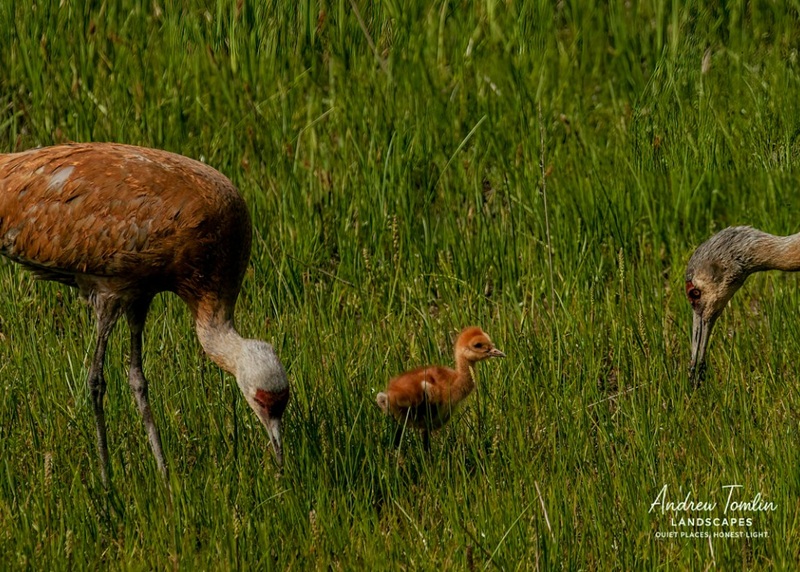
While there, a young woman mentioned sandhill crane colts at a nearby park, where we spent our final two hours before heading to the airport: a last unoxpected gift!
♪♪ Hatty told Matty / Let’s don’t take no chance / Let’s not be L-seven / Come and learn to dance / Wooly Bully / wooly bully ♪♪
The Wooly Bully song might have silly lyrics, but it’s about living in the moment, trying new things, and not caring if you fit in or not. That’s oxactly how we felt meeting the musk ox. We learned about an animal most people have never even heard of, and although some thought we were crazy for traveling so far just to see them, we enjoyed every second. We returned home with oxtraordinary memories and a deep respect for these beautiful, woolly creatures that have survived for millions of years.
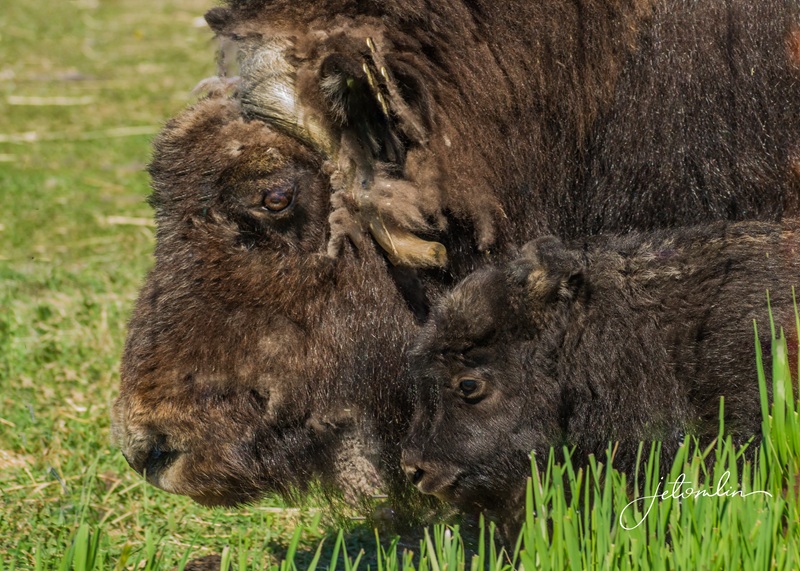
If you haven’t moxed out on musk ox yet, you can view all of my photos from the Musk Ox Farm at the Flickr link below:

You can view TG’s fabulous panoramas and Alaska photos here:

And finally, the rest of my photos from Alaska here: