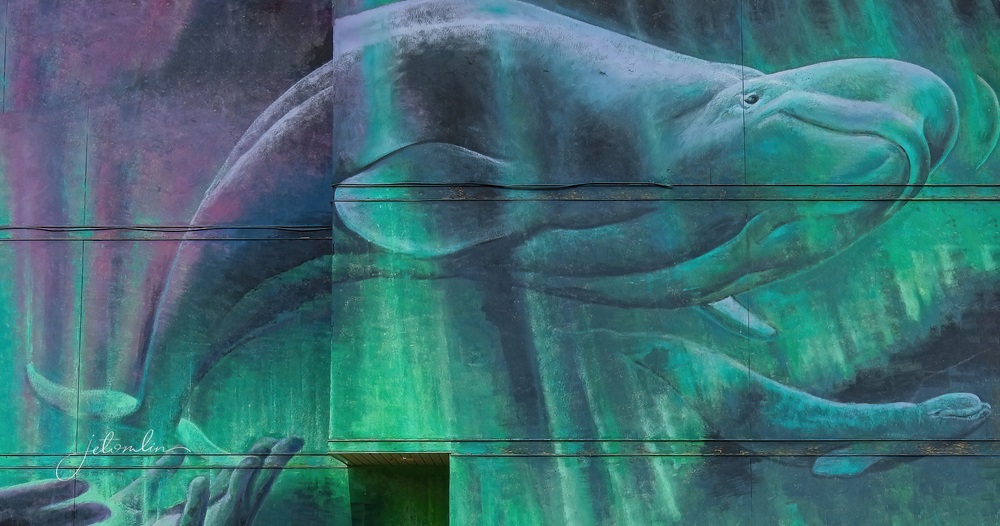
Singing Tides Beneath the Long Light

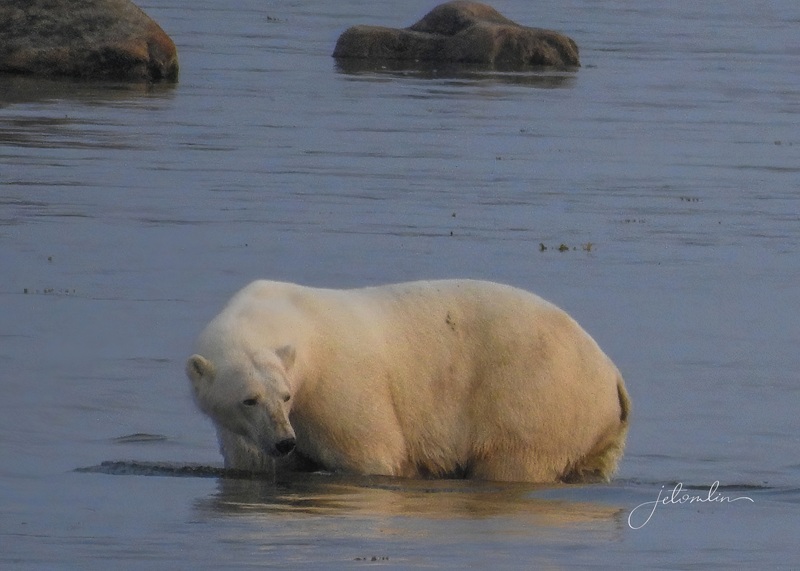
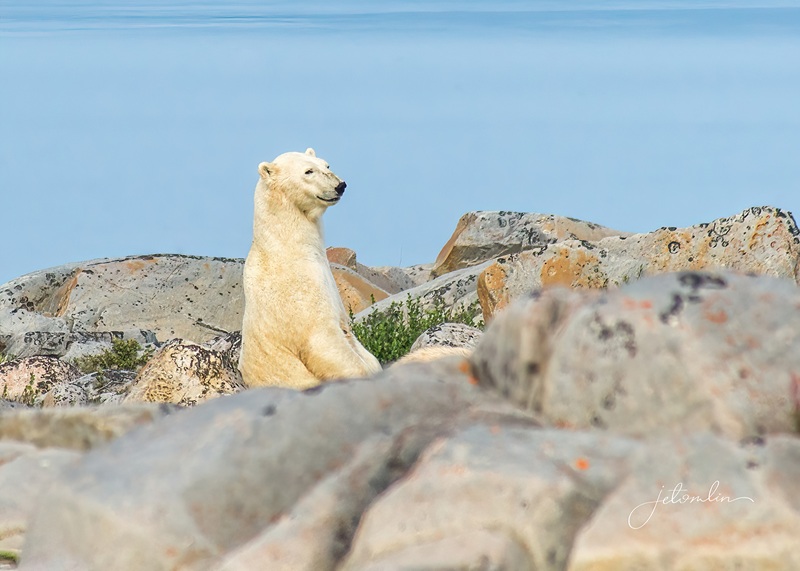
Churchill, Manitoba is known as the “Polar Bear Capitol of the World” and with good reason. Every autumn, when ice starts to form on Hudson Bay, some 650 polar bears congregate on the shoreline. In November of 2024, I spent a week at the Churchill Northern Studies Center, learning about and photographing these magnificent animals.

polar bear on the Hudson Bay shoreline, November 2024

But there’s more to Churchill than polar bears. The town is right under the aurora oval, making it one of the best spots to see the Northern Lights. You can catch them almost 300 nights a year!
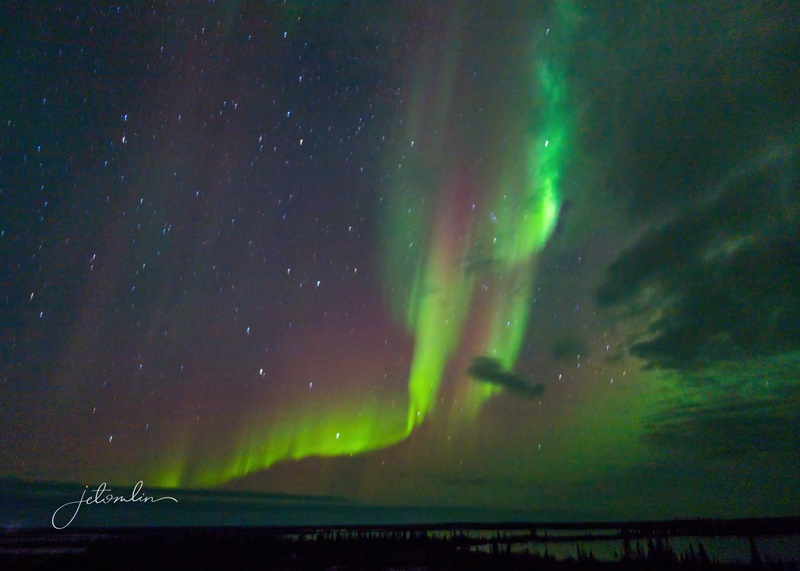
Northern Lights, November 2024

And it doesn’t stop there. Hudson Bay is home to nearly 60,000 beluga whales. For most of the year, they reside in inaccessible areas with extreme cold.  But for a short period each summer, they come into the shallow waters around Hudson Bay to breed, give birth, and socialize. 

Sea North Beluga Zodiac Tour, August 2026

It was the opportunity to see these “canaries of the sea” that brought me back for a second visit in August 2026. Since TG wasn’t interested, I asked my friend Deb to join me.
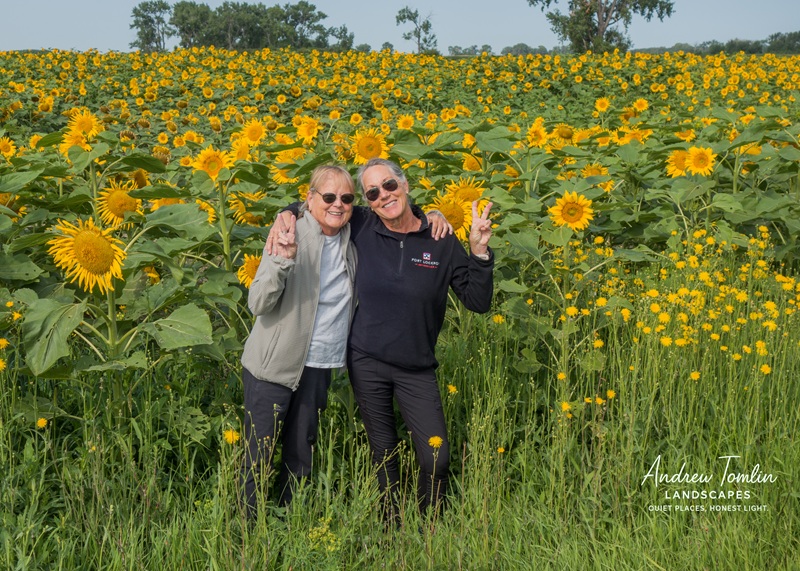
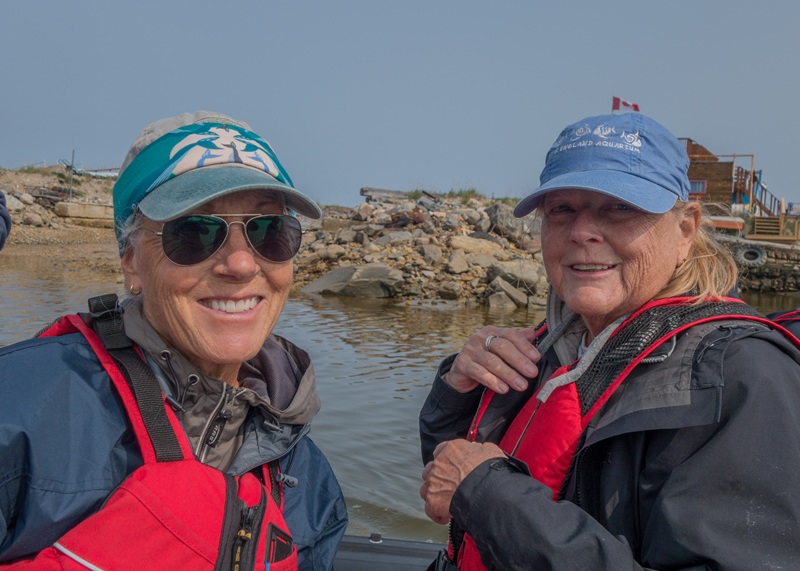
Deb & me, Napinka MB, August 2026

We planned our itinerary to get the most out of our trip while still having enough energy to enjoy each day. Since the beluga tours are tide dependent, we booked those first and then filled in our remaining time with land safaris to look for polar bears and other wildlife. We also hoped to see Northern Lights, so we joined the “Aurora Call List.” With a small deposit, we’d get a wake-up call if they showed up.
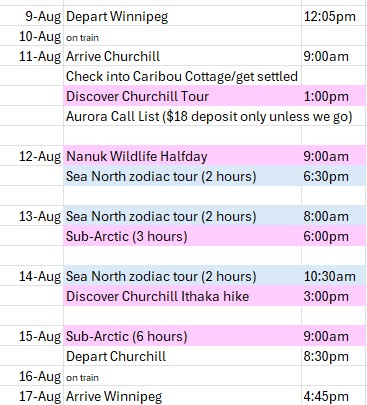
our itinerary

There is no easy way to get to Churchill. We could fly via Calm Air, the only airline serving Churchill, but tickets are pricey. Or we could take VIA Rail’s train, which departs from Winnipeg twice weekly and takes about 45 hours to arrive. To keep our costs low, we opted for the train.
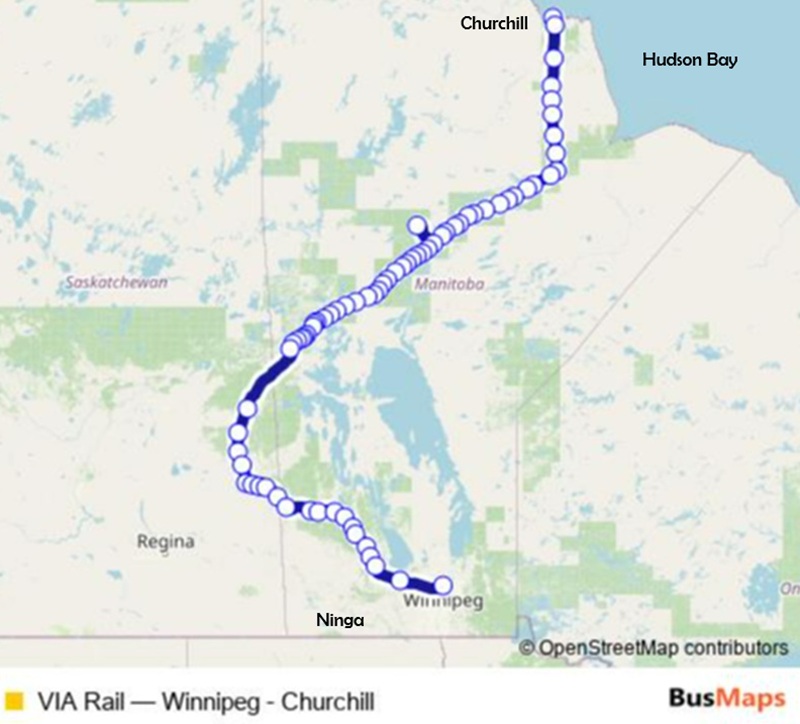
train route from Winnipeg to Churchill

And so, on the morning of Sunday, August 9, TG drove us from our Airbnb in Ninga to Union Station in Winnipeg to catch the 12:05 train to Churchill. This train would be our home for the next two days.
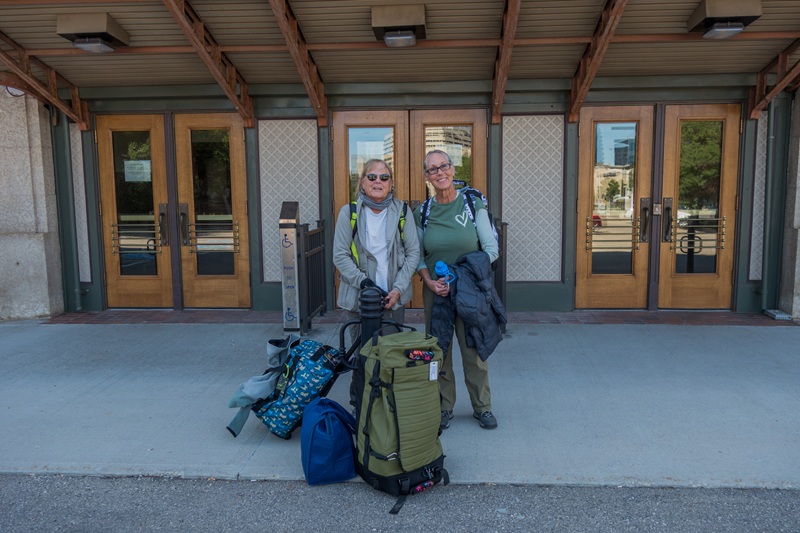
Union Station, August 9, 2026

A 45-hour train ride takes some planning, especially if you’re in economy seats the whole way. The food for sale was limited, so we brought our own meals. We also packed pillows, blankets, comfy clothes, and plenty of books and games. But the scenery was so engaging we spent most of our time looking out the window, sitting in the dome car, and chatting with fellow travelers.
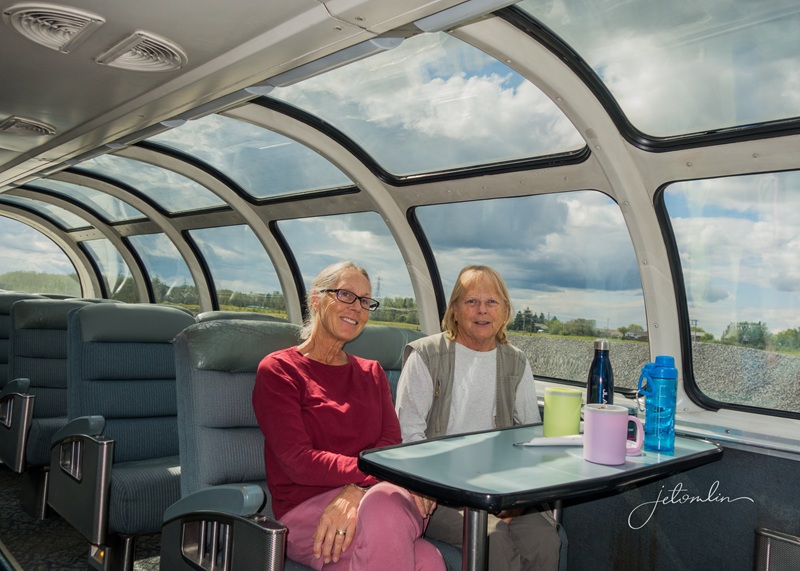
the dome car

Heavy rains had washed out tracks between Winnipeg and Thompson, so we detoured onto the main freight line. This delayed us a bit, but we still arrived in Churchill at 11:00am on Tuesday morning.

August 2026 washout, photo courtesy of CN Railway

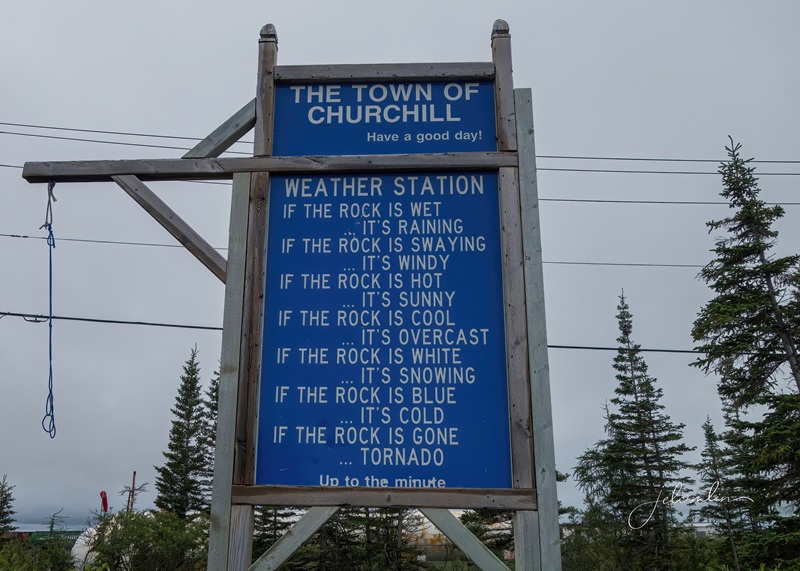
Churchill is home to many large murals, created during the 2017 Sea Walls project. Artists came from around the world to paint them, and each mural tells a story about climate change, ocean protection, or the town itself.
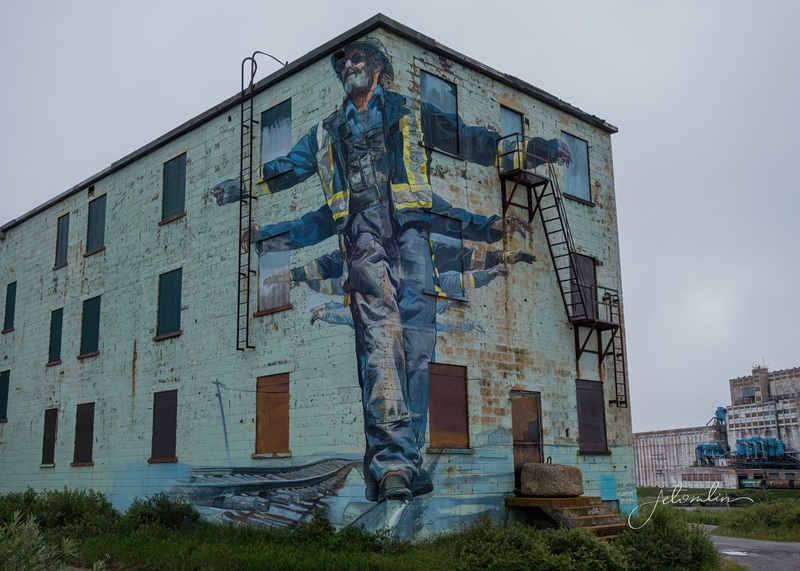
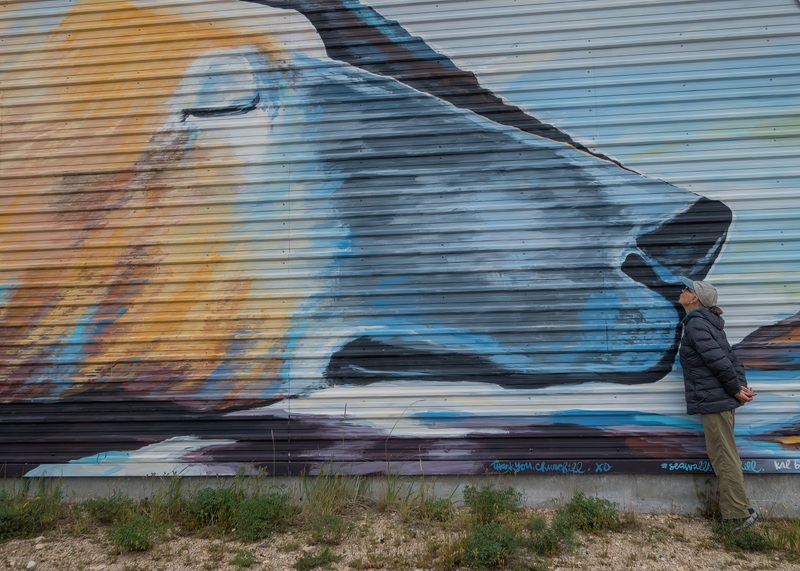
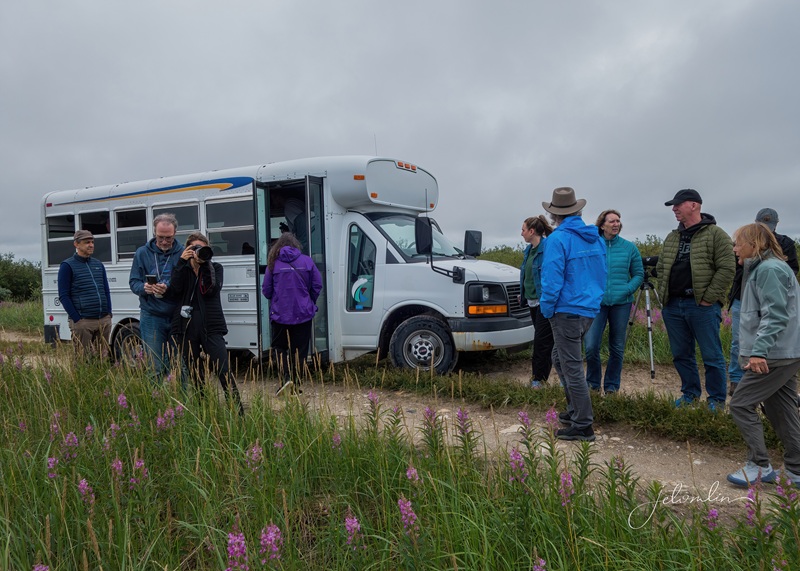
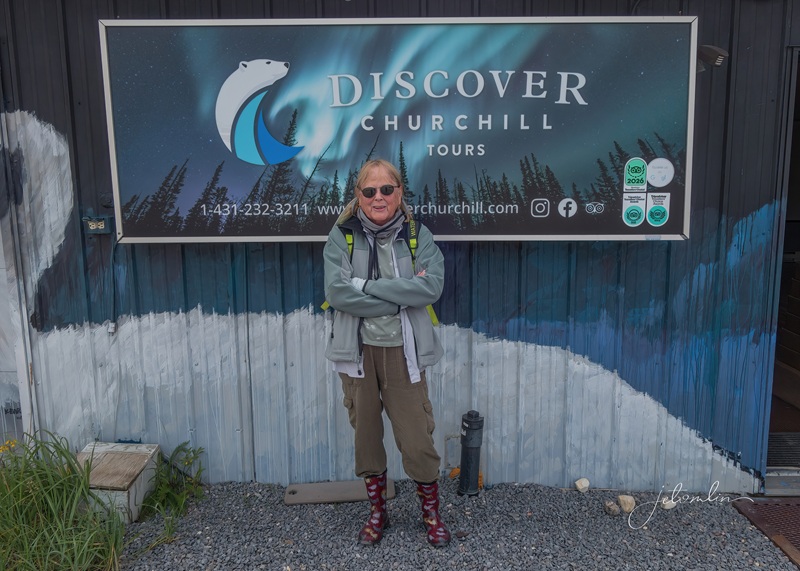
After checking into our cozy room at Caribou Cottage, we were on our way. We began with a Discover Churchill tour, expecting to see all the murals. But our guide, Alex, surprised us by telling us about polar bears just outside town. In the first hour, he spotted five: two adults and a mother with two cubs. We also saw sandhill cranes, a snowshoe hare, bald eagles, plus many of the murals and other landmarks. Our week was off to a great start!
We spent our second morning on another wildlife tour, this time with Nanuk Operations. We first watched a bear on the rocks near town, then headed east after our guide Caleb got a tip. There, we found another mother polar bear with her two COYs (cubs born this winter, called “cubs of the year”) on a beluga whale carcass. They were pretty far away—too far for my long lens—but I still managed to get a few shots with my old P900.
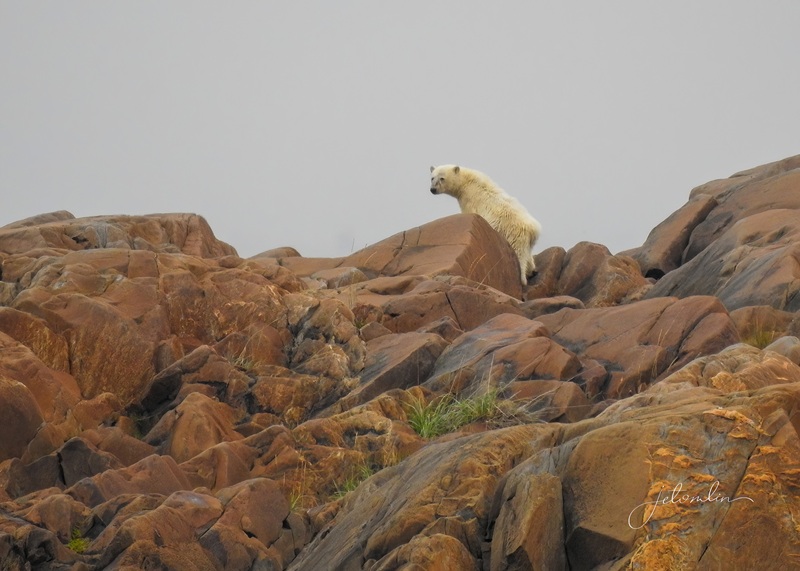
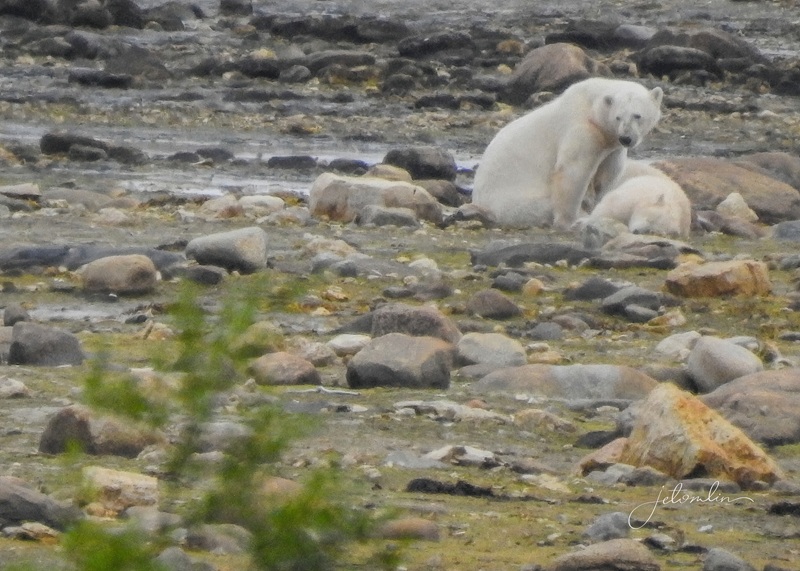
Wildlife tours are similar everywhere. Guides drive slowly, searching for animals and sometimes sharing tips with each other. This tour was no different. We saw six polar bears, bald eagles, some snow geese, and a family of beautiful Pacific loons.

On Wednesday, August 12, we received the following email: “The forecast for tonight is favorable to potentially see the aurora and it coincides with a meteor shower! This email is to confirm your spot on our northern lights call list. Please remember to turn your ringer on and make sure your phone is NOT set to “do not disturb.”

With high hopes, we readied our cameras and tripods. Sure enough, the “Go” call came at 10:45. Alex picked us up at 11:15 and drove us to the Miss Piggy plane wreck, an iconic Churchill landmark.
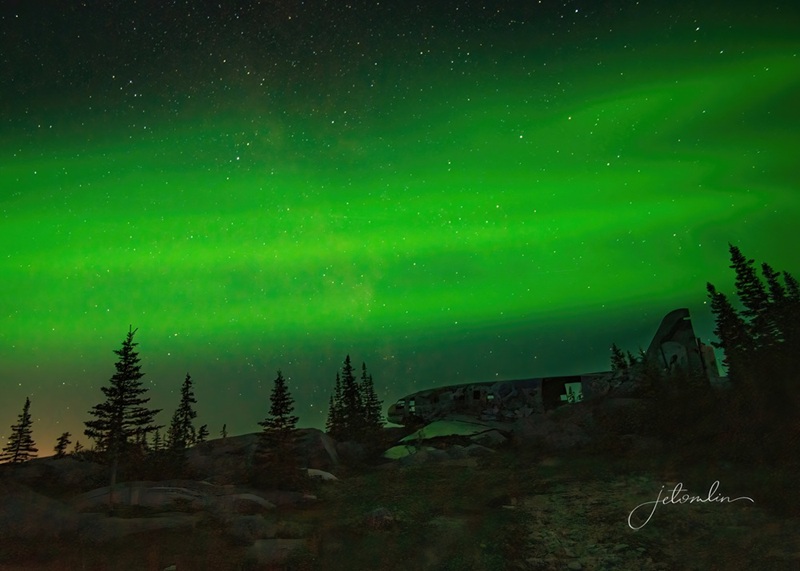
Aurora over Miss Piggy

We spent almost two hours watching the sky shimmer and dance. We oohed and aahed as green ribbons turned into arches, then into big tornado shapes before twisting back into ribbons. Meteors shot across the sky in every direction.
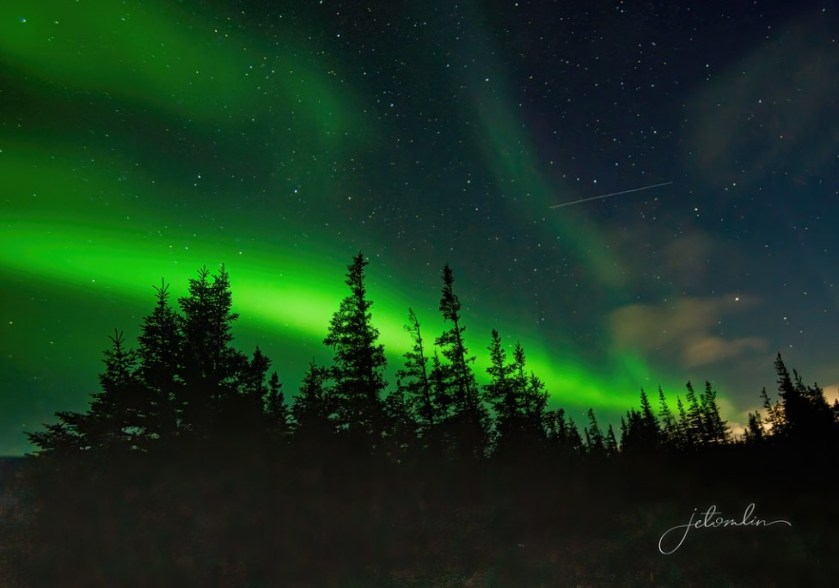
It was everything we had dreamed of.
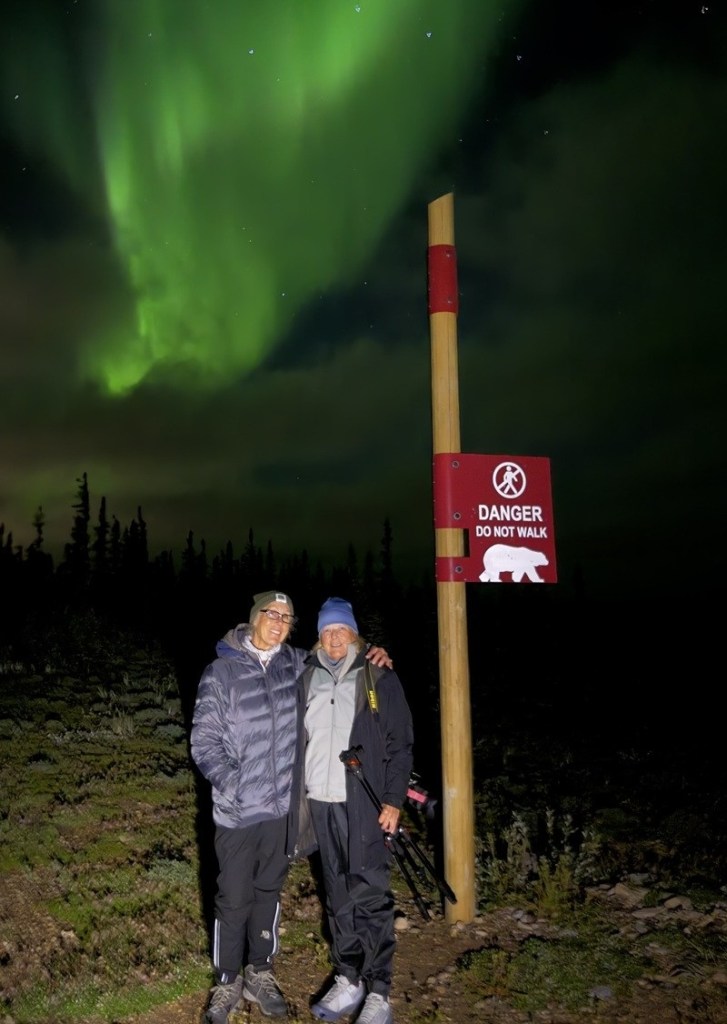
photo courtesy of David Sandford, Discover Churchill Tours

In mid-August, Churchill enjoys long days, with sunrise around 5:30 am and sunset near 9:00 pm. The extra daylight lets you take tours well into the evening. Our first zodiac tour started at 6:30 pm.

We booked three beluga tours over the week: one in the evening, one at 8 am, and another at 10:30 am. The changing tides let us take both above-water and underwater photos in different lighting. Still, photographing whales in green water from a moving zodiac was much harder than I expected!

Sea North Beluga Zodiac Tour August 2026 (GoPro screen grab)

Our guides taught us a lot about these amazing animals as we cruised along the Churchill River. For example, belugas communicate with a whole repertoire of sounds and even have names for each other!

canaries of the sea! (video by Deb, August 2026)

On our second tour, someone spotted a bear across the river, so we went to see it before returning to the whales.

August 2026

Our final tour was truly memorable. We left at 10:30 and right away saw another bear on the opposite shore. After watching him for a few minutes, we went back to the belugas. They were everywhere, but none came close to our boat.
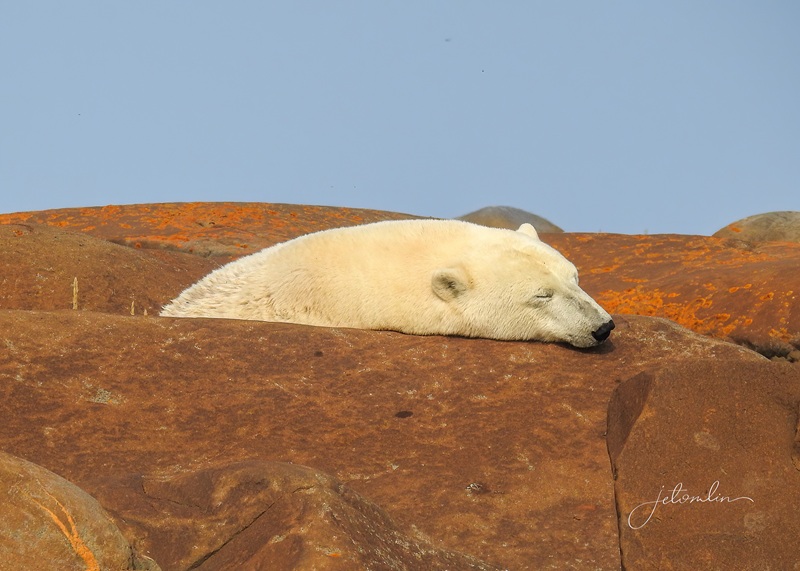
August 2026

We’d heard that music might attract them, and Kathy, a fellow passenger, had brought along a small underwater microphone. She started with Beethoven, but the belugas didn’t react. Next, she tried ABBA’s “Dancing Queen,” then the Bee Gees, followed by a Vivaldi violin concerto, but still nothing.
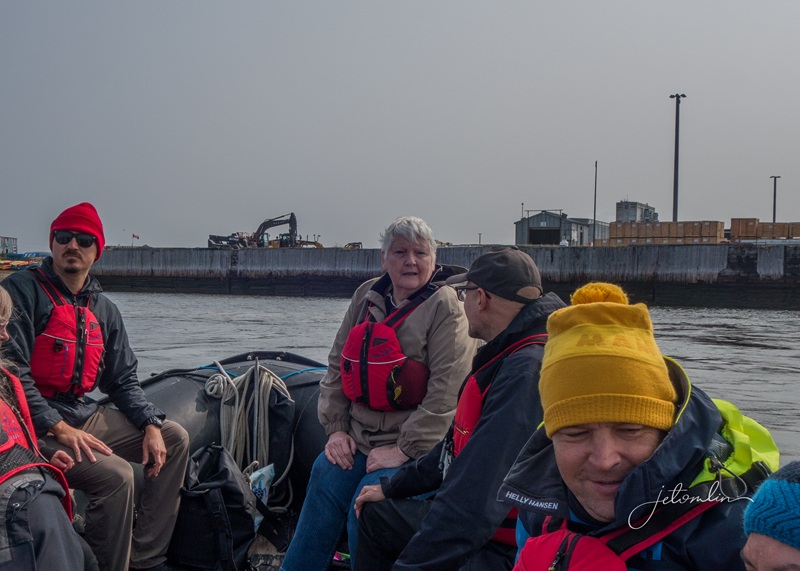
Thank you, Kathy! (center back)

Finally, she played Andean pan flute music, and suddenly the whales came in droves.

Sea North Beluga Zodiac tour, August 2026

A pod of 10 to 15 belugas followed us for over 45 minutes, giving everyone plenty of chances for both topside and underwater photos.
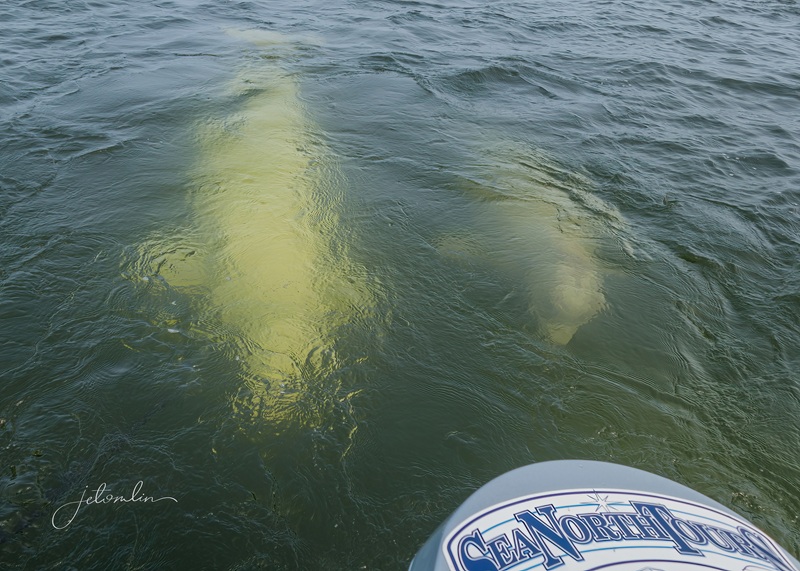
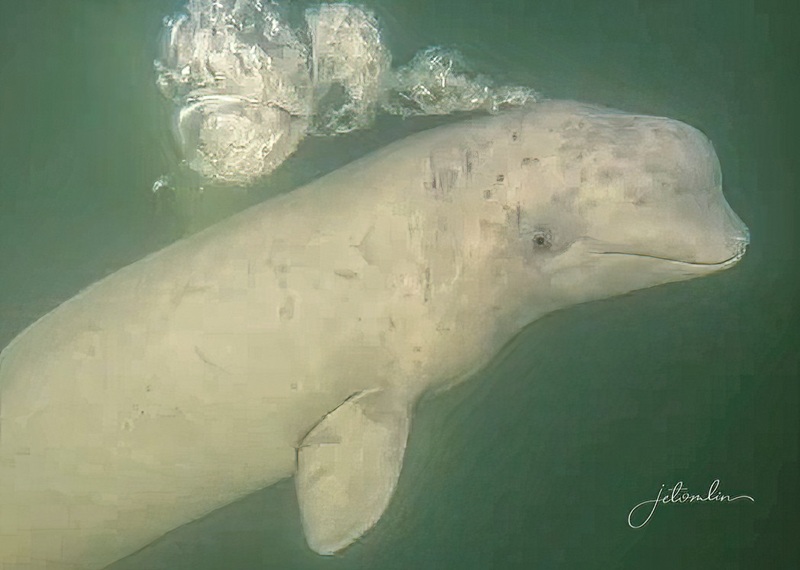
This is a remarkable time in the lives of these beautiful, wild creatures, and being allowed such an intimate view was mind-blowing.
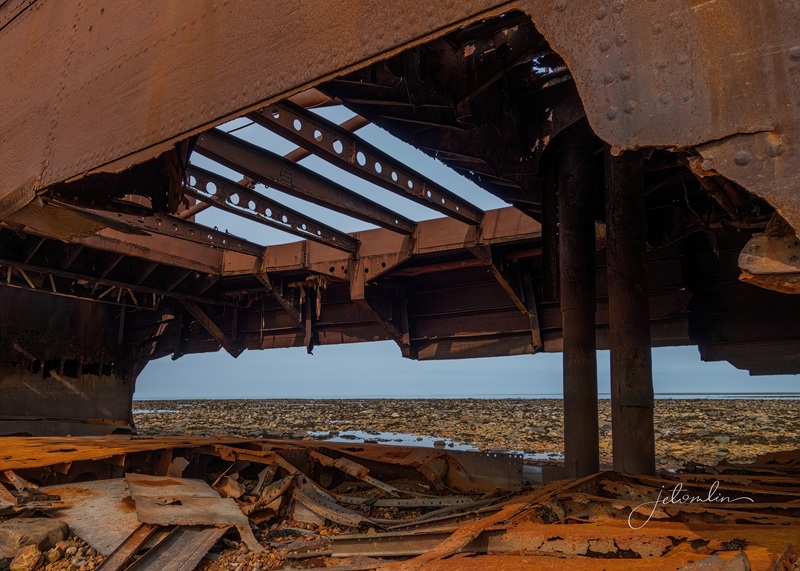
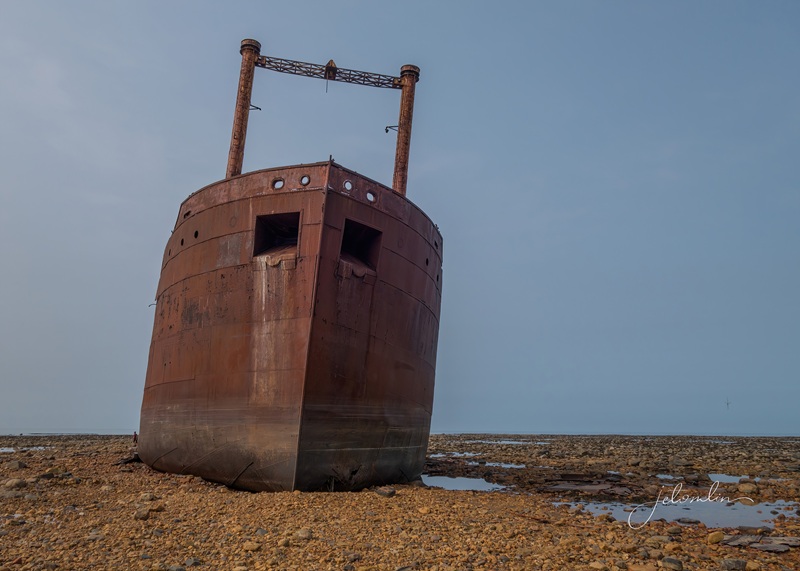
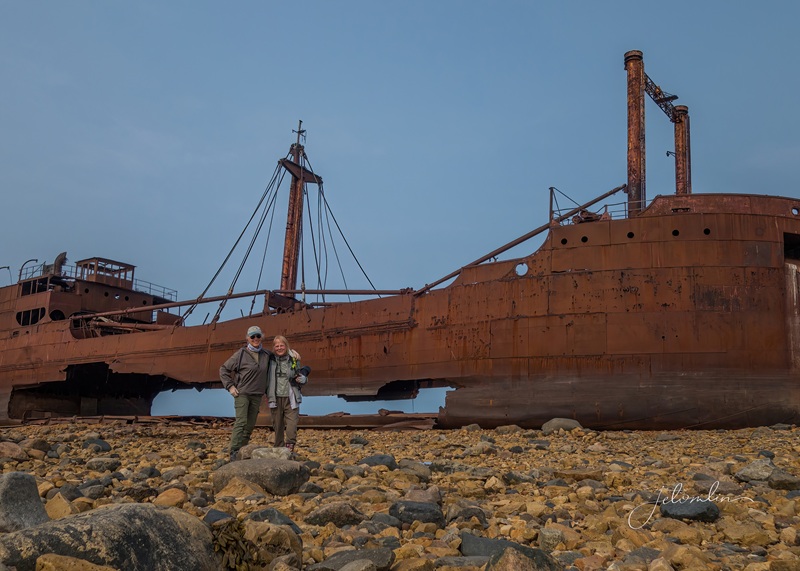
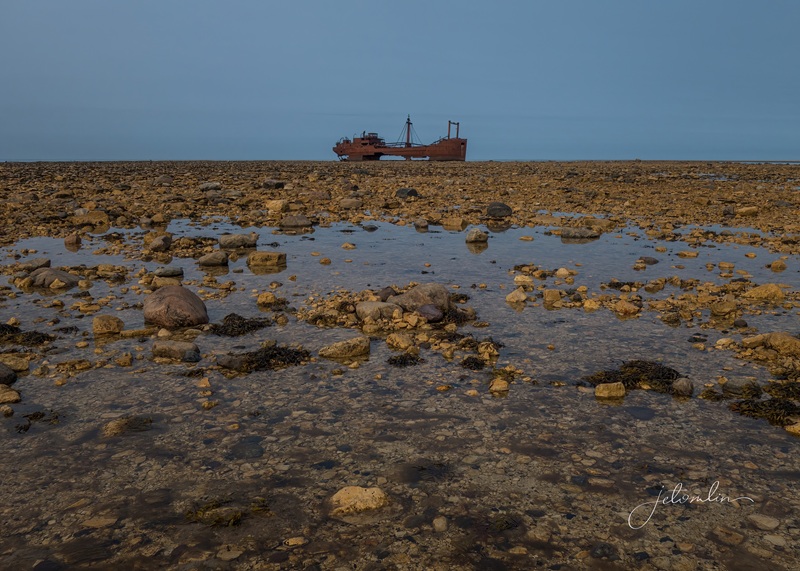
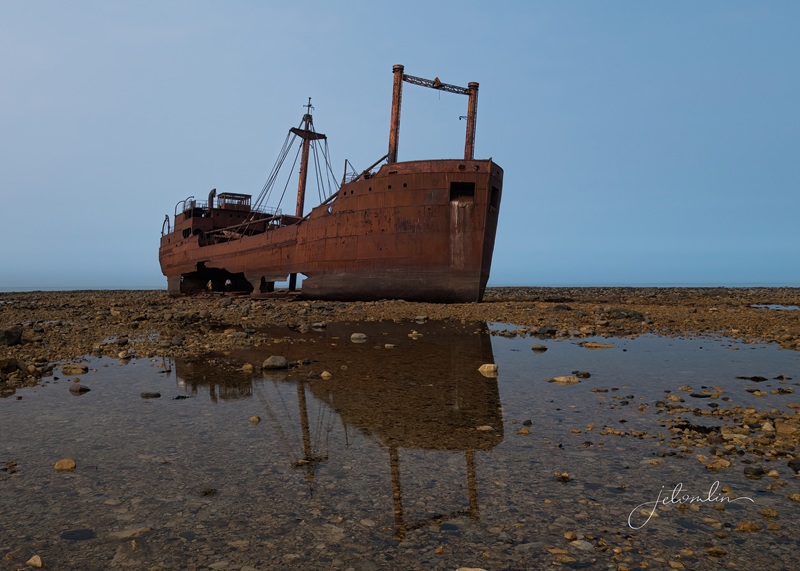
That afternoon, we changed things up and joined Discover Churchill for a hike to the SS Ithaka. This ship ran aground during a fierce storm in 1960. It sits about 600 meters offshore, and at low tide you can hike out to it.
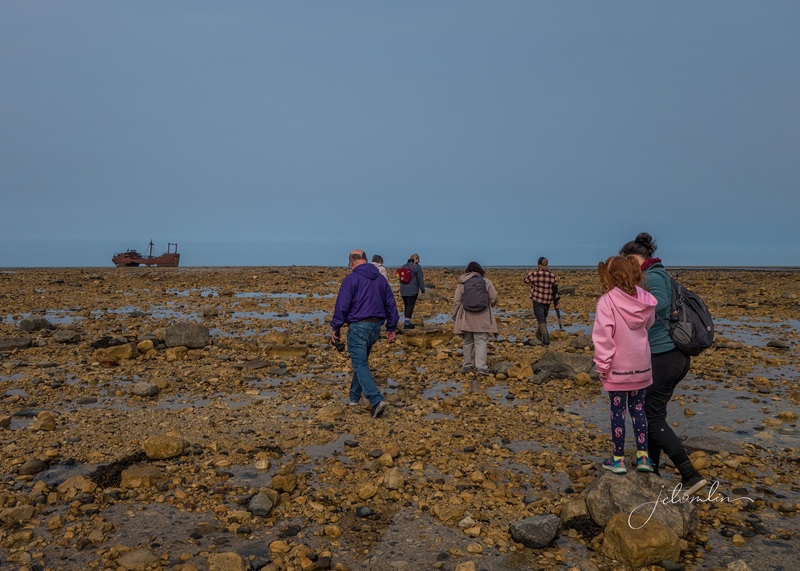
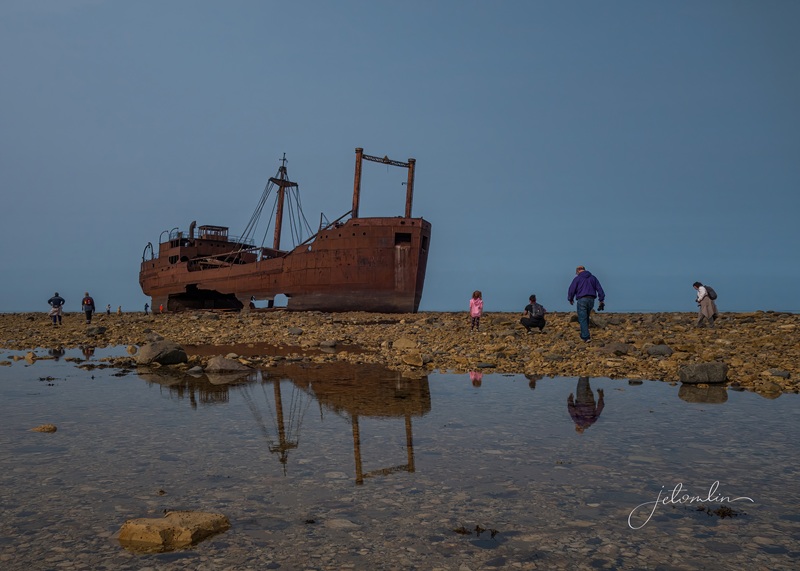
It took us about 45 minutes to pick our way across the tide pools and rocks littering the ocean floor, but standing under the impressive wreck made it all worthwhile.
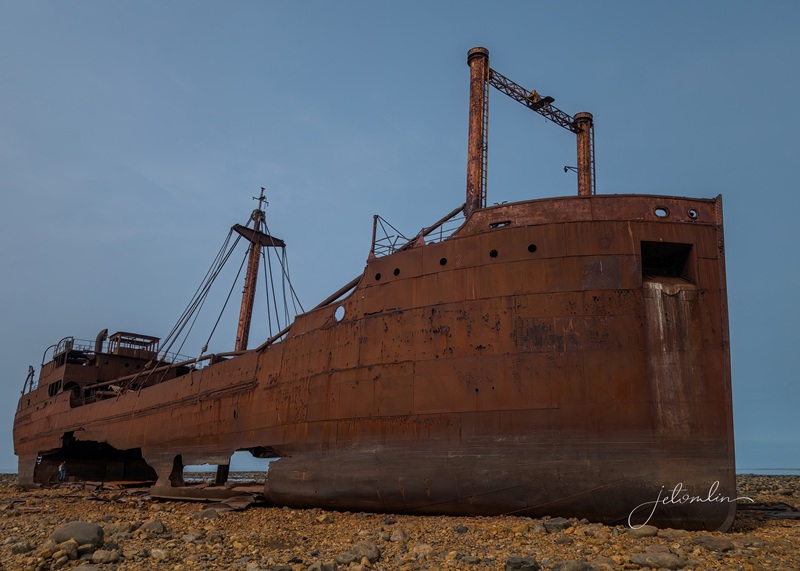
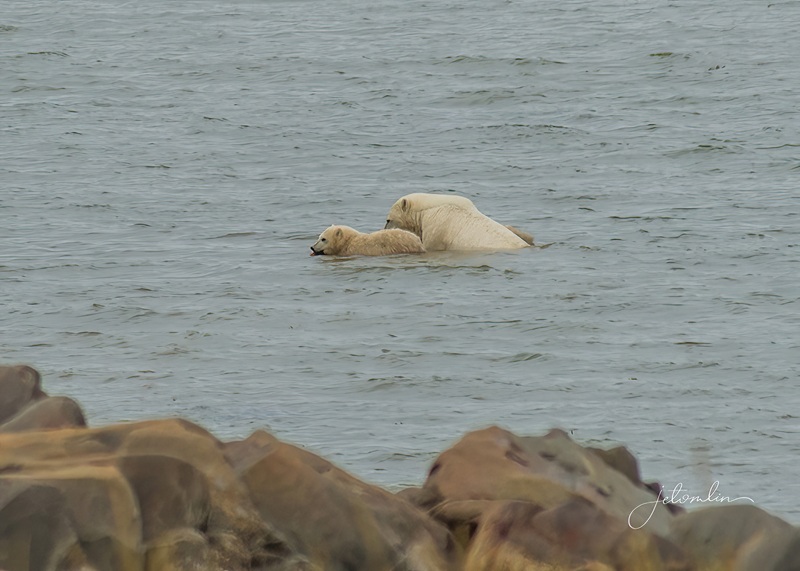
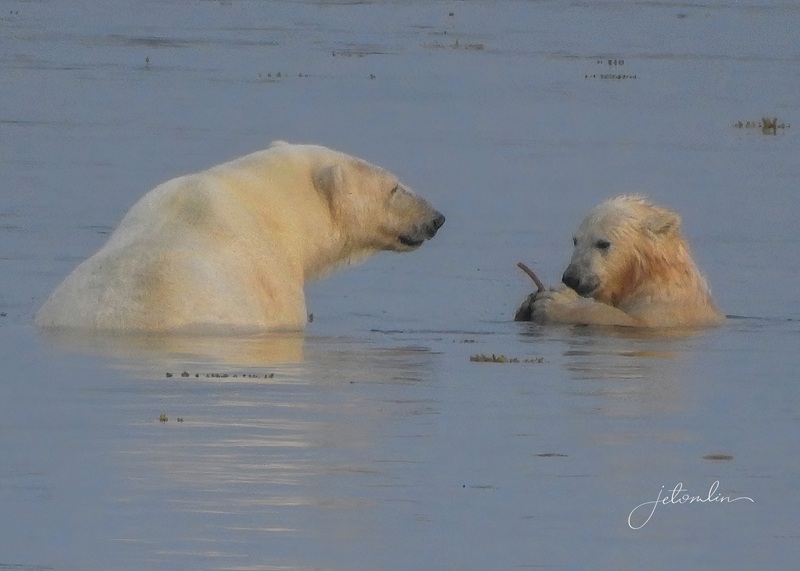
We booked our final two wildlife tours with Sub-Arctic. Thanks to the long days, we went out one evening, which turned out to be another highlight. As the sun set, the animals became more active, and we watched a mother and her two cubs swimming and playing in Hudson Bay.
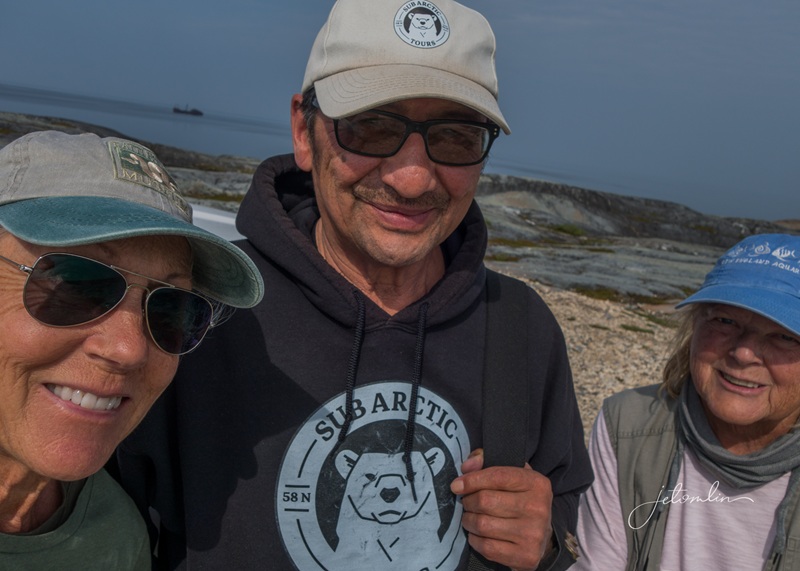
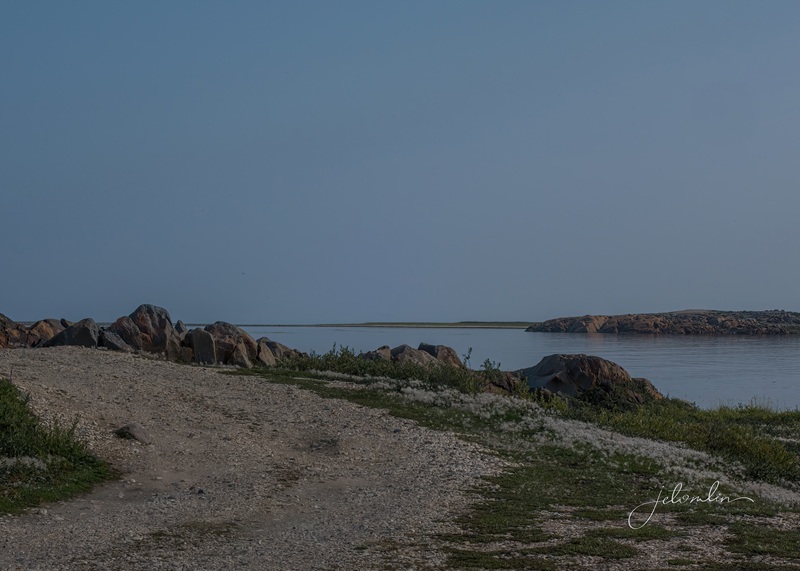
We saw another mother and two cubs resting on the rocks above us. While we watched, a young male walked up from far down the beach.
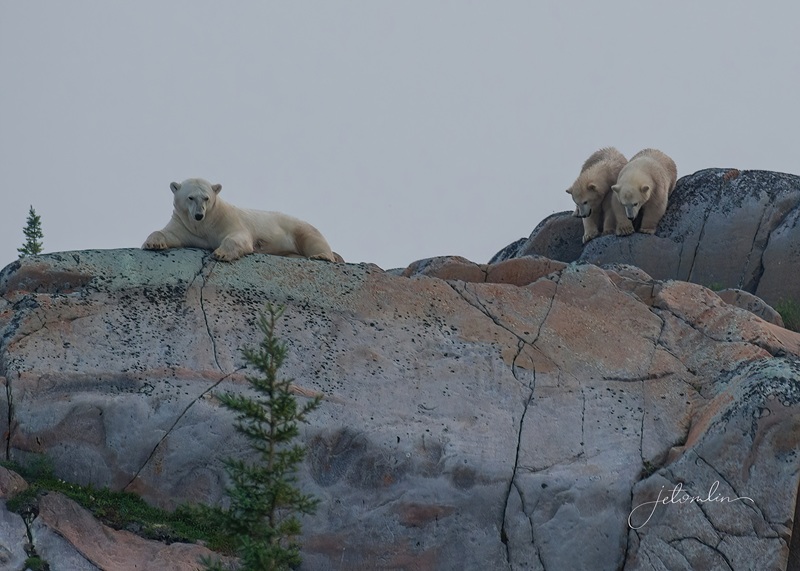
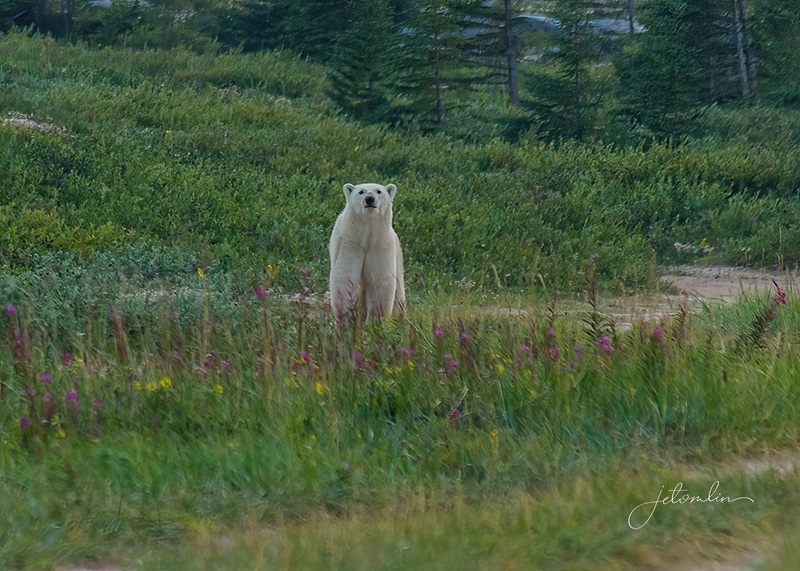
As he grew closer, our guide Stanley said, “The mom will chase him away,” but instead, she simply got up and moved her cubs. Later, when we looked at our photos, we noticed a fresh scratch on her nose and guessed she didn’t want another fight.
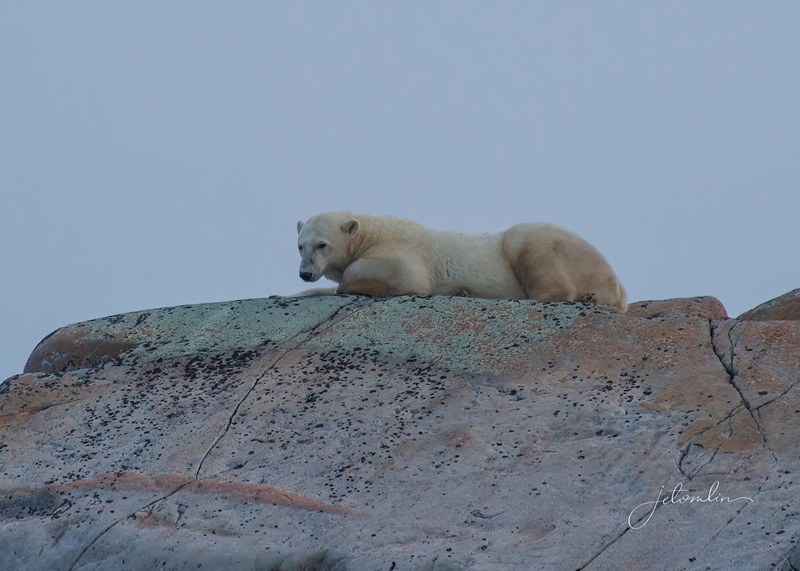
looking at our photos we noticed a fresh scratch on her nose

Our last tour was on Saturday, our departure day. In the first half-hour, we saw a mother with two cubs swim across the bay and then scramble up the rocky hillside, and bit further along, a single male polar bear.
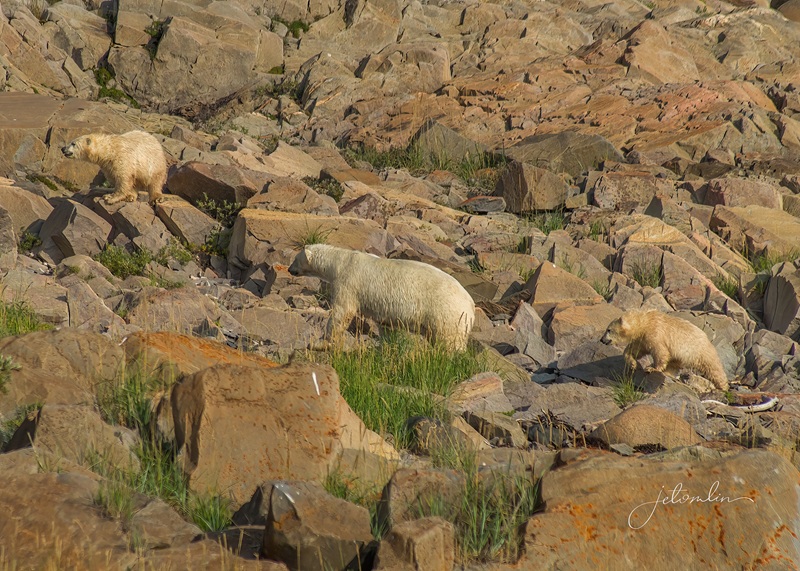
this mom and two cubs swam across the bay and then scrambled up the rocky hillside

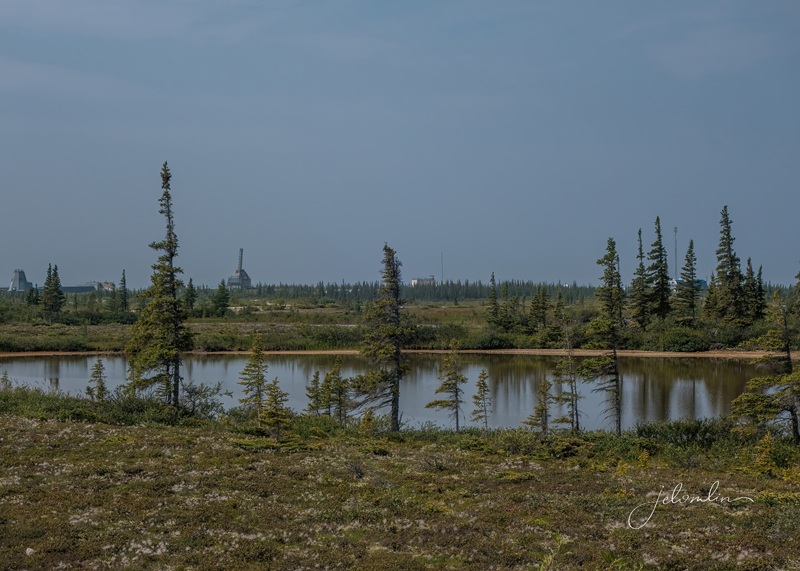
After that, things got quiet. It was warm—temperatures reached 72 degrees, which is too hot for much activity on the tundra. Stanley took us deep into the boreal forest toward Twin Lakes.

Stanley took us deep into the boreal forest

We didn’t see any wildlife, but the scenery was beautiful,
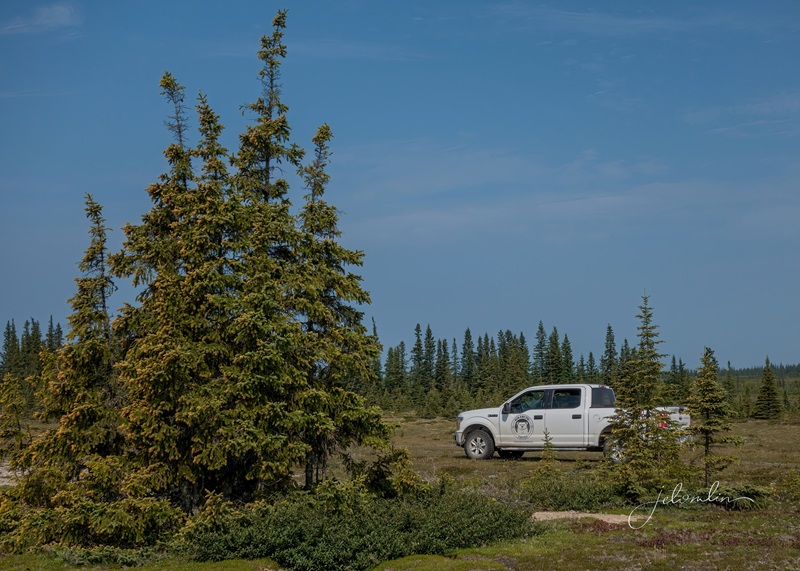
And we spotted several half-buried rockets left from the 1950s launch site.
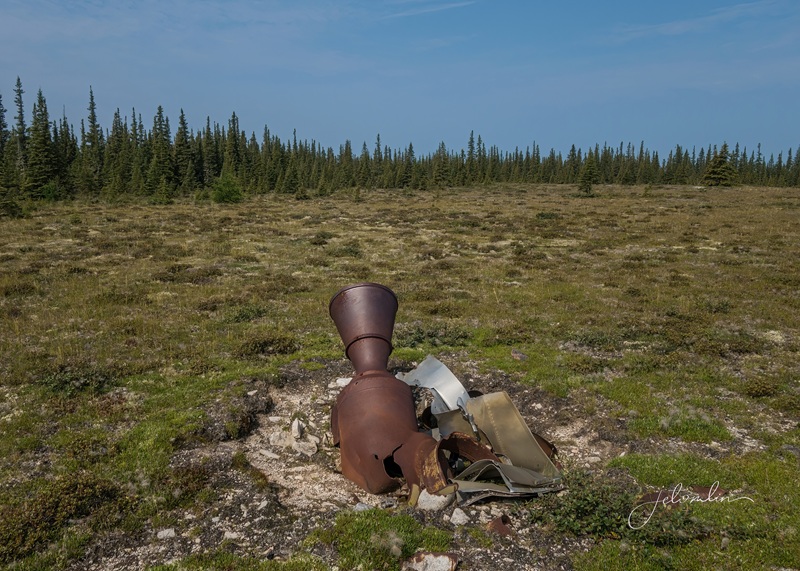
As we headed back towards town, we spotted a beautiful juvi bald eagle who posed for a few photos before flying away.
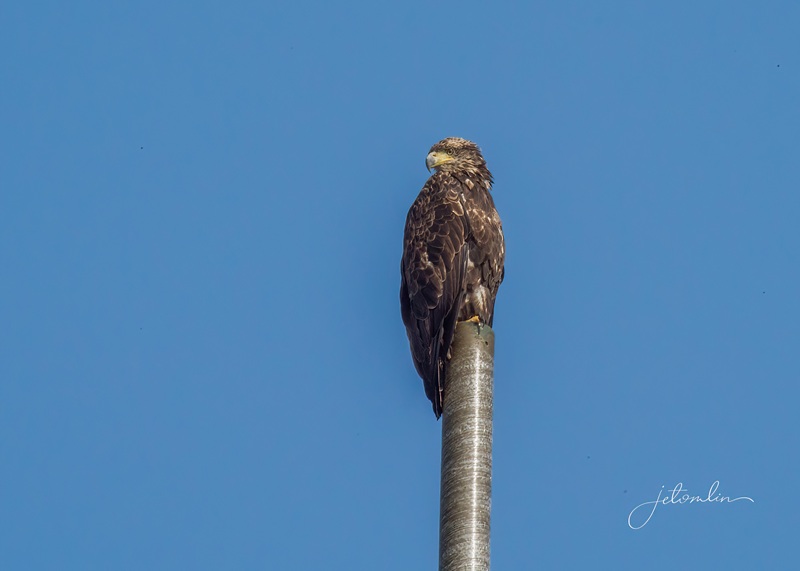
juvenile bald eagle

Just when we thought our trip was over, something caught my eye. As soon as I thought “bear,” Stanley noticed her, too. Another bear. With one—no, two cubs!
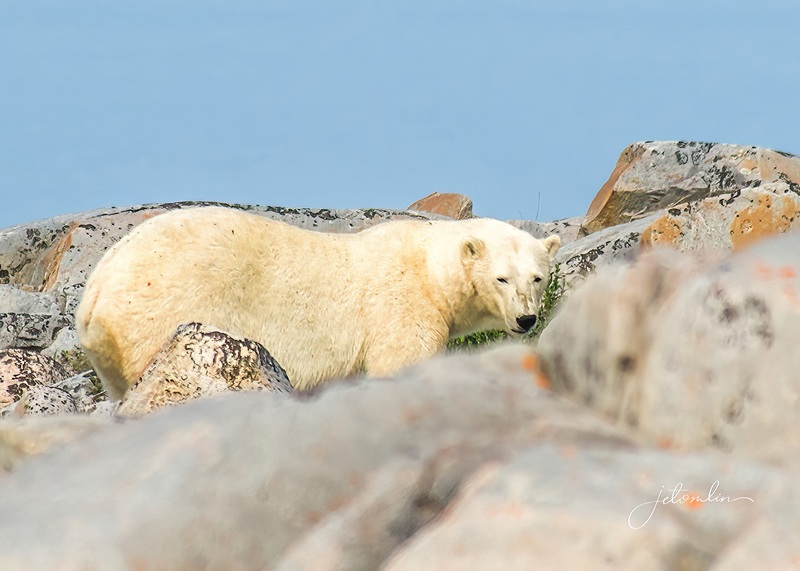
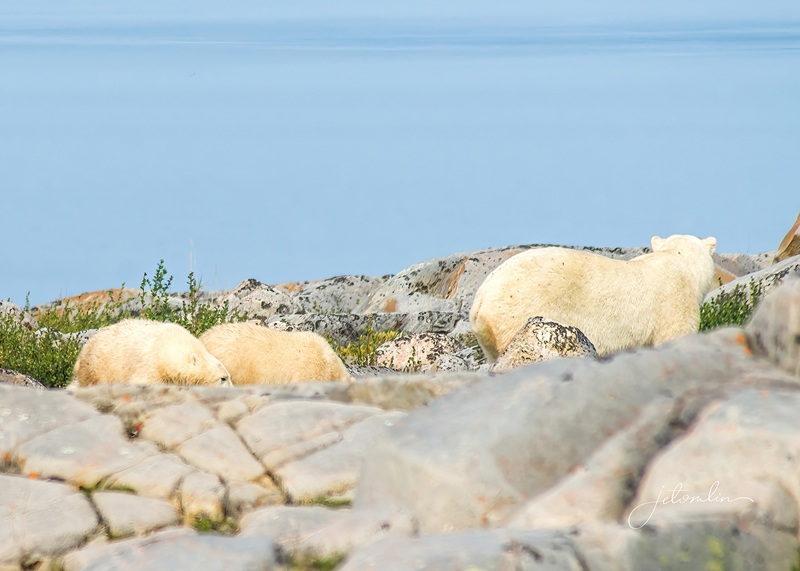
Across the ridge, another bear with two more cubs! And yet another coming towards the three on the ridge!

another mom and two cubs across the ridge!

Seven bears from the same spot, and for 20 minutes, the only sound was the clicking of our cameras.

what a great ending to our stay in Churchill!

Tired but happy, we went back to Caribou Cottage to pack up and get an early dinner before our journey home.
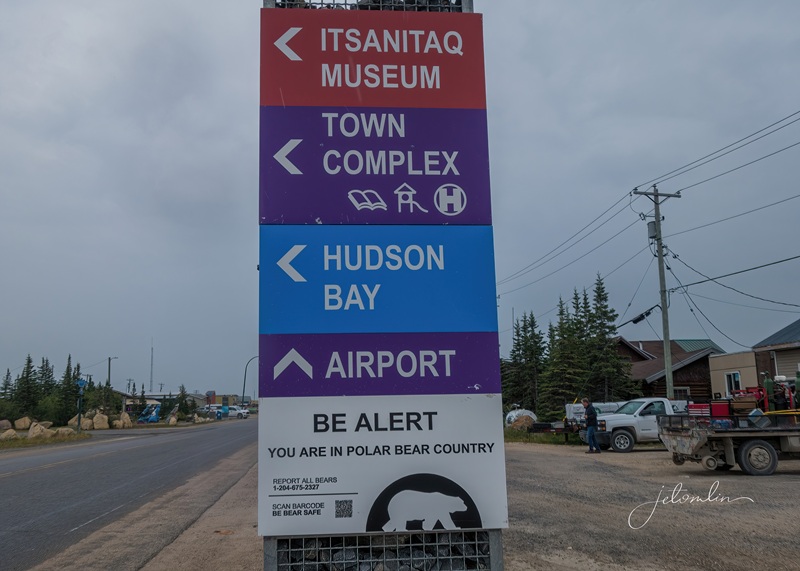
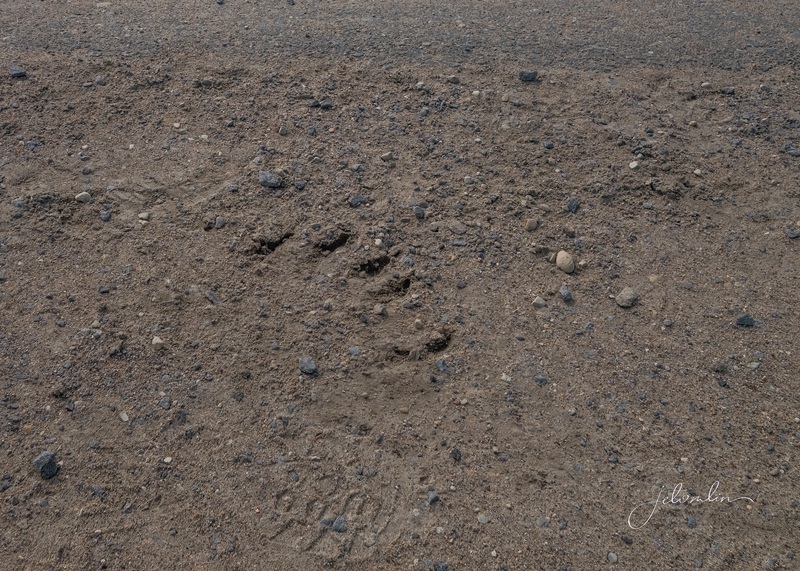
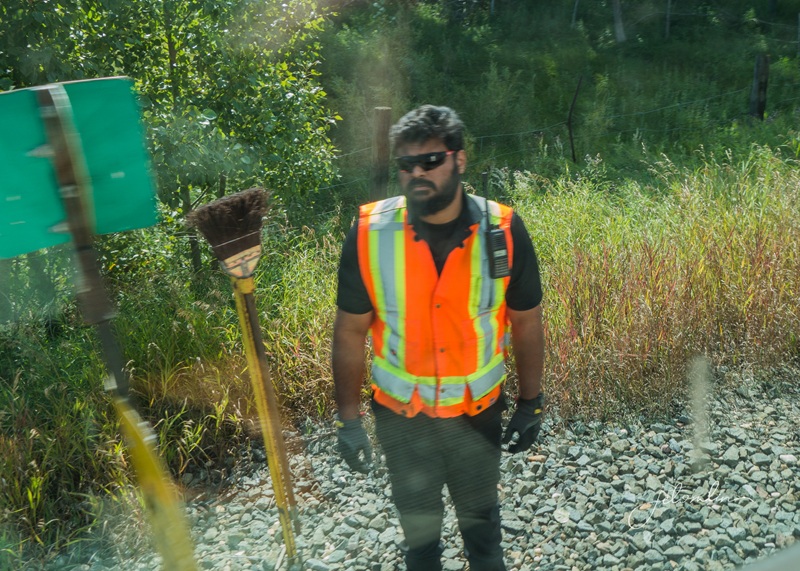
While waiting on the platform to board the train to Winnipeg, we saw several familiar faces. Michael and Lena, the honeymooners from Austria who traveled up with us, and we had run into several times during the week, were there. We also recognized other people from the train north or from our tours.

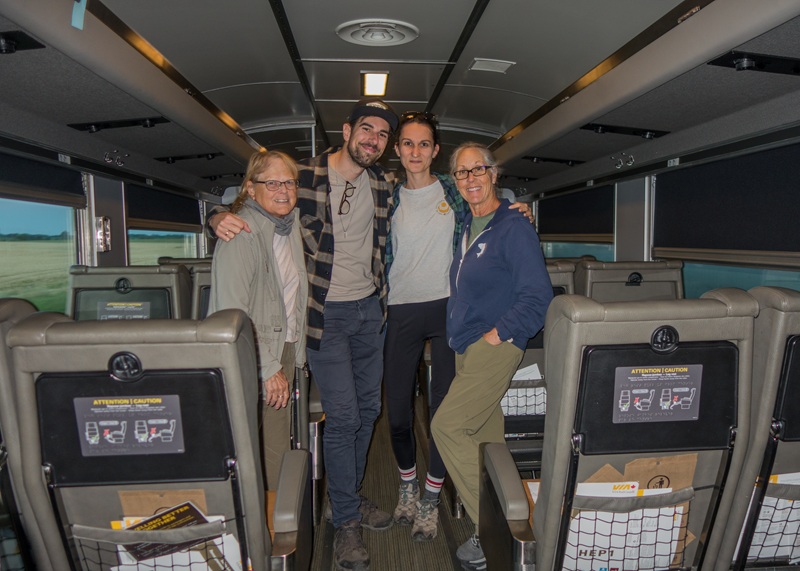
The idea of spending two days on the train each way seemed daunting, but the trip was enjoyable. I never even opened my Kindle because the scenery was so interesting. Sleeping in economy seats wasn’t comfortable, but it was worth it for the money we saved and the extra tours we could take in Churchill. I took photos from the train and made a short video: 47 hours condensed into 90 seconds.

If you’re thinking about taking the train, my advice is to build in an extra day or two. Our train to Churchill was only two hours late, but on the way back to Winnipeg, we were delayed by track repairs. We sat in one spot for six hours, and by the time we reached Union Station, it was close to midnight, and we were over eight hours late.
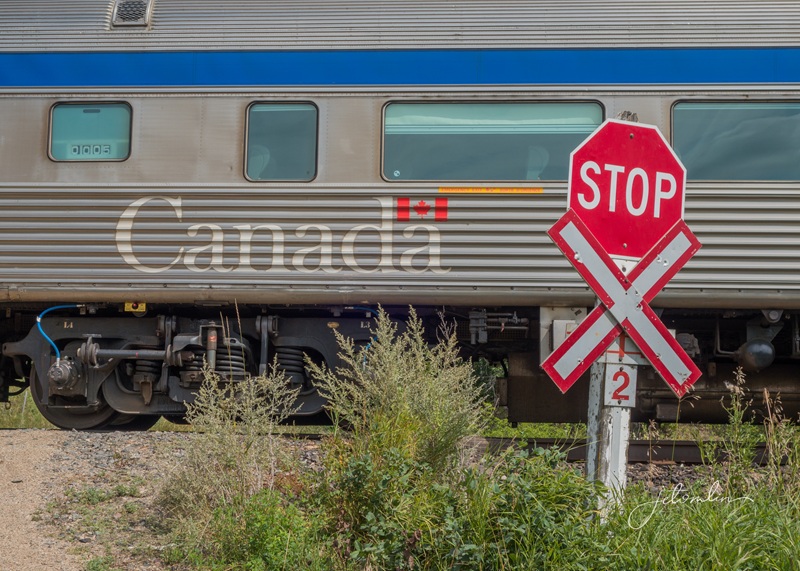
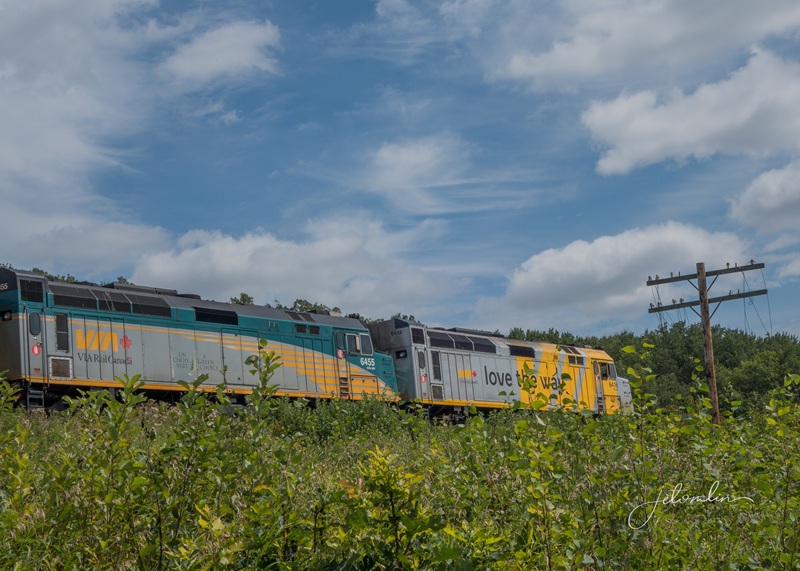
Still, the Via Rail staff did everything they could to make us comfortable. They provided a free dinner, more Oreo cookies than we could eat, left the doors open so we could step outside for fresh air, and kept us as updated as possible.
TG was following our progress online, so we decided he should head back to Ninga and pick us up the next morning, while Deb and I booked a hotel in Winnipeg. There were several people on our train with early morning flights and no choice but to head straight to the airport.

Humphry Inn & Suites, Winnipeg (internet photo)

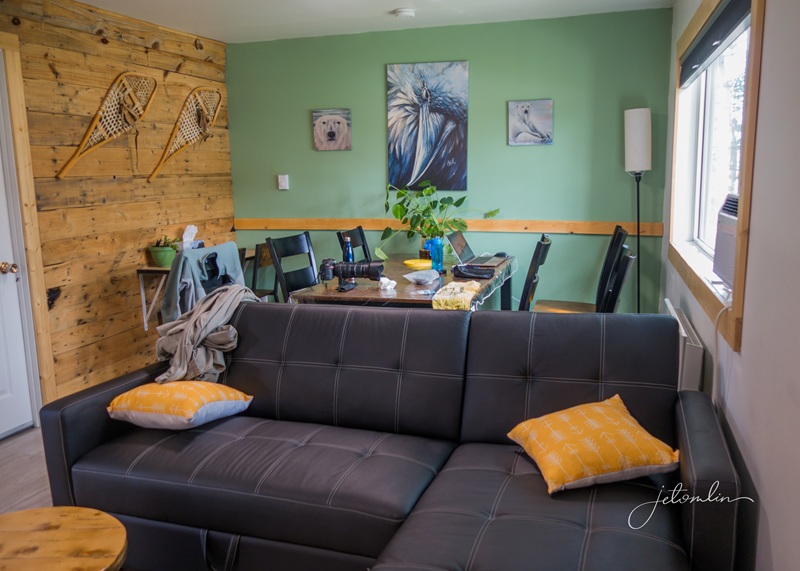
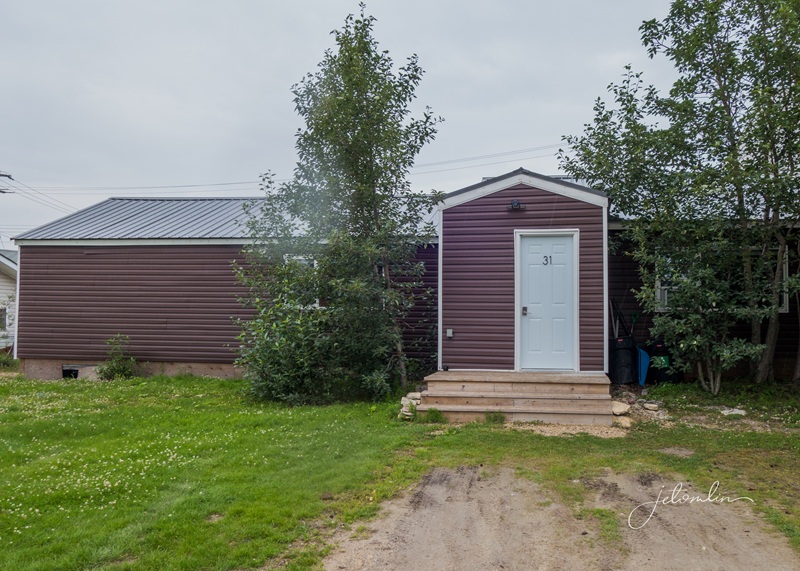
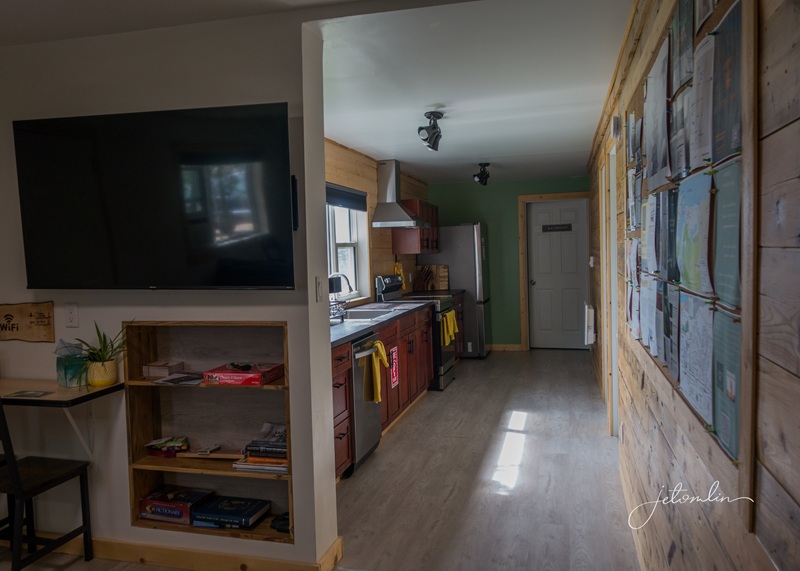
Caribou Cottage was the perfect place for our stay. We shared a big kitchen, common area, and two bathrooms with four guest bedrooms. It was quiet but still close to the tour offices, restaurants, and grocery stores. Roy, our host, was easy-going and quick to respond. We spent the week with Thomas, Ruxandra & Sebastian, and Ramon & Getty—all friendly and courteous world travelers. You can find Caribou Cottage on Airbnb and Booking.com.
We went to Churchill for the belugas but got so much more. We saw hundreds of whales, spotted polar bears 41 times, and enjoyed one amazing night of aurora—the “Churchill Trifecta.”
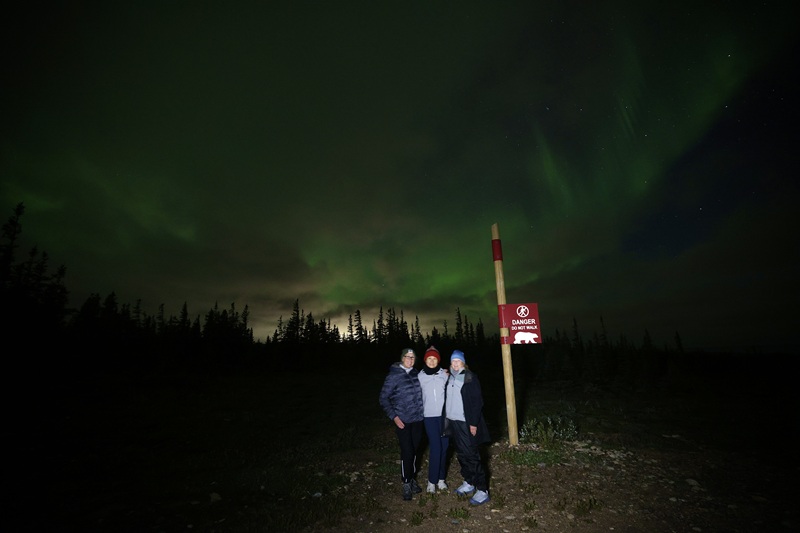
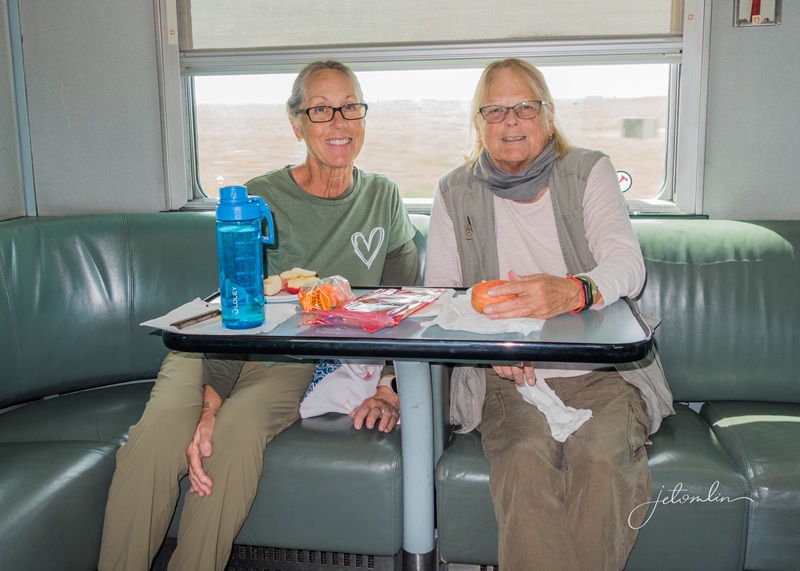
Deb, fellow traveler Ivy, and me

We also saw beautiful scenery and met wonderful people, both locals and fellow travelers.
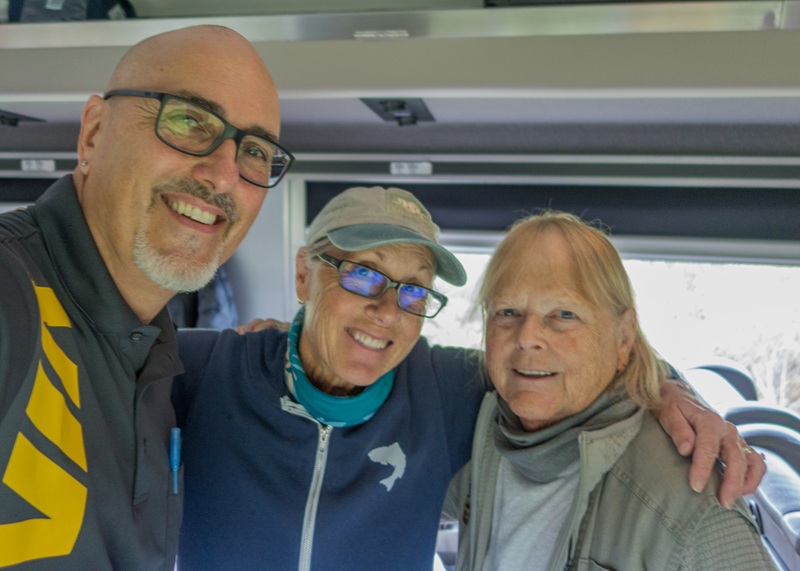
Via Rail service manager, Len

As we drove back to Ninga, I reflected on our week and everything we experienced. The belugas danced in the green water below us, and the aurora danced in the green sky above, making our time in Churchill truly magical.

Our time in Churchill was truly magical

You can see all my photos from our Churchill Trifeca on the Flickr link below:

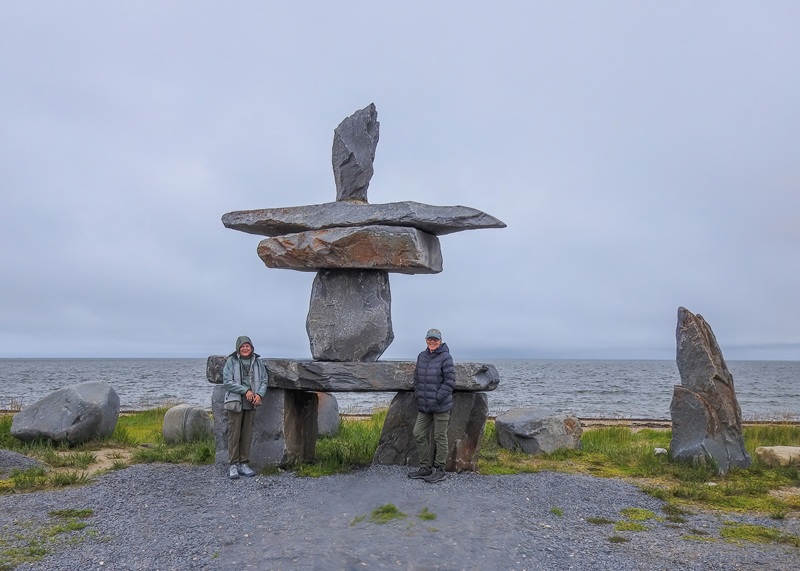
inukshuk
arrow through the set or click on any photo to open a new tab in Flickr

Wooly Bully!

♪♪ Matty told Hatty / About a thing she saw / Had two big horns / And a wooly jaw / Wooly Bully / wooly bully ♪♪ (Sam the Sham and the Pharaohs, c1965)

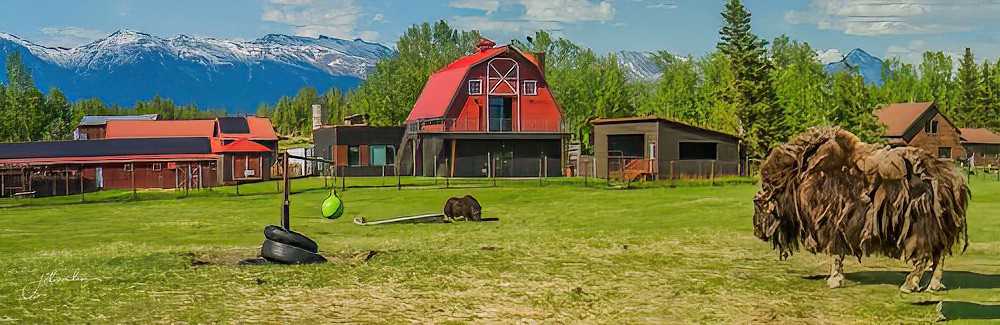
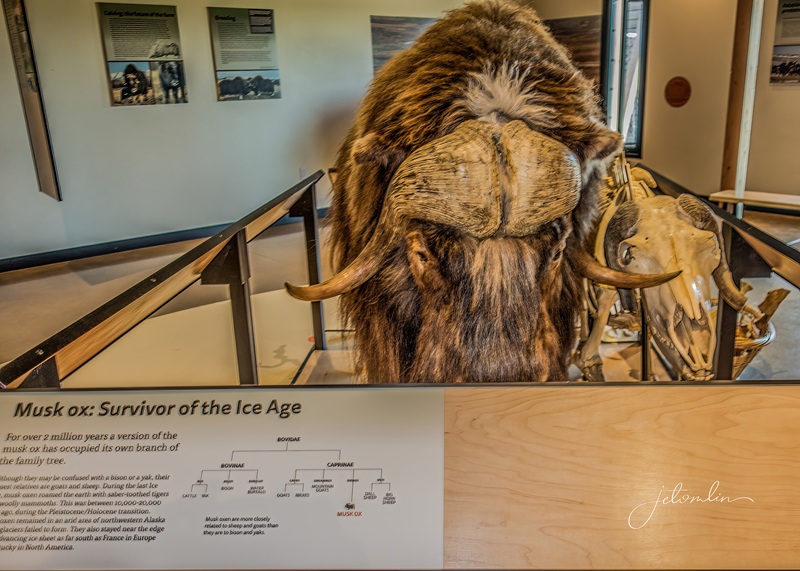
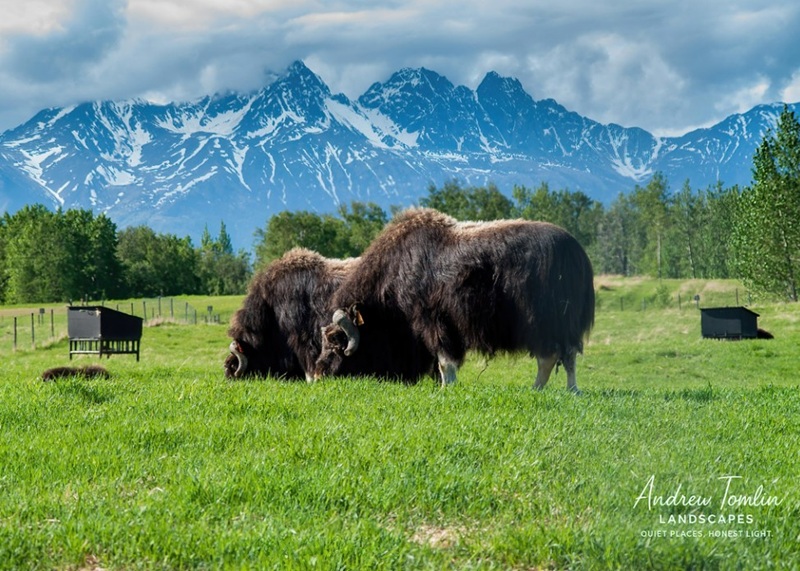
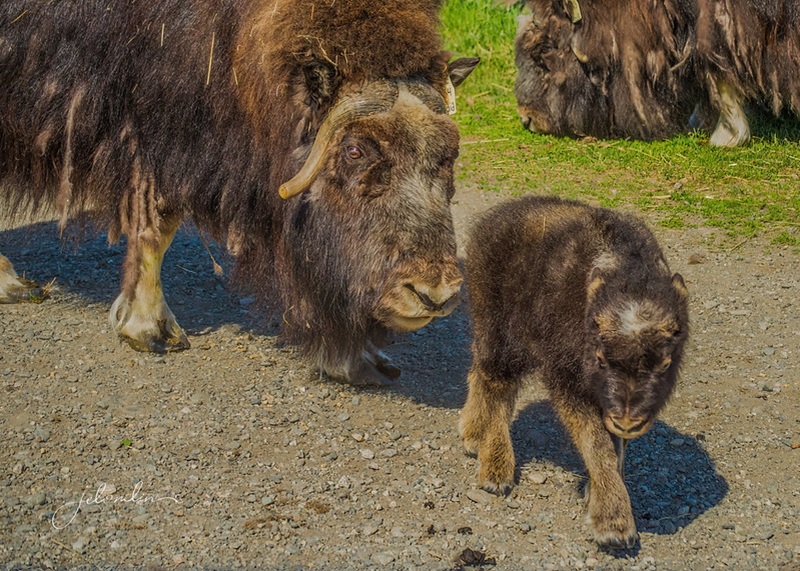
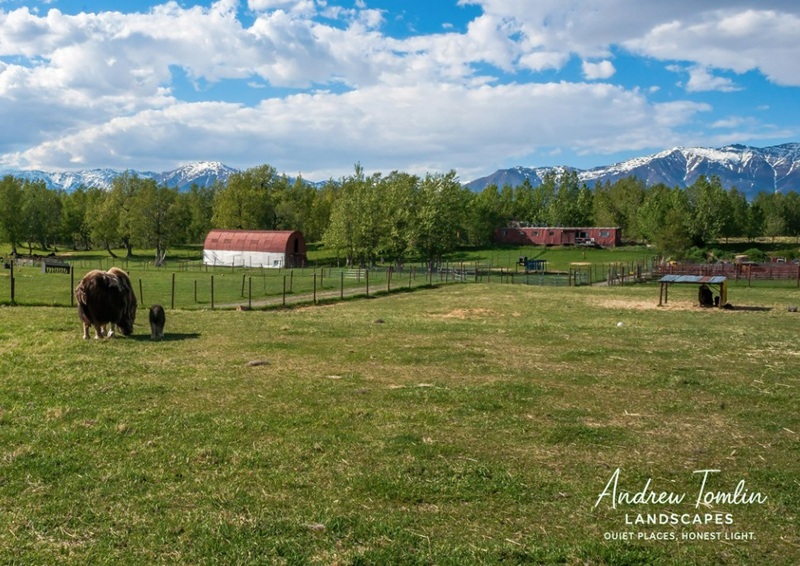
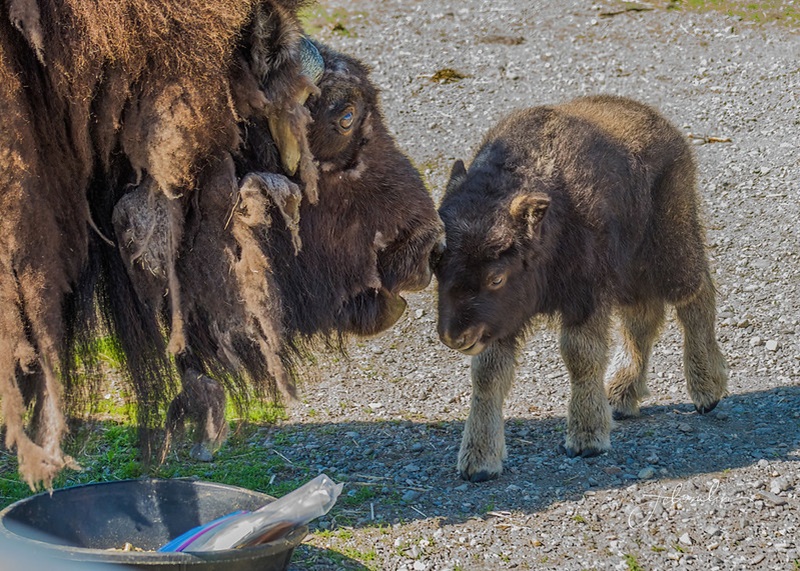
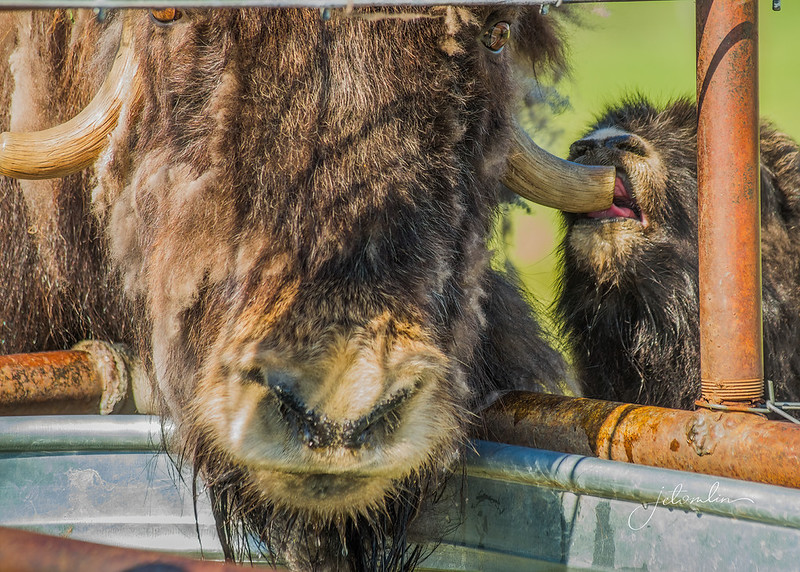
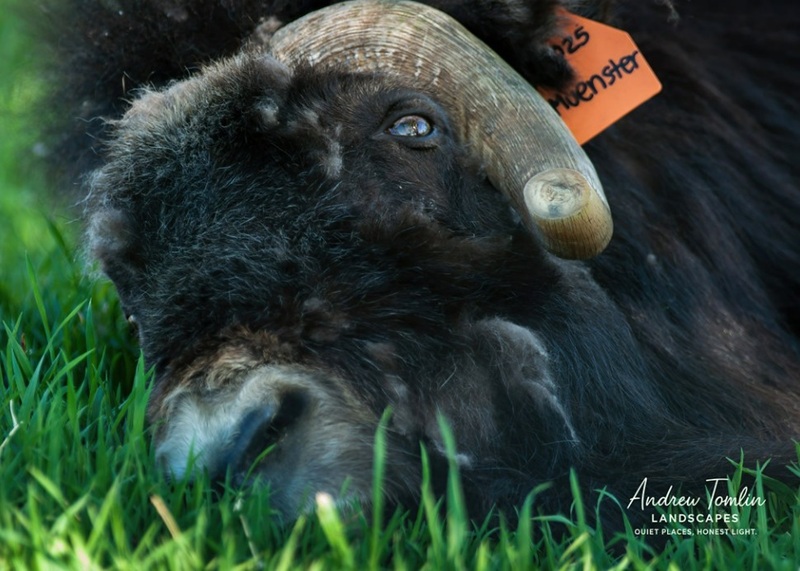
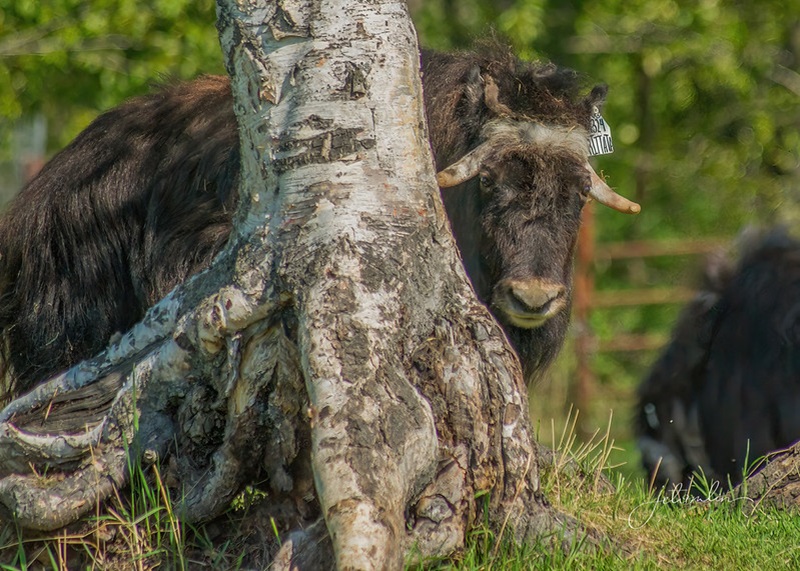
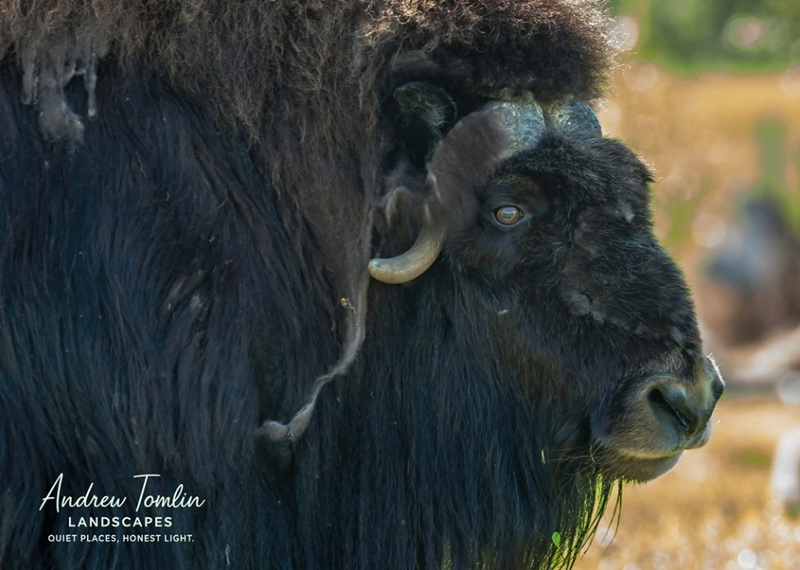
Musk Ox Farm, June 2026

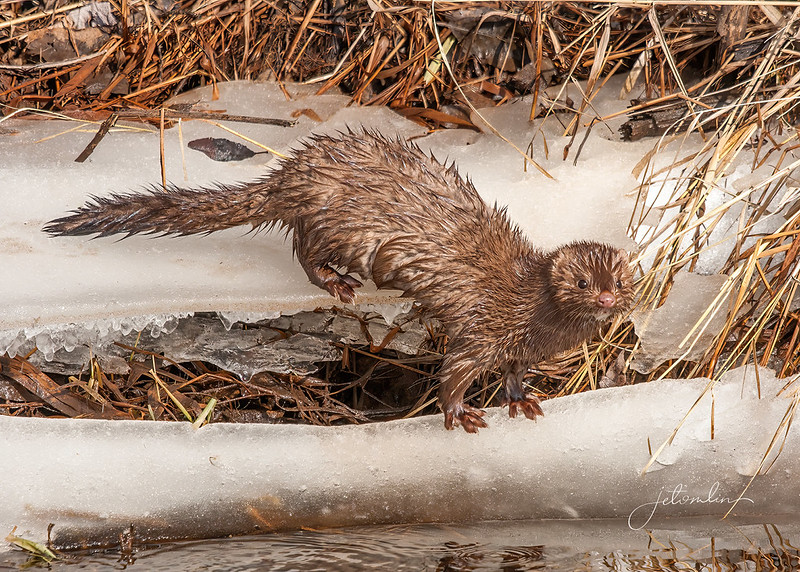
Every so often, I find myself smitten by an animal I least expected. The mink was one of those surprises. During a 2024 trip to Northern Minnesota, I caught a quick glimpse of a little cinnamon-colored tail slipping under the ice, and suddenly I was obsessed with photographing a mink. I spent hours waiting at the same spot and was finally rewarded with 45 minutes of her scampering along a frozen stream.

mink in Sax Zim Bog, March 2024

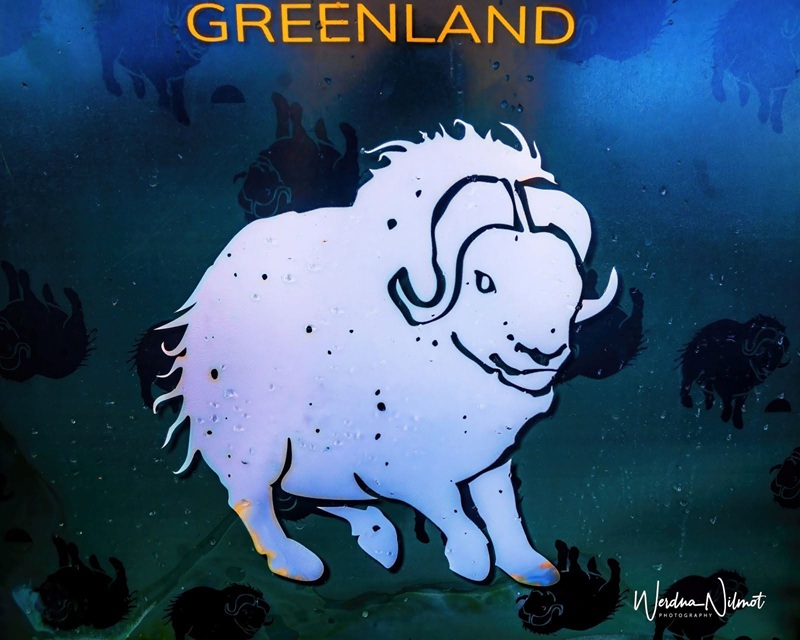
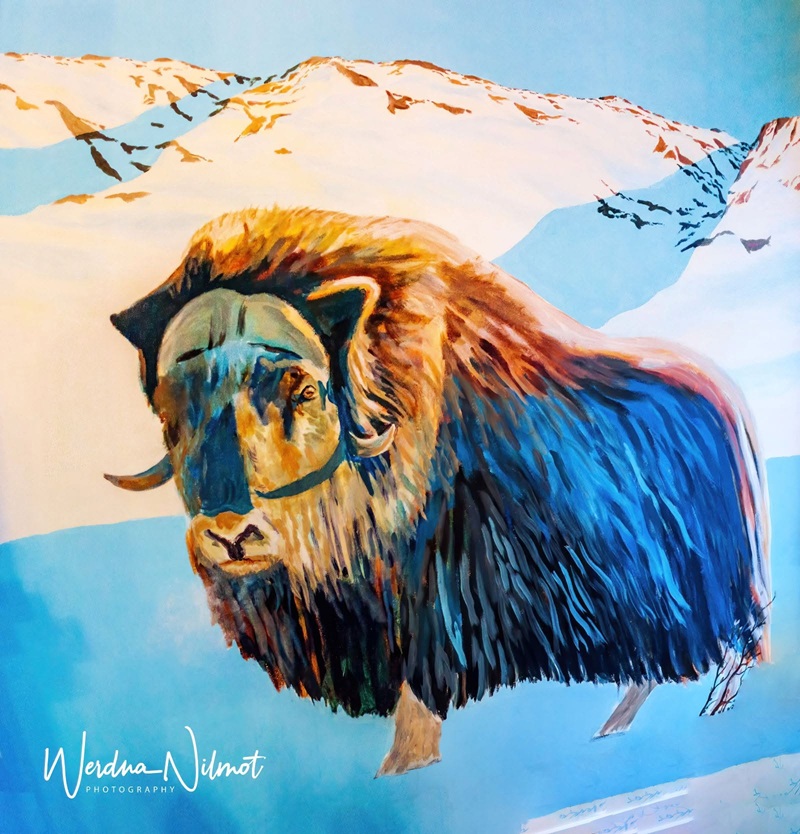
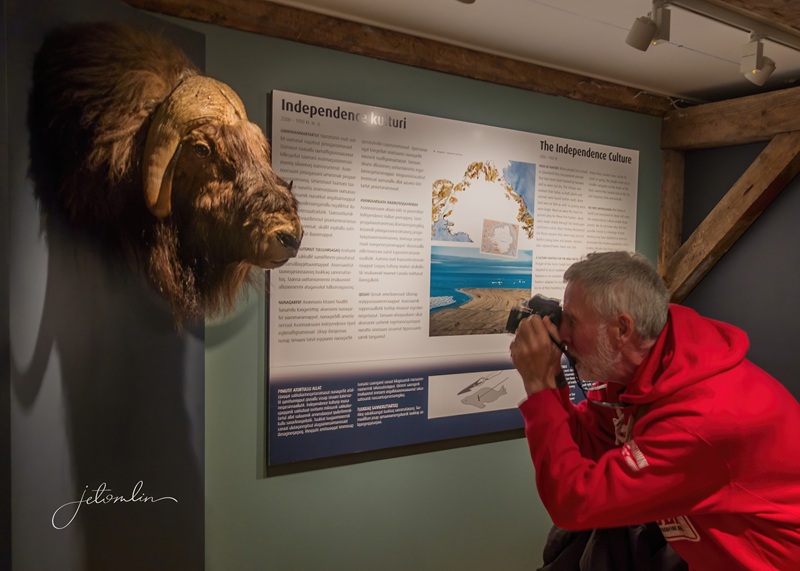
In November 2025, we traveled to Greenland to see the Northern Lights. Greenland is home to some unique animals, including musk oxen. They look like a cross between a woolly mammoth and a bison, and once again, I became obsessed with an animal I knew little about. Musk oxen are important in Greenland’s culture, symbolizing strength in the harsh Arctic climate.

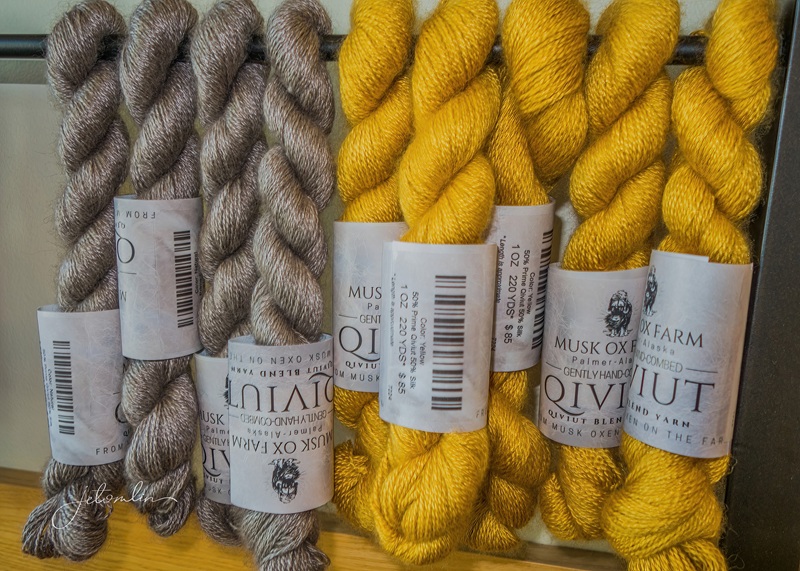
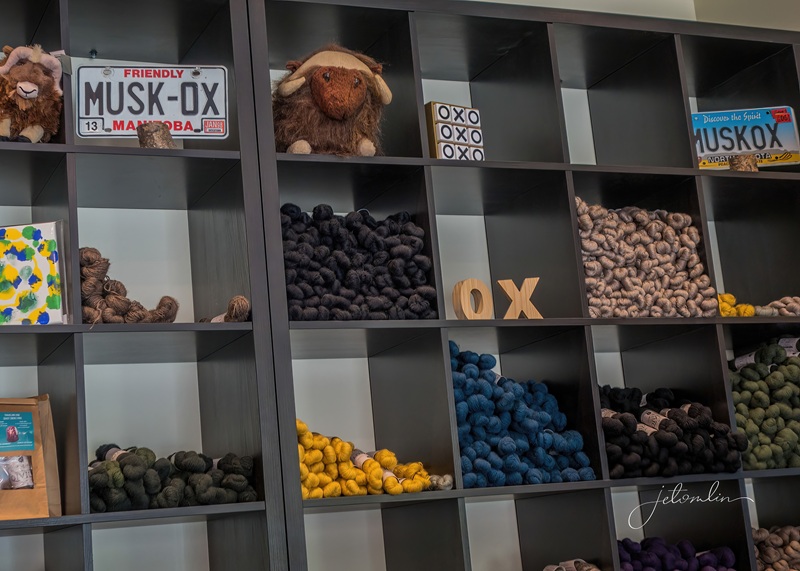
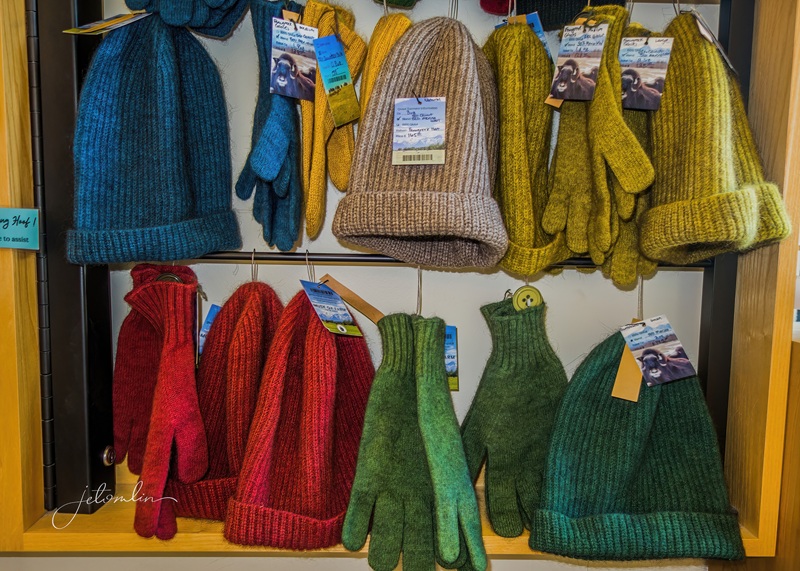
Their soft undercoat, called qiviut (kiv’-ee-yoot), is used to make clothing that is eight times warmer than lambswool.

qiviut yarn

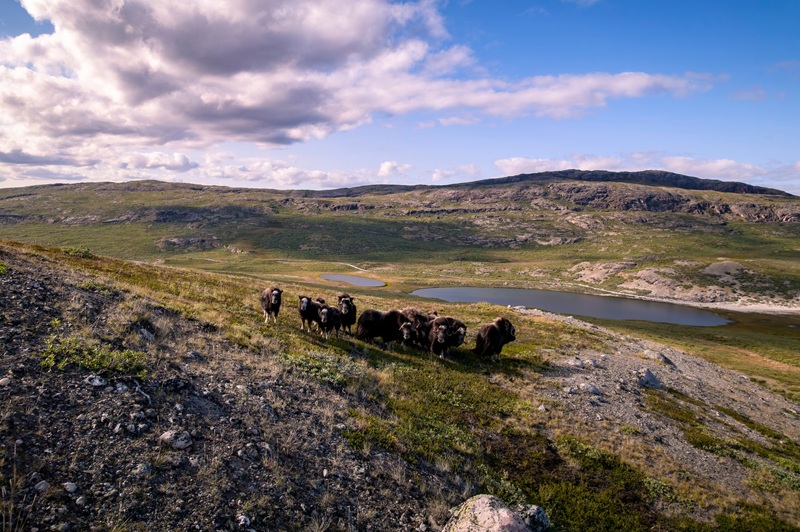
After returning home, we considered going back to Greenland to see the musk ox near Kangerlussuaq. But getting there is complicated and expensive, more than we wanted to spend on such a targeted subject.

musk ox in Kangerlussuaq, photo courtesy of Visit Greenland FB page

Looking for alternatives, we discovered that musk ox also live in Alaska. The Alaska Department of Fish & Game advises, “Look for dark spots on a hillside. Carry binoculars and scan ridgetops and high meadows in summer.” That didn’t sound like quite the photo opp I was hoping for!

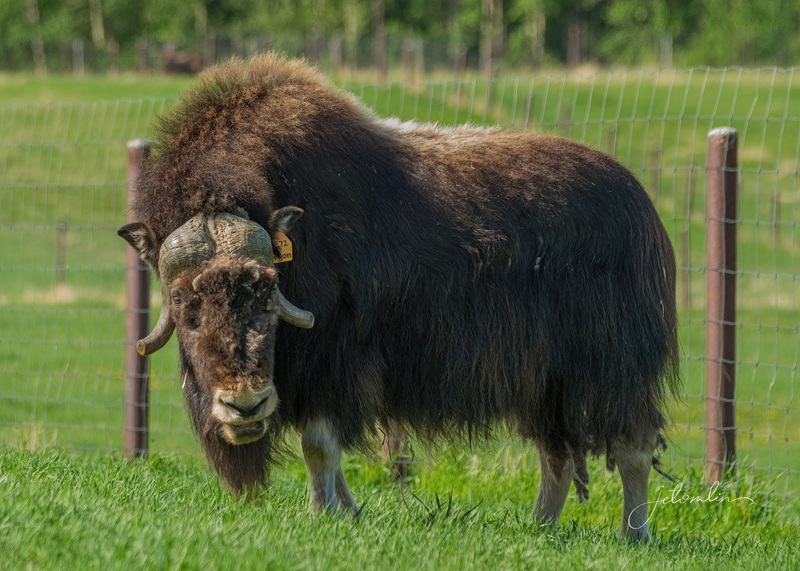
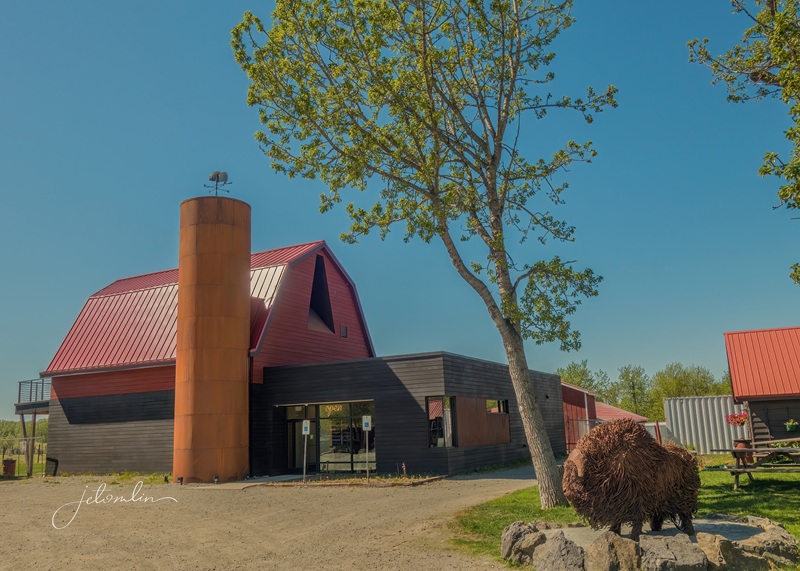
Musk Ox Farm, June 2026

Our research led us to the non-profit Musk Ox Farm in Palmer. The farm focuses on caring for musk ox, responsibly harvesting their qiviut, and educating the public about these Ice Age animals. Visitors are welcome to come for close-up views and informative exhibits.

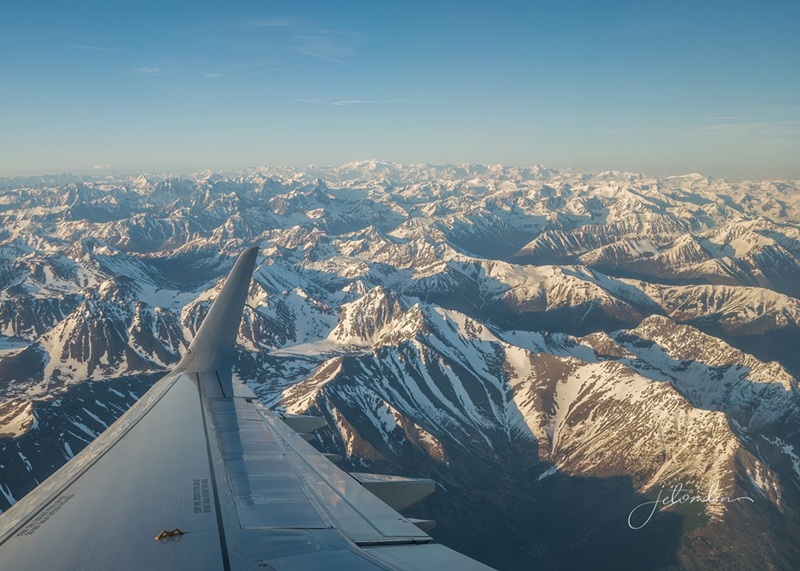
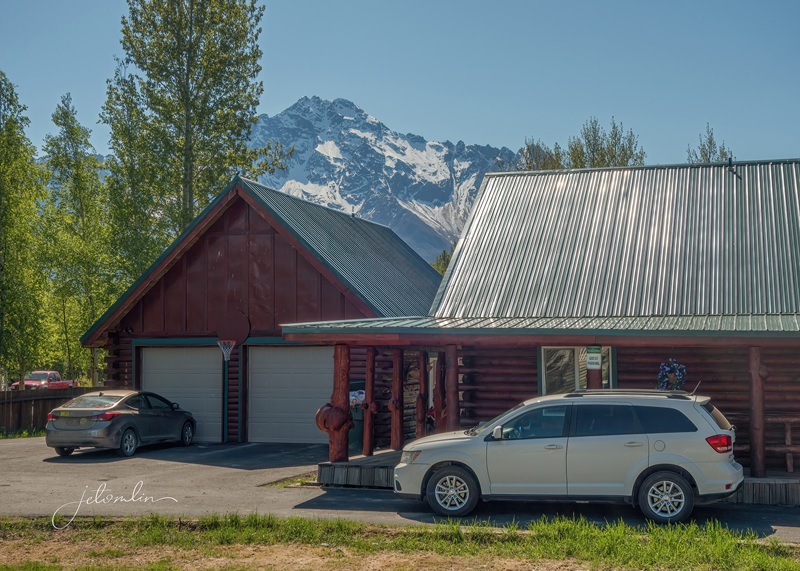
With our plans taking shape, we booked round-trip tickets from Pensacola to Anchorage and an Airbnb in Butte, just outside of Palmer.

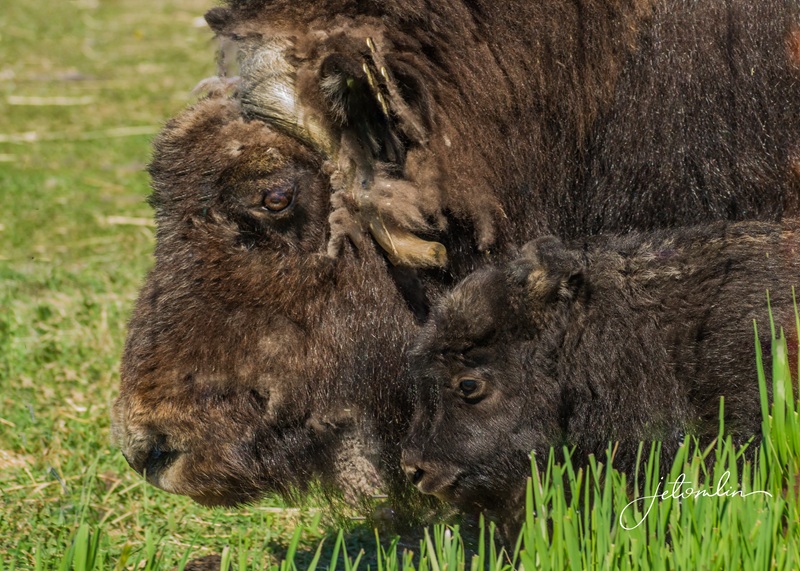
To make the most of our visit, we reserved several oxperiences at the Musk Ox Farm. The farm has a Facebook page, so I started following their “Book Club” updates, the theme for calves born this spring. Novel, Story, Saga, Fable, and Sonnet were all born between April 29 and May 24. I was oxcited to have the chance to photograph these babies along with the adults!

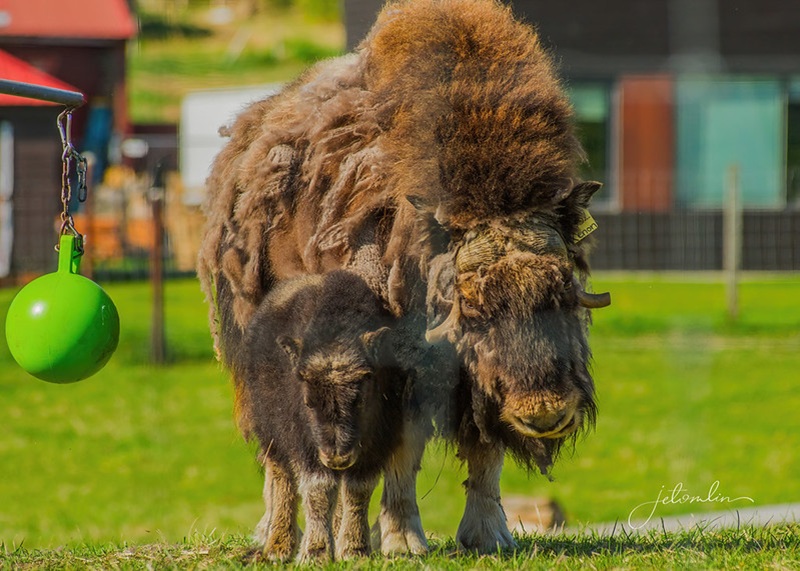
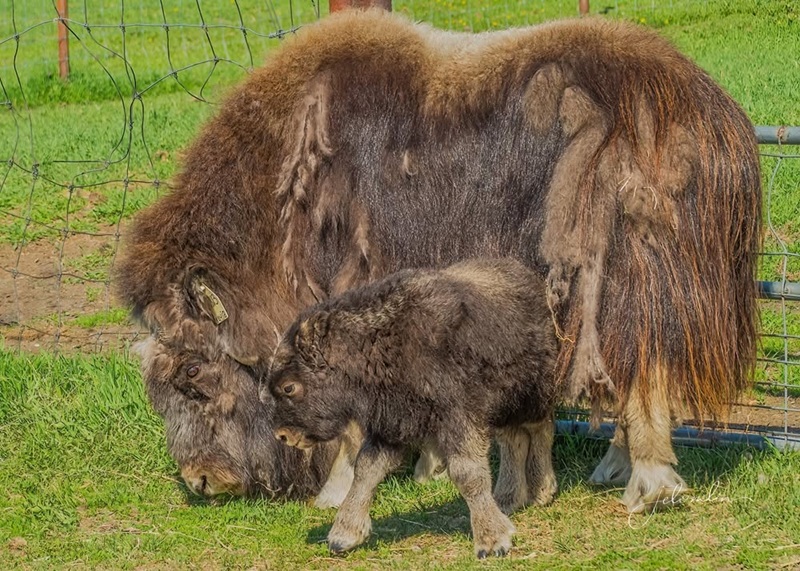
Xenon and her calf Novel (born April 29, 2026)

Our visits to the farm met my every oxpectation. The weather was perfect with blue skies and bright sunshine.

the weather was perfect!

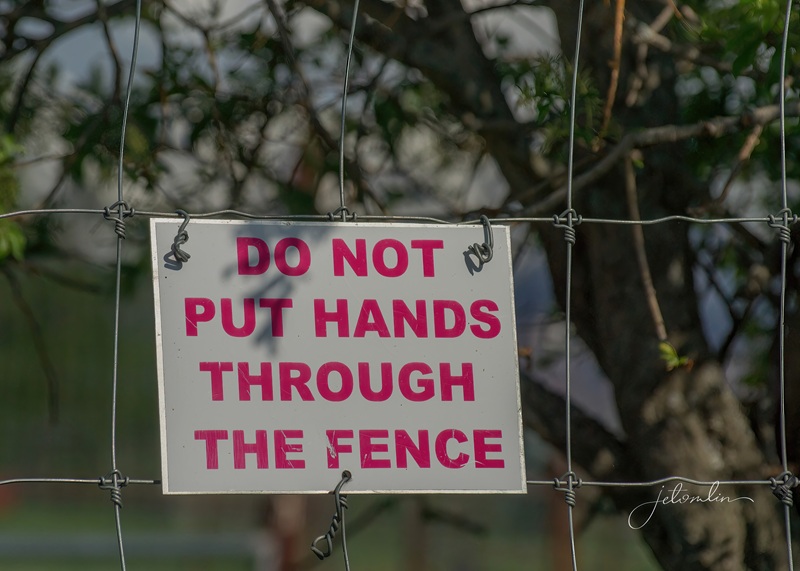
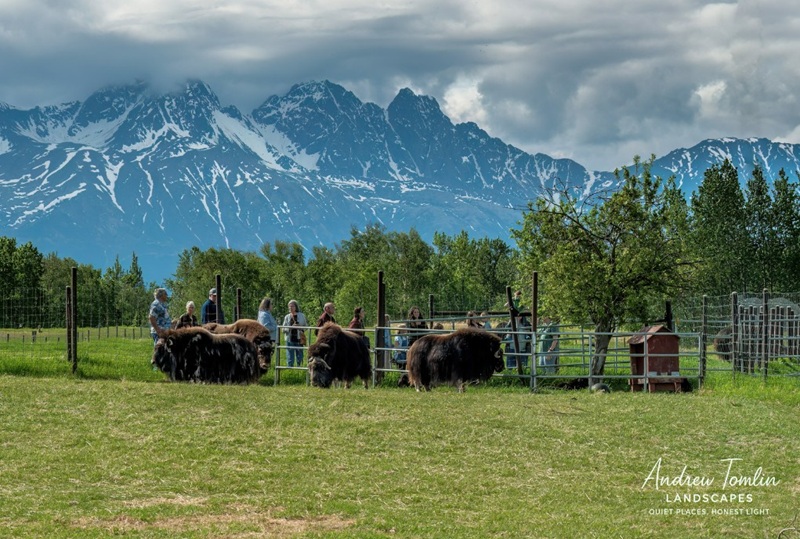
Before each tour, we were given a set of protocols, starting with stepping through a disinfectant footbath. Not much is known about diseases in musk ox, but since they are part of the Bovidae family, they are susceptible to the same ailments as cattle, sheep, and goats. We were instructed to keep our hands away from the fence and stay with the group. These animals are accustomed to humans, but they are wild and can be dangerous!

Musk Ox Farm, June 2026

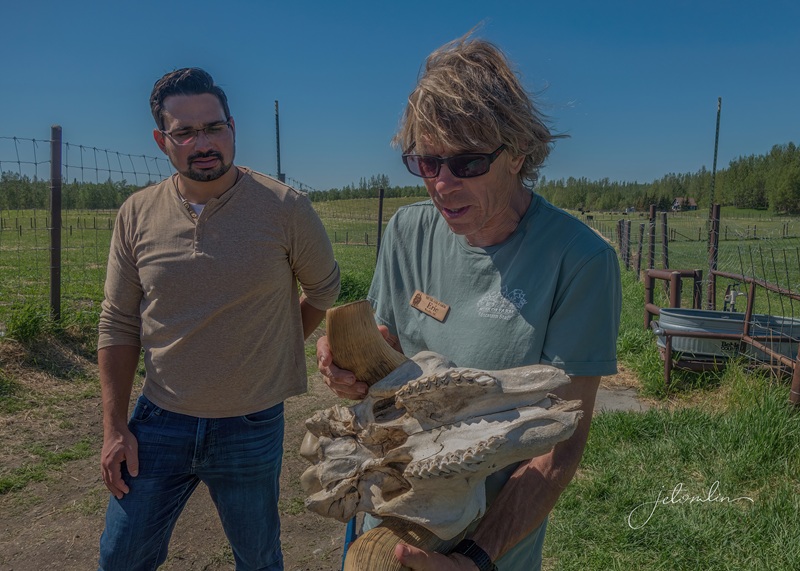
Our oxcellent guides provided interesting information about the farm and musk ox in general.

Over millions of years, these animals have adapted to thrive in freezing arctic winters. Their shaggy outer layer of “guard hair” sheds water away from their skin, while the incredibly soft, dense qiviut traps air and provides oxcellent insulation against oxtreme cold.

Musk Ox Farm, June 2026

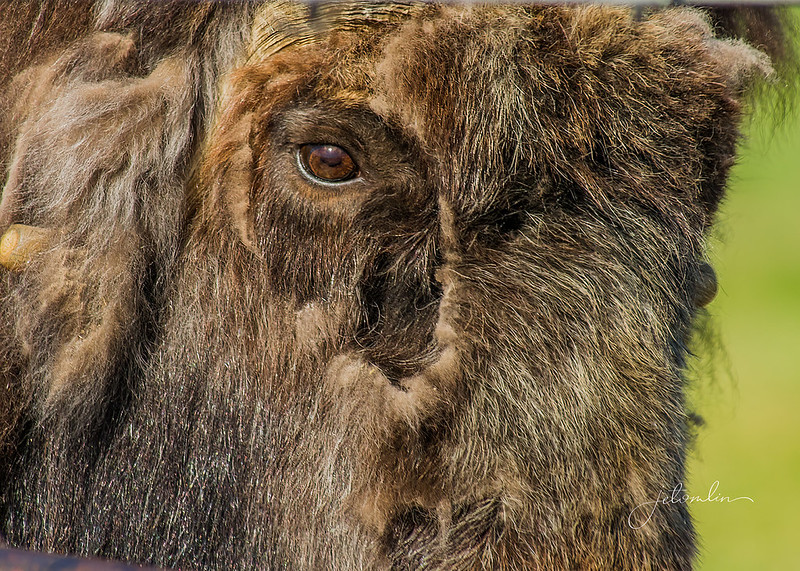
The blond “saddle” across their backs helps to camouflage them in the tundra and might also reflect sunlight, keeping them cooler in warm weather. And their horizontal pupils are adapted to protect their eyes from intense Arctic glare.

Musk Ox Farm, June 2026

Beginning in the spring, the farm combs the qiviut of each musk ox by guiding them into stanchions in the barn. These combing sessions vary depending on the individual’s tolerance level. Some treat it like a day-long spa visit, while others might last five minutes — if the comber is lucky!

Loki’s indignation!

In the end, all but the nursing moms and calves get combed, and the qiviut collected from each can weigh anywhere from two to nine pounds.

Freyja and her calf Saga (born May 11, 2026)

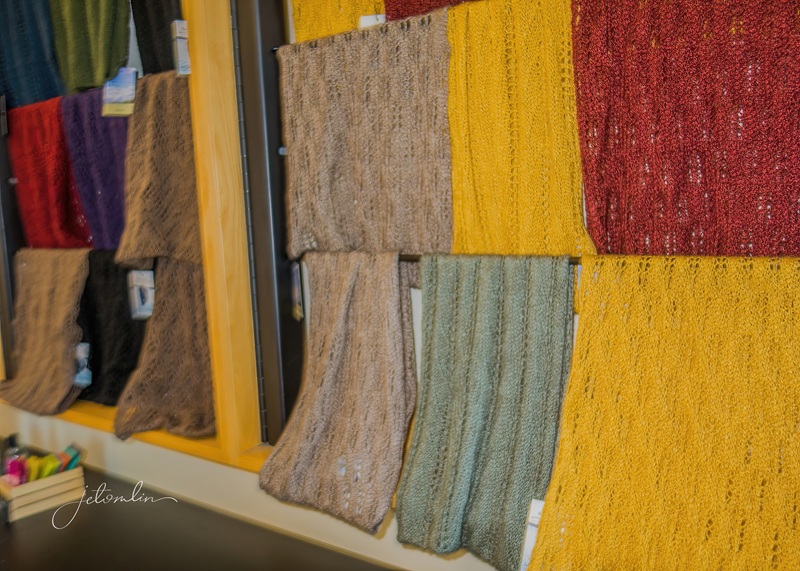
The collected qiviut is shipped to a mill in Peru, where it is spun into yarn, turned into scarves, gloves, and hats, and then returned to Palmer to sell at the farm’s gift shop.

Pregnancies last 8 months, and females give birth to a single calf in the spring. This gives the calves a chance to grow strong and ready for the harsh winter ahead. Twins are possible, but oxtremely rare. Jessica told us she had heard of only one set of twins, born over 20 years ago at the Large Animal Research Station in Fairbanks.

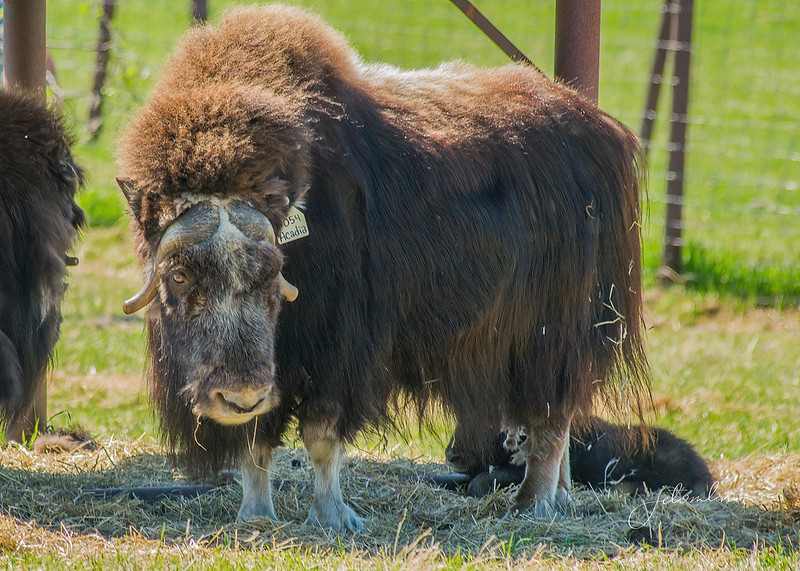
Acadia and her calf Fable (born May 20, 2026)

The moms were attentive to their babies, but we saw a lot of tough love. These little ones need to quickly learn how to survive, and that means no coddling!

We also met many of the adults. Each one was unique: some were friendly and even posed for photos,

While others huffed and fake-charged the fence where we were standing.

fake charge!

Even though the weather was warm and summery, which is not ideal for these Ice Age animals, they were active in the pastures and even got into a few territorial disputes!

water trough fight!

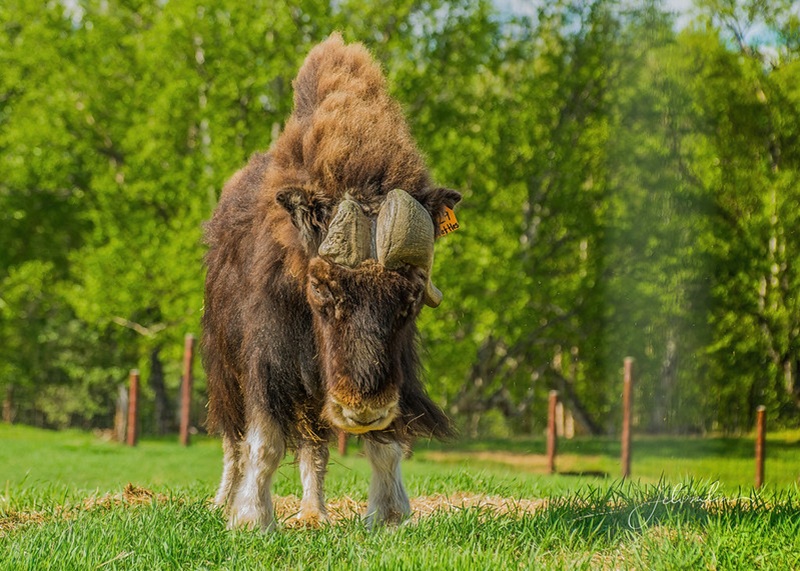
Musk ox have short, curling horns on each side of their head. The males’ horns form a brow band that crosses the forehead, called a “boss.”

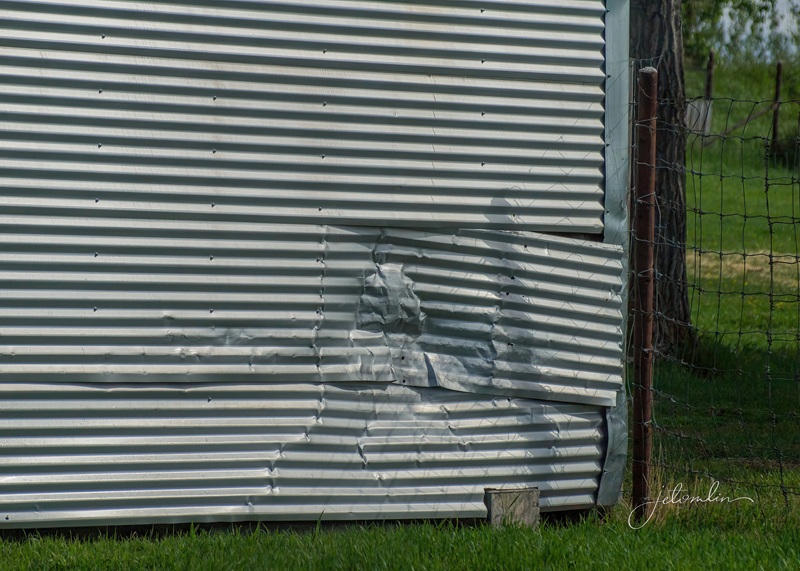
Males compete for the right to breed with the females by charging into each other head-on. These confrontations are referred to as “ruts”. On impact, the boss of each male collides with the other, and their horns can even break off, causing a great deal of pain.

Nettles lost half of his boss and horn on the left side because of such a rut. He is a 20-year-old retiree now and quietly lives with a group of ladies. But in his heyday, he was quite the stud and fathered many of the musk ox on the farm.

Nettles

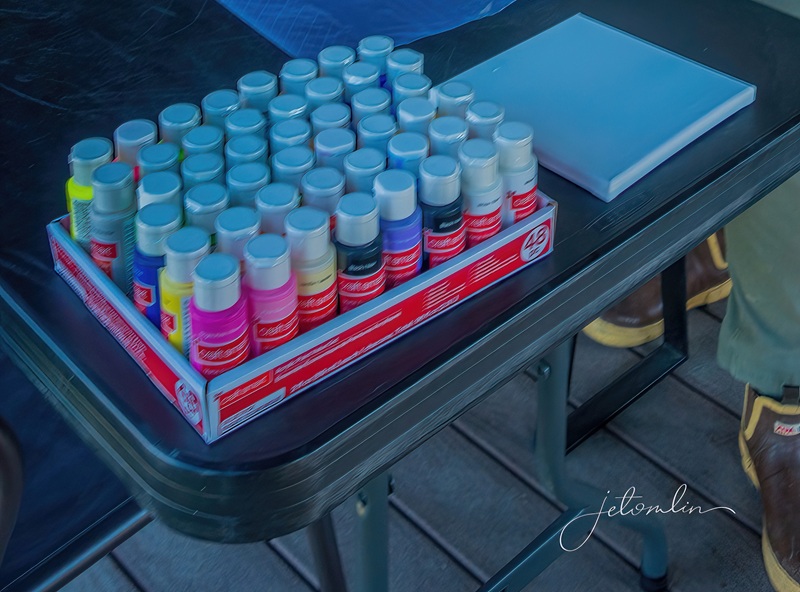
Friday morning was oxceptional. I signed up for a “Painting with the Musk Ox” session while TG went on a farm tour. In this enrichment program, you pick the paint colors and watch as your oxclusive piece comes to life.

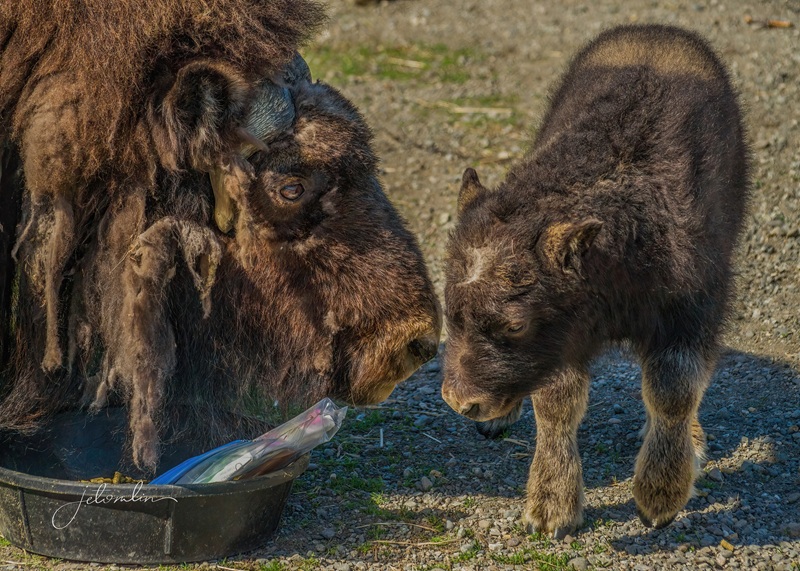
Alyssa, the herd manager, decided to let the new calves and their moms participate, unsure if any would want to take part. Mom Osprey jumped in right away, and her calf Story quickly joined her.

Artists Osprey and her calf Story (born May 16, 2026)

Soon, all five calves and their moms were in the corral, curious about what was happening. Being the only guest to sign up on that day, I had an oxclusive, front-row seat for all the action!

the Picoxxos at work!

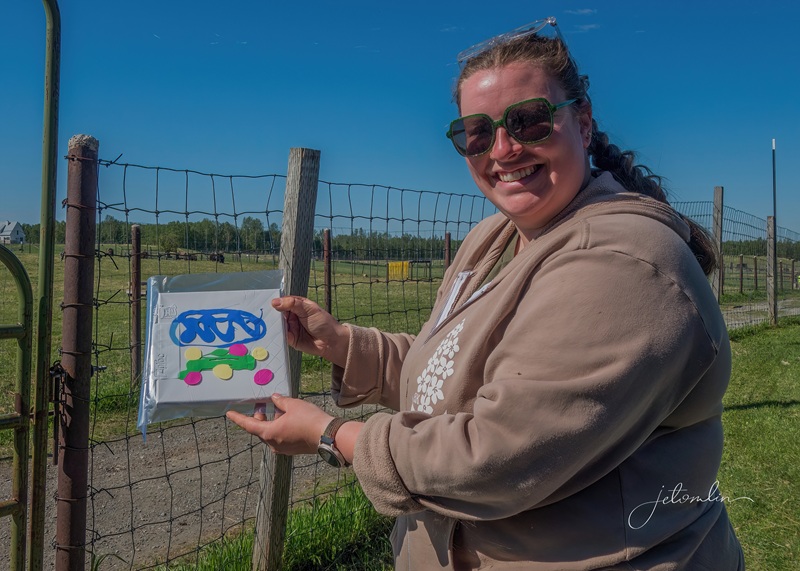
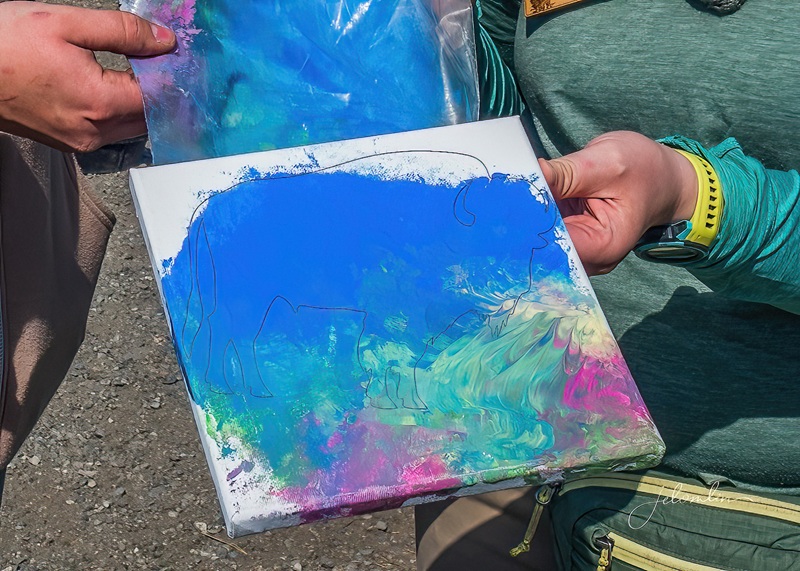
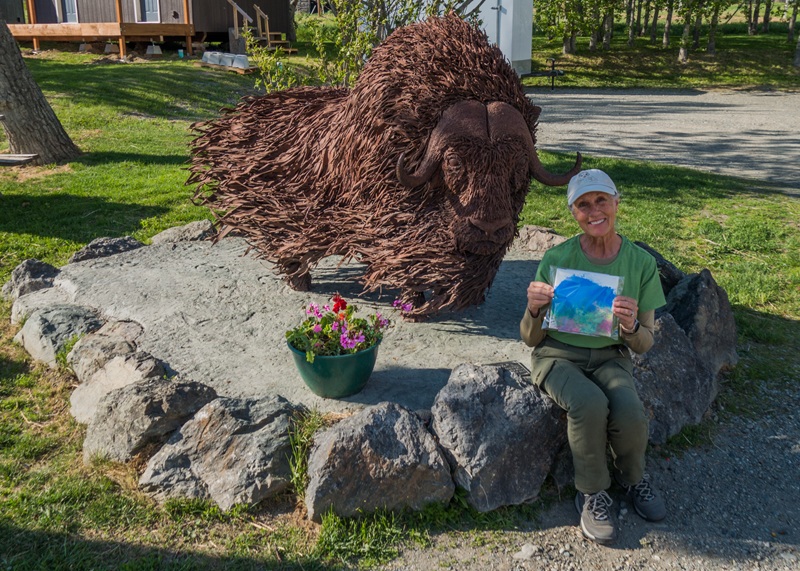
I had envisioned a blue sky with green grass and spots of yellow and pink flowers. But the final painting was even better than I imagined: a big, blue musk ox standing in the green grass with yellow and pink flowers!

I see a musk ox standing in a field … what do YOU see?

What a masterpiece from these talented Picoxxos!

What a masterpiece!

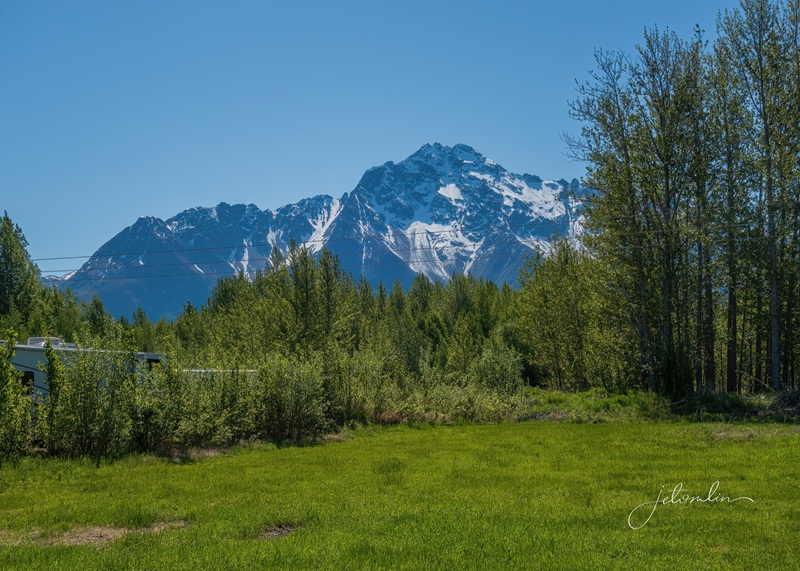
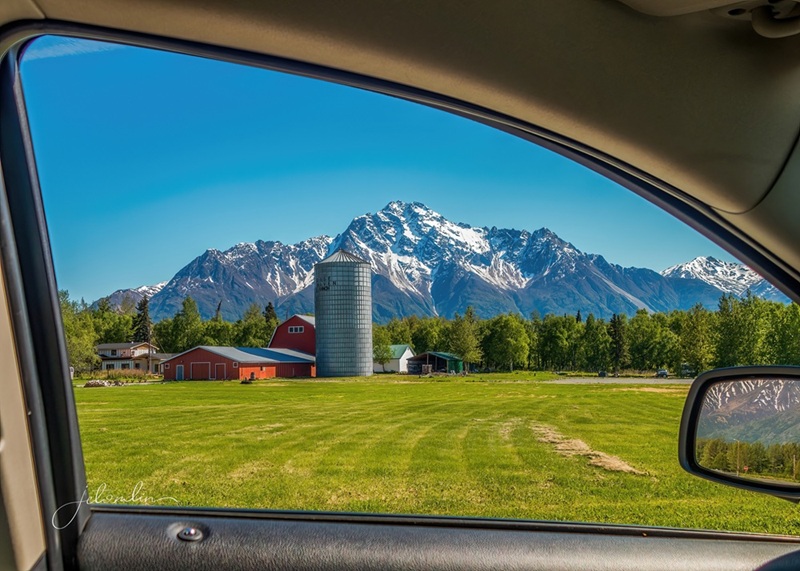
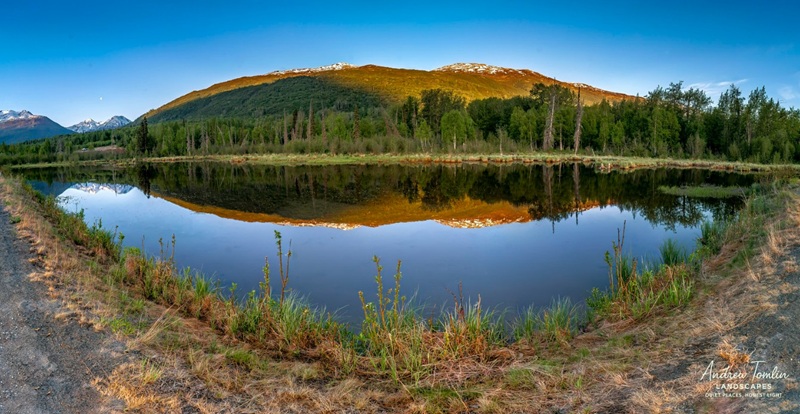
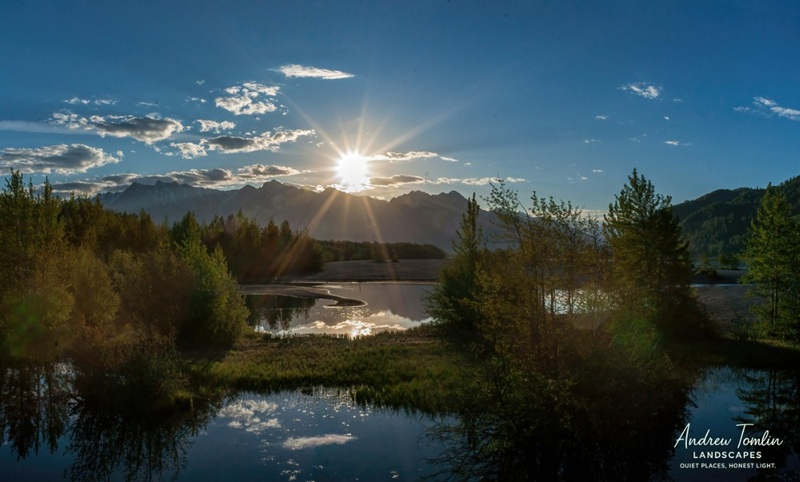
After four visits to the Musk Ox Farm, we had captured enough photos that we felt it was time to oxplore the surrounding area. Palmer is 42 miles northeast of Anchorage in the Matanuska Valley, surrounded by Pioneer and Twin Peaks and the Talkeetna mountains, which makes for breathtaking landscapes.

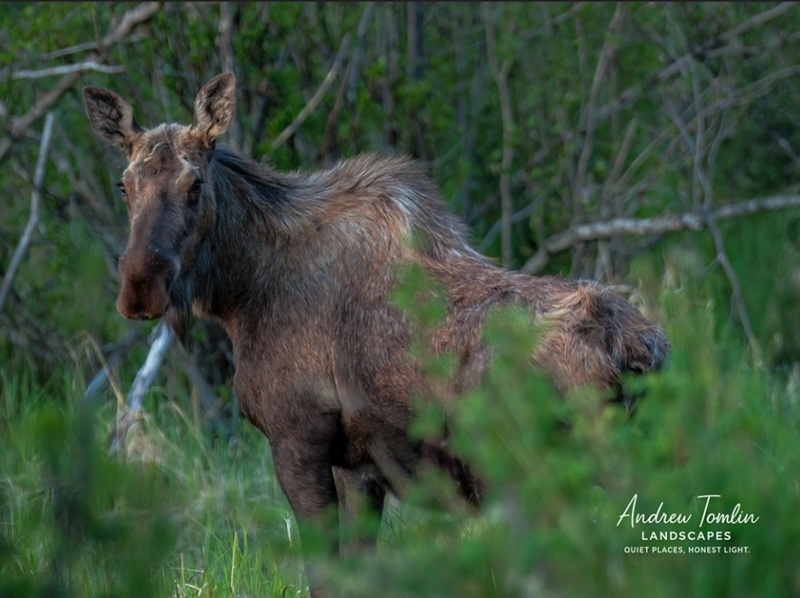
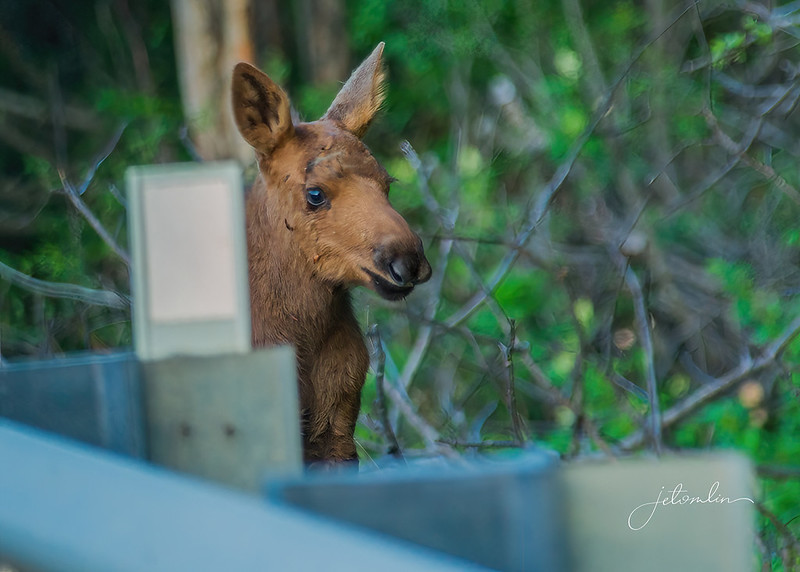
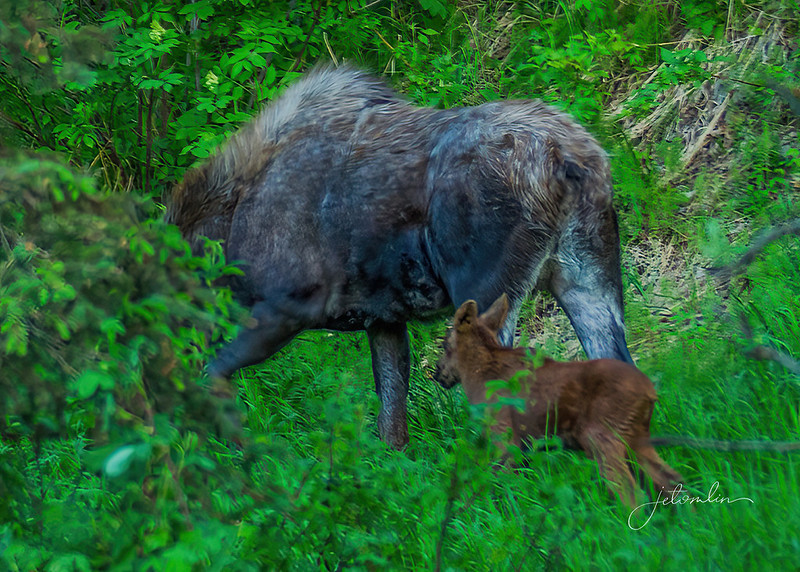
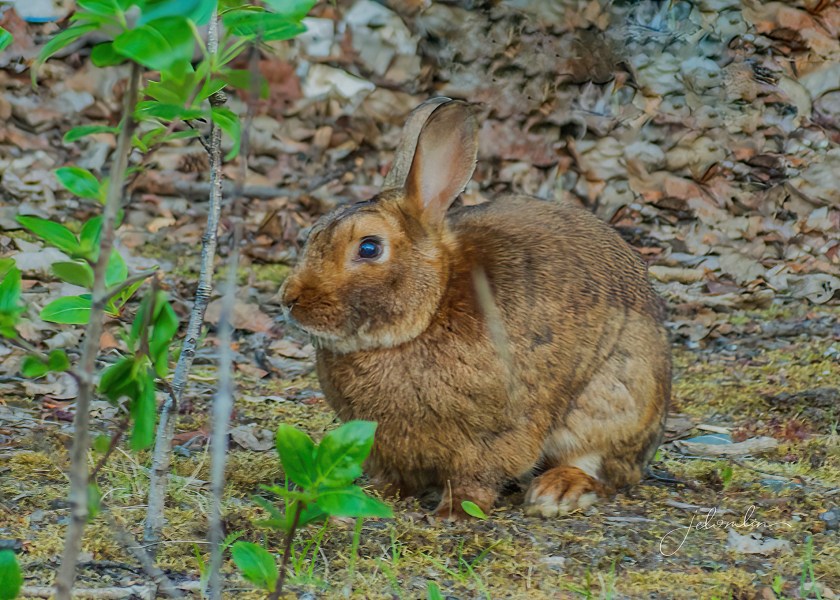
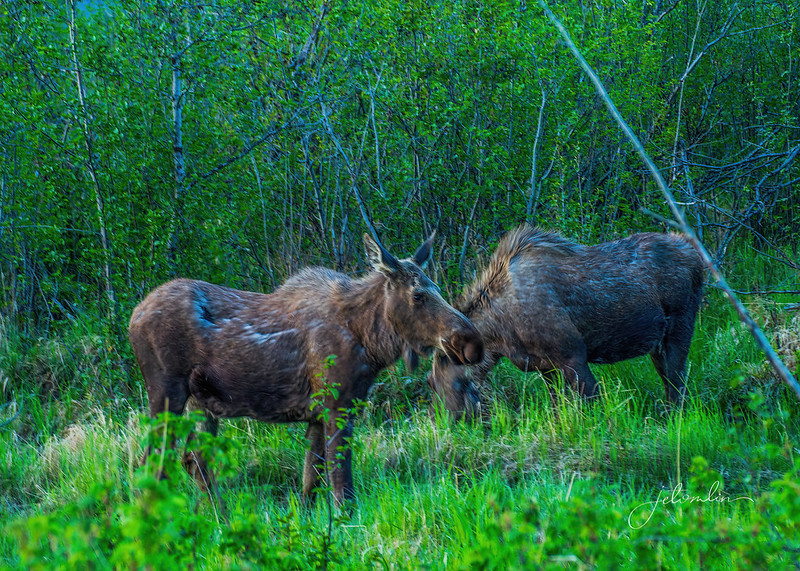
It never got completely dark while we were there and Eric, one of the farm guides, recommended we drive along the Knik River Road at 10:30pm to look for wildlife. This ended up being oxcellent advice! We spotted a dozen different moose, including a tiny young calf, porcupines, bald eagles, and cottontails.

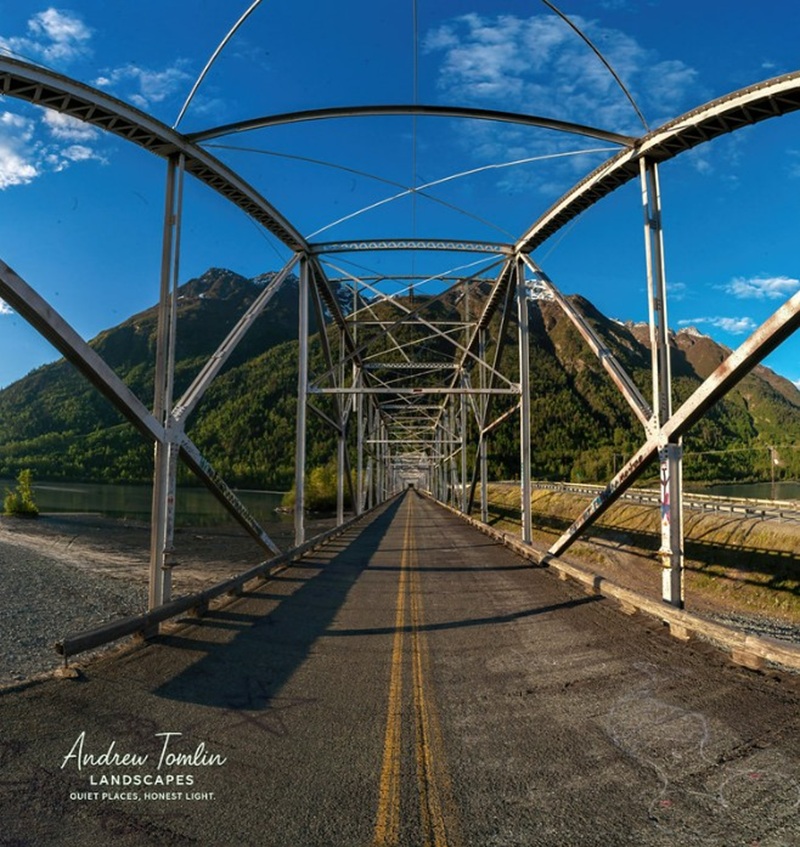
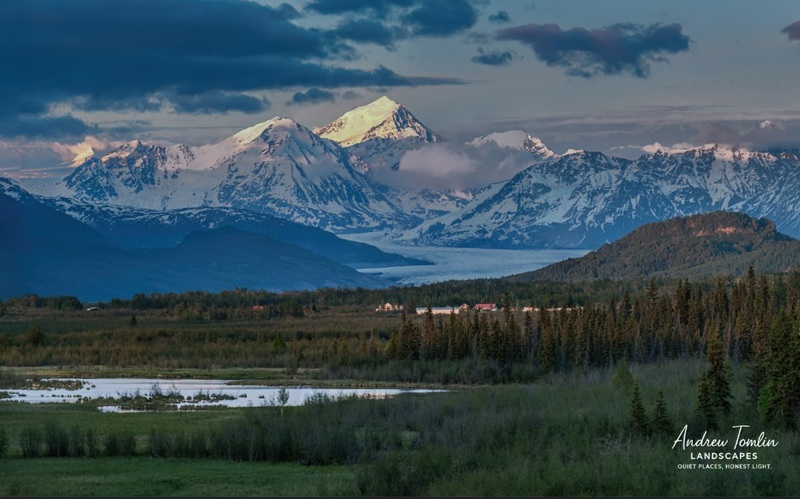
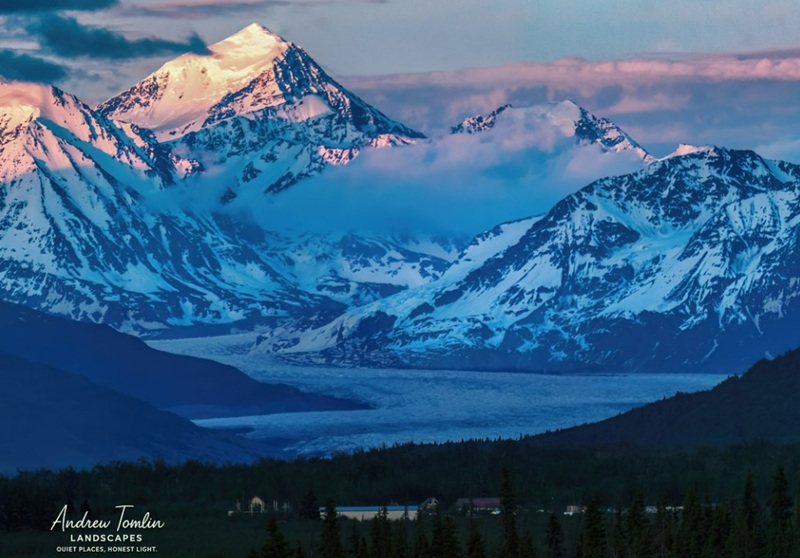
The road follows the river with stunning views of the mountains and Knik Glacier.

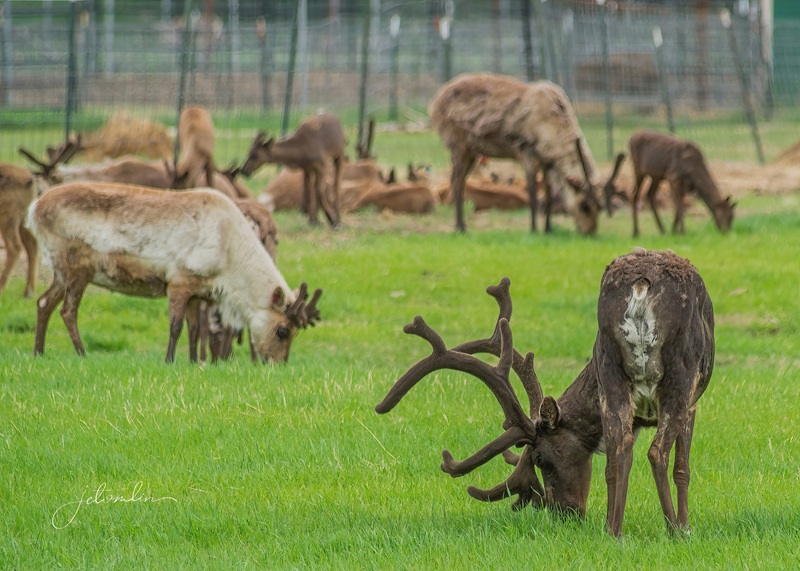
On our way, we drove past the Reindeer Farm. They offer guided tours if you want to pet or feed the reindeer. We chose not to pay the $17 entry fee, but we did snap a few photos from the road.

the Reindeer Farm

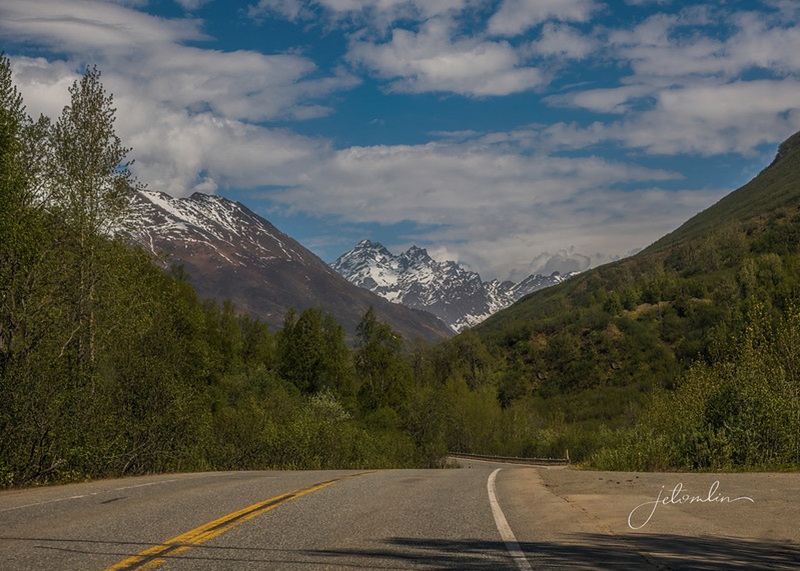
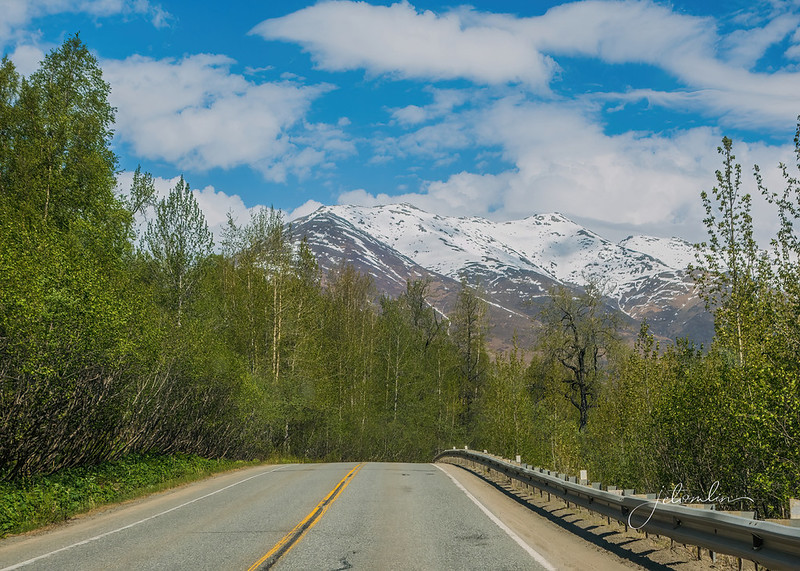
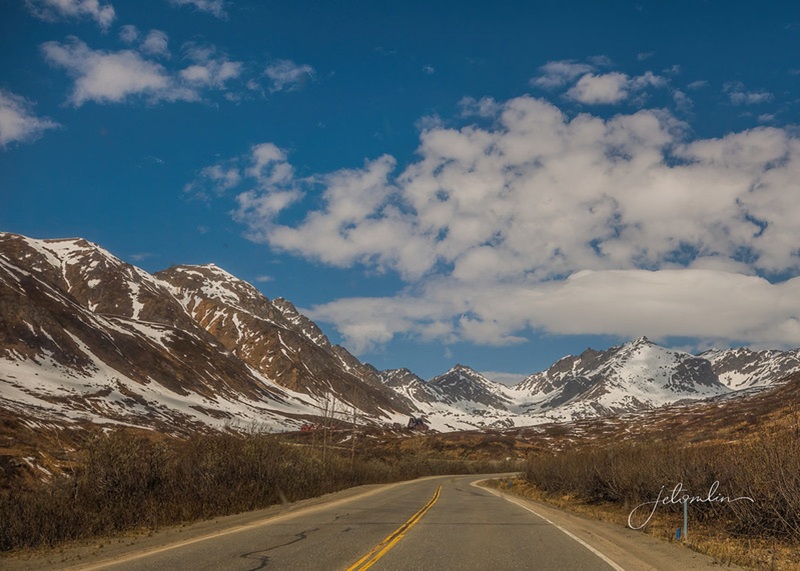
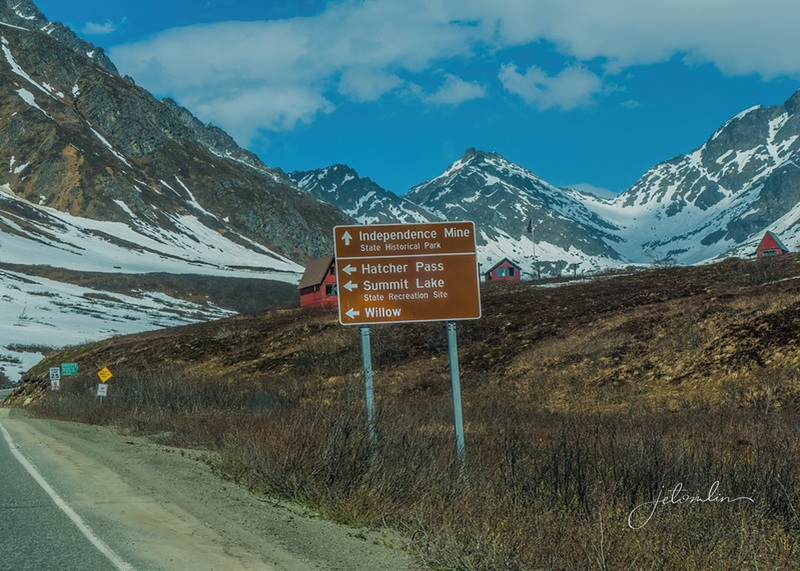
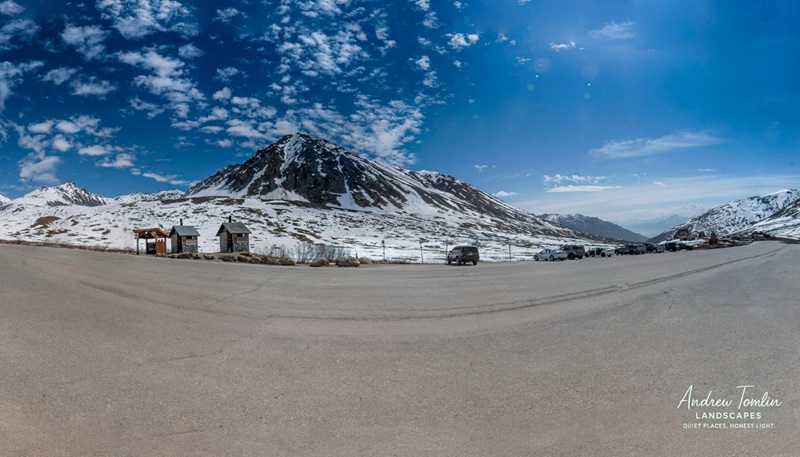
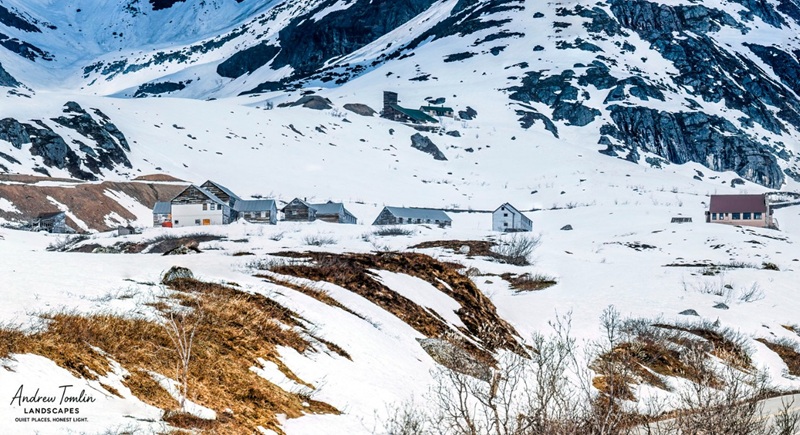
Alaska’s gold mining history goes back to the late 1800s, and the mining at Independence Mine started in 1934. Now a state park, the mine sits at the top of Hatcher Pass, a scenic drive with amazing views of snowy peaks around every curve of the road.

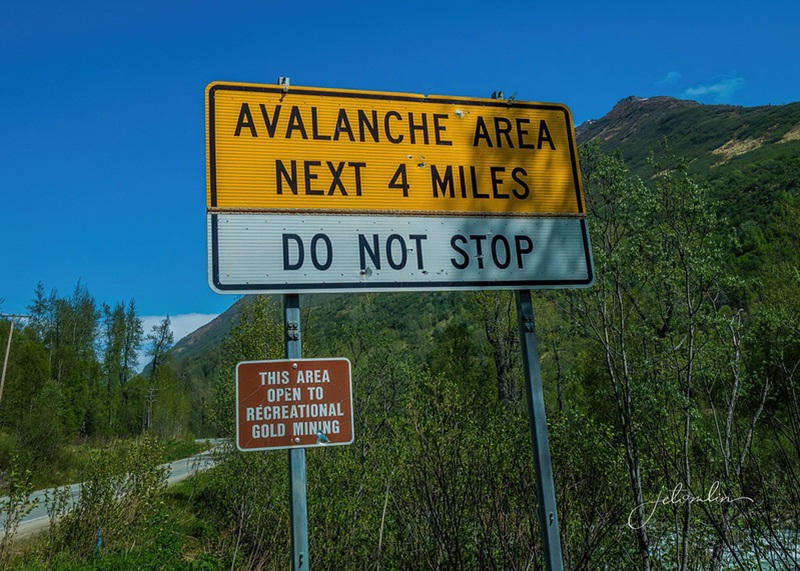
Although the mine closed in 1951, there is still some gold to be found. Visitors can even try panning for it in the park.

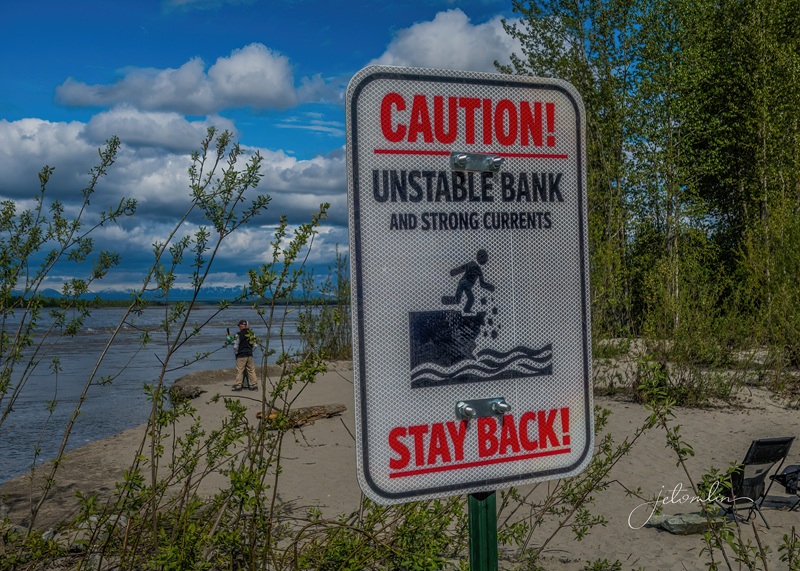
“This Area Open to Recreational Gold Mining”

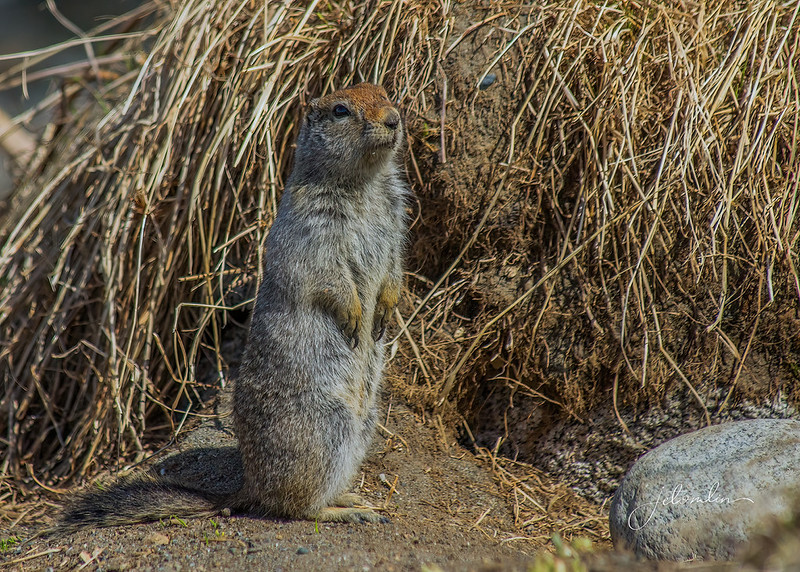
We didn’t want to hike through the snow all the way to the abandoned ruins. Instead, we were entertained by the friendly Alpine ground squirrels in the parking area.

Alpine ground squirrel

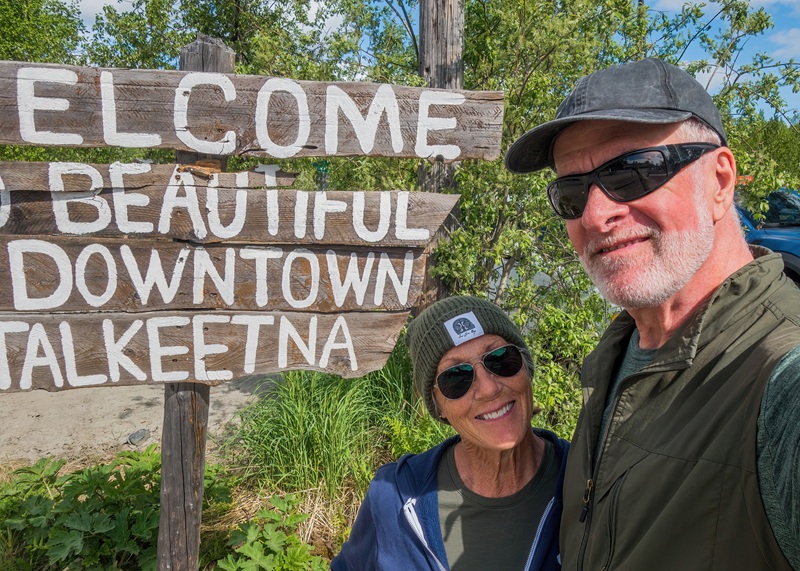
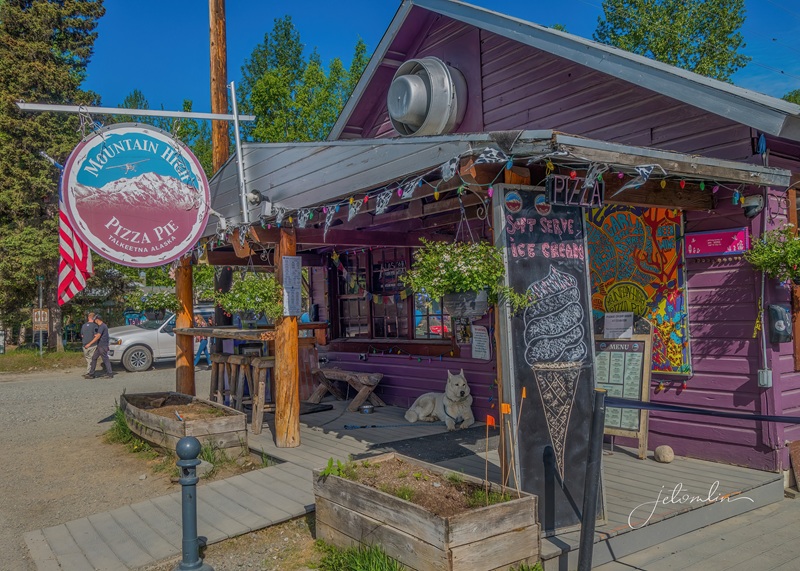
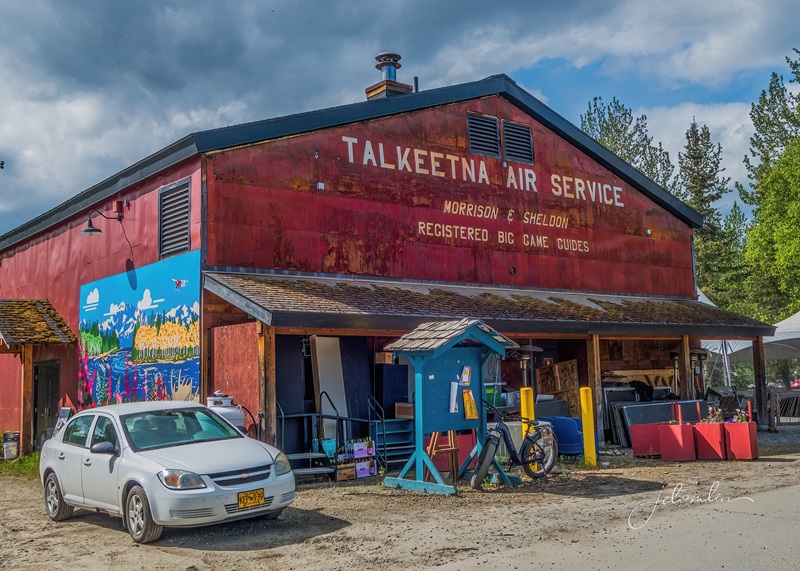
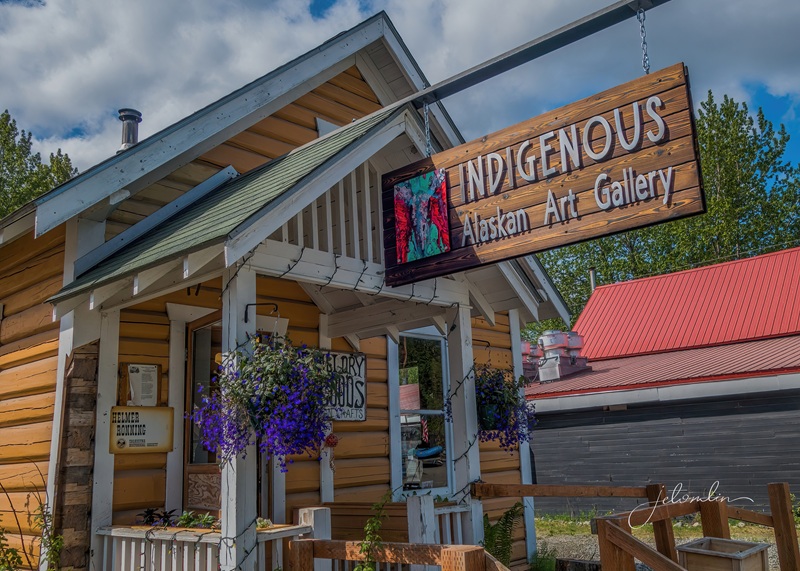
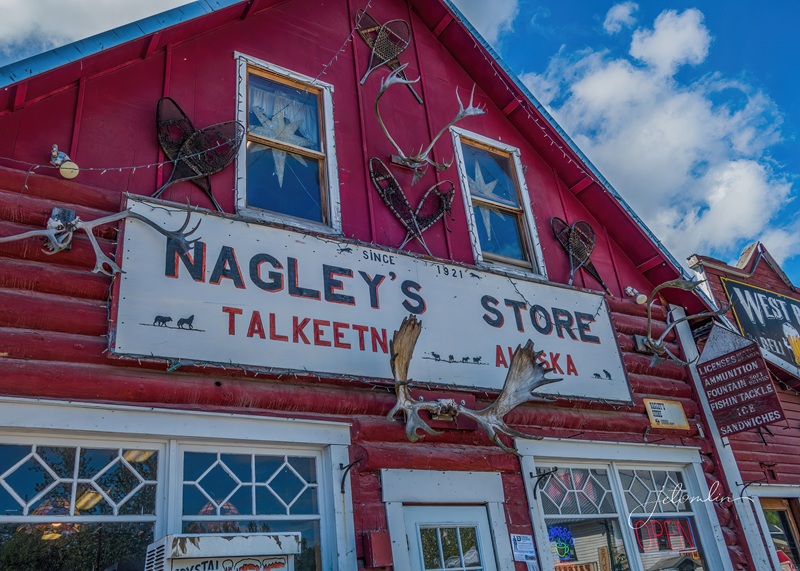
The TV show Northern Exposure based its fictional town of Cicely on the real town of Talkeetna. Once there, we found Talkeetna’s vibe more touristy than quirky. But it was a beautiful day, and we enjoyed wandering past the old wooden buildings converted into restaurants and shops,

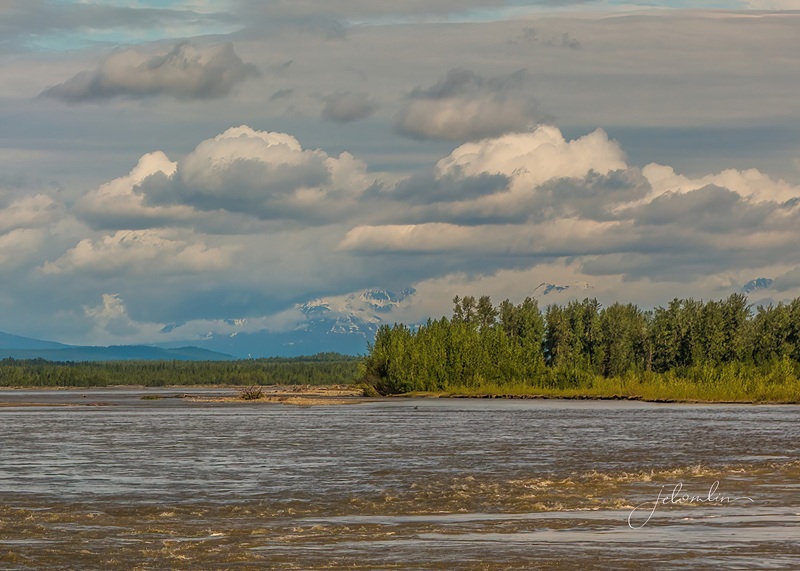
And walking down to the river for a view of Mt. Denali, mostly hidden by clouds.

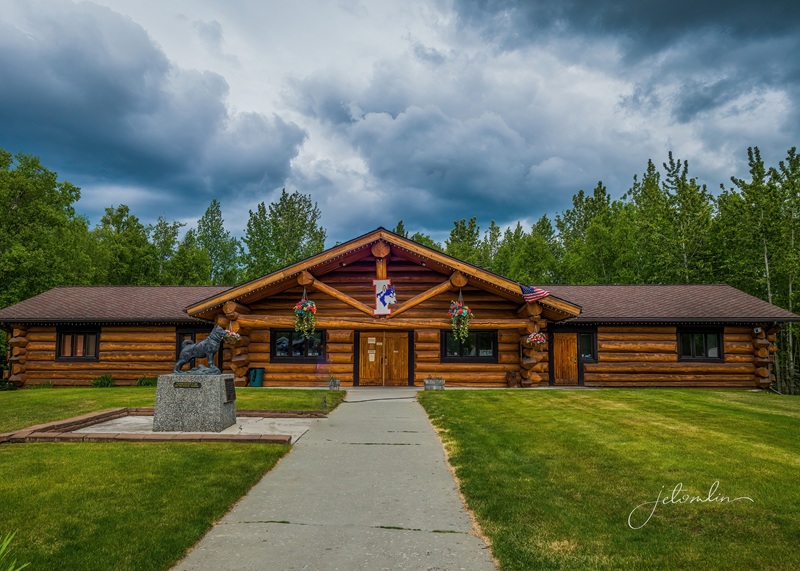
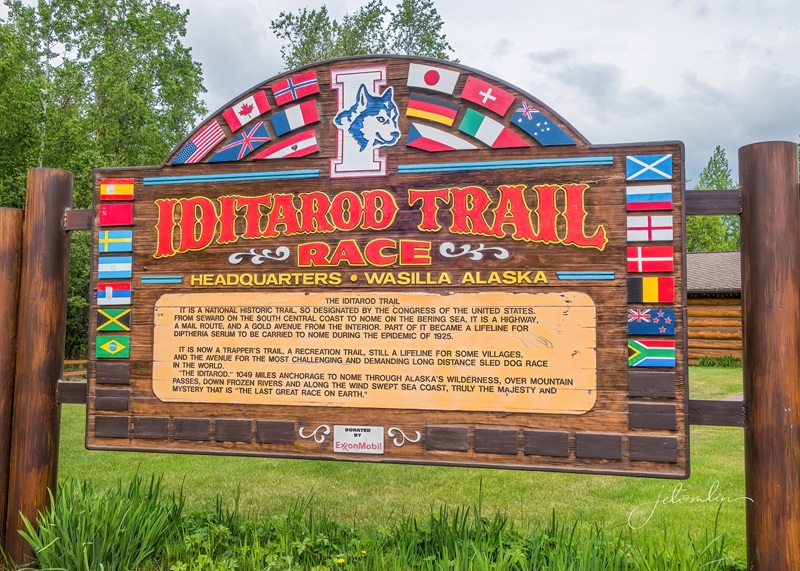
On our way back to Palmer, we stopped in Wasilla, home of the Iditarod Headquarters & Museum. The late Lance Mackey, 2007-2010 champion, was married to my friend’s cousin, and I promised her we would look him up if we happened to visit the museum.

Iditarod HQ & Museum

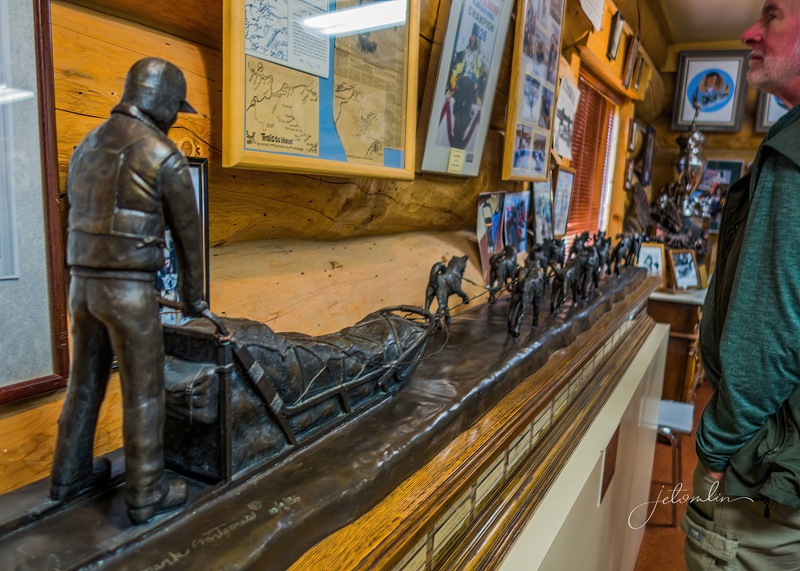
We enjoyed poking around the exhibits and purchased a few souvenirs to bring home.

A team of champion dogs lives on the property, offering sled rides to visitors. We happened to catch them as they came racing back around the track.

the “Idita-minute” sled ride!

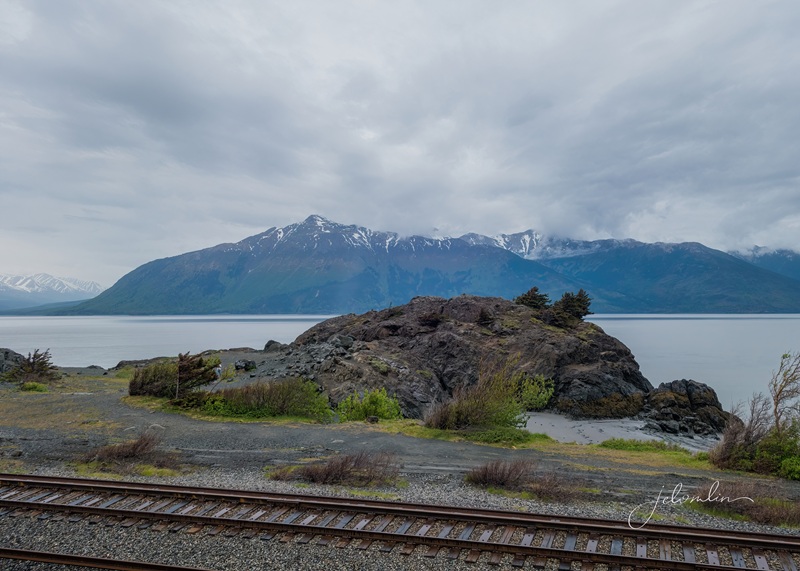
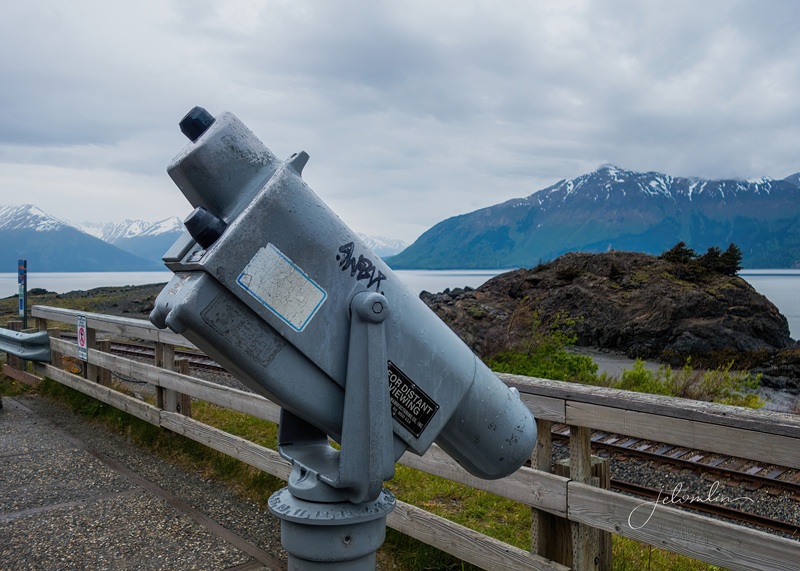
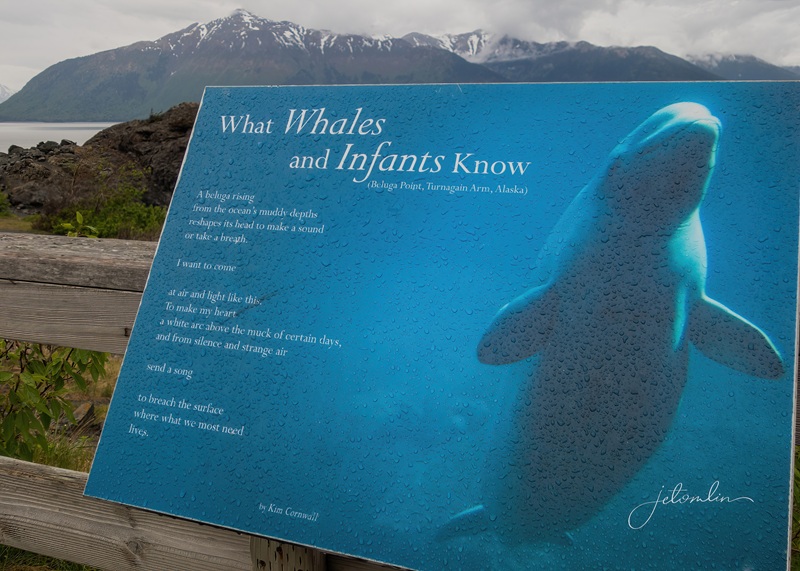
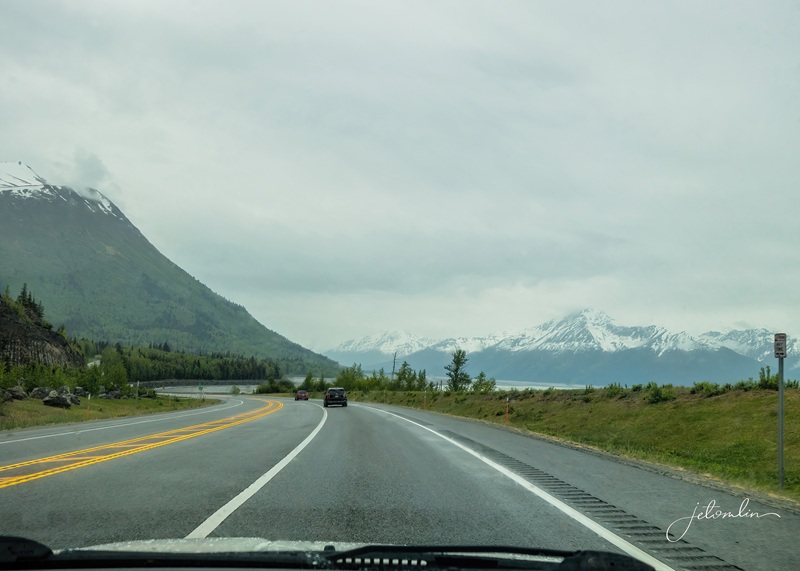
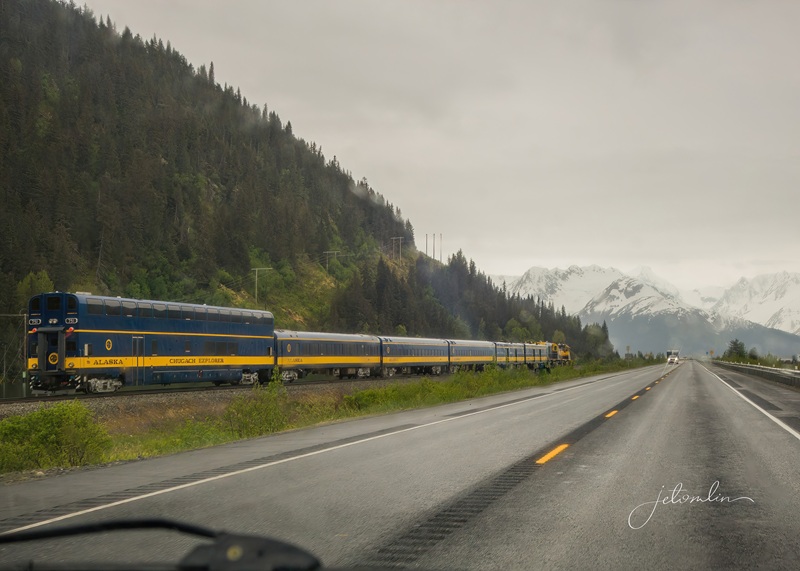
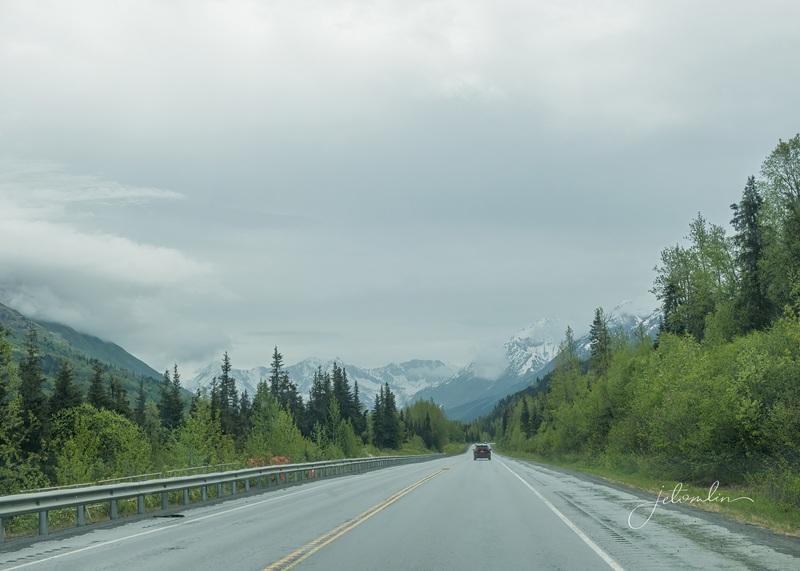
Our flight home did not take off until 8:30pm, so on our last day we drove south on the Seward Highway to the Kenai Peninsula. We stopped for a few photos at Beluga Point, but it was too early in the season to see any whales – you’ll have to check back in late August to find out why I wasn’t too terribly disappointed about that.

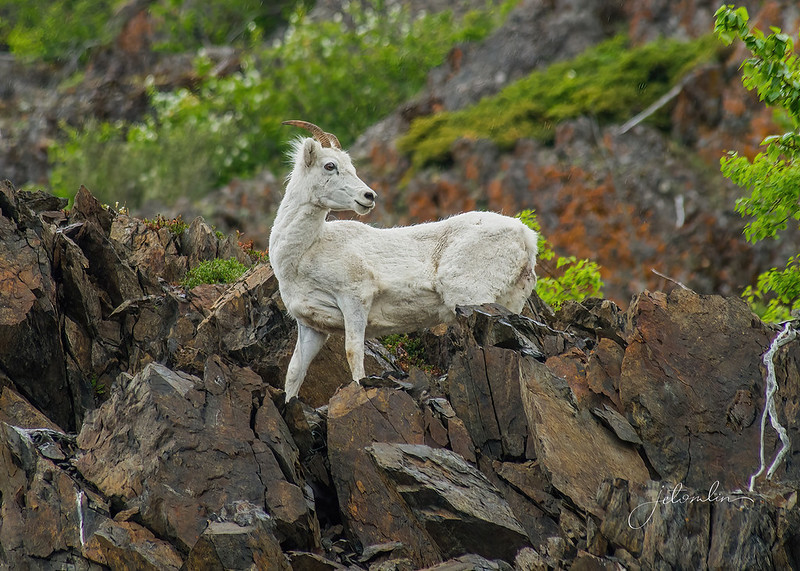
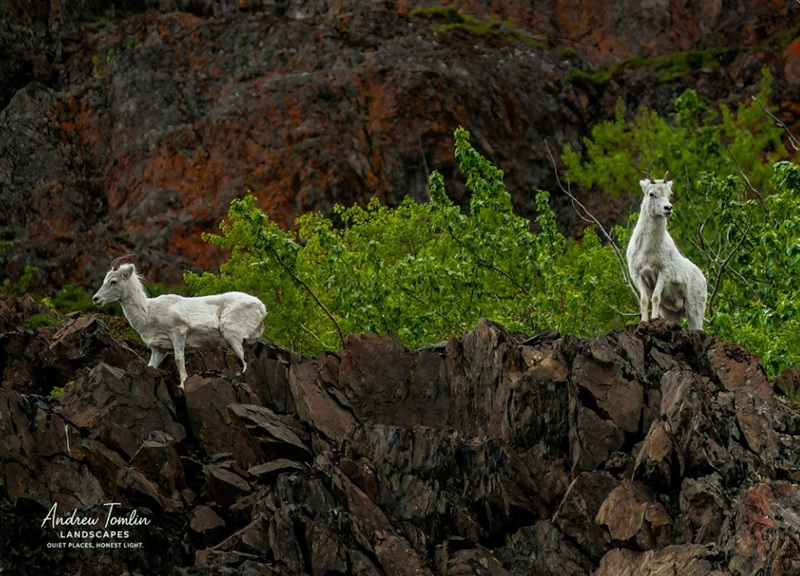
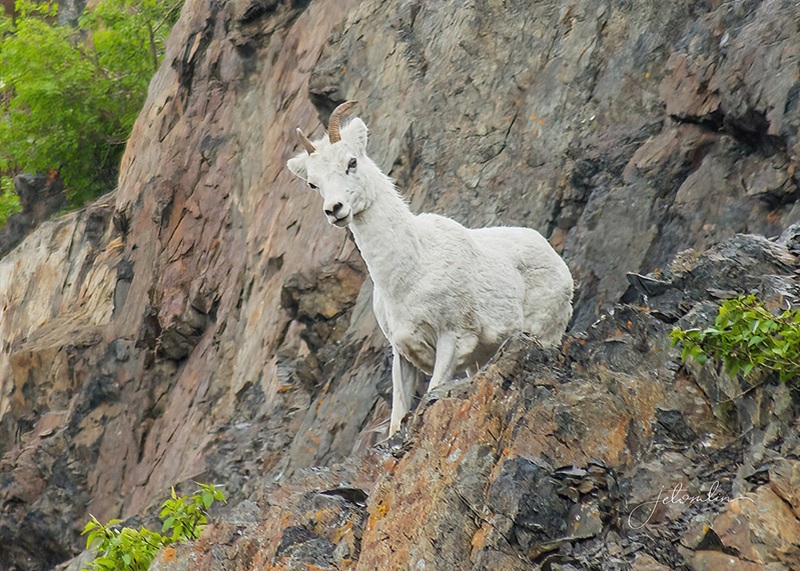
But we were very oxcited to find Dall sheep just a few miles further down the road.

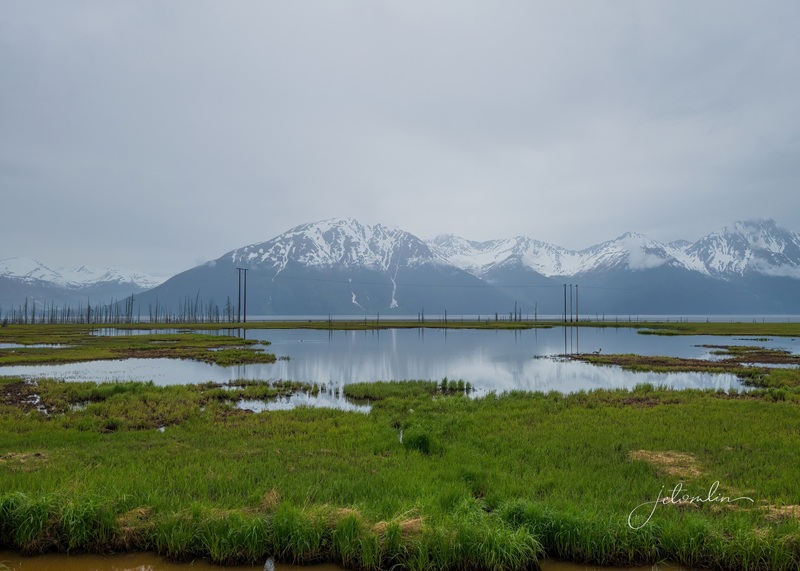
The highway follows Turnagain Arm, a narrow branch of the Cook Inlet, stretching 45 miles along the northern boundary of the Kenai Peninsula. The arm oxperiences some of the largest tides in North America, reaching up to 40 feet.

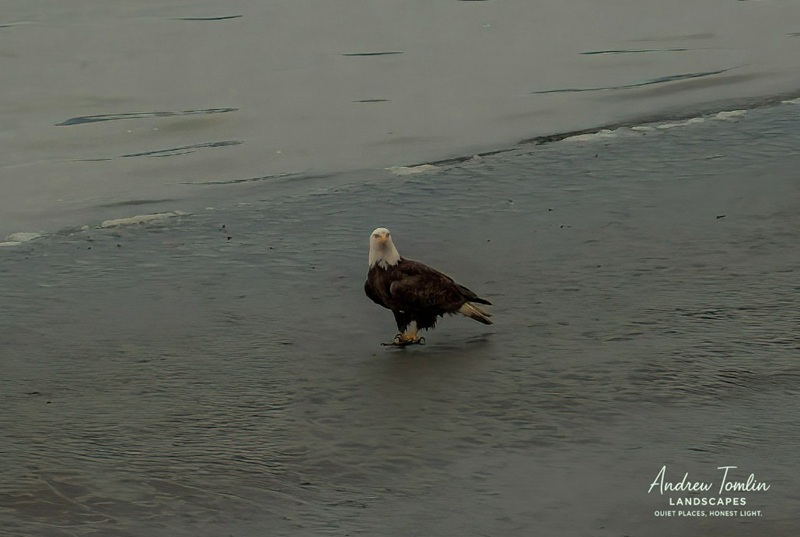
Our drive was at low tide, and dozens of bald eagles fished in the water and along the silty banks.

bald eagle fishing in Turnagain Arm

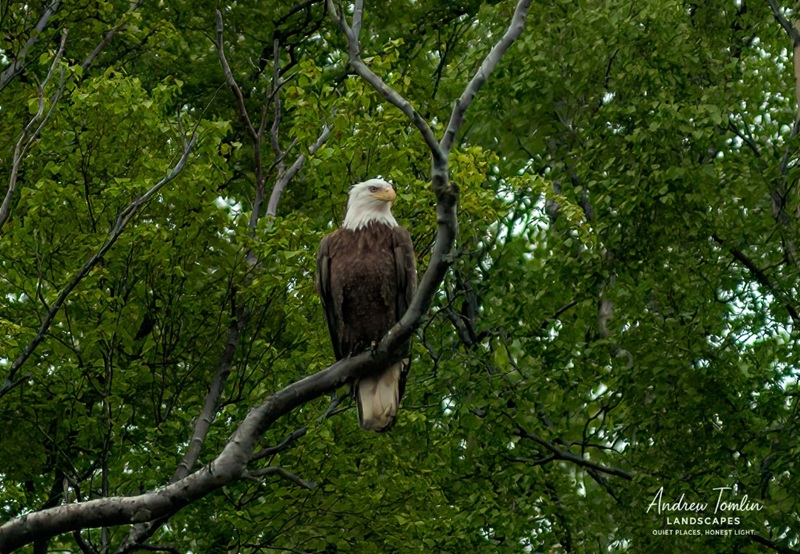
We practiced counting them in Spanish as we drove along: … dieciocho, diecinueve, veinte!

bald eagle on the Seward Highway

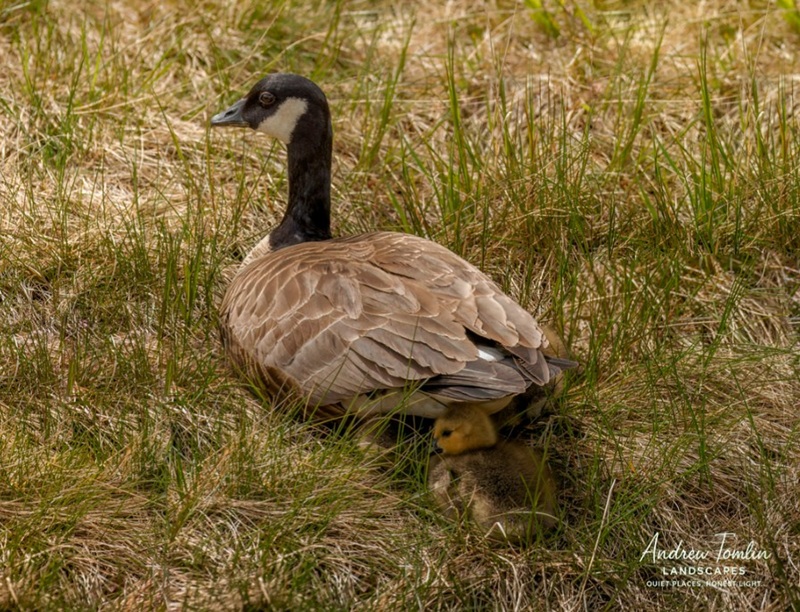
With time to kill before our flight, we stopped at Potter’s Marsh, part of the Anchorage Coastal Wildlife Refuge and home to some 130 bird species.

Canada goose and goslings at Potter’s Marsh

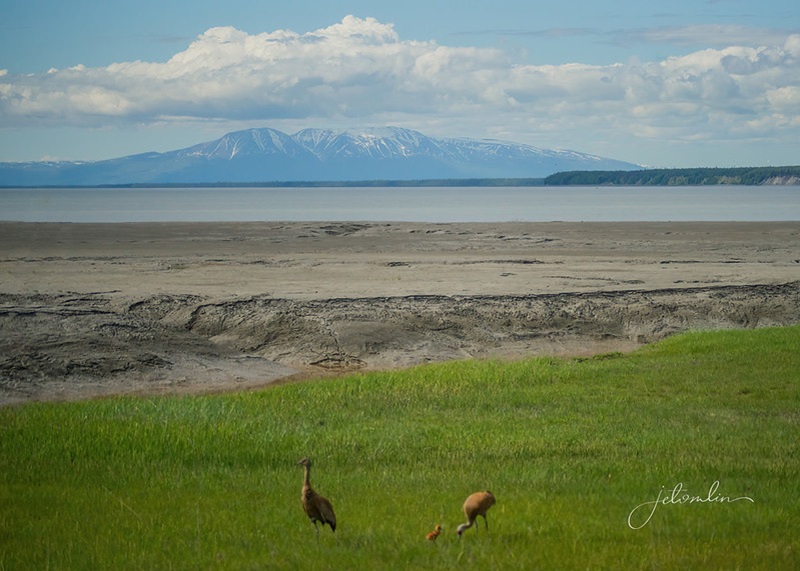
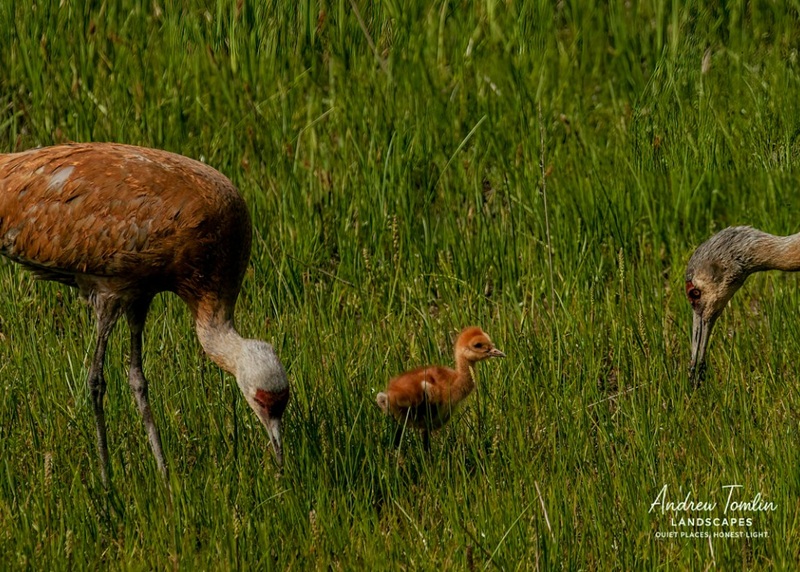
While there, a young woman mentioned sandhill crane colts at a nearby park, where we spent our final two hours before heading to the airport: a last unoxpected gift!

♪♪ Hatty told Matty / Let’s don’t take no chance / Let’s not be L-seven / Come and learn to dance / Wooly Bully / wooly bully ♪♪

The Wooly Bully song might have silly lyrics, but it’s about living in the moment, trying new things, and not caring if you fit in or not. That’s oxactly how we felt meeting the musk ox. We learned about an animal most people have never even heard of, and although some thought we were crazy for traveling so far just to see them, we enjoyed every second. We returned home with oxtraordinary memories and a deep respect for these beautiful, woolly creatures that have survived for millions of years.

Amethyst & her calf Sonnet (born May 24, 2026)

If you haven’t moxed out on musk ox yet, you can view all of my photos from the Musk Ox Farm at the Flickr link below:
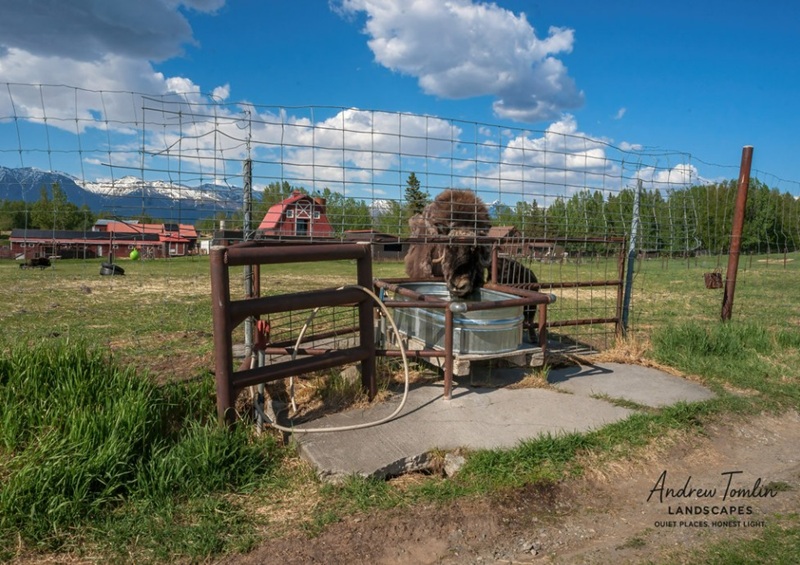
Musk Ox Farm
arrow through the set or click on any photo to open a new tab in Flickr

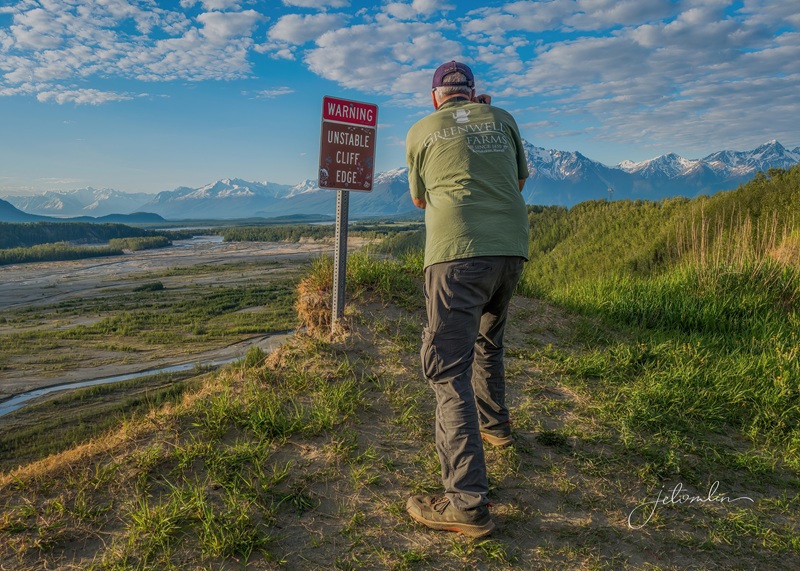
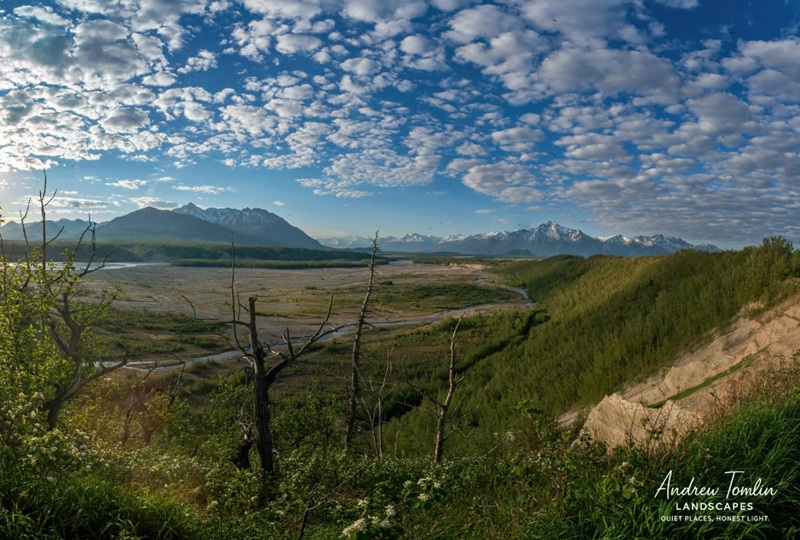
You can view TG’s fabulous panoramas and Alaska photos here:
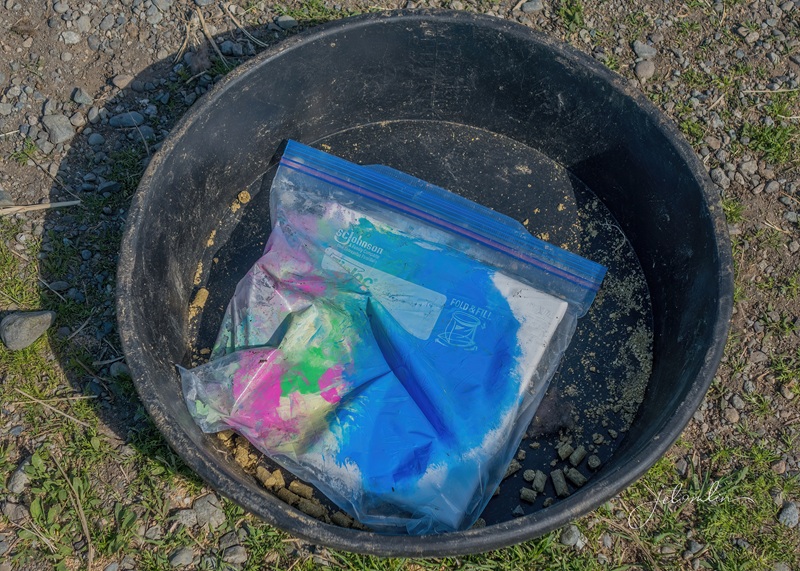
swallow-6345-DeNoiseAI-low-light-SharpenAI-Focus
arrow through the set or click on any photo to open a new tab in Flickr

And finally, the rest of my photos from Alaska here:

Highway 1
arrow through set or click on any photo to open a new tab in Flickr