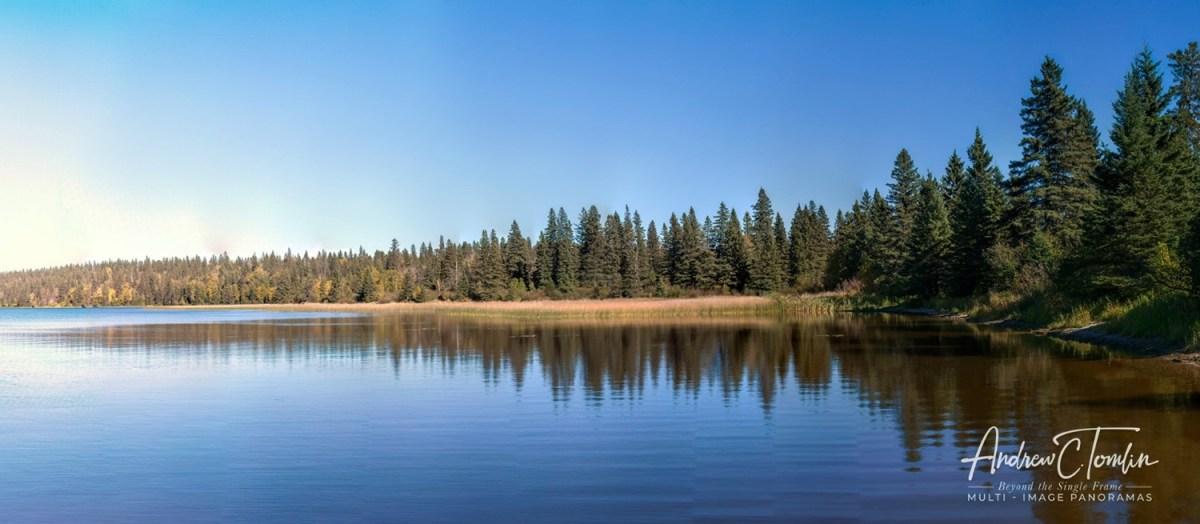
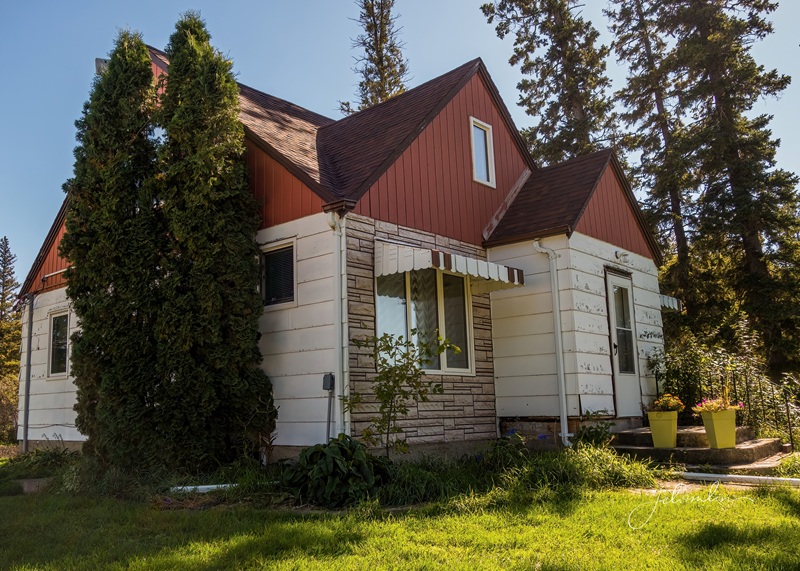
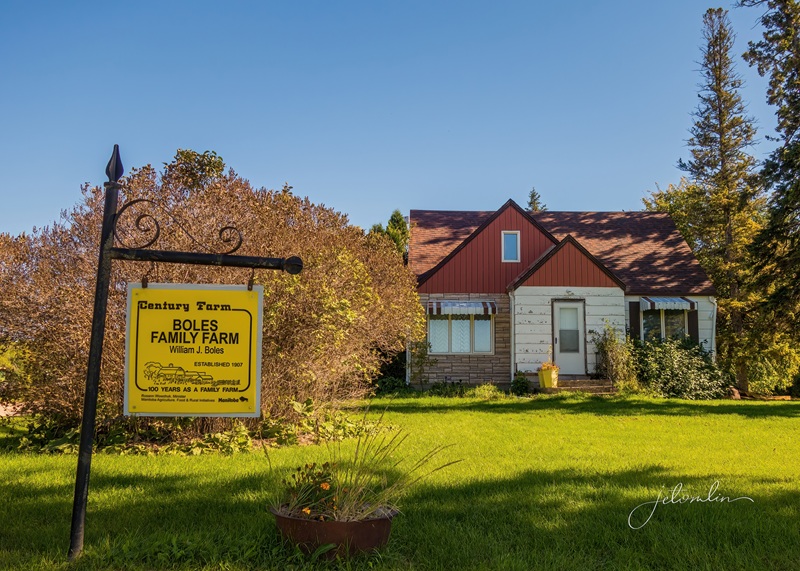
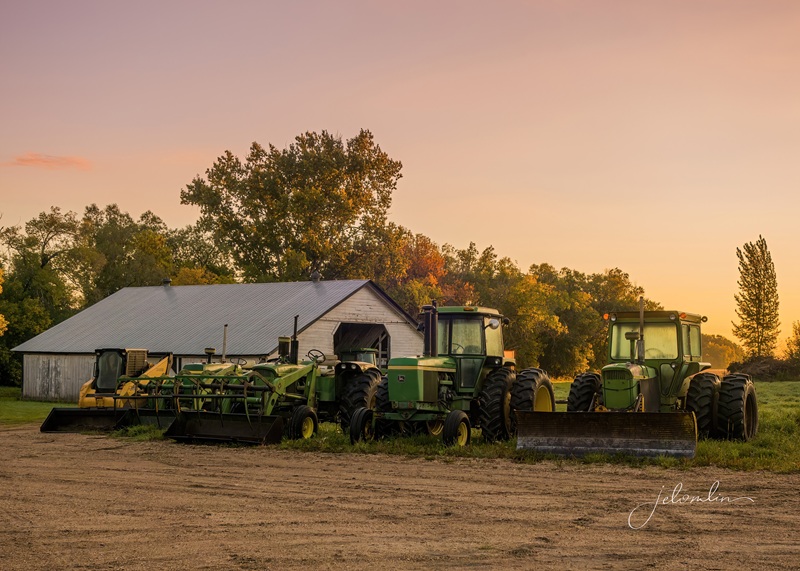
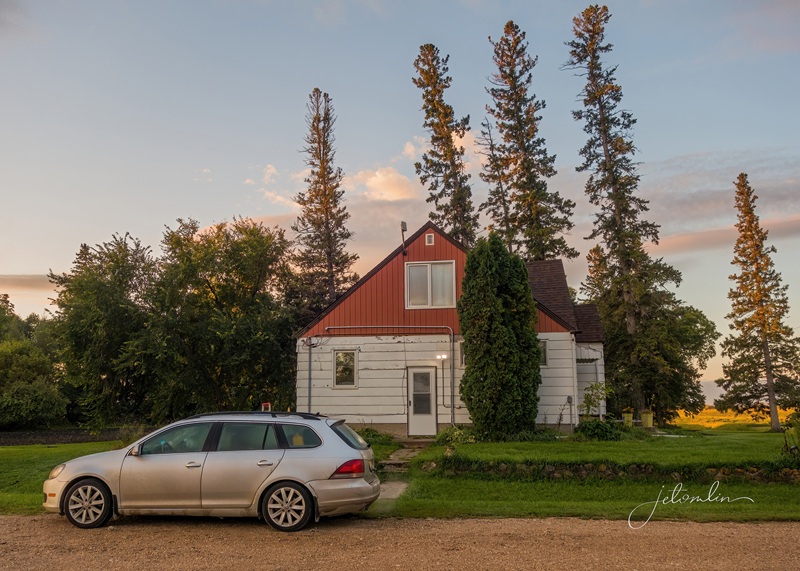
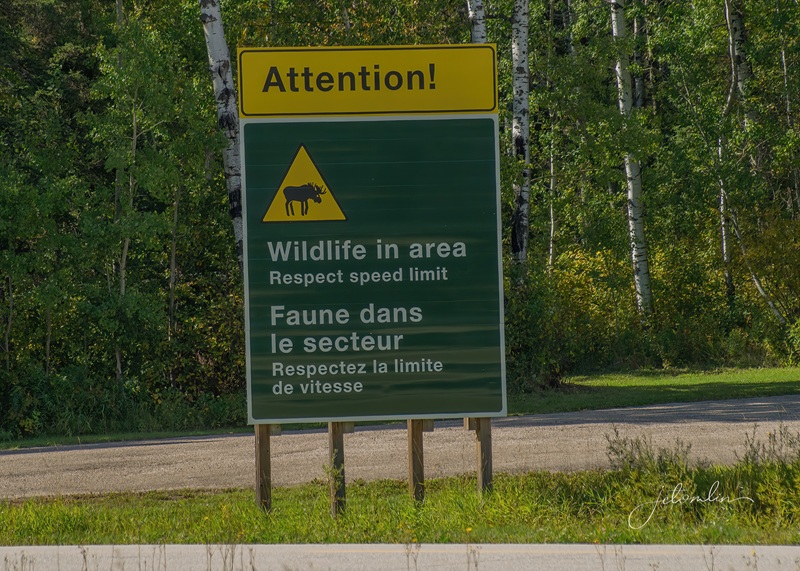
In 2024, we spent 2½ months on the road, traveling nearly 17,000 miles. By the time we began the long drive home, we were ready to slow down, so we broke up the journey with a four-night stay at Lois’s Airbnb, a charming old farmhouse on the outskirts of Ochre River. This little town sits just 20 minutes from the north entrance to Riding Mountain National Park, one of only two national parks in Manitoba.
Lois’s Farmhouse Airbnb: click on photos to enlarge, then exit to return
Our time in Riding Mountain was short, but the park left a lasting impression. The scenery was beautiful, the wildlife abundant, and every outing seemed to bring another unexpected sighting. We left knowing we had only scratched the surface.
Riding Mountain National Park, July 2024
Fast-forward to 2026. After six weeks spent photographing the harvest across southwest Manitoba, we brought our road trip full circle with another visit to Riding Mountain. Lois’s Airbnb in Ochre River was available and the perfect way to end our time in Canada—returning to a place we had enjoyed two years earlier and giving ourselves a chance to see what we had missed the first time.
With more than 250 miles of hiking trails winding through the park, we had more options to choose from than a weeks’ time would allow. We picked several that promised a little bit of everything—a chance to spot wildlife, beautiful landscapes, and enough distance to give us a good workout.
Riding Mountain has more than 250 miles of hiking trails
After the recent stretch of heavy rain, though, we knew some of the trails might be muddy and challenging, so we decided to tackle what we could and see what the road gave us.
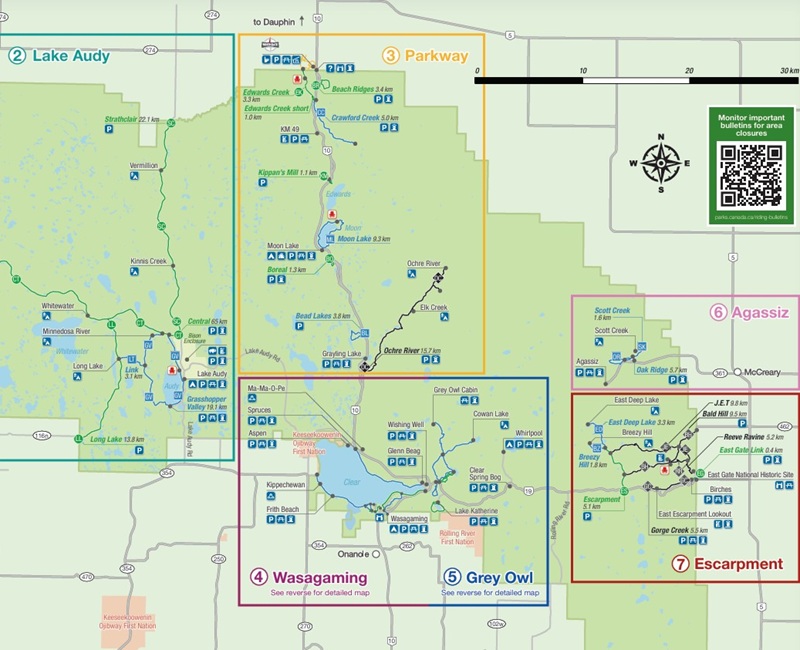
One that consistently gets positive reviews is the Moon Lake trail, a 6-mile loop described as having “some wet crossings” and known for its wildlife.
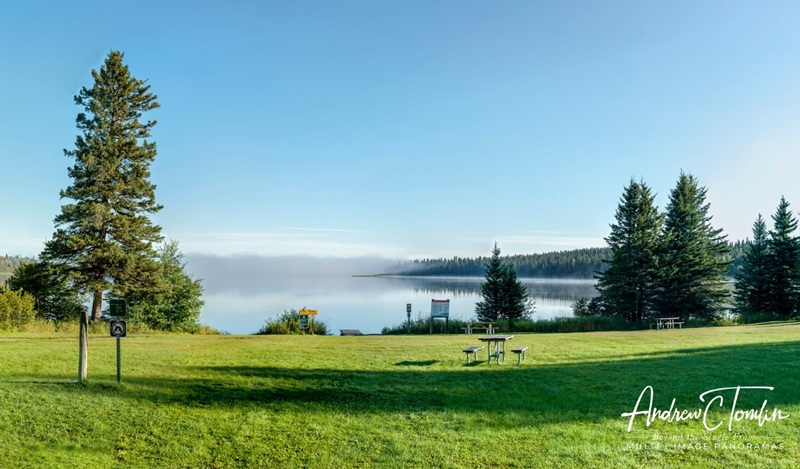
Moon Lake
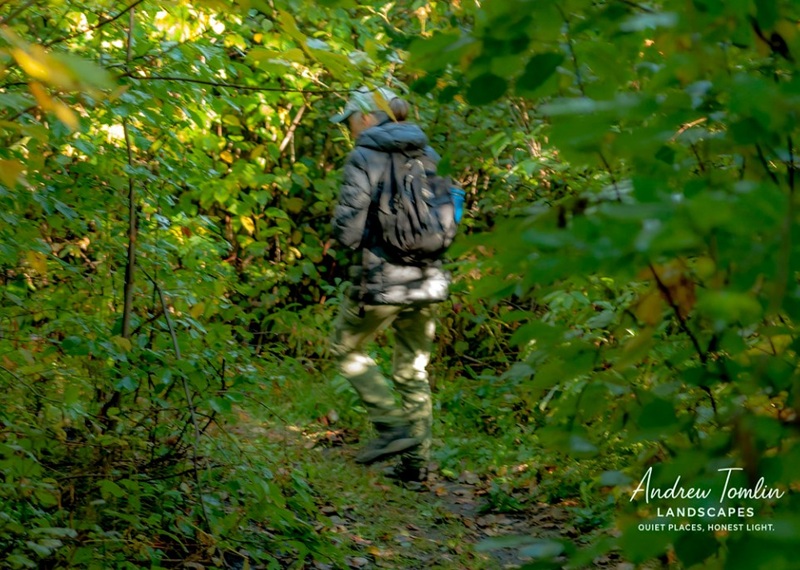
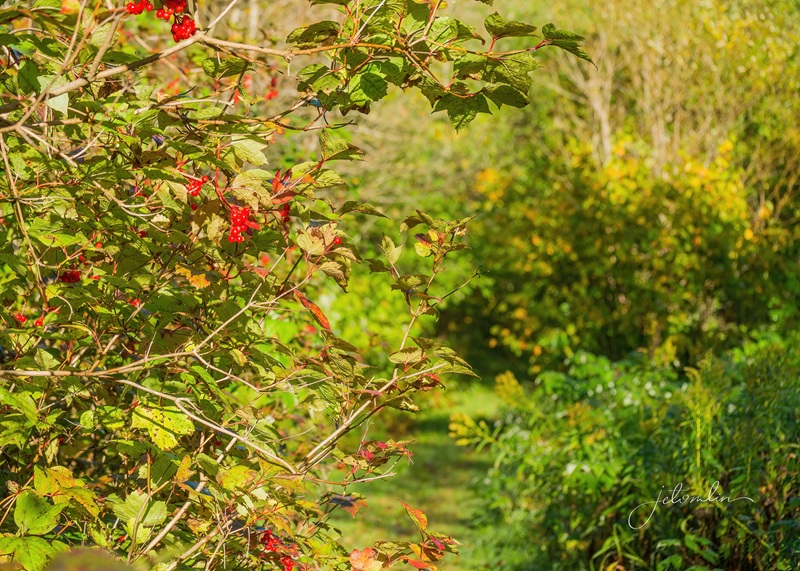
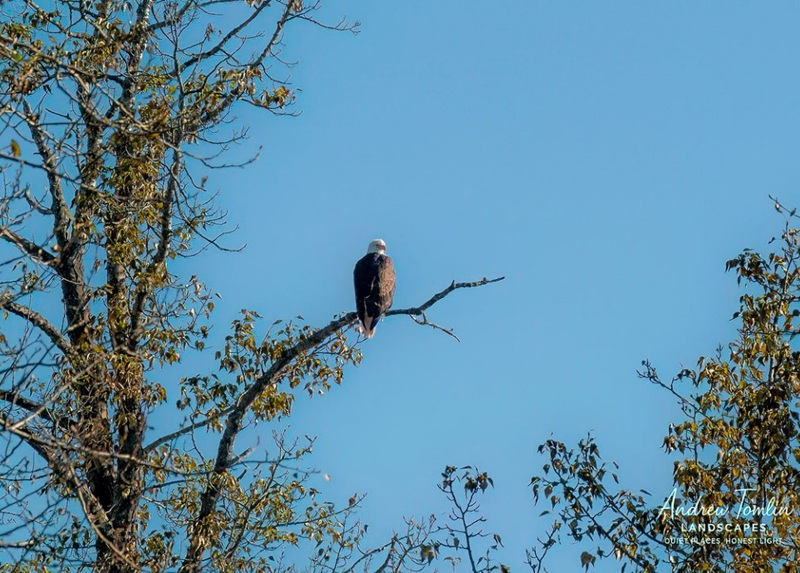
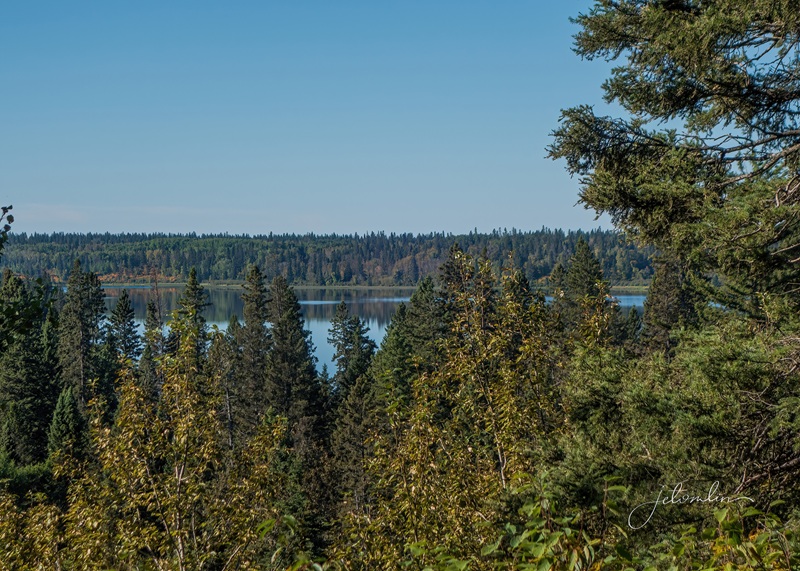
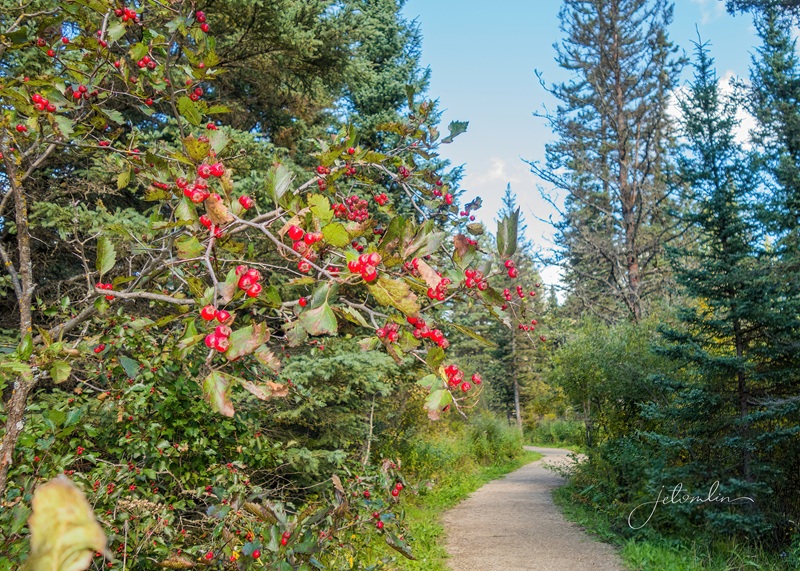
The trail hugged the shoreline of Moon Lake, although it was often hidden from view by thick vegetation. We saw—and heard—plenty of signs of bear activity, but the only wildlife we actually spotted was a bald eagle.
Moon Lake trailplenty of berries but no bearsbald eagleclick on photos to enlarge, then exit to return
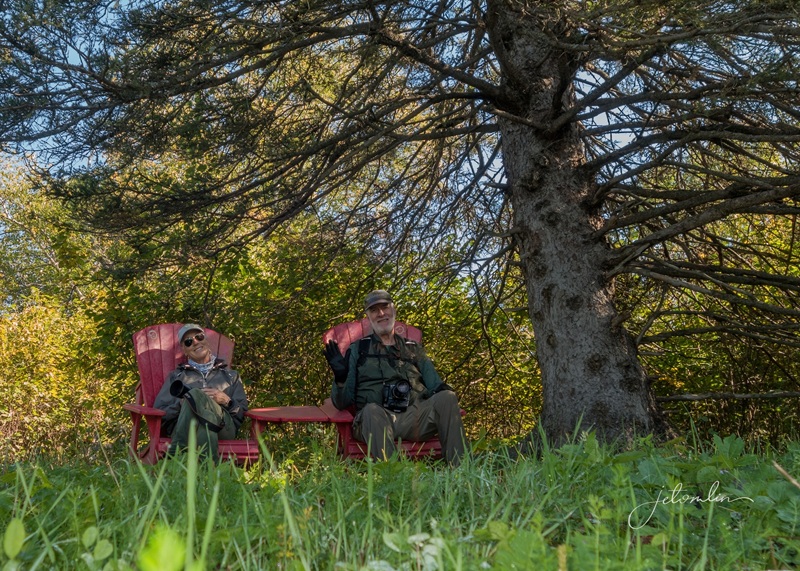
We stopped at the halfway point, where Parks Canada’s iconic red chairs offered a view of the lake.
Parks Canada iconic red chairs at halfway point
view of Moon Lake from the halfway point
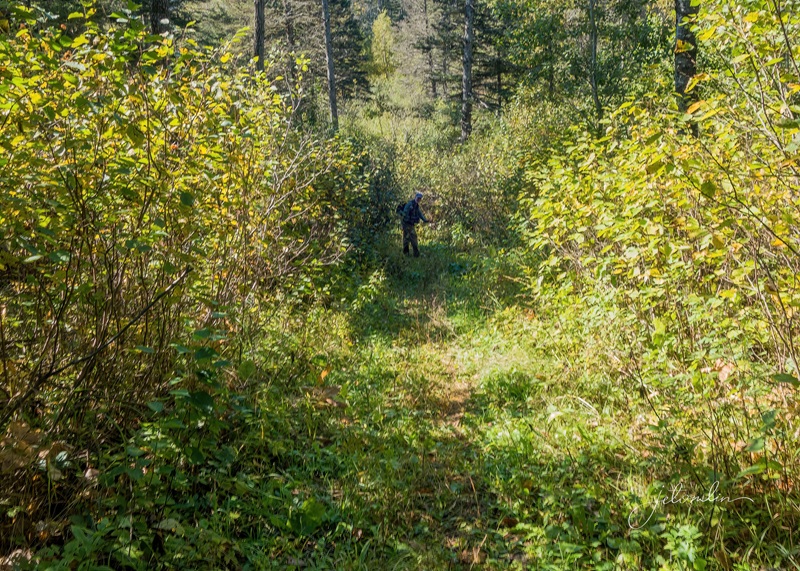
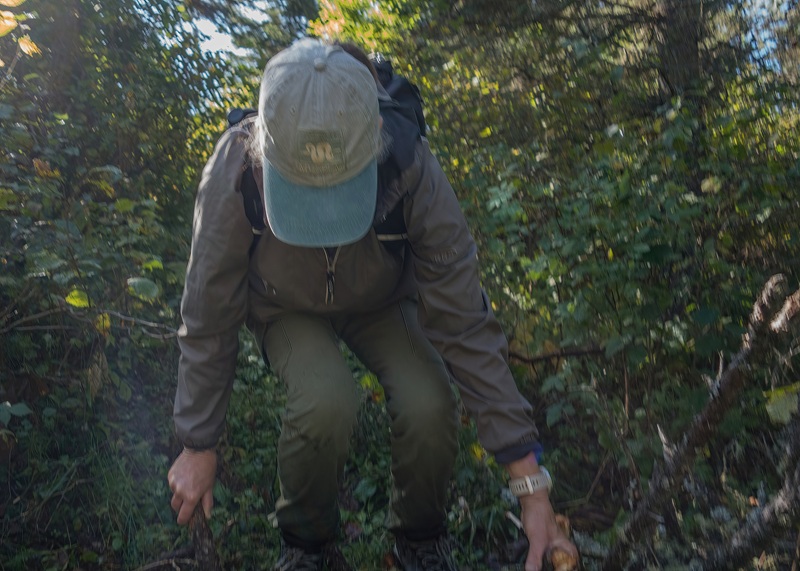
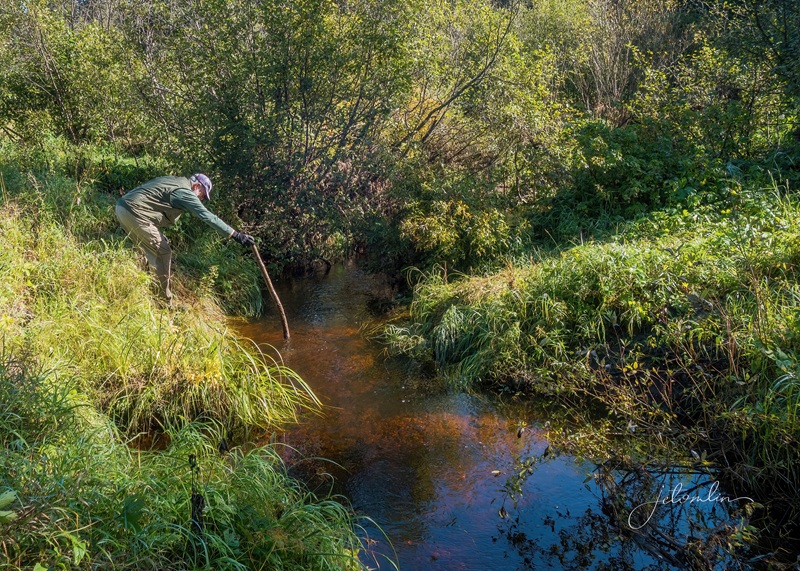
Beyond there, the trail became increasingly difficult to navigate, with downed trees and tall grass. About a mile farther on, we came to a creek with no way across.
the trail became difficult to navigate
one of many fallen trees to climb over
“wet crossing” indeed!
After debating whether to wade through the thigh-deep water and continue, we decided the better option was to turn back the way we had come. In the end, we hiked considerably farther than the advertised six miles and rewarded ourselves with a hearty lunch in Wasagaming before heading back to Lois’s.
a hearty lunch at Lake House in Wasagamingtater tot poutine!backpacker’s veggie burgerclick on photos to enlarge, then exit to return
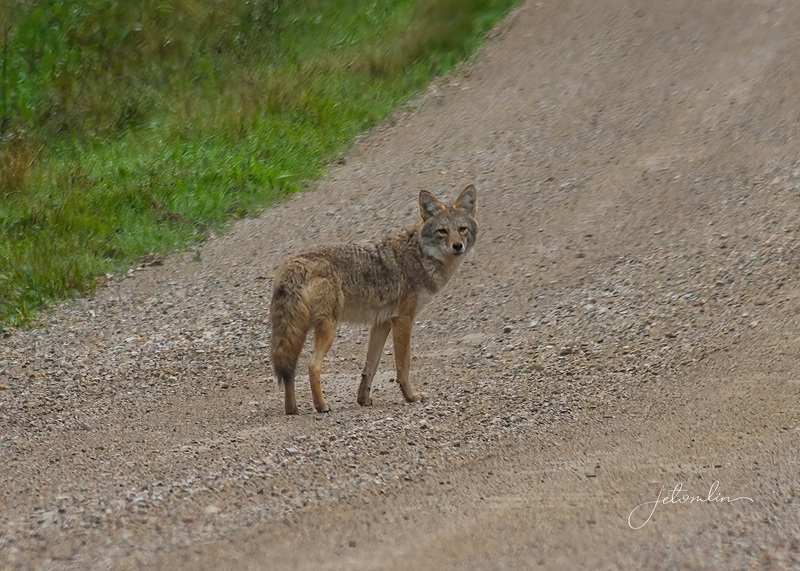
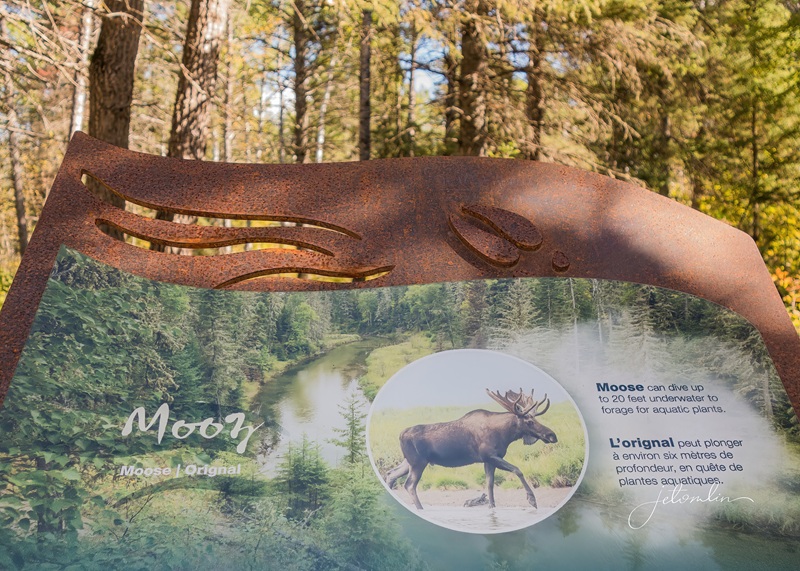
After three full days of searching, our wildlife-sighting list remained stubbornly short: coyotes, white-tailed deer, bison, and multiple birds. We had yet to lay eyes on a single bear, moose, or elk—all animals we had come expecting to see, and all supposedly in season.
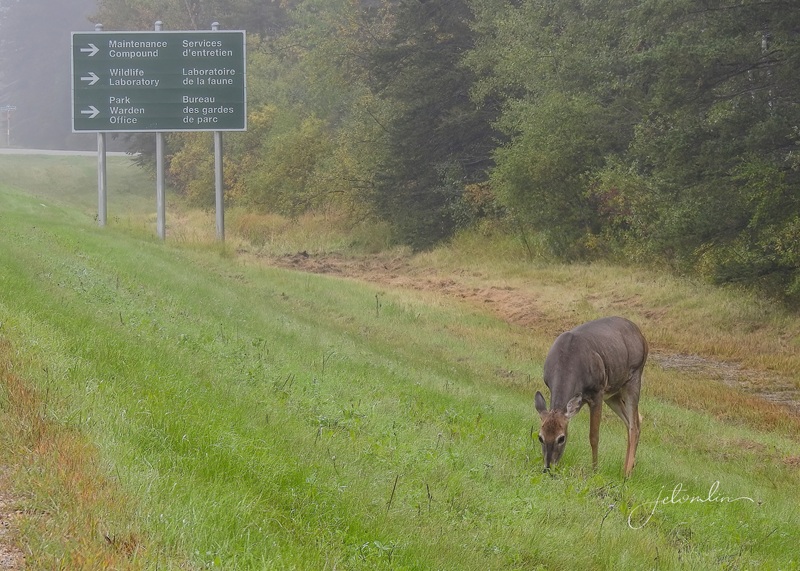
white-tailed deer on Highway 10
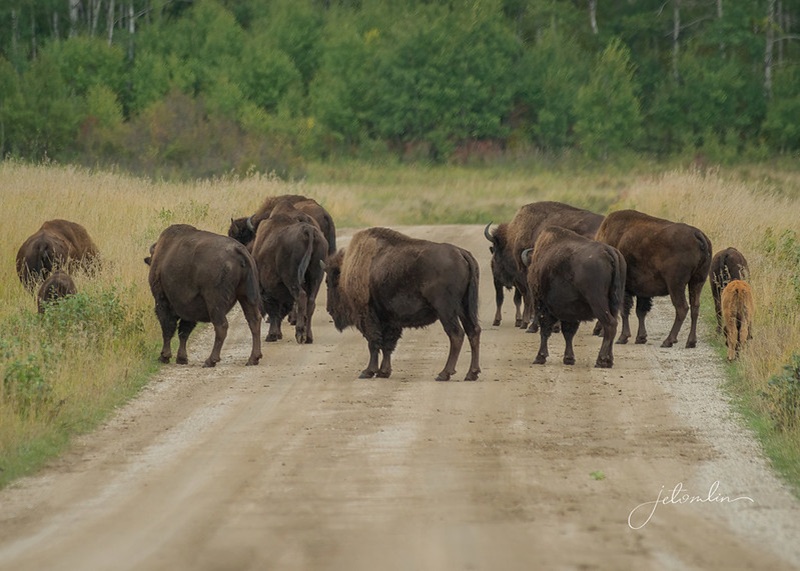
bison herd, Lake Audy
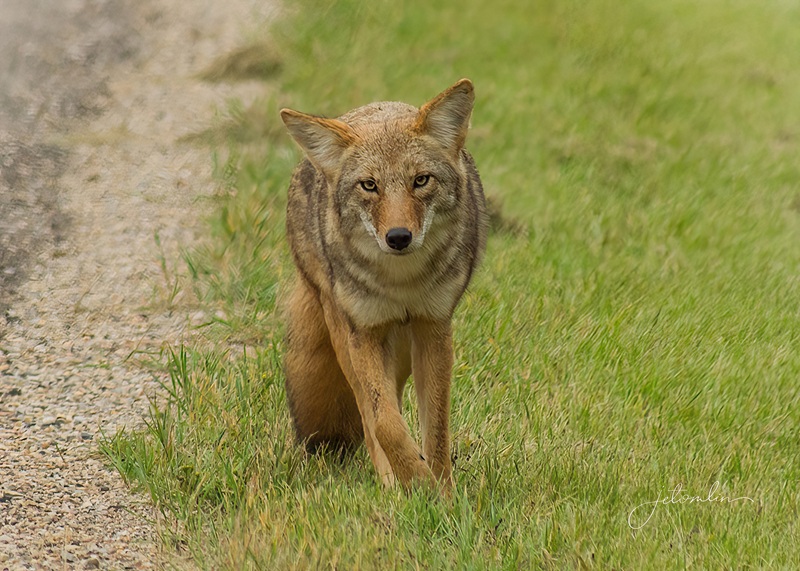
coyote on Highway 19
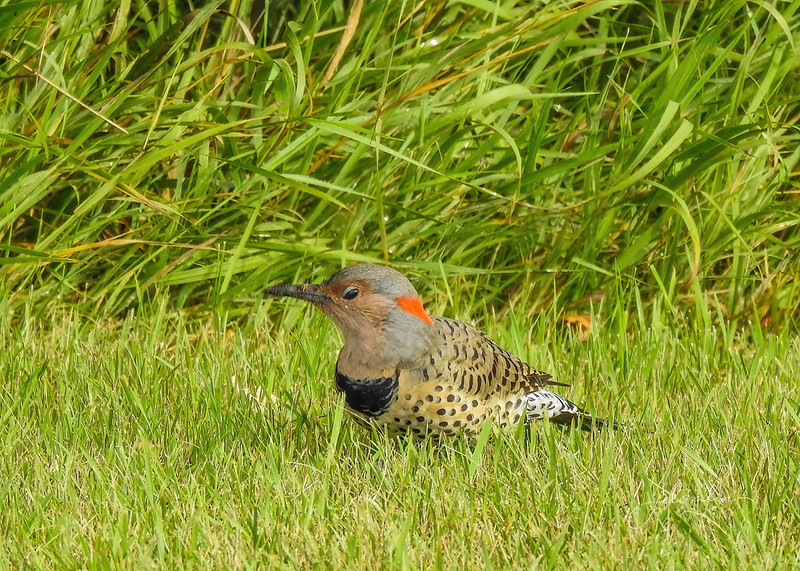
Northern flickers were everywhere!
Then a chance conversation at The Boardwalk in Wasagaming sent us in a new direction: the old Agassiz Ski Resort.
the old Agassiz Ski Resort
The resort operated for many years, but beginning in the 1990s, visitor numbers declined and the owner eventually filed for bankruptcy. In 2007, Parks Canada took over the property and began the process of returning it to its natural habitat.
Parks Canada has returned Agassiz to its natural habitat
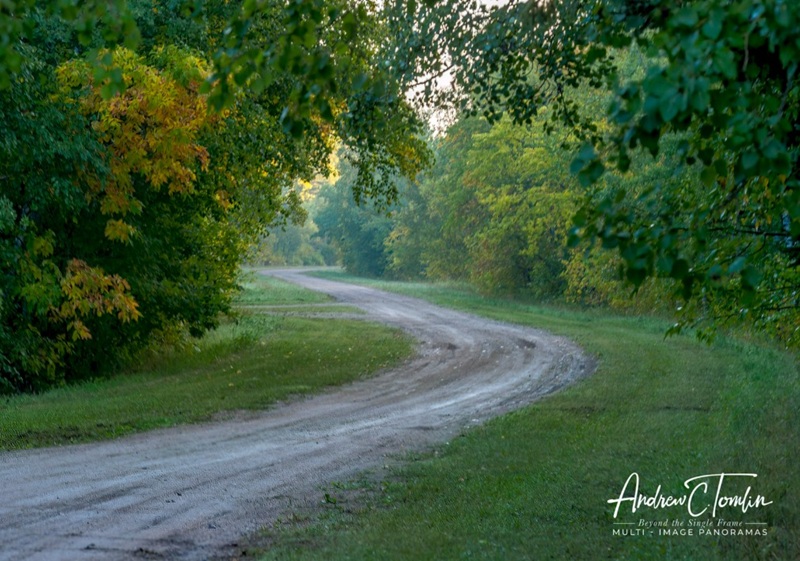
A clerk had suggested it was a good place to spot bears, and once we arrived, we could see why. The trail network is accessed off Highway 5, far from the bustle of 10, the main highway through the park. It felt quieter, wilder, and just remote enough to make us think there might be wildlife around every curve of the road.
the road to Agassiz
Oak Ridge trail
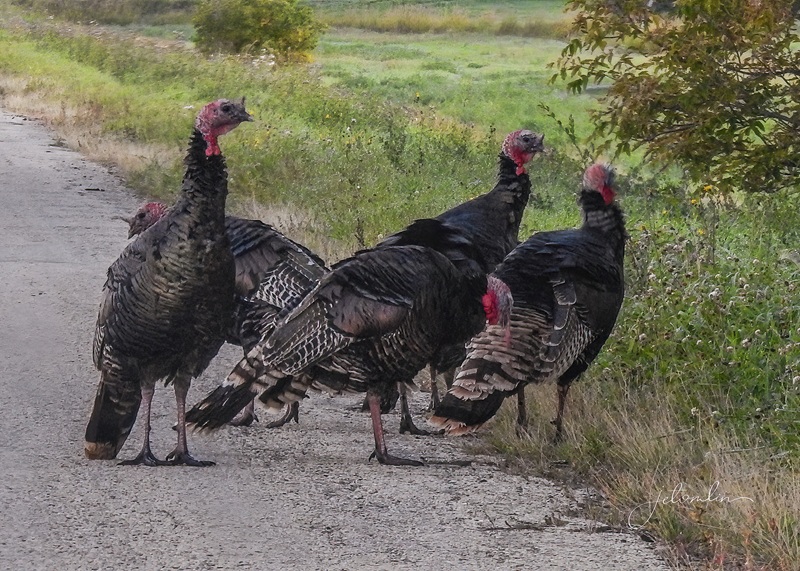
wild turkey jennies
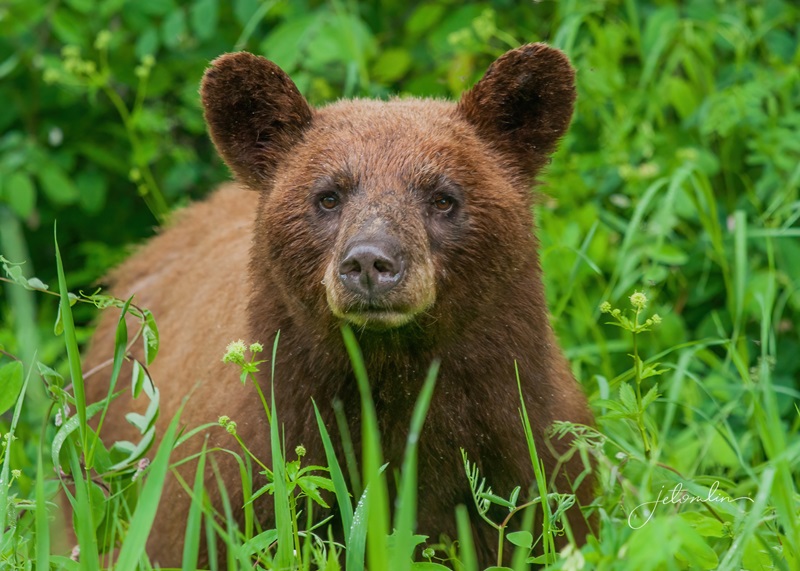
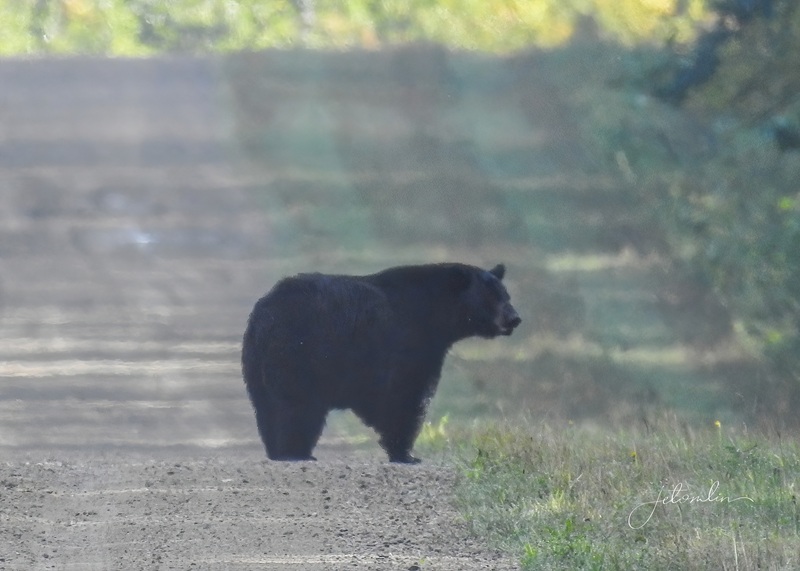
It turned out that clerk was right—and we were very glad we listened! We spotted five bears. Five! We had finally cracked the bear code. 🐻
black bear in Agassiz (fully zoomed with a Nikon Coolpix P900)
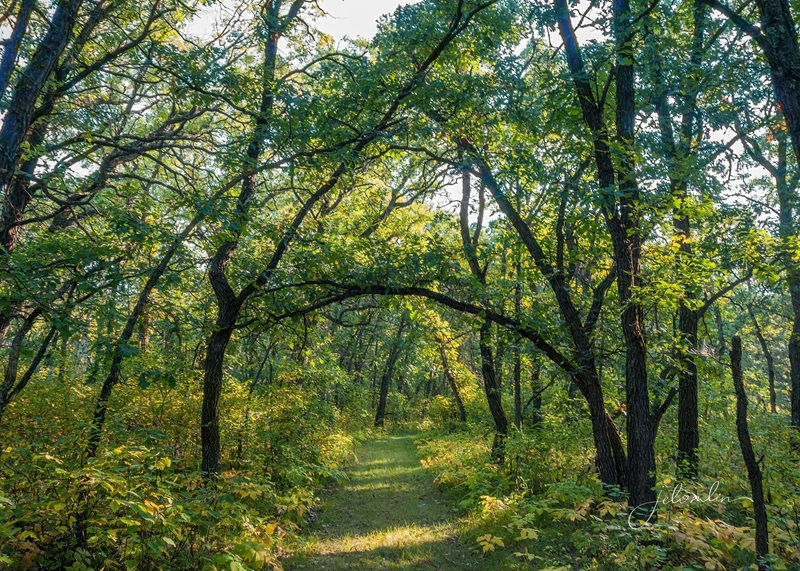
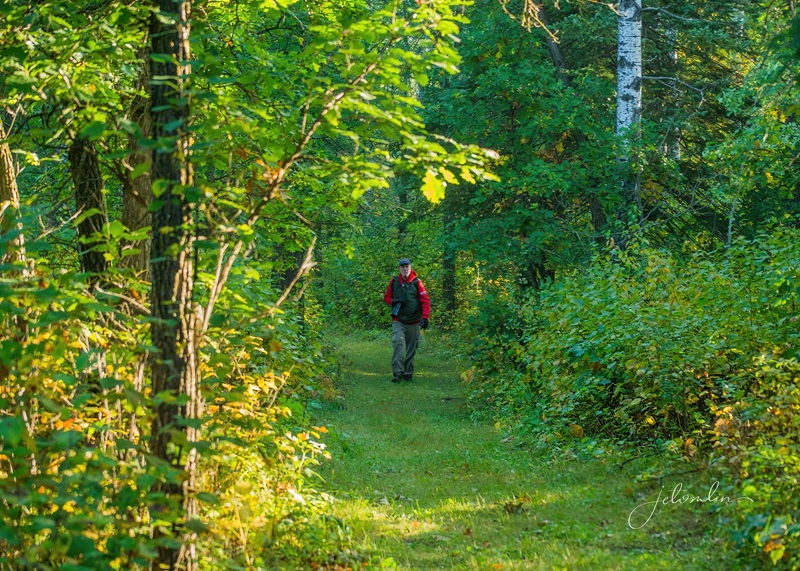
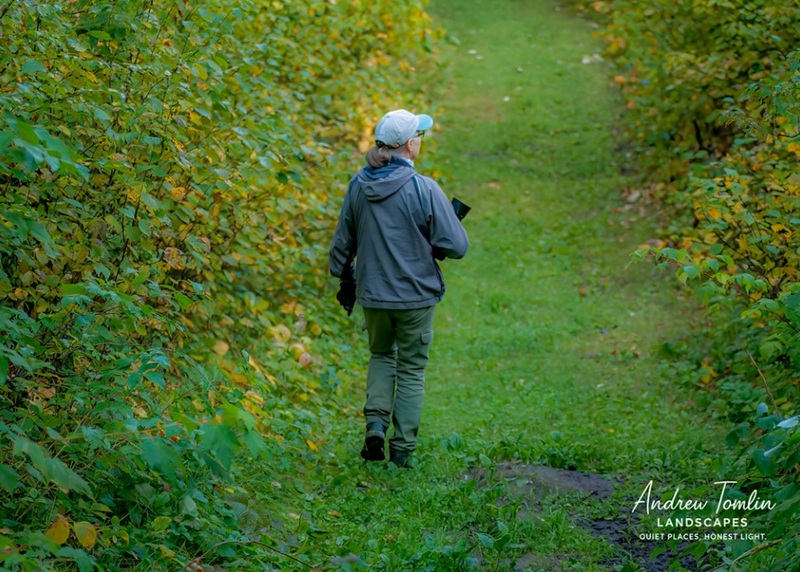
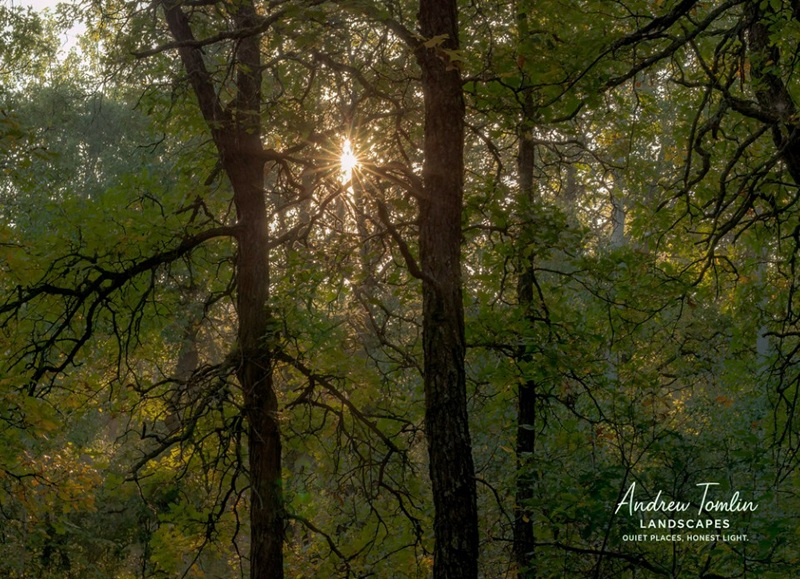
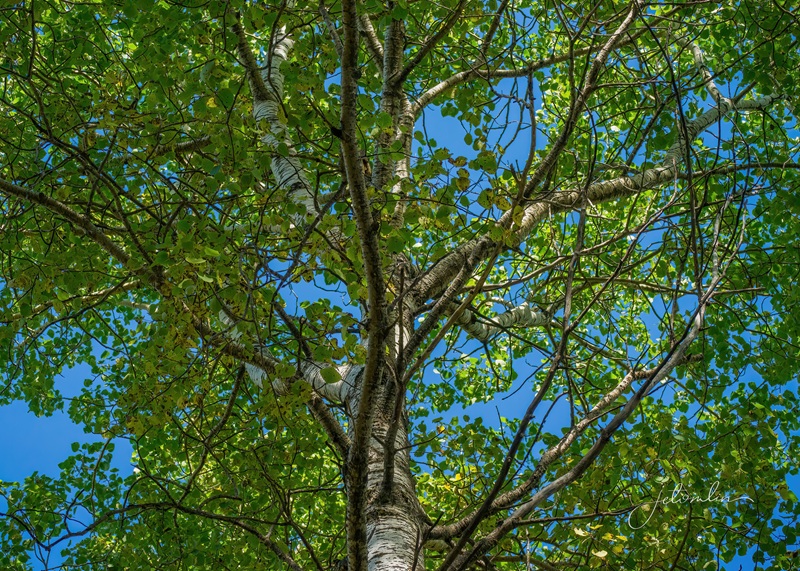
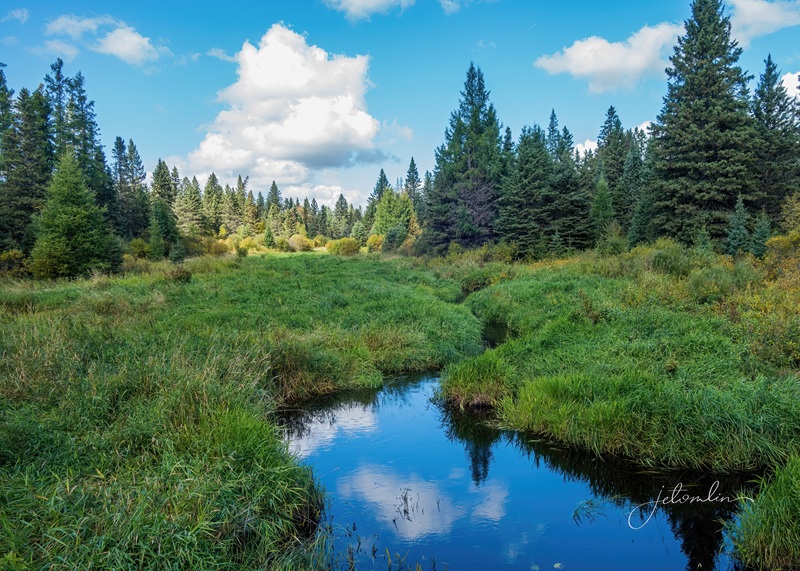
We also enjoyed the sublime beauty of the Oak Ridge Trail, a smooth, grassy path through groves of oak and paper birch trees. It was the kind of trail that makes you slow your pace and look around without even realizing it. The forest was peaceful and the scenery beautiful.
Oak Ridge trail
Oak Ridge trail
Oak Ridge trail
Oak Ridge trail
Oak Ridge trail
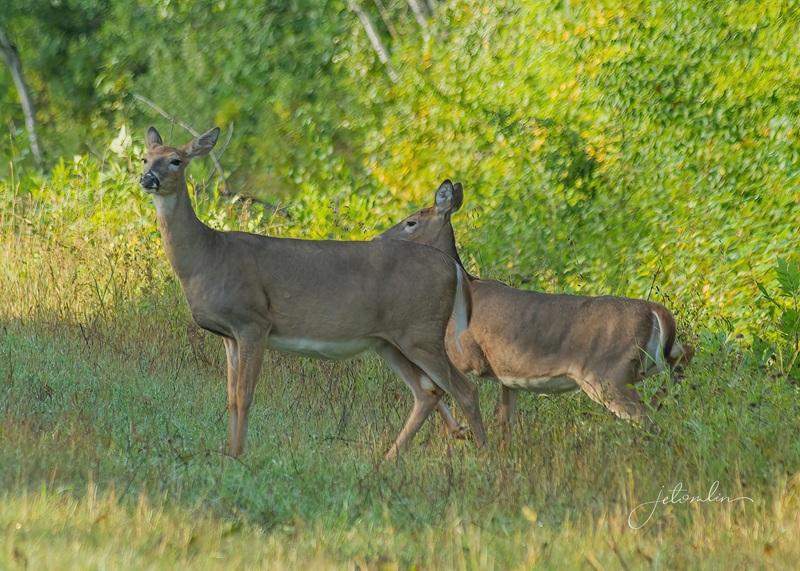
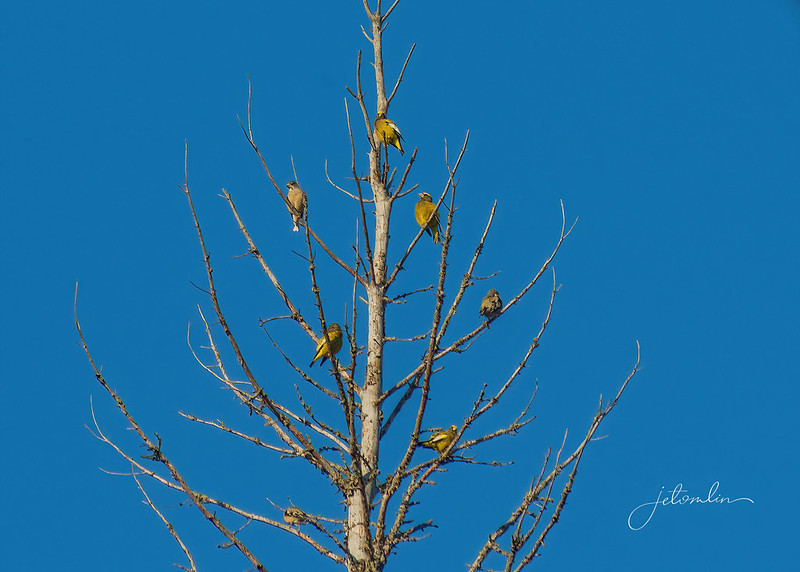
We saw several white-tailed deer, multiple birds, and at one point a bald eagle flew directly in front of us.
white-tailed deerevening grosbeaksclick on photos to enlarge, then exit to return
The bison enclosure at Lake Audy is huge—1,235 acres, or roughly two square miles, of natural grassland.
bison enclosure entrance
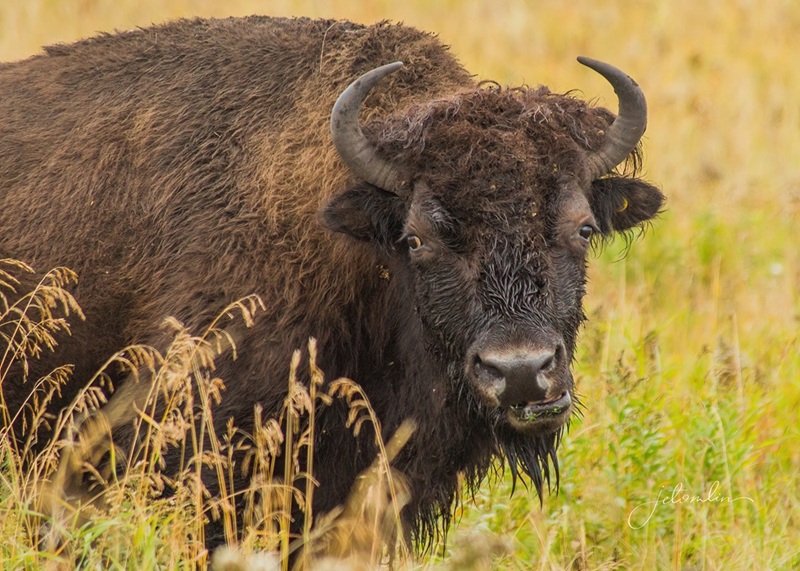
About 40 bison call it home, roaming freely across the enclosure in search of food, water, and shade.
bison roadblock!
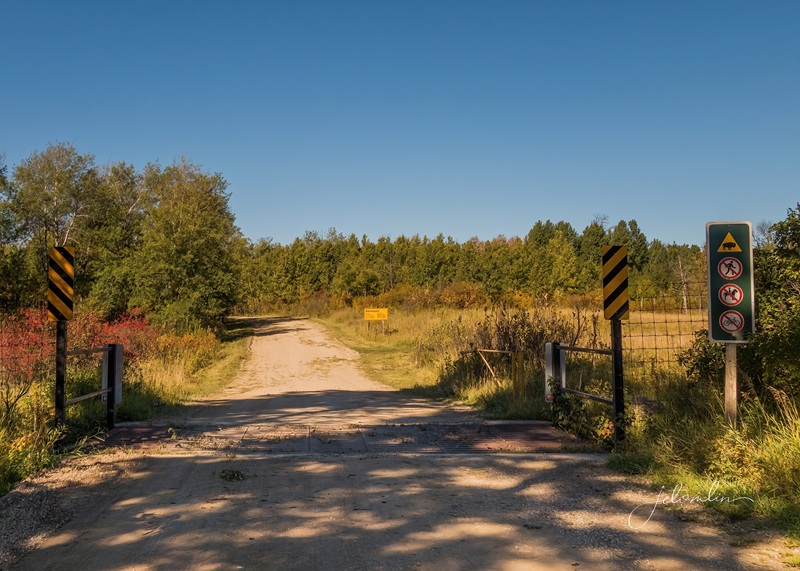
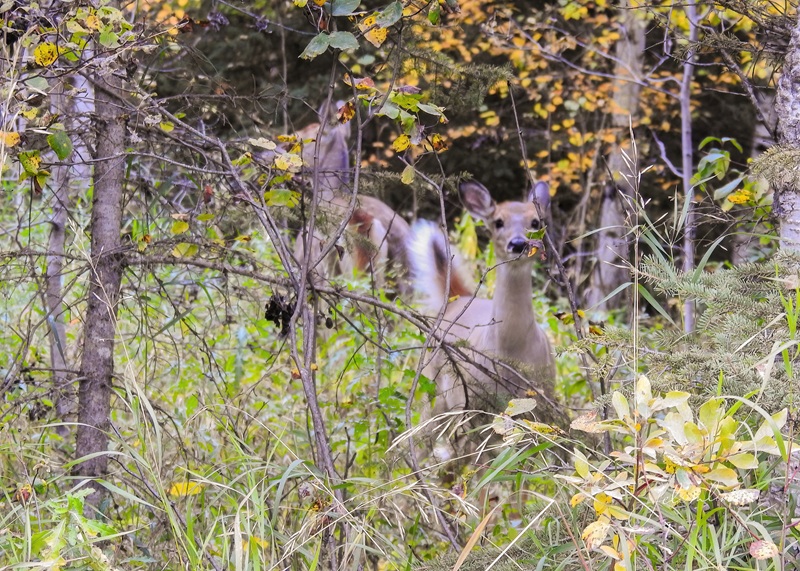
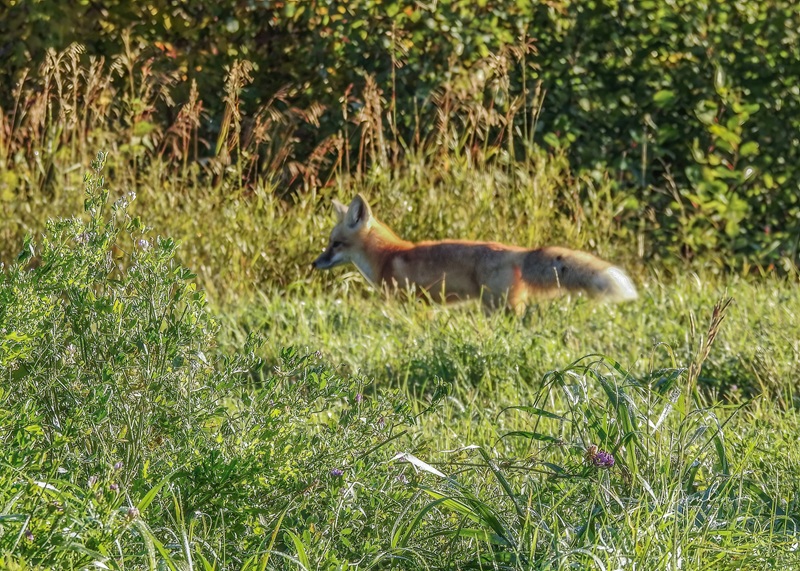
And bison aren’t the only ones using the space. Even though there’s a fence around the enclosure, other wildlife can come and go. Parks Canada has added openings and modified sections of the fence so animals such as elk, deer, bears, coyotes, and foxes can move through the area. This keeps the fence from becoming a barrier to the rest of the ecosystem.
white-tailed deer
red fox
We heard that a large cinnamon-black bear had been spotted inside the enclosure, so naturally, we decided to go looking for it. We drove around on three different days, keeping our eyes peeled but the only bear we saw was a juvenile male outside the enclosure, who disappeared into the thicket before we could grab a camera. The bison, however, were much more cooperative.
bison, Lake Audy
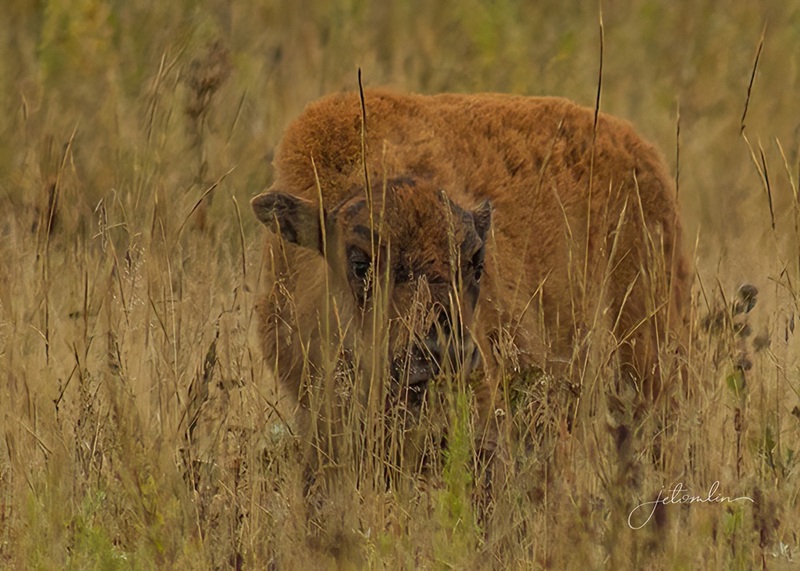
We had some fantastic close-up views of the herd, including one of the year’s newest arrivals. This little one is called a “red dog,” which is the name given to a bison calf born this year.
red dog!
After tackling a few of the longer trails, we decided our legs had earned a break, so we opted for two short loops: the Boreal Trail and Kippan’s Mill. At less than a mile each, neither was exactly epic, but both looked promising.
Boreal Trail
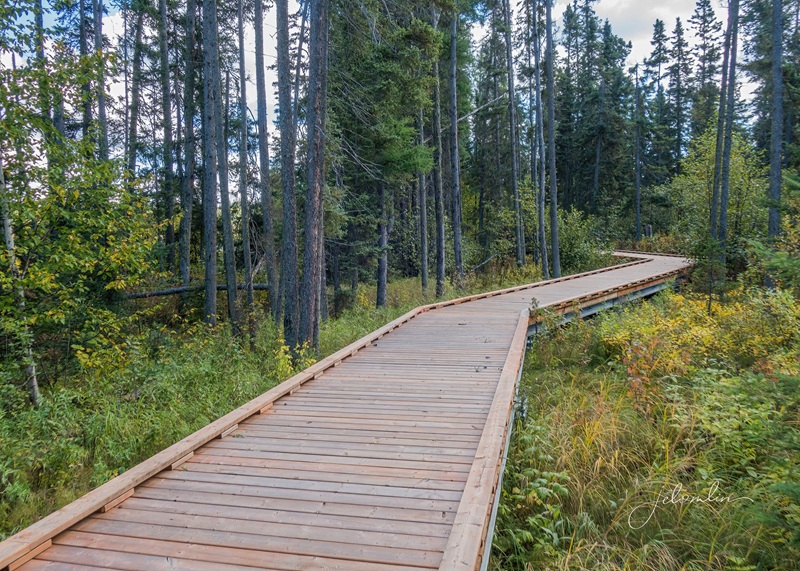
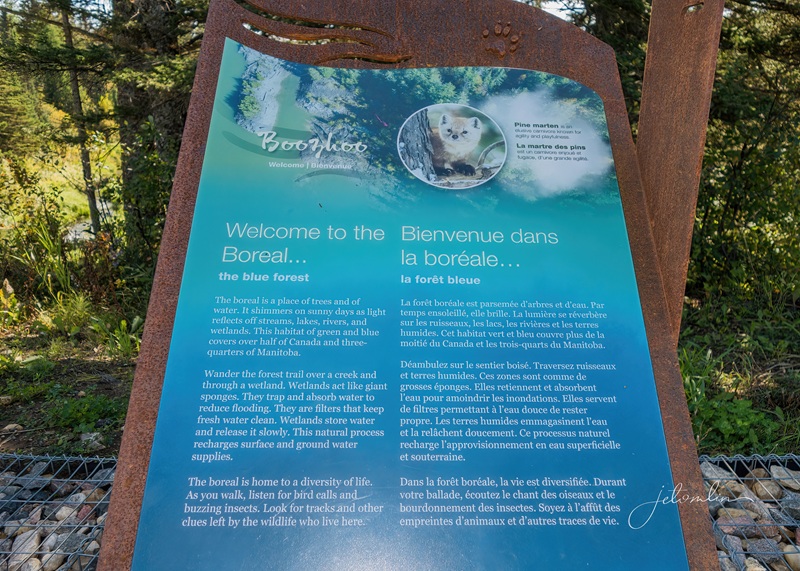
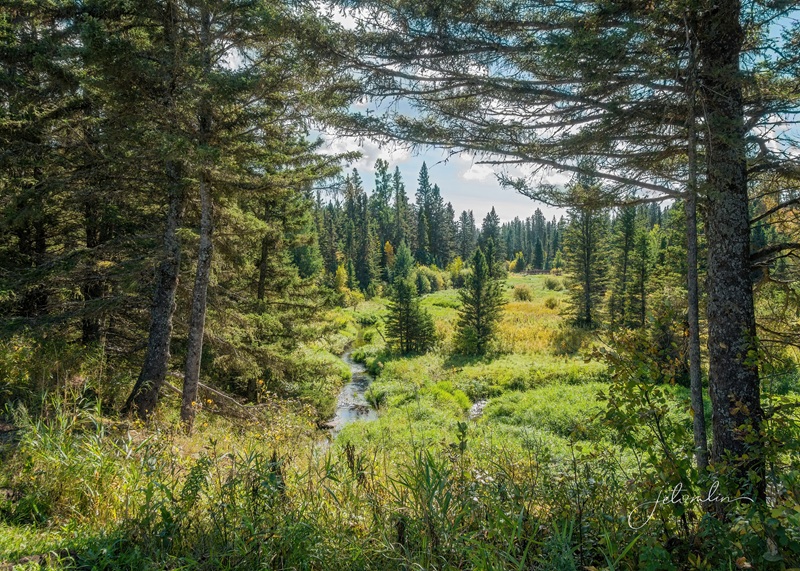
The family-friendly Boreal Trail was an easy stroll through the forest, with smooth gravel paths and boardwalks and interpretive signs along the way. It was the perfect place to take in the scenery and learn a thing or two as we wandered along.
click on photos to enlarge, then exit to return
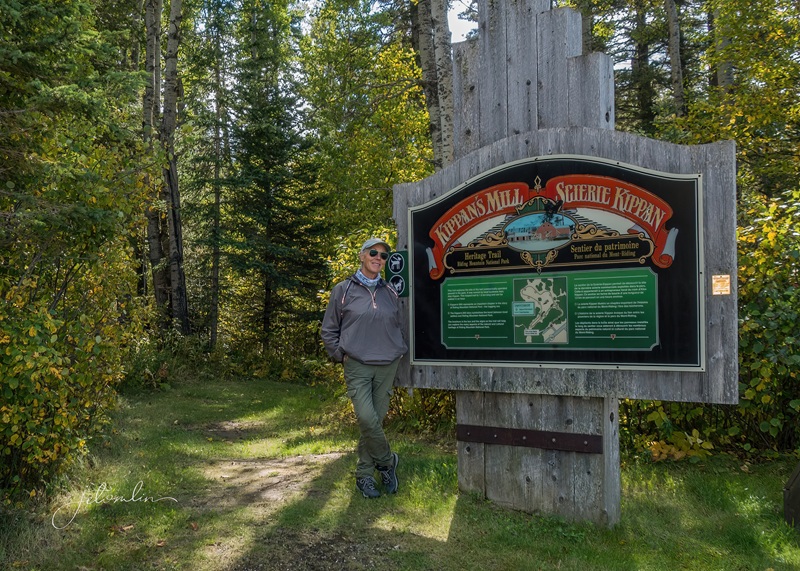
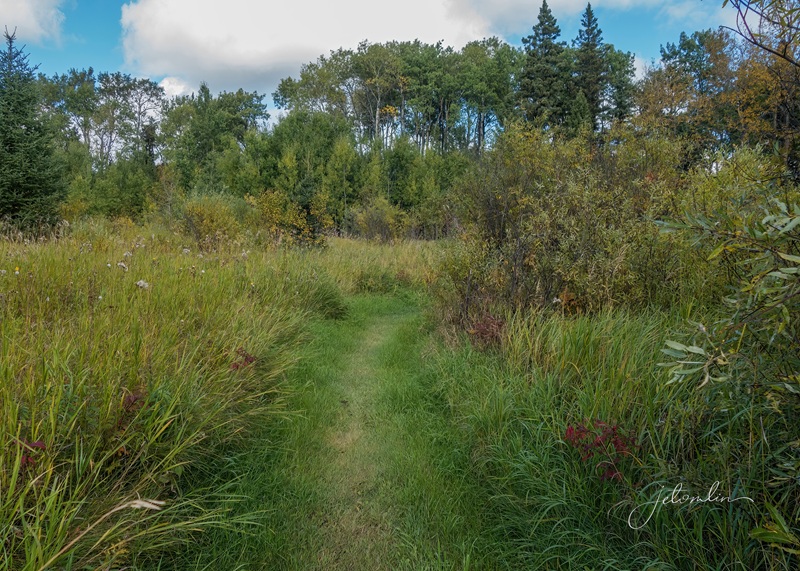
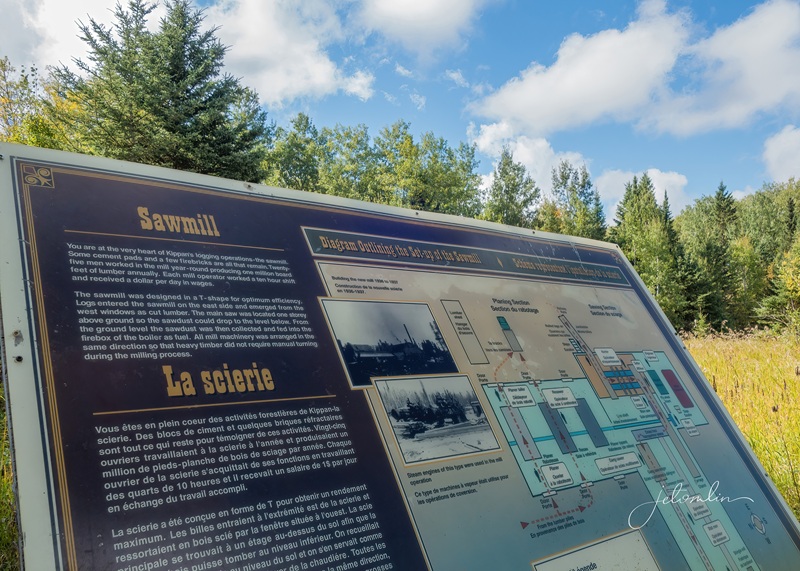
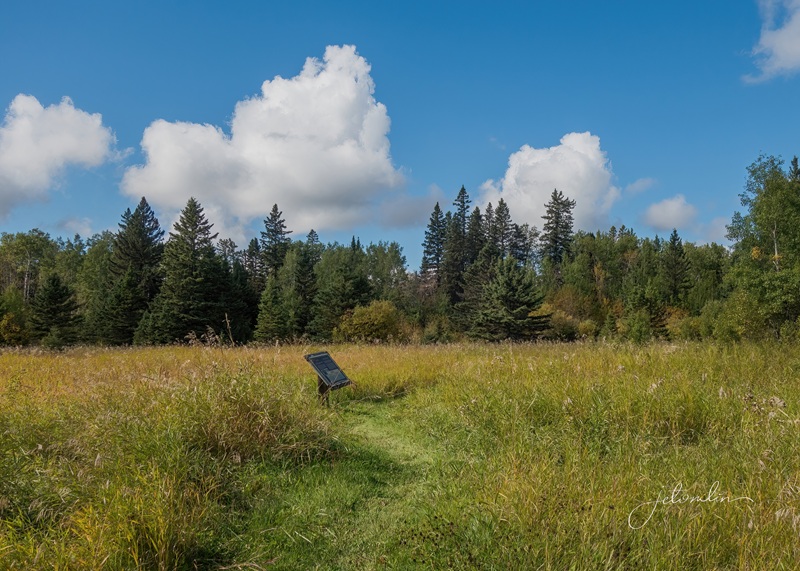
Kippan’s Mill was another story. It is advertised as a chance to step back in time and explore the last remaining sawmill inside the park. I was expecting, well, a mill. Instead, I found a large, grassy meadow containing several signs explaining what used to be there.
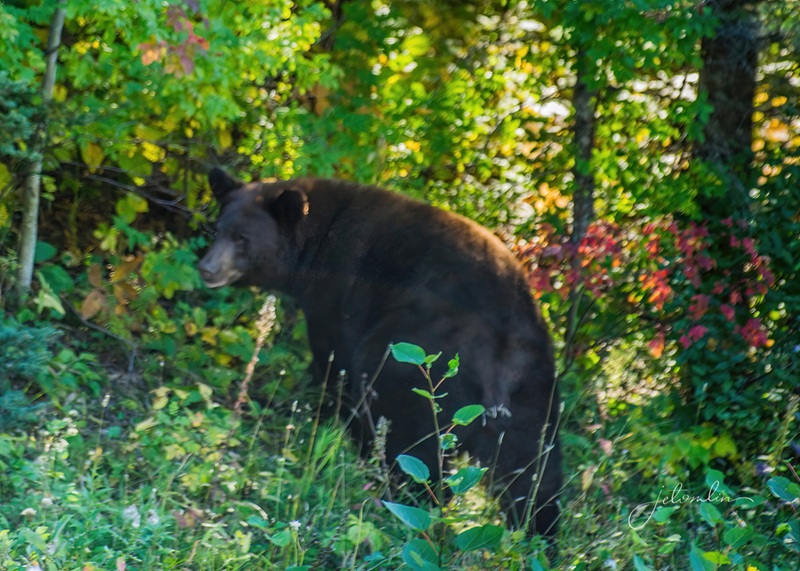
TG opted to stay back at Lois’s for the Kippan’s hike, and after seeing the empty meadow, I was glad he did. Still, the afternoon was far from lost. As I pointed myself towards home, a bear suddenly crossed the road directly in front of my car.
this bear crossed the road directly in front of me!
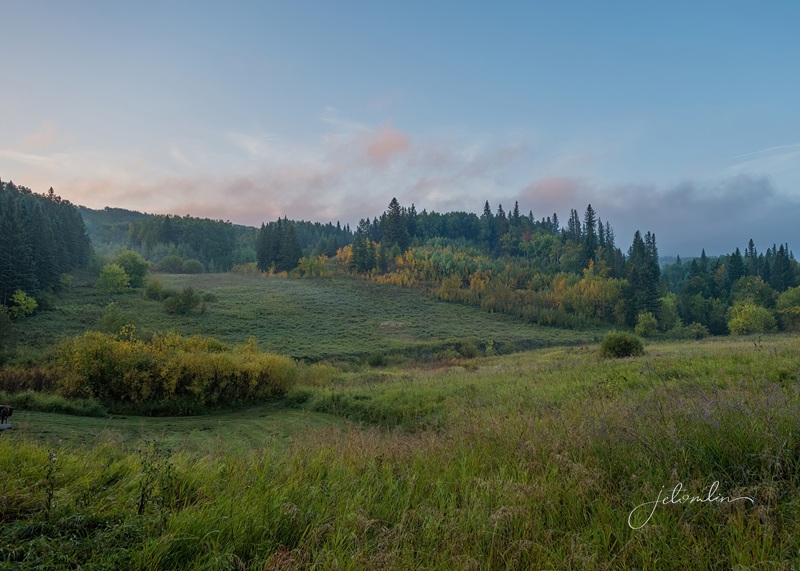
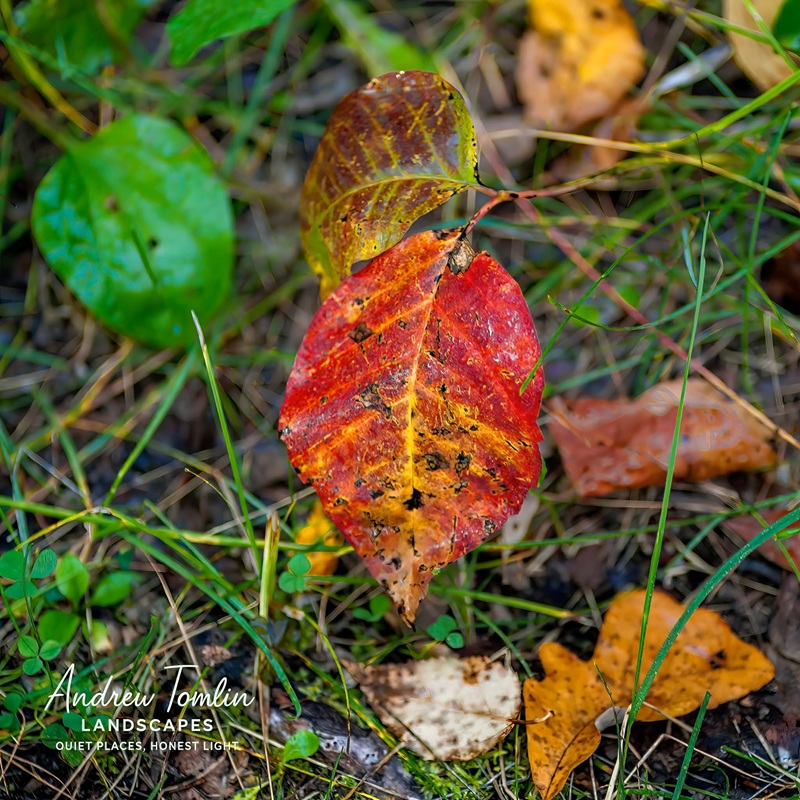
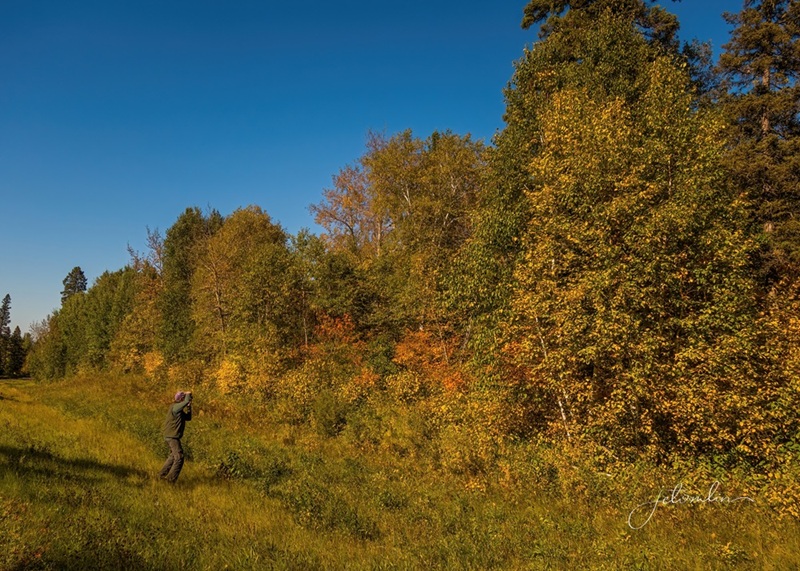
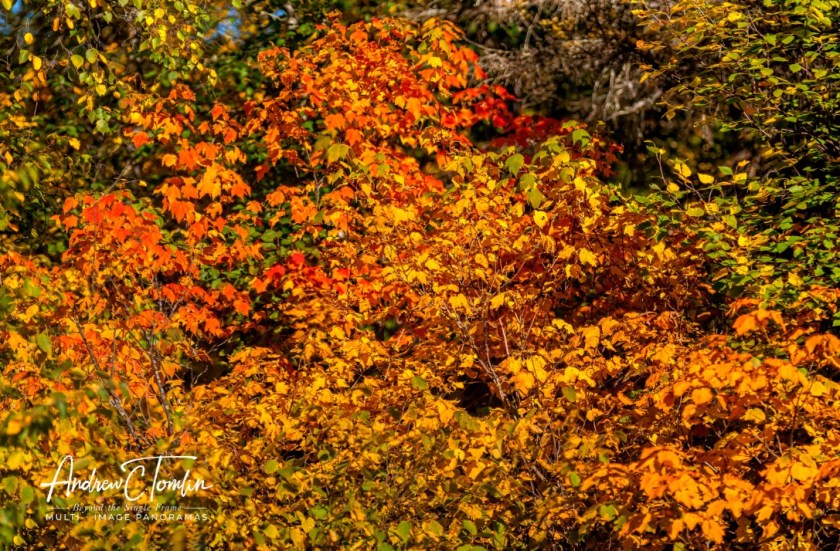
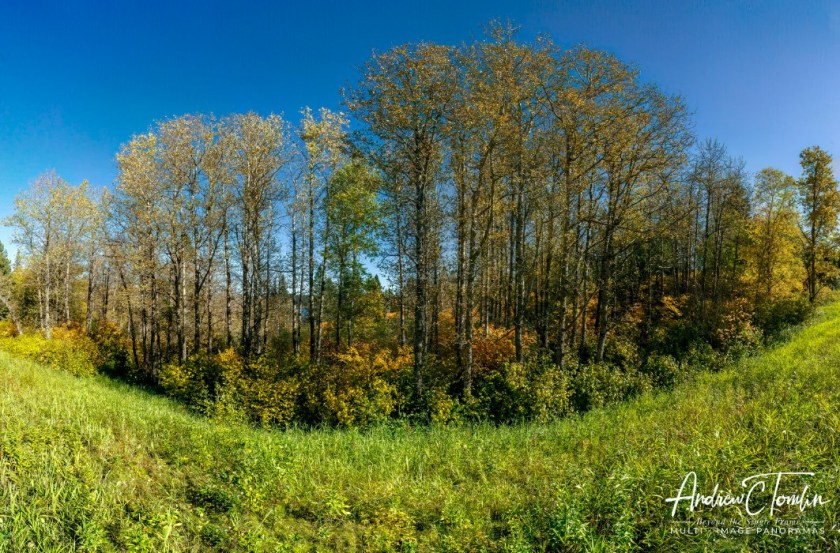
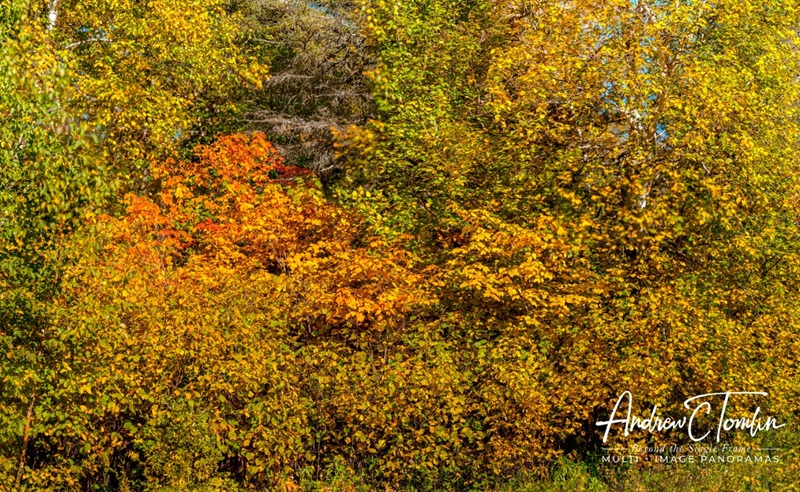
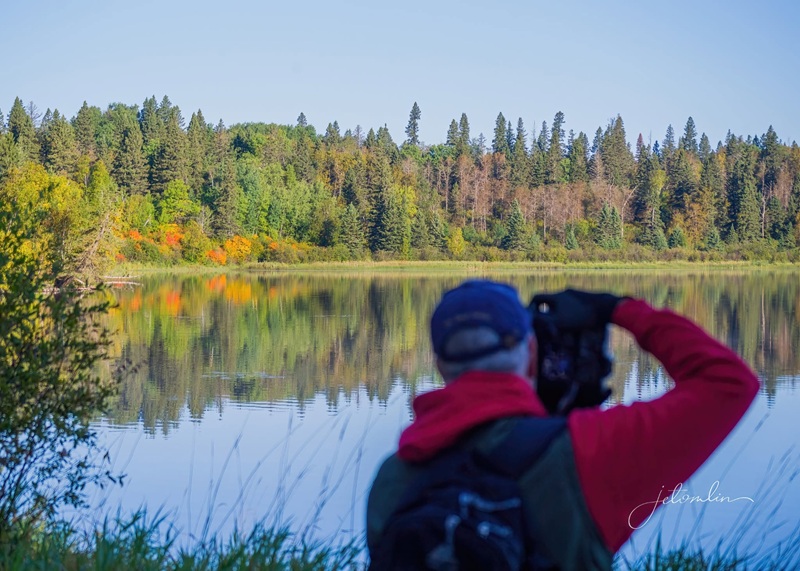
Over the week, we watched the landscape slowly transform into brilliant golds and reds, so on our final drives through the park, we concentrated on capturing those autumn colors through our lenses.
capturing Fall
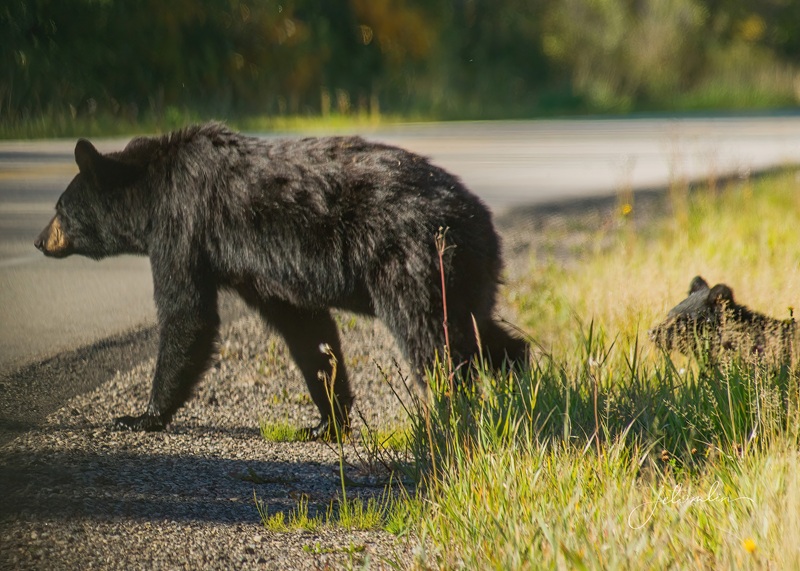
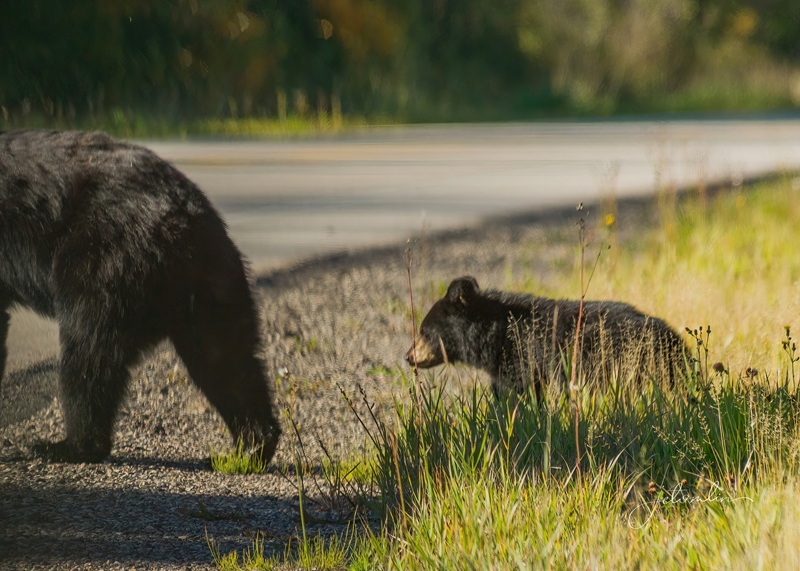
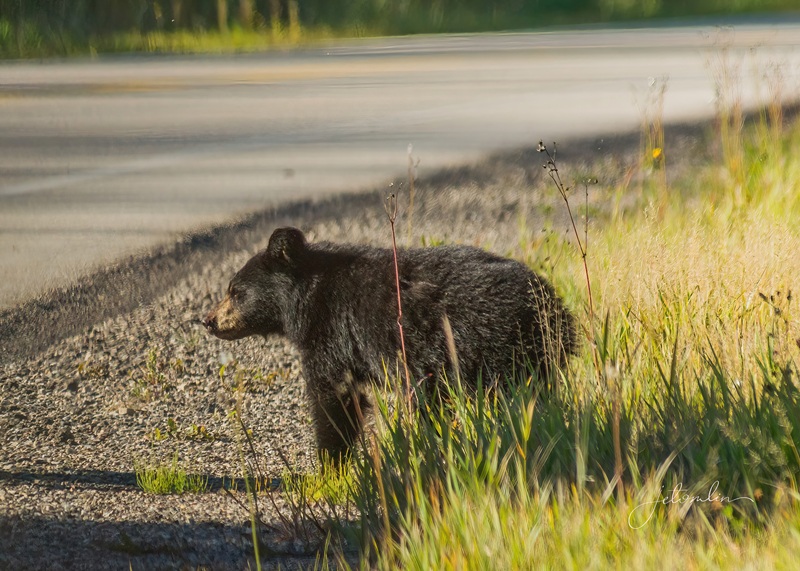
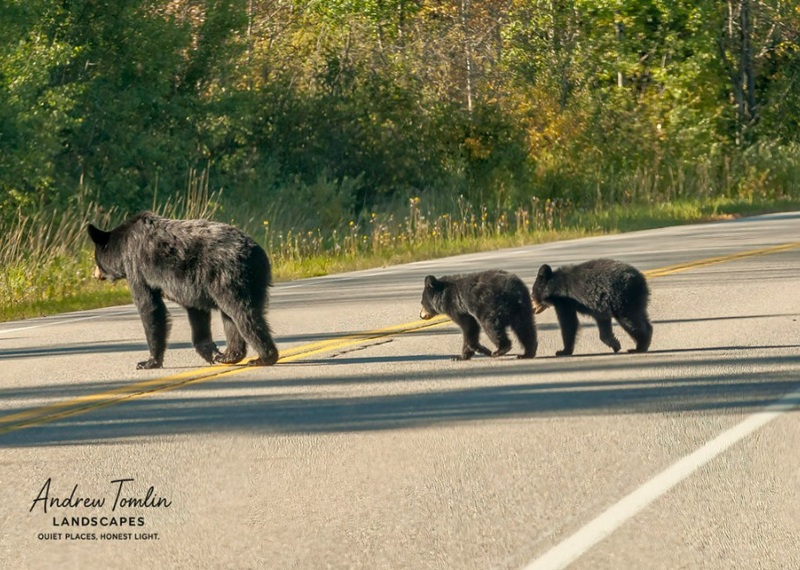
By then, we’d given up hope of a good bear photo opp. We’d catch the occasional fleeting glimpse—a dark shape slipping through the trees, a dash across the road—only to watch it vanish before we could even raise a camera. So, imagine our delight when a mama and her two cubs suddenly popped out of the tall grass right beside our car. As our cameras clicked, she calmly crossed directly in front of us—with not another car in sight!
Riding Mountain gave us wonderful gifts over the week: eleven bear sightings and beautiful wildlife along the roads and trails,
coyote on Highway 10
Five long hikes that left us tired and happy, and gorgeous landscapes at every turn.
Moon Lake trail
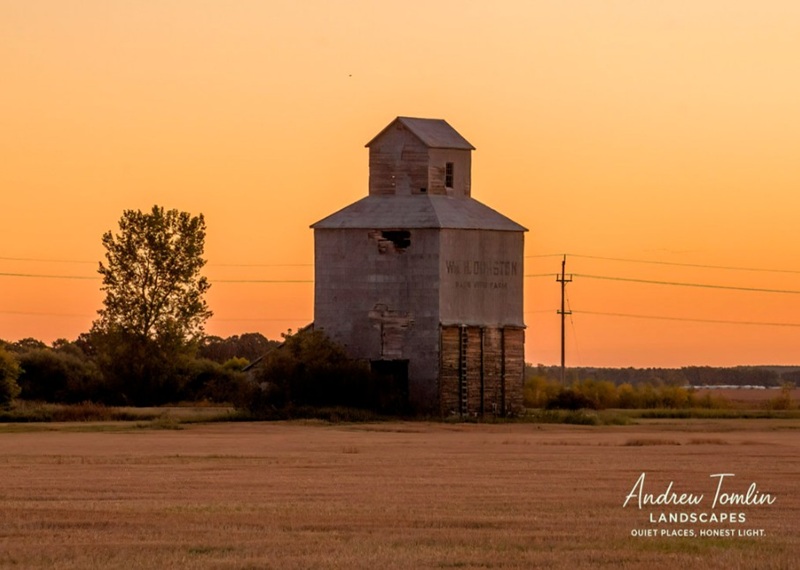
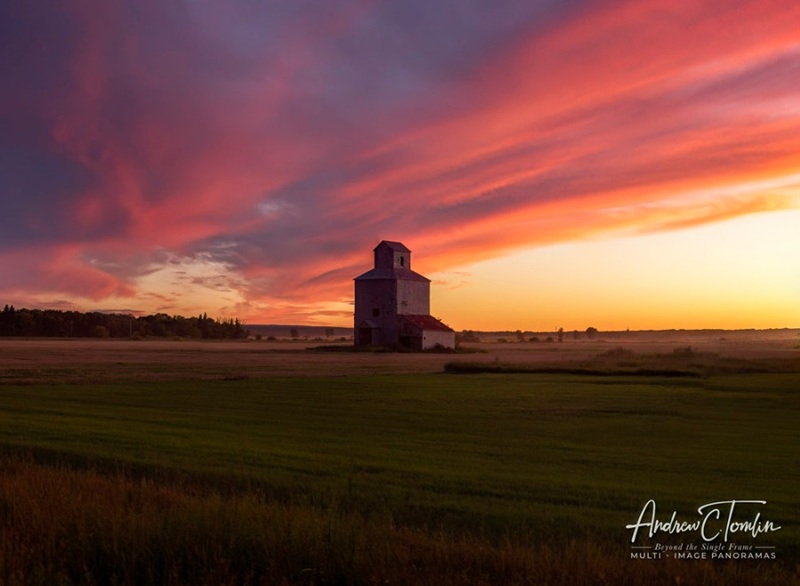
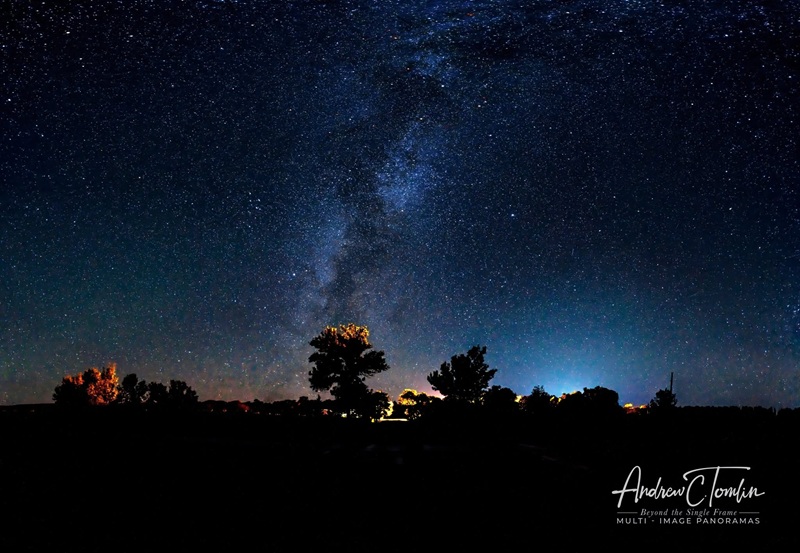
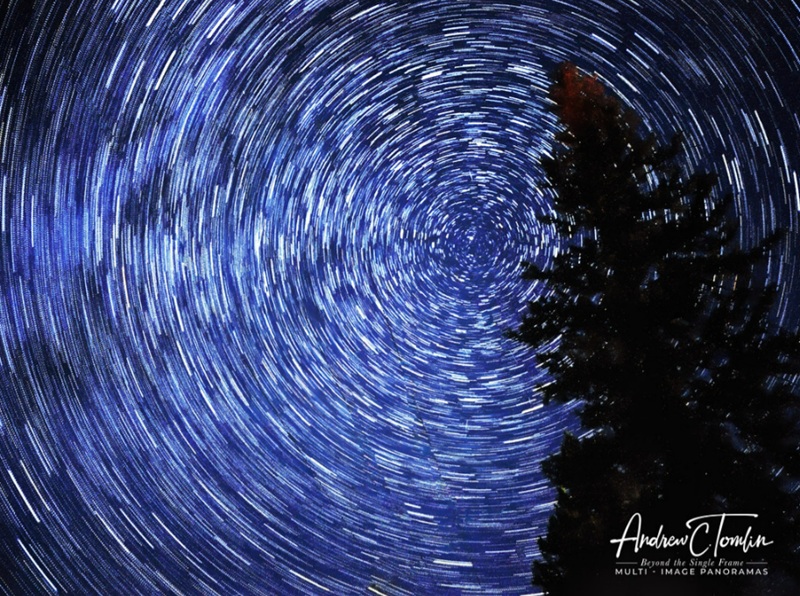
We watched the sun rise and set over the farmlands and gazed up at velvet-black skies, sparkling with countless of stars.
sunrise over the Durston grain elevator
sunset over the Durston grain elevator
Milky Way over Lois’s Airbnb
25-image star stack over Lois’s Airbnb
We arrived hoping to find some of what we had missed on our first visit. We left with a deeper appreciation for this remarkable place—for its rhythms, its seasons, and the many wonders that reveal themselves when you take the time to look.
Highway 10
You can see all of our photos from Riding Mountain at the Flickr links below.
TG:
arrow through the set or click on any photo to open a new tab in Flickr
JET:
arrow through the set or click on any photo to open a new tab in Flickr
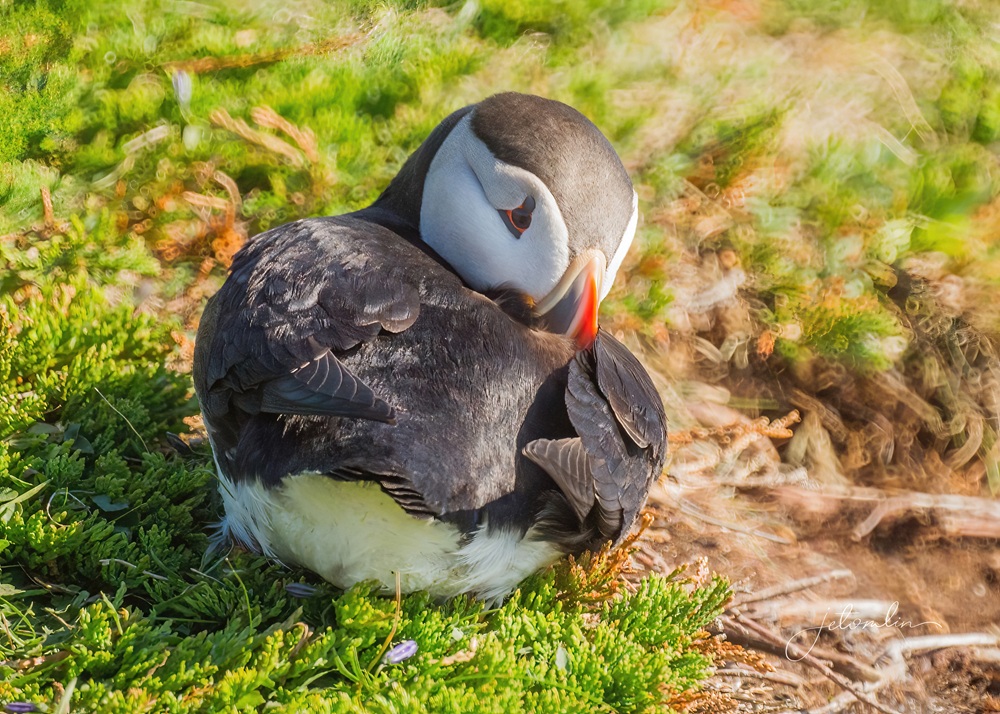
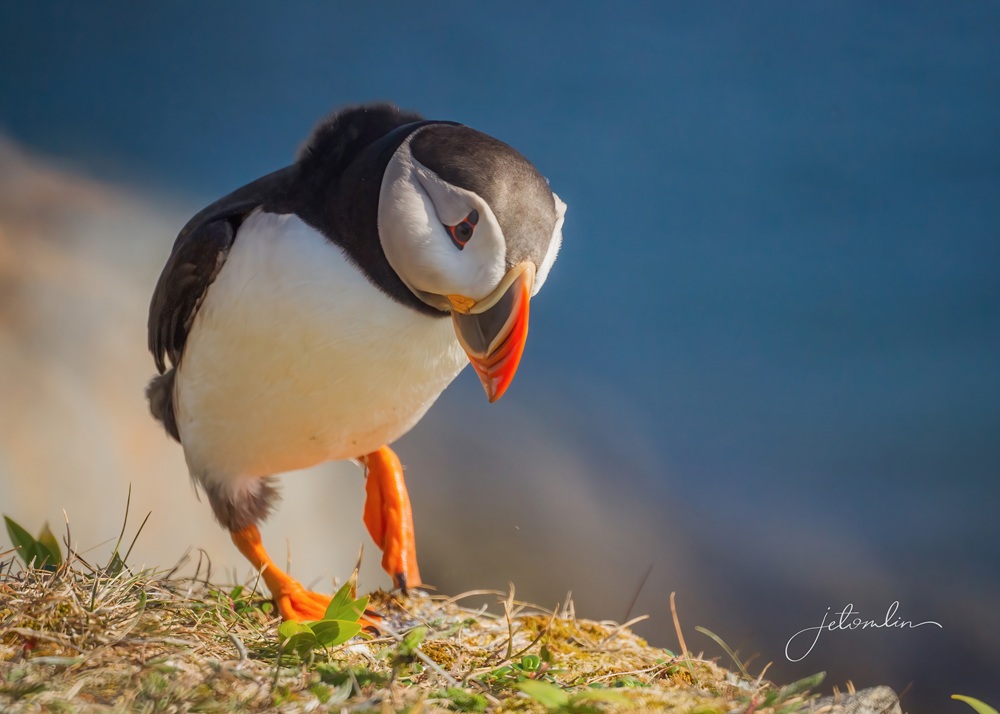
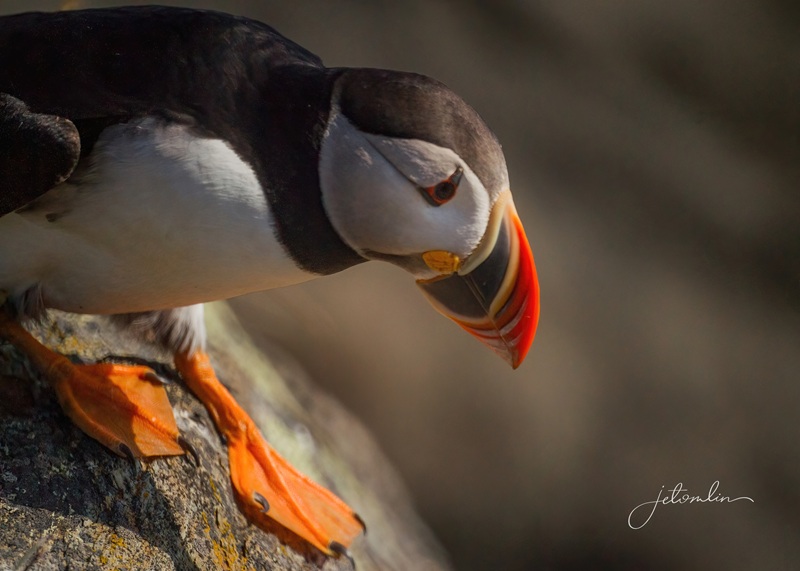
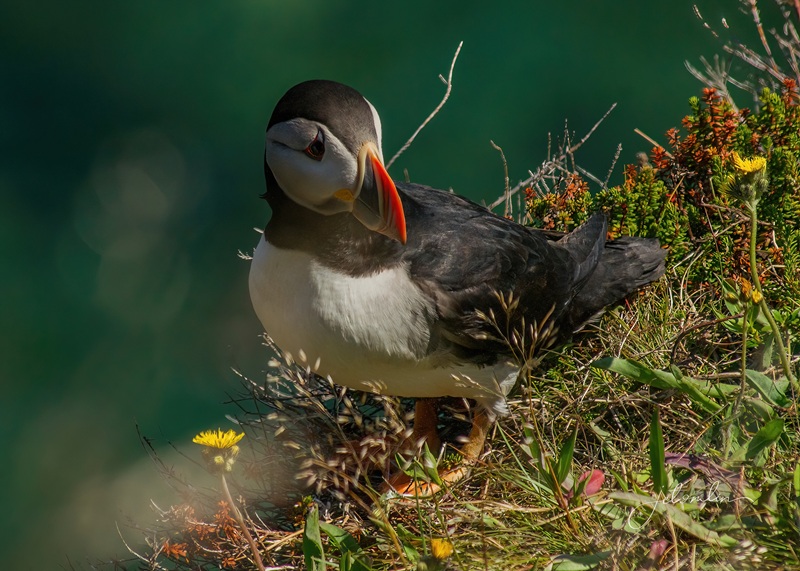
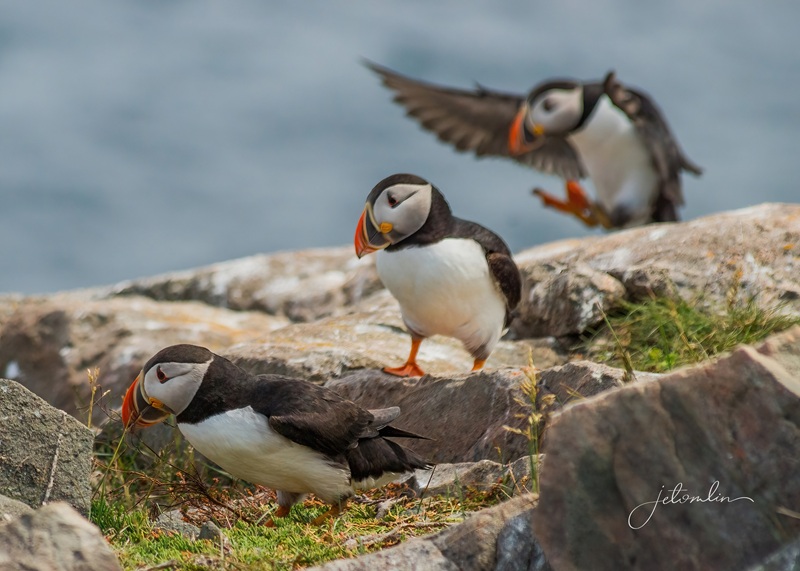
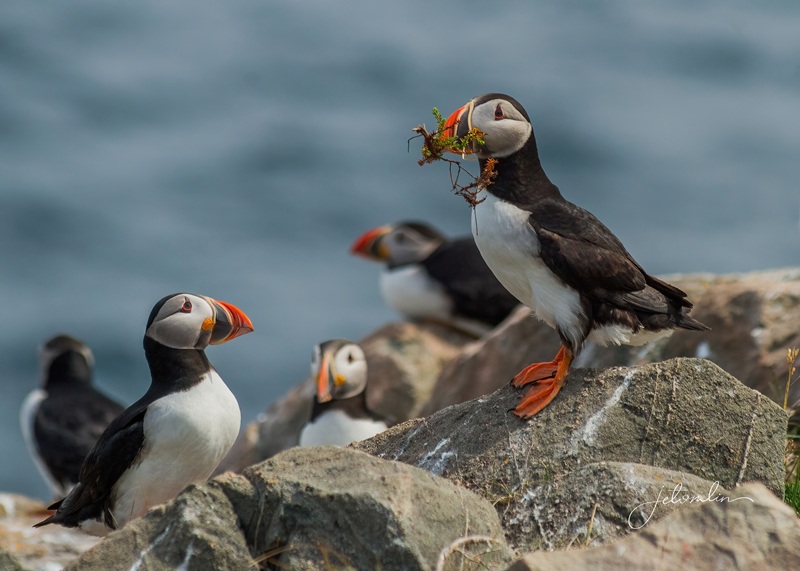
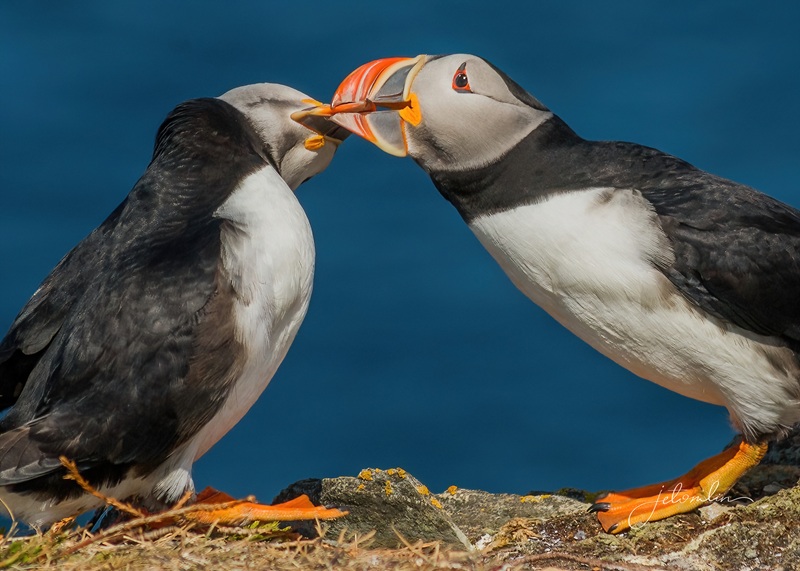
Puffins have always seemed nearly impossible creatures that look more like children’s toys than real birds. Their colorful beaks and triangular eyes stand out against sturdy black-and-white bodies, and their name perfectly captures their roly-poly look. As if that weren’t enough, their chicks are called “pufflings.”
Elliston puffin site, July 2025
These pelagic birds are masters of the air, sea, and land,
Elliston puffin site, July 2025
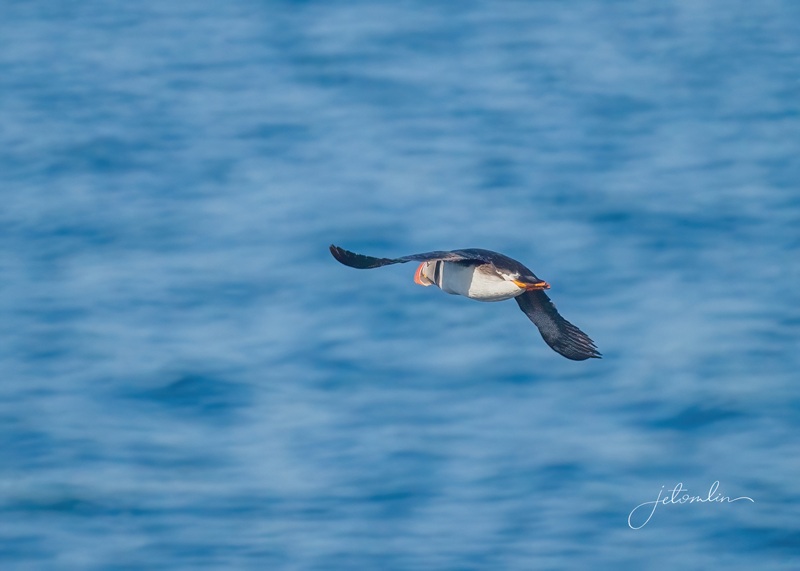
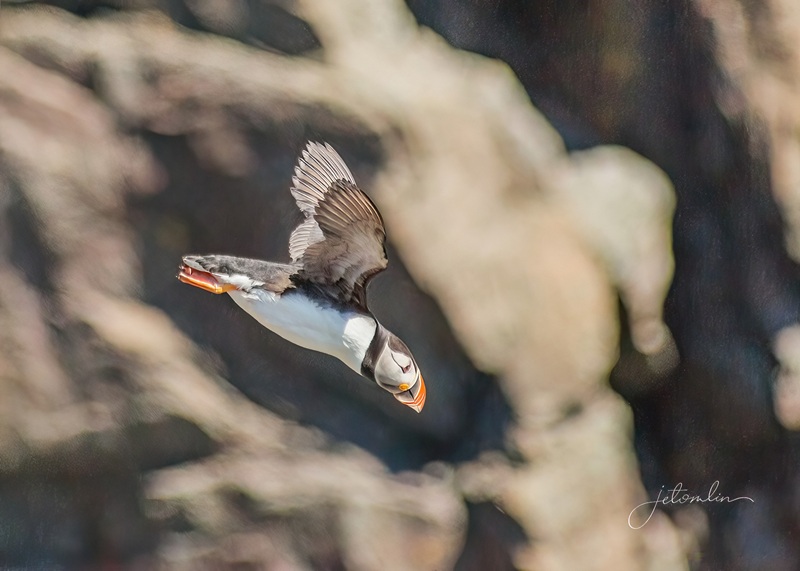
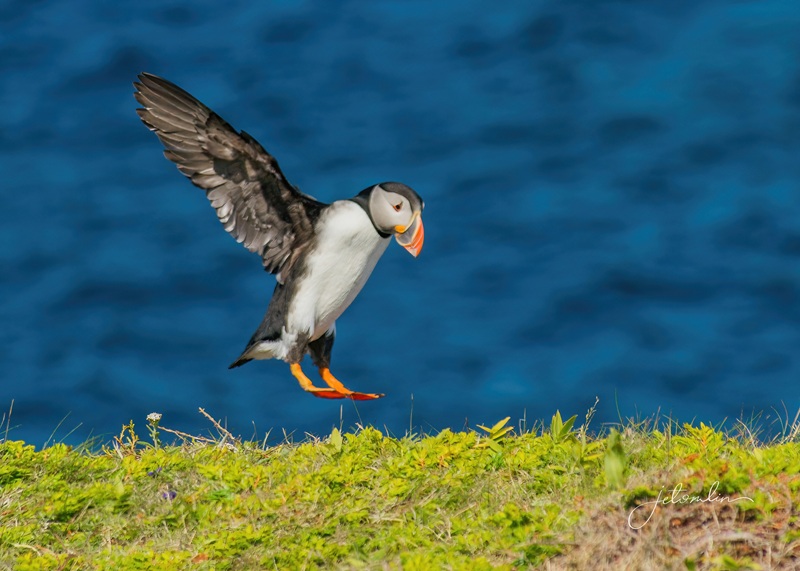
Flying thousands of miles over the ocean,
Elliston puffin site, July 2025
Diving to catch fish (click on photos to enlarge),
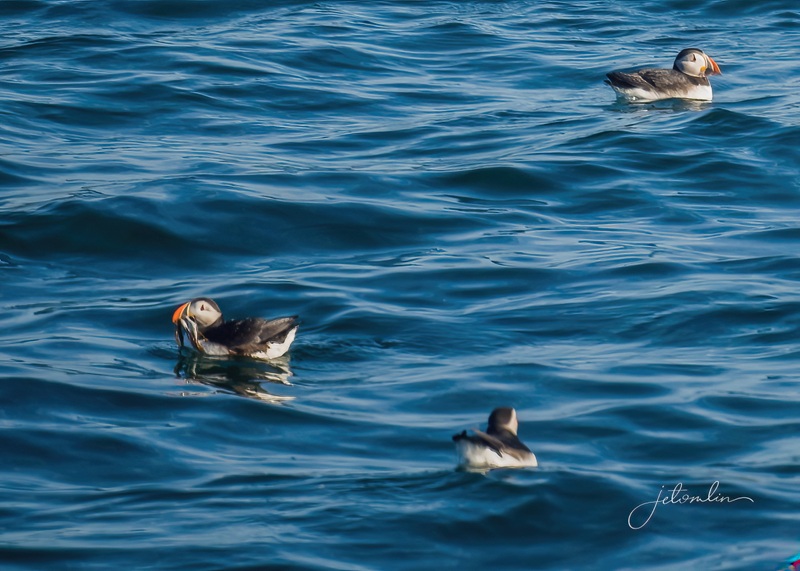
Elliston puffin site, July 2025puffin with capelin
And burrowing to nest.
Spillars Cove, July 2025
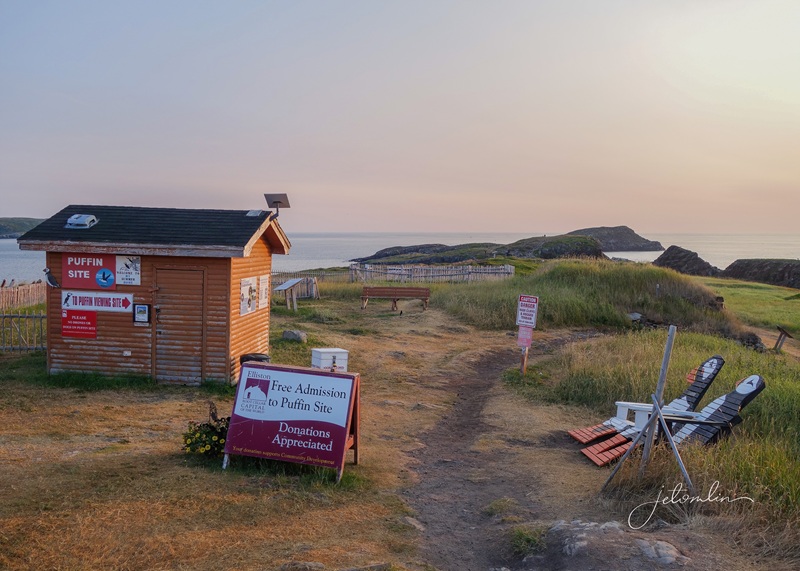
Despite the remote locations where puffins are typically found, I was determined to capture their beauty through my lens. The viewing site in Elliston, Newfoundland, is one of North America’s best places to observe puffins, especially from May to September when they breed on a rocky outcrop, allowing for close encounters.
Elliston puffin site, July 2025
Since the best times to photograph the puffins are early morning or late afternoon, I looked for other interesting ways to occupy my days. The surrounding area offers beautiful hikes and plenty of photo opportunities, so we booked a week at an Airbnb in Bonavista, just five miles from the Elliston site.
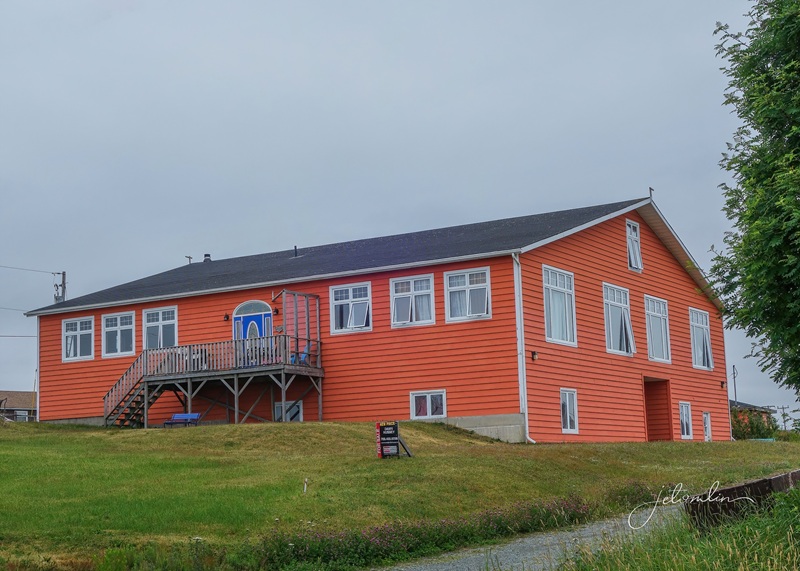
Johanna’s big red house BnB
Johanna’s spacious BnB featured a private bedroom and bath, as well as a shared kitchen, and was conveniently located near restaurants and the harbor. Her mi-casa-es-tu-casa hospitality instantly made me feel like family. And the location was a perfect base for exploring all that the Bonavista Peninsula had to offer.
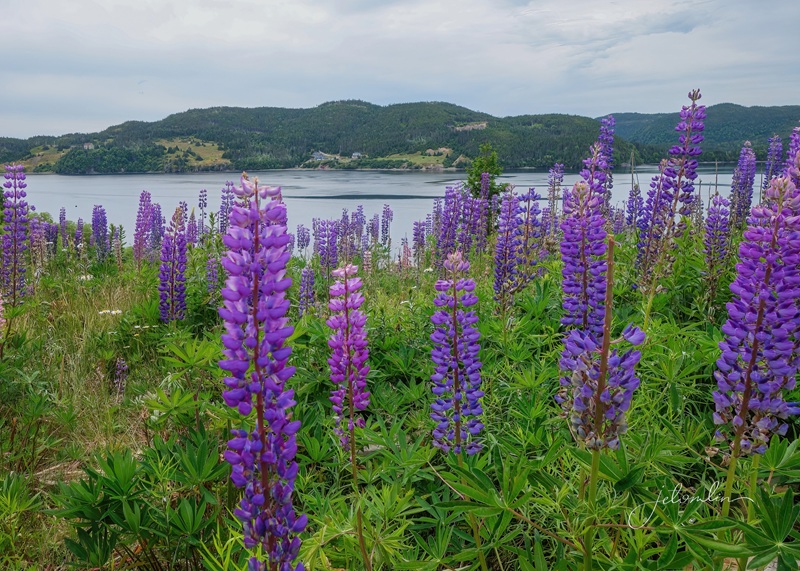
I flew WestJet’s direct morning flight from Orlando to St. John’s, picked up my rental car, and drove the 3 1/2 hours to Bonavista. The route was scenic and colorful — azure lakes nestled between lush green hills with bright yellow, pink, and purple flowers growing wild alongside the road.
lupines growing alongside the road
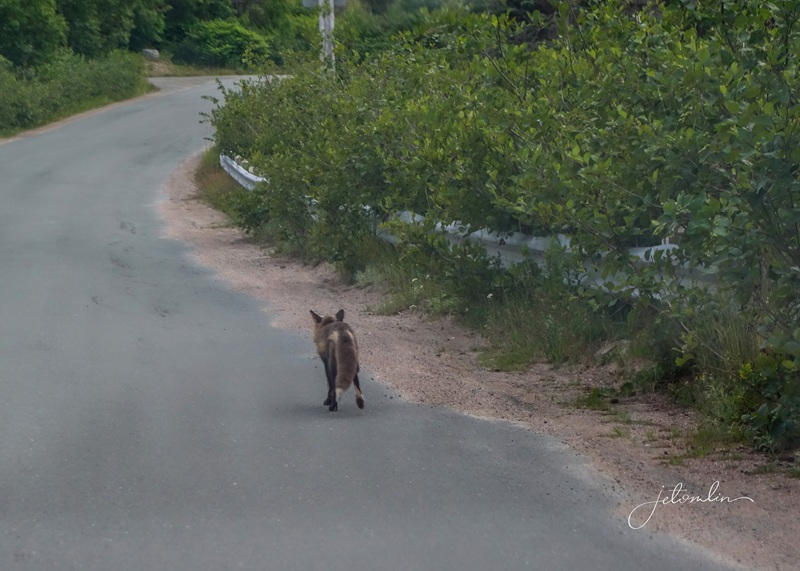
A red fox darted into the bushes as I drove by, and a bit further along, a second fox stayed long enough for me to snap a quick proof-of-life photo through the windshield as I zipped past.
a quick proof-of-life shot through the windshield!
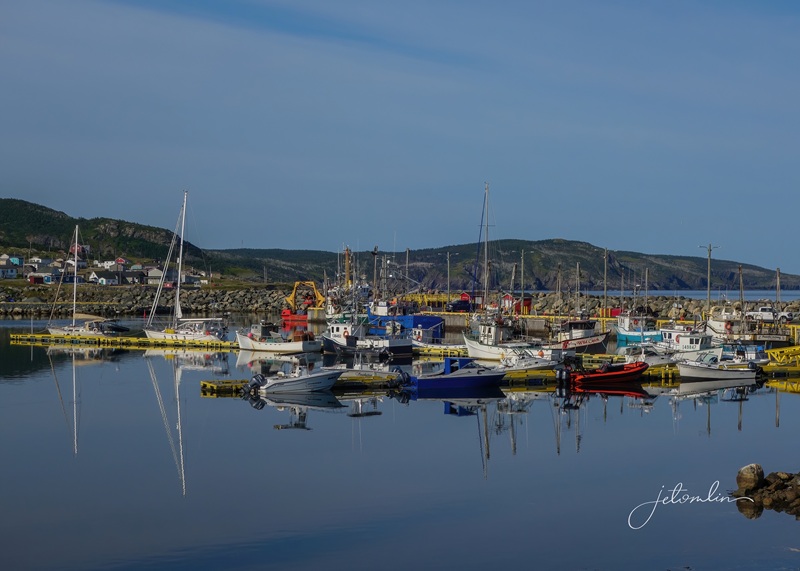
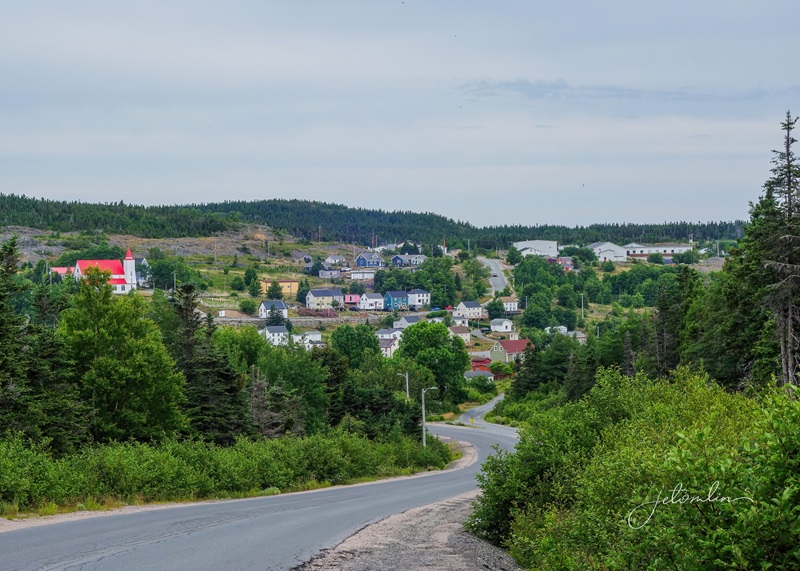
The coastline is filled with charming towns featuring brightly painted buildings that line blue harbors, where equally colorful boats bob in the waves.
Bonavista Harbor
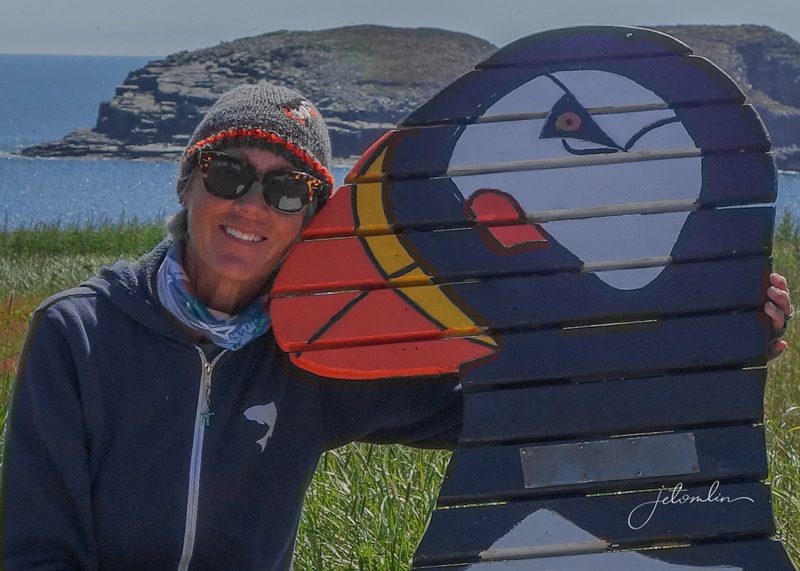
My first day was overcast, and after visiting the puffins in the morning, I spent the afternoon exploring. The Puffin Craft Shop in Maberly offers a selection of handmade items and photographs. I had a wonderful conversation with the owner, Bernice, while choosing a knit cap – embellished with a puffin, of course. I immediately put it on and wore it for the rest of my trip. (Arrow through gallery set)
Puffin Craft Shop, Maberly
Pte. Puffin Pete
my new knit cap
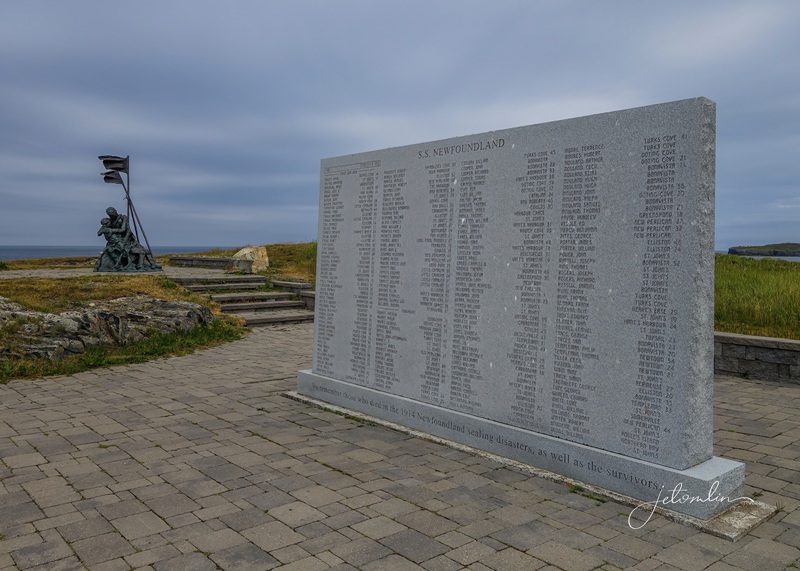
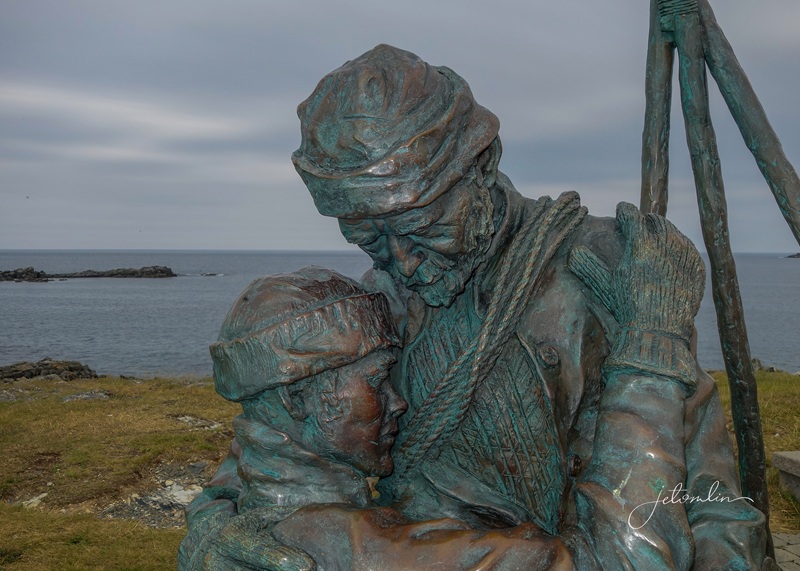
At one of my stops, I happened upon the Sealers Memorial, a powerful seaside statue and monument honoring those who died in the 1914 Newfoundland sealing disaster. (click on photos to enlarge)
Sealers MemorialSealers Memorial statue
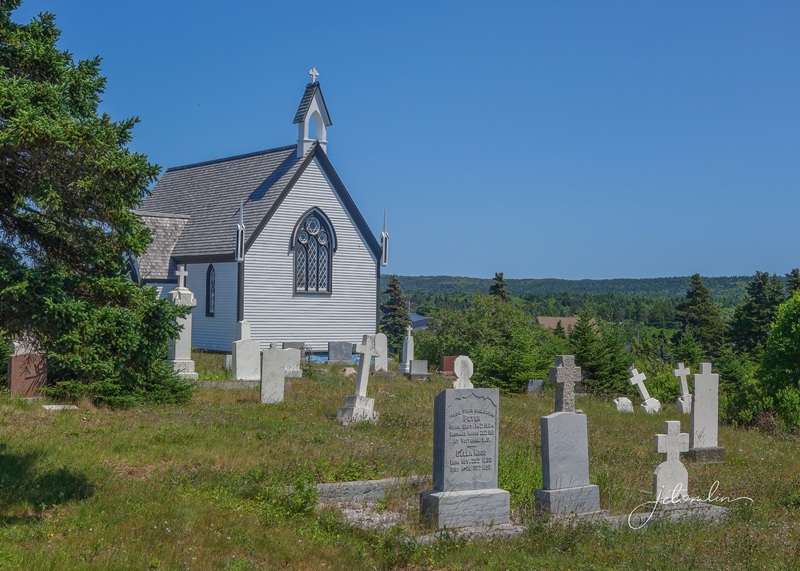
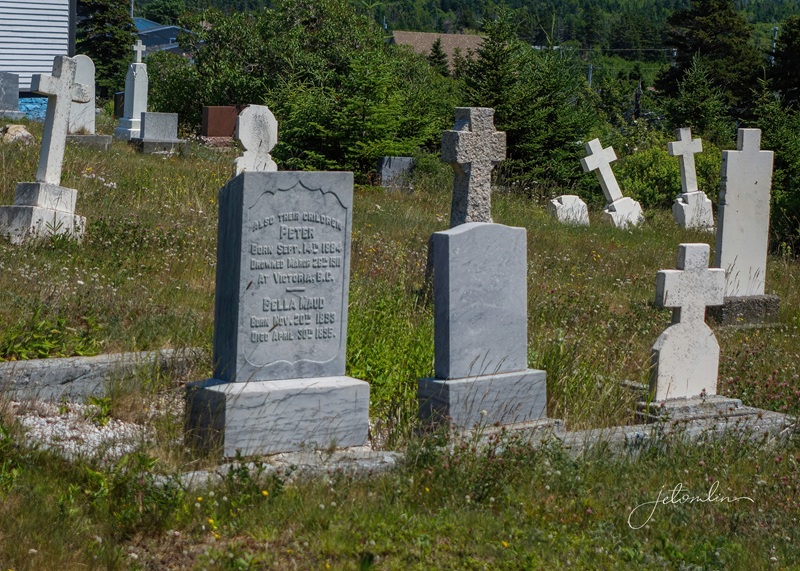
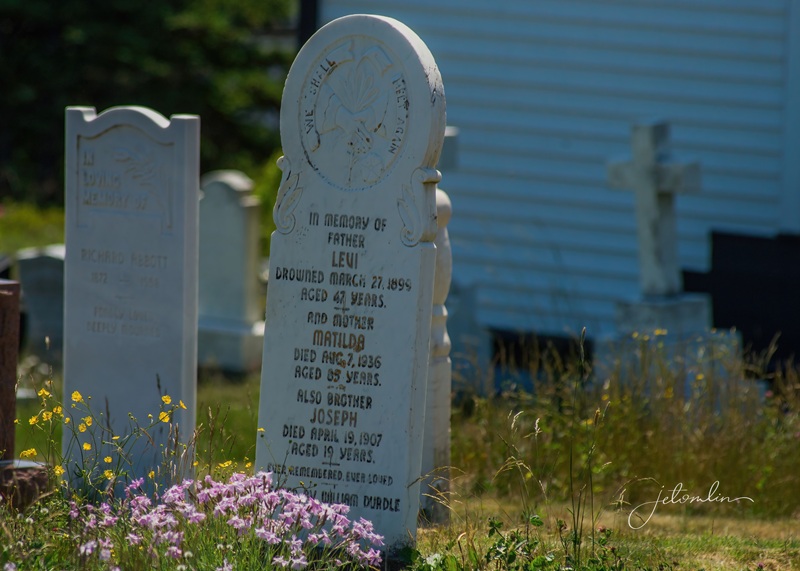
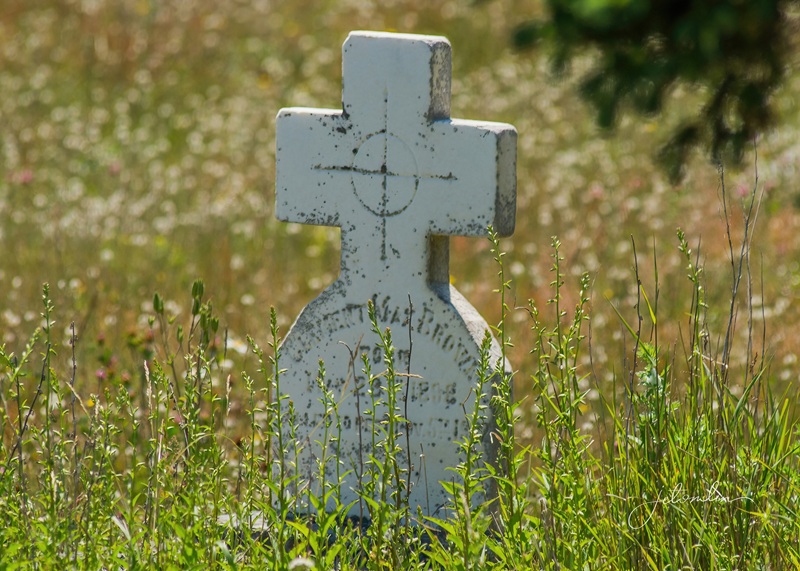
Every town has at least one cemetery with tombstones dating back to the 1800s. Many were overgrown, with ancient stone crosses tilted on their sides, and on the oldest, the writing had eroded from decades of wind and sea. (Arrow through gallery set)
Bonavista
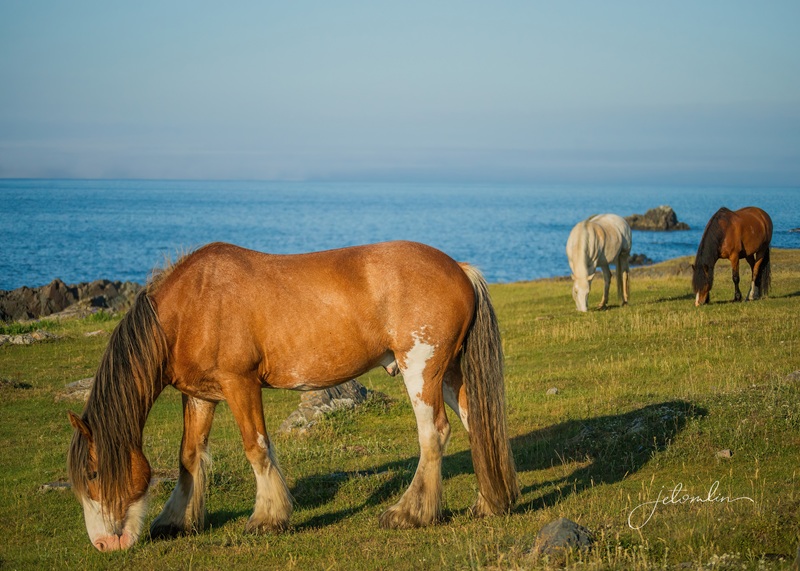
On a whim, I turned down Dungeon Road and came upon a herd of beautiful horses in the community pasture. I couldn’t help but snap a few photos as they grazed on the green hillsides against the blue ocean backdrop.
horses in Bonavista’s community pasture
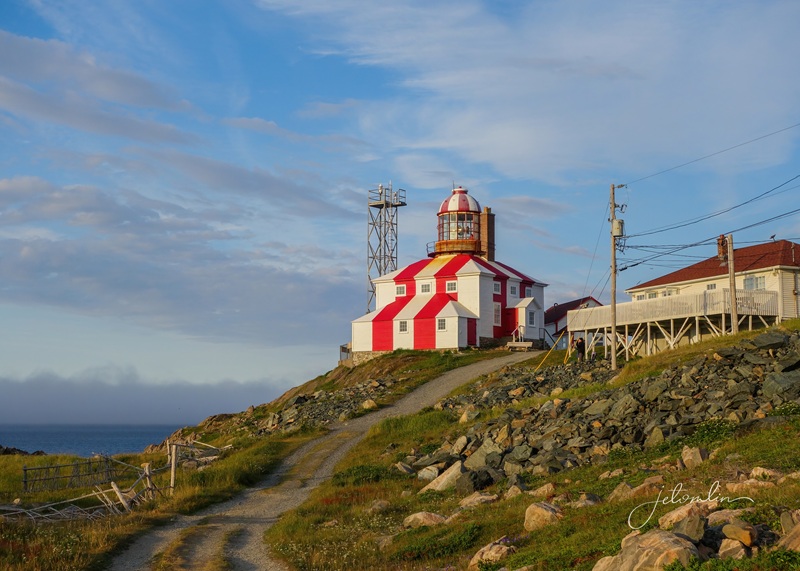
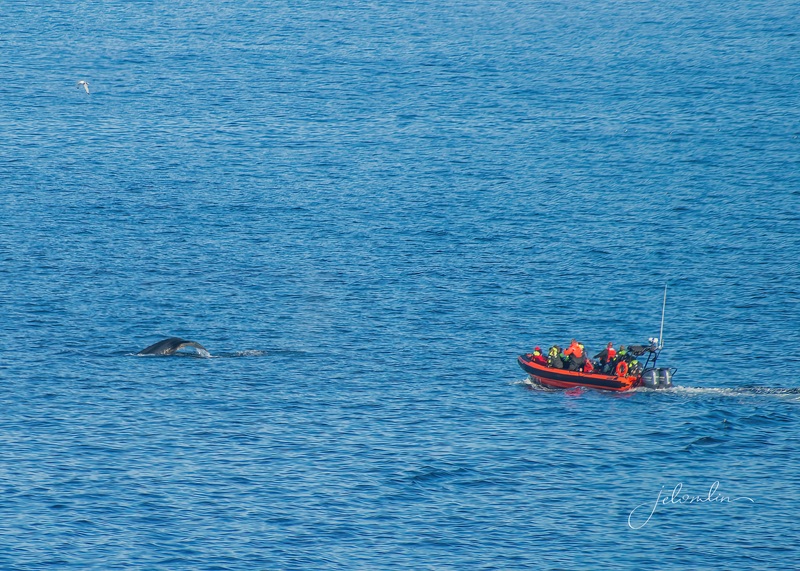
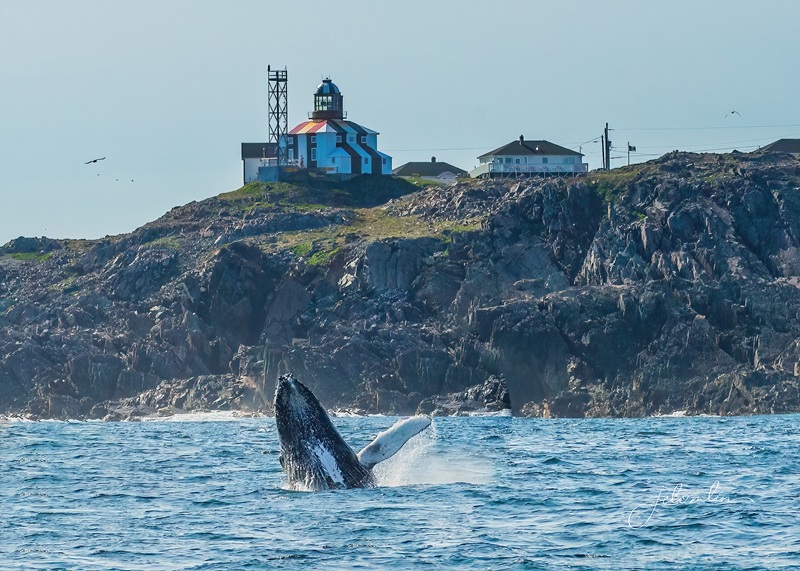
Later, I drove to Cape Bonavista and the lighthouse. From high up on the hill, I watched two humpback whales slowly meander in the bay below me as a bright orange tour boat followed behind. (click on photos to enlarge)
Bonavista Lighthousewhale with tour boat
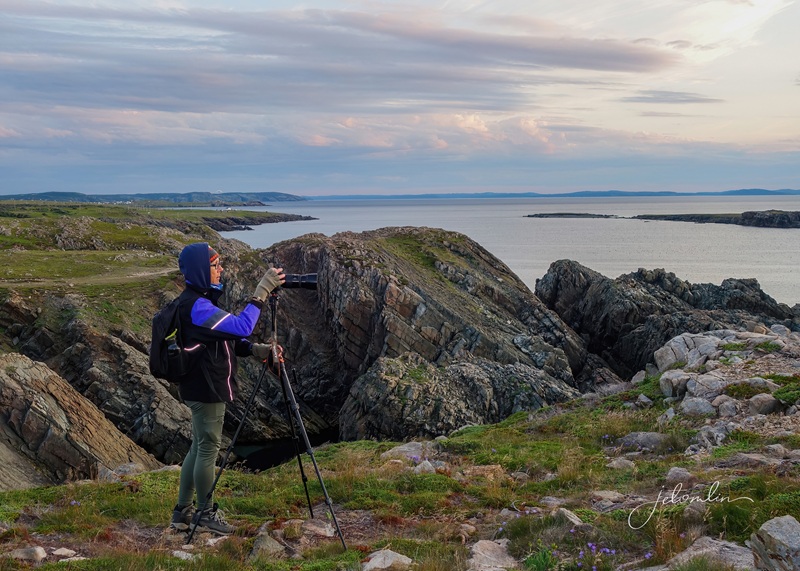
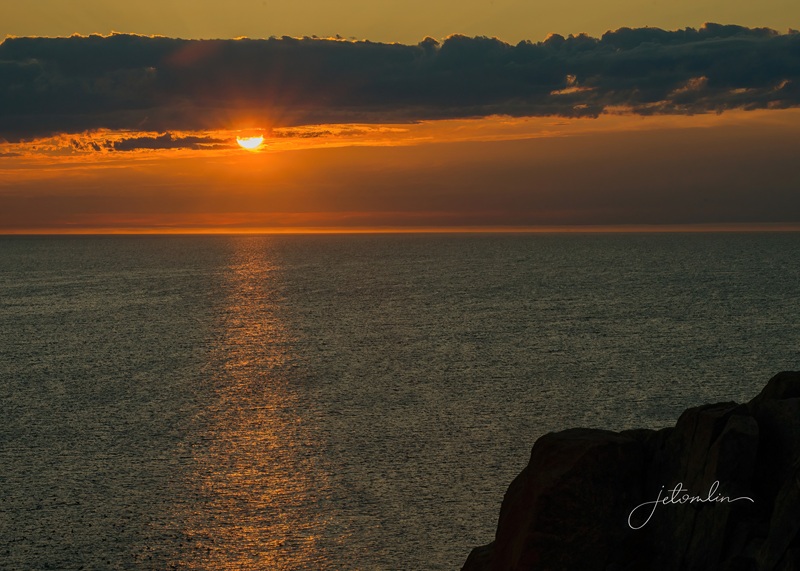
I returned to the lighthouse for the sunset. While I waited, whales entertained me, tails slapping as huge flocks of birds circled above.
setting up for the sunsetsunset over Cape Bonavista
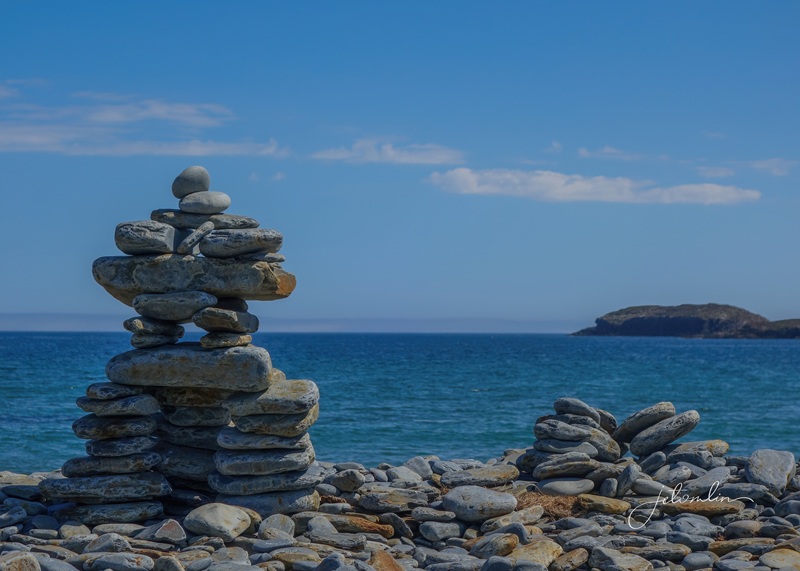
One morning, I stopped to photograph the inuksuks on Sandy Cove Beach. These traditional stone markers, which I first learned about during my visit to Churchill in November 2024, are a significant part of Indigenous culture. I was delighted to find them on a beach in Elliston, pointing the way to the puffin site!
inuksuk on Sandy Cove Beach with puffin site in the distance
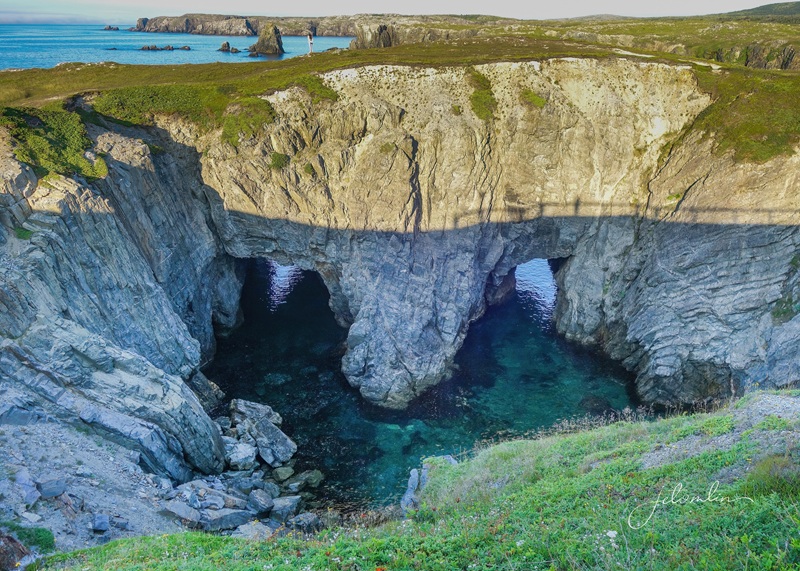
I returned to Dungeon Road and visited The Dungeon, a massive, heart-shaped crater with two separate openings to the sea. I enjoyed watching as the waves crashed in, the same waves that had carved out this breathtaking sea cave millions of years ago.
The Dungeon
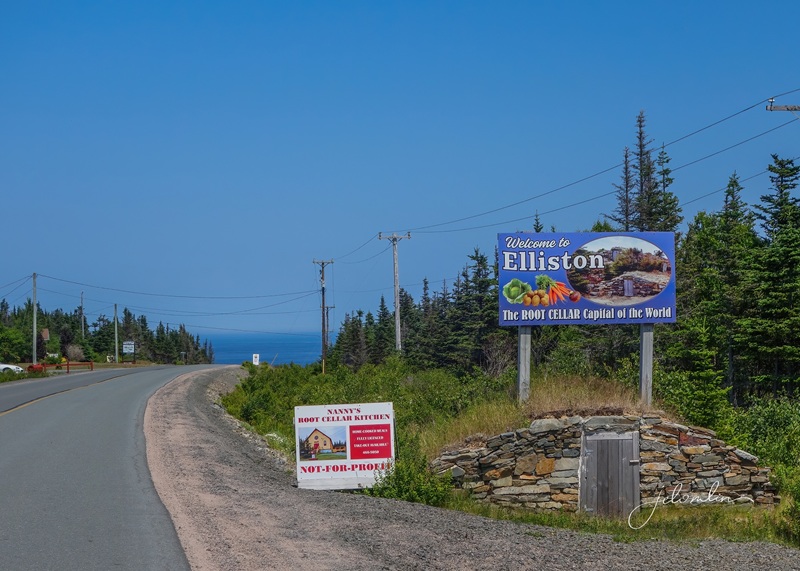
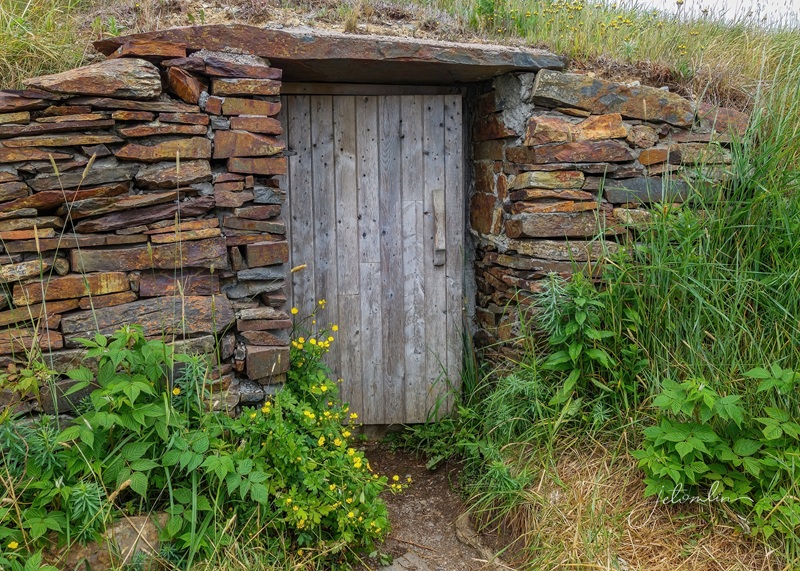
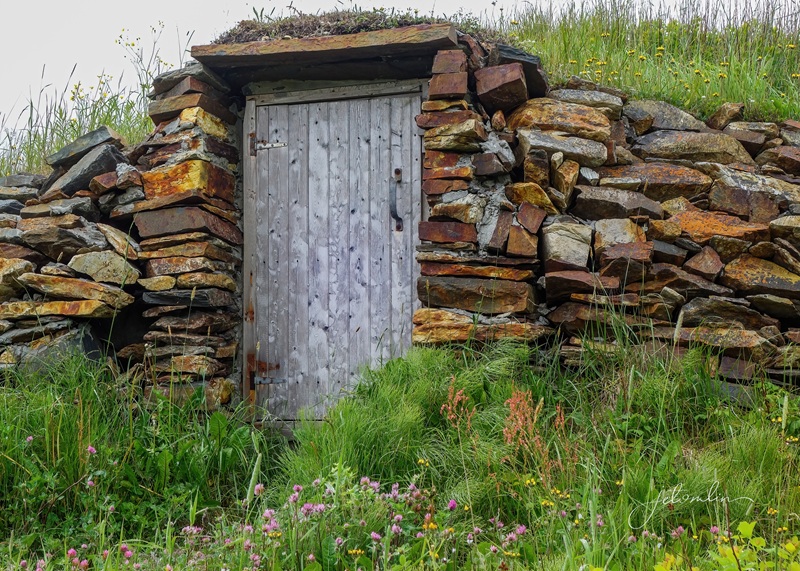
Besides being famous for its puffins, Elliston is also known as the Root Cellar Capitol of the World. So, of course, I had to snap a few obligatory root cellar pics! (Arrow through gallery set)
“That’s all fine and good, but what about the puffins?” you ask. The puffin viewing site is located at the end of a short hike along a rocky, uneven path. Until I was up and over the last hill, I had no idea what to expect. (click on photos to enlarge)
Elliston puffin siteElliston puffin site
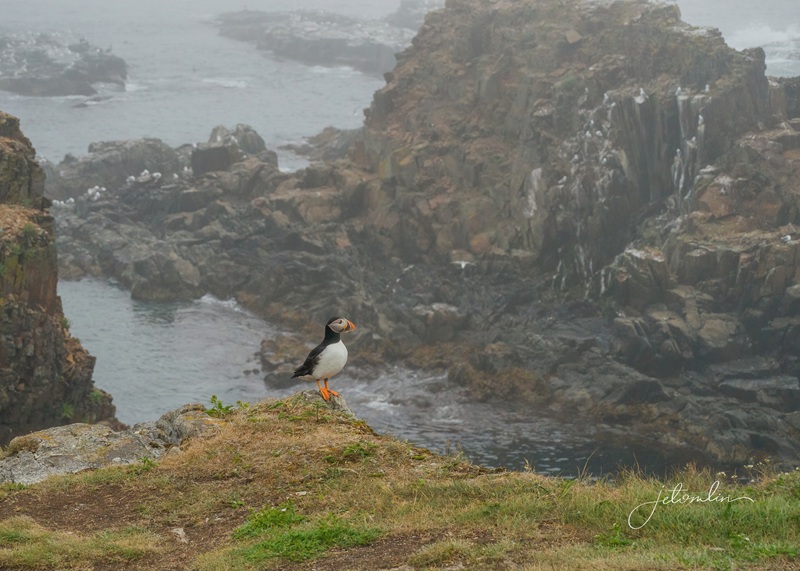
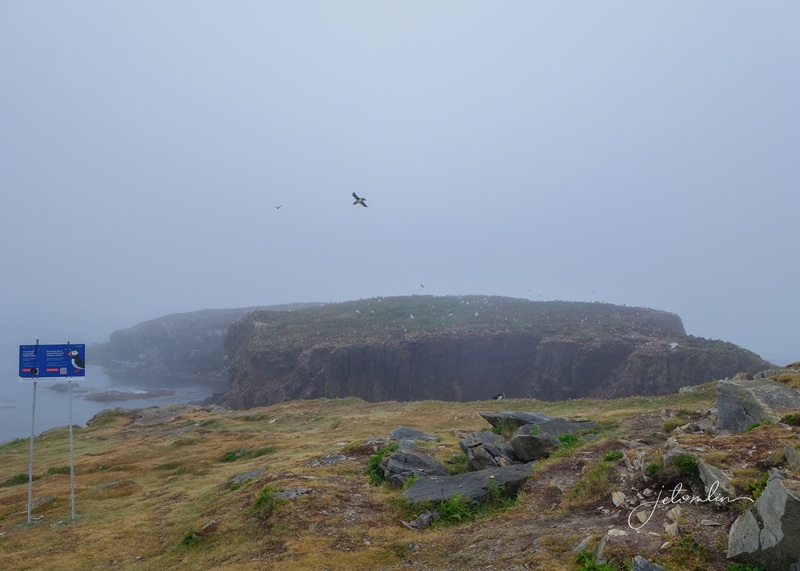
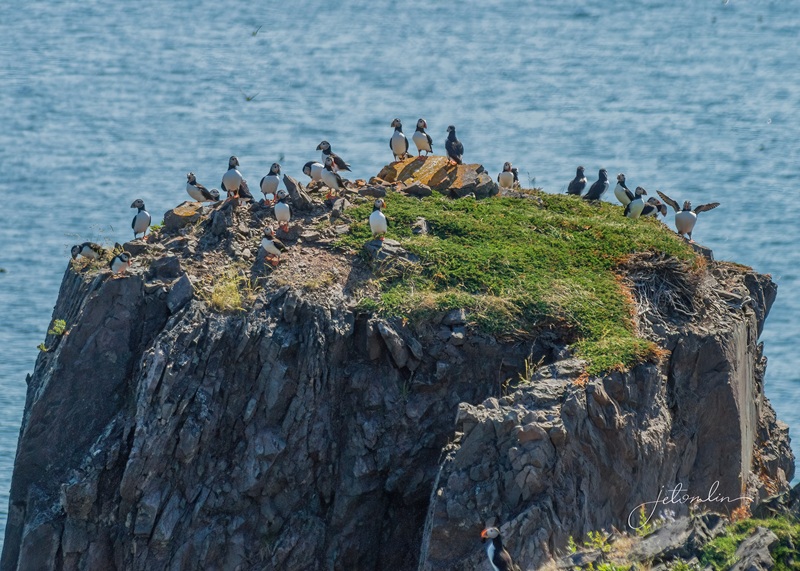
What I was given on my first foggy morning were more puffins than I could have hoped for! The rookery itself is located on an island offshore, at a reach of only the longest lens.
the offshore rookery, July 2025
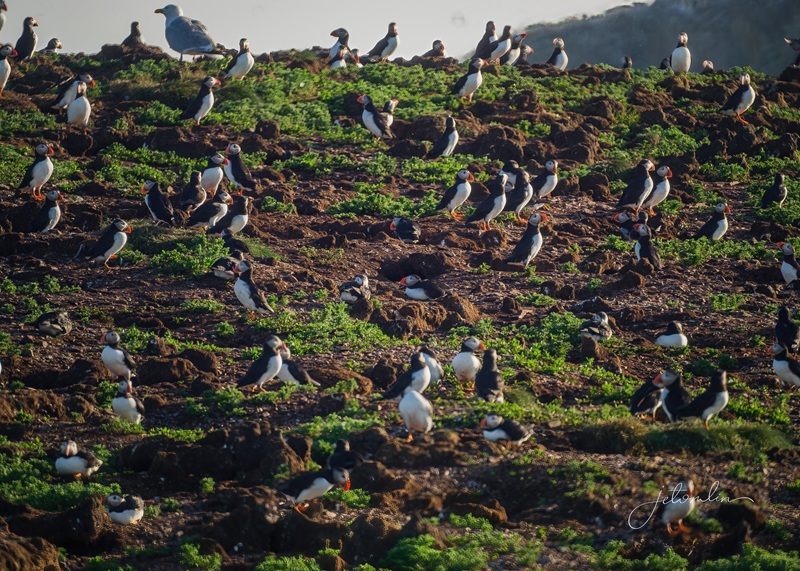
However, there were hundreds of puffins on the mainland, so close that I had to back up to capture them with my 100-400mm!
hundreds of puffins on the mainland! (July 2025)
Although there were several photographers already milling around, there were more than enough puffins for everyone. I was in puffin heaven, enjoying their roly-poly, comical beauty.
puffin heaven! Elliston, July 2025
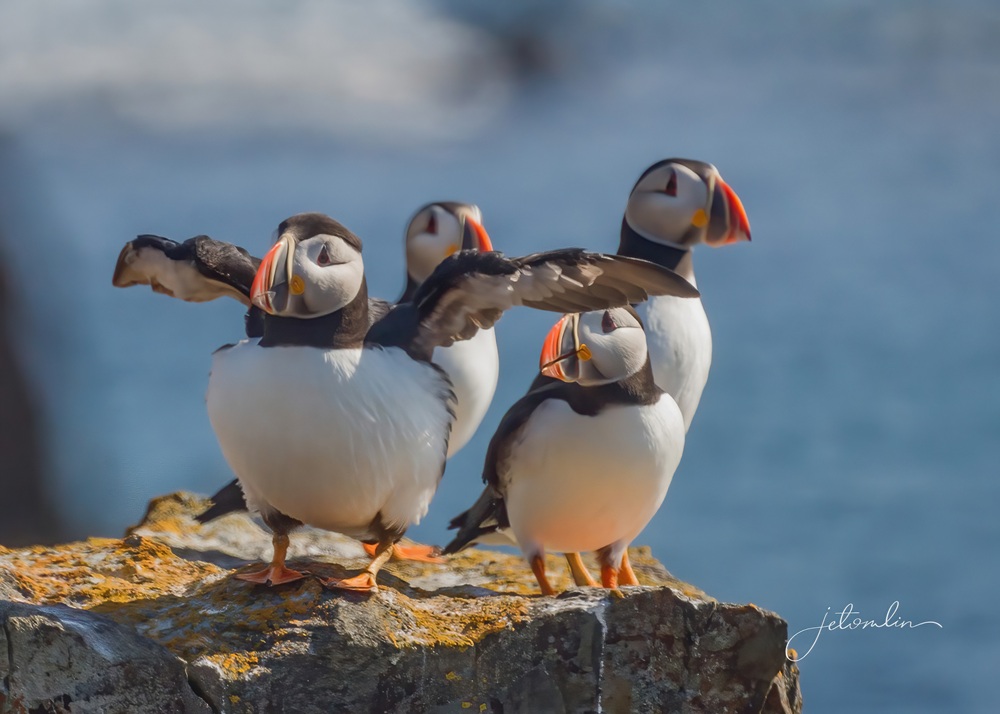
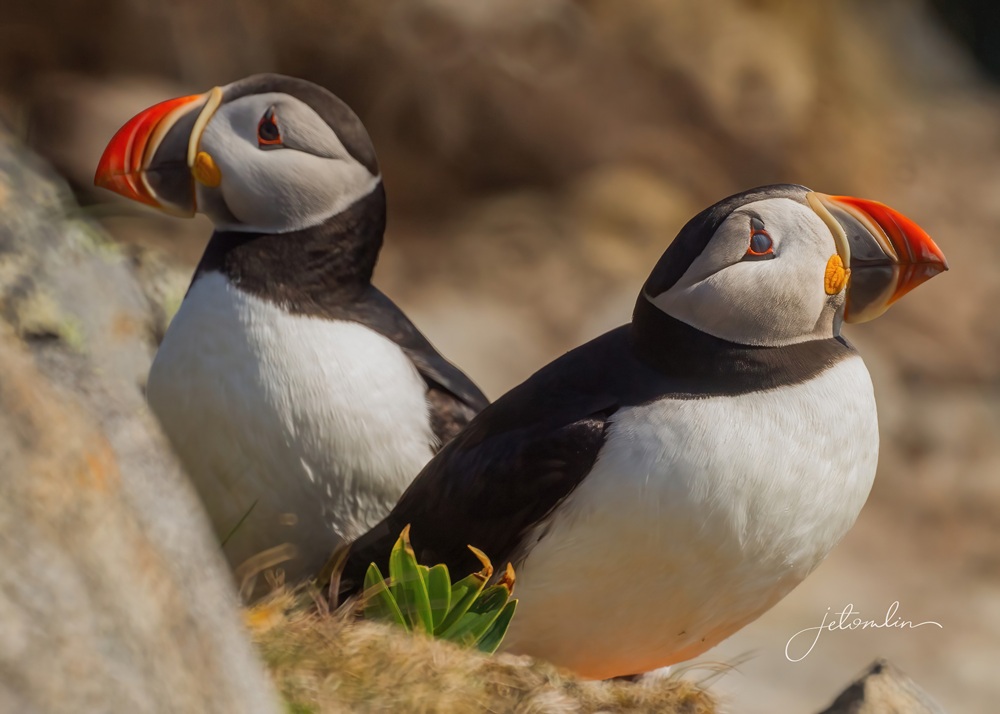
Wednesday morning dawned sunny and bright. I was back at the site by 6:45 and was greeted once again by hundreds of puffins on the mainland side. I had switched to my fixed 500mm lens this morning and needed to stay back even further to get my subjects in the frame! (click on photos to enlarge)
Elliston puffins, July 2025Elliston puffins, July 2025Elliston puffin, July 2025Elliston puffin, July 2025
Elliston puffins, July 2025
There were dozens of puffins floating in the bay, looking like miniature rubber duckies.
enjoy the beauty of the bay
I watched them for the longest time, even attempting a few shots of birds in flight – but photographing puffins in flight is like trying to capture a speeding bullet! So, I sat back and enjoyed the beauty surrounding me.
my little rock perch
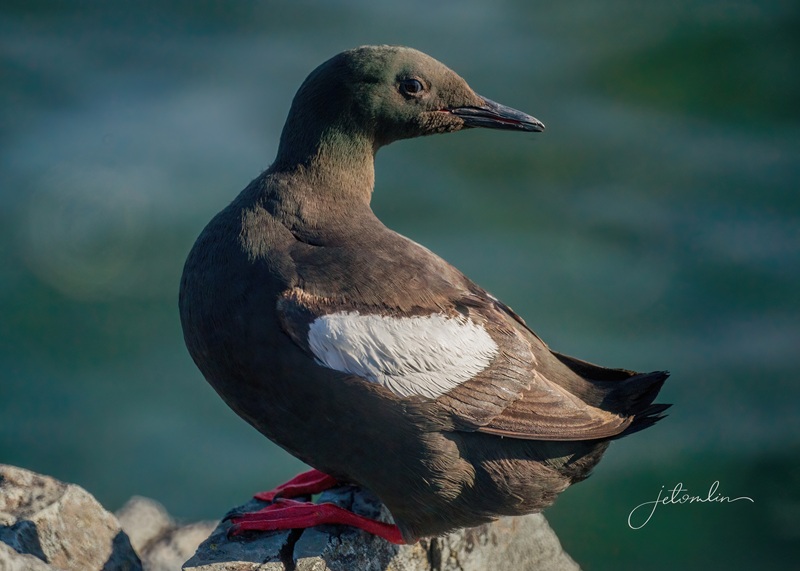
As I watched from my little rock perch, two beautiful black guillemots landed no more than ten feet away.
black guillemot
Finally, the sun was high enough that I could move back to the east side of the mainland to shoot a few more close-ups, as close-up as my lens would allow.
Elliston puffin site, July 2025
A circus (yes, “circus” and “improbability” are both collective names for a group of puffins) had gathered on the cliffside several yards from me, and I was at a good vantage point with the sun at my back. It was indeed a circus as I tried to video a bit of their antics.
Elliston puffin site, July 2025
Suddenly, one brave puffin hopped up on the rocky ledge and waddled so close I had to put my camera down – I could not get her in my frame!
this puffin came too close for me to capture with my lens! Elliston, July 2025
After two morning sessions with the puffins, I had filled two 32GB memory cards. Although I was, for now, puff-full, I was smitten with these birds and could hardly wait to visit them again.
I was totally smitten with these birds!
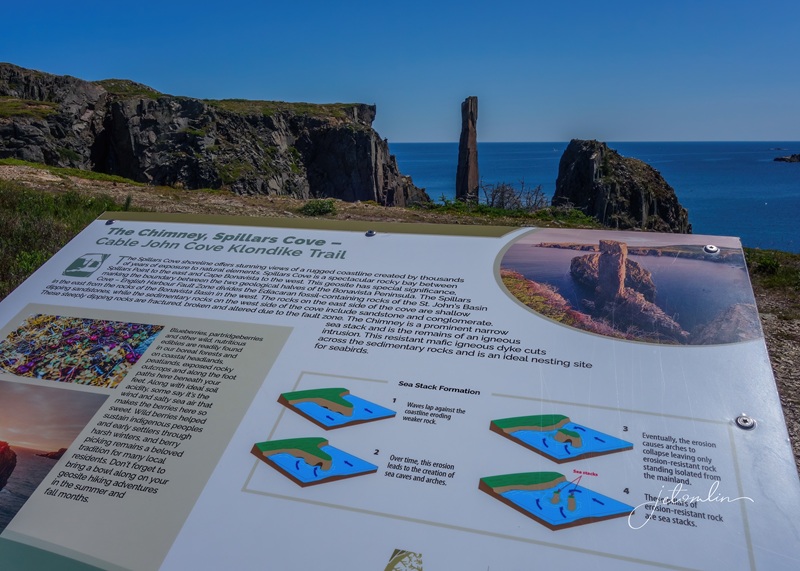
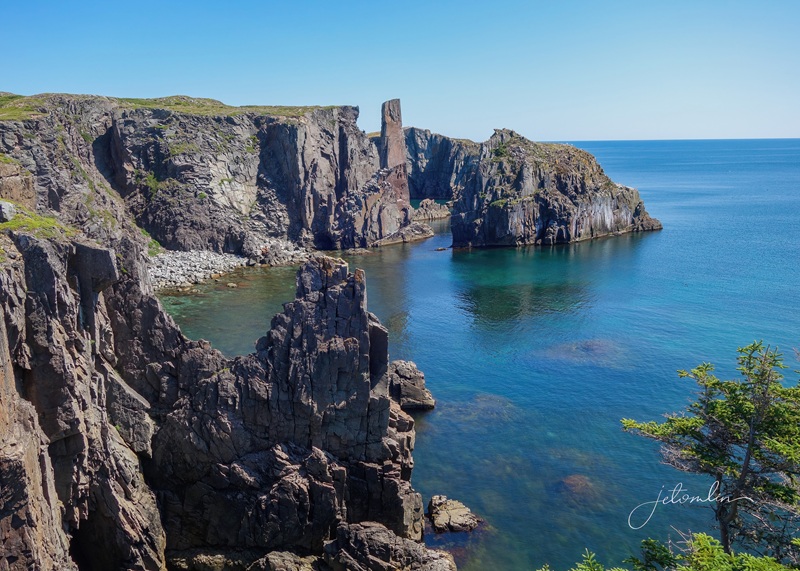
The Klondike Trail is an easy 3km out-and-back hike that runs from Spillars Cove to Elliston. The Spillars Cove trailhead begins at a famous rock formation called “The Chimney” and offers sweeping views of the cove, coastline, and a shorebird rookery. (click on photos to enlarge)
The ChimneySpillars Cove & Chimney
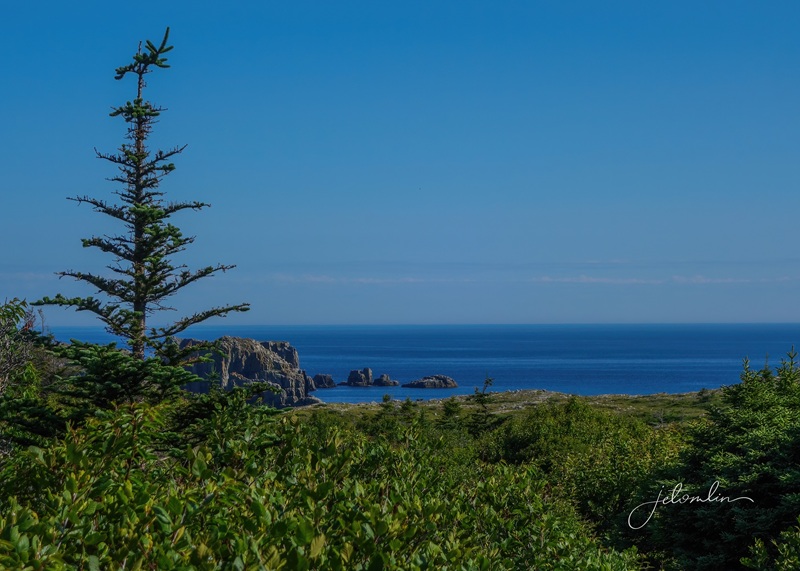
I chose to hike the trail to Elliston while the morning was still cool, as it promised to be a warm, sunny day. The trail led me inland, away from the rugged coastline, and I enjoyed the fresh, sweet air, as well as the many chirping birds, (click on photos to enlarge)
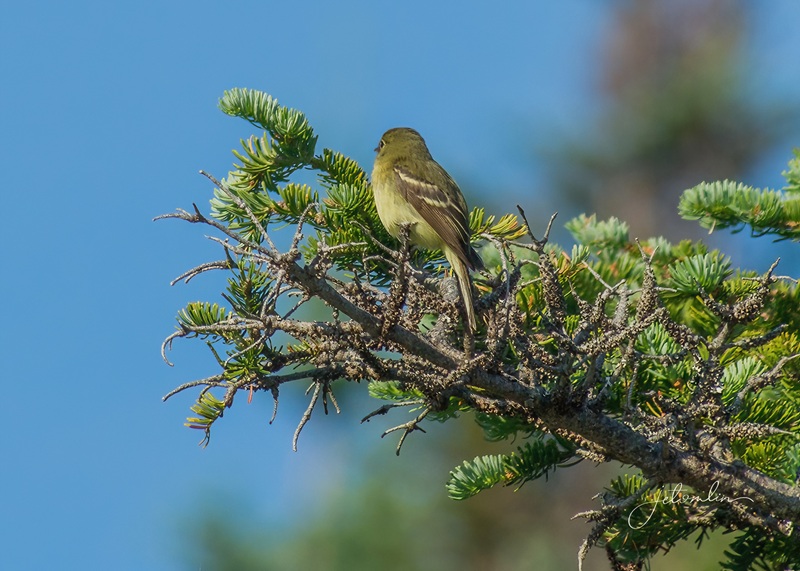
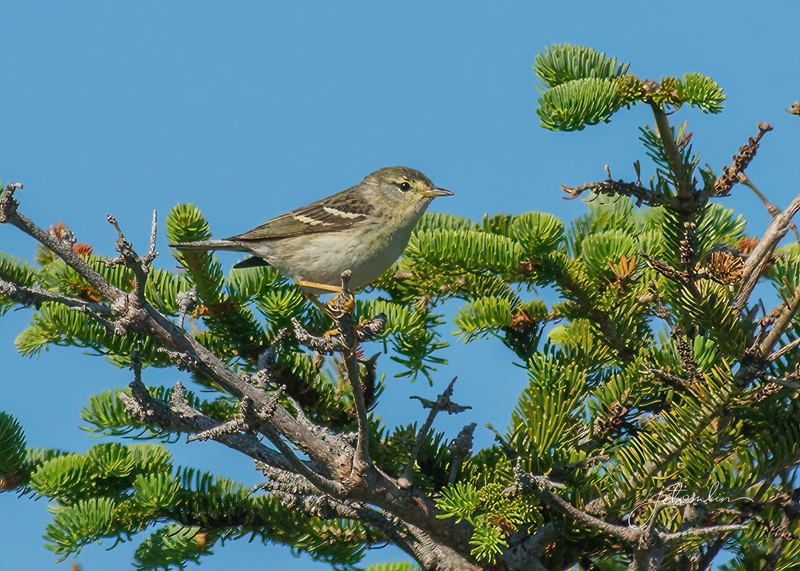
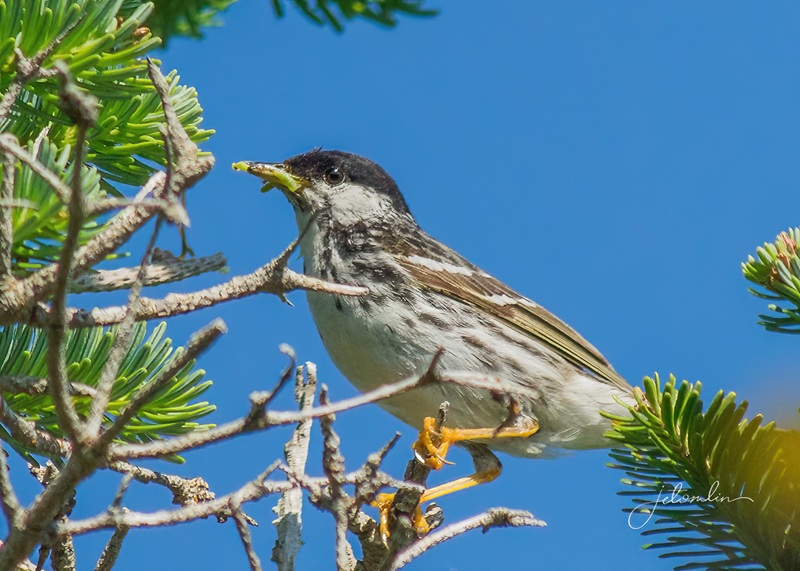
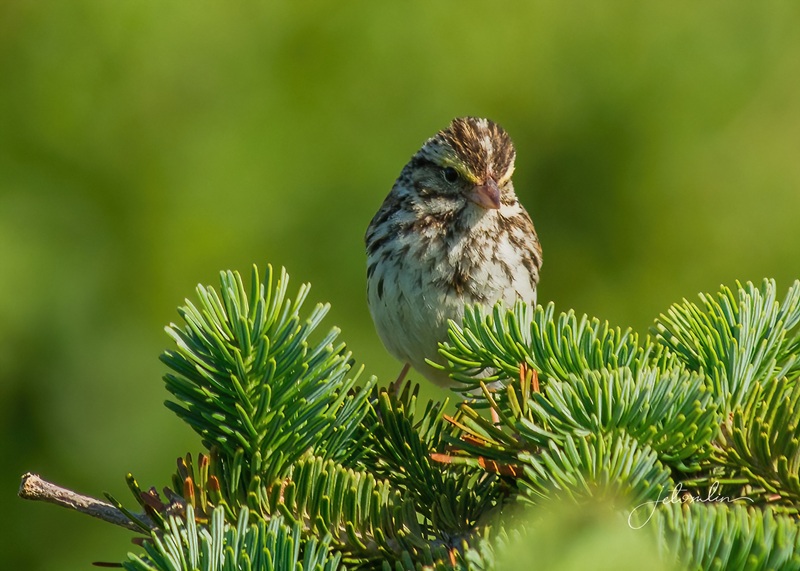
the route took me inlandyellow-bellied flycatcheryellow-browed warblerblackpoll warblerSavannah sparrow
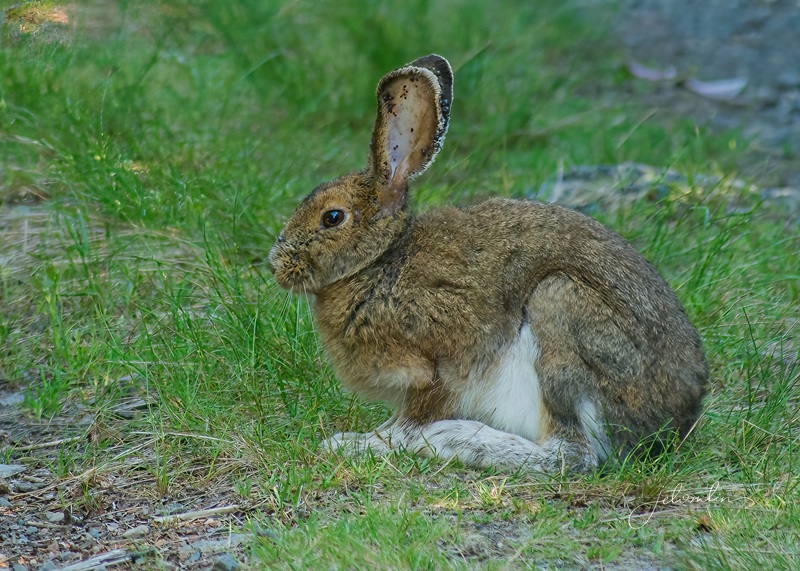
And a snowshoe hare modeling her summer coat.
snowshoe hare
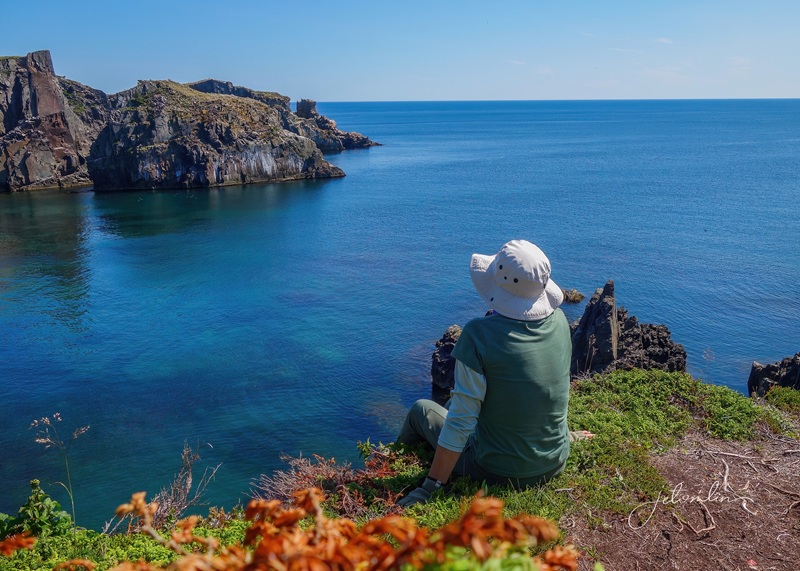
Upon my return, I followed a well-worn path of flattened grass down to the edge of the cliffs directly across from the rookery.
Spillars Cove, July 2025
There were hundreds of puffins flitting around the island and swimming in the cove.
Spillars Cove, July 2025
In 2017, we journeyed to Antarctica for our 35th wedding anniversary. I “penguined” for much of the time – I put down my camera and simply enjoyed the penguins and the beautiful scenery. This morning, I “puffined.” Unlike the sometimes-frenetic photographer activity at the Elliston site, I had Spillars Cove to myself.
this morning, I “puffined”
As I quietly watched, the puffins flew back and forth to burrows on the mainland, some even landing on a ledge directly beneath me.
as I quietly puffined, she landed on a ledge directly beneath me
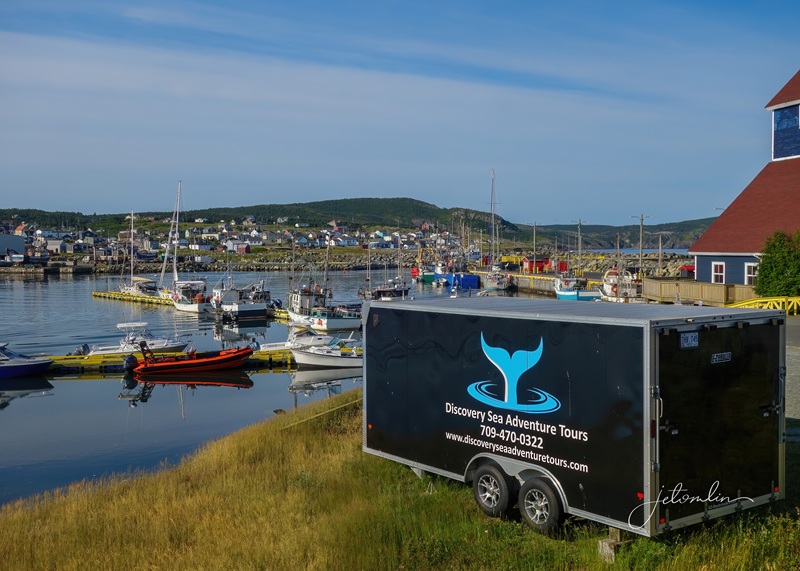
The world’s largest population of humpback whales returns to Newfoundland each year between May and September, and tour boats run daily trips to watch them frolic and feed near shore. I did not want to book a whale tour until I was certain I had all my puffin “money shots.” But after that spectacular first session on Tuesday morning, I booked a Friday tour with Discovery Sea Adventures.
Discovery Sea Adventure Tours, Bonavista
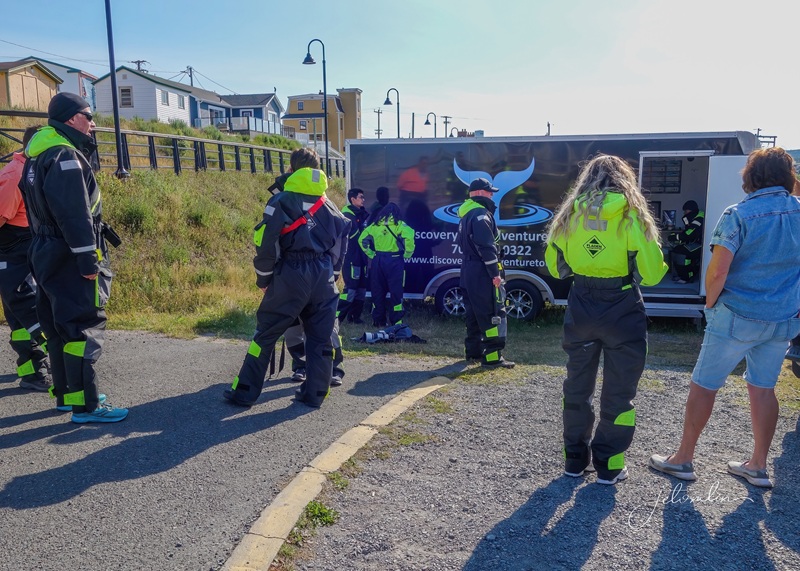
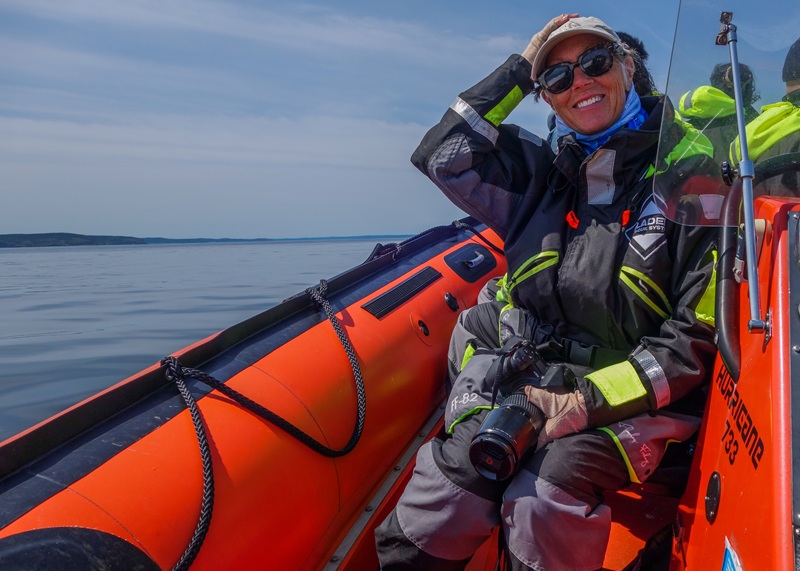
After everyone was dressed in a brightly colored survival suit, we boarded our zodiac and headed out to sea.
gearing up in our survival suits
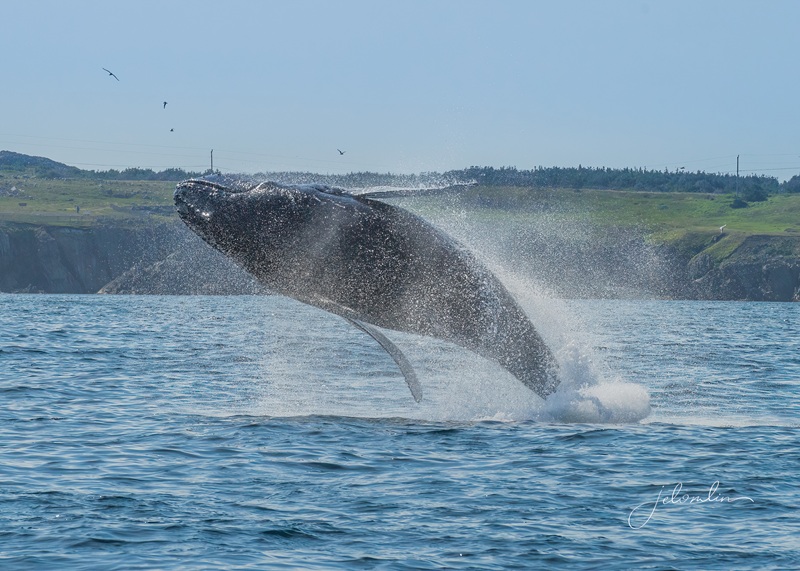
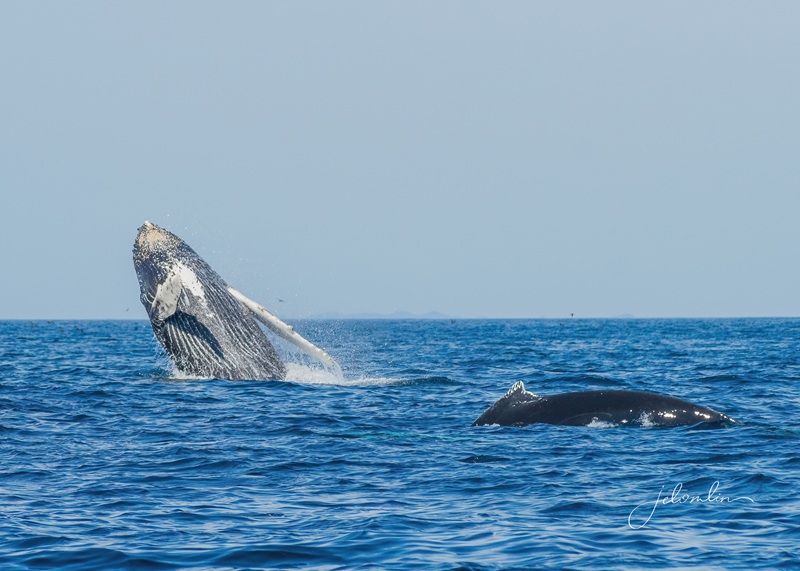
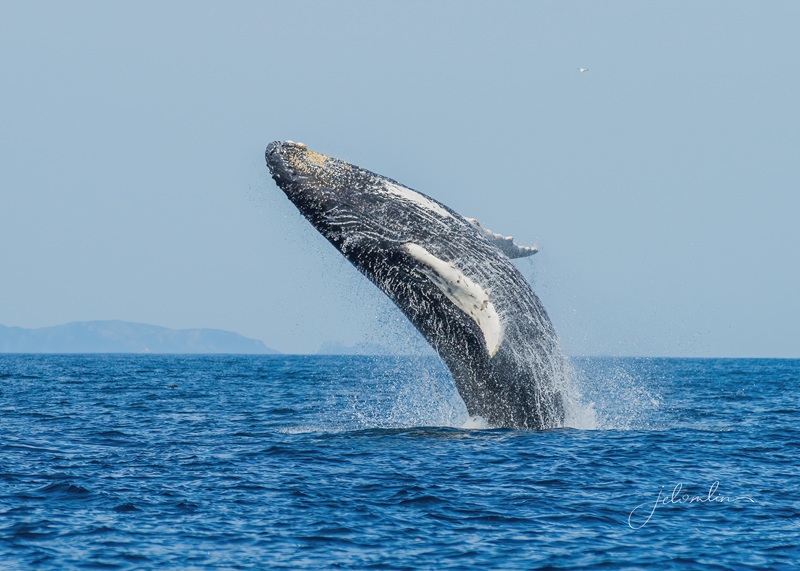
Within minutes, Captain Bob spotted a minke whale. These whales are very shy, and it was just a quick glimpse before she disappeared beneath the waves. Next up, a pod of Atlantic white-sided dolphins, but at the same time, a mother and baby humpback breached in the distance.
minke whale
Leaving the dolphins behind, we raced to the whales, as there is never a guarantee of how long they might continue this behavior.
Mama jumped a few times, but the calf jumped over and over again. I missed a few breaches as I was distracted by more whales off in the distance, but in the end, everyone got their money shots. (click on photos to enlarge)
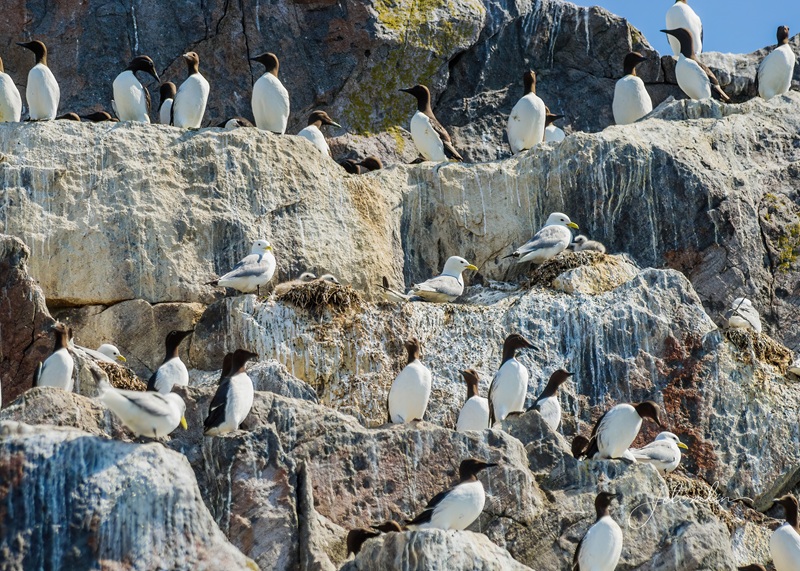
Finally, after more than an hour of continuous breaches, we left the whales. We headed to the seabird colony below the lighthouse, a bustling community of puffins, razorbills, and murres, among others.
the seabird colony below the lighthouse
Captain Bob wanted to find us more dolphins,
Captain Bob looking for dolphins
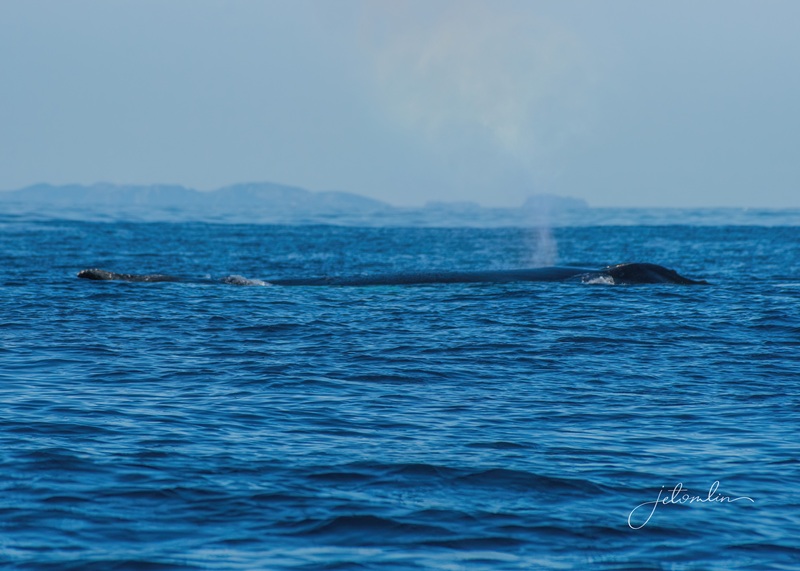
But we were diverted by three fin whales, the second-largest whale on the planet. These mighty whales rarely show their tails or breach, but they did show us their distinctive dorsal fins.
fin whale
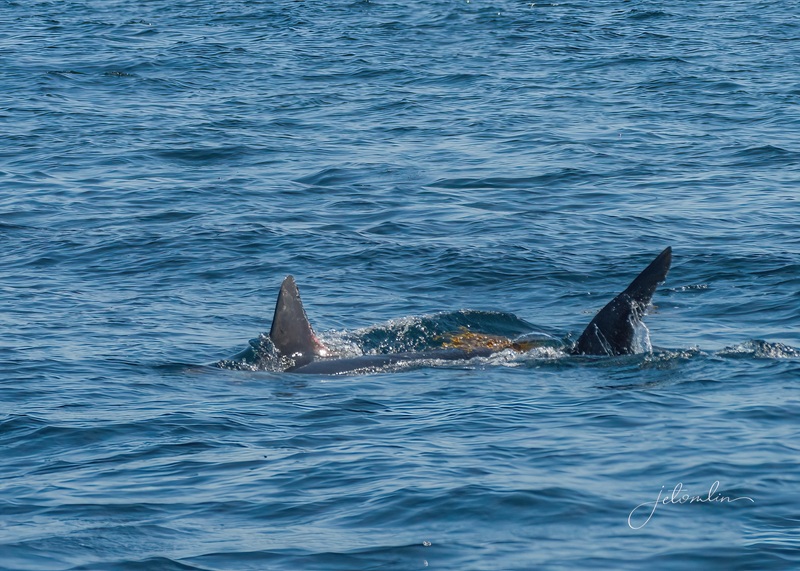
Suddenly, Patti, a fellow passenger, cried, “What is that fin?!?” It turned out to be a porbeagle shark playing with a piece of kelp, adding even more excitement to an already fantastic day.
porbeagle shark playing with kelp
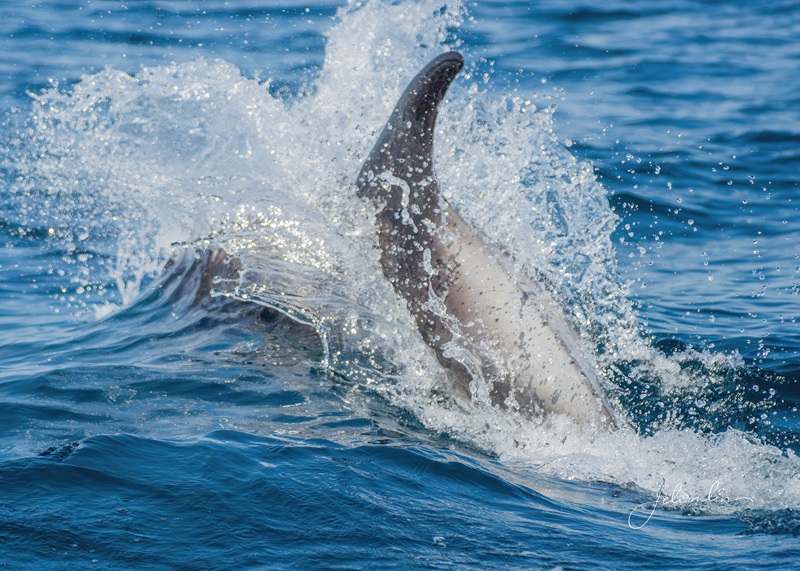
As we turned back towards Bonavista Harbor, we found our dolphins. They raced around the boat – almost too fast to photograph, but a thrill, nonetheless.
dolphins!
At the end of our adventure, Captain Bob instructed us to look up. A friend was flying a drone overhead and snapped a quick photo of our group – a special keepsake from our special day. (arrow through gallery set)
drone shot of our group
Dean & Patti & me seriously focused (photo by Dean)
what a day! (photo courtesy of fellow traveler)
Later that afternoon, I returned to Cape Bonavista to search for a fox family that lives in the grassy meadow below the lighthouse. After 90 minutes of fox-less waiting, I walked up to the rookery. I was delighted to find a large group of puffins on the mainland, happily going about their evening business while cameras clicked away. (Arrow through gallery set)
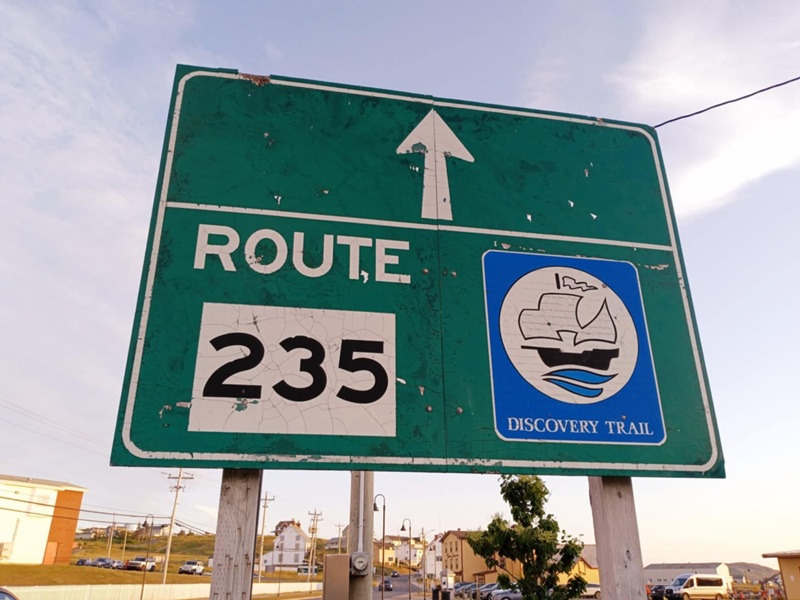
With the weekend upon me, I decided to explore more of the area. Johanna had given me a list of “must-sees,” and I planned routes that would cover most of them. As I drove along, I realized I was following part of the “Discovery Trail,” a 425km route that circles the Bonavista Peninsula.
I realized I was following part of the “Discovery Trail”
My first stop on Saturday was the charming town of Kings Cove and the Lighthouse Trail.
the charming town of Kings Cove
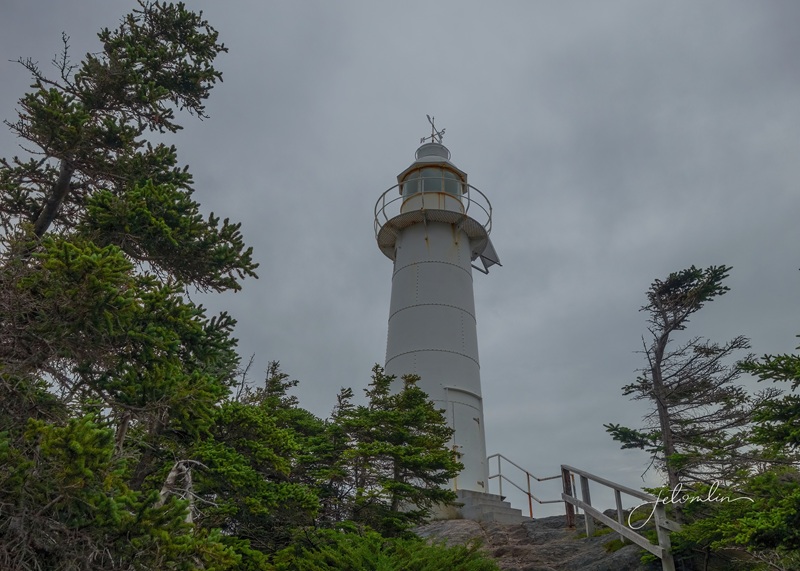
I chose the longer, 3.5km loop and was rewarded with a beautiful view from the lighthouse,
Kings Cove lighthouse
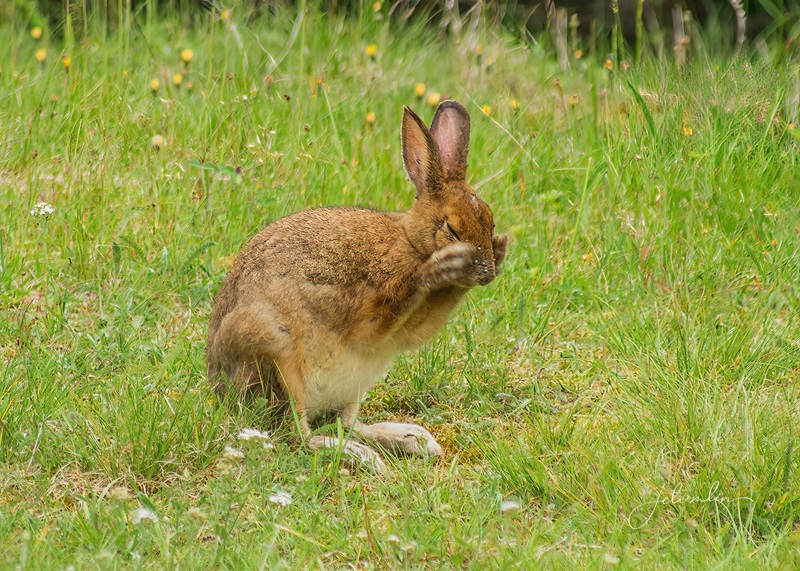
Another snowshoe hare,
the poor thing was trying to rub ticks off her nose
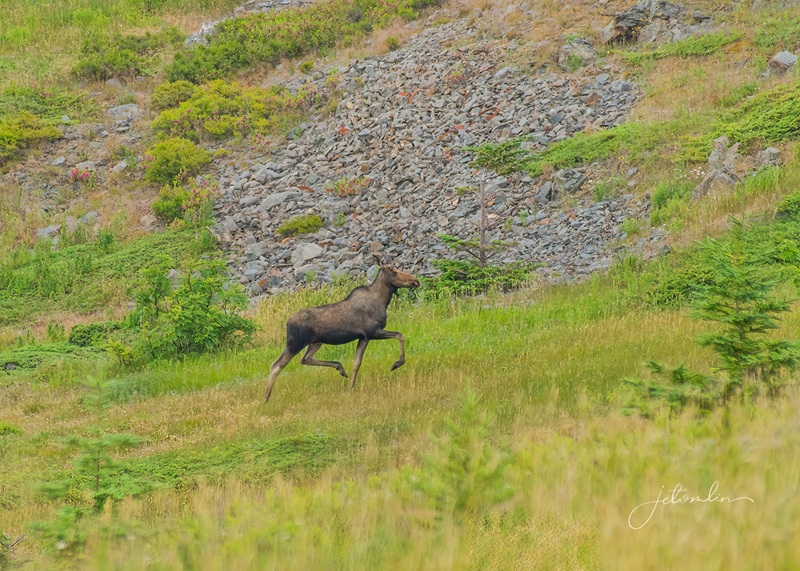
And a moose!
a moose
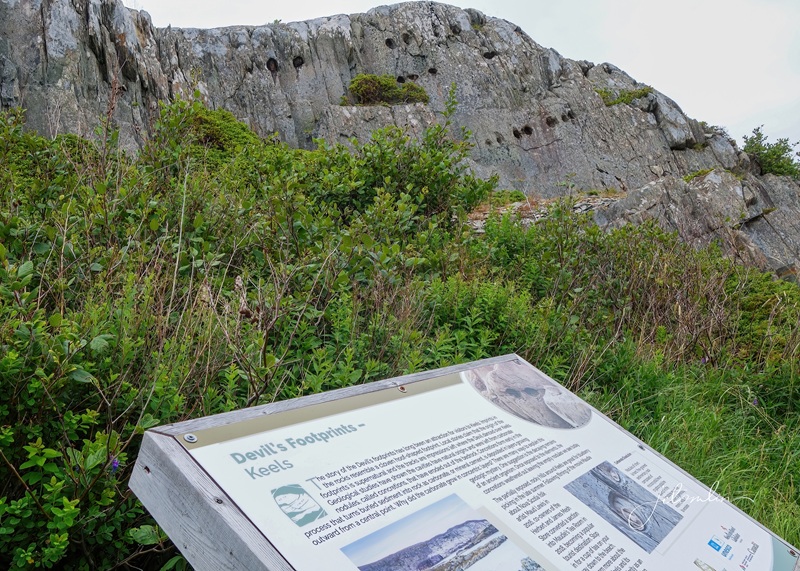
I had planned to stop at Maudie’s Tea Room in Keels for breakfast, but I was too early for their noon opening. I missed their sign on my way in and stumbled upon another interesting site: Devil’s Footprints.
Devil’s Footprints in Keels
While geological studies attribute these cloven, hoof-shaped indentations to natural causes, locals claim that the tracks were made by the Devil dancing over Keels. I found the local version a much better story!
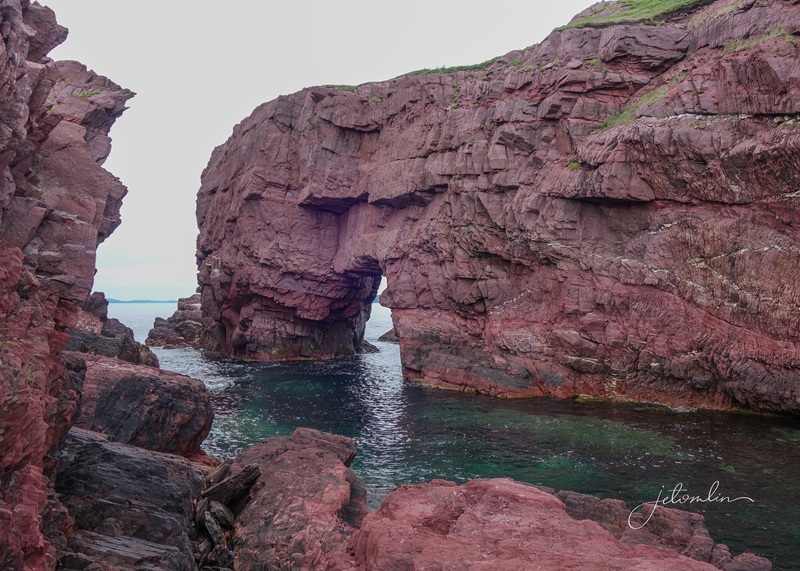
My journey then took me to Tickle Cove and the awe-inspiring Sea Arch, a magnificent rock formation.
Tickle Cove Sea Arch
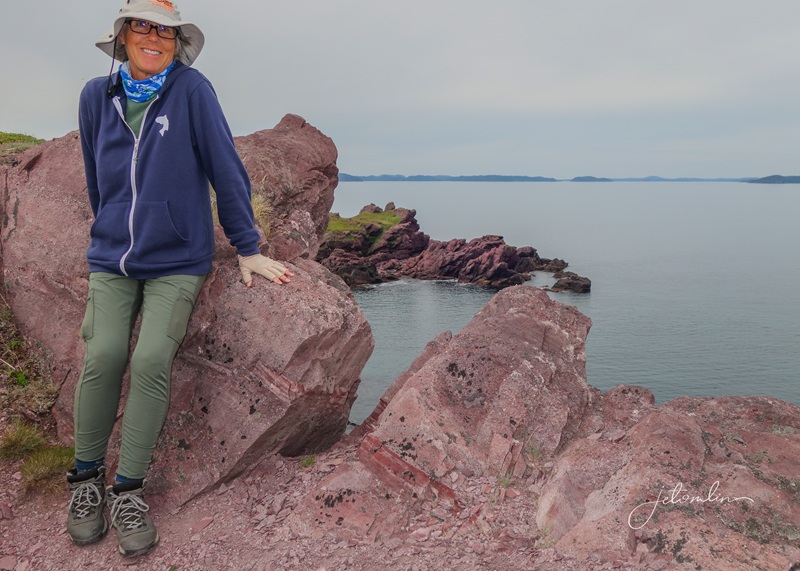
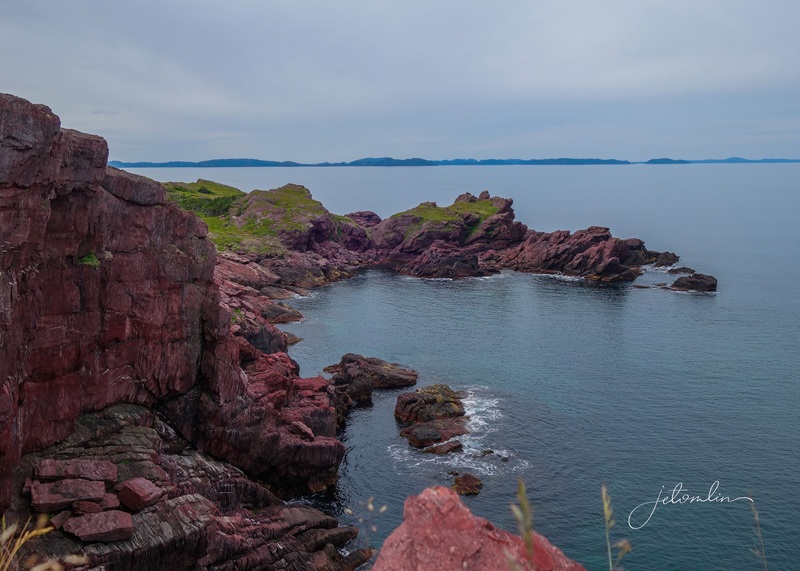
I scrambled to the top of the hill above the arch and, lying on my stomach, gazed straight down at the sheer drop! (click on photos to enlarge)
I scrambled to the topa sheer drop straight down!
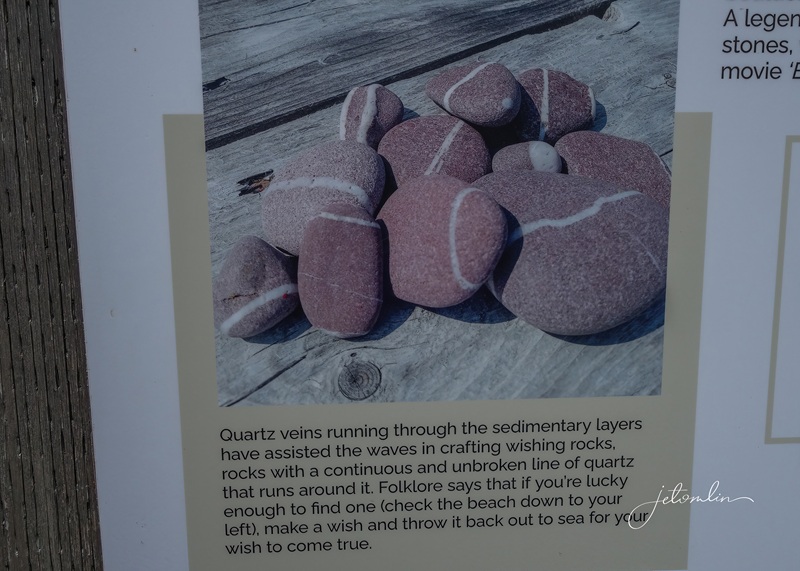
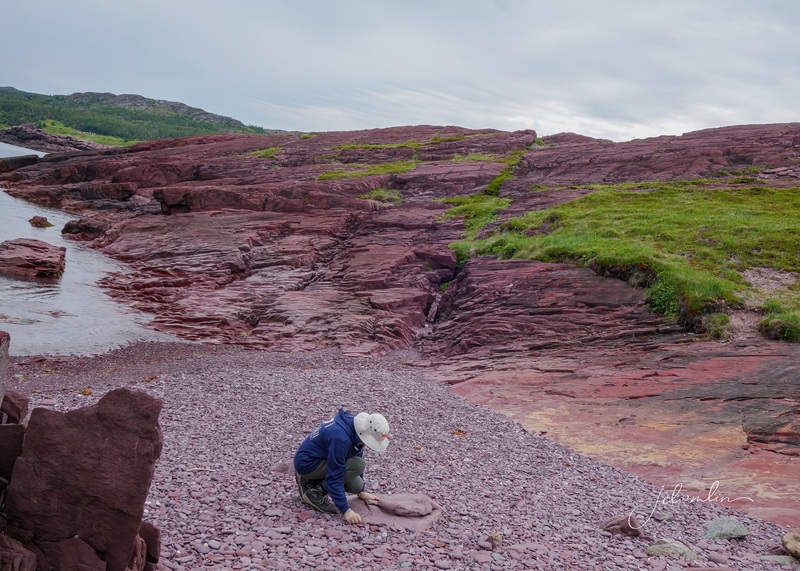
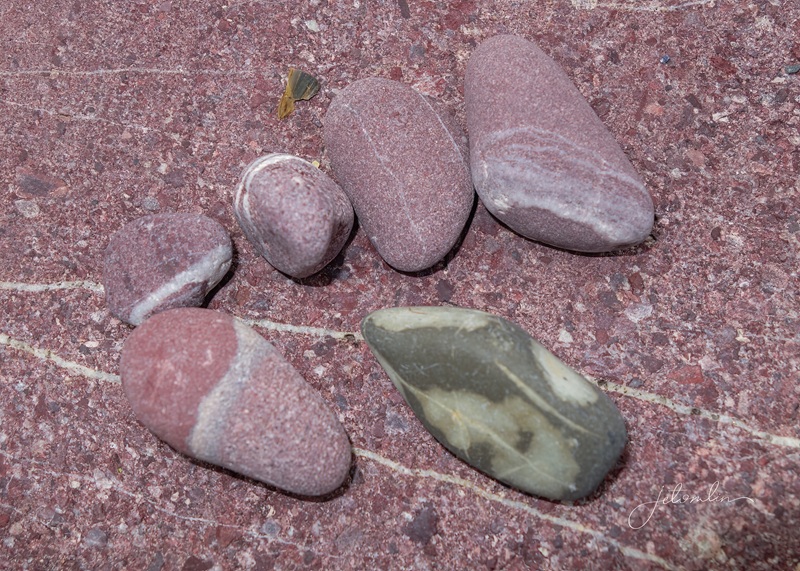
Below the Sea Arch was a small rocky beach filled with wishing stones – rocks with continuous lines of quartz running around them. Folklore says if you’re lucky enough to find one with unbroken lines and make a wish while throwing it into the ocean, your wish will come true.
the legend of the wishing stones
I spent an hour on the beach searching for a few stones that were just the right size to carry home. While I was there, I also threw one into the sea with a wish to return to Newfoundland someday. (click on photos to enlarge)
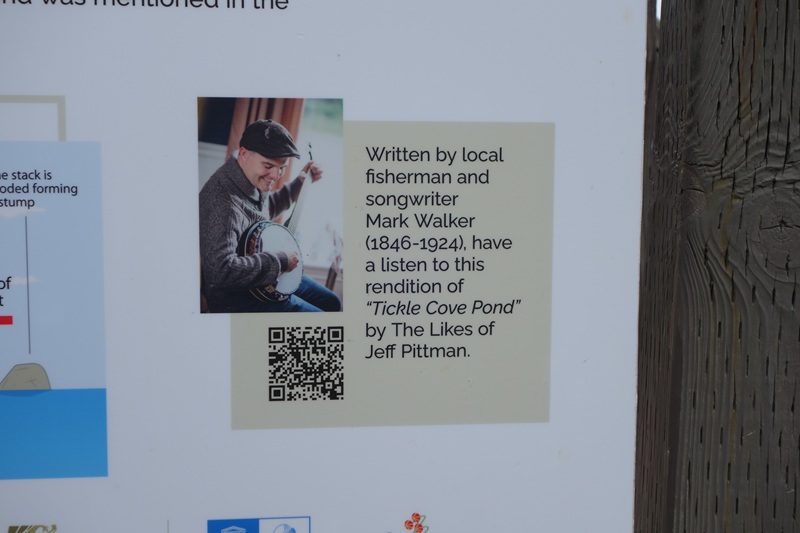
searching for my wishing stonesmy haullisten to Tickle Cove Pond by The Likes of Jeff Pittman
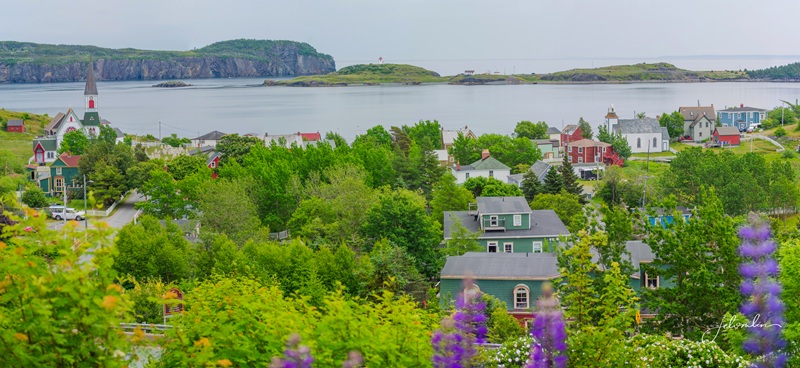
After a quick lunch in picturesque Trinity, I climbed the Gun Hill Trail for a panoramic view of the town.
the picturesque town of Trinity
And then, because I could not help myself, I returned to the Elliston puffin site. It was crowded this Saturday afternoon, and after snapping a few more photos of these captivating birds, I returned home to Bonavista. (Arrow through gallery set)
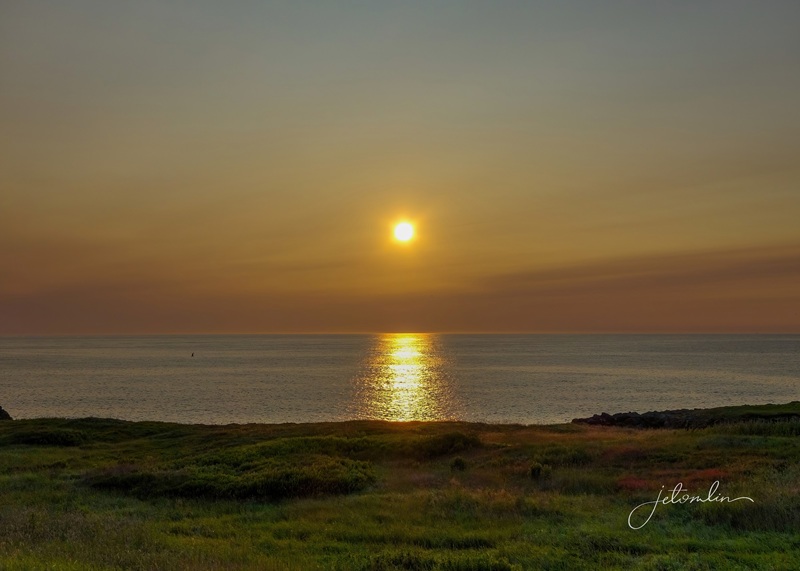
Sunday had me out the door before dawn, and I watched the sunrise over the ocean as I drove to Port Union and the Murphy’s Cove Trail.
sunrise over the ocean
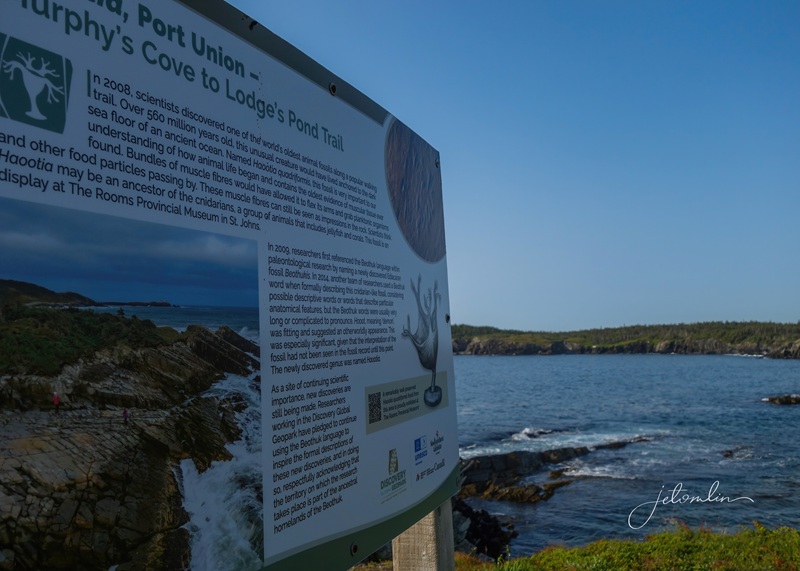
This 7.7km hike features multiple ocean views and an interesting fossil story.
Murphys Cove trail
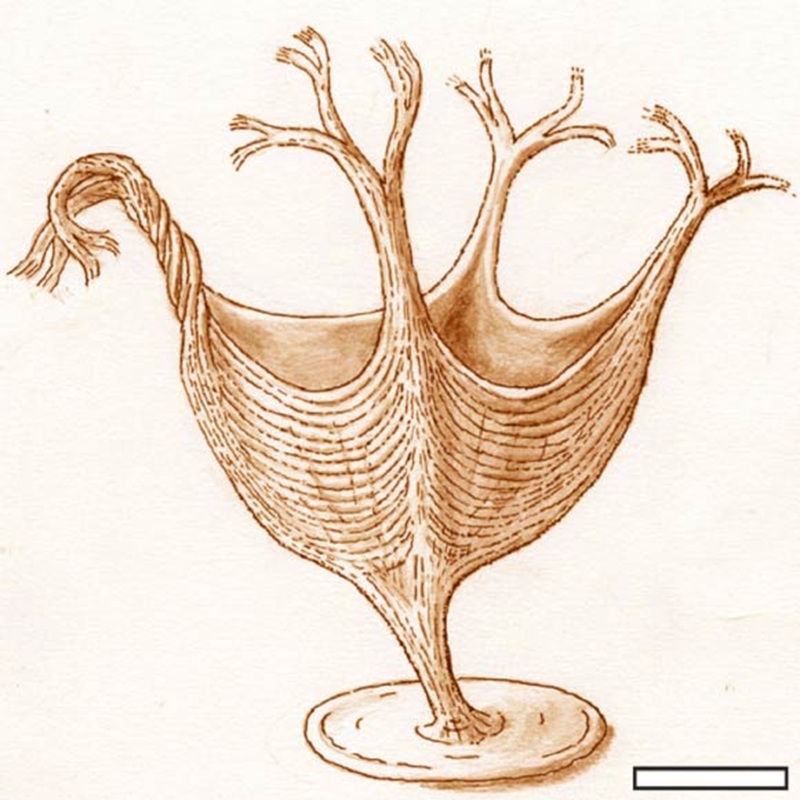
In 2008, scientists discovered the fossil of one of the world’s oldest living animals: a 560-million-year-old sea creature called a Haootia quadriformis. This ancient cousin to jellyfish is significant in understanding the origins of life. The fossil is on display in a museum in St. John’s, but it was fascinating to learn about it on this remote trail! (click on photos to enlarge)
the Haootia fossil site on the Murphy’s Cove Trailartist rendition of a Haootia
However, the most exciting part of my hike was the sudden appearance of a red fox darting across the path in front of me! I had given up on seeing another one on my trip, and this unexpected moment made my day.
Port Union is North America’s first and, to this day, only union-built town. I checked out the historical Factory and Coaker Manor, and scrambled about on the rocks behind the Factory building, searching for (and failing to find) more fossils.
The Factory and Port Union fossil site
My next stop was the Skerwink Trail in Port Rexton. The Skerwink Trail is continually ranked in the top 35 trails in North America and Europe, and rightly so. As the founder of the trail, John Vivian, said, “This trail offers more scenery per linear foot than any other trail in Newfoundland.”
beautiful Skerwink Trail
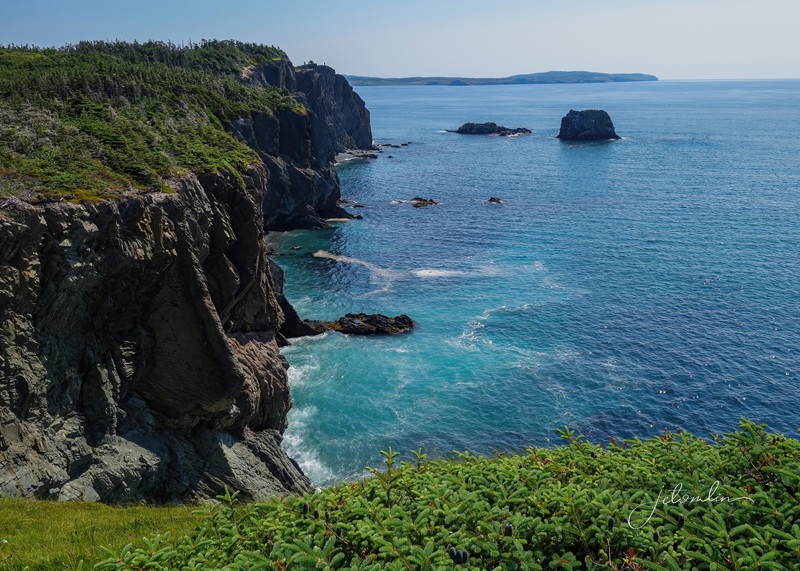
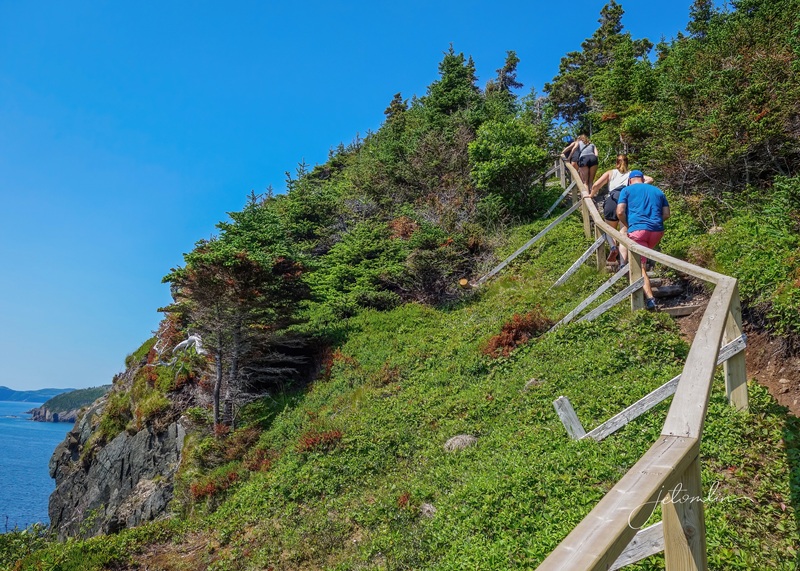
I followed the 5.3km route up and down steep hills that hugged the rugged coastline, offering breathtaking views of the ocean that on this day was an impossible shade of blue.
the steep up & down trail followed the rugged coastline
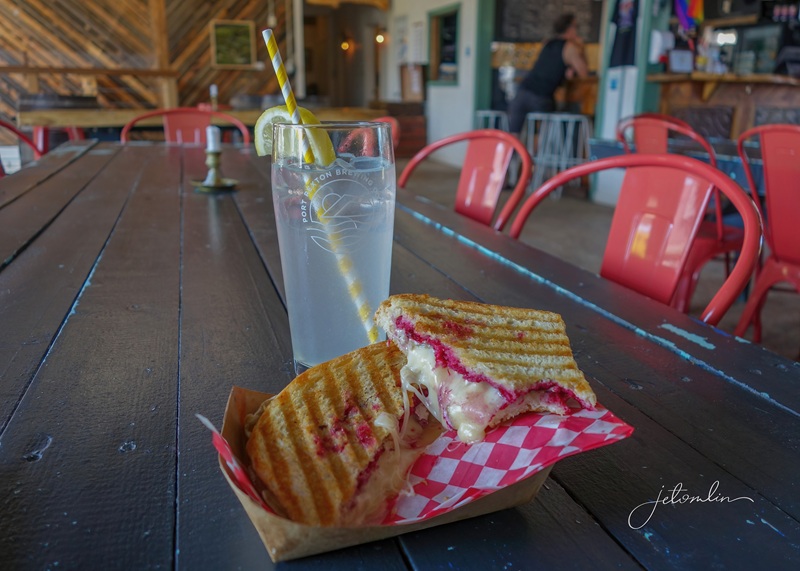
After two somewhat strenuous back-to-back hikes, I was ready for lunch! I stopped at the famous “Oh My Cheeses” food truck in Port Rexton and splurged on “The Gull” – grilled brie with Newfoundland partridge berry jam on toasted bread. Yum!!
grilled brie & partridge berry jam from Oh My Cheeses in Port Rexton
On my way back to Bonavista, I swung by the Elliston puffin site one last time. The puffins were not putting on a show like they had earlier in the week. But Newfoundland had one final surprise in store: an iceberg!
an iceberg! (July 13, 2025)
I traveled to Newfoundland for the puffins and went home with so much more: whales, dolphins, foxes, a moose, countless stunning landscapes, rewarding hikes, delicious seafood, picturesque towns, spectacular sunrises and sunsets, and an iceberg – the final icing(berg) on the cake!
Bonavista Peninsula landscapes (with “Up She Rises” sung by Jason Ryan during my dinner at Skipper’s Restaurant)
And although I didn’t have the opportunity to get properly “screeched in” on this trip, in my heart, I am an honorary “Newfie.”
To view all my puffin photos arrow through the set or click to open a new tab in Flickr:
To view my whale and other Newfoundland photos arrow through the set or click to open a new tab in Flickr:
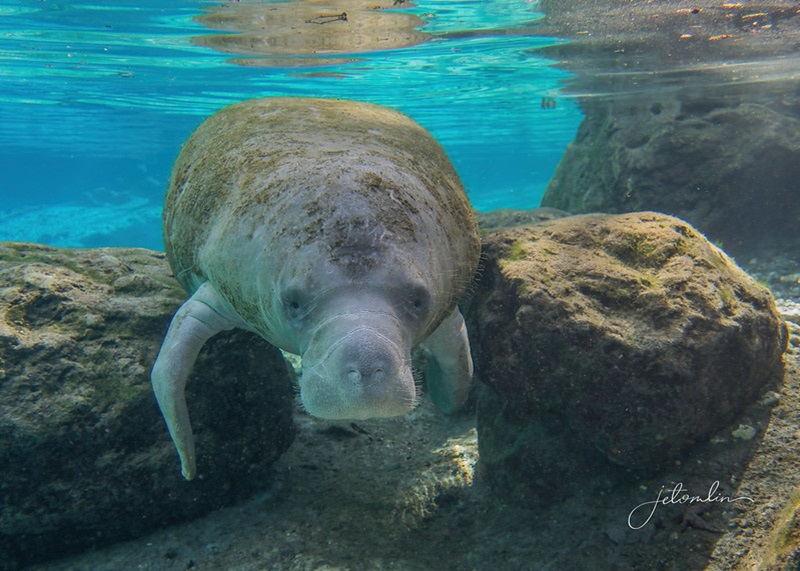
TG and I both reached a milestone birthday in 2024, a year shaping up to be full of memorable moments. We celebrated my big day by spending a week in Crystal River, FL snorkeling with the manatees.
Three Sisters Springs, Crystal River, FL, January 2024
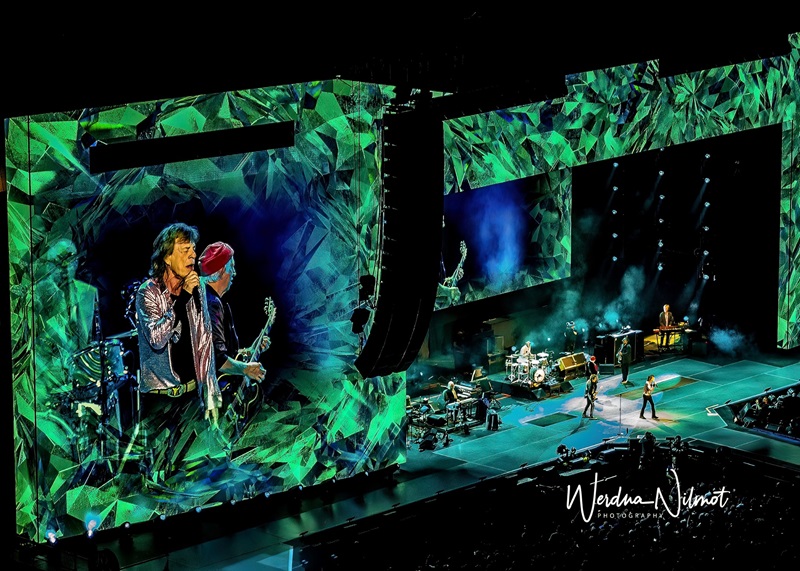
TG, a lifelong Rolling Stones fan, was over the moon when we learned that the first stop on the Stone’s Hackney Diamonds tour was in Houston, conveniently on our way to New Mexico. We added two nights onto the beginning of our trip and could barely contain our excitement as we purchased tickets for the April 28 concert. Happy Birthday, TG!
AARP Rocks Houston!
It was a great show, with the timeless talent of Mick, Keith, Ronnie, and the band combined with incredible technology. We had a fantastic time, singing along to old favorites and grooving to songs off their new album.
Miss You, Houston, TX 4-28-24
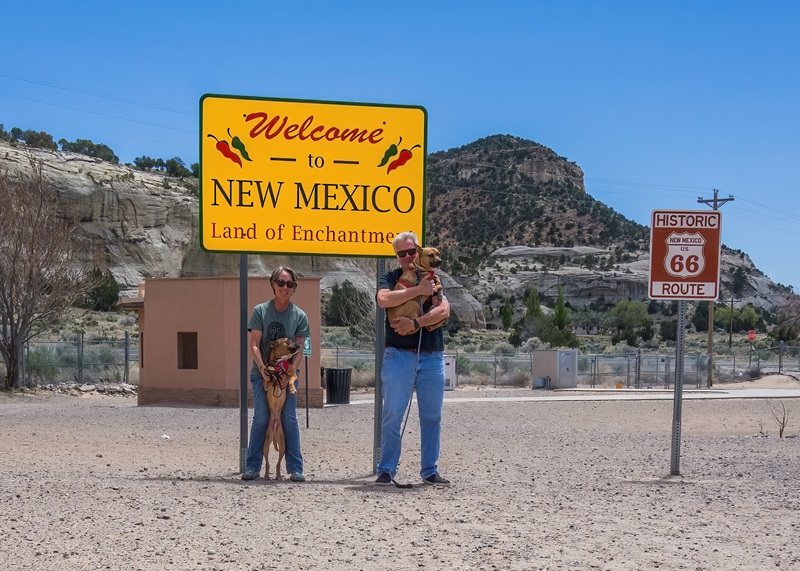
The following morning, we continued our journey west. After two visits to the Bosque del Apache in November, we were eager to experience the unique charm of New Mexico’s desert in the hot summer months with its colorful rattlesnakes, lizards, and toads.
Welcome to New Mexico!
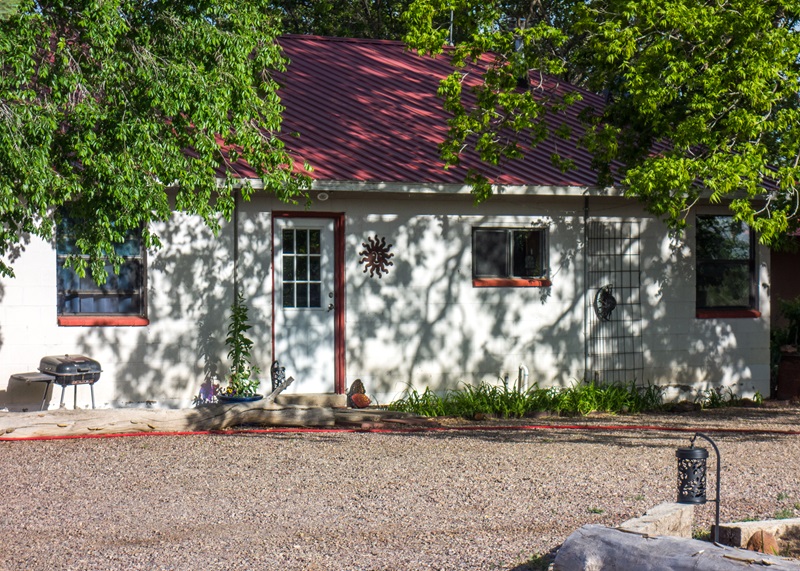
This visit marked our third stay at Casita del Crane’s, Pam’s cozy Airbnb in Lemitar. It has become our home away from home and a perfect base for explorations.
Casita del Cranes
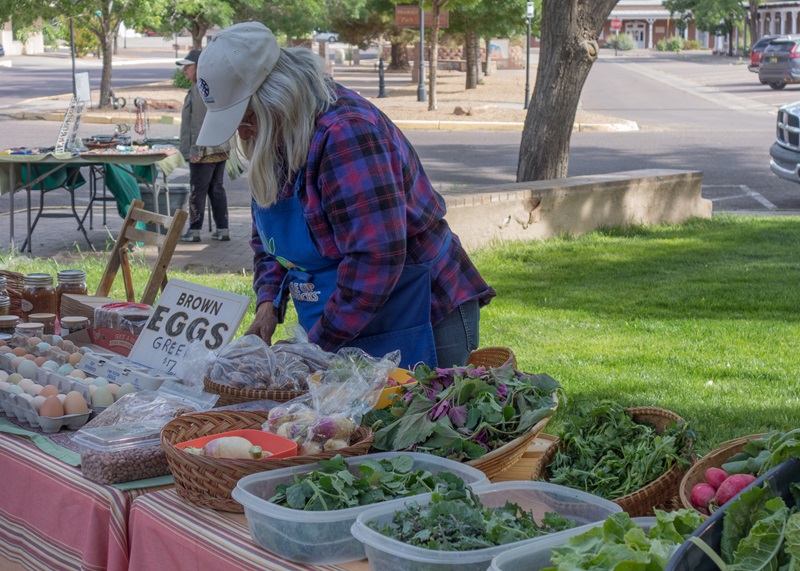
Pam is always interested in our photo safaris and sharing goodies such as fresh greens from her organic garden. These personal touches make our stays here so special.
Pam selling her organic veggies and eggs at a local farmer’s market
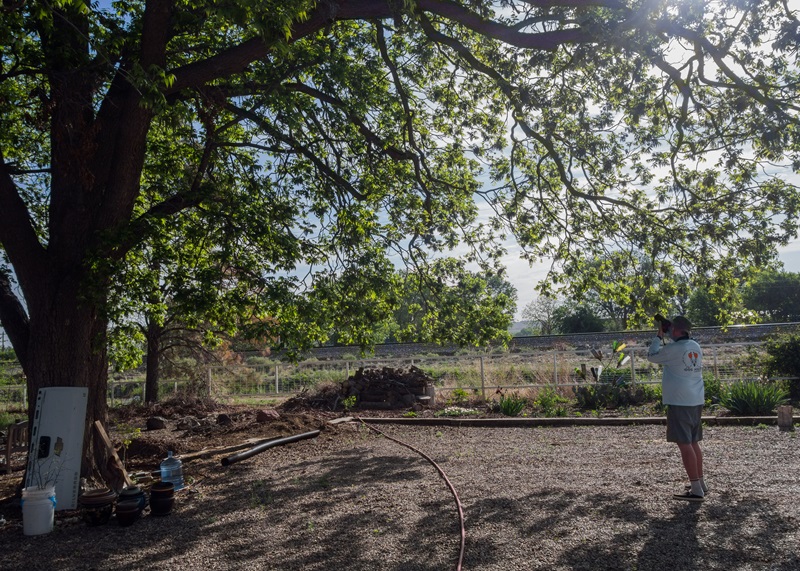
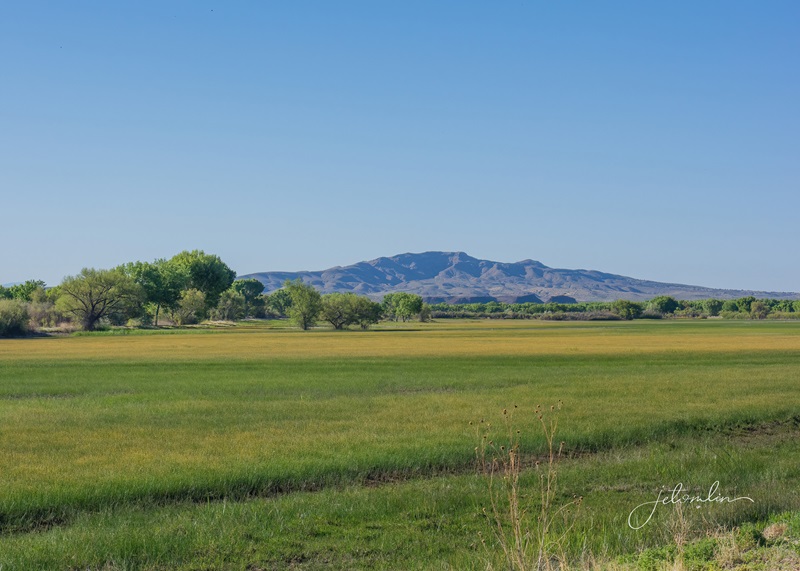
Something we’ve always enjoyed about staying at Pam’s is all the nature that greets us right outside our door.
so much nature right outside our door!
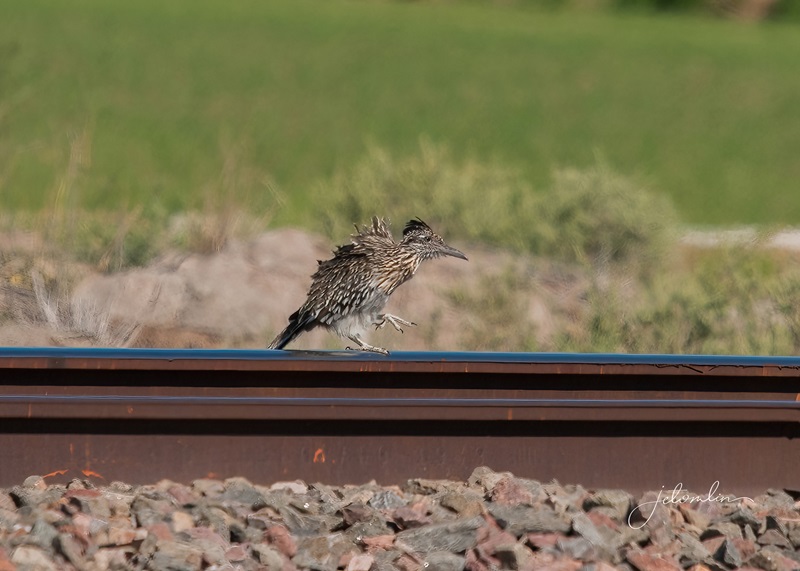
A stroll through her garden or a walk on the dirt road alongside the creek is a wildlife adventure in itself. We’ll often see roadrunners scurrying along the railroad tracks — so cliché it’s comical!
a roadrunner clearly up to mischief!
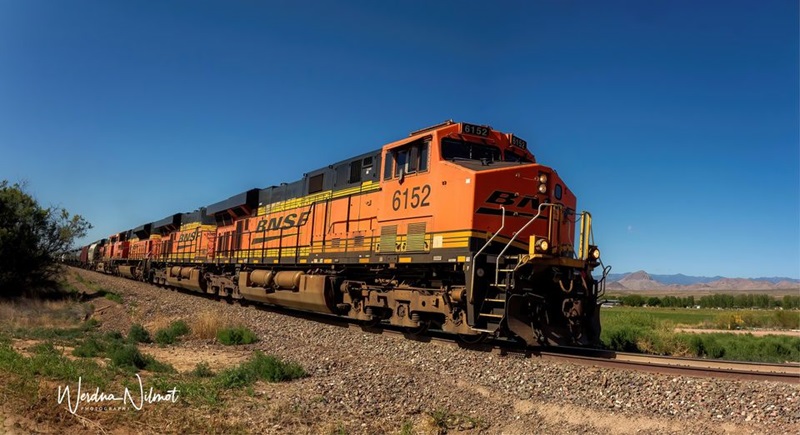
And the rumble of the freight trains that pass by, accompanied by a long, lonesome whistle and clickety-clack of the cars, is charming.
freight train rumbling by
You can view all our photos from our walkabouts at Pam’s here:
hover on photo and then arrow through the set or click to open a new tab in Flickr
We explored Spring in the Bosque del Apache – a different time of year than previous visits. It was a tranquil place, with none of the mad frenzy we witnessed during the sandhill crane migration in November.
Bosque del Apache, May 2024
While we searched for reptiles,
western zebra-tailed lizard, Bosque del Apache
We also enjoyed all the birds and other wildlife that call this area home.
vermillion flycatcher, Bosque del Apache
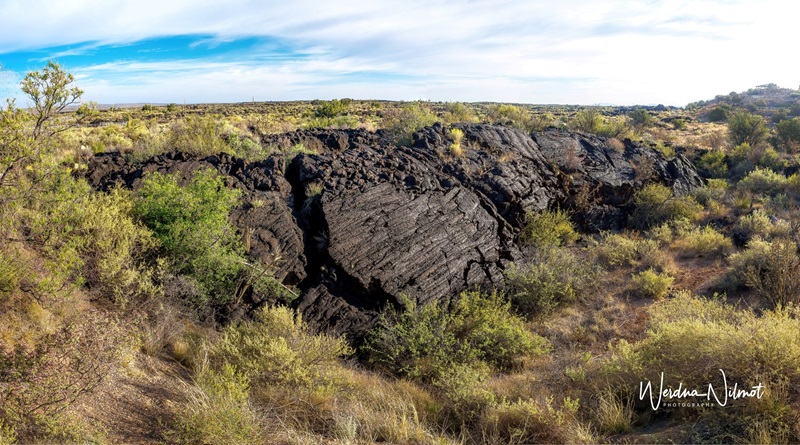
We drove to the Valley of Fires, a lava flow covering 125 square miles. From a distance, it looks like black, barren rock, but as you hike the trails, you’ll see many varieties of desert flowers, cacti, and trees.
Mountain tea growing out of the black lava, Valley of Fires
The valley was formed around 5,000 years ago when a volcano erupted, leaving behind a trail of molten lava. It’s a fascinating place, a stark contrast between destruction and new life.
125 square miles of black lava
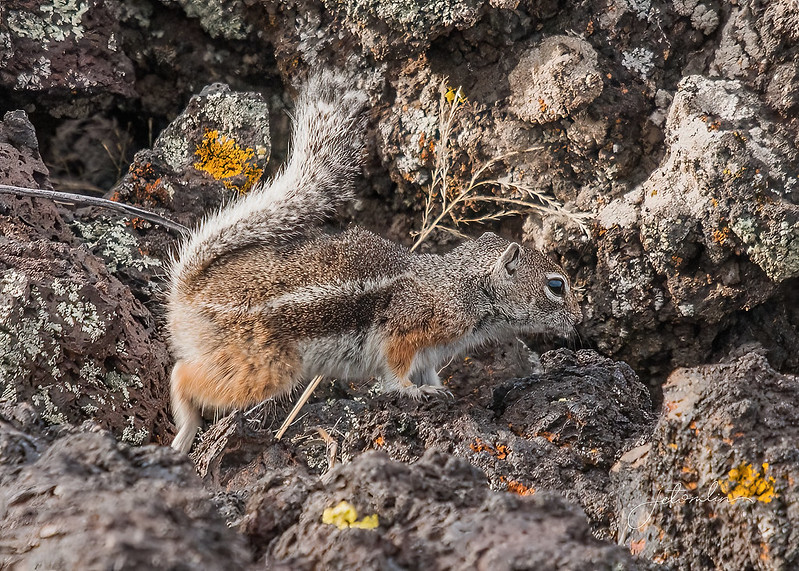
Thanks to TG’s keen eyes and trusty binocs, we watched as ground squirrels and Harris’s antelope squirrels foraged for breakfast.
Harris’s antelope squirrel (Ammospermophilus harrisii), Valley of Fires
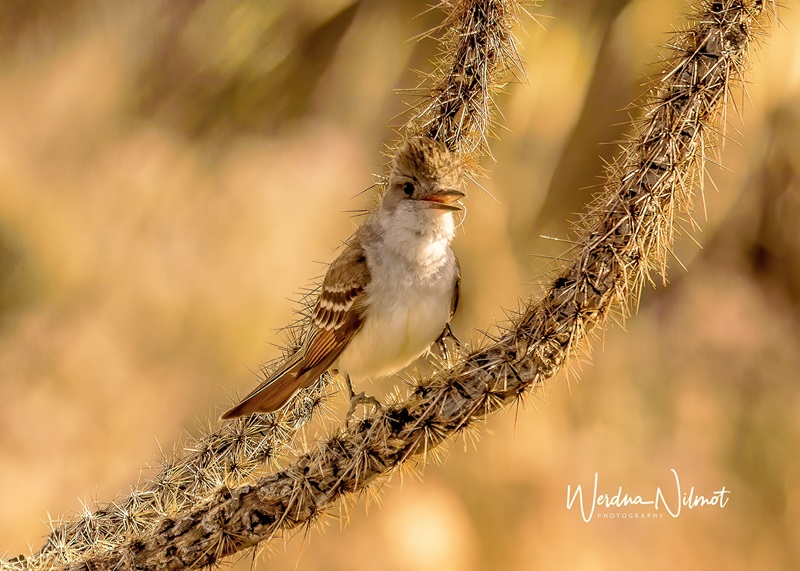
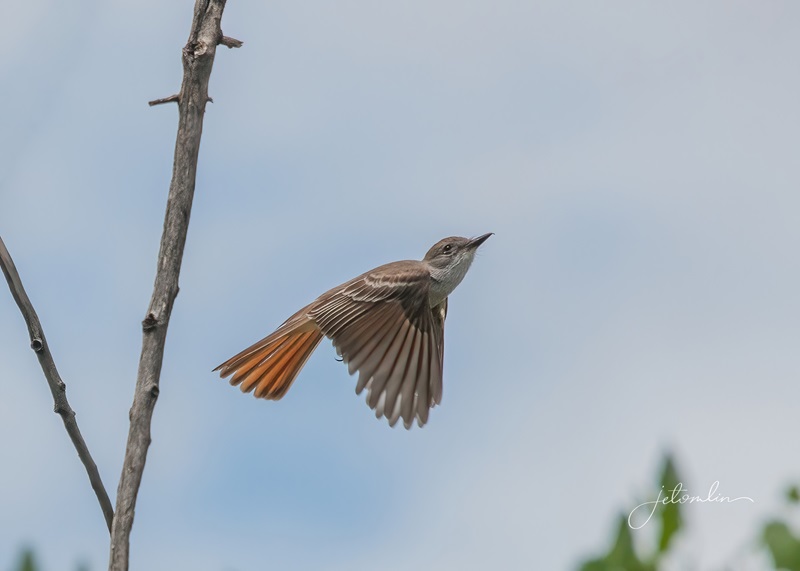
It’s a birdwatcher’s paradise, and we spied ash-throated flycatchers, black-throated sparrows, and western tanagers among other birds.
ash-throated flycatcher, Valley of Fires
Just a week after settling in, we were back on the road for another concert. The Stones were performing in Glendale, AZ on May 7, just a seven-hour drive away. One of TG’s best friends from high school and his brother live in the Phoenix area, so along with Dan, Bill, and their wives, we purchased Stones tickets for a second show in as many weeks.
on our way to Glendale, AZ
After dinner and some quality catch-up time, we piled into our cars and headed over to State Farm Stadium. The atmosphere was electric, with fans of all ages eagerly anticipating the show. And the Rolling Stones did not disappoint.
eagerly waiting for the Stones!
Their performance was off-the-charts, even better than the tour opening in Houston.
“I know it’s only rock & roll but I like it” (Yes that’s me singing along with Mick)
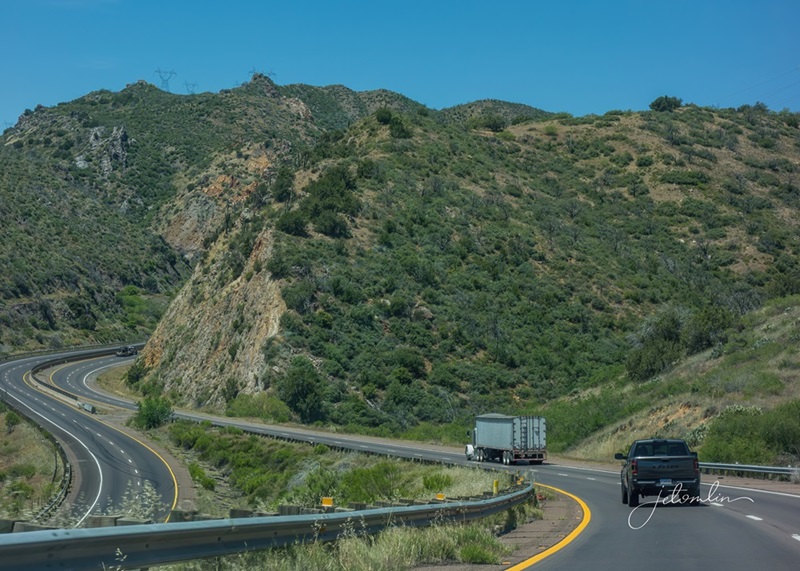
The drive to and from Arizona was beautiful. Our route took us up and over the mountains, with every curve in the road a new, breathtaking view.
our drive through the Arizona mountains
We finished our second week with a lot of rock and roll …
Monkey Man, Glendale, AZ 5-7-24
A lot of rocks …
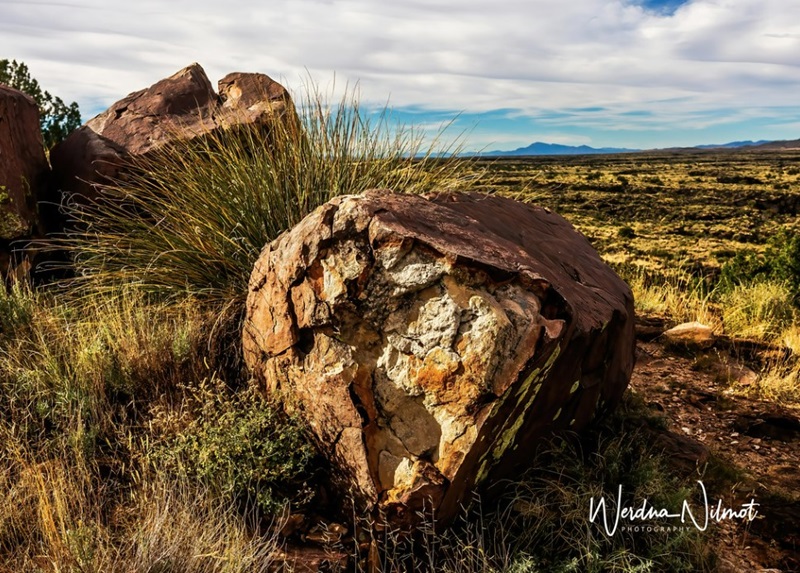
Valley of Fires
And a lot of lizards …
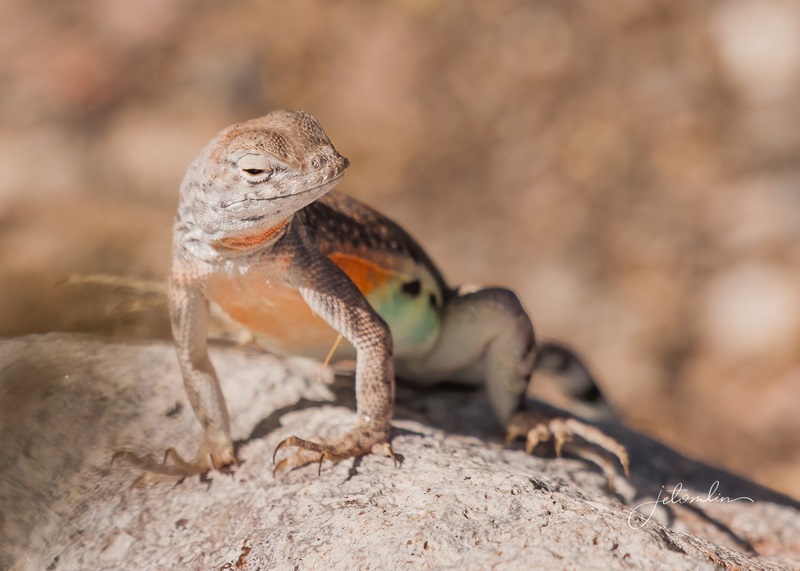
greater earless lizard, Bosque del Apache
But no rattlesnakes – unless you count the what-we-thought-was-dead snake lying in the middle of the road. By the time we turned around to get a proper ID, it was gone. Either a raptor scooped it up or it slithered off on its own! 😲
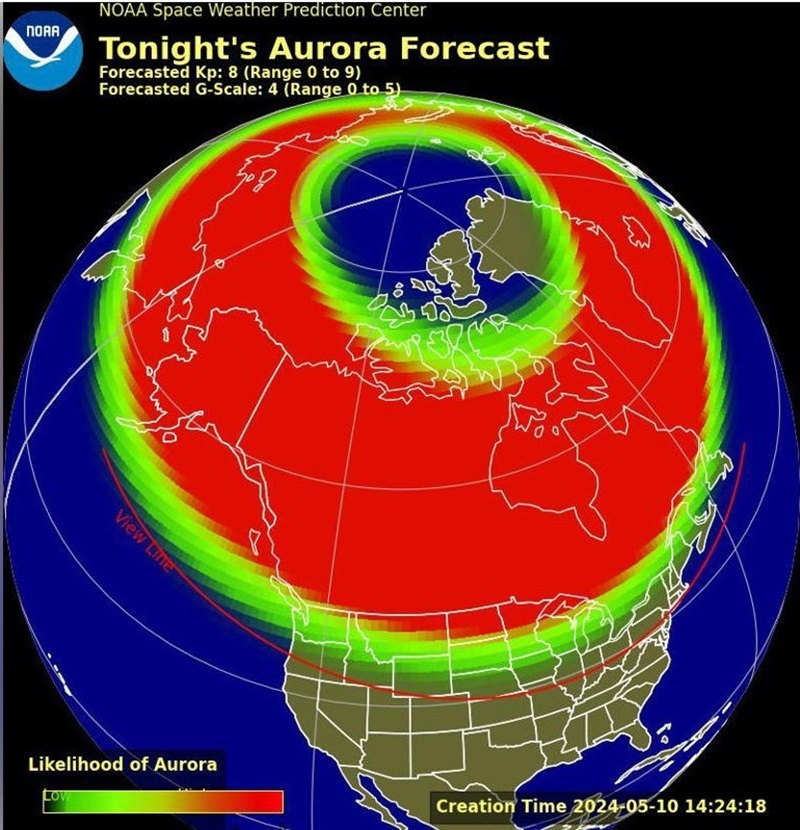
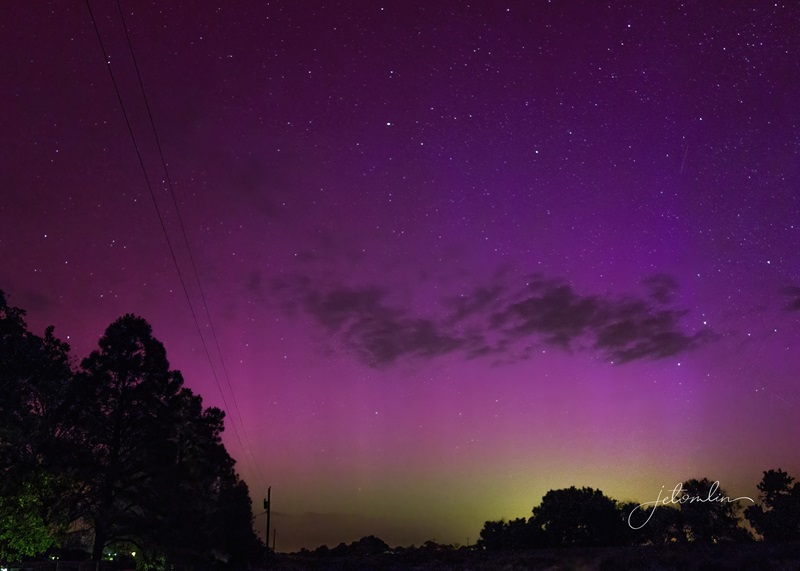
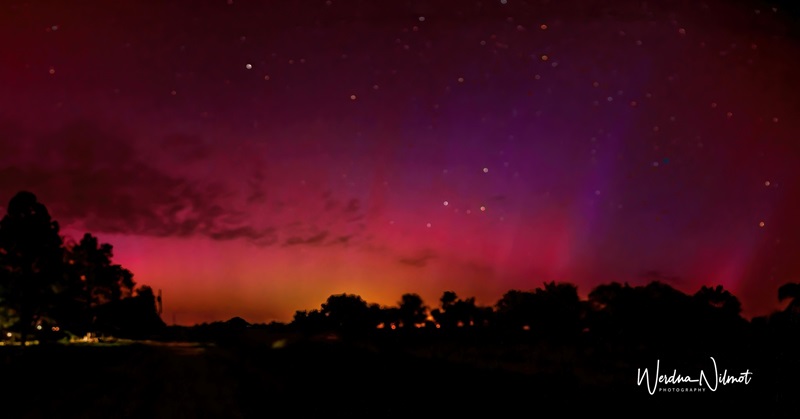
On the night of May 10, the Earth was hit by a G5 solar storm, a rare and powerful event that occurs when a large amount of energy is released from the sun’s atmosphere. This was the strongest geomagnetic storm in 21 years, causing the KP index to spike to 9. The internet exploded with photos from as far south as Key Largo, FL, capturing the stunning auroras that were a result of this storm.
Aurora forecast for May 10, 2024
TG woke me at 2:30am. “You’re going to want to come outside,” was all he had to say for me to be up and out the door with my camera and tripod. Visible even to our naked eyes, we were amazed at what we could capture with our lenses.
May 11, 2024, 3:00am
In the hour we stood outside, awe-struck, the sky changed colors from vivid reds to purples & greens to pinks & oranges. It was hard to put away our cameras and go back to bed!
May 11, 2024, 3:30am
We started Week Three with high expectations. We were each going to have a solo adventure, with TG embarking on a trip to Prince Rupert, British Columbia, while I stayed back at Pam’s with Oscar and Maddie.
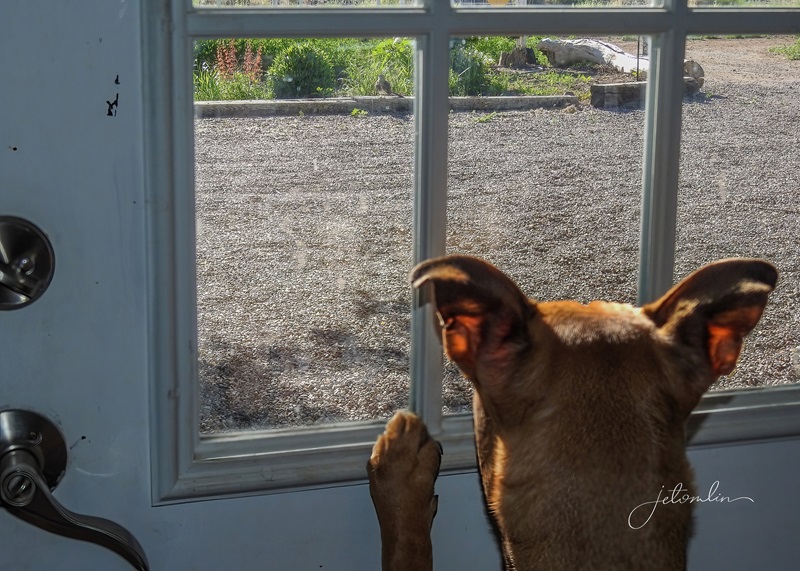
Oscar spies a roadrunner in Pam’s garden
I dropped TG off at the Albuquerque airport on Monday afternoon. He was due back on Friday after an overnight flight from Vancouver. The three days stretched before me, and I planned to make the most of them.
ABQ Sunport
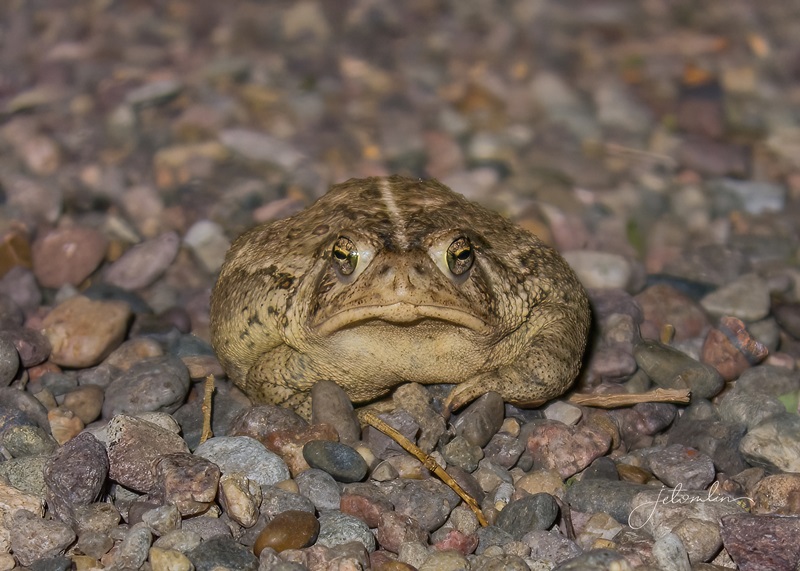
When I took O & M out later that evening, we stumbled upon a woodhouse’s toad (Anaxyrus woodhousii) sittingin the driveway! These toads are native to the western United States and eat a variety of insects and scorpions—so a welcome visitor to have around the house!
woodhouse’s toad
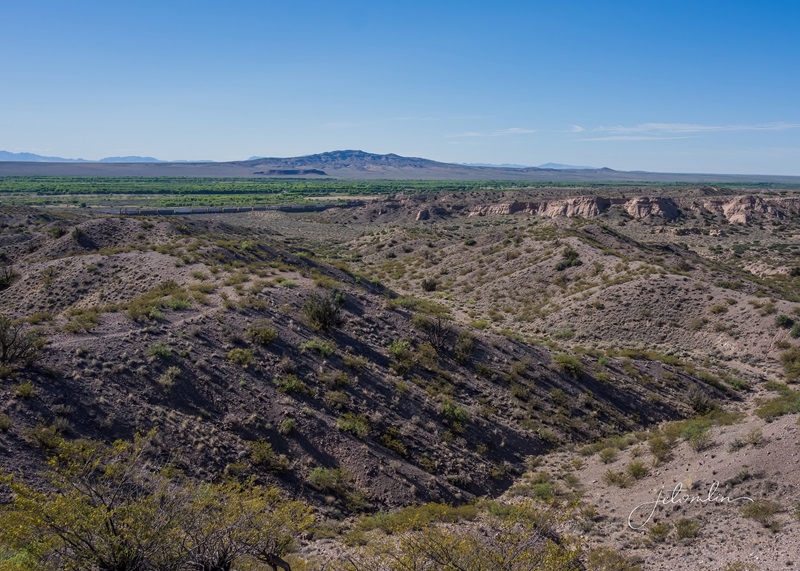
The following morning, I decided to hike the Canyon National Recreation Trail in the Bosque del Apache. This trail is a 2.2-mile “lollipop” loop through the Chihuahuan Desert, the Solitude Canyon, and a climb to the top of a 200ft mesa.
view from the top of the mesa
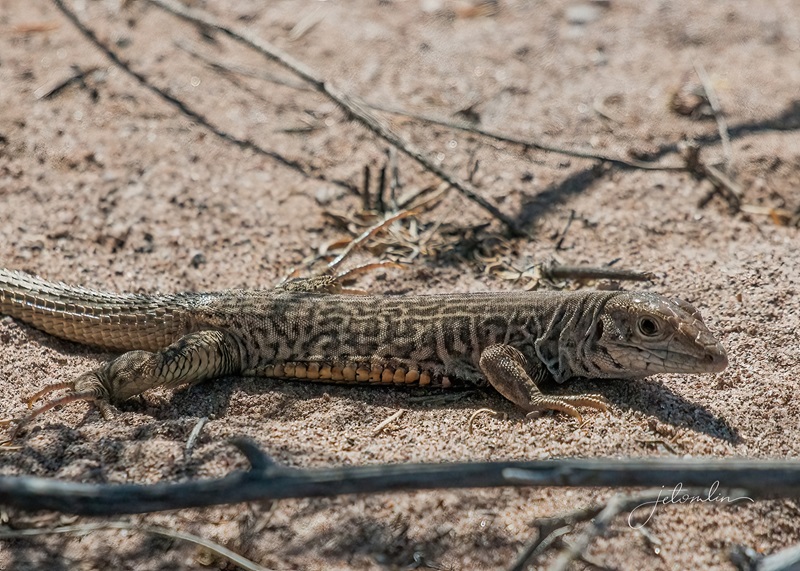
I had no doubt I would see birds and lizards
western whiptail lizard
But with snakes proving challenging to find, I started my hike with zero expectations. Little did I know I was in for an astonishing surprise.
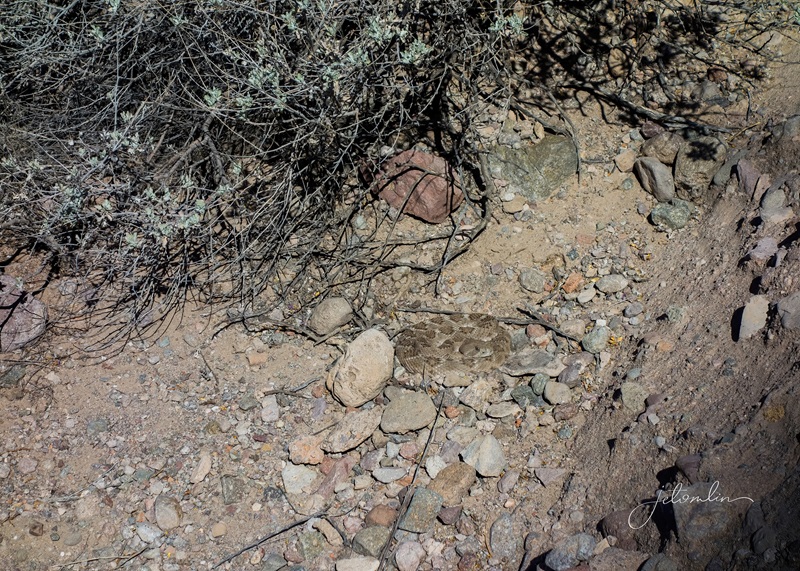
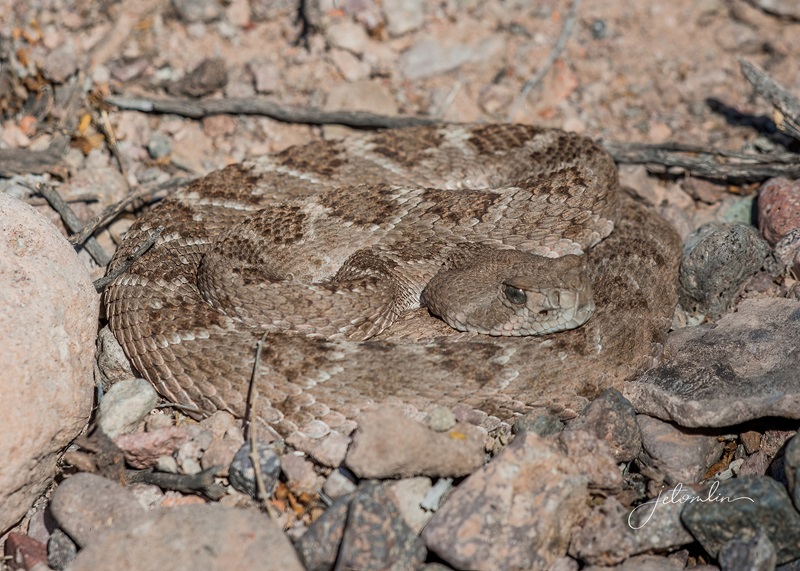
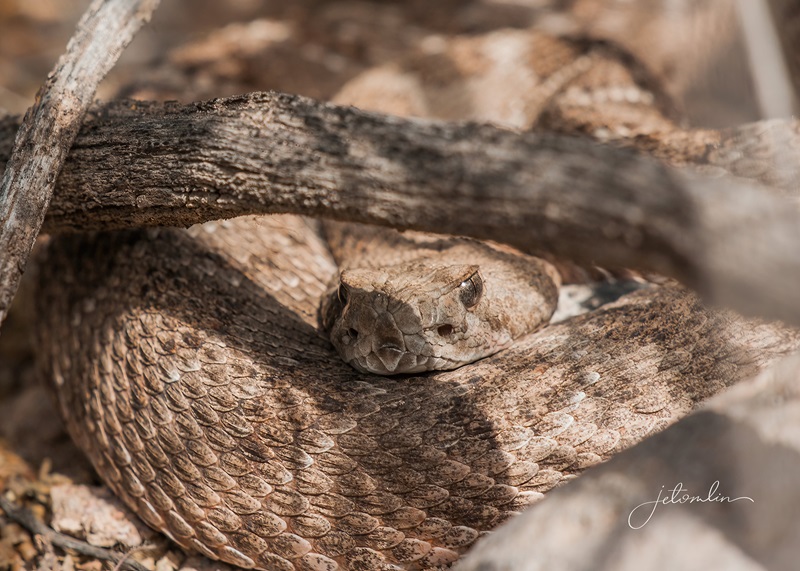
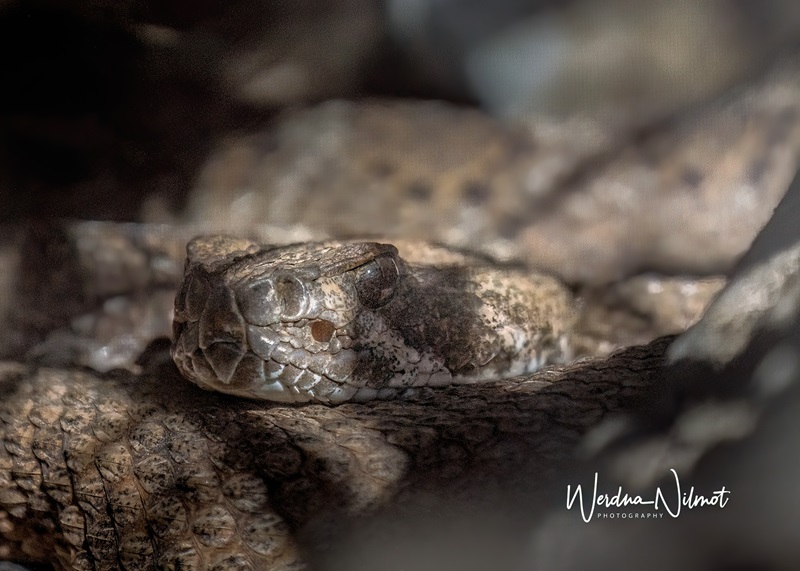
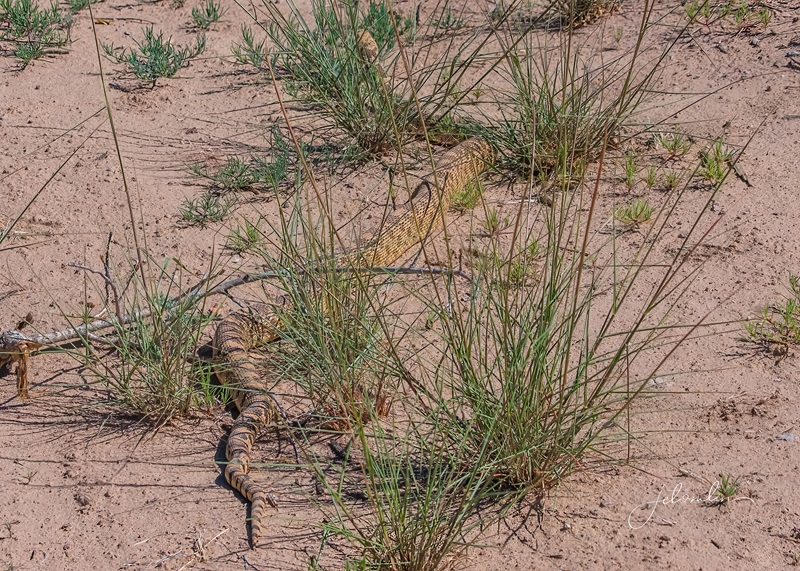
As I stepped off the trail for a closer look at something, I found myself face to face with a magnificent western diamondback rattlesnake, basking in a puddle of warm sunshine! The sheer beauty of the moment left me breathless.
can you spot the snake?
After capturing countless photos, I continued my hike. When I returned to the start of the loop, I retraced my steps, hoping to catch another glimpse of my resting beauty. However, she had gracefully moved on. I whispered a silent ‘Thank You‘ to the wilderness and made my way back to the car.
western diamondback rattlesnake, 5-14-24
What an exciting start to my solo week!
The following day, I returned to the Canyon Trail. To my delight, Resting Beauty was still in the same area, nestled under a bush with thick, tangled branches providing a near-perfect camouflage.
western diamondback rattlesnake, 5-15-24
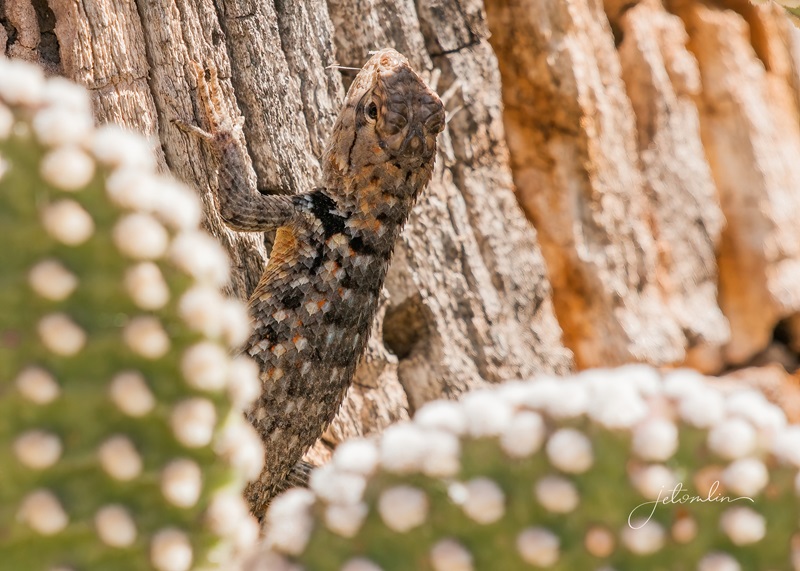
Ater taking a few shots, I moved on, leaving her undisturbed. As I continued my hike, I was thrilled to spot four more different lizards, each one new to me.
Texas spiny lizard
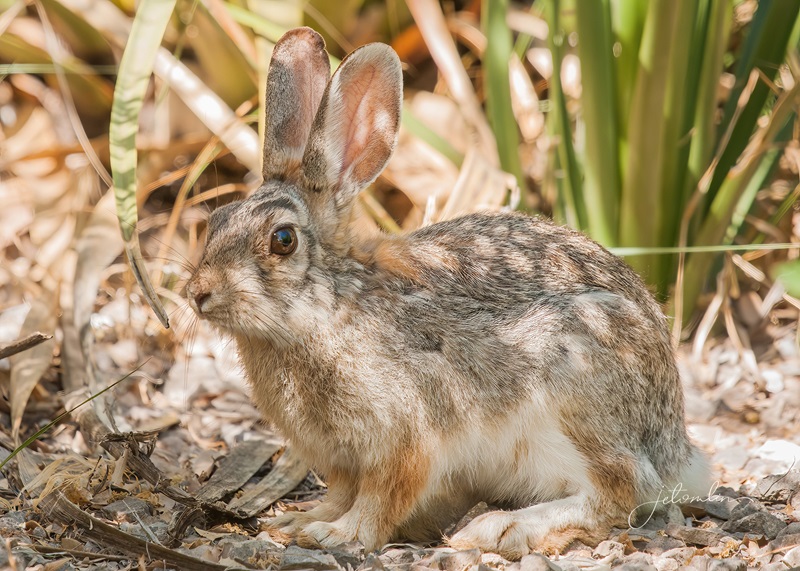
And then, as if to add a touch of whimsy, I came across an adorable desert cottontail, its soft fur blending perfectly with the sandy landscape.
desert cottontail
You can see all the photos from my Canyon Trail hikes here:
hover on photo and then arrow through the set or click to open a new tab in Flickr
On Thursday I woke to a thunderstorm, but by noon the skies had cleared, and the cheerful chirping of birds beckoned me to the nearby Socorro Nature Area, a BLM reserve just three miles from Pam’s.
brown-crested flycatcher, Socorro Nature Area
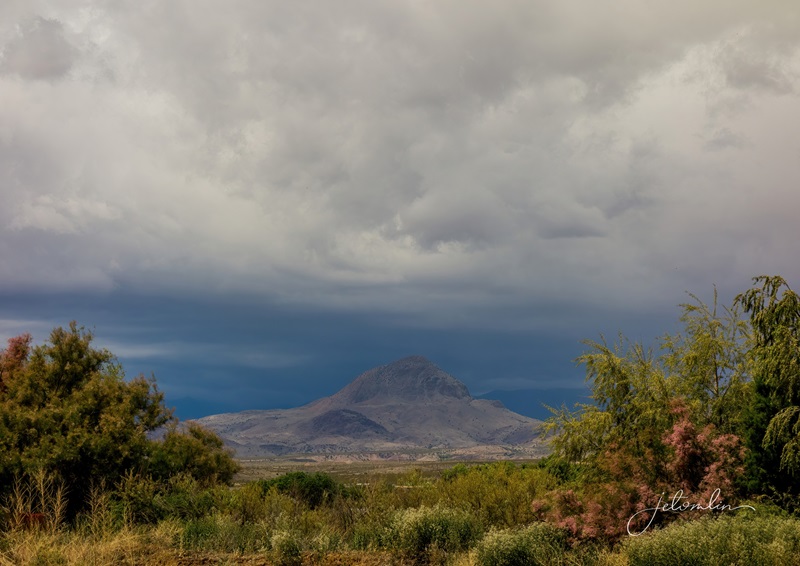
The sky over the mountains looked ominous, but there was sunshine overhead. So, I ventured out on the one-mile loop to see what I could see.
the mountains to the west, 12:00pm
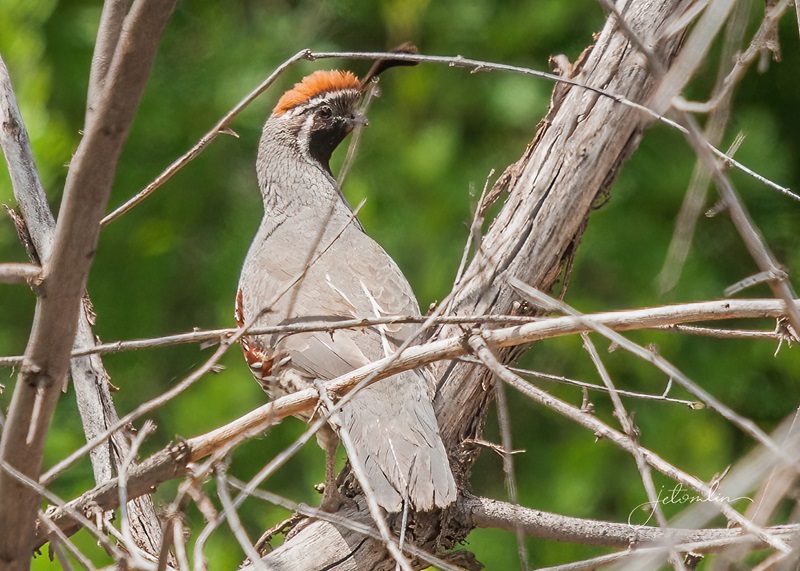
As I walked along, the air was filled with the calls of many different birds, including a pair of Gambel’s quail. These birds, with their distinctive topknot of black feathers, captivated me on our first visit to New Mexico in 2021. Their call resembles a meowing cat; when alarmed, they gurgle like they’re underwater. On that first visit, I thought they were rare and intriguing. I still find them charming, but they are so common that these days I’m much more selective about when I snap a photo.
Gambel’s quail (male), Socorro Nature Area
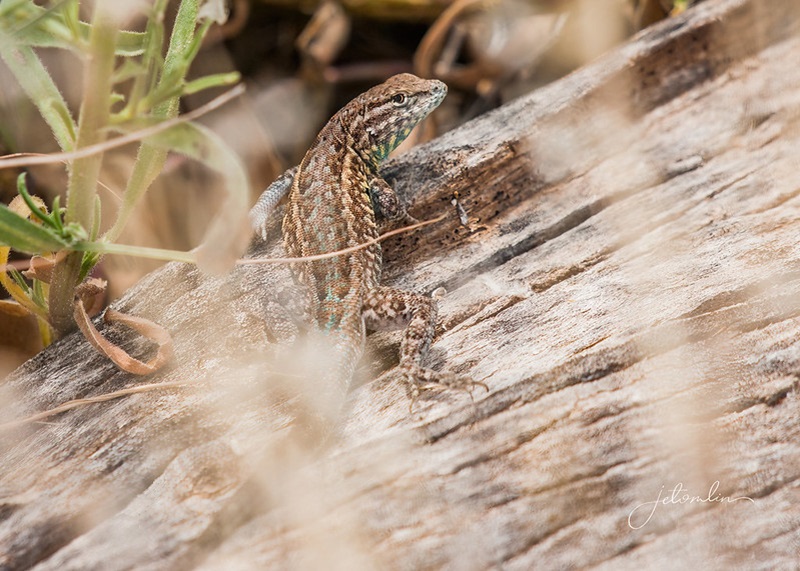
I checked the dead logs and scrub for signs of life and was thrilled to spot several lizards. I’ve learned the ID’s of so many lizards on this trip: “A common side-blotched,” I whispered to myself, and later “a checkered whiptail!”
common side-blotched lizard, Socorro Nature Area
You can see all the photos from my Socorro Nature Area hikes here:
hover on photo and then arrow through the set or click to open a new tab in Flickr
That night, TG called while awaiting his flight from Vancouver. He was excited about everything he had seen in Prince Rupert and couldn’t wait to share his experiences with me. And I was just as excited to share my three days with him. Our solo adventure week had been a win-win!
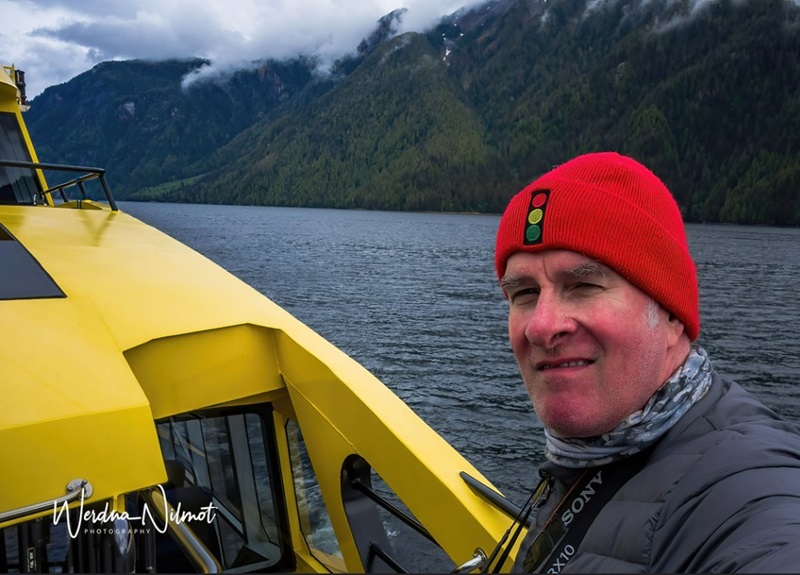
TG on the Prince Rupert Adventure Tours “Inside Passage”
You can read TG’s Prince Rupert blog here (right click on title to open in a new tab):
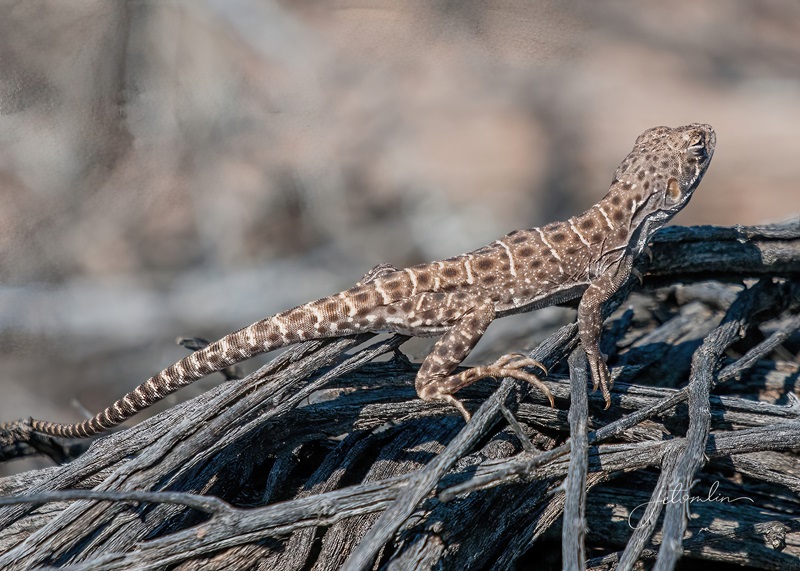
TG wanted to work on his photos, so on Saturday I returned to the Canyon Trail hoping to spot Resting Beauty – or one of her cousins. There were no snakes that morning, but I was delighted to add another new lizard to my growing list: a long-nosed leopard!
long-nosed leopard lizard
TG and I went back to the Canyon Trail three more times after that, and on two occasions we spied Resting Beauty tucked tightly beneath a thick tangle of branches. She didn’t give us *quite* the photo-op of my first sighting but it was a thrill nonetheless!
western diamondback rattlesnake 5-25-24
Pam and Steve invited us to a BBQ party one afternoon. We wanted to stick close to home, so that morning we headed to the Socorro Nature Area.
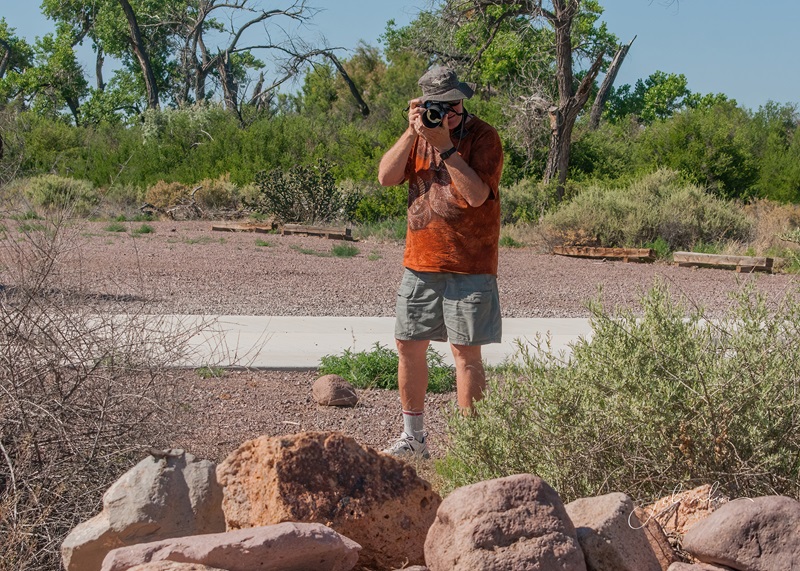
TG photographing lizards at the Socorro Nature Area
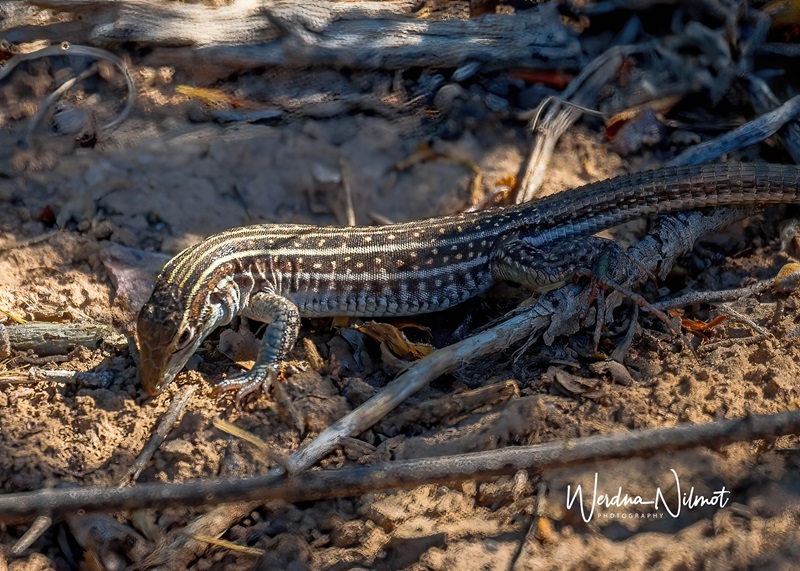
We spotted several lizards, including two new ones: a desert side-blotched lizard and a Chihuahuan spotted whiptail.
Chihuahuan spotted whiptail lizard
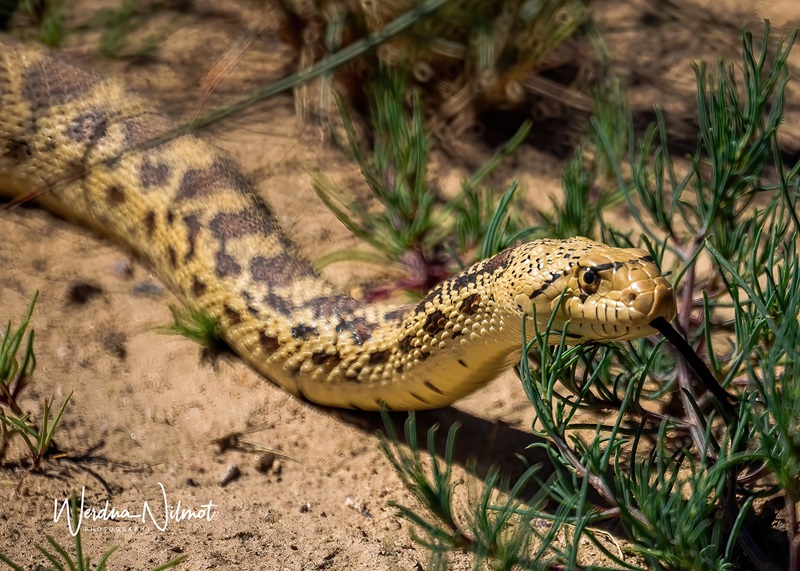
TG stepped towards a rock to photograph yet another lizard when WHOOPS! he almost stepped on a five-foot bull snake, fully stretched out and basking in the morning sun.
WHOOPS! a 5-foot bull snake fully stretched out, basking in the morning sun
I saw him jump out of the way before I saw what made him jump. What a big, beautiful girl she was! As we watched, she slithered up a pile of dirt and into her little hidey-hole.
bull snake
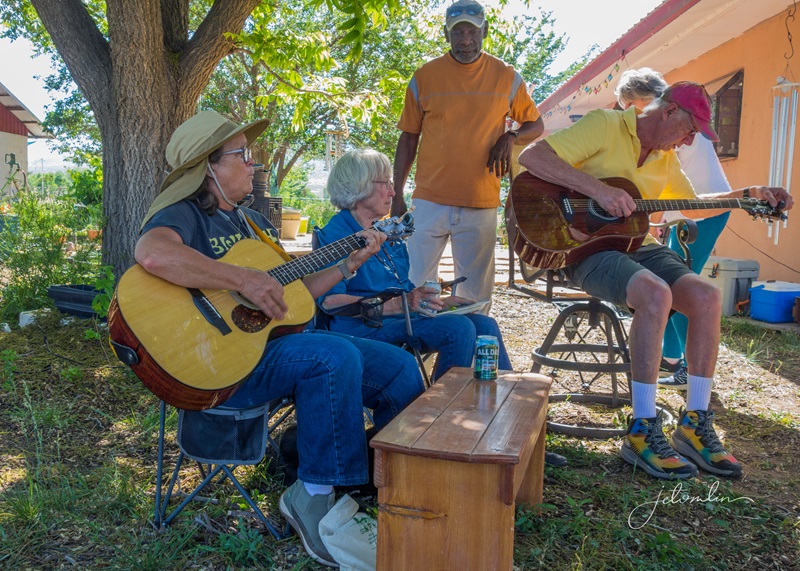
Later that day, we walked next door for the BBQ. Most of Pam and Steve’s friends are musicians, and we were treated to a delightful afternoon of good conversation and the soulful sounds of rock and roll.
Grateful Dead, Tom Petty, John Prine, and their own original songs
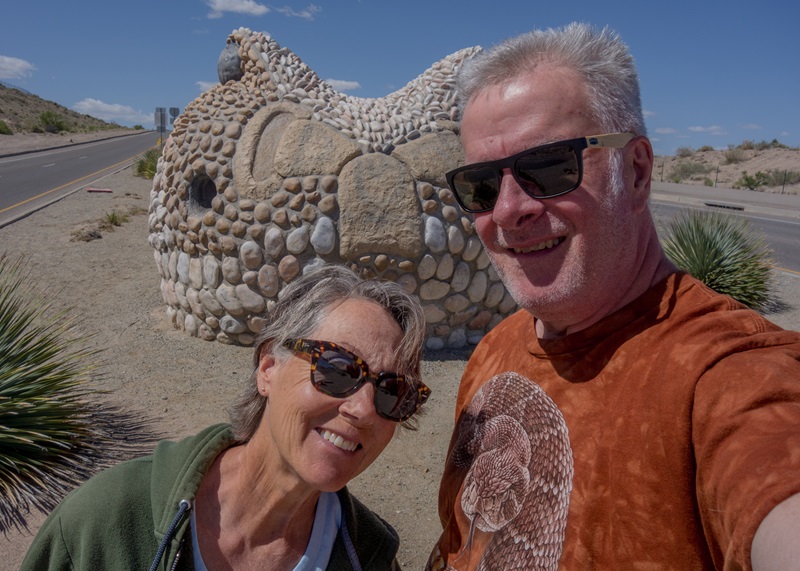
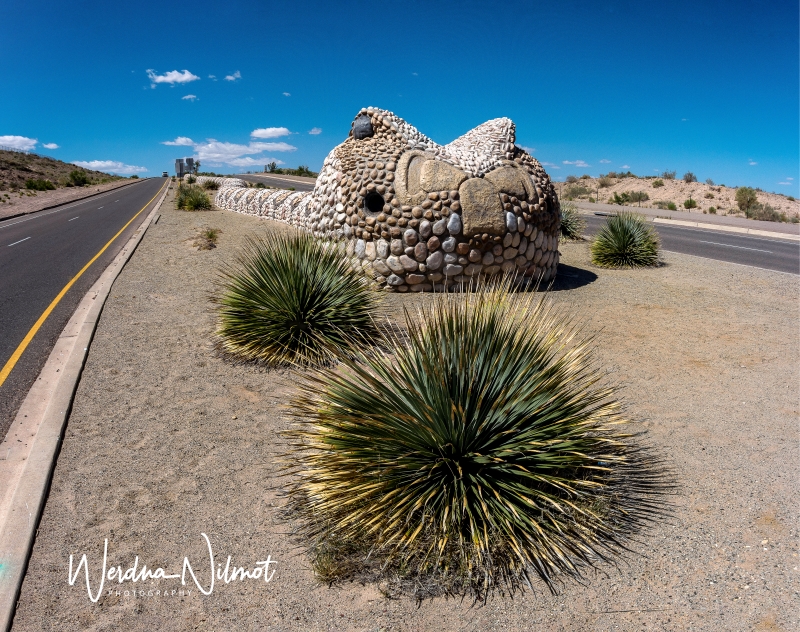
One day we couldn’t resist checking out one of the quirkiest roadside attractions you will spy driving around Albuquerque: a giant rattlesnake gliding down the median on a long hill near the airport.
giant rattlesnake selfie!
The snake has spawned many urban legends, but the real story is simple. When the city hired Sites Southwest to landscape the median, they were faced with a challenge. Plants were not an option, as there was no water source. So, they decided upon a sculpture that spoke to the region, and what better way to represent New Mexico than a giant rattlesnake made of rocks?!?
Albuquerque’s giant rattlesnake sculpture
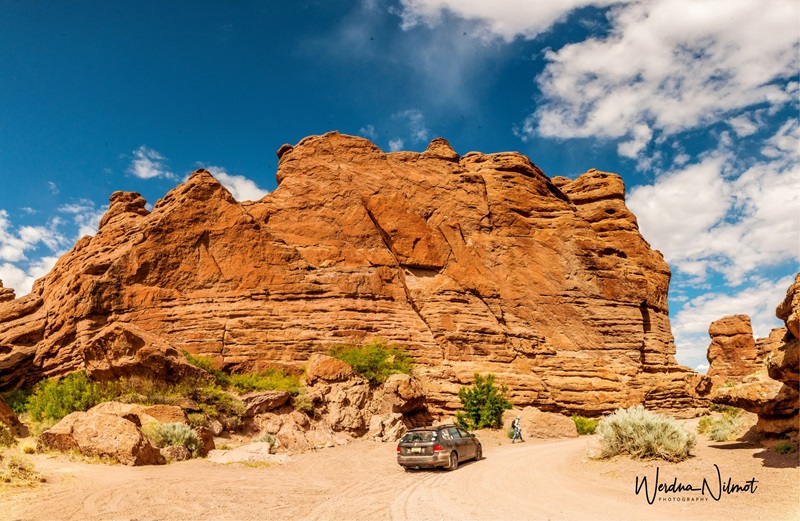
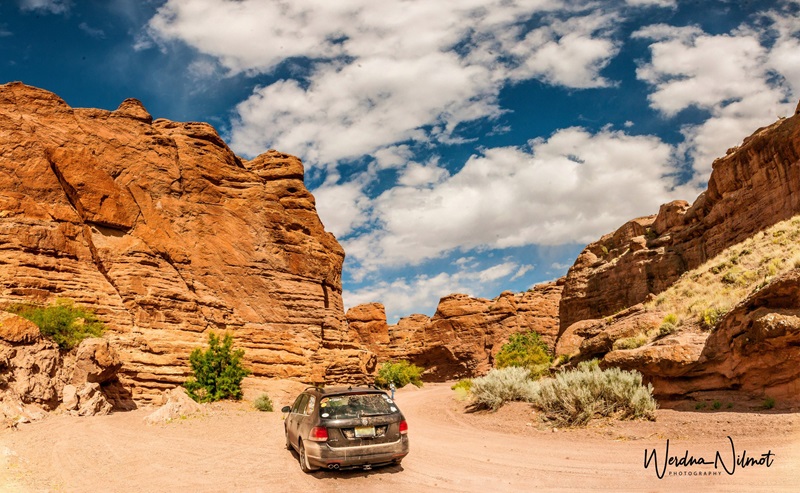
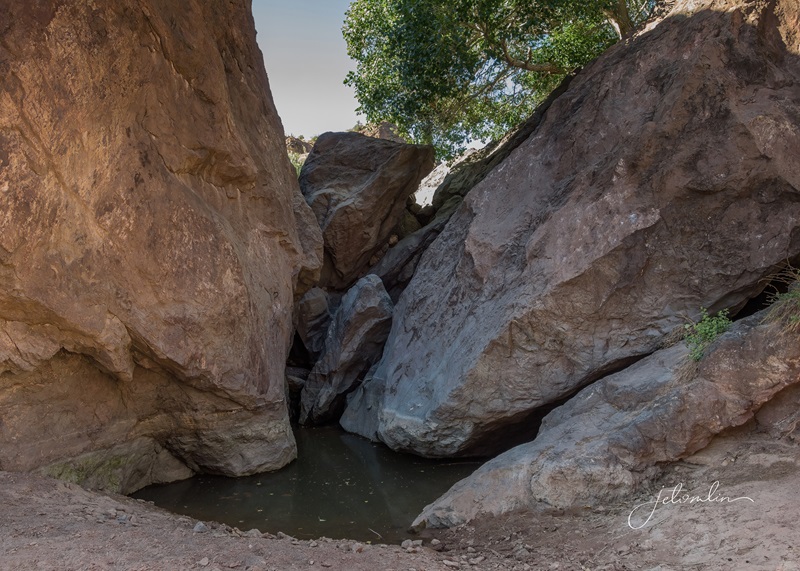
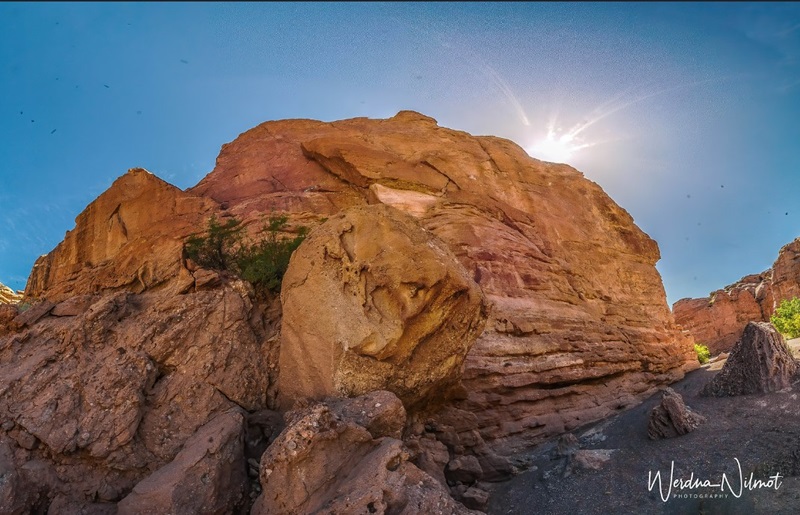
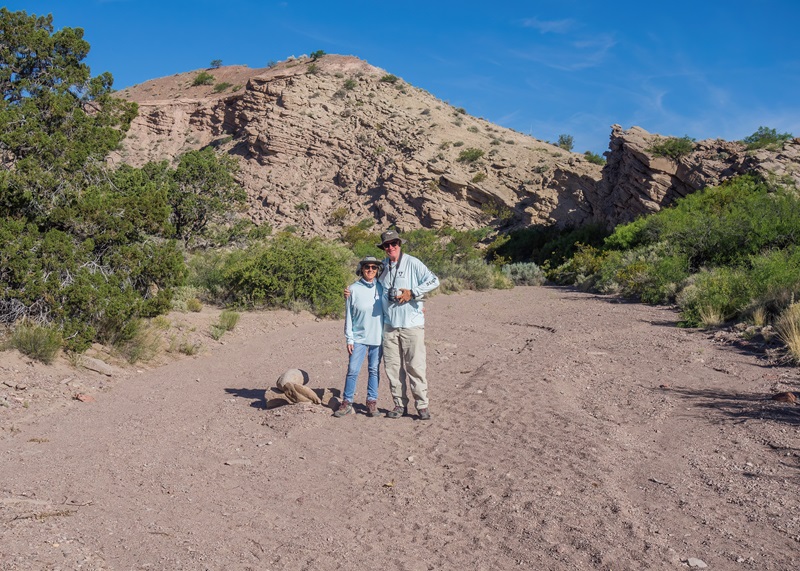
With incredible geological formations, New Mexico’s many wilderness areas allow you to immerse yourself in the tranquility and beauty of nature. San Lorenzo Canyon, a mere six miles from Pam’s, is one of these unique gems.
San Lorenzo Canyon
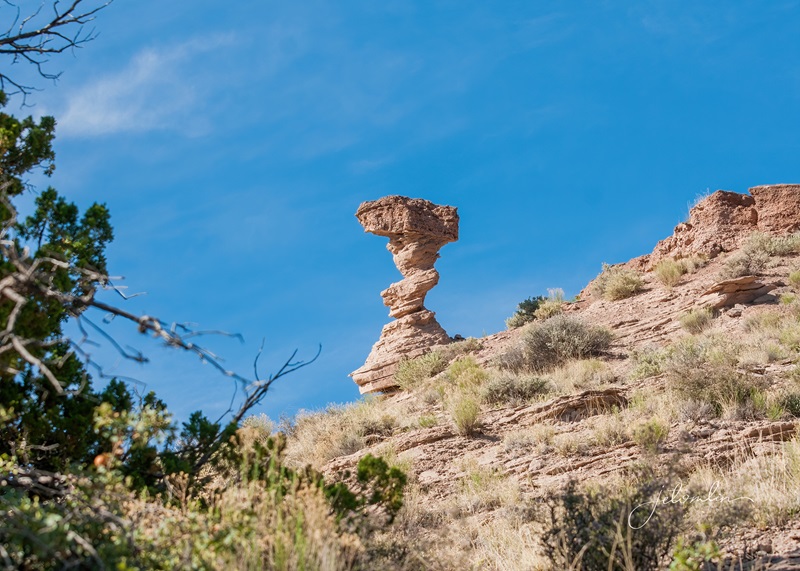
This natural wonderland contains picturesque sandstone cliffs, mesas, arches, and hoodoos.
hoodoo in San Lorenzo Canyon
It reflects millions of years of Earth’s history – a landscape shaped by the movement of tectonic plates and erosion.
a landscape shaped by the movement of tectonic plates and erosion
The beauty of the place is truly inspiring!
Apache plumes, San Lorenzo Canyon
We dedicated two days to exploring the San Lorenzo Canyon. Our goal was to search for wildlife while capturing the breathtaking landscapes.
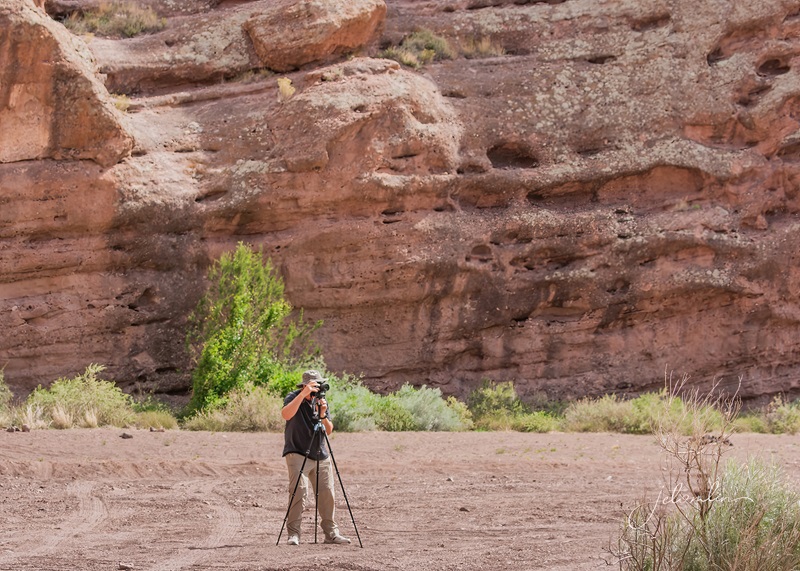
TG doing his magic
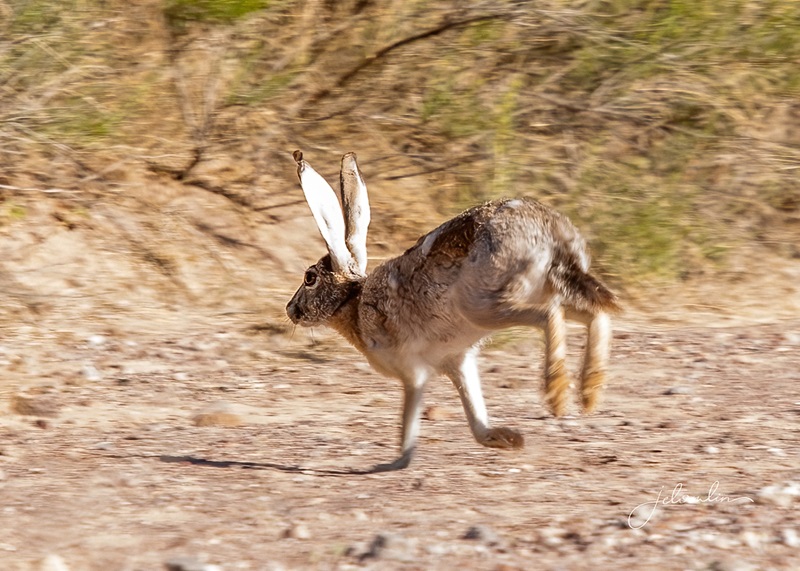
On our first morning hike, we spied several lizards, colorful desert flowers, beautiful birds, and four antelope jackrabbits that scattered as soon as they caught sight of us.
the antelope jackrabbits scattered as soon as they caught sight of us
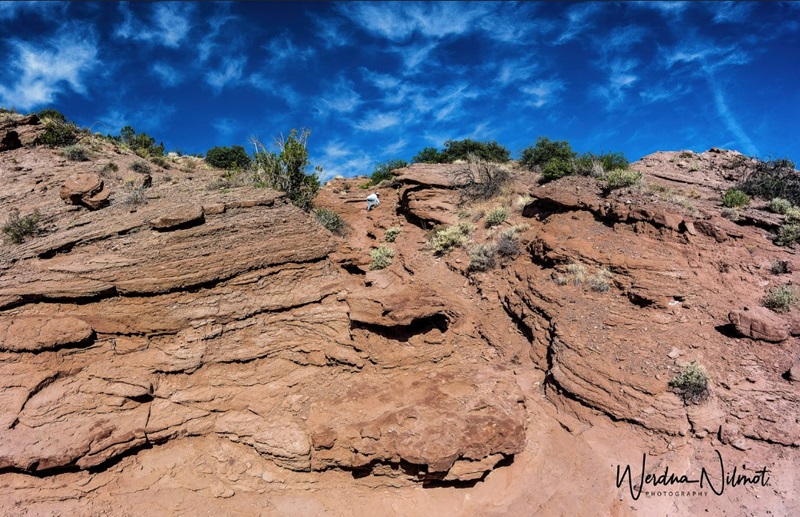
We stuck to paths we felt confident to hike. However, there was one climb that I decided to abort midway.
midway up I decided to abort my climb
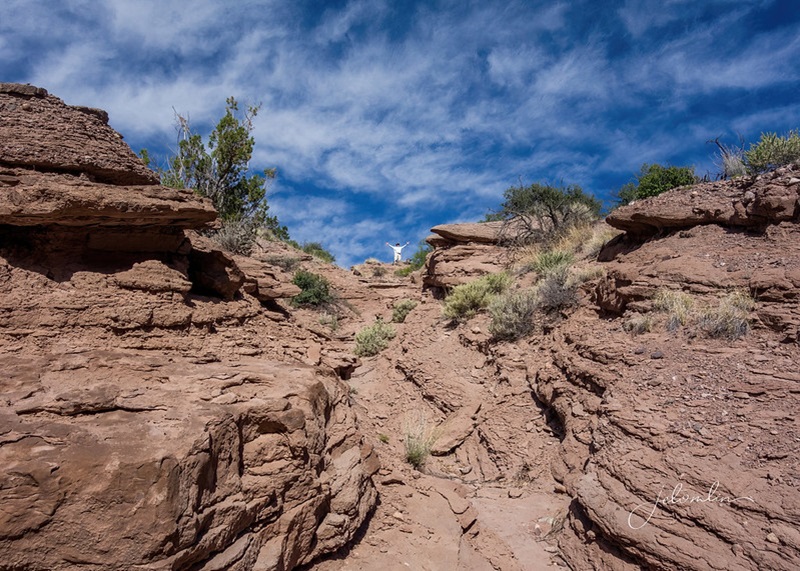
I feared that what went up might not be able to come down, so I turned around and let TG scramble to the top.
TG made it to the top!
On our second visit, we drove the 5 ½ miles to the canyon’s end. The road dead-ends at a small spring, surprisingly full of cold, somewhat muddy water.
the spring at the end of the San Lorenzo Canyon Road
We hiked around on the rocks, looking for lizards and other wildlife while also shooting the stunning rock formations.
cliff chipmunk
San Lorenzo Canyon
Not intending to rockhound, I found two lovely pieces of sparkling pinky-white quartz!
We got up early one morning to explore the Petroglyph National Monument, just outside of Albuquerque. This national park is home to one of the largest petroglyph sites in North America.
Petroglyph National Monument
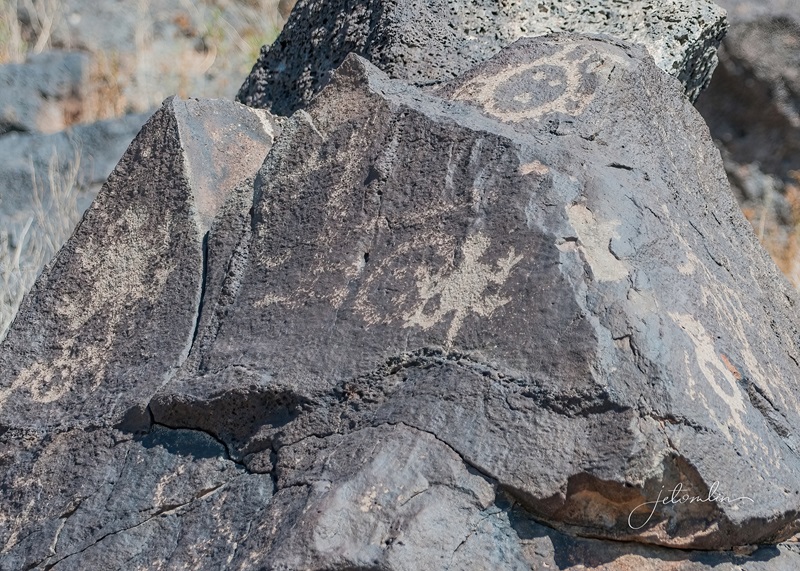
There are multiple trails at the park, each of varying length. We chose to hike the Piedras Marcadas Canyon, a 1.8-mile loop. Although the Piedras (rocks) Marcadas (marked) were named by the Spanish settlers who came to this area during the mid-1600s, most of the petroglyphs were made by ancient Pueblo people 400-700 years ago, and to this day have profound cultural and spiritual significance.
ancient lizard petroglyph!
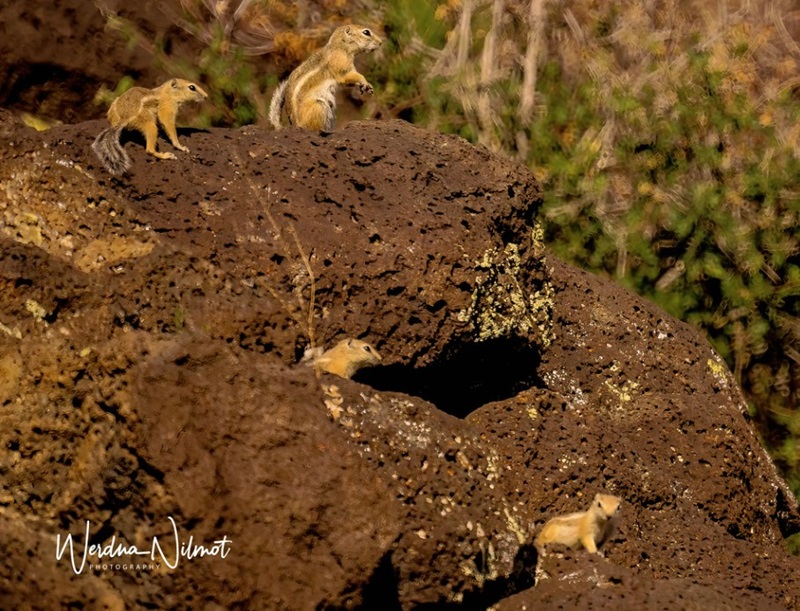
Upon starting our hike, we were delighted to spy a jackrabbit feeding in the early morning light. Later we came across a mother and four baby Harris’s antelope squirrels scampering around on the rocks.
a family of Harris’s antelope squirrels (Ammospermophilus harrisii)
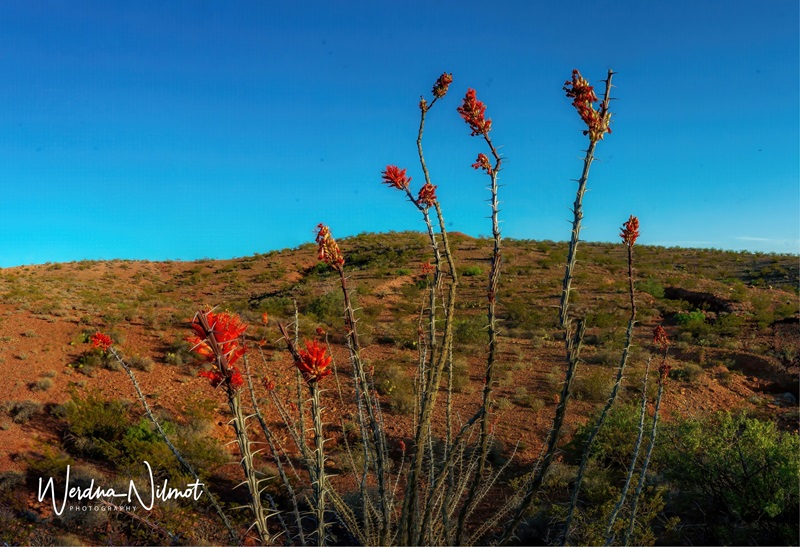
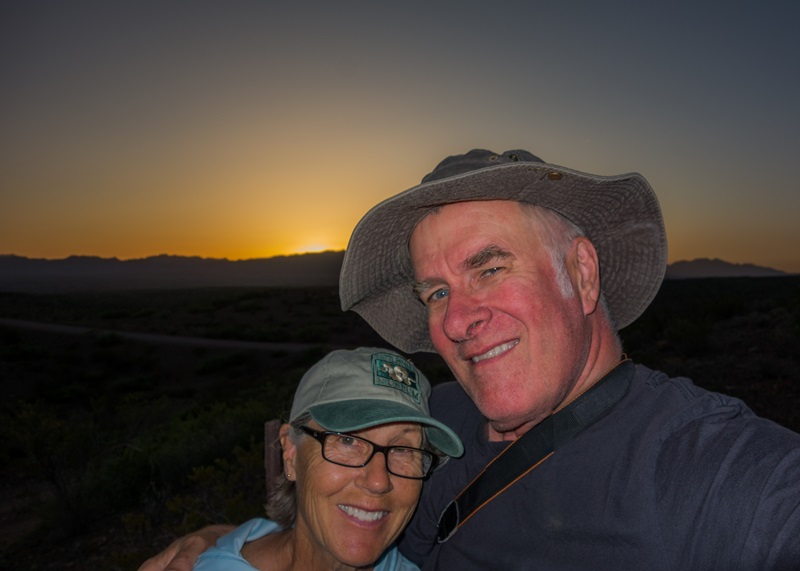
That evening, Pam and Steve invited us to a “Sundowner.” We drove to a remote area to view the ocotillo cacti blooming on the hillsides and enjoyed cheese & crackers while watching the sunset. As the skies grew dark, nighthawks and bats swooped in the air above us.
ocotillo cacti blooming at sunset
It was a wonderful end to our fourth week in New Mexico!
New Mexico sunset selfie
We were under no pressure during our final week. Our count was now up to 14 lizard, one toad, and two snake species—including four sightings of the western diamondback. We revisited many of the trails we had hiked before and began preparing for the next stop on our road trip.
San Lorenzo Canyon
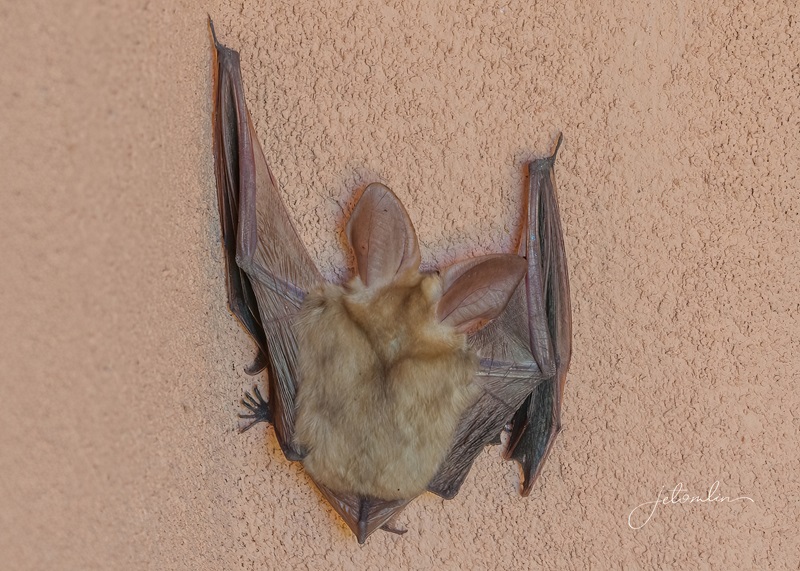
However, New Mexico had one more surprise in store for us. Pam’s sister lives in Polvadera, just a ten-minute drive away. A pallid bat, Antrozous pallidus, had decided to take a nap on the side of her house! Pam drove me over to photograph this lovely little creature, sharing in the excitement of the moment.
pallid bat, Antrozous pallidus
Some might call us crazy for dedicating more than a month to the pursuit of snakes, lizards, and toads. And rest assured, we’re not planning to swap our beloved Oscar and Maddie for a pet python any time soon! But after a lifetime of capturing the wonders of our world underwater and the dozens of birds and mammals we’ve encountered on land, we felt it was time to turn our lenses towards the often-overlooked cold-blooded creatures.
TG capturing “Resty Beauty”
The animals in New Mexico’s desert are uniquely beautiful, and our journey of photographing them has opened our eyes to a whole new world. We hope this blog has sparked a sense of wonder in you, inspiring you to seek out and appreciate the beauty surrounding you, no matter where your journey takes you.
desert spider beetle
To view all of our photos from New Mexico visit our Flickr albums below.
TG:
hover on photo to arrow through the set or click to open a new tab in Flickr
JET:
hover on photo to arrow through the set or click to open a new tab in Flickr
Coming next … “You can observe a lot just by watching.” – Yogi Berra