
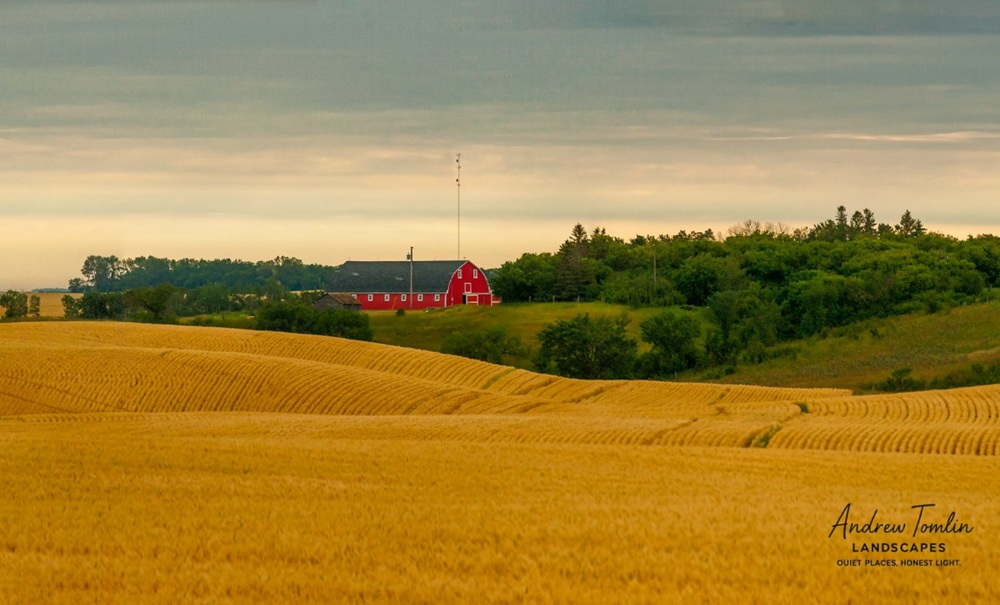
In February 2026, we spent a month in the small town of Ninga, Manitoba. Our goal was to photograph snowy owls, and over the four weeks, we spotted 28. We had such an extraordinary time – and the Airbnb that TG found was so perfect for us – that we decided to go back in late summer for six more weeks.
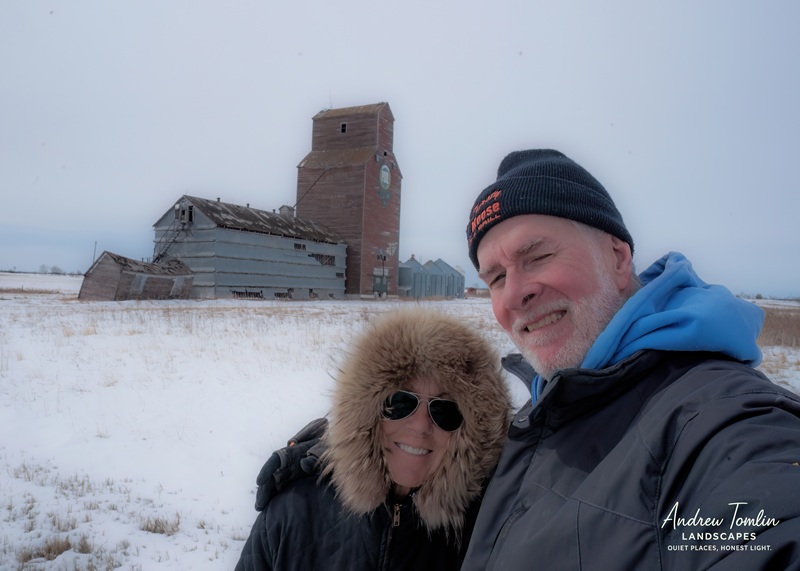
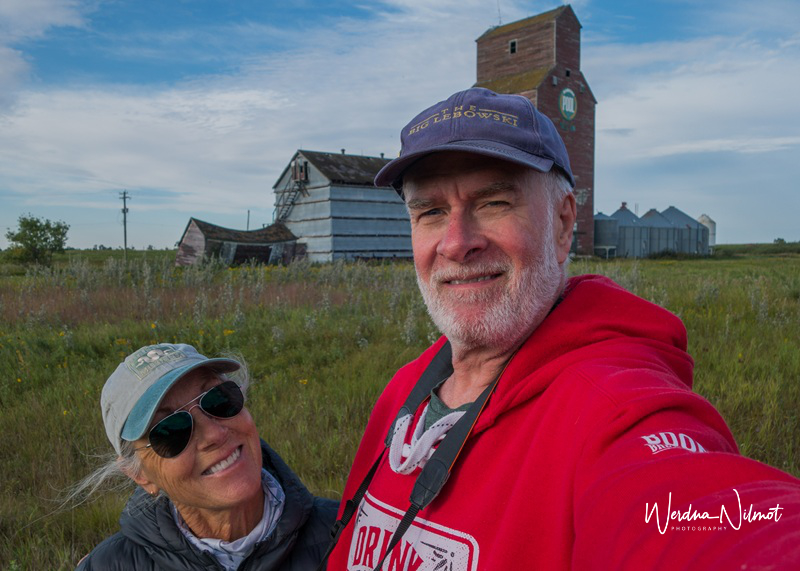
You can find the Country Corner Stay Airbnb listing here:
https://www.airbnb.ca/rooms/42815570?
We chose August through mid-September to return as I had already booked a trip with a friend: five days in Churchill to see and photograph beluga whales. With the cost of airfare, it made financial sense for TG to drive us to the Via Rail station in Winnipeg while he stayed back in Ninga with Oscar and Maddie. You can read all about Deb’s and my adventure, Singing Tides Beneath the Long Light, by scrolling down to the end of this blog.
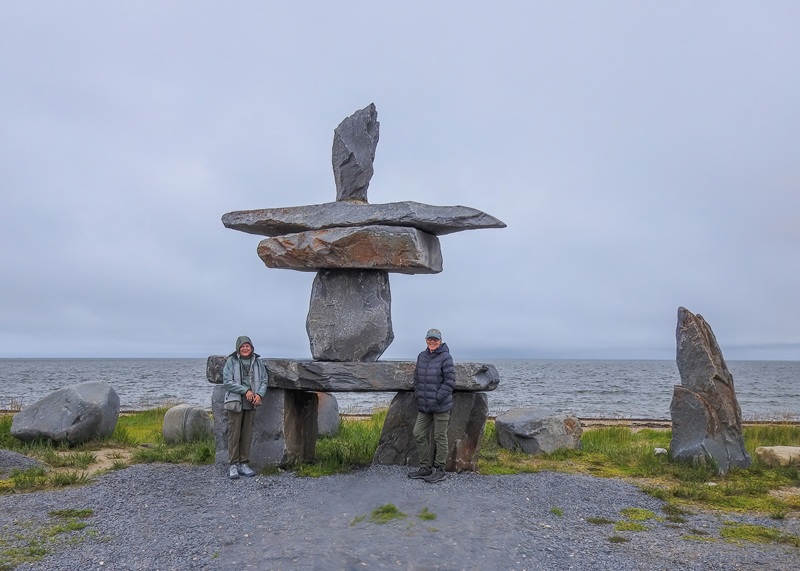
Ninga is about 1,800 miles from our home. I don’t usually share much about our travel days since we mostly stop just to stretch our legs.
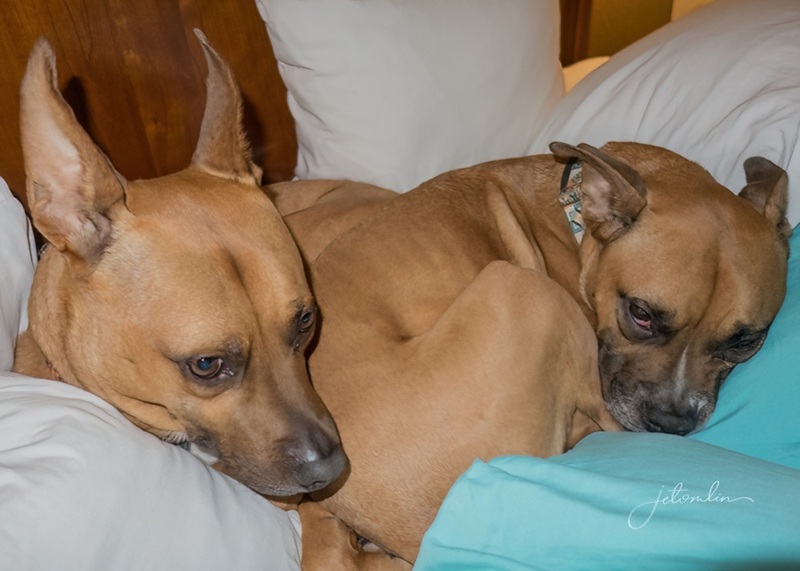
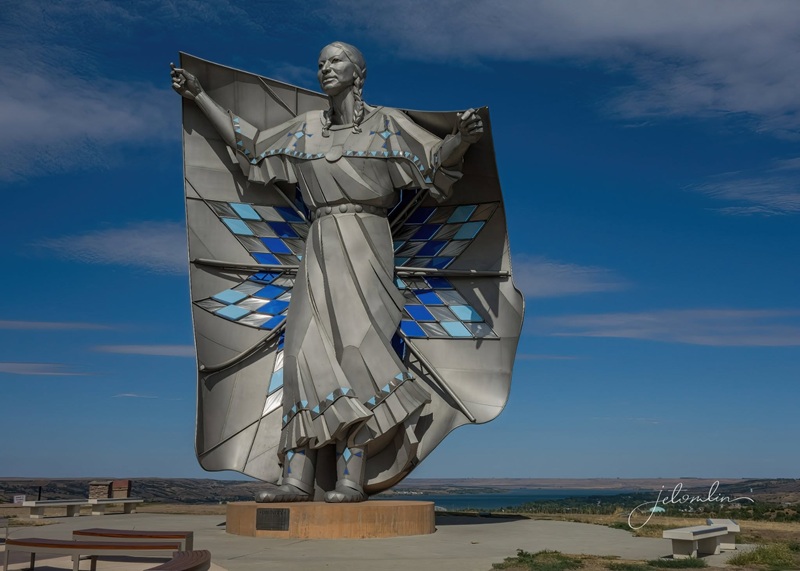
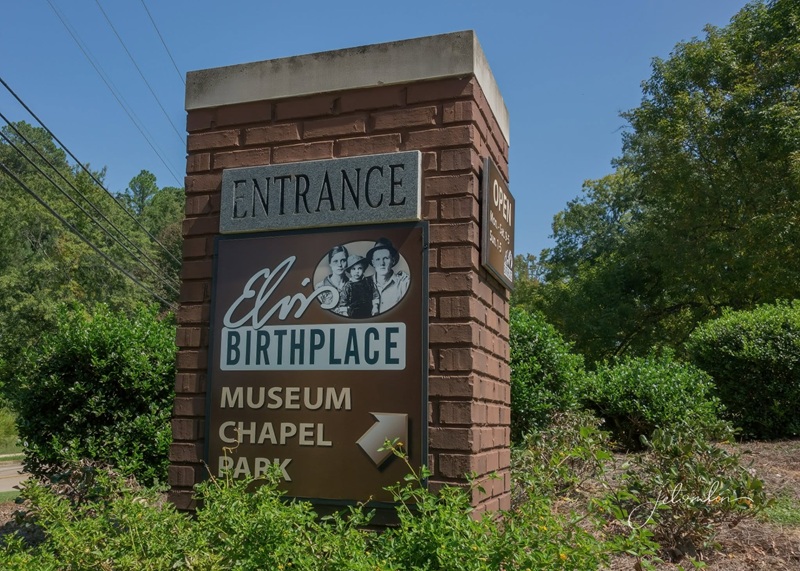
Still, we often end up finding interesting spots along the way, whether we plan it or not. On past trips, we’ve come across the Dignity statue in Chamberlain, SD and Elvis’s birthplace in Tupelo, MS—both pleasant surprises.
This trip was no different. When we realized we were just two miles from the Buddy Holly memorial, we decided to pay our respects to “the day the music died.” In February 1959, the plane carrying Buddy Holly, Richie Valens, and the Big Bopper crashed in a corn field near Clear Lake, Iowa. We left a pair of sunglasses at the giant, horn-rimmed glasses memorial and sang a bit of “American Pie” before continuing on our way.
While Deb and I were off on our beluga adventure, TG had plans of his own. He wanted to focus on his favorite subject: multi-image panoramas. Before we left home, he had already spent hours researching vintage grain elevators and the best times to photograph them. With Manitoba’s crops nearing harvest, he hoped to capture these “prairie sentinels” and other classic buildings surrounded by vibrant fields.
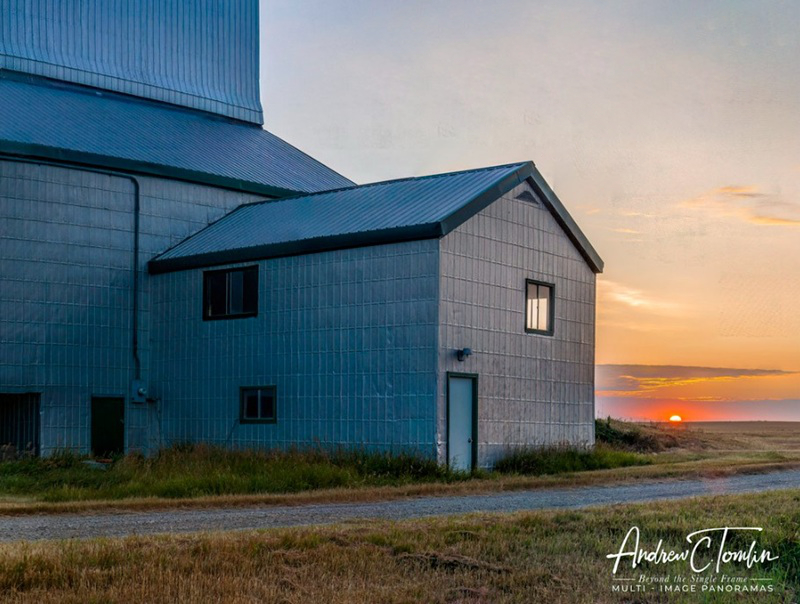
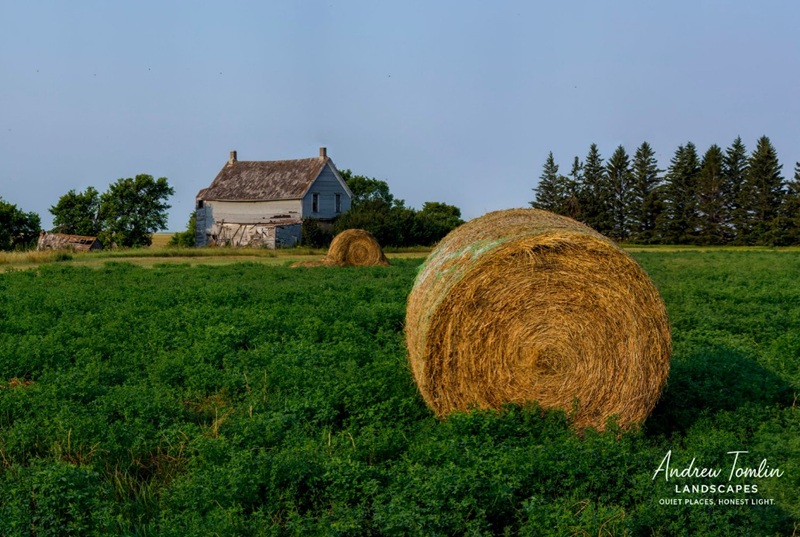
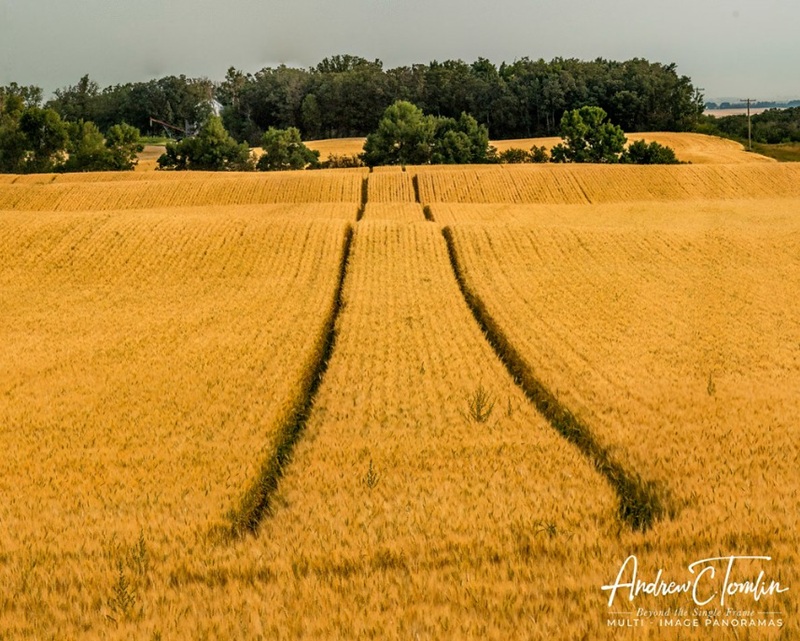
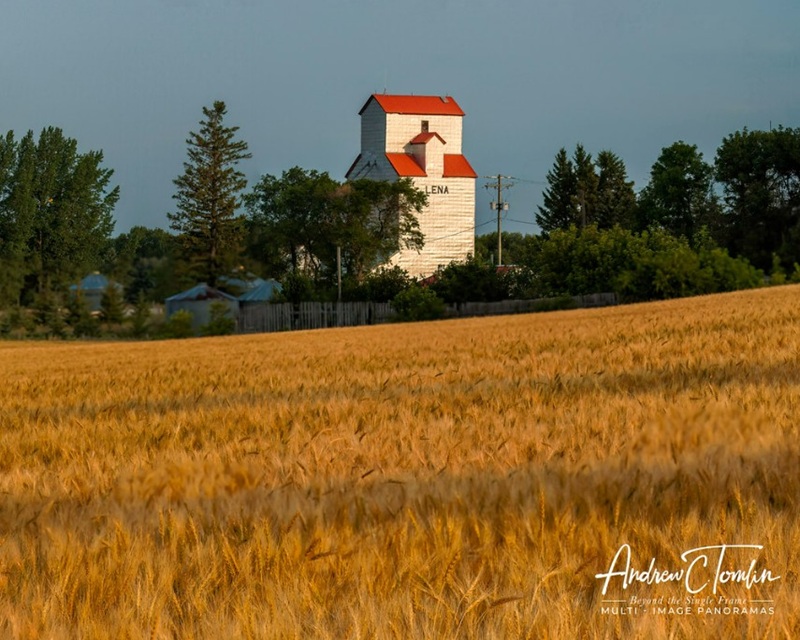
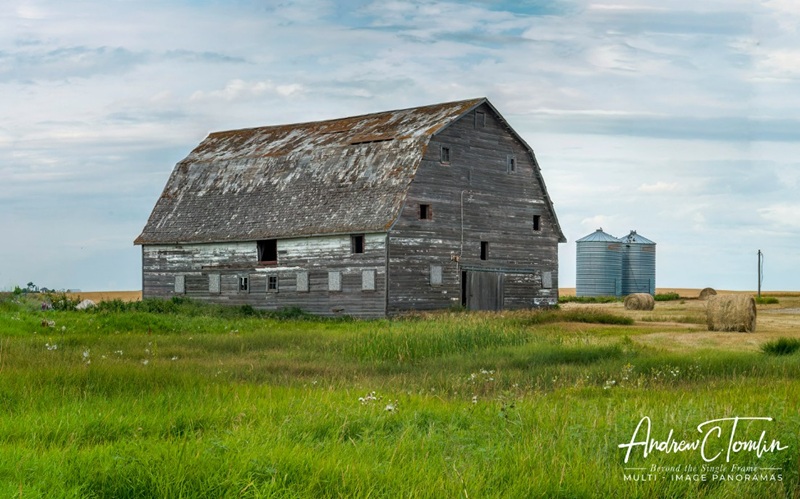
Throughout the week, he focused on quality over quantity, often spending hours at each location and photographing his subjects from different angles. This gave him plenty of time to wait for the best light and composition.
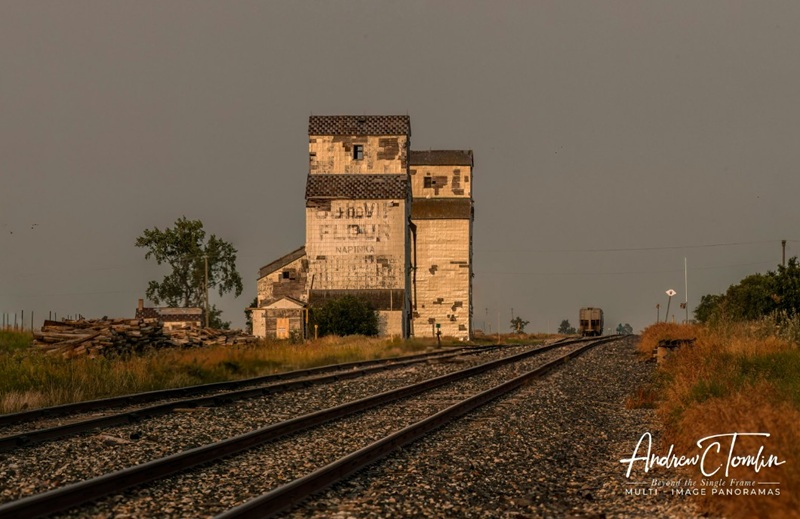
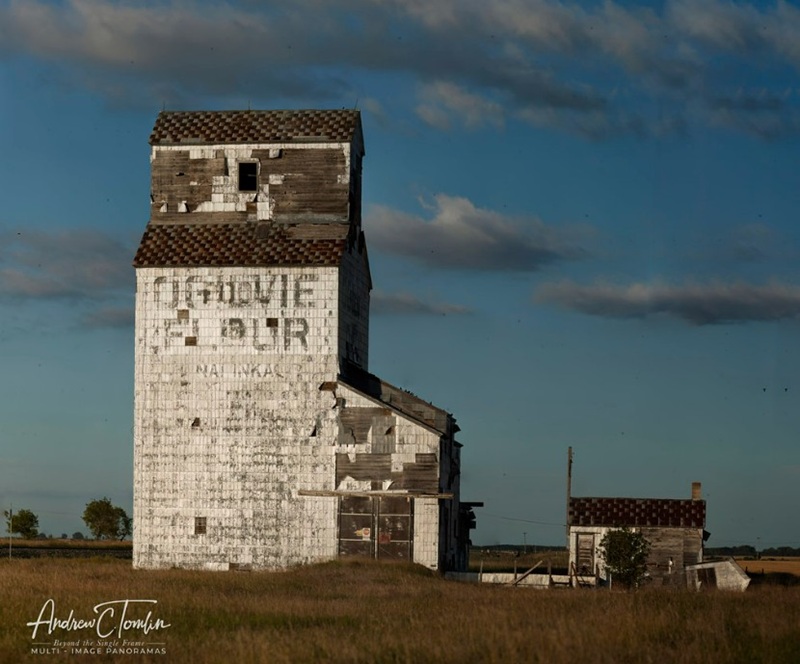
After I returned from Churchill, we quickly settled into a routine. Each morning, we woke early to catch the sunrise and enjoy the soft light of blue hour. Once the sun was up, we would head home to work on our photos.
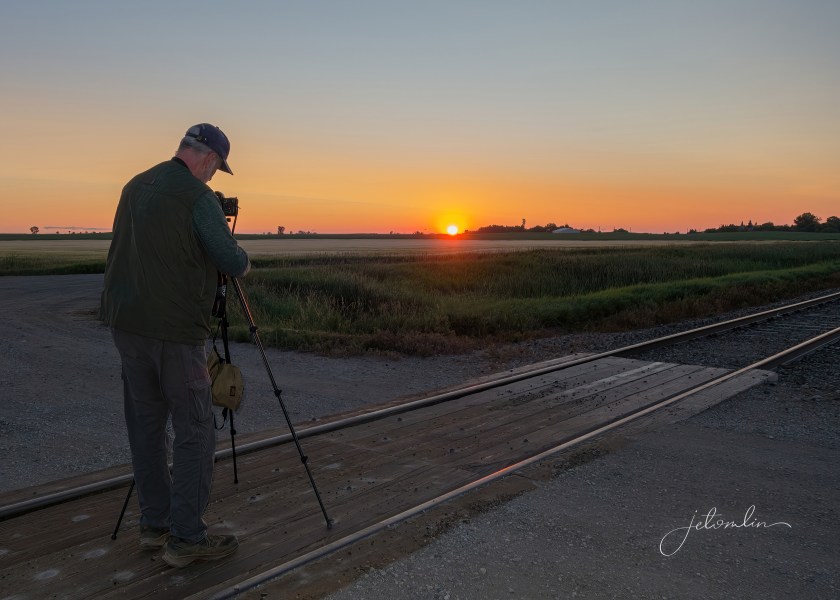
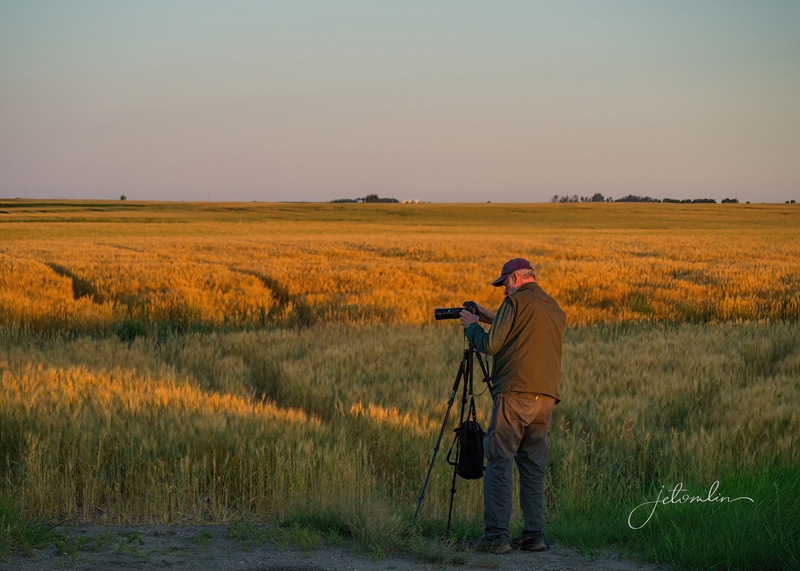
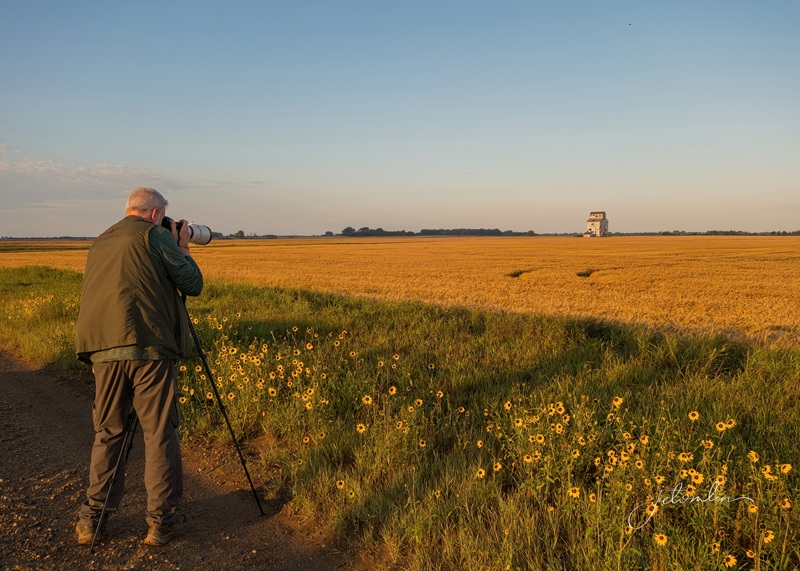
If we had enough time, we would go out again in the early evening to catch the warm light of golden hour. Depending on which direction a subject faced, either morning light from the east or evening light from the west provided the best conditions.
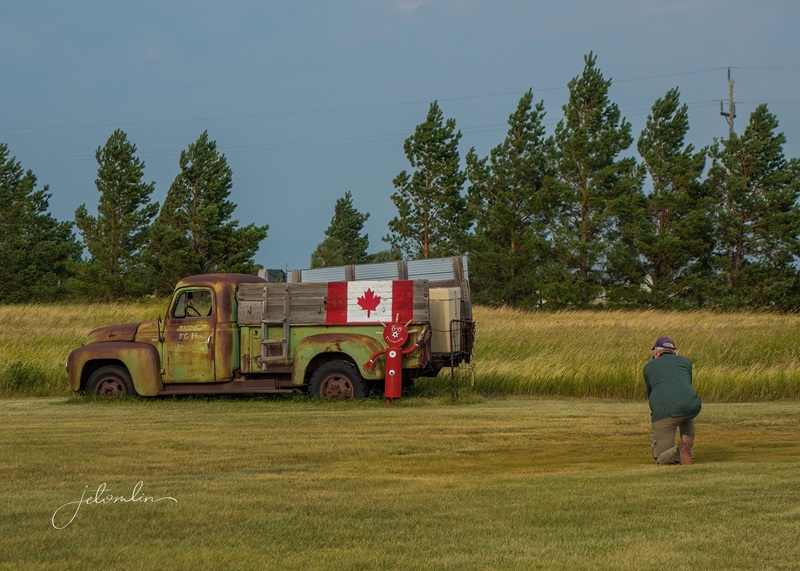
When we first arrived in early August, the canola fields were in full bloom, their bright yellow flowers stretching across the landscape.
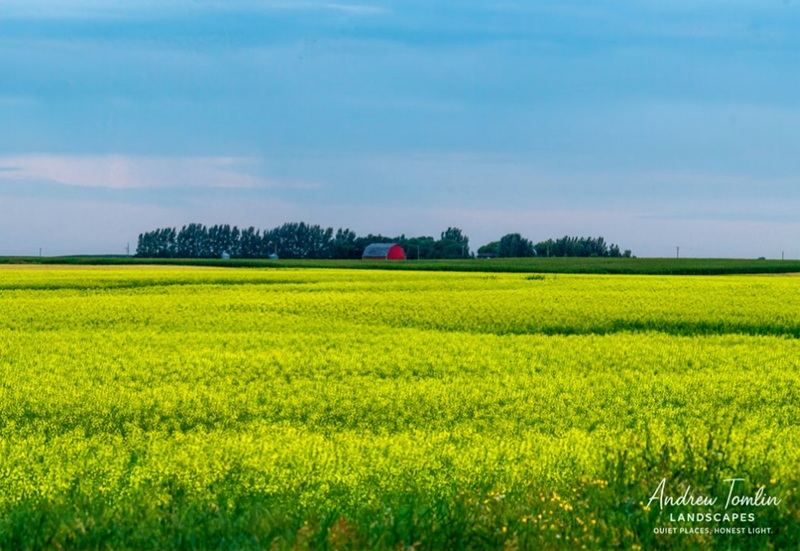
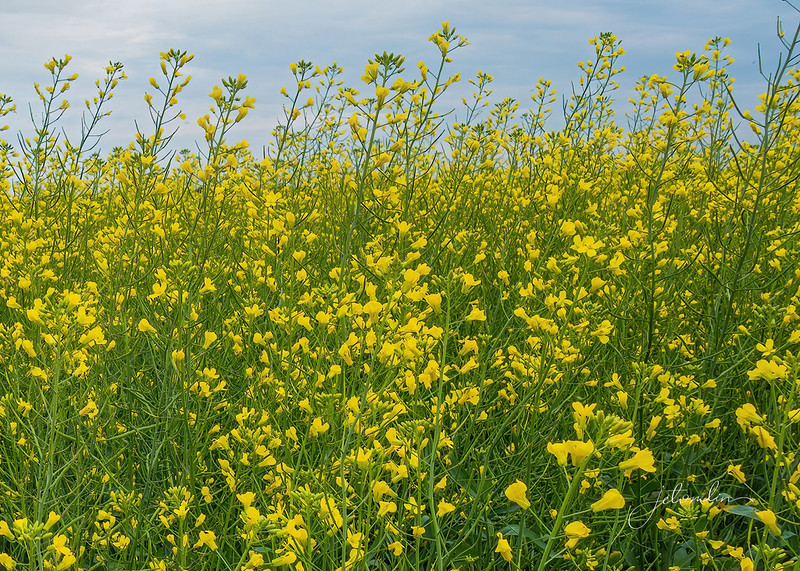
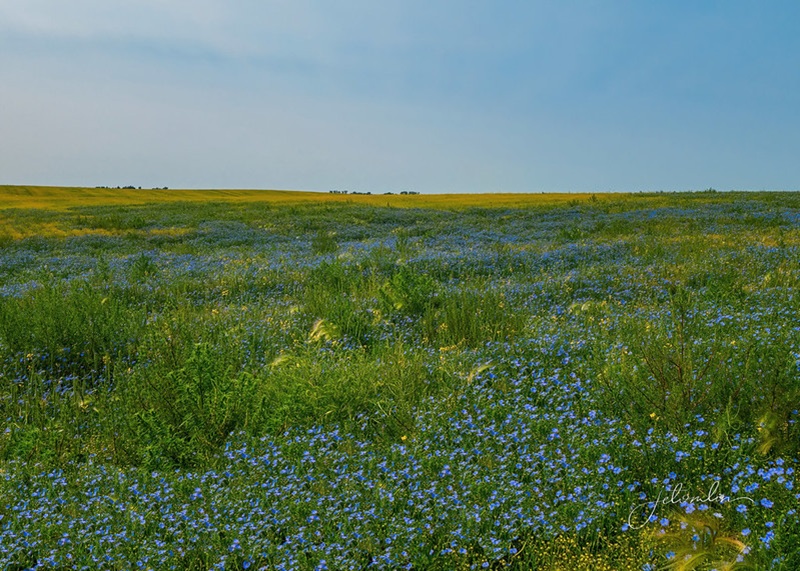
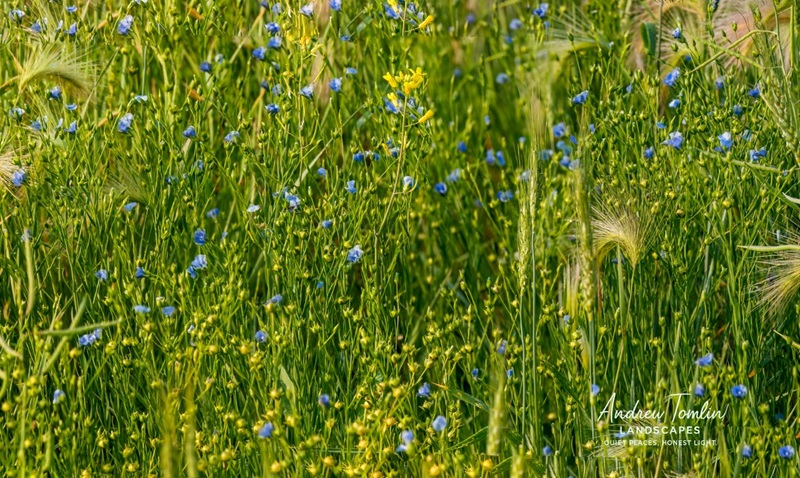
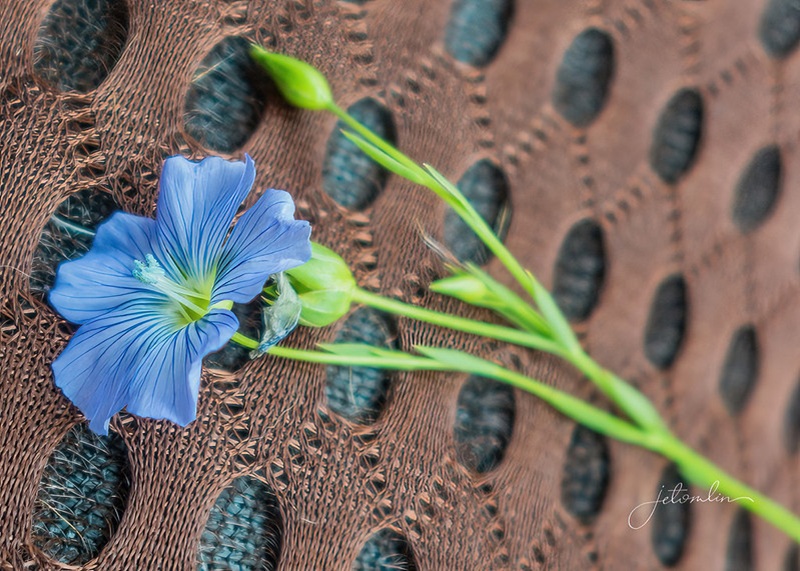
Someone asked if we had seen any flax, but when we checked, we learned that the season was almost over. Flax flowers are a beautiful periwinkle blue, so we were excited when we came across a small field that was still blooming, right next to a field of bright yellow canola. The combination of blue and yellow was spectacular.
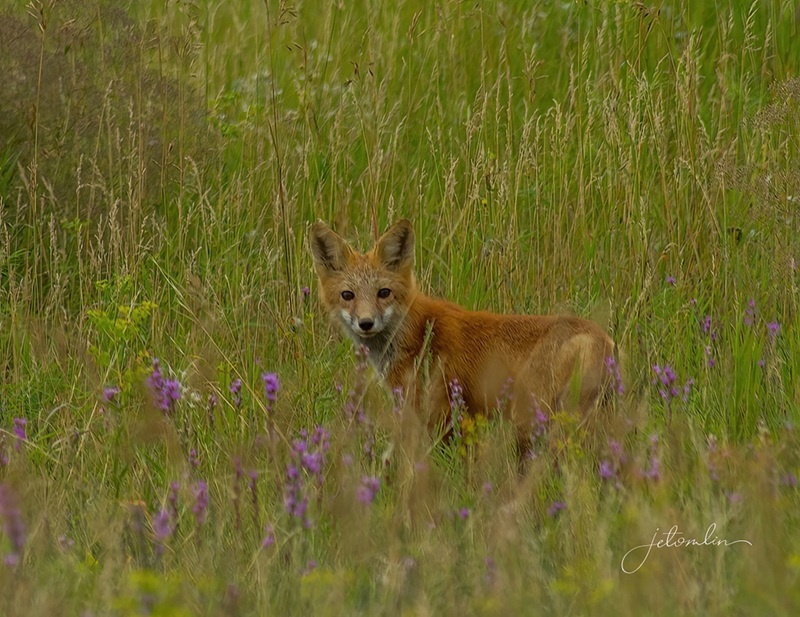
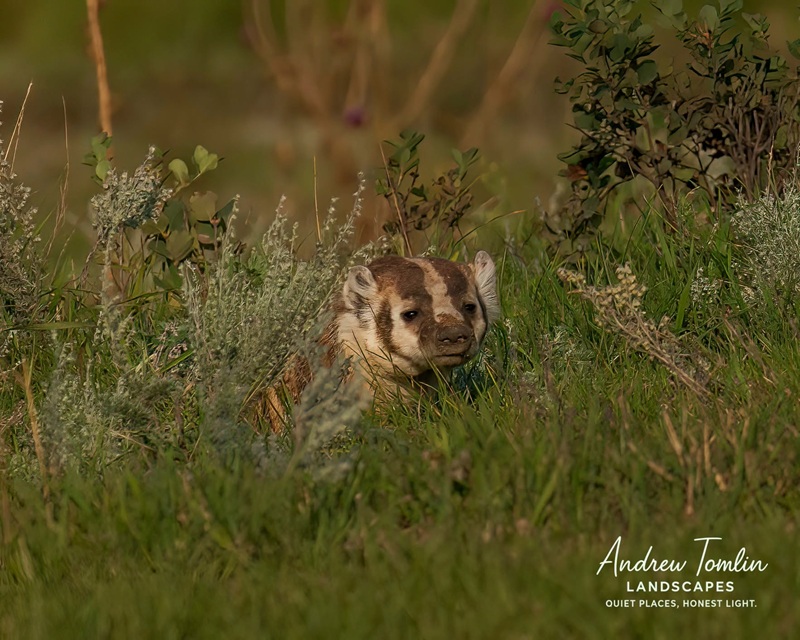
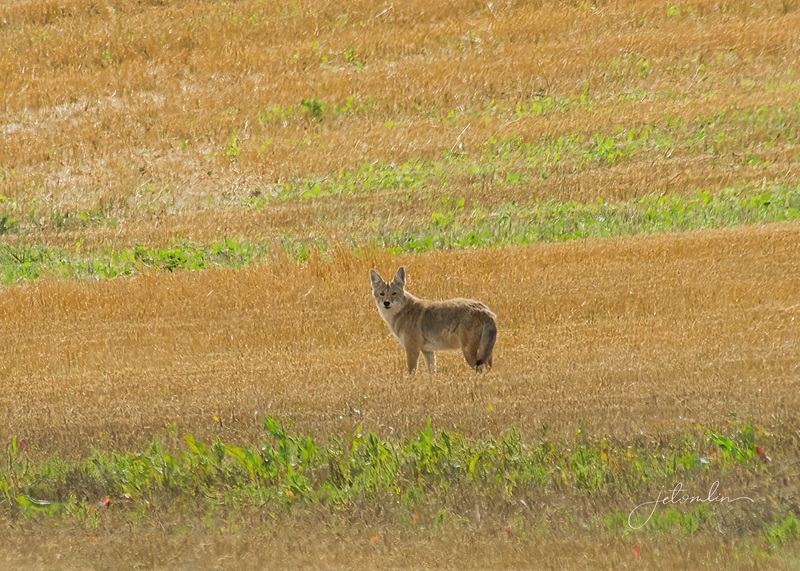
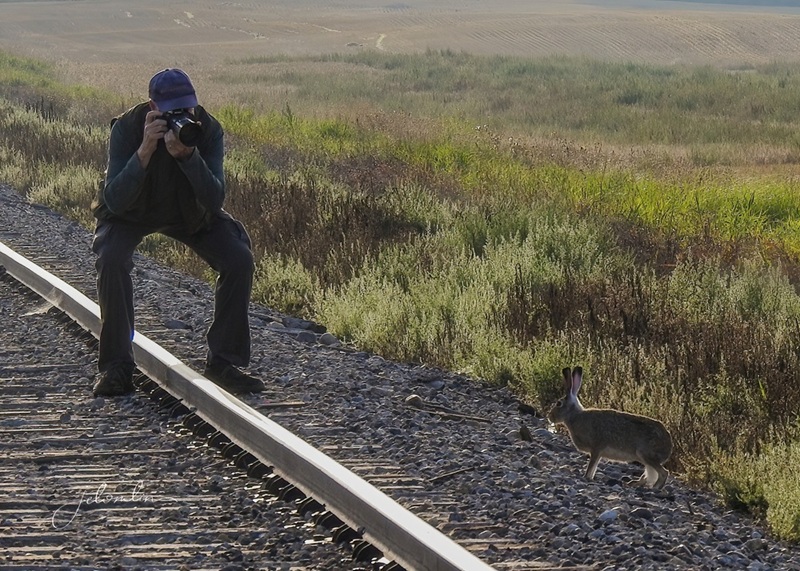
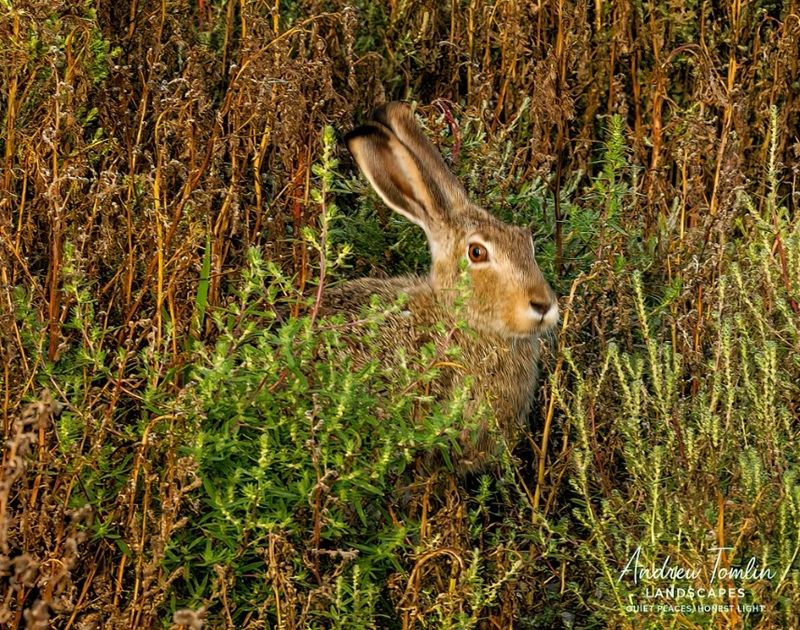
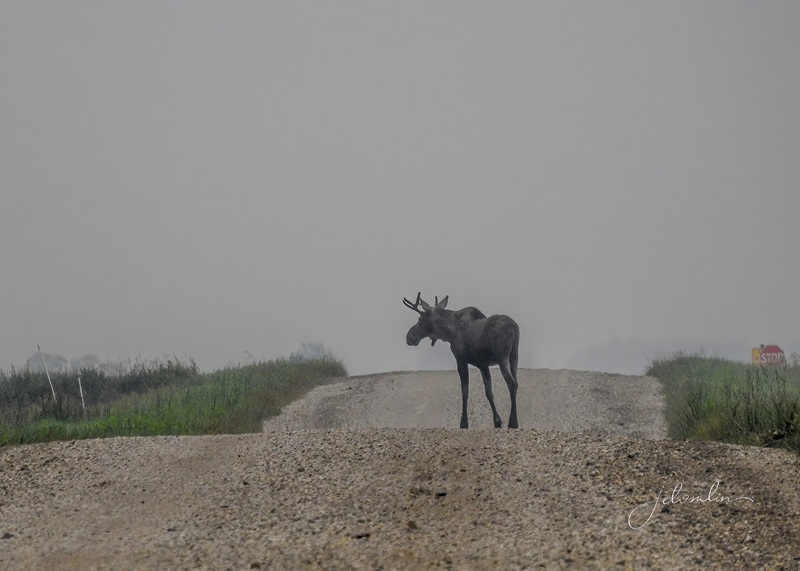
We saw plenty of wildlife while we were out exploring, but most disappeared into the fields almost as soon as we spotted them. Photographing animals was much more challenging than in winter, when there is nowhere for them to hide against the white snow.
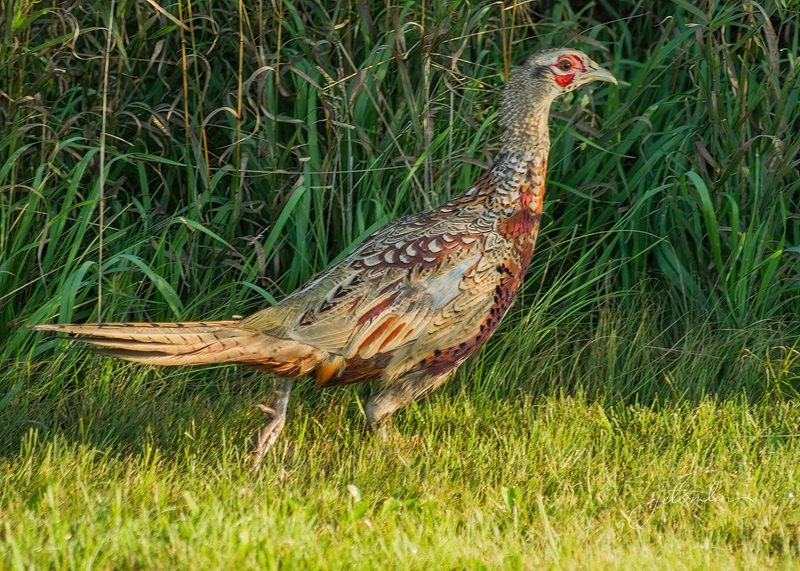
By mid-August, the wheat fields had turned to gold and the harvest had begun.
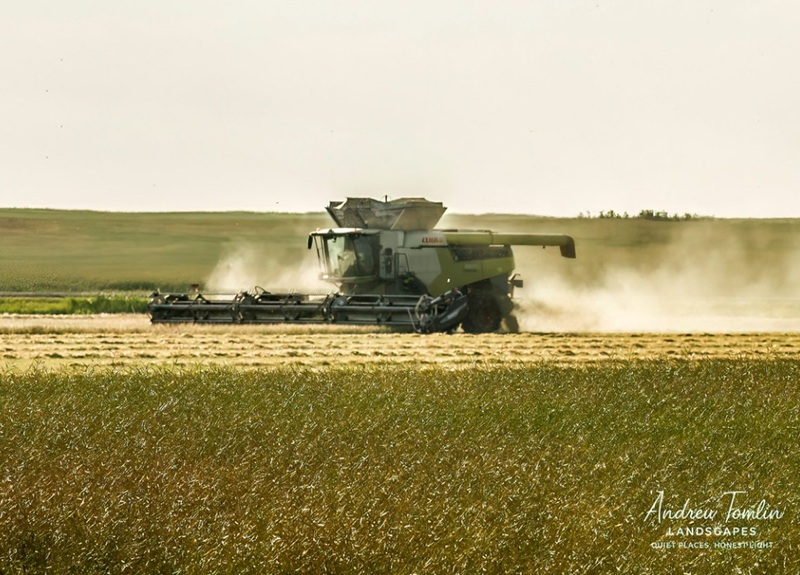
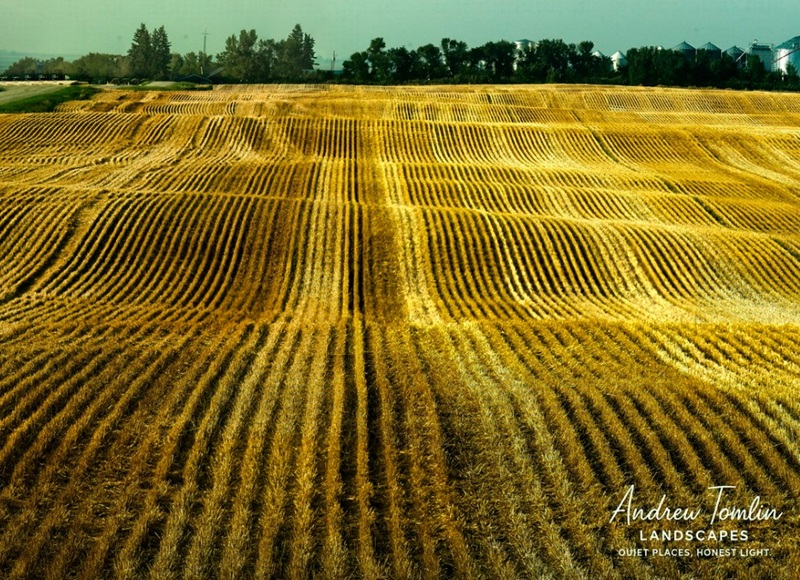
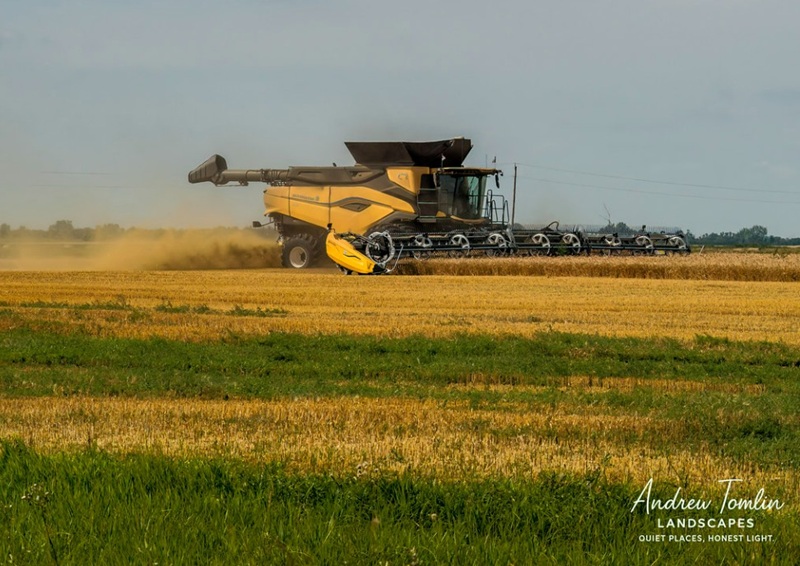
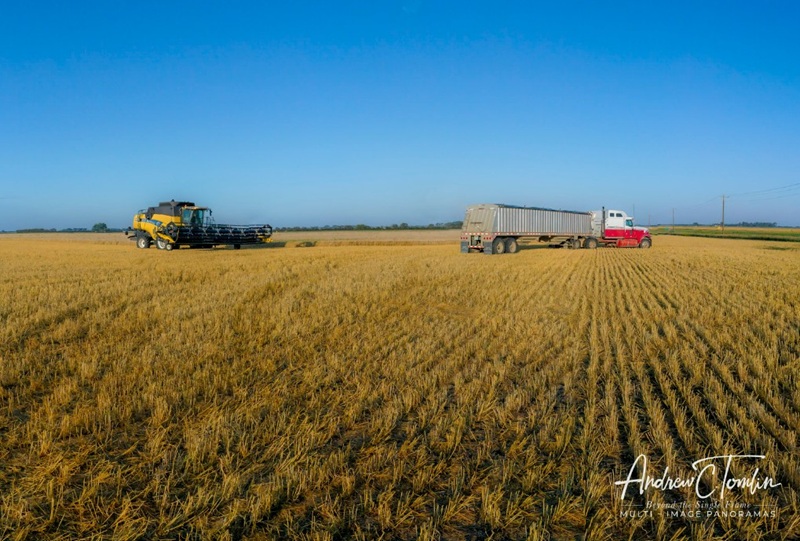
Giant combines moved steadily across the fields, cutting the crops and kicking up enormous clouds of yellow dust.
One evening while we were taking photos of the harvest, a farmer stopped to make sure we weren’t having car trouble. When he noticed our cameras, he laughed and said, “I see what you’re doing!”
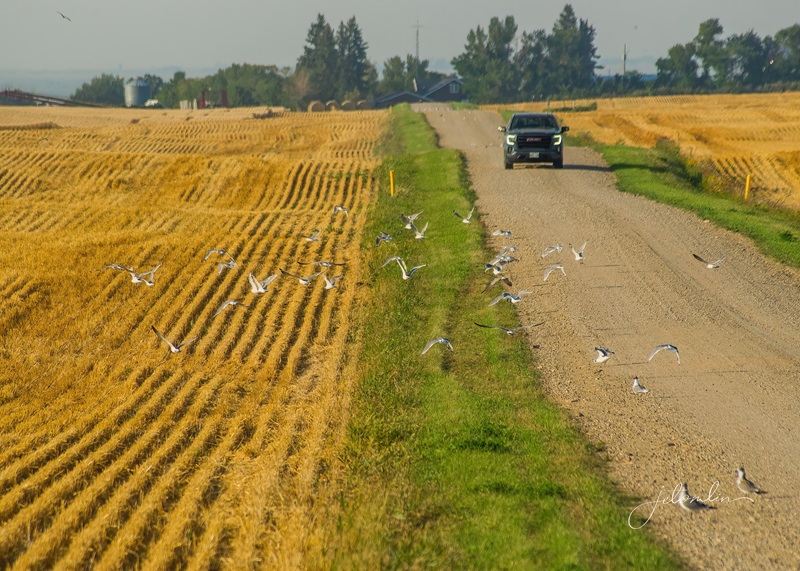
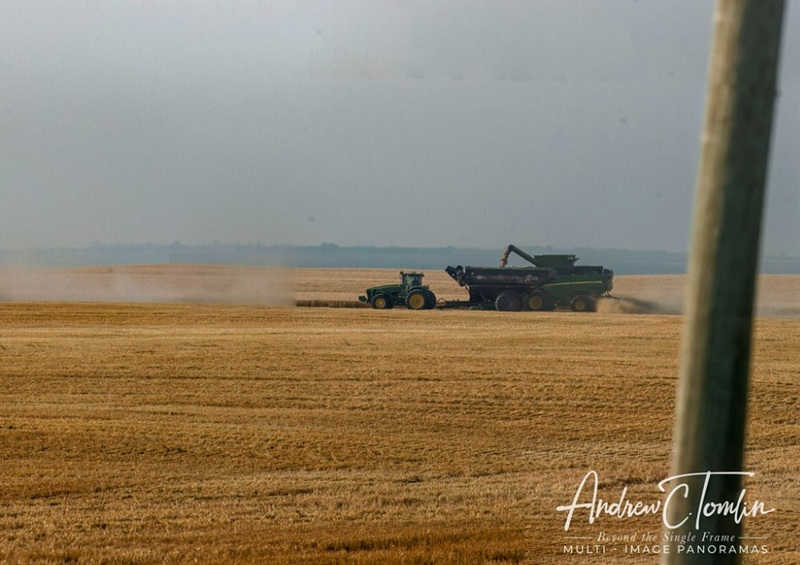
I asked if it was his farm we were photographing and mentioned how beautiful the evening colors were. He said it was, then told us, “That is my 72-year-old father running the combine and my 14-year-old son driving the tractor.” We had arrived at the perfect time to watch the combine pour freshly harvested wheat into the cart.
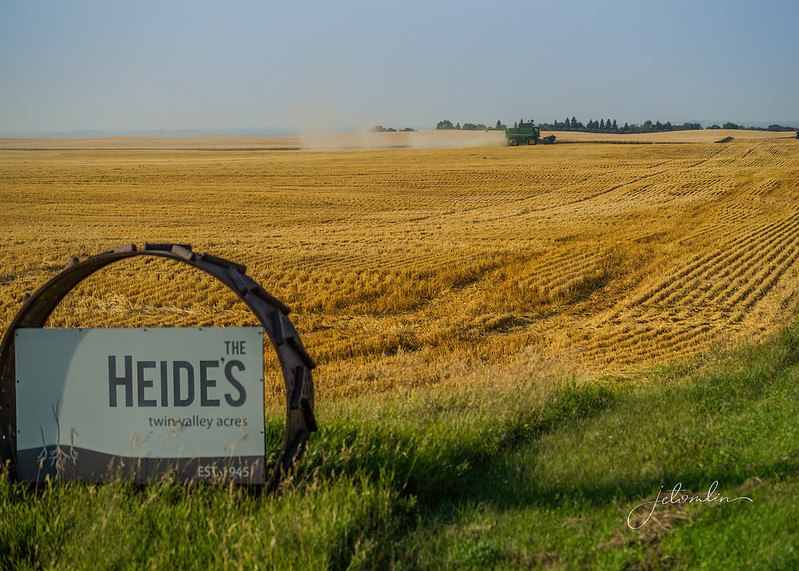
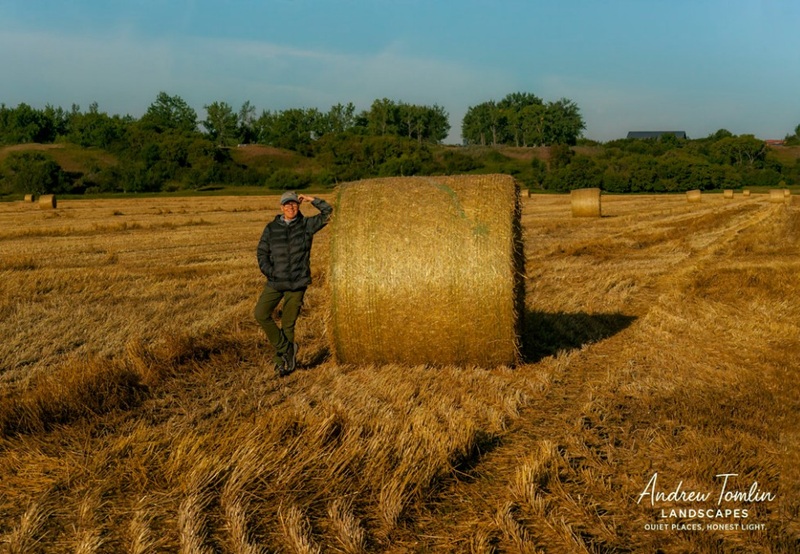
By late August, much of the wheat had been cut, and large hay bales dotted the landscape. Hay production is an important part of Manitoba’s agricultural economy, providing feed for livestock across Canada and supplying export markets around the world.
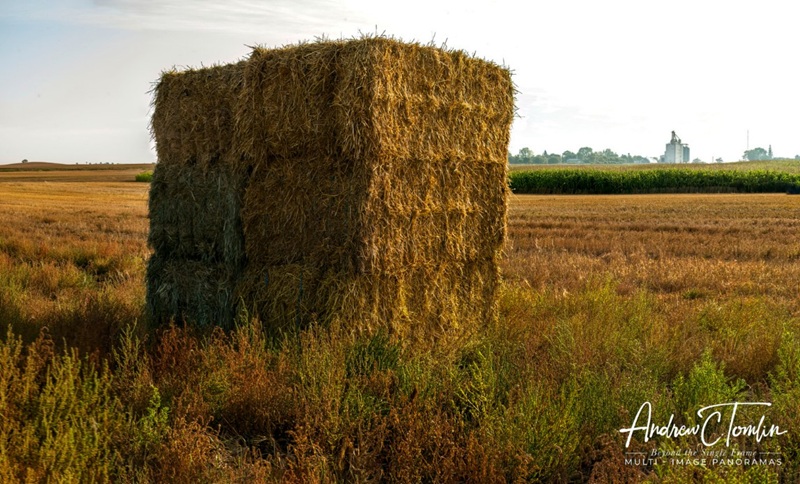
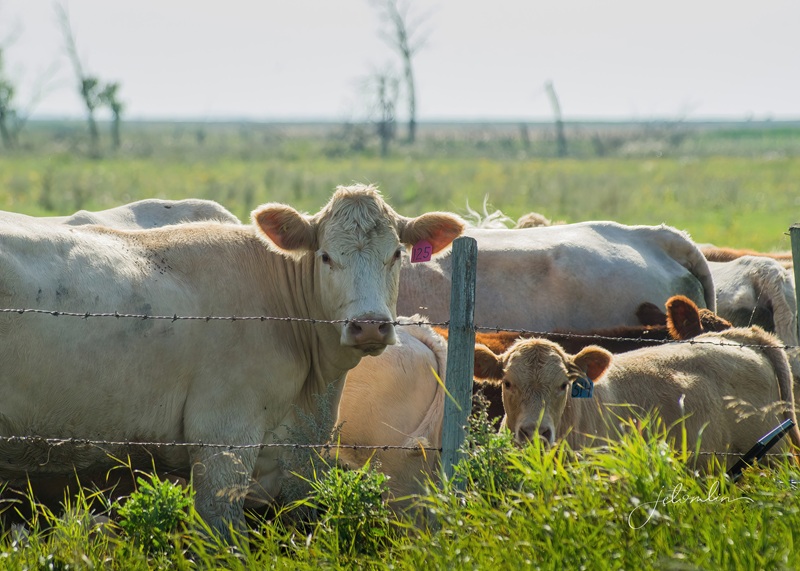
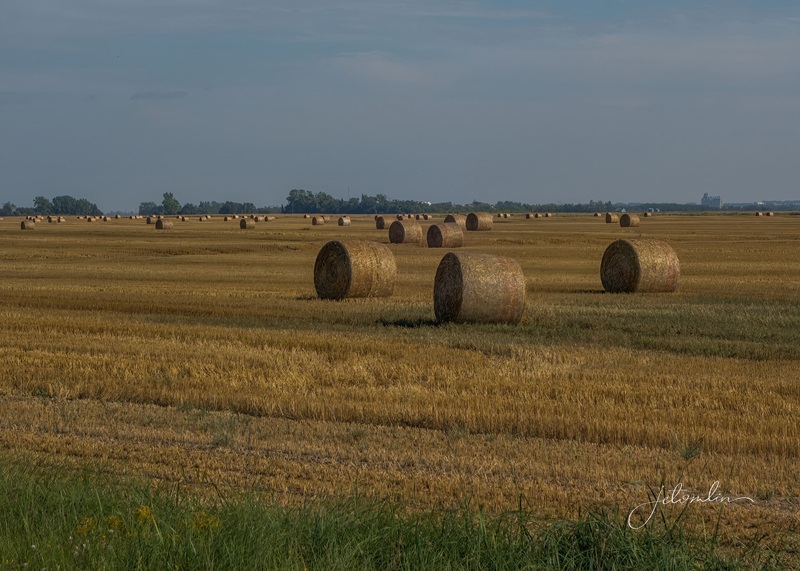
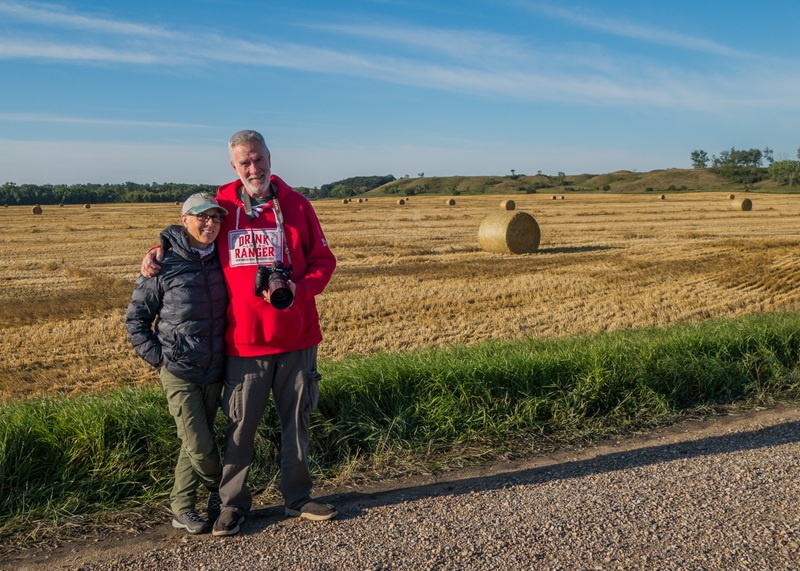
We watched the fields change over the month. The bright yellow canola flowers gradually gave way to sienna-brown seed pods, a clear sign that their harvest was approaching.
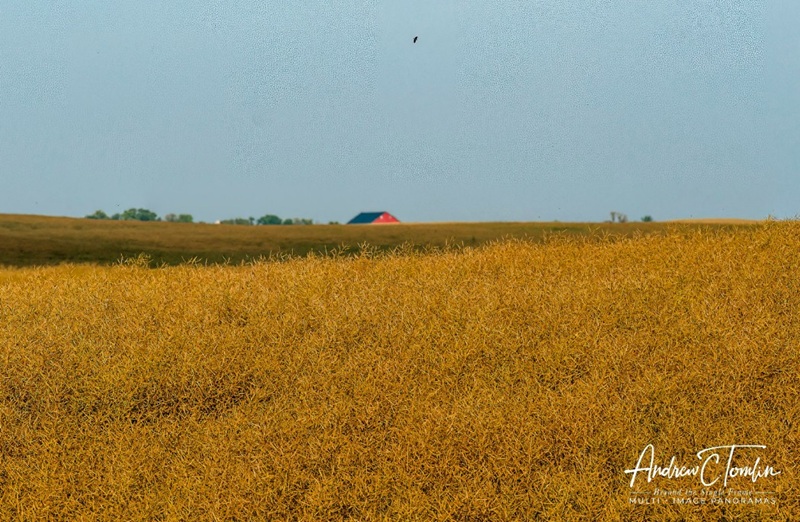
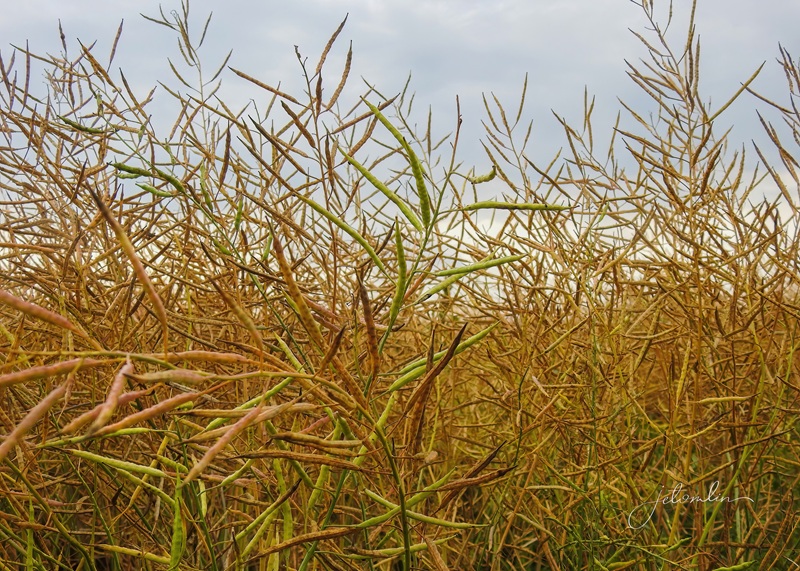
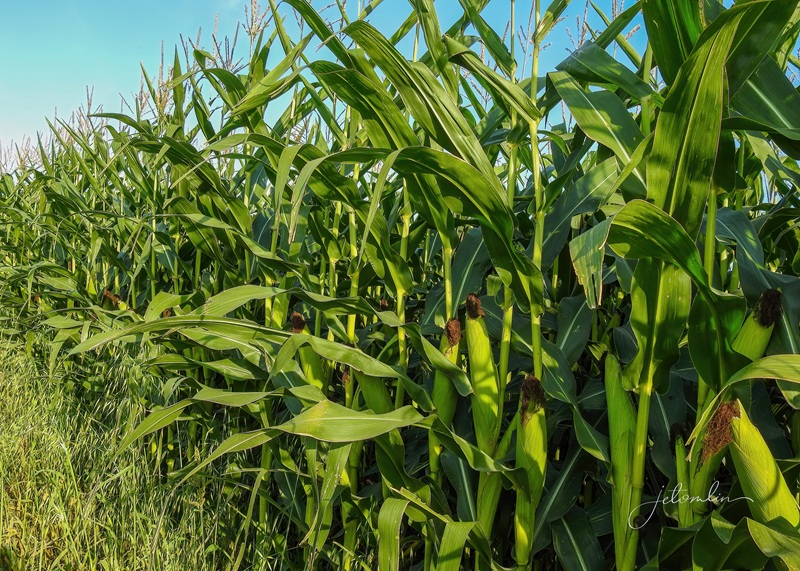
Meanwhile, the corn grew taller each week, and we expected its harvest to begin in mid-September.
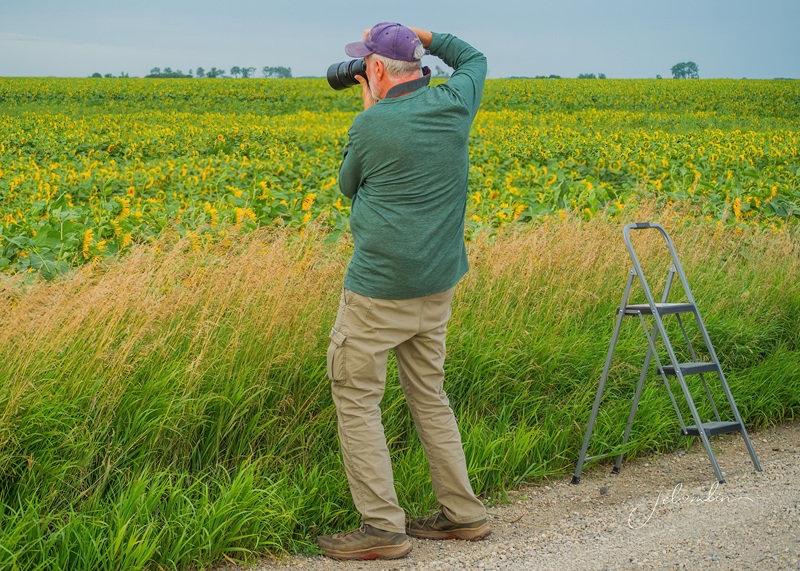
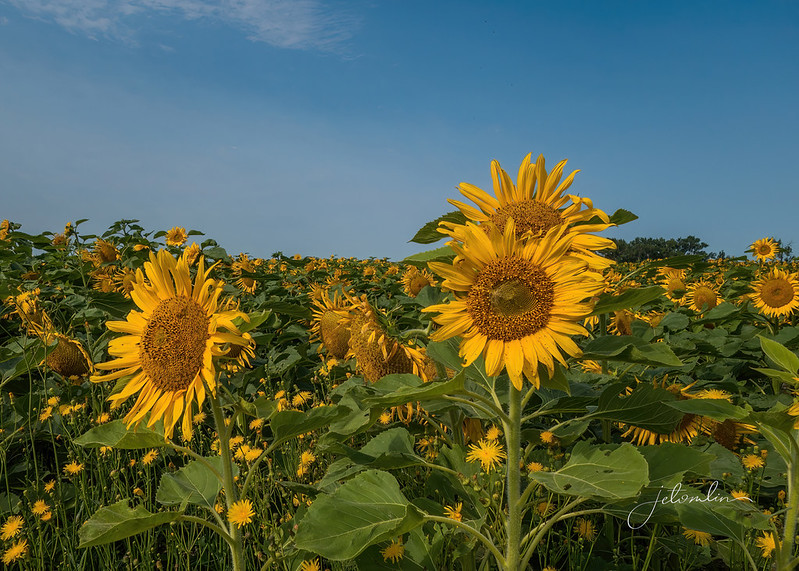
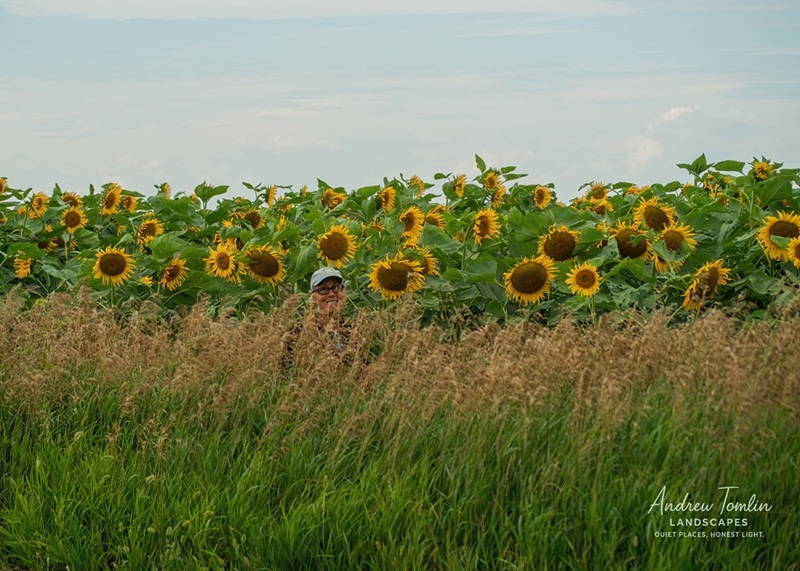
We found a few surprises along the way, including one that stopped us in our tracks—a sunflower field we spotted on our drive to the twin grain elevators in Napinka. Row after row of towering yellow blooms rolled across the landscape, stretching on for what seemed like forever. And the flowers themselves were huge—many were bigger than my head!
We’d always thought of this area as wheat country, but here was a whole different side of the prairie. We learned that Manitoba produces nearly 90% of Canada’s sunflowers, with most oil-type varieties grown for oil and birdseed, while confection-type sunflowers are harvested for human consumption.
Another surprise was a slough that TG spotted on his way to the Cameron grain elevator. It was teeming with wildlife, including a colony of beavers, and we ended up returning to it several times during our stay.
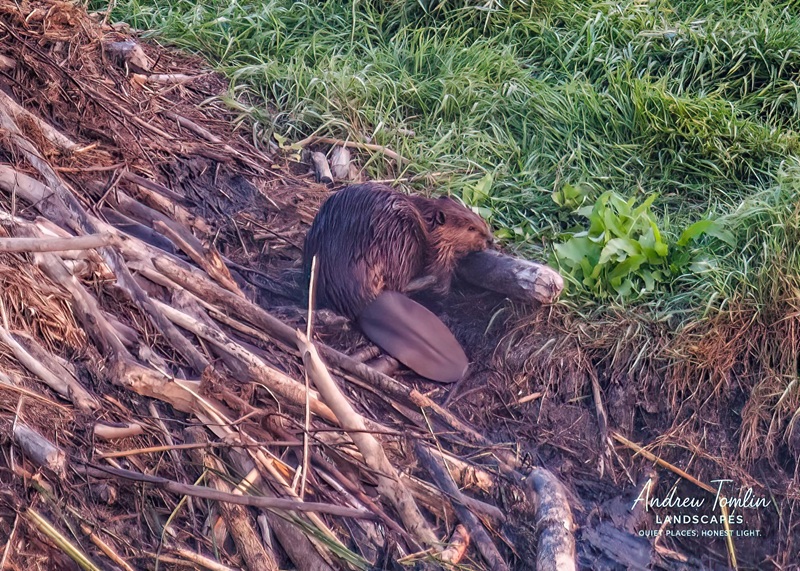
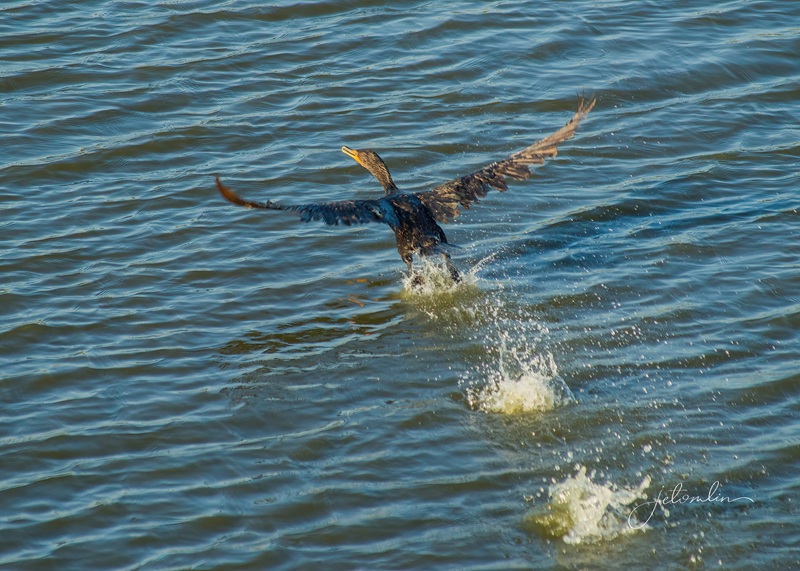
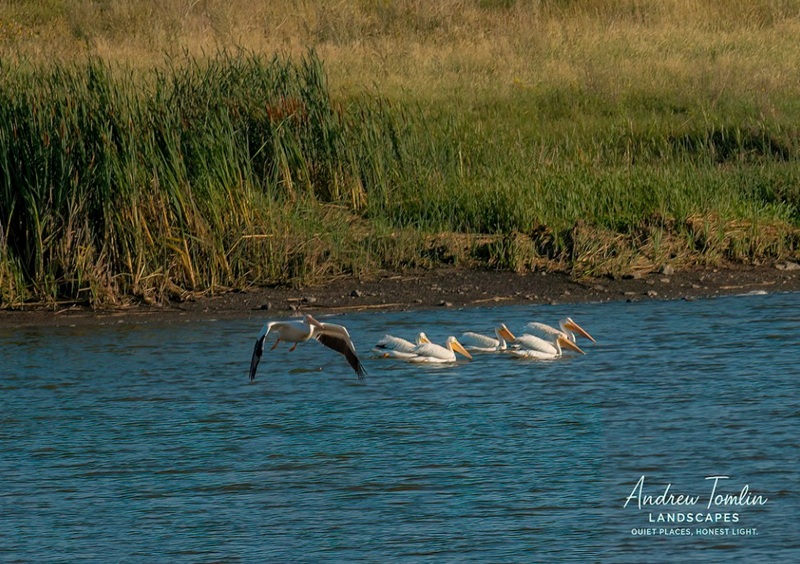
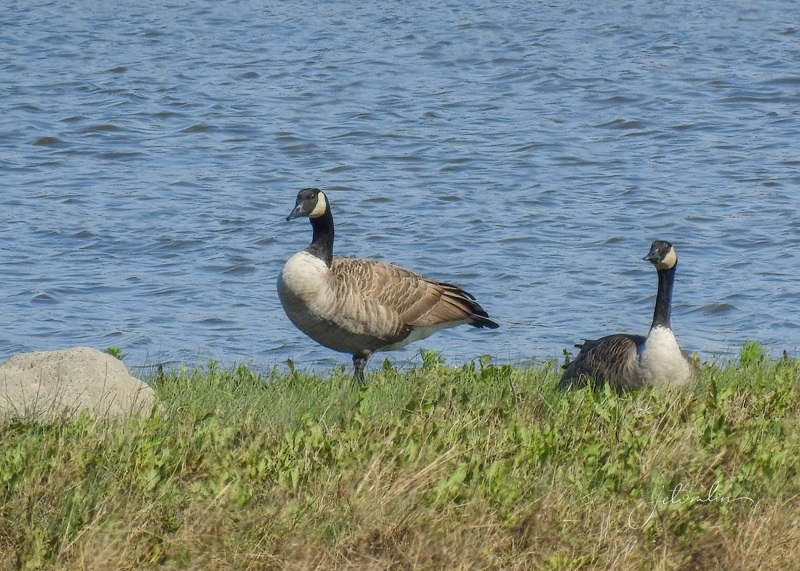
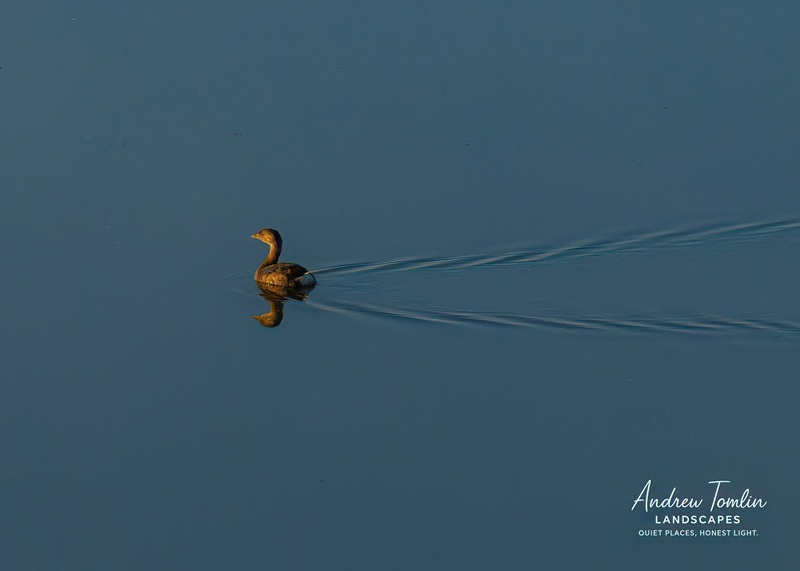
Watching those beavers was truly entertaining and the phrase “busy beaver” is no joke!
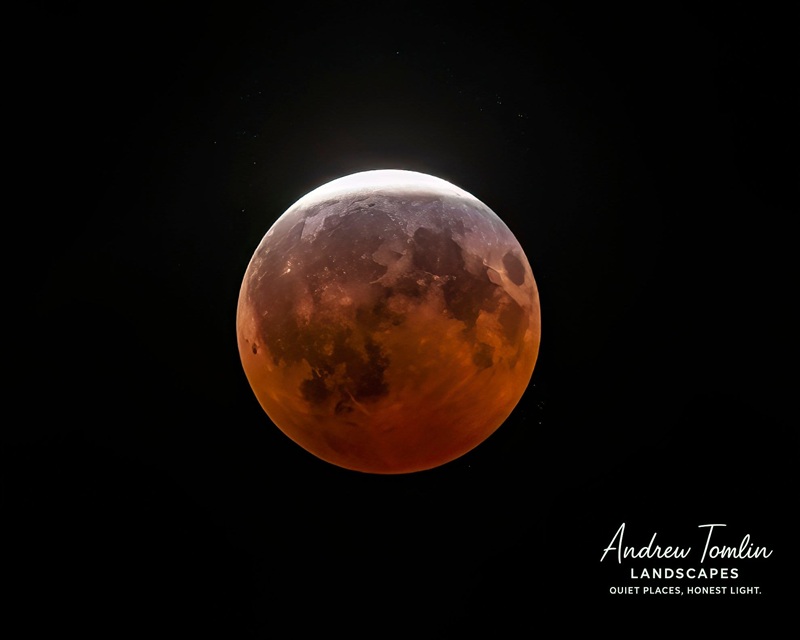
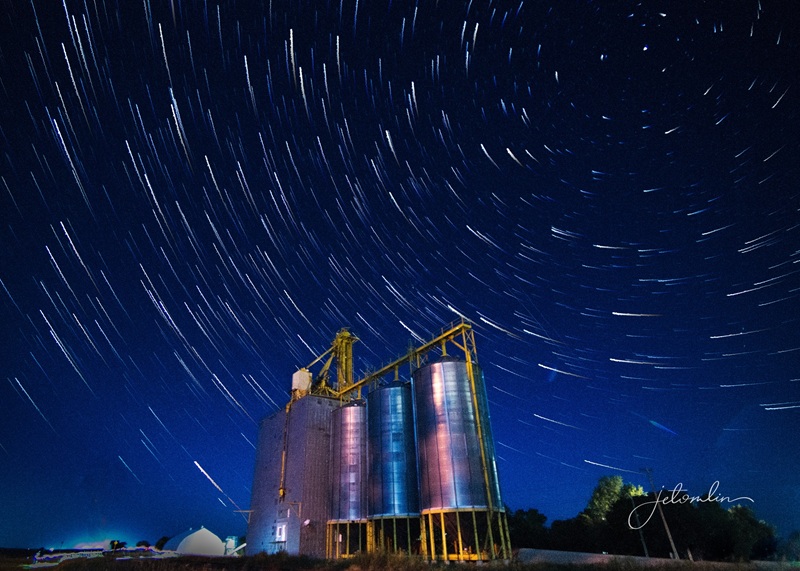
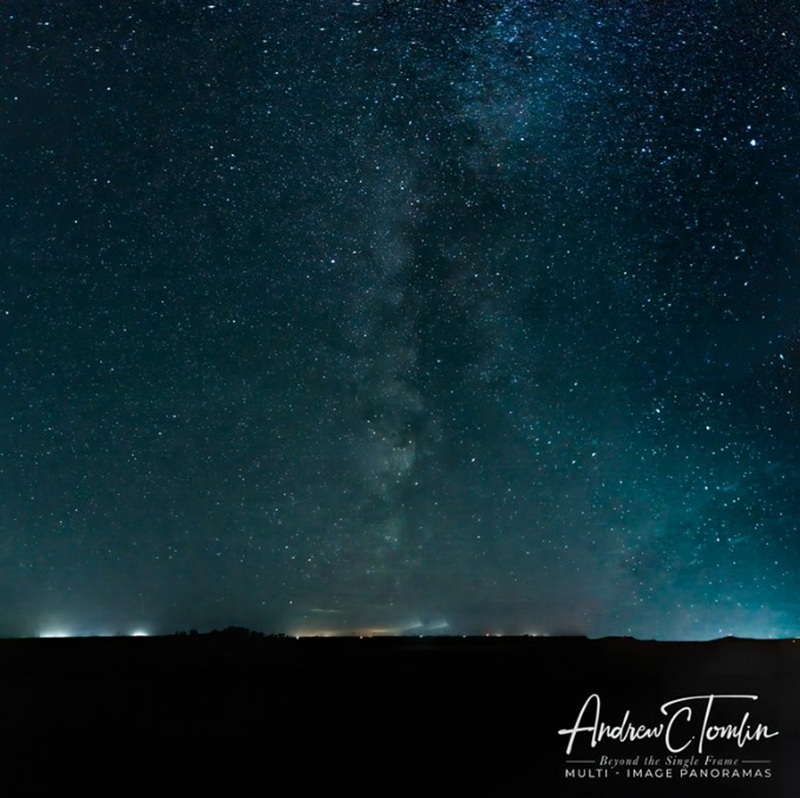
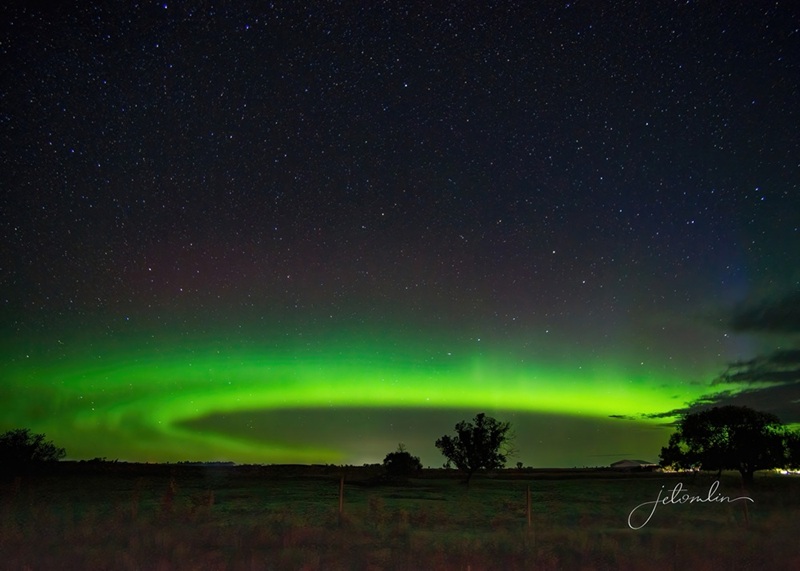
Southern Manitoba’s summer weather felt pleasantly cool to us, with nighttime temperatures in the 50s and daytime highs generally in the upper 70s to low 80s. We were lucky to have many clear nights, giving us opportunities to photograph the Milky Way, the partial lunar eclipse, and even catch the aurora on a few nights when solar activity was strong.
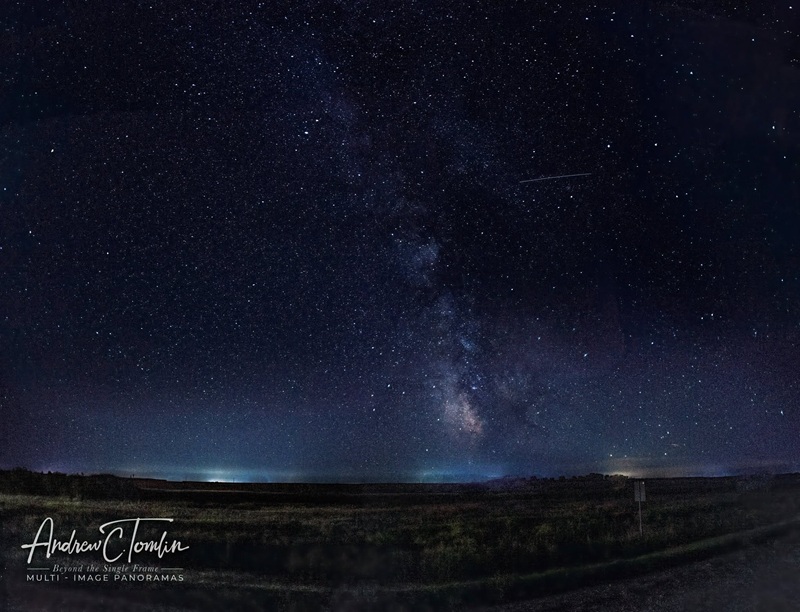
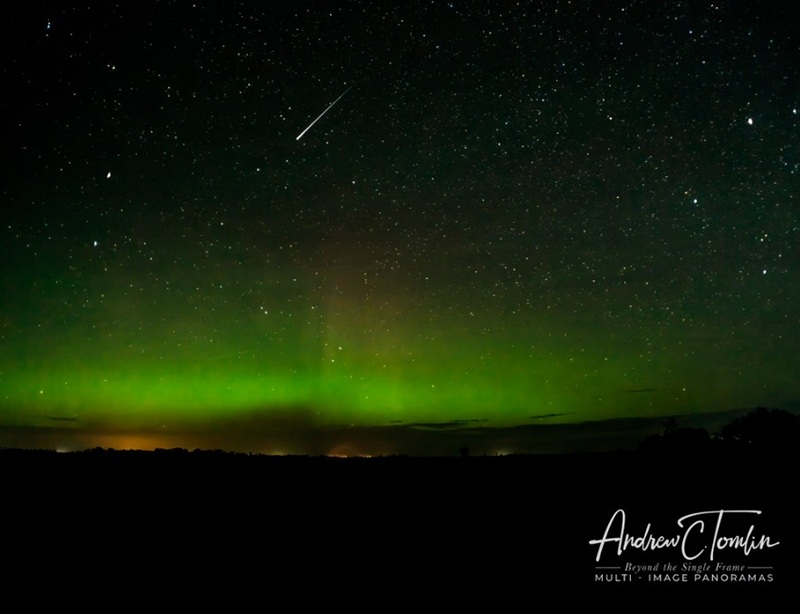
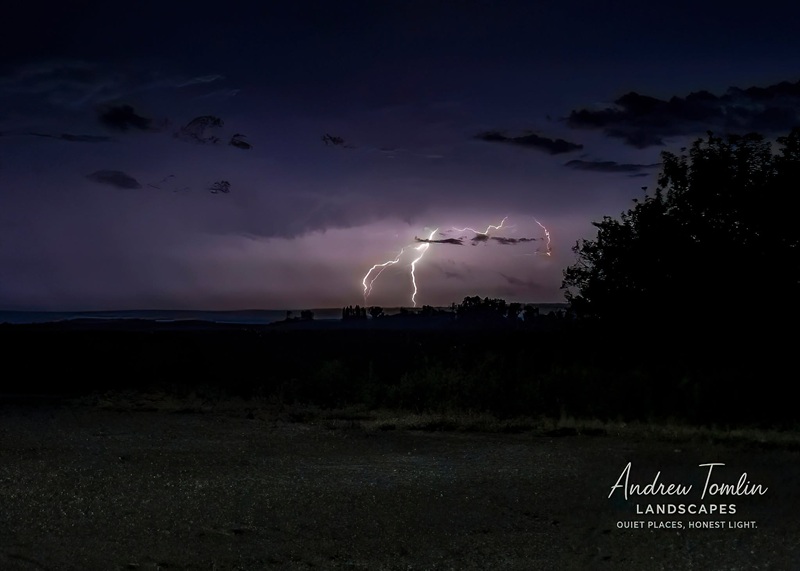
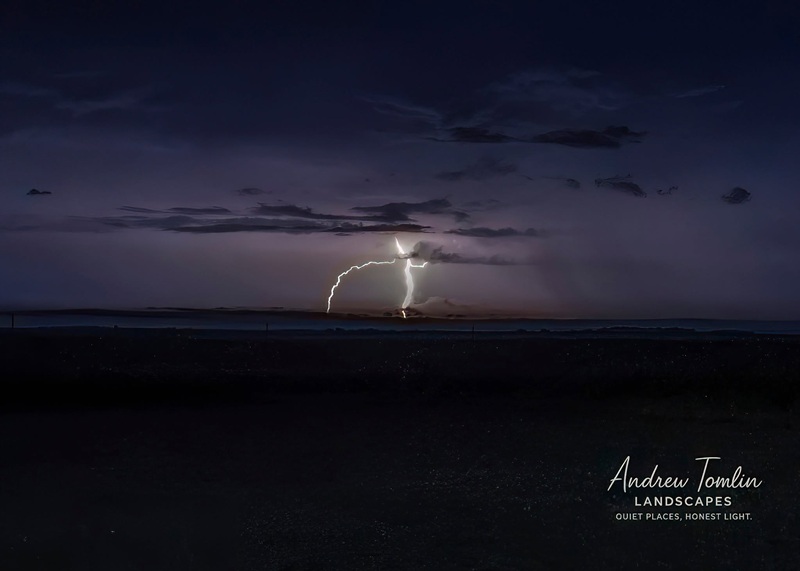
One night, TG woke to the sound of a thunderstorm. He quickly grabbed his tripod and ran outside to photograph lightning bolts flashing across the prairie.
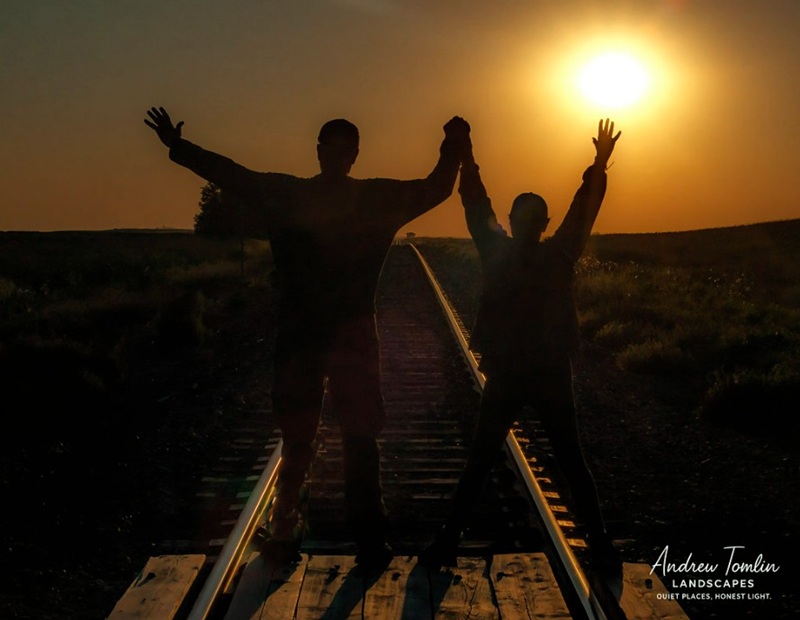
The Airbnb sits on Railway Street, a fitting name for a road that runs alongside the railroad tracks. Back in February we heard a train whistle just once.
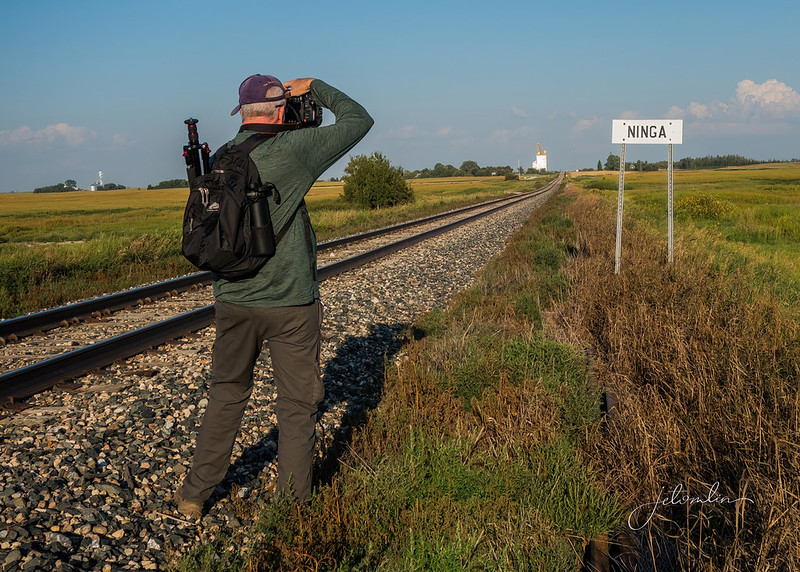
But by harvest season the freight trains had become part of our daily rhythm. We loved hearing the clickety-clack of the wheels as they rumbled past, and whenever we heard those long, distant whistles, we would grab our cameras and dash outside to catch a glimpse.
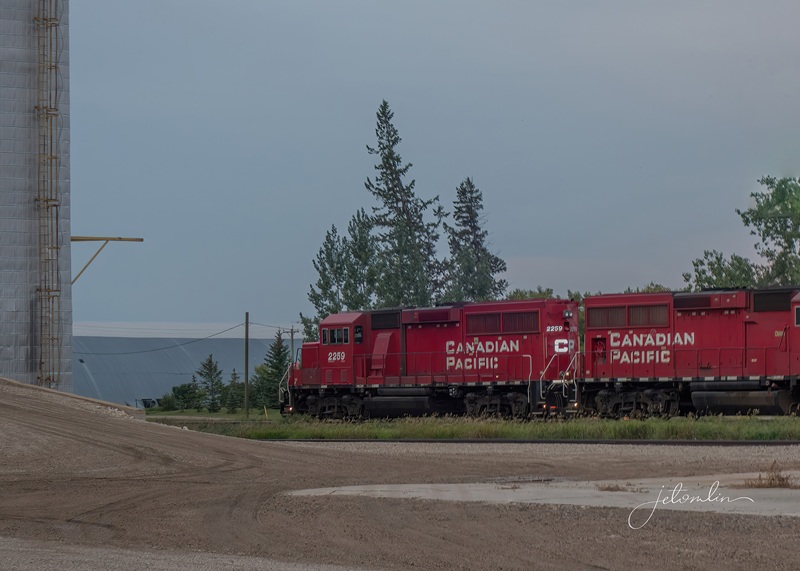
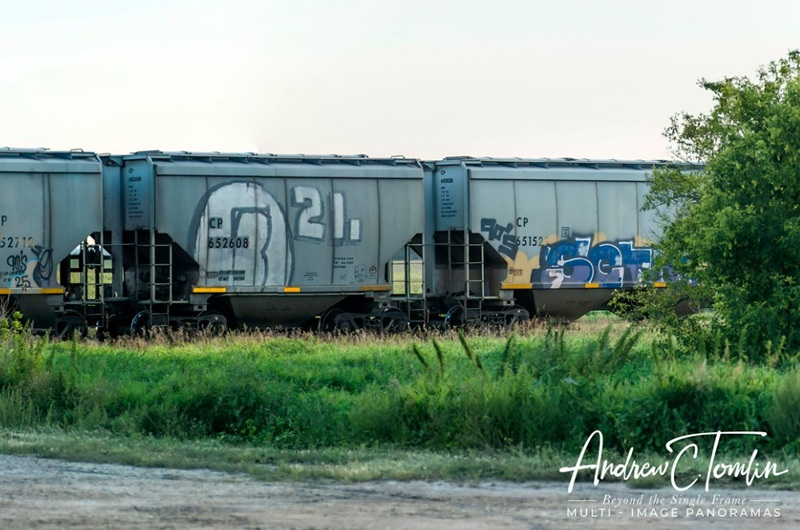
There was something wonderfully nostalgic about watching the trains roll by, connecting our quiet little Country Corner to somewhere beyond the horizon.
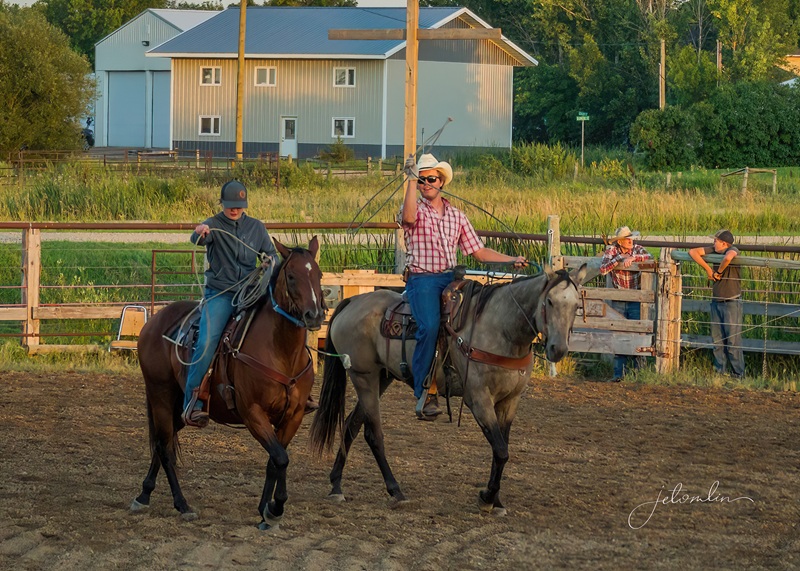
Back in the day, there was a small café next door to our Airbnb and although it is now closed, a group of locals still gathers there on Thursday and Saturday mornings. If we were around, we’d stop by and join the conversation over a cup of coffee. One of those visits led to an invitation to watch “roping”—the traditional practice of catching an animal with a lasso.
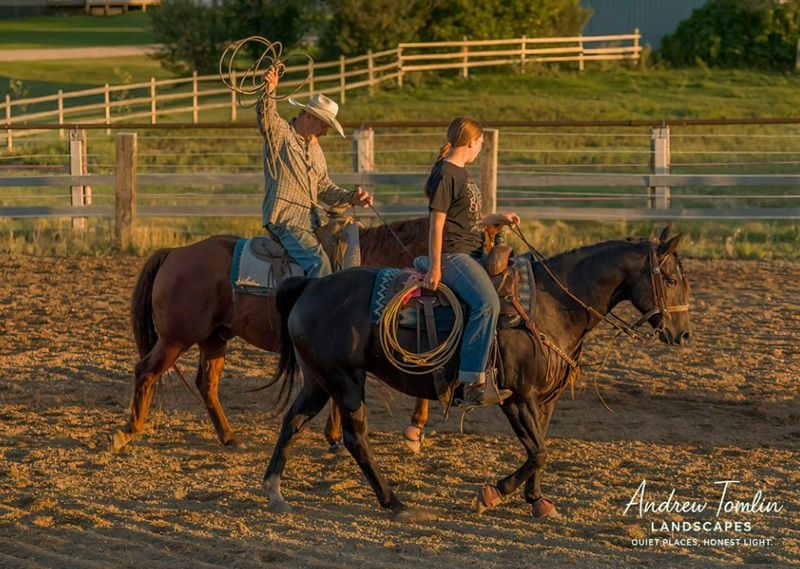
Historically, roping was a practical skill used by cowboys to manage cattle. While it’s still an important part of ranching today, roping has also become a competitive sport and recreational activity.
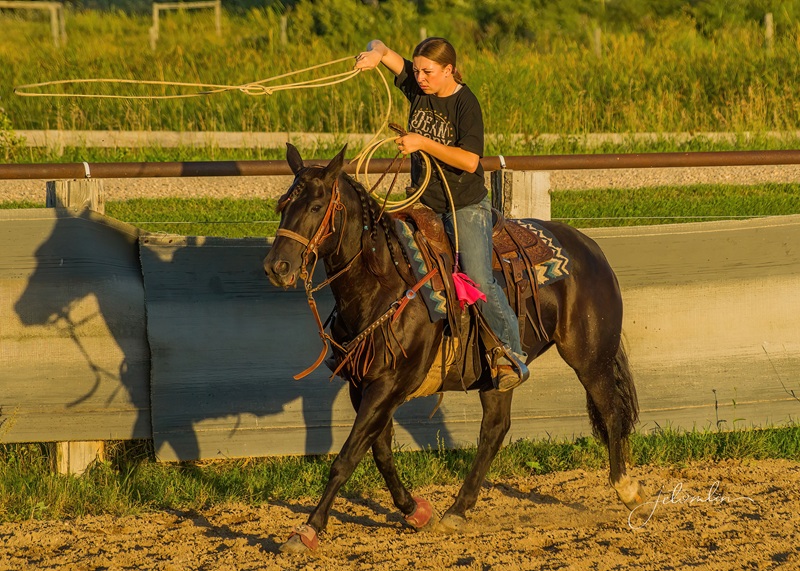
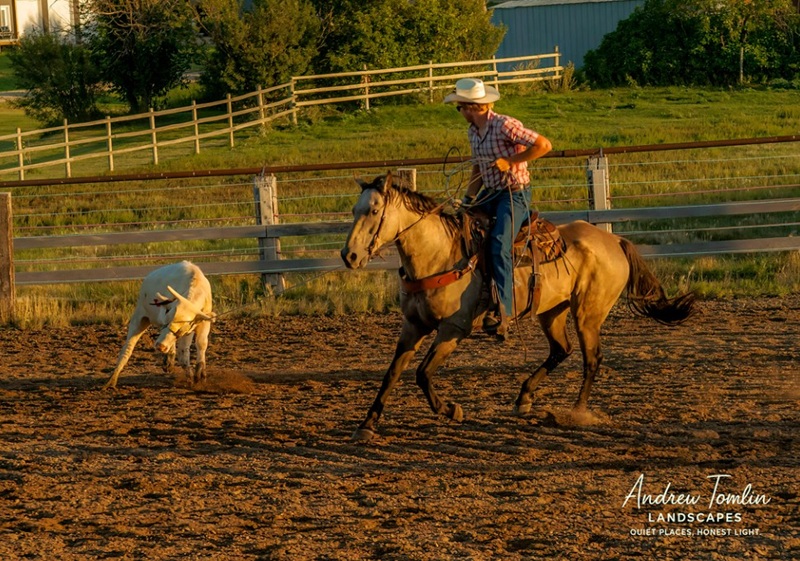
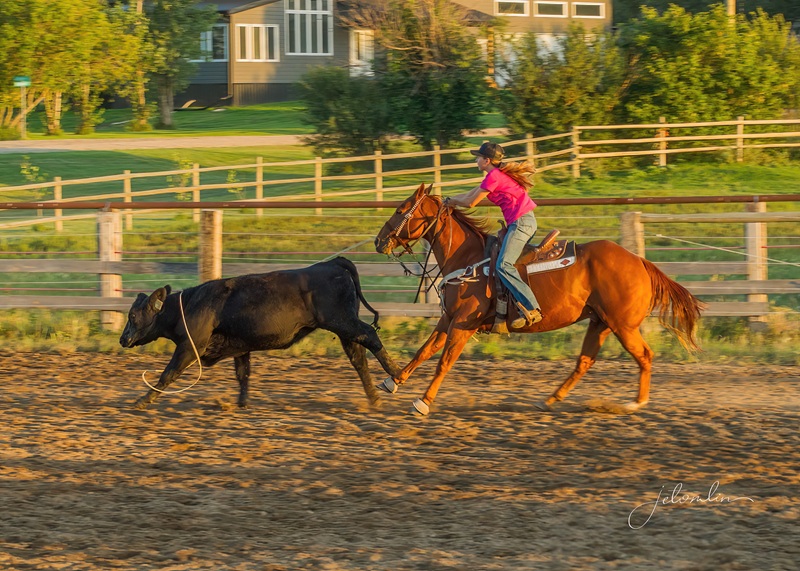
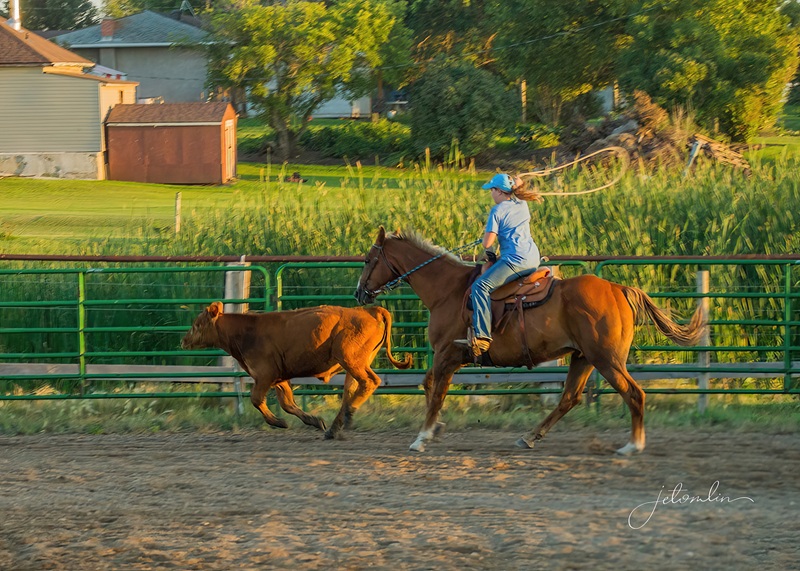
We spent two Wednesday evenings visiting with the adults while watching as the kids practiced their roping skills. There was a real sense of community, and we want to say a special Thank You to hosts Paul and Gloria for welcoming us into it.
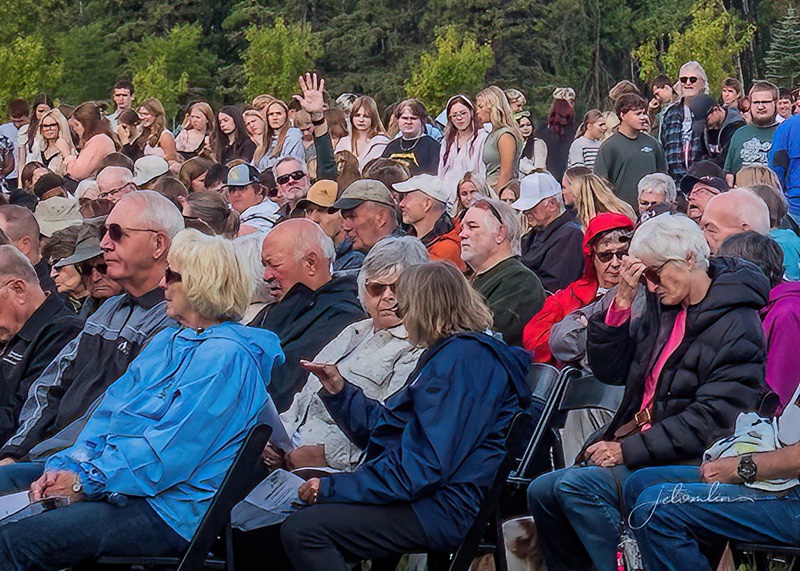
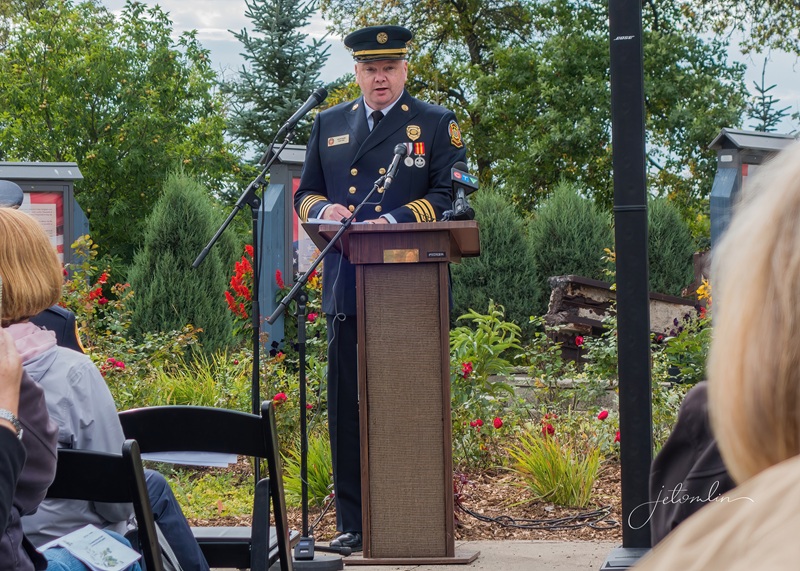
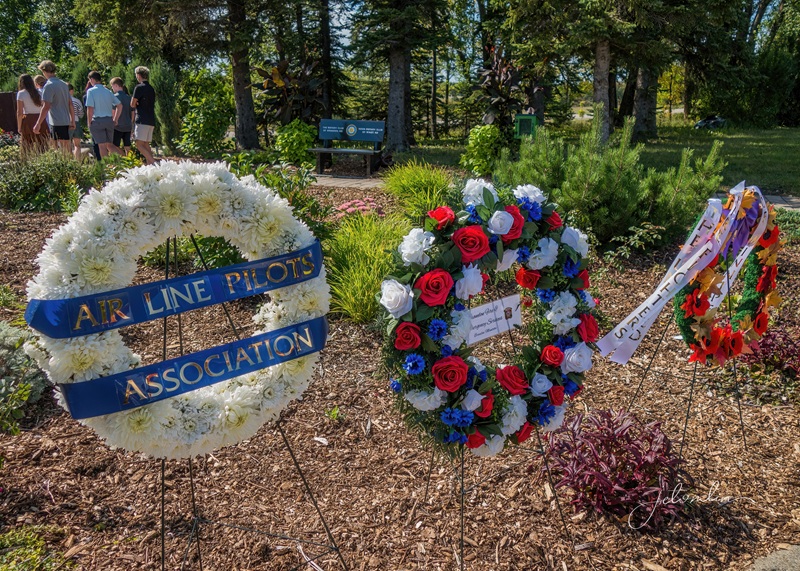
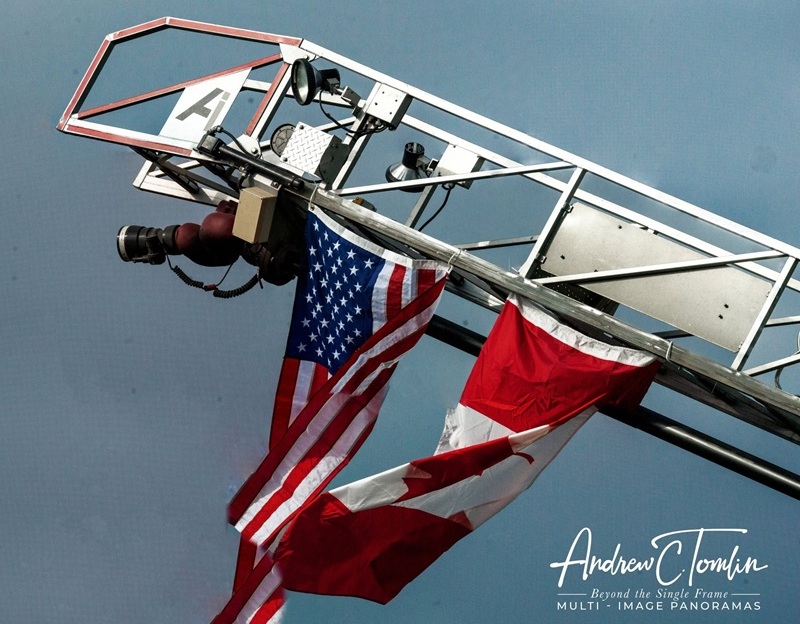
The International Peace Garden, created in 1932 to promote friendship between Canada and the U.S., sits along the Manitoba–North Dakota border, about a 30-minute drive from Ninga. On September 11, the Garden hosted a 25th anniversary memorial service—and hundreds gathered to not only remember the 9/11 terrorist attacks but also affirm the close bonds between Canada and the United States.
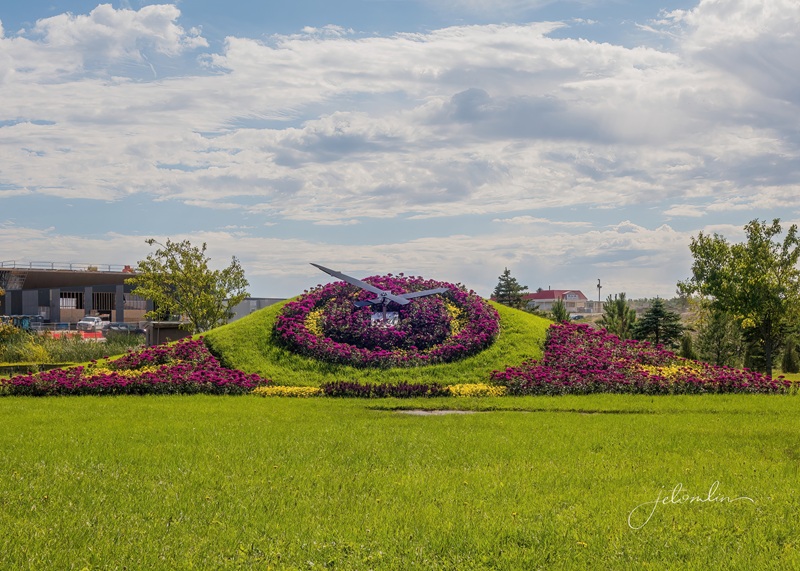
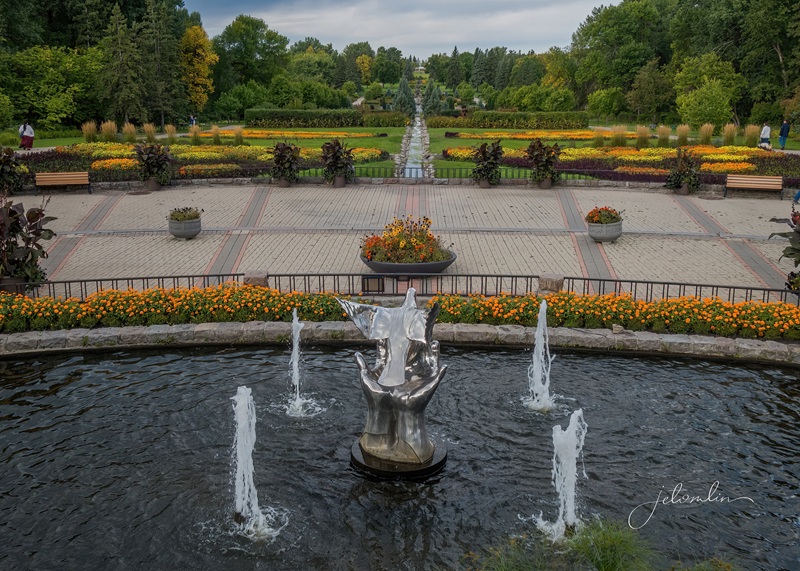
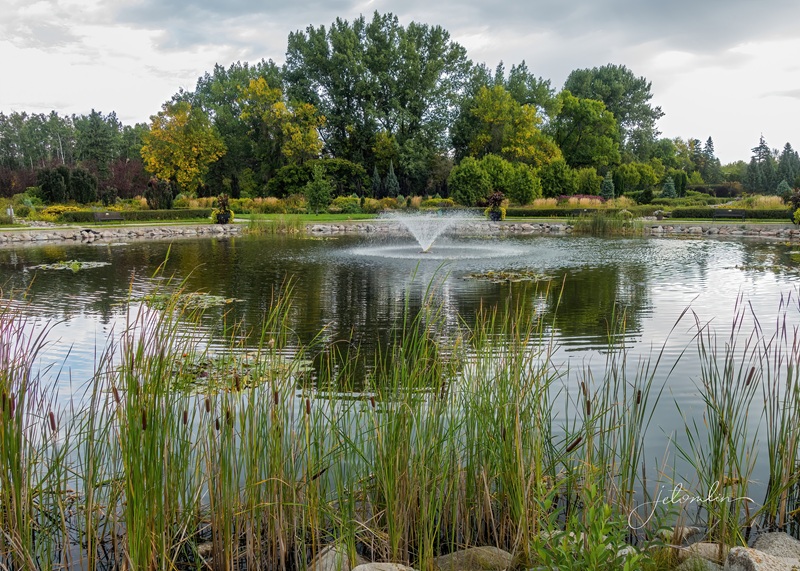
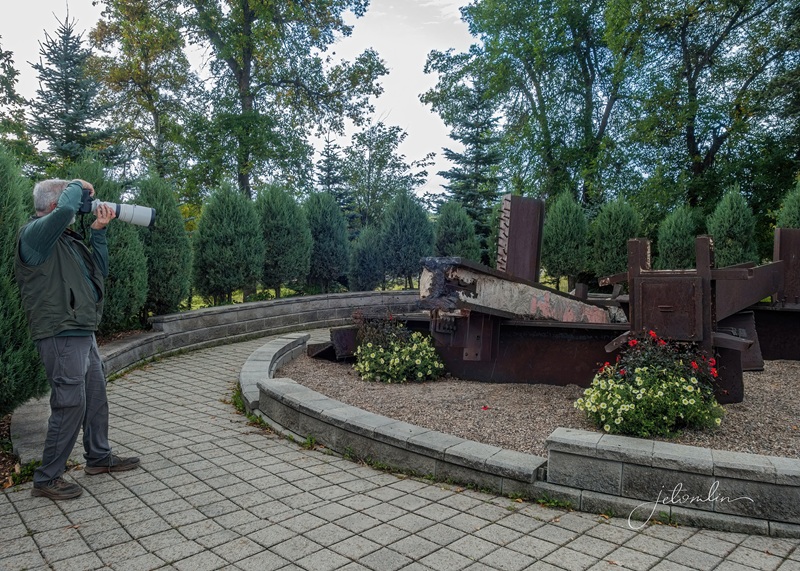
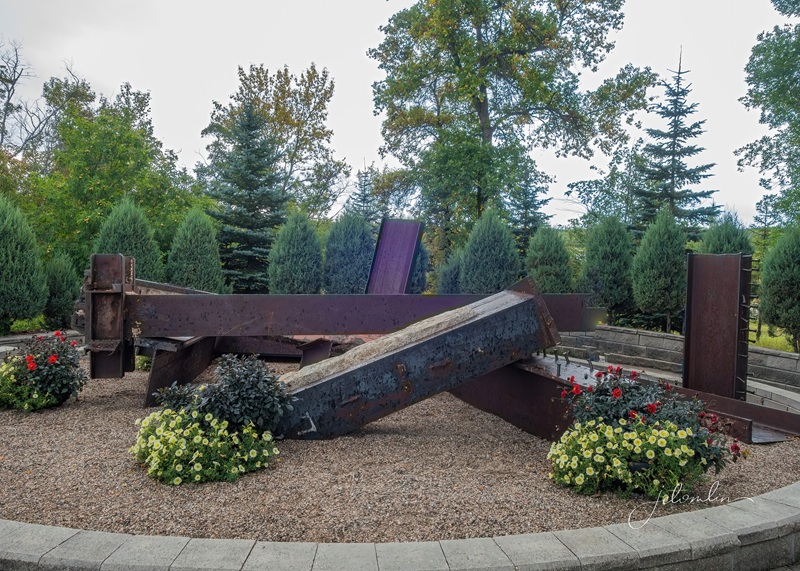
It was deeply moving to be at this special place dedicated to peace and to share in the remembrance with neighbors from both sides of the border.
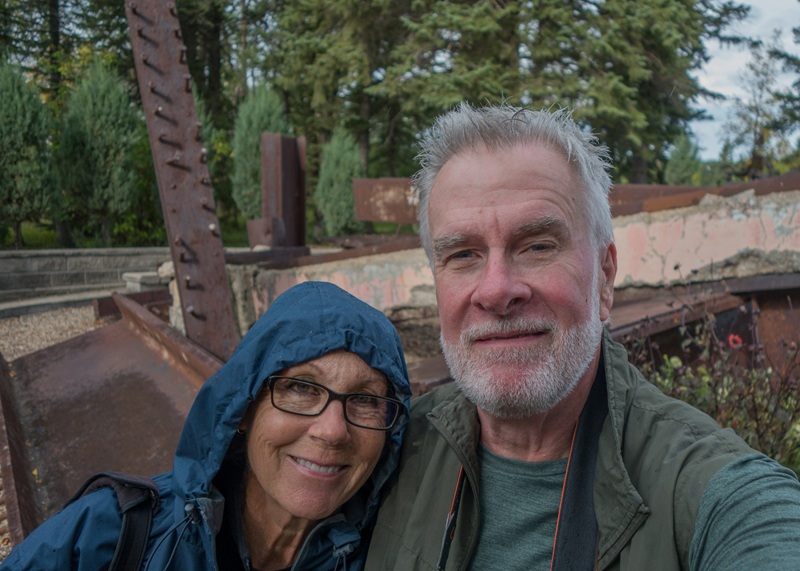
Overall, this trip was different for us. We spent less time searching for wildlife and more time exploring. We often simply drove around, looking for interesting places to photograph and figuring out when we might return for the best light.
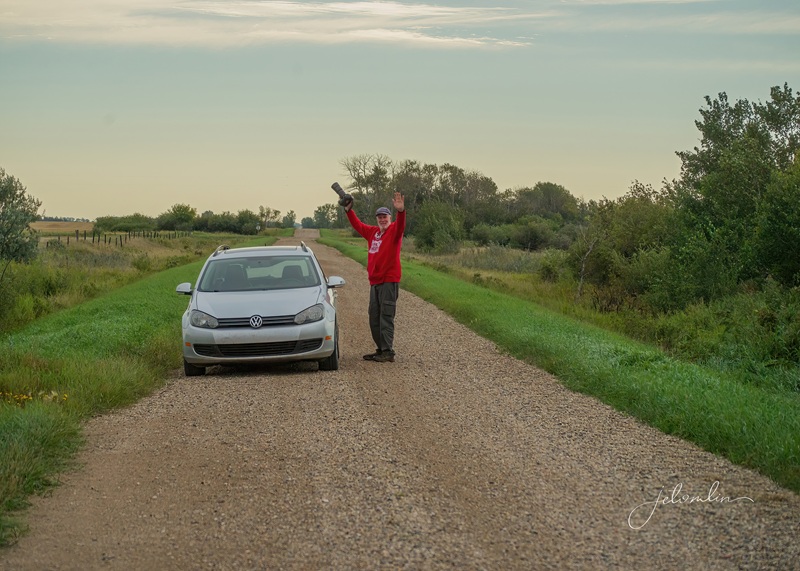
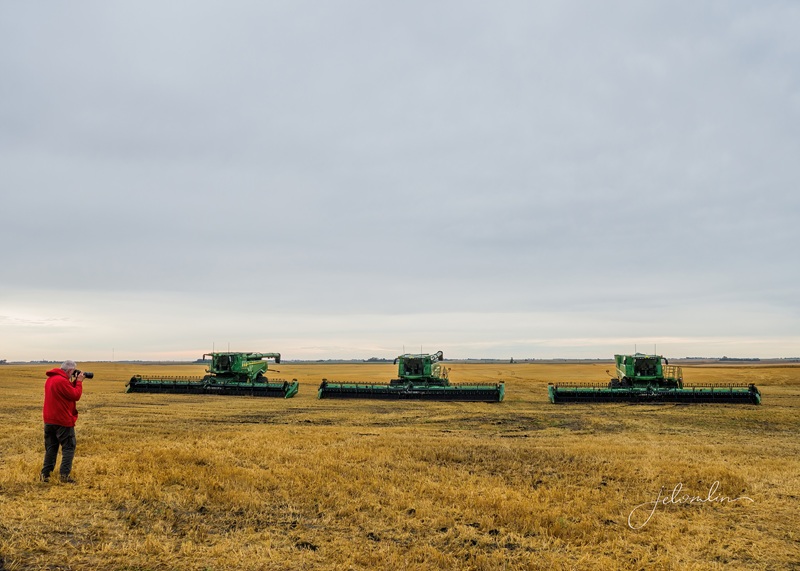
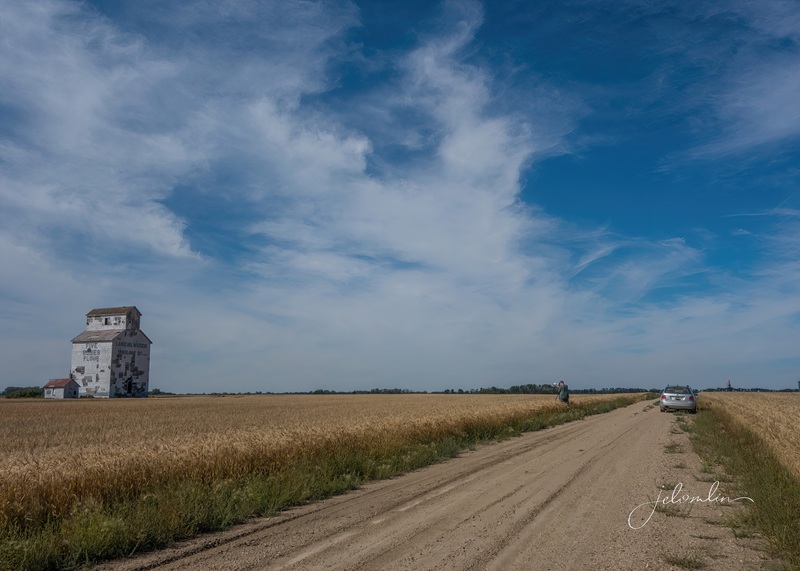
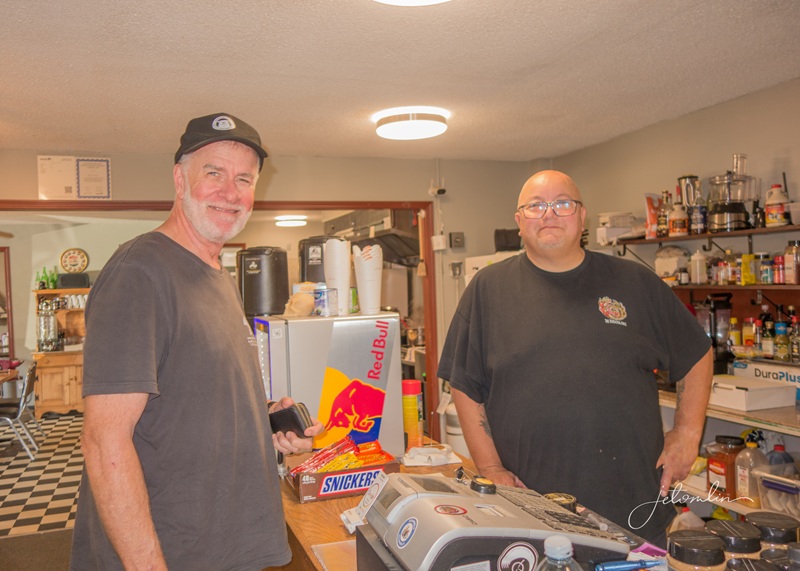
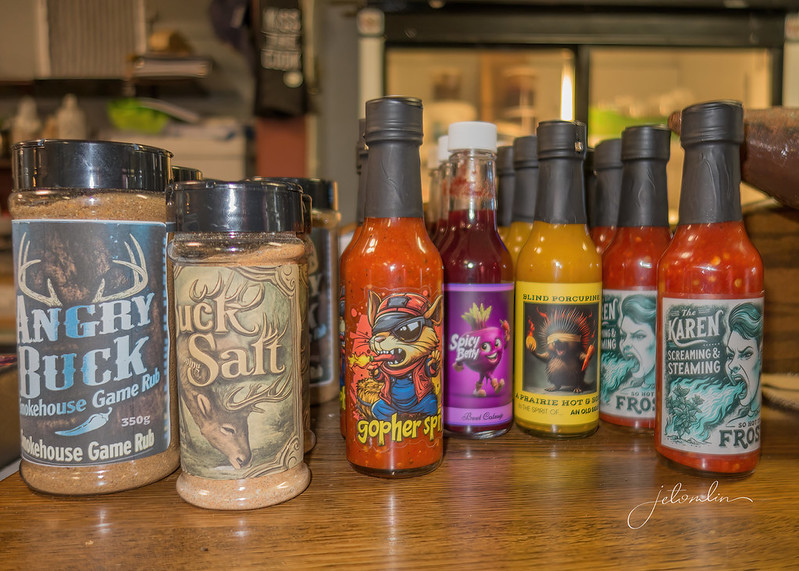
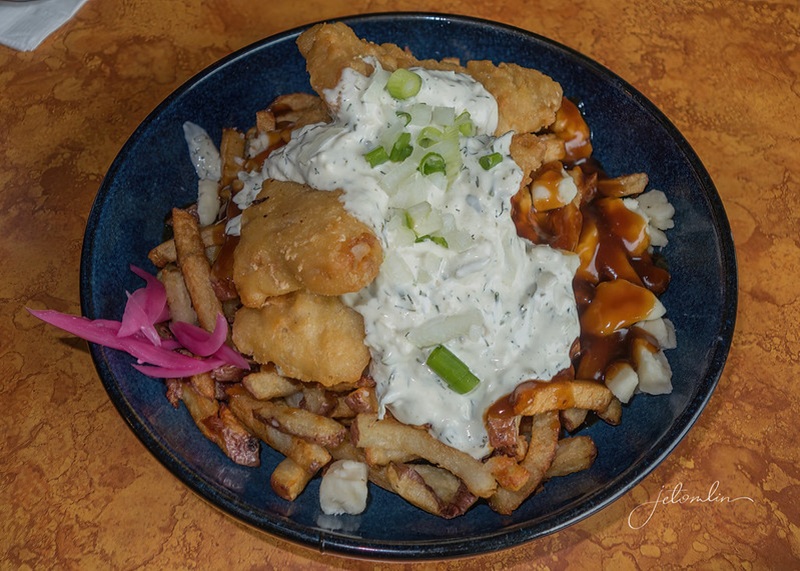
We frequented our favorite restaurant, The Burning Bale, chatting with Chef Germain and the other customers about everything from his famous homemade hot sauces and seasonings to travel, the harvest, and whatever else happened to come up.
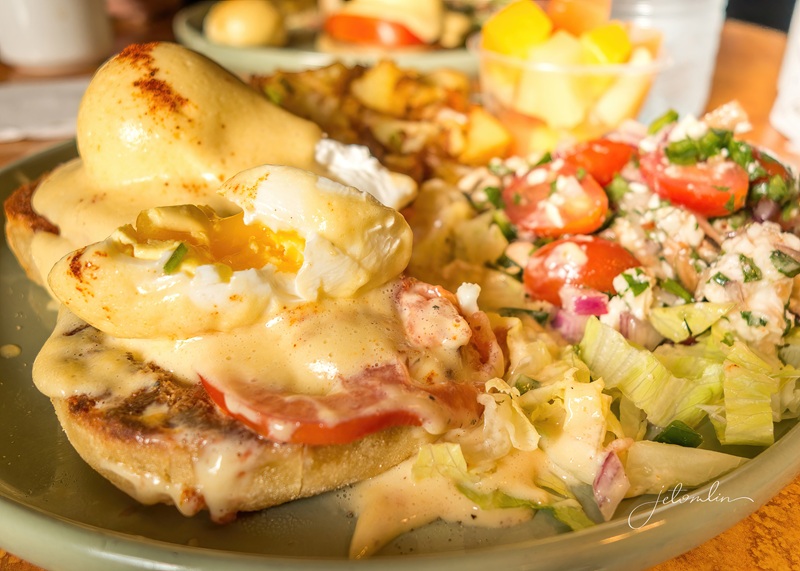
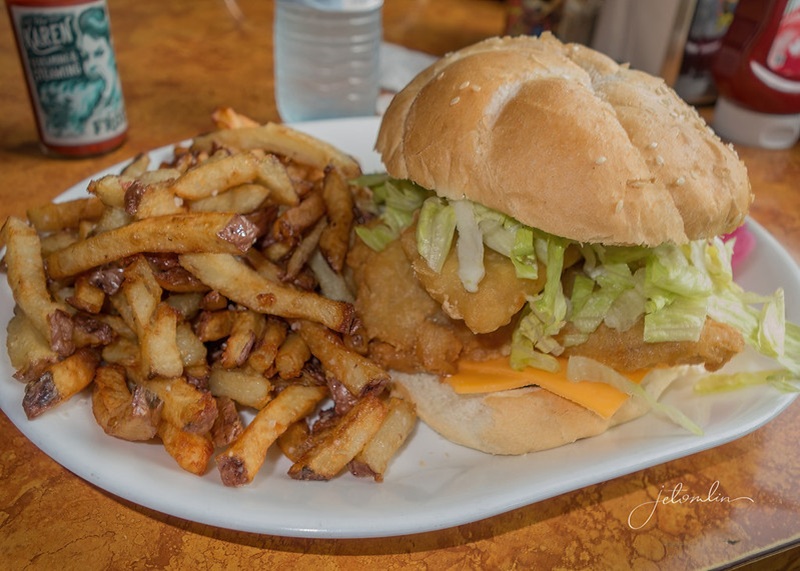
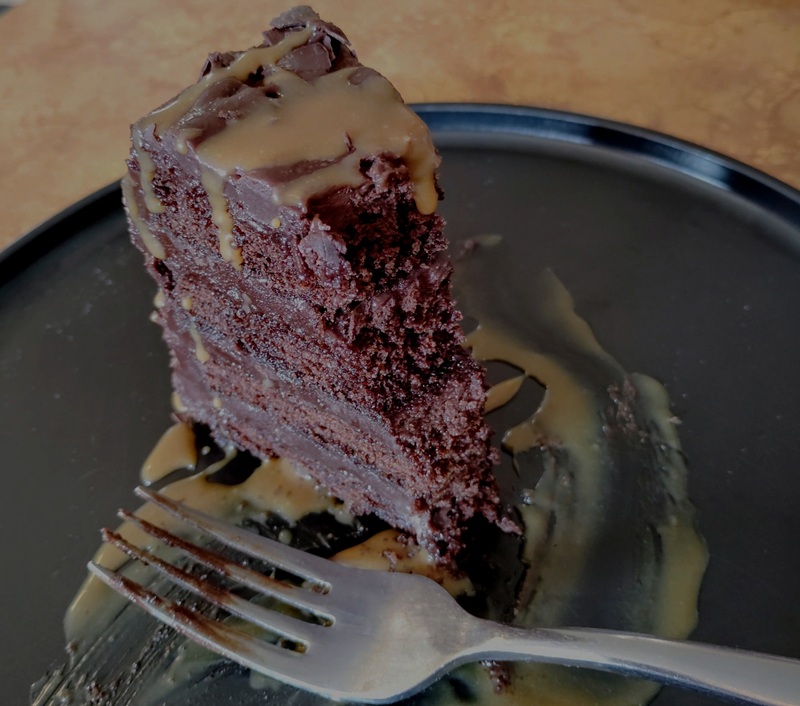
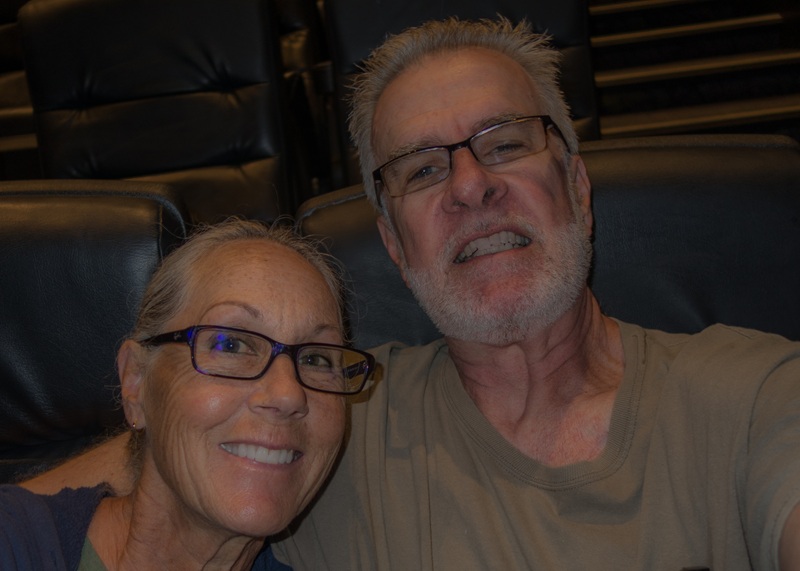
We went to the movies.
Some days we did nothing more ambitious than take a long walk,
Or relax at home, enjoying the peace and quiet of Ninga.
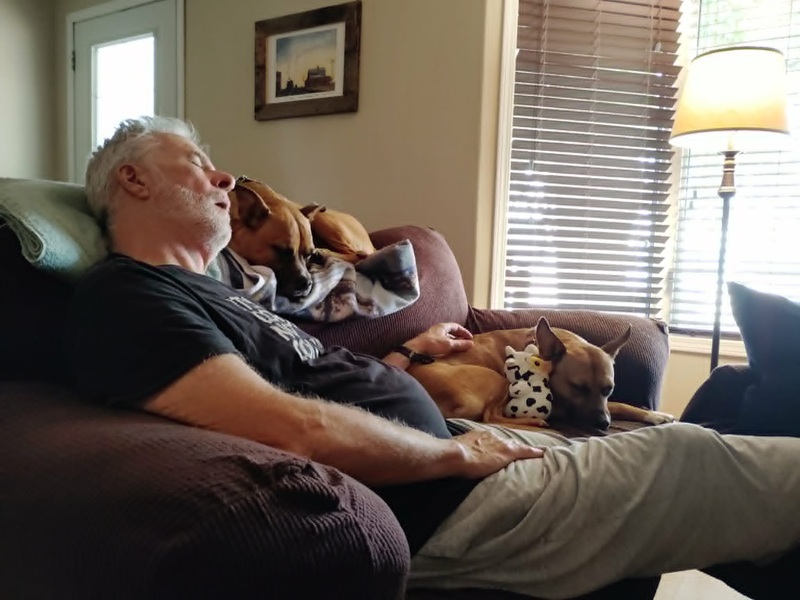
It was a slower pace than we were used to, and that was perhaps what made this stay so special. August quietly slipped into September, bringing cooler mornings and a hint of fall. Lush green fields faded into soft golds and browns, changing almost imperceptibly from one day to the next. The days grew shorter too, taking away some of our early morning light and those long, golden evenings.
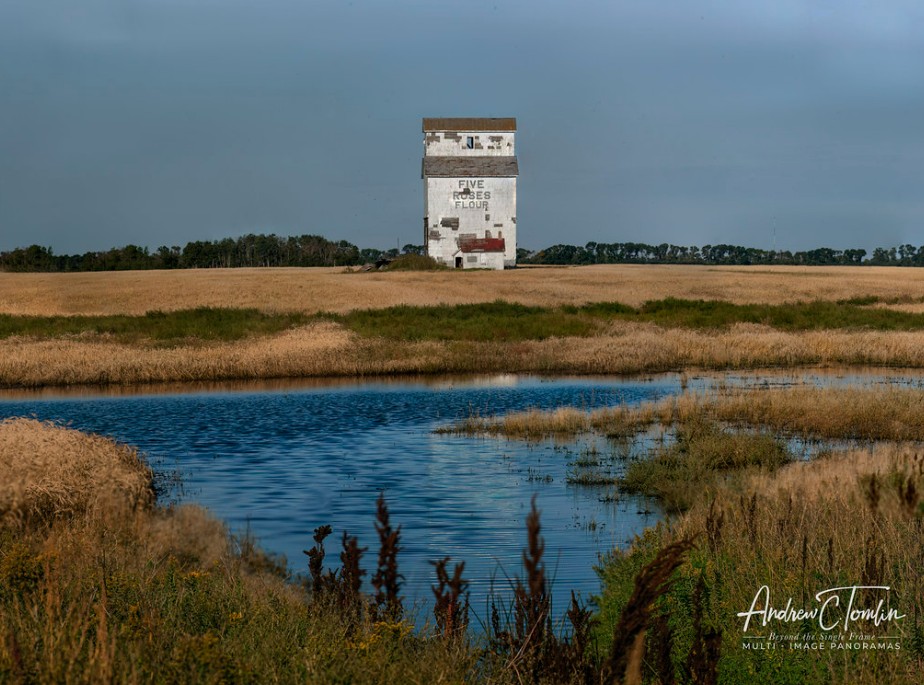
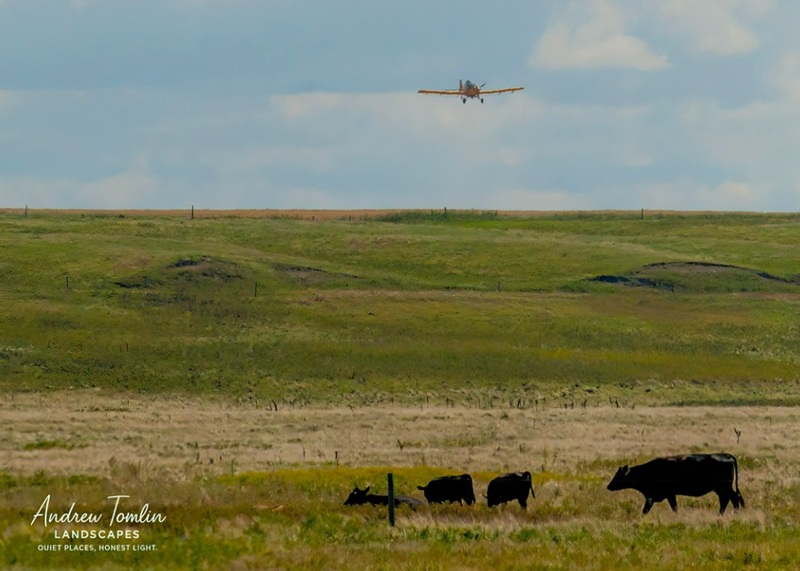
Even the animals seemed to know the season was turning, trading their brown summer coats for winter white.
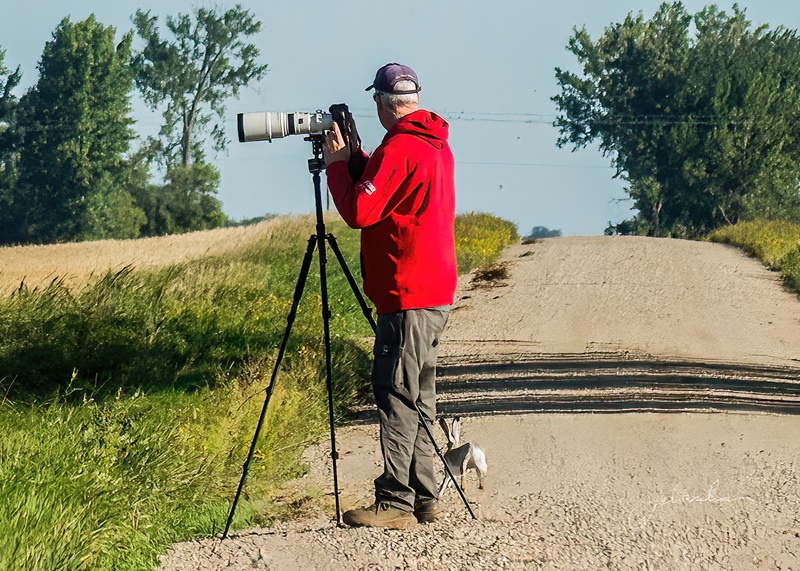
Everywhere we looked, the landscape reminded us that nothing stays the same—and that there is beauty in slowing down and letting go.
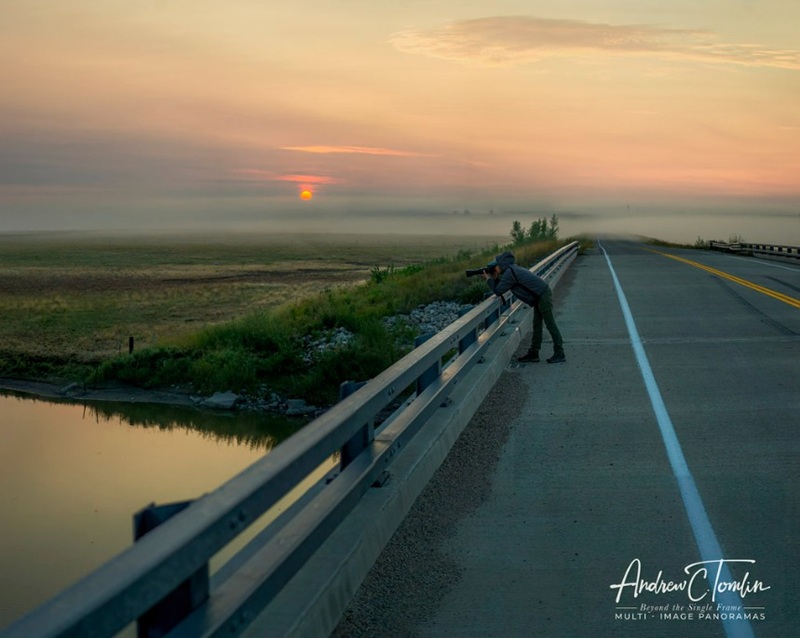
And so, as the season turns, we’re saying goodbye to Ninga. From here the road takes us to Riding Mountain National Park, where we’ll spend a week before slowly making our way home. We’ll trade quiet country roads and open fields for forests, lakes, and whatever wildlife happens to cross our path. But there are still miles to go, and our journey isn’t over yet. So, check back soon for Two Months North of Ordinary, Part II.
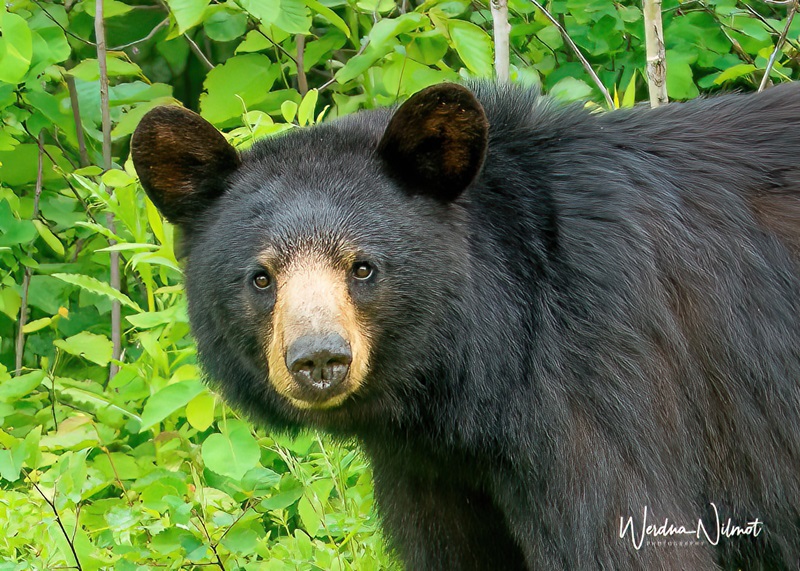
You can view all of the photos from our six weeks in Ninga by clicking on the Flickr links below.
TG (including multi-image panoramas):

JET:


“C:\Users\zelen\OneDrive\Dokumenty\Vietnam – presentation in English.pptx”
Hi, I am trying to share with pictures from our trip to Vietnam but I am not sure it will be working. Could you please let me know if you are able to open the presentation?
Otherwise thank you very much for pictures of your trip to Manitoba.
Best regards
Ivan
LikeLike
Hello, Ivan! Thanks for the kind words. I can’t open the link, sorry…
LikeLike
I am sorry for that. I am going to find out another option to send or share our presentation for you. Btw how did you manage to share your document with us?
Best regards
Ivan
LikeLike
Hi Ivan – the blog is published on Word Press, which is a free website for bloggers. And we post all of our photos on another free website called “Flickr.” If you can view the Flickr photos embedded in my blog, you should be able to set up your own account and share the link from there. Give my best to Martina! Joanie
LikeLike
Hi Joanie,
Thanks for the advice. I am going to try it.
Best regards
Ivan
LikeLike